Moe is justice! A small site that occasionally shares ACG event logs and interesting code.
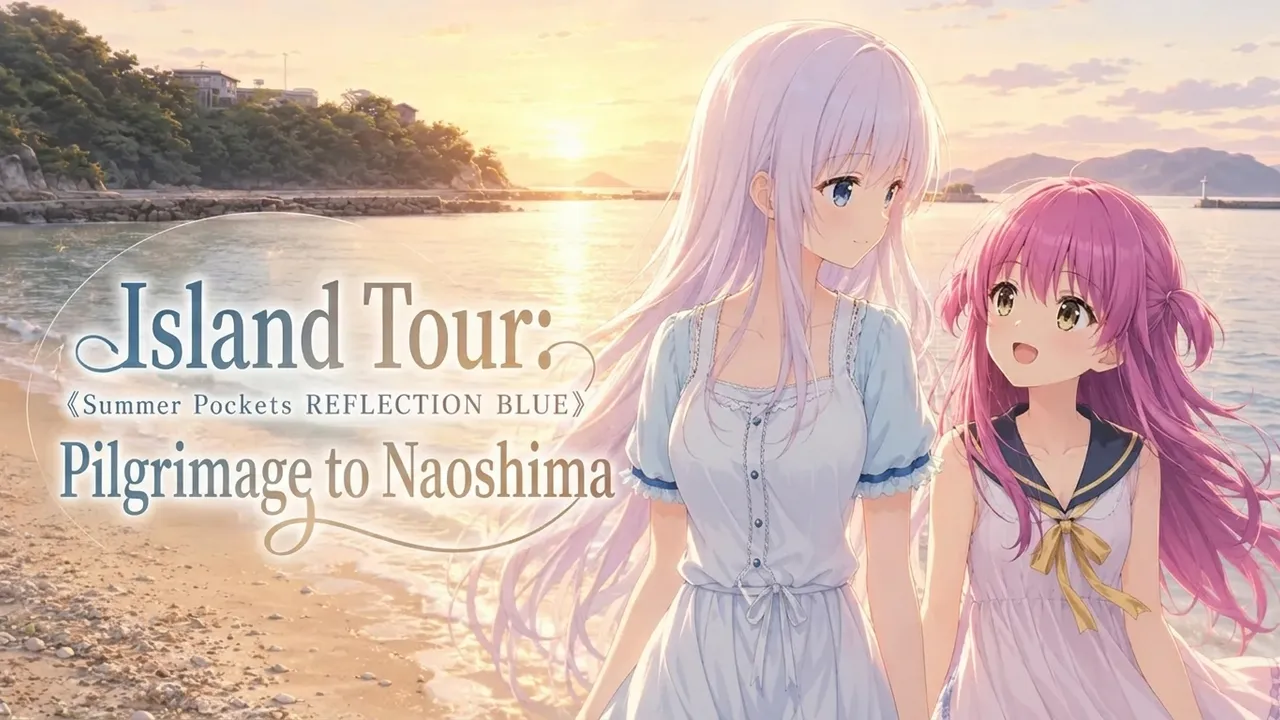
Exploring Japan's "Onigashima": A Pilgrimage to Megijima from Summer Pockets REFLECTION BLUE
On May 5, 2026, a sunny day, I set off on a pilgrimage to Megijima and Ogijima from Summer Pockets REFLECTION BLUE.
This article covers Megijima.
How to Get to Megijima / Ogijima
The most common way to reach Megijima / Ogijima is to take the Shiyujima Kaiun ferry "Meon" from Takamatsu Port.
Route
Takamatsu Port → Megijima → Ogijima
The return route is Ogijima → Megijima → Takamatsu Port. The ferry arrives at Megijima first, then Ogijima.
Travel Time
From Takamatsu Port:
To Megijima: about 20 minutes
To Ogijima: about 40 minutes, with a stop at Megijima
It is recommended to check the timetable in advance: https://meon.co.jp/access
Also, note that if you, like me, are taking the route Takamatsu Port → Megijima → Ogijima,
then buy a one-way ticket from Takamatsu Port to Megijima, then a one-way ticket from Megijima to Ogijima, and finally a one-way ticket from Ogijima back to Takamatsu Port.
Don't make the mistake of buying a round-trip ticket!
Heading to Megijima
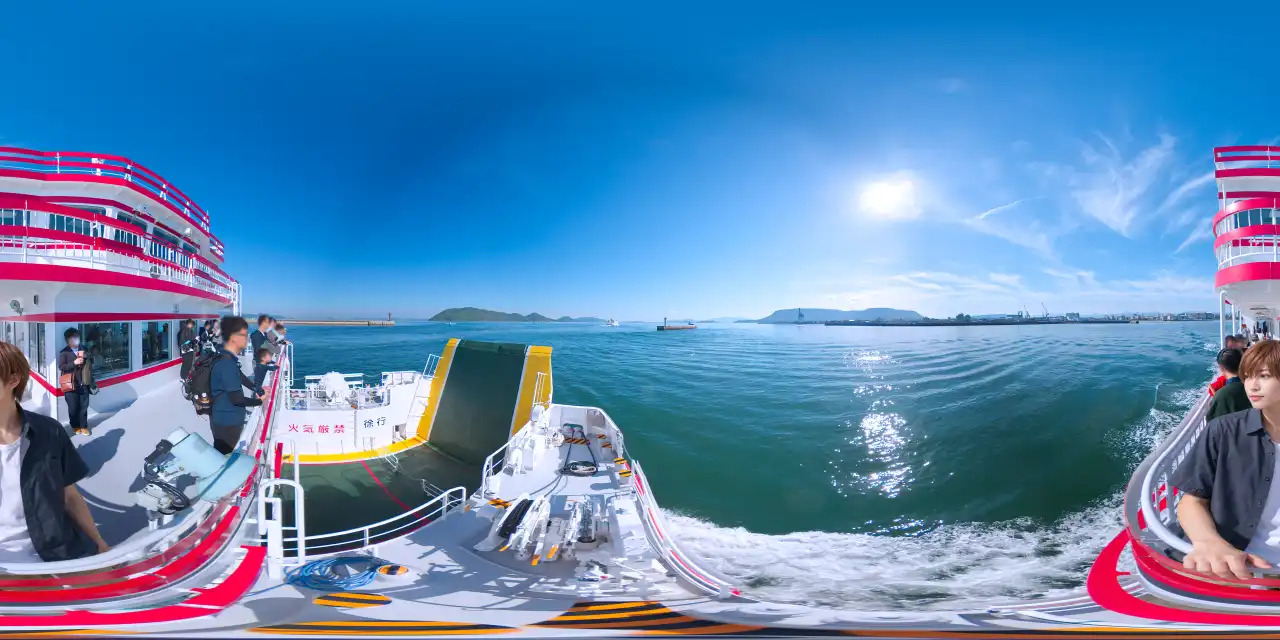
I boarded the same type of ship as the protagonist heading to Torishirojima.
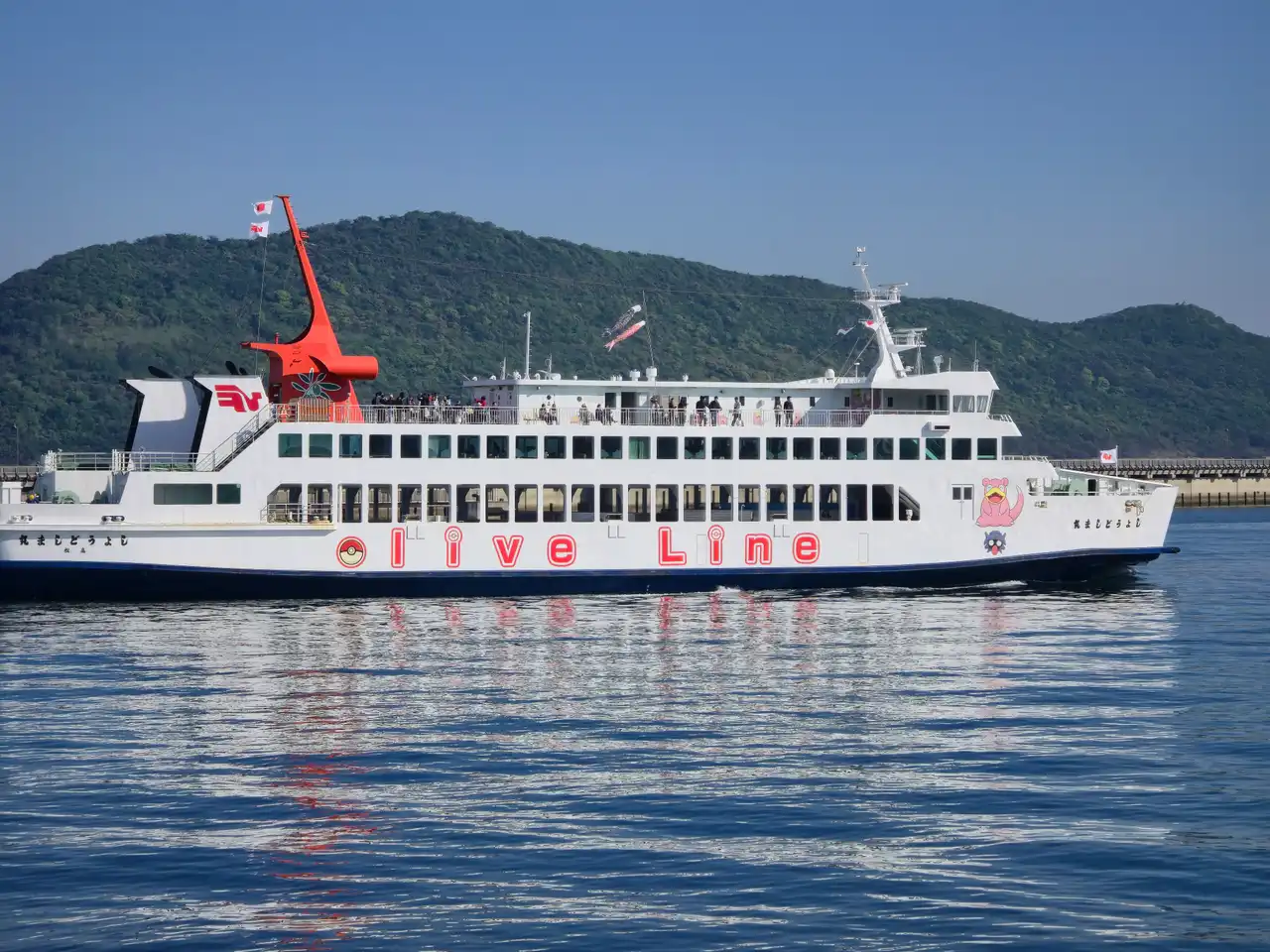
Today's Olive Line is the Slowpoke Ferry!
About Megijima
Megijima is a small island off the coast of Takamatsu City, Kagawa Prefecture, located in the Seto Inland Sea. It is famous for its connection to the Japanese folktale Momotaro and the legend of Onigashima (Demon Island). The island has a quiet, relaxed atmosphere, preserving a simple island village landscape with open coastlines offering clear views of the calm Seto Inland Sea and distant islands. Megijima combines natural scenery, legendary culture, and island life, making it a small, peaceful, and distinctive island in the Seto Inland Sea.
For Summer Pockets REFLECTION BLUE, Megijima is primarily the setting for Kamome Kushima's story.
It also serves as the setting for Ao Sorakado's butterfly-catching scene.
However, due to time constraints, I'll leave the pilgrimage for Ao Sorakado's route for another opportunity!
But come to think of it, could the concept of "oni" (demons) in Shiki Kamiyama's story be inspired by Megijima?
Onigashima Great Cave
Onigashima Great Cave (original name: 鬼ヶ島大洞窟) is one of the most iconic spots on the island. Megijima is called "Onigashima" due to the demon legend, and the cave is connected to this tale. Inside, there are exhibits and scenes related to "oni," giving it a distinct folktale atmosphere. It is an important site for understanding the legendary culture of Megijima.
How to Get to the Cave
The easiest way is to take the connecting bus from Onigashima Oni-no-Yakata near Megi Port to the cave. The bus schedule is coordinated with ferry arrivals.
Based on my experience that day, the driver even checked if anyone was still inside the building before departing, which was very reassuring.
Bus Stop at the Cave
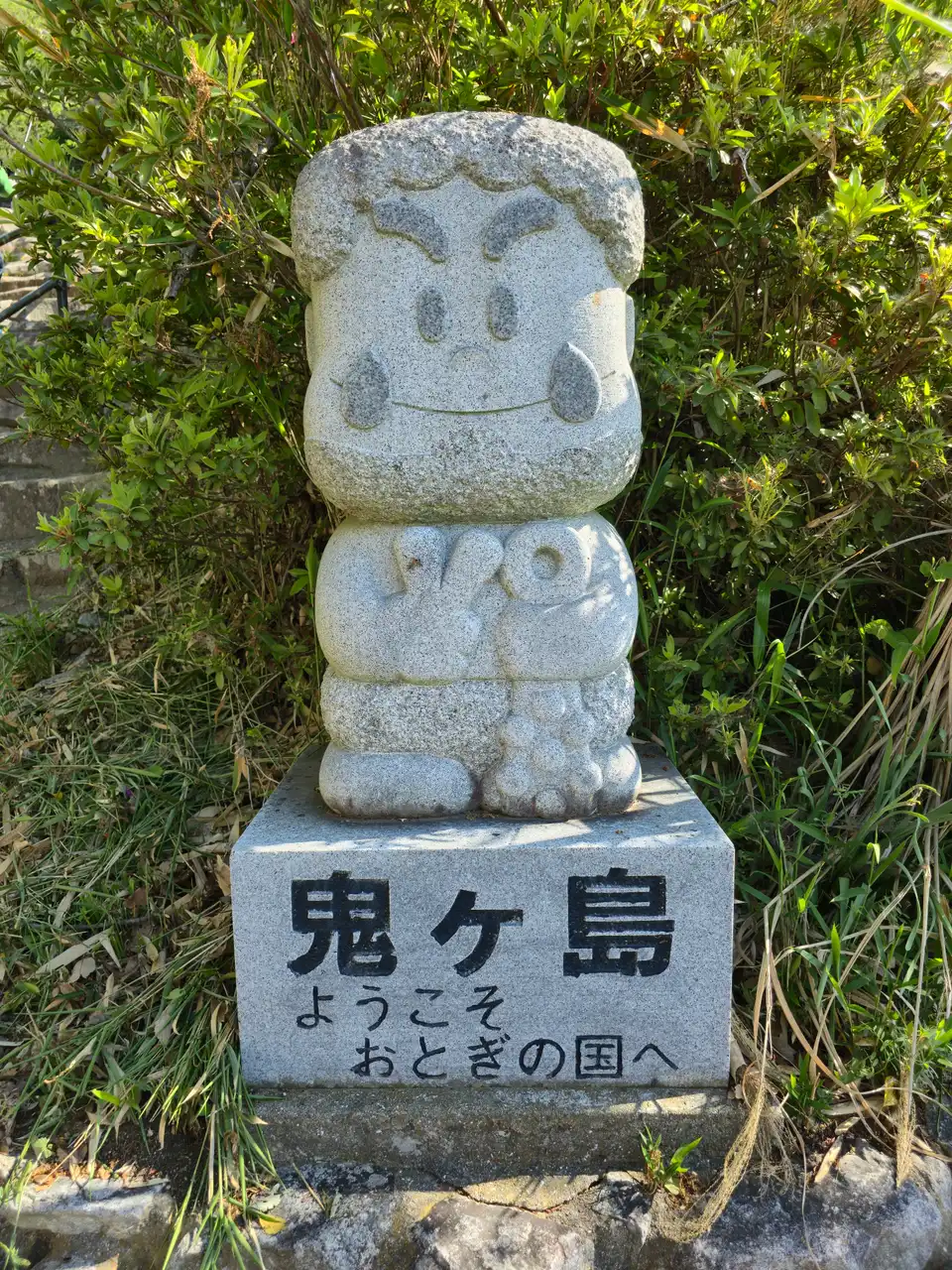
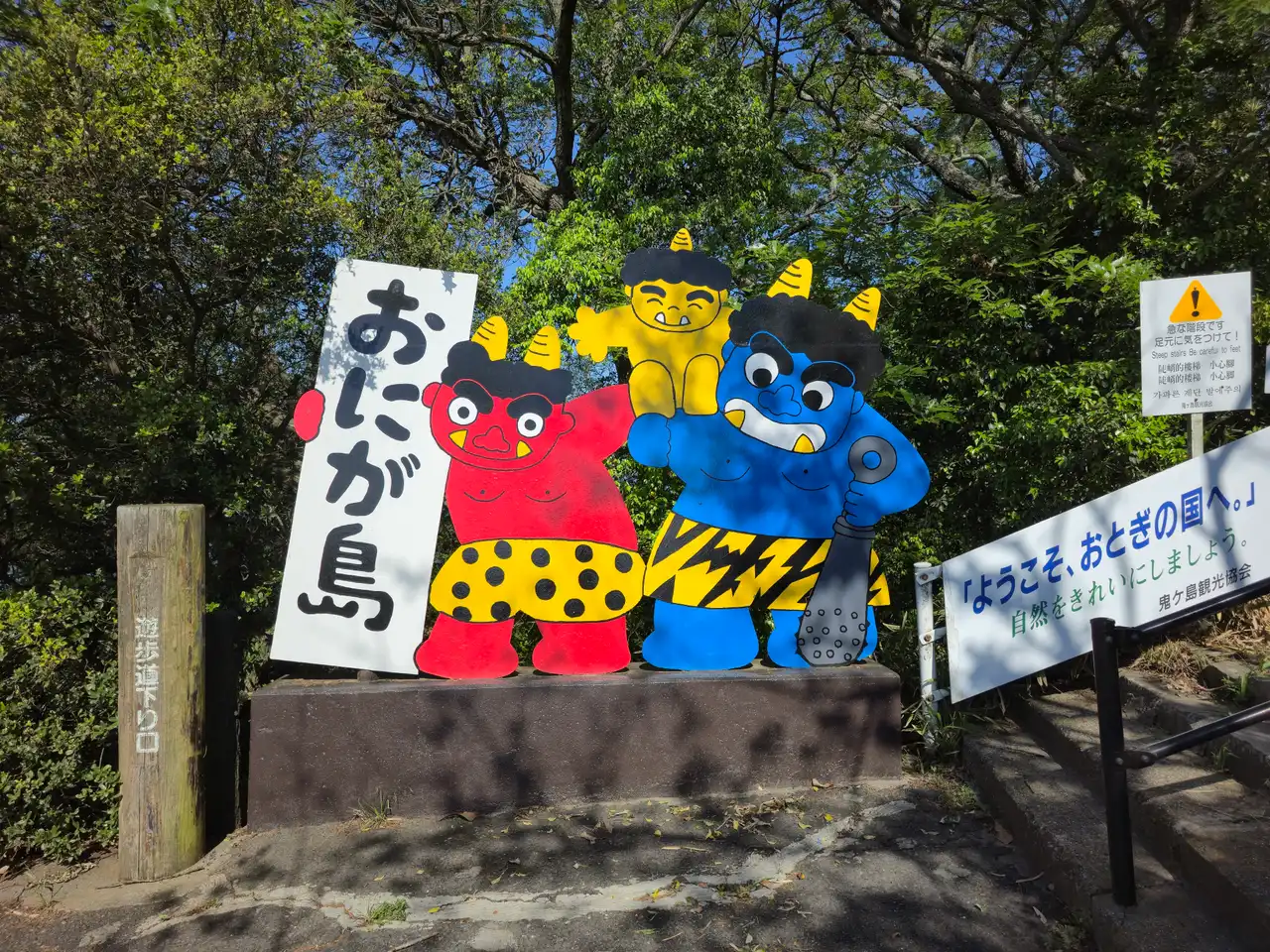
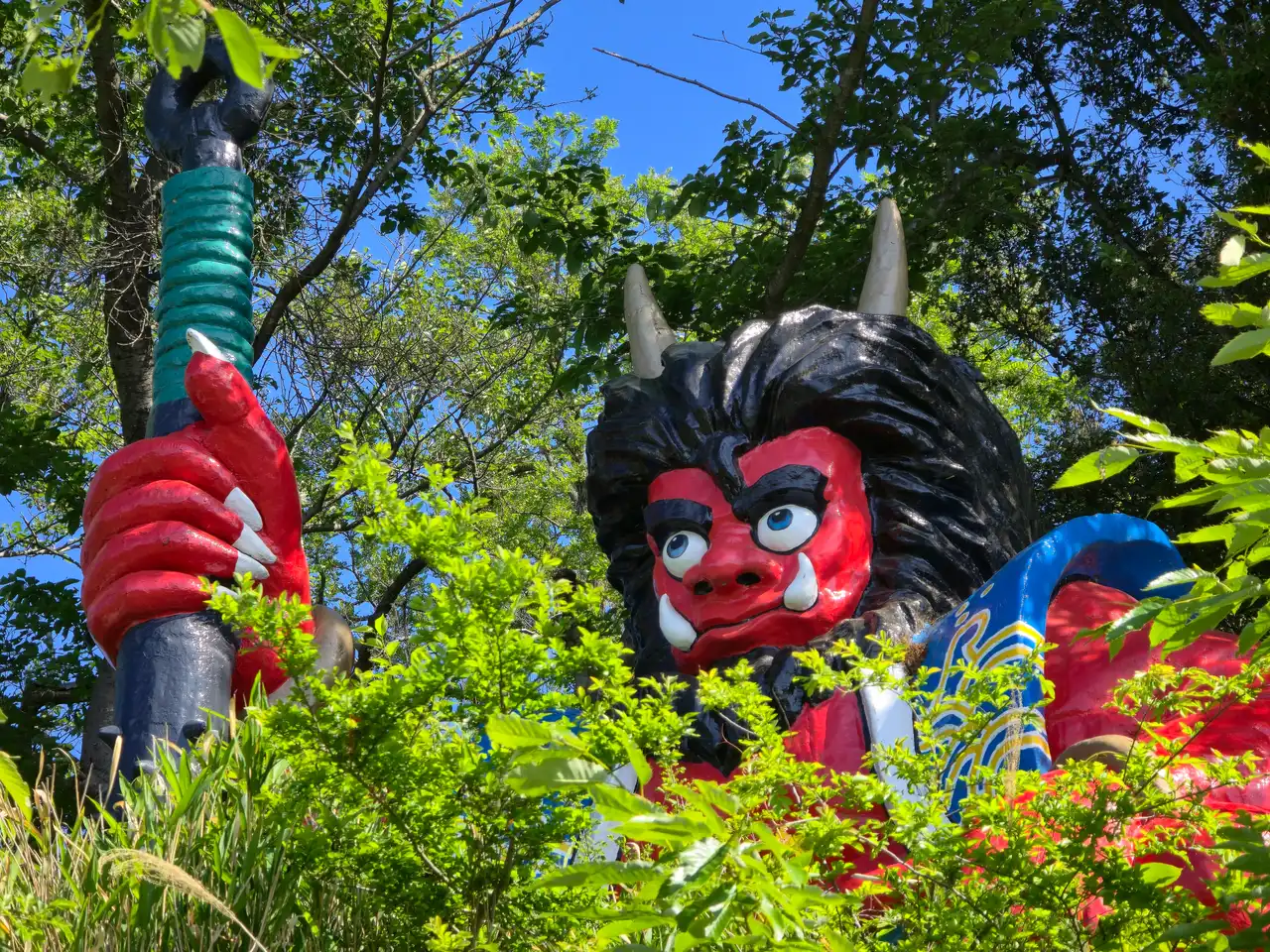
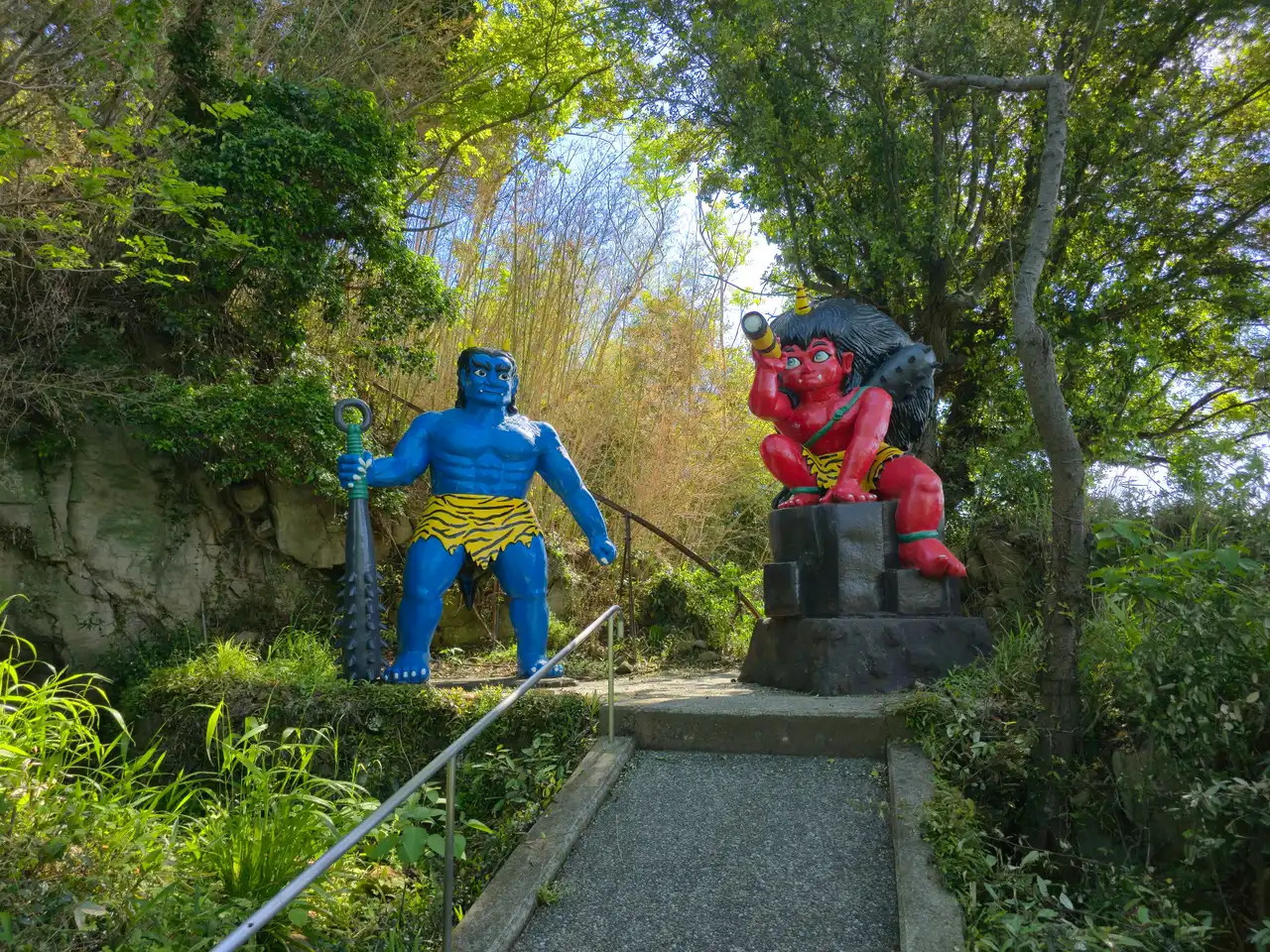
As soon as I got off, I was surrounded by "oni."
As mentioned earlier, this is related to the classic Momotaro tale.
So most visitors were families with children.
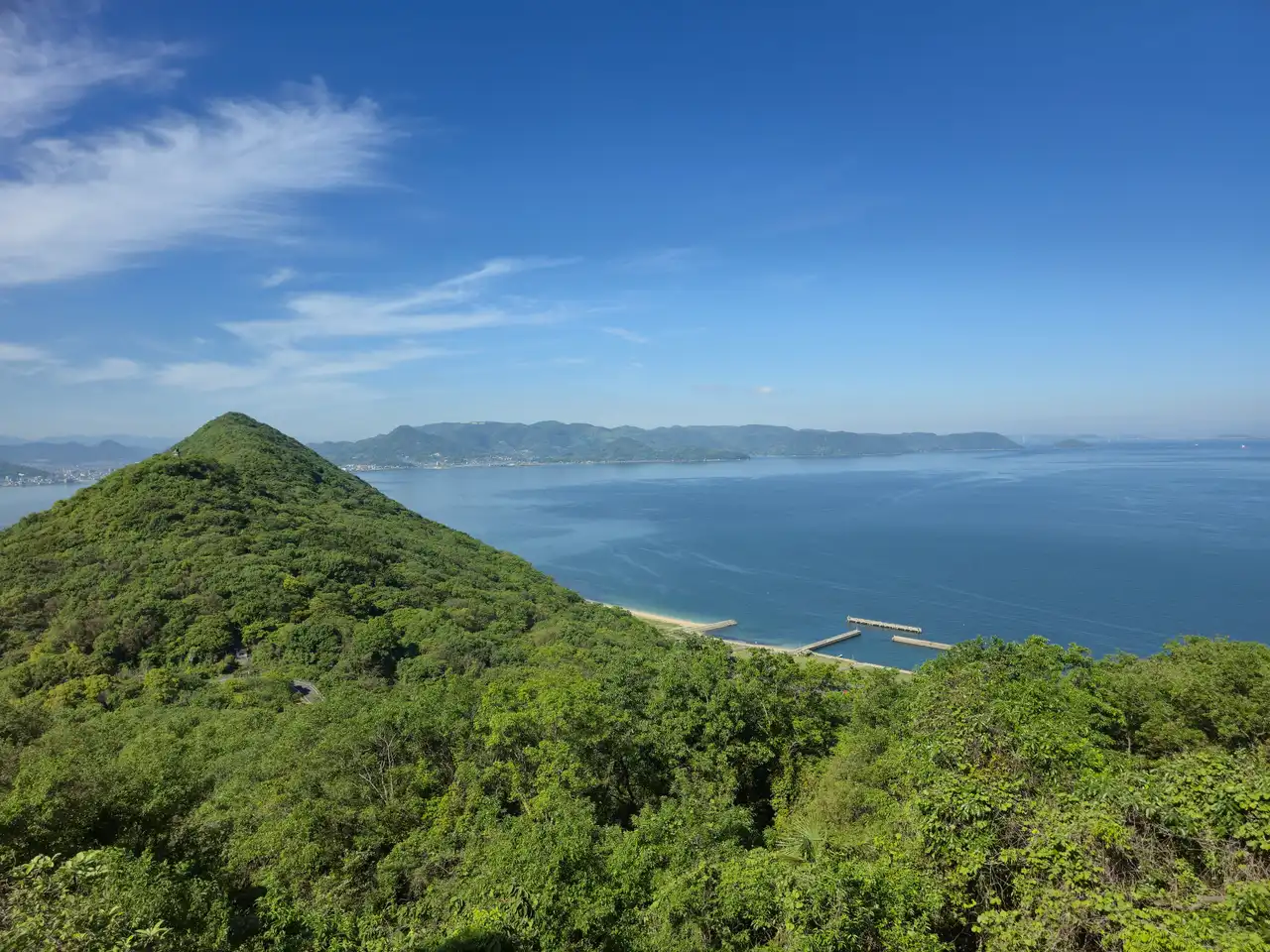
Scenery along the way.
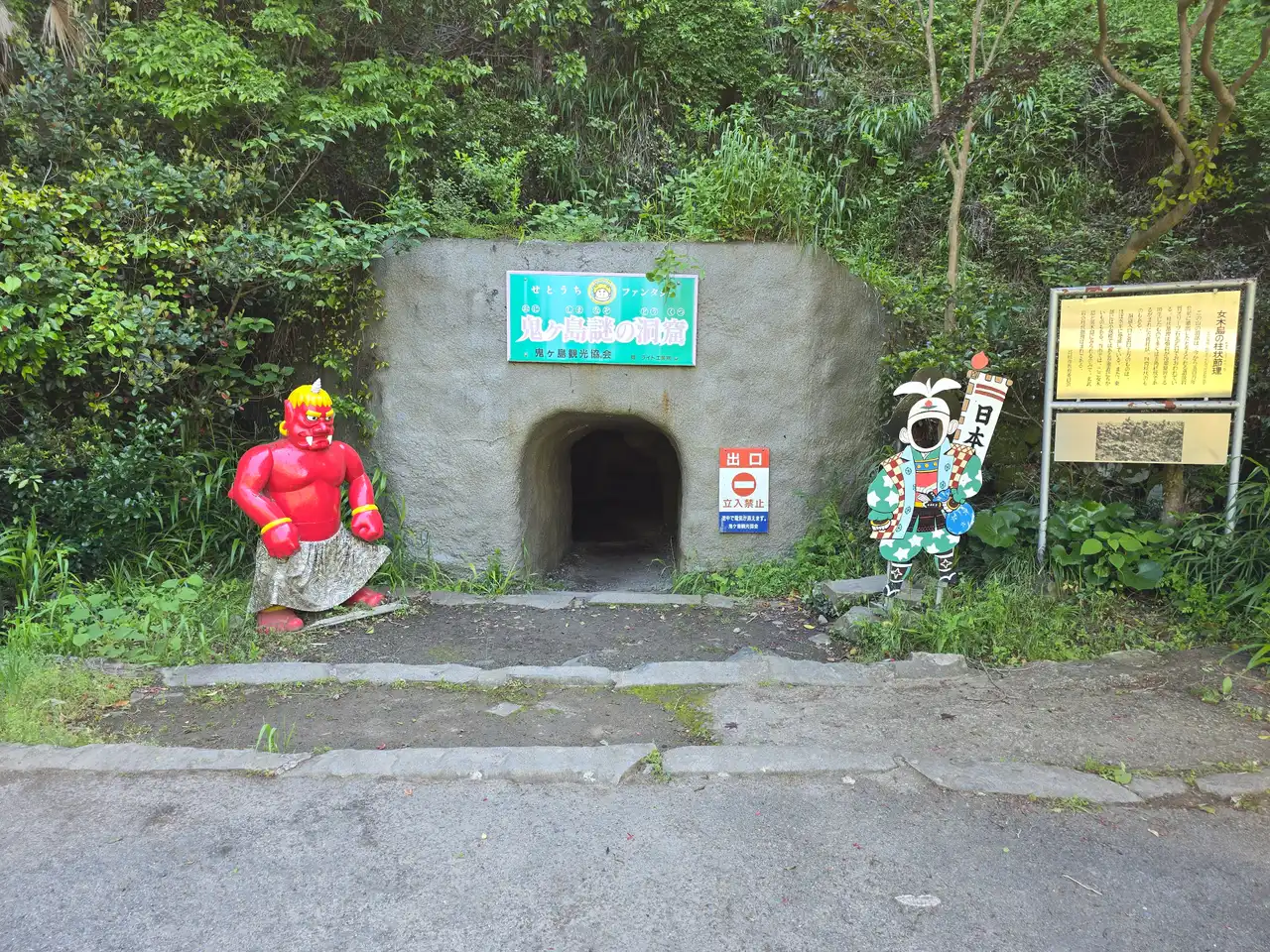
Cave Entrance
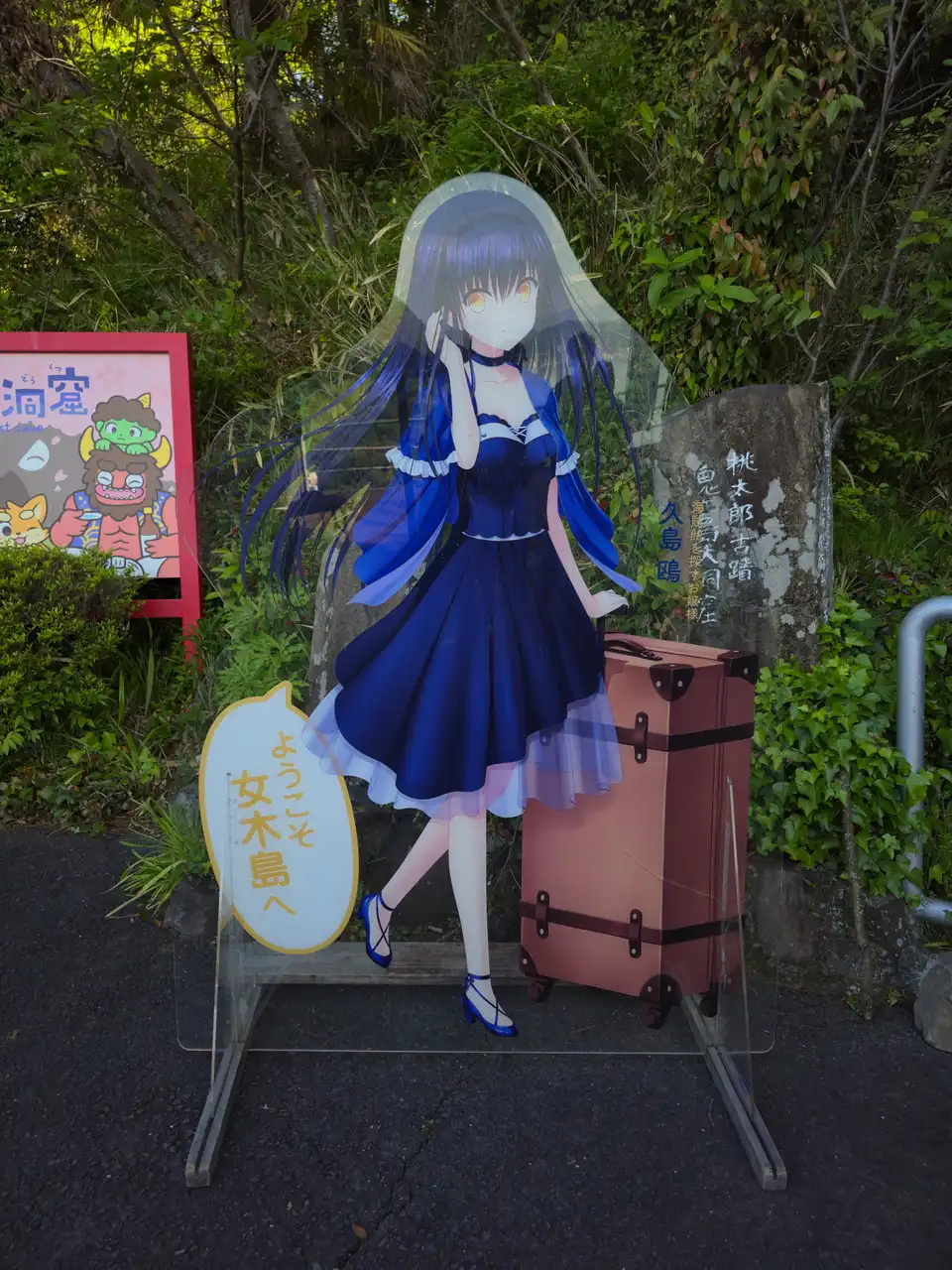
A standee of Kamome was placed at the entrance.
The ticket staff even offered to take a photo with Kamome for us, very thoughtful service.
Because of this, I realized there were quite a few pilgrims; at least three groups were ahead of me.
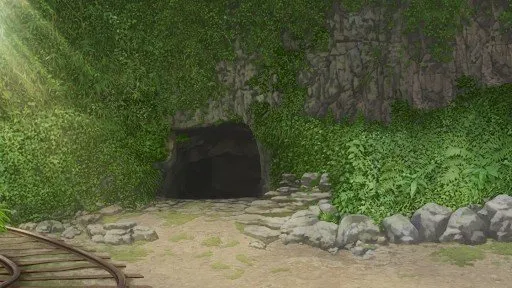
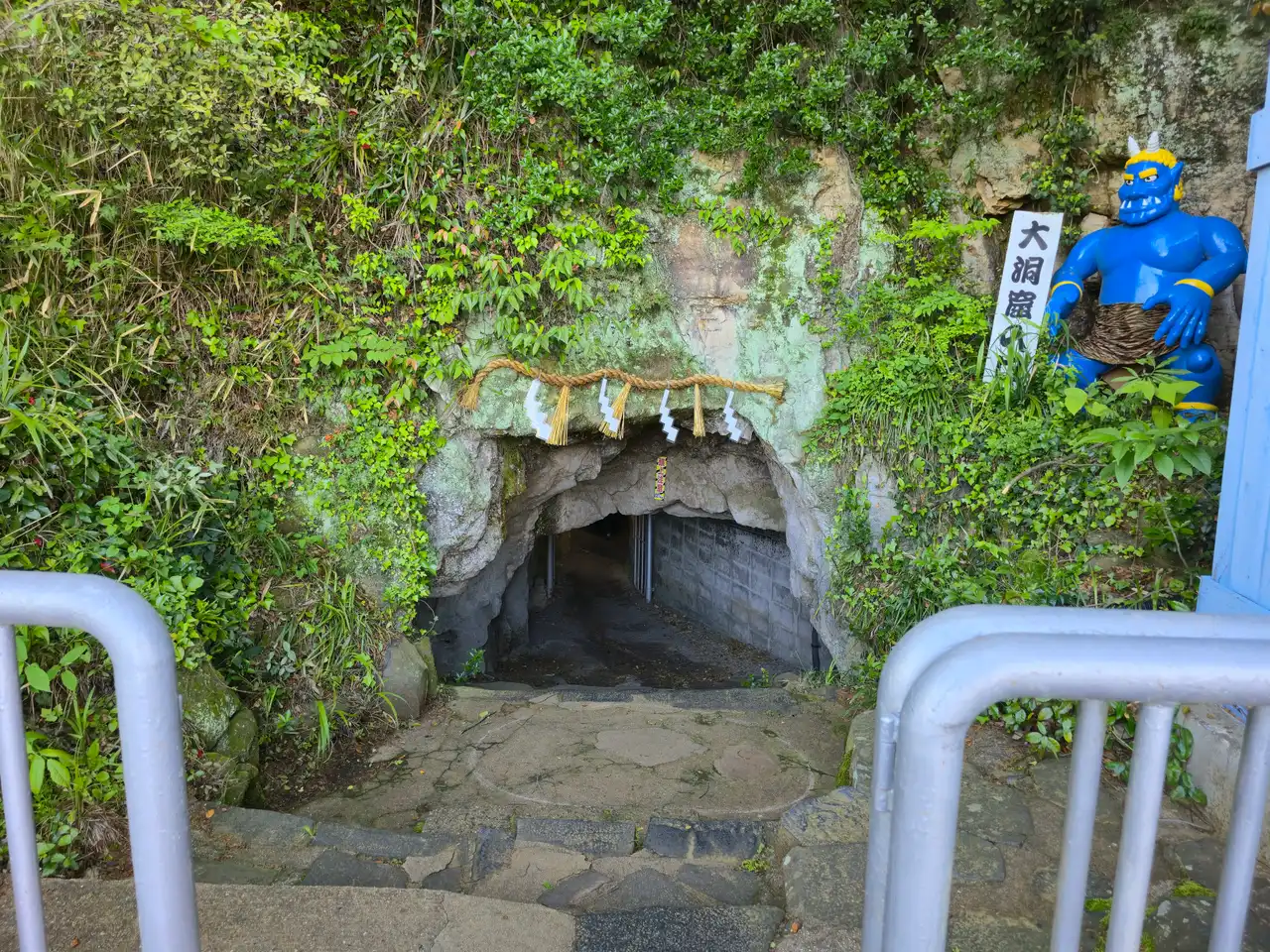
This cave entrance is the first scene of the pilgrimage.
Inside the Cave
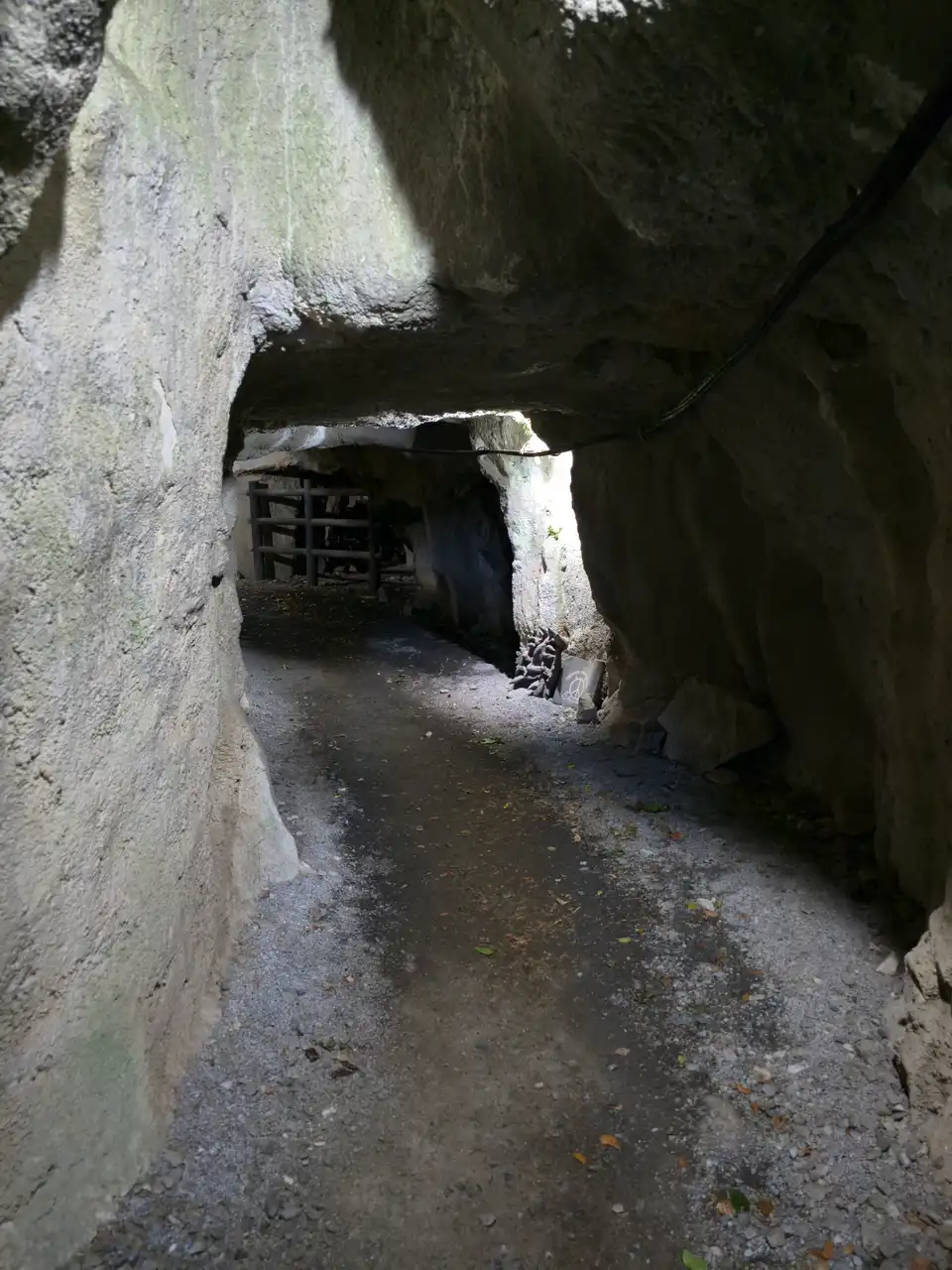
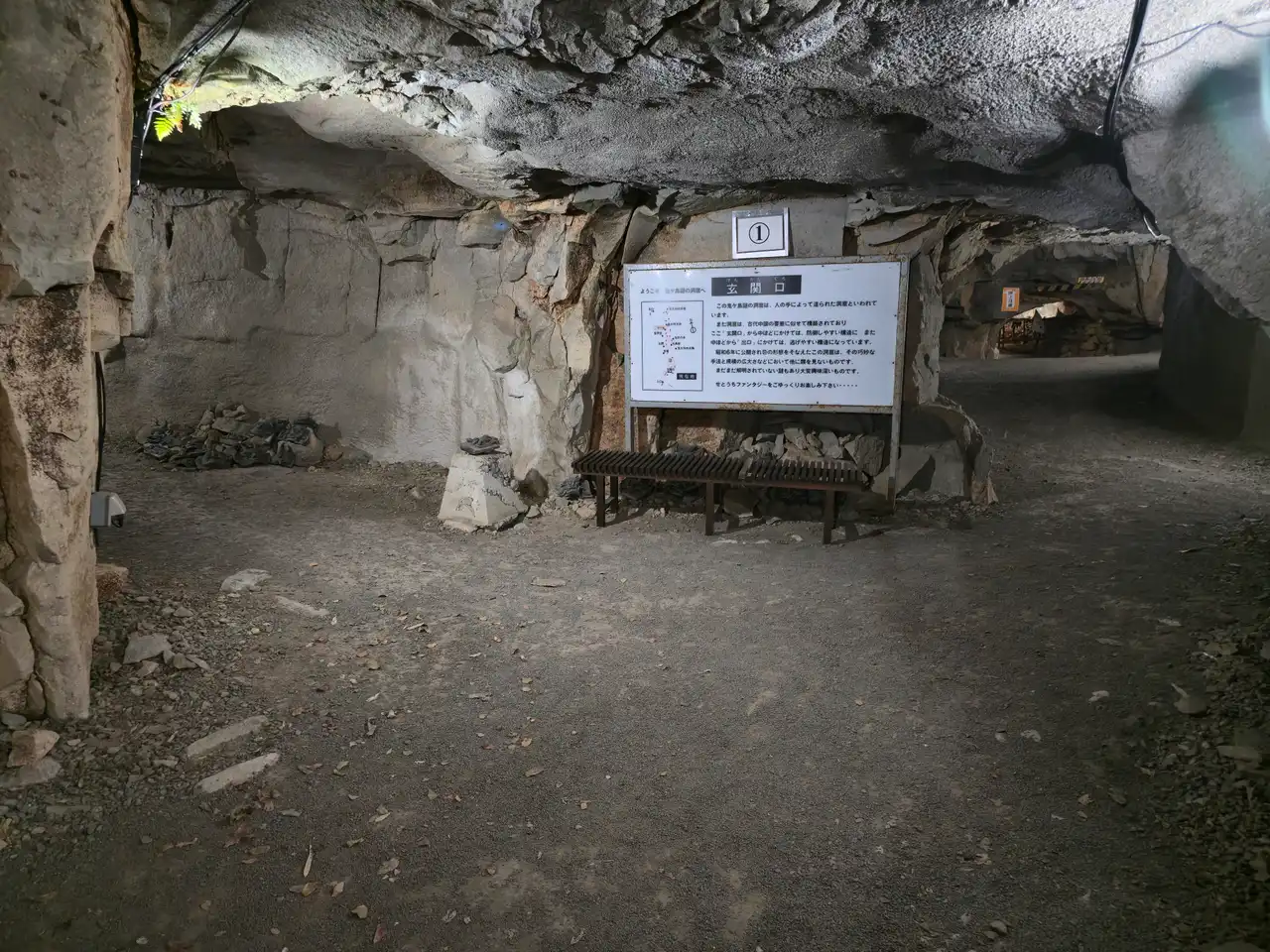
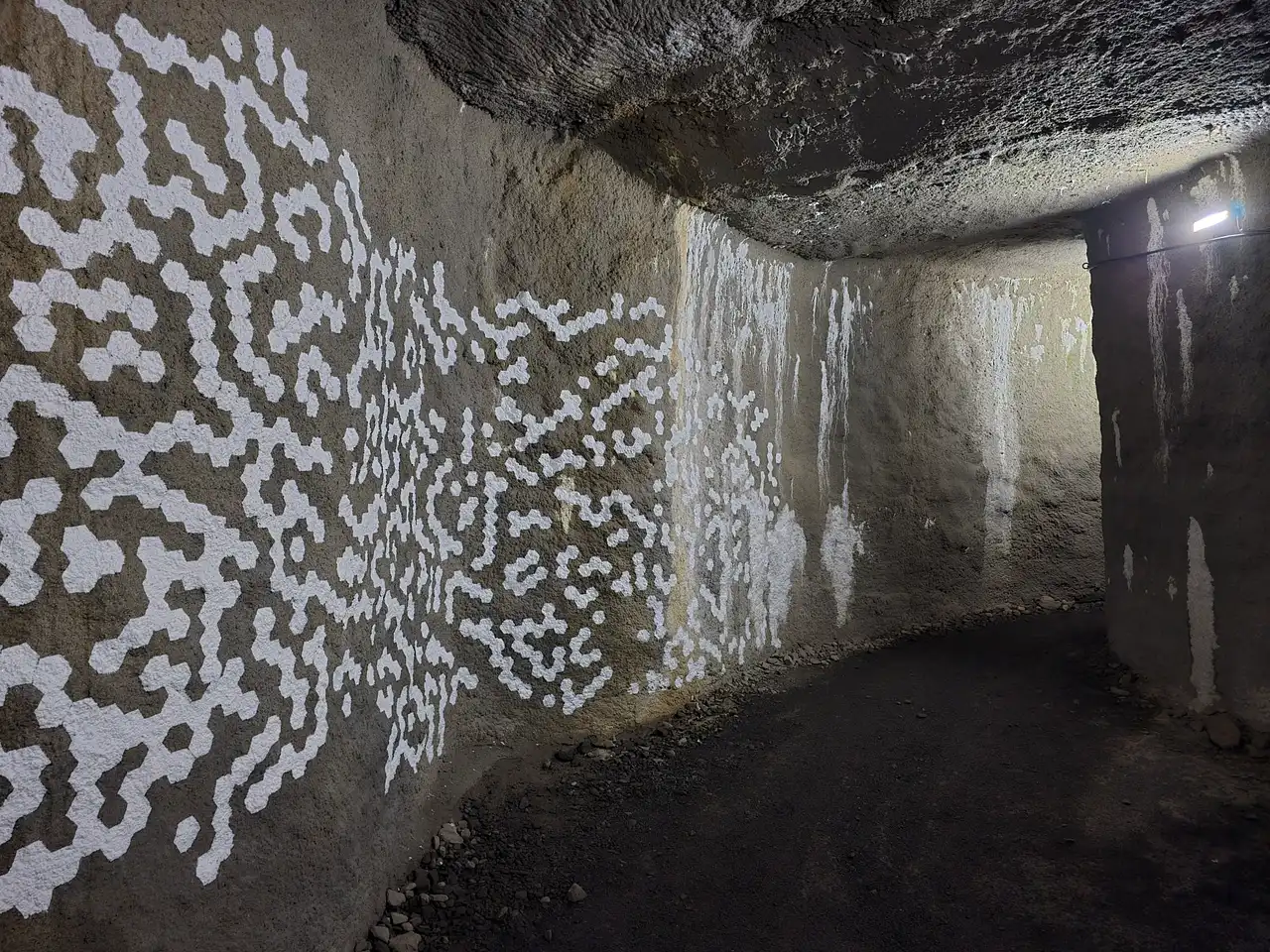
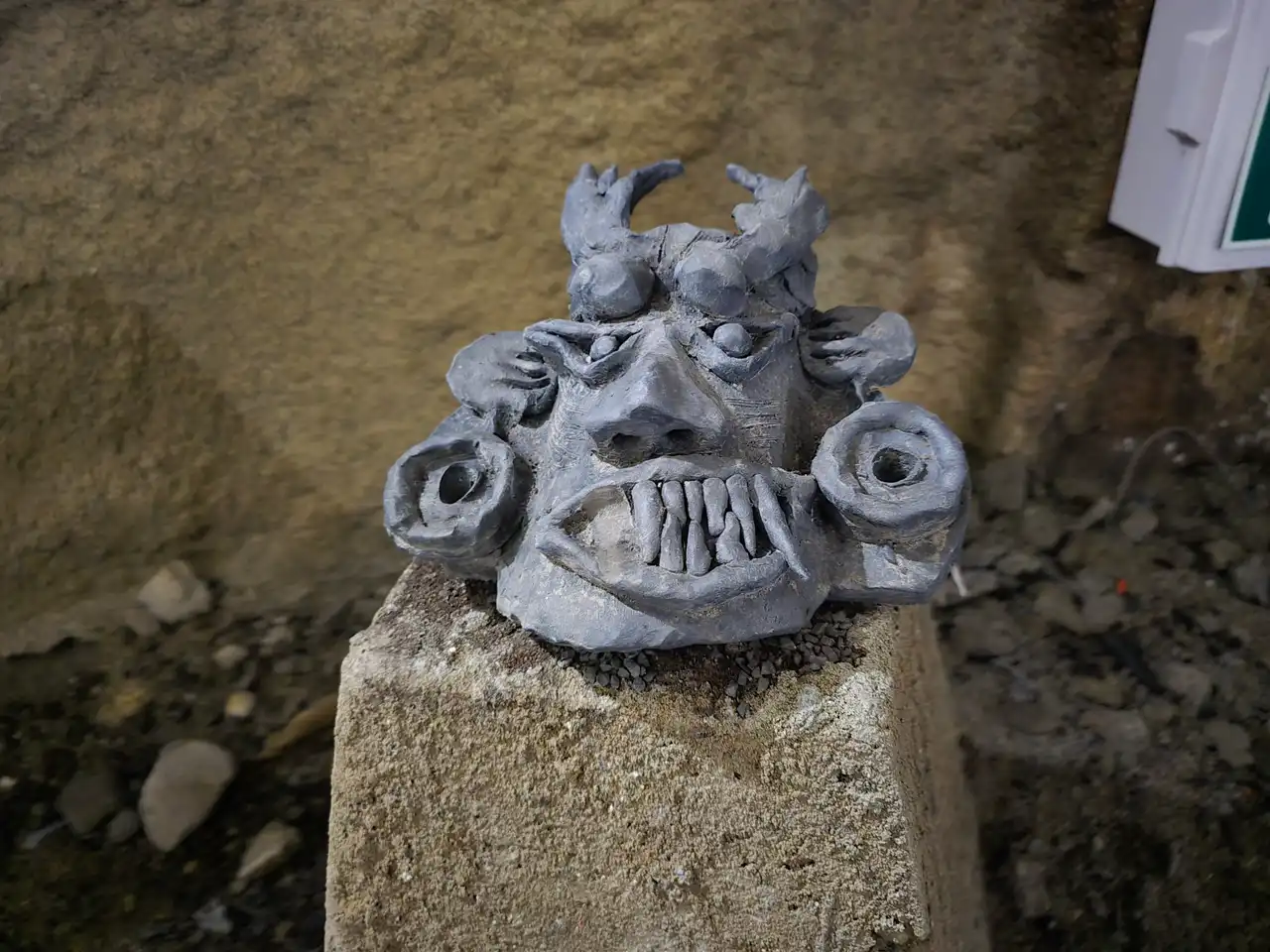
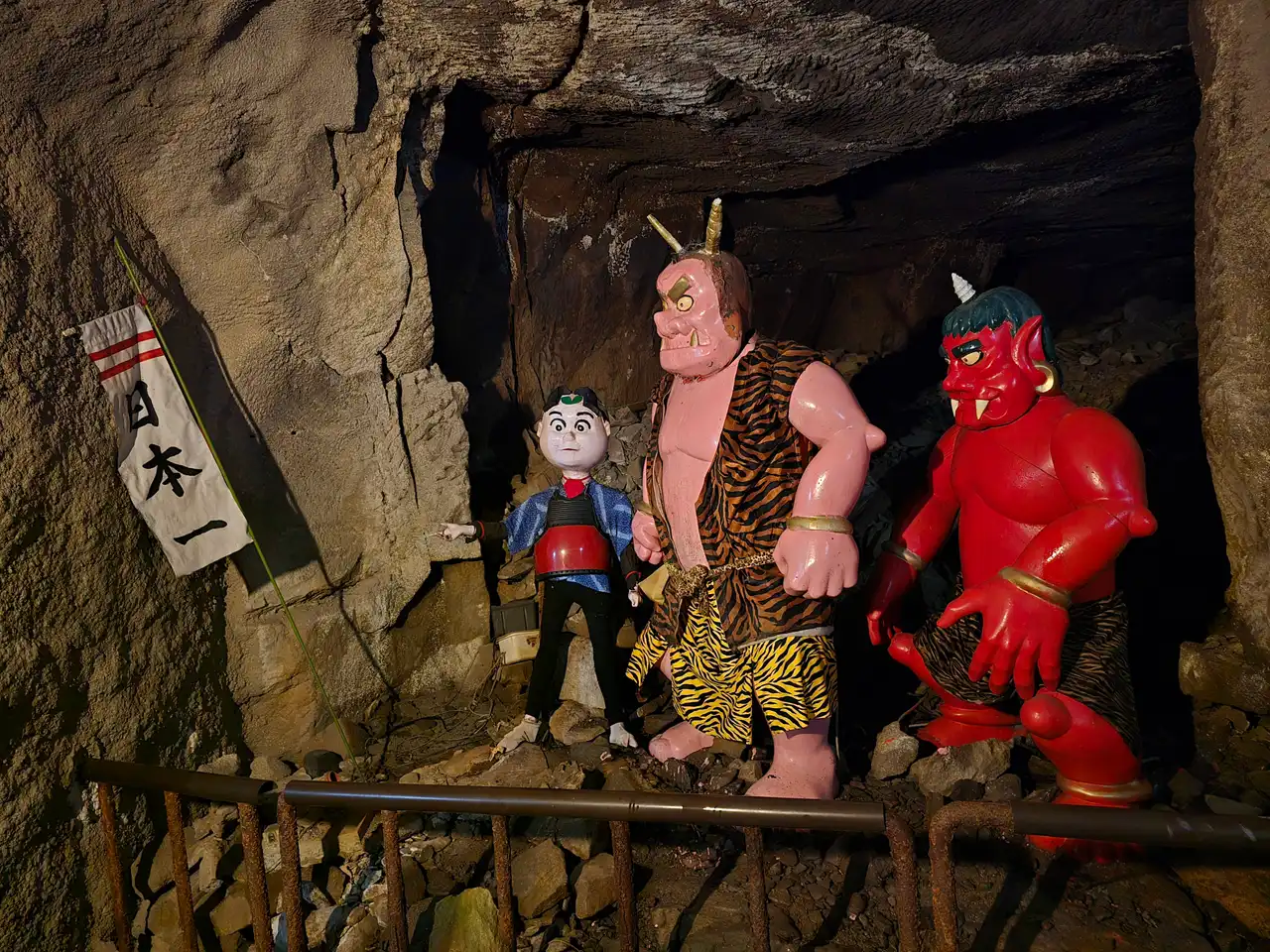
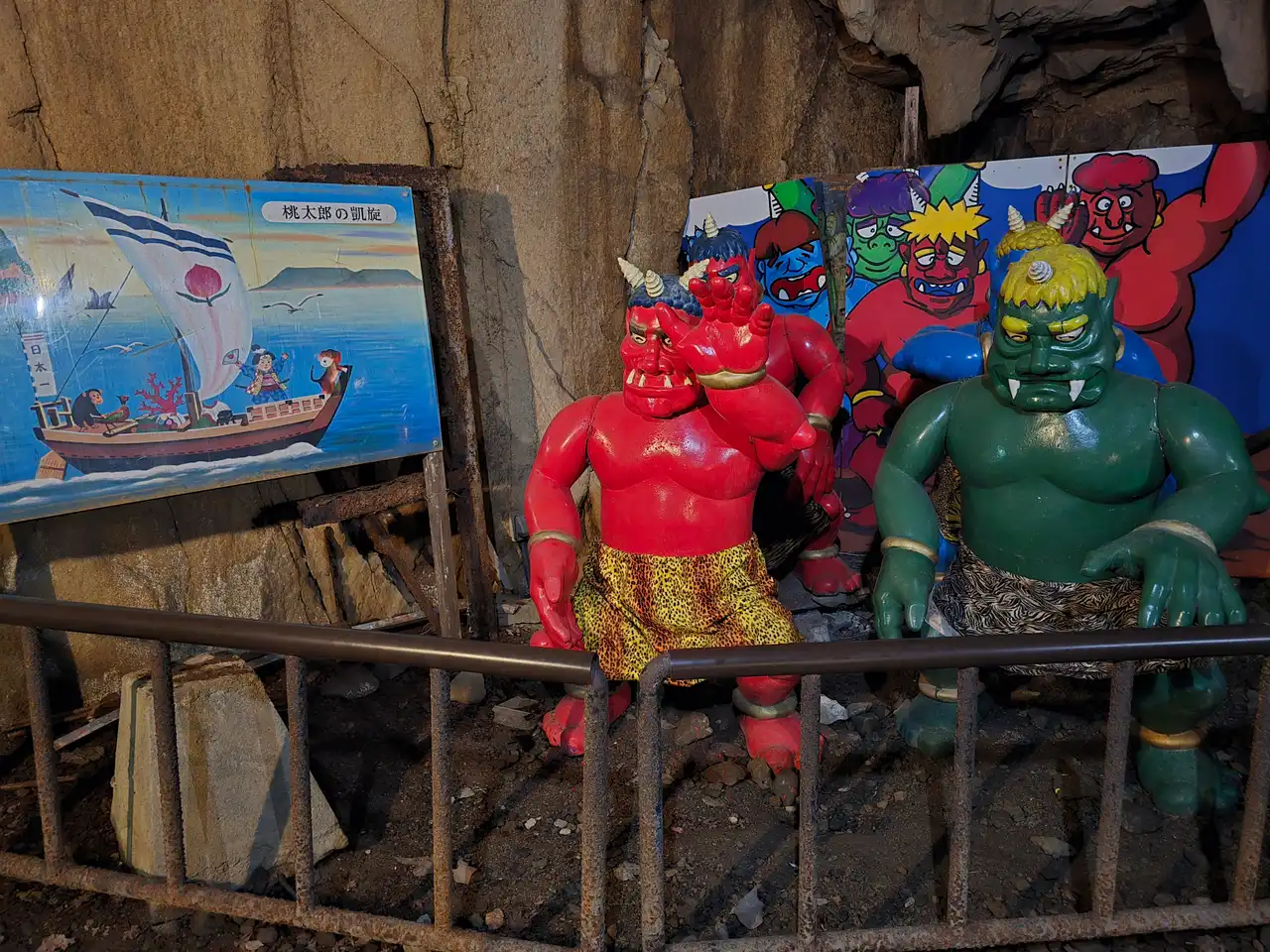
The cave is quite large, decorated with various "oni" figures.
I experienced Momotaro firsthand.
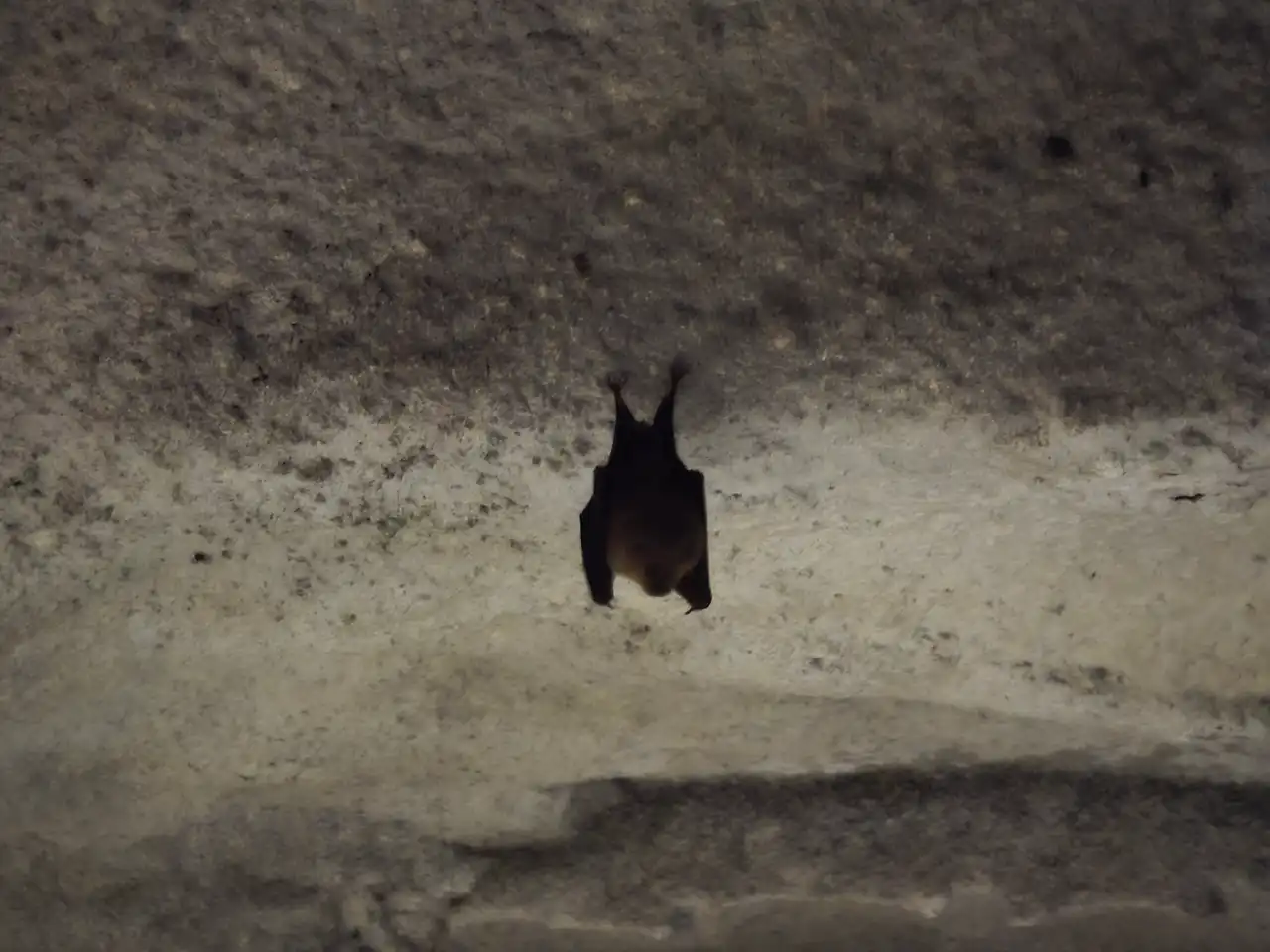
I even encountered a wild bat!
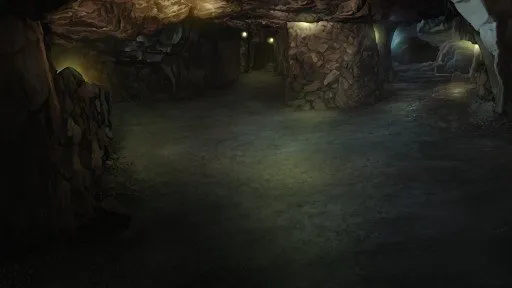
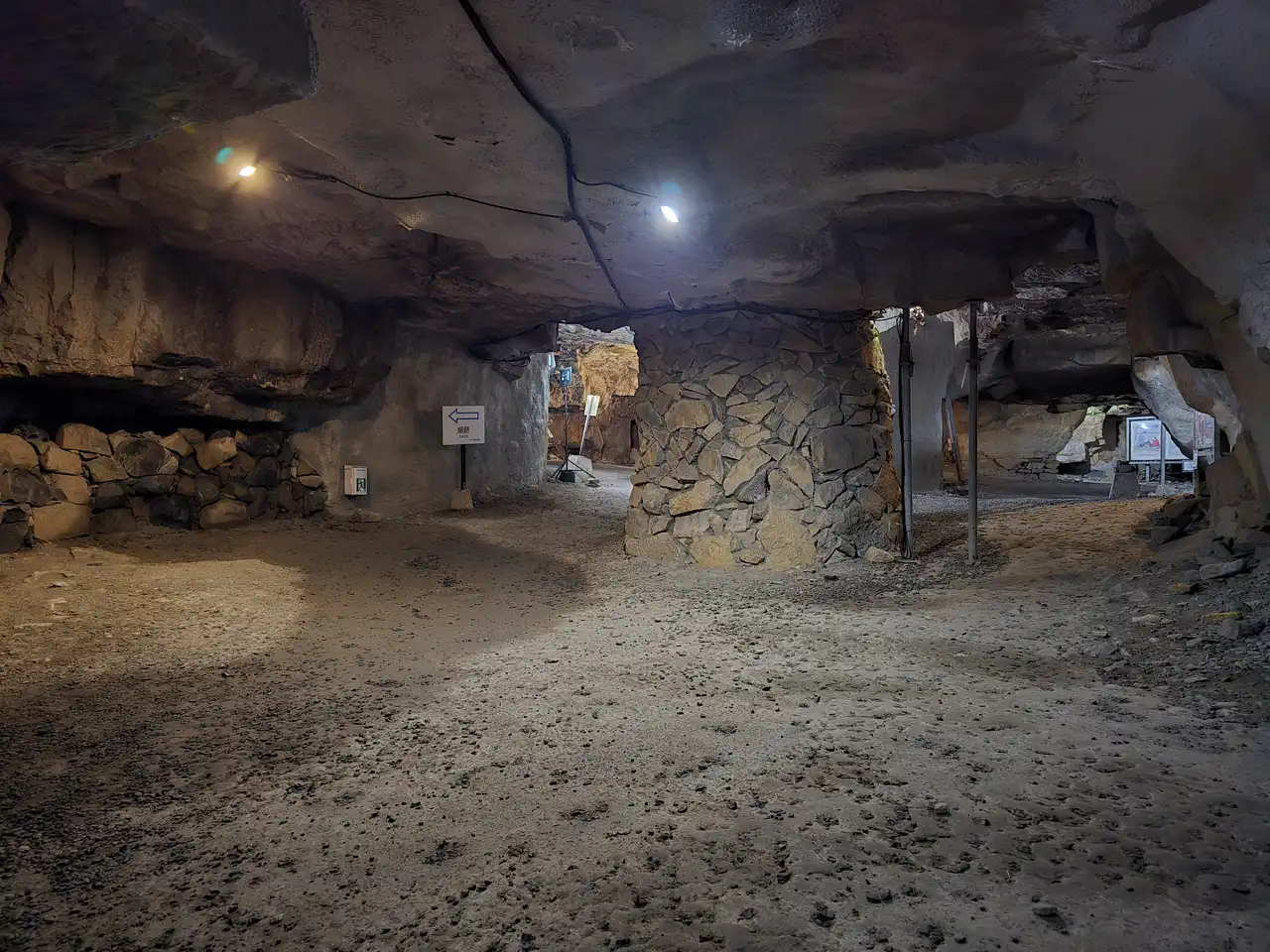
In the middle section, looking back, I found the scene from the original work.
Without this iconic pillar, it would have been quite hard to spot.
So what does the 360° panorama of this scene look like?
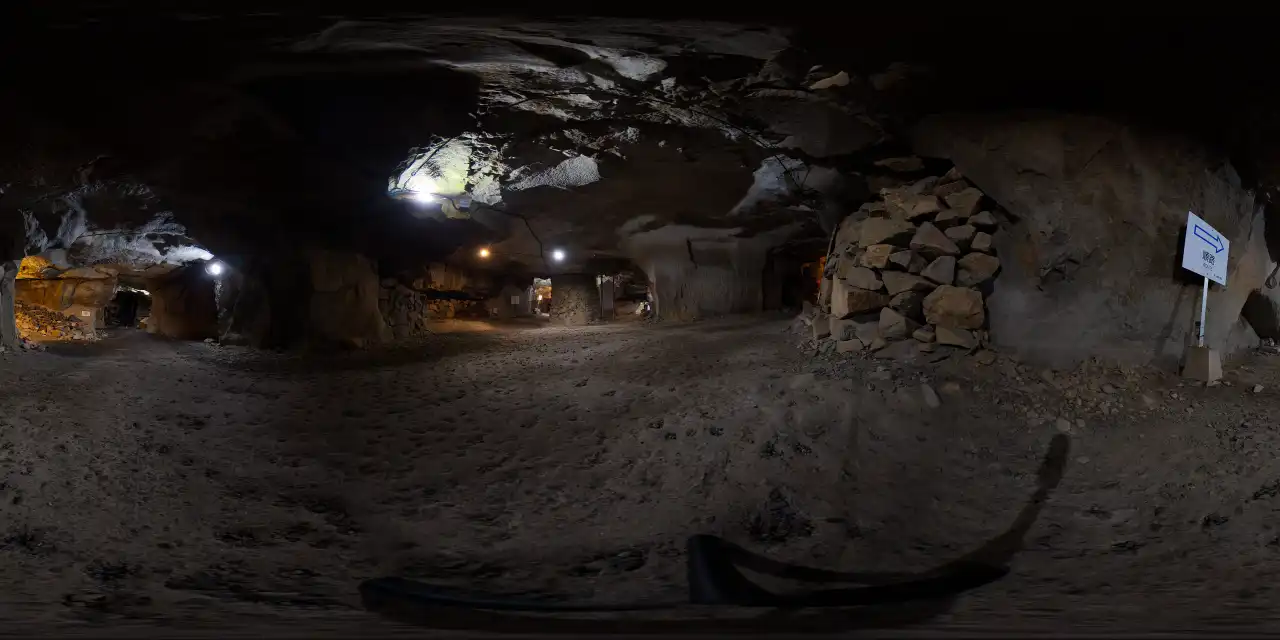
The game is quite faithful to the real location!
Exiting the Cave
Path
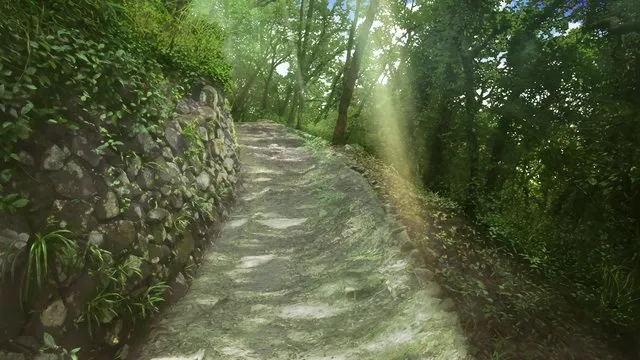
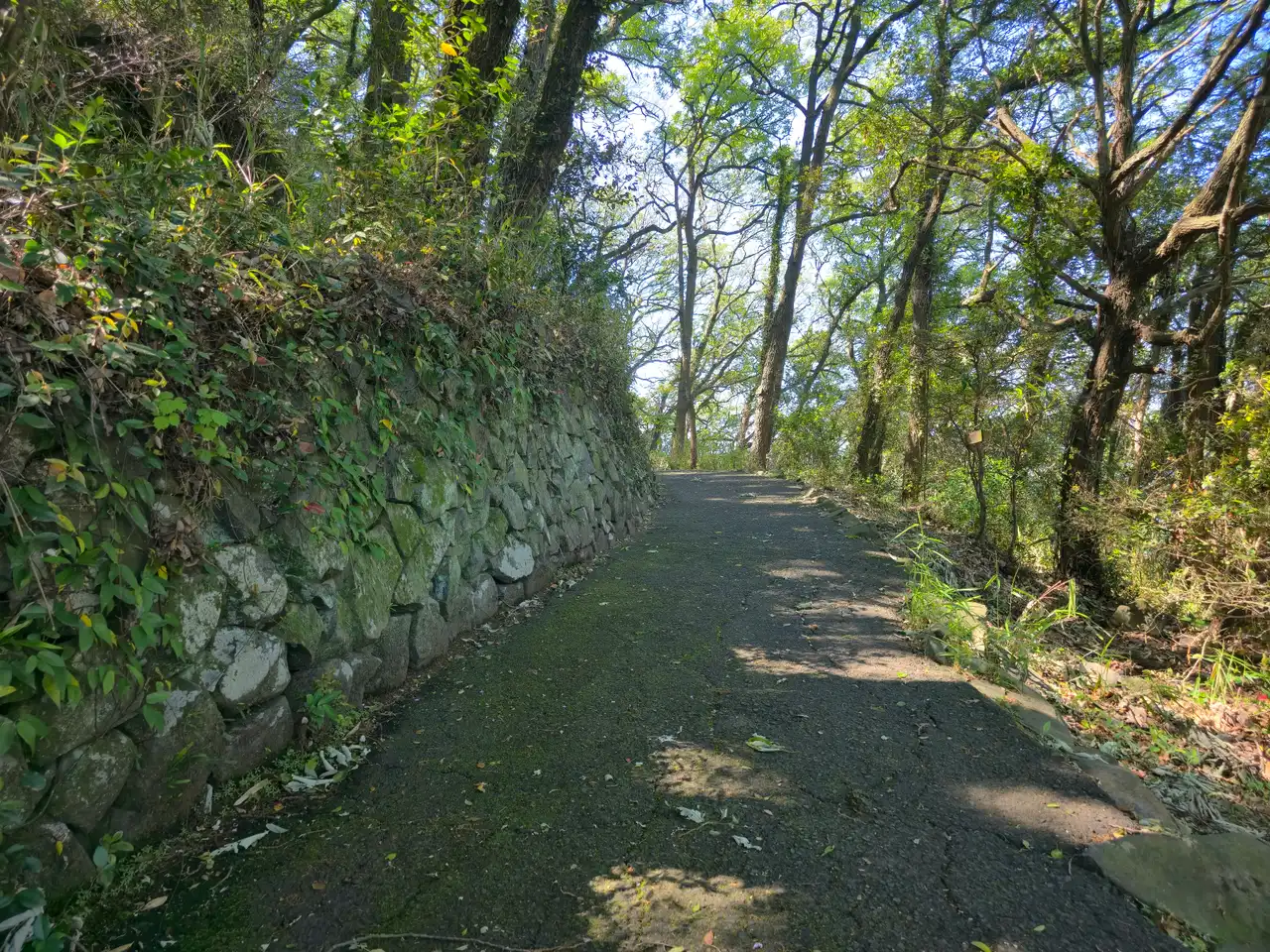
It could be said to be rather unremarkable.
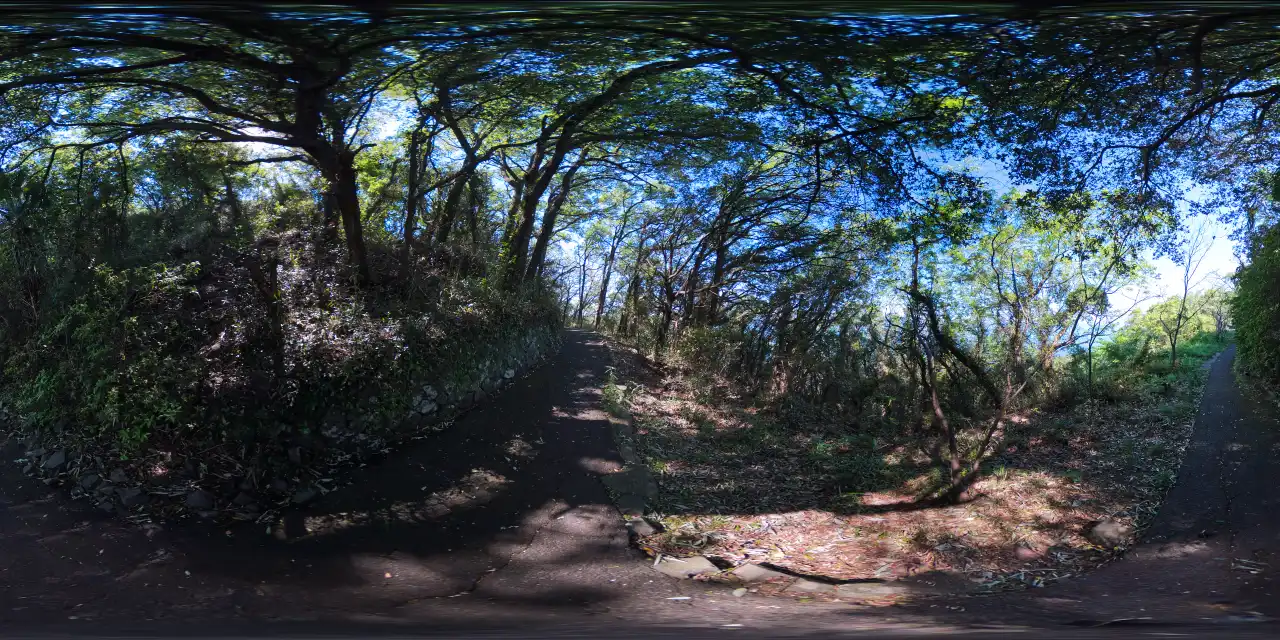
360° panorama of the path.
Near Megi Port
After visiting the cave, we returned to the port. Now, while waiting for the next ferry, let's see what Megi Port has to offer!
Moai Statue
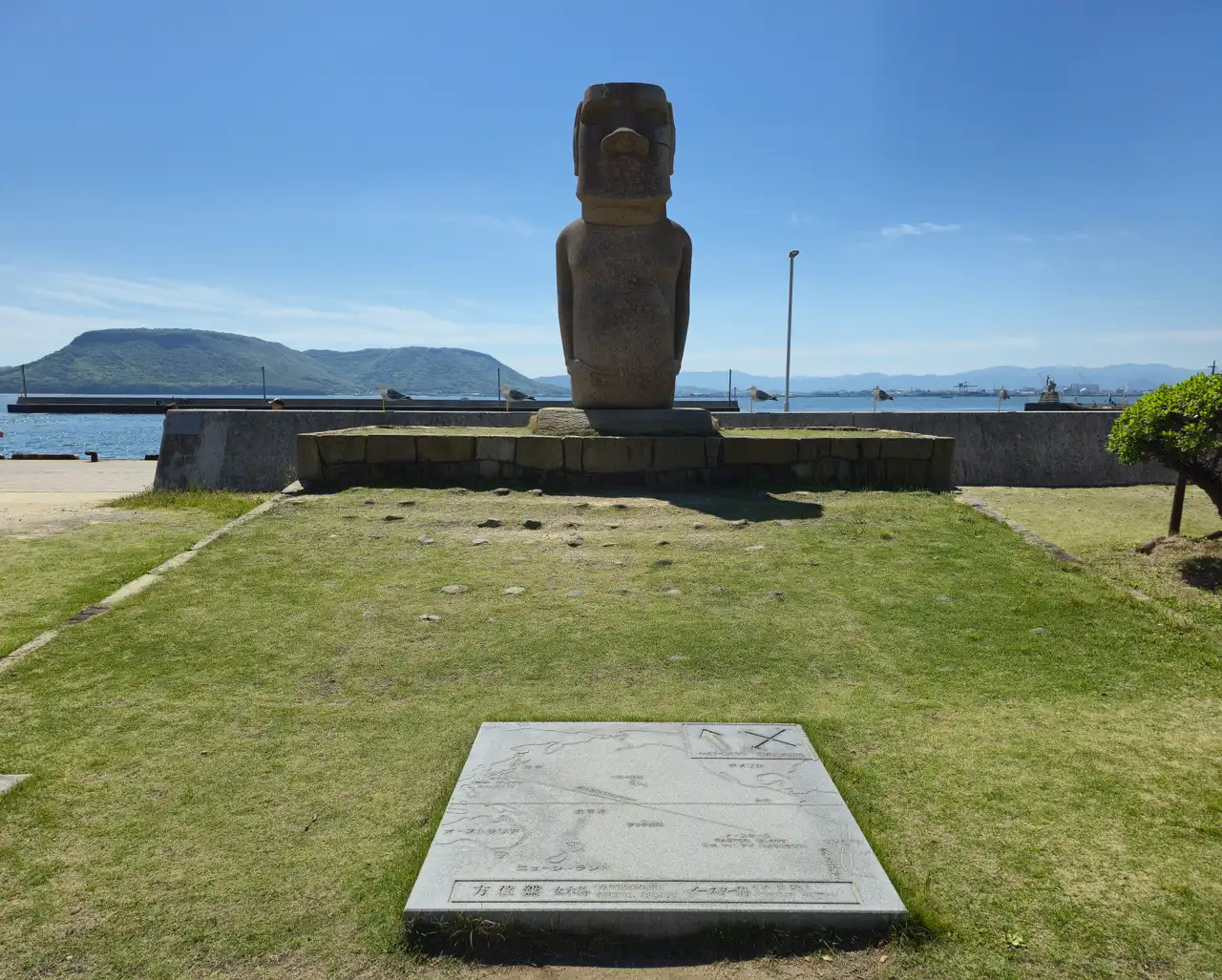
The Moai Statue on Megijima (original name: 女木島 モアイ像) is a test replica made during the reconstruction of the Easter Island Moai. Standing near the port, it creates a unique "exotic" atmosphere at the entrance of Megijima.
20th Century Recall
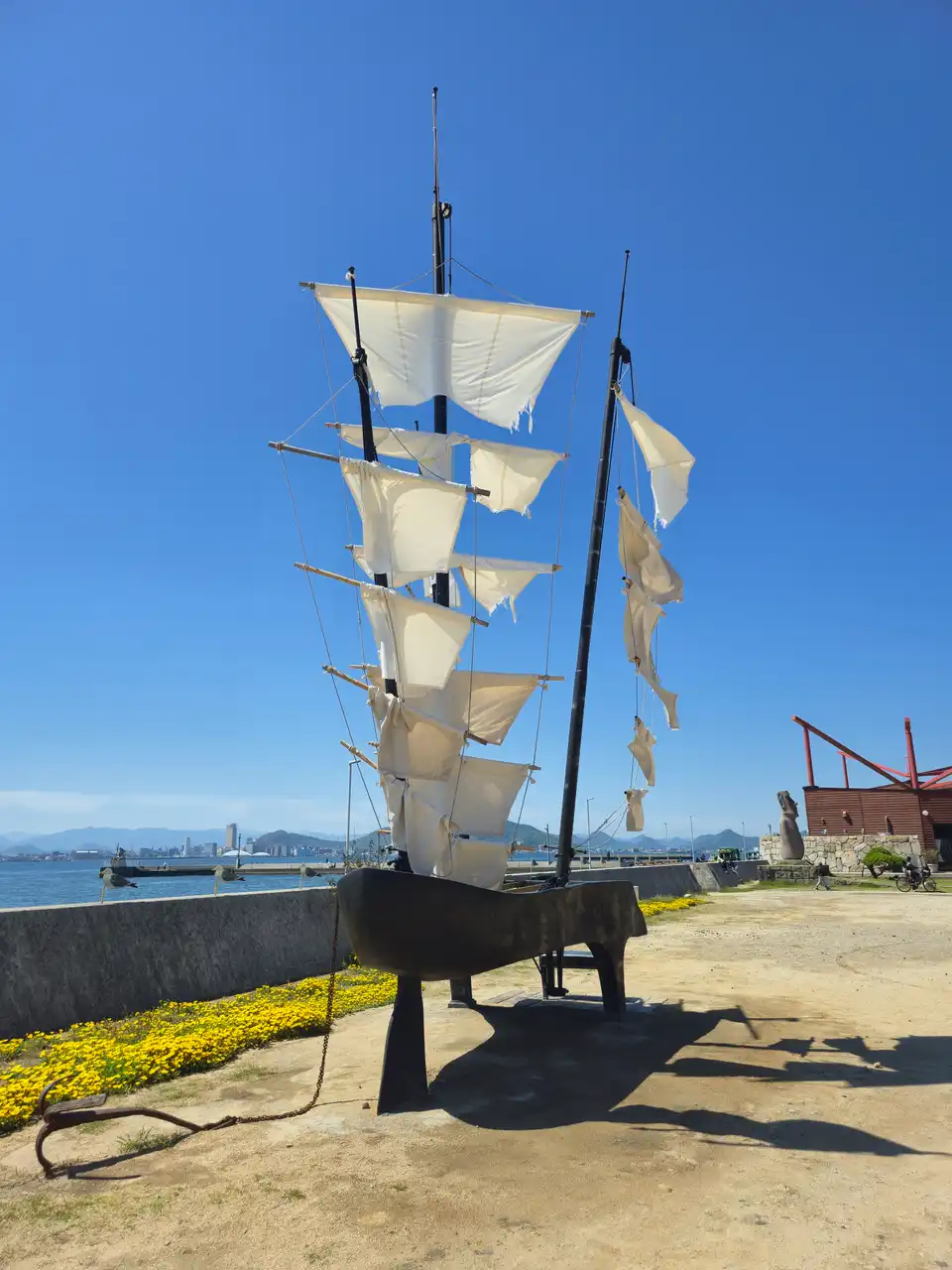
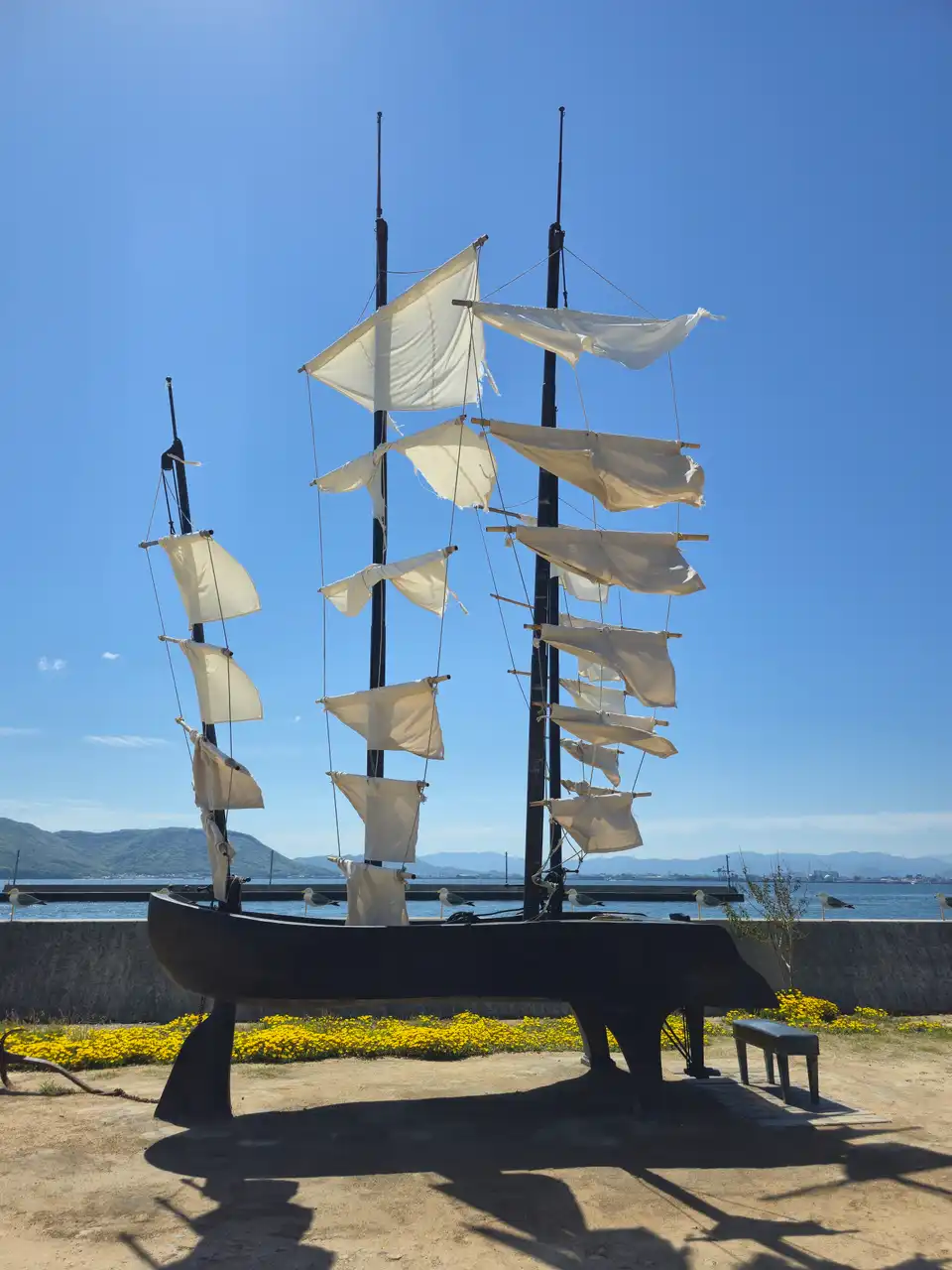
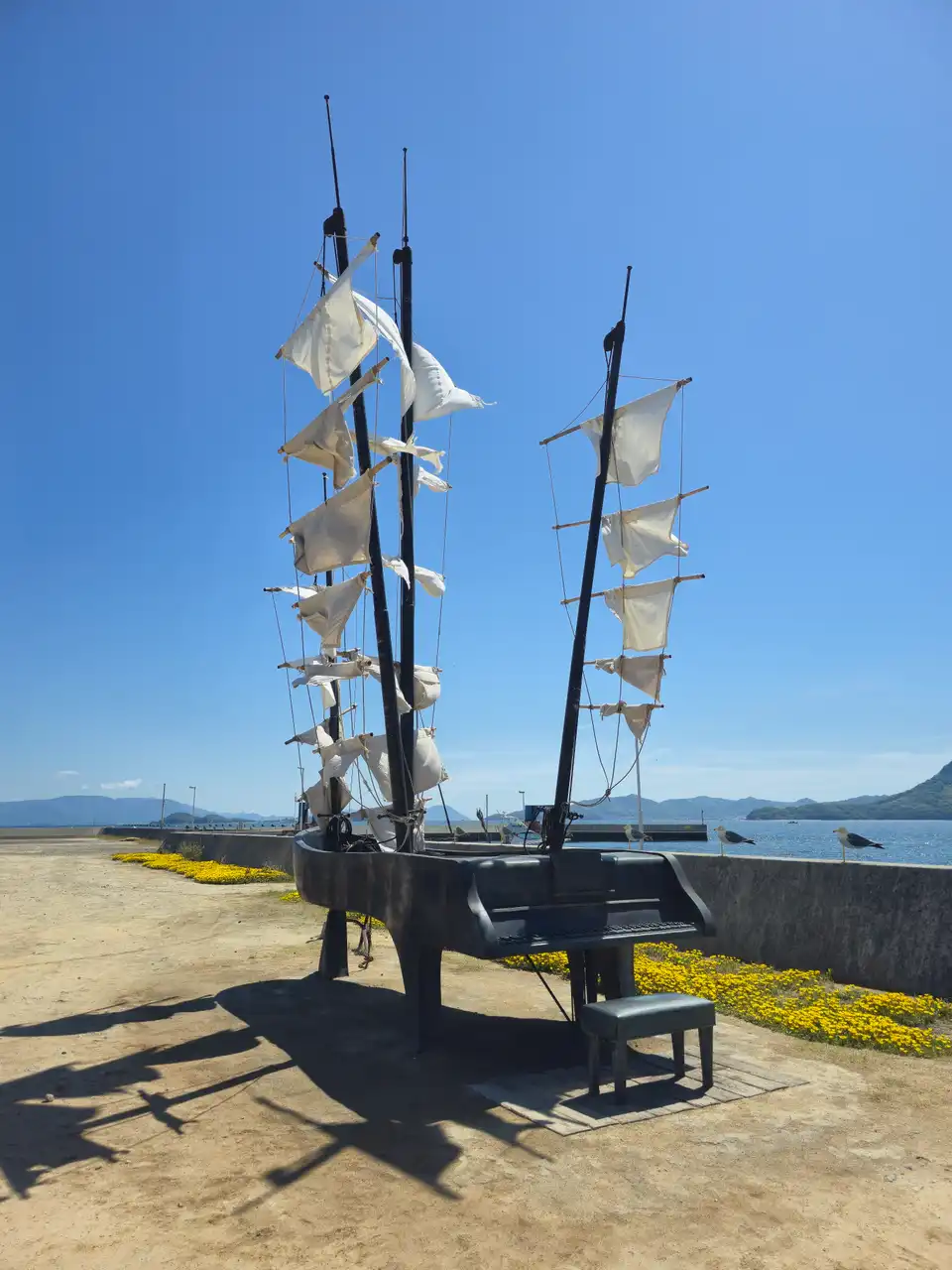
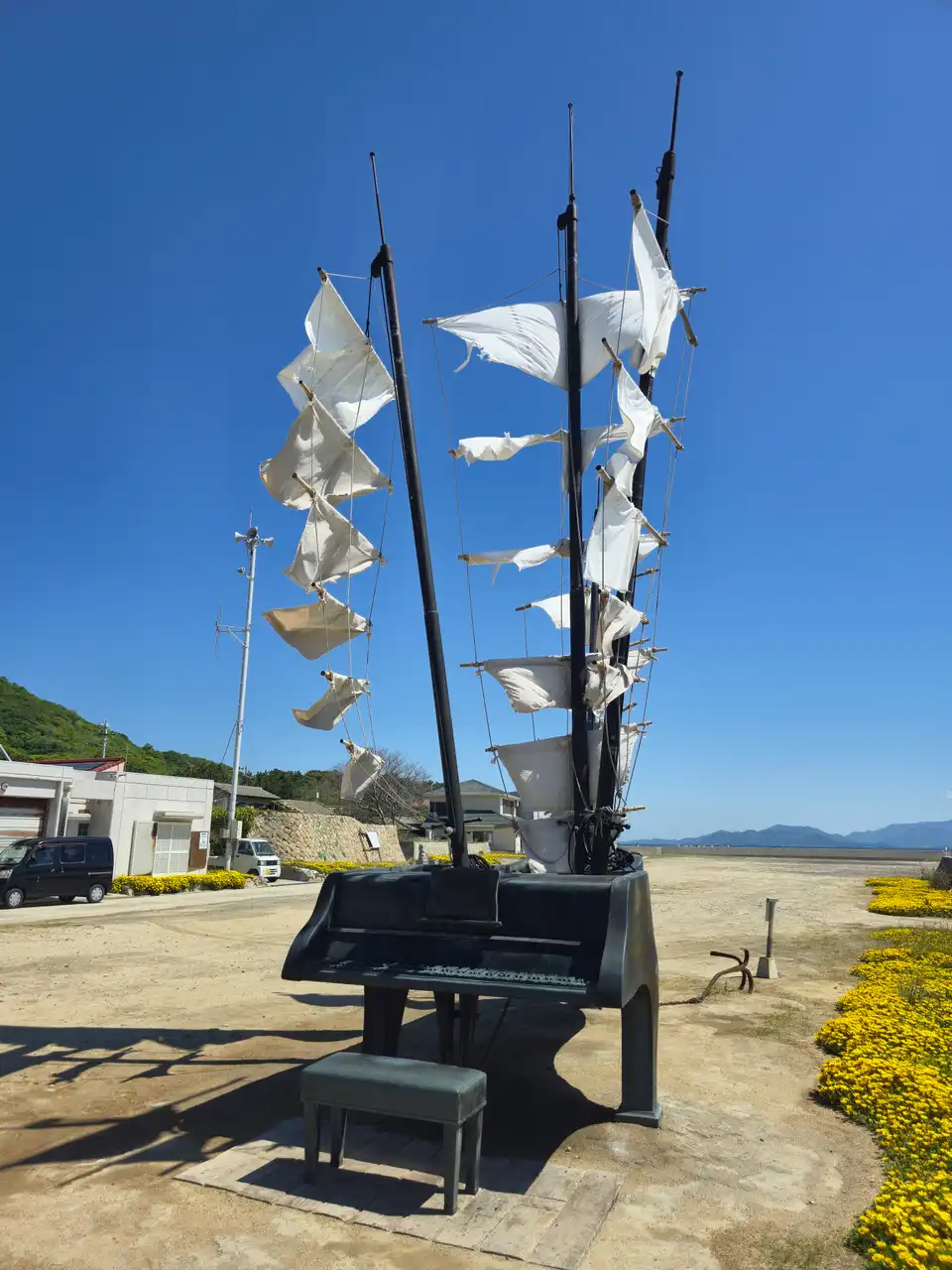
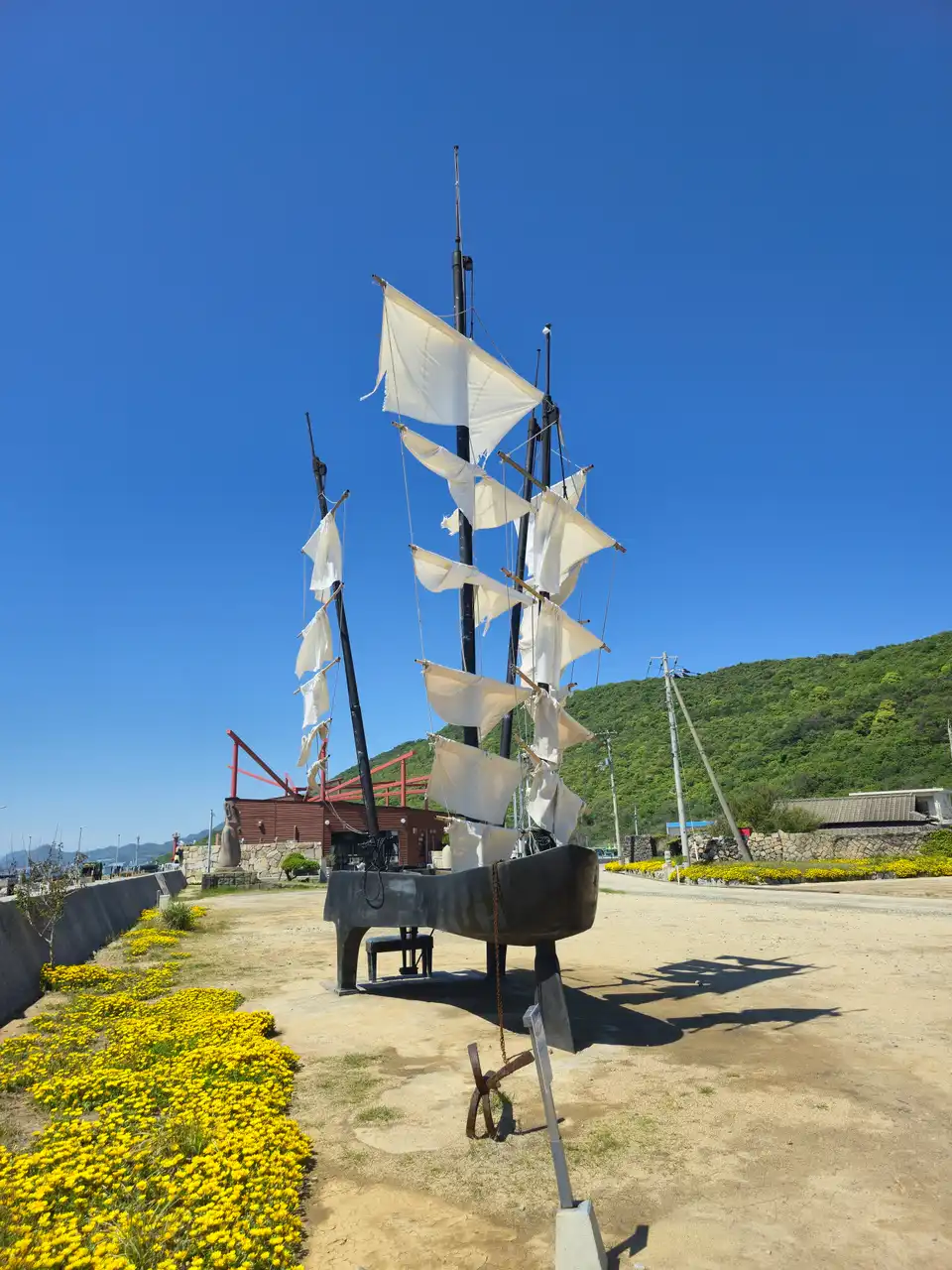
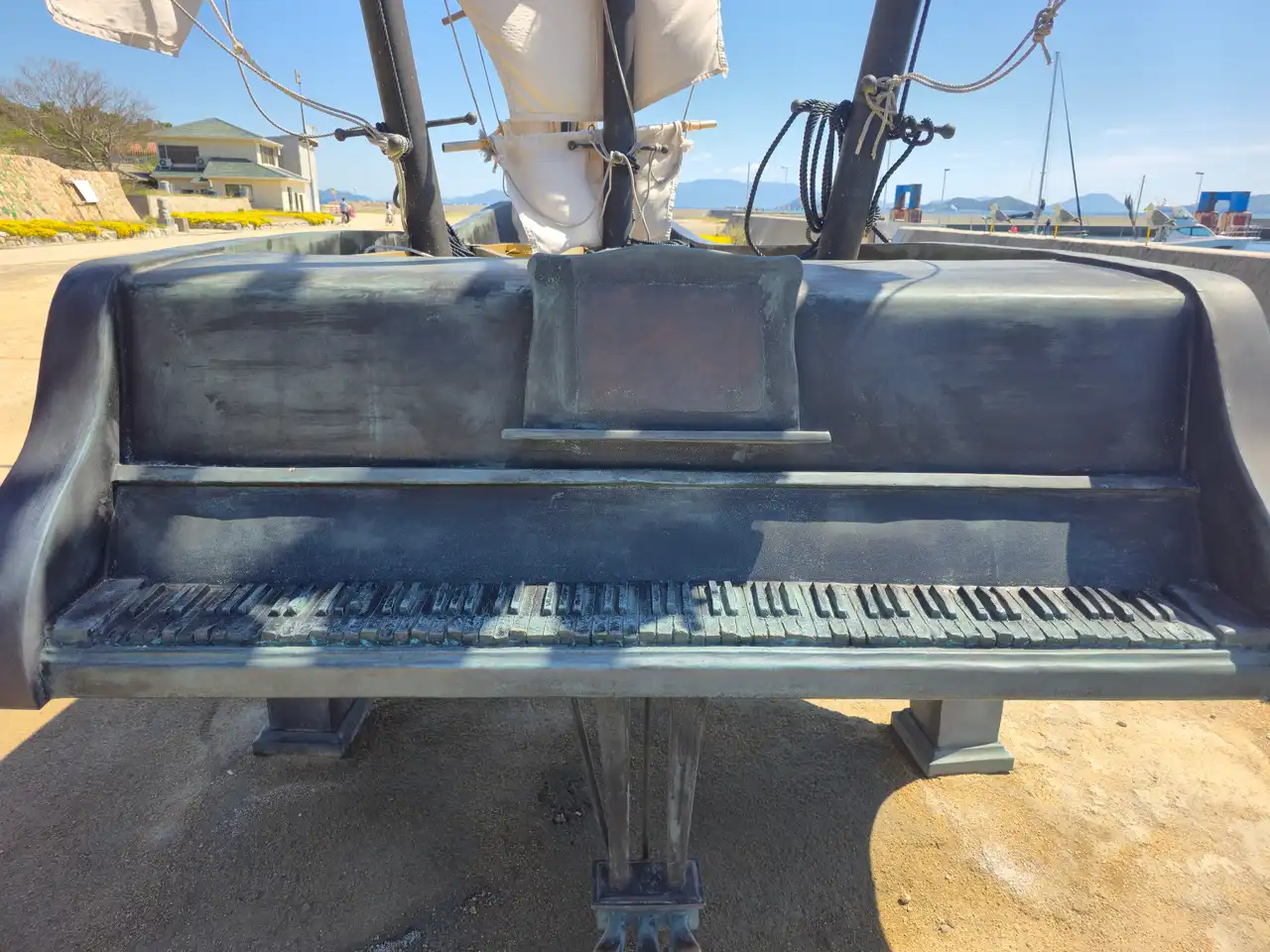
"20th Century Recall" (original name: 20世紀の回想) is an installation consisting of a grand piano by the port and four sails standing upright on it. It is designed to let "piano music and the sound of waves" resonate with each other, making it look like a sailboat docked by the sea.
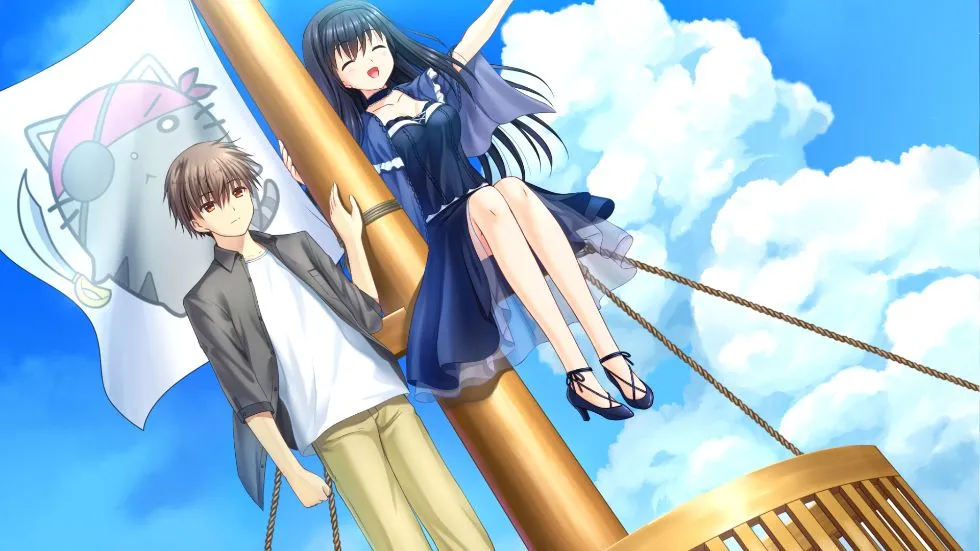
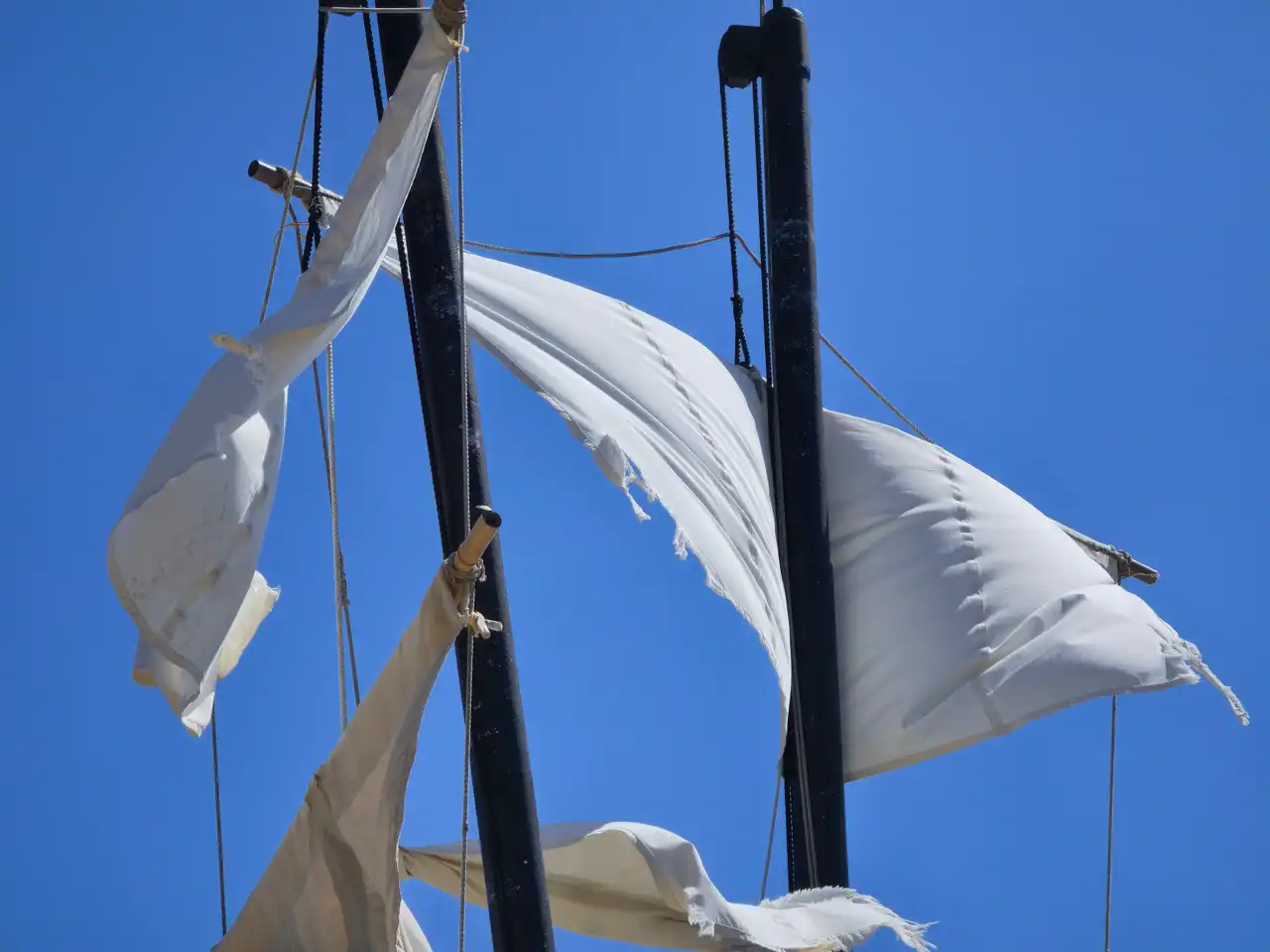
It is also the inspiration for the sailboat in Kamome's route.
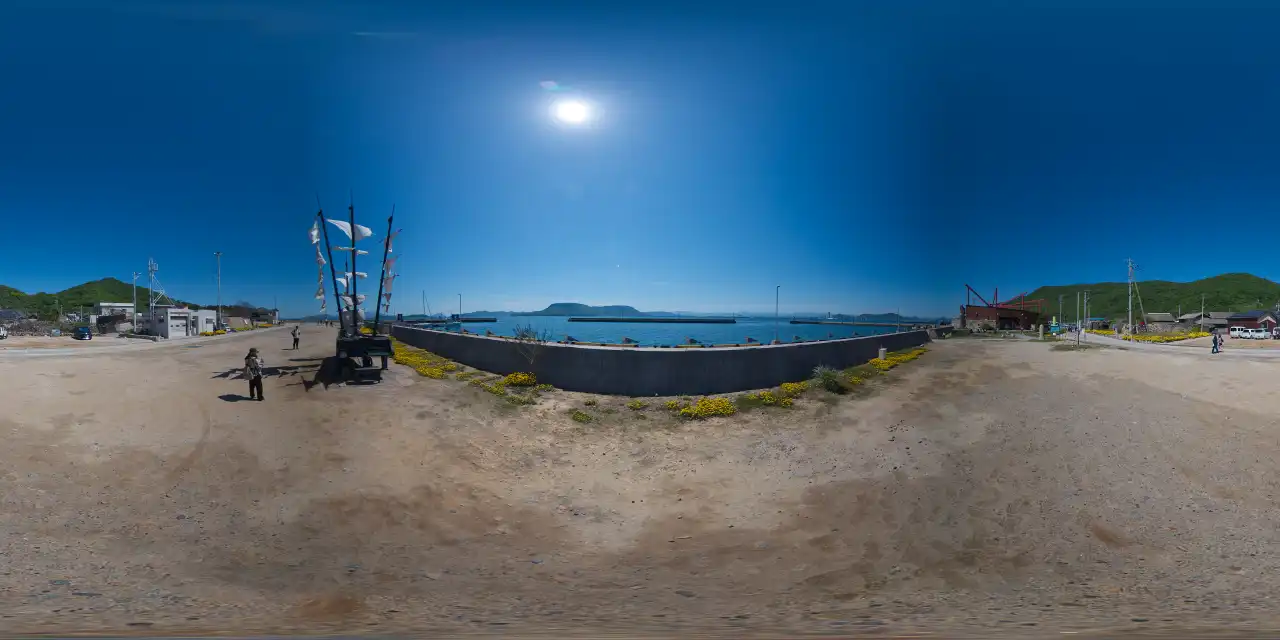
360° panoramic view.
Seagulls
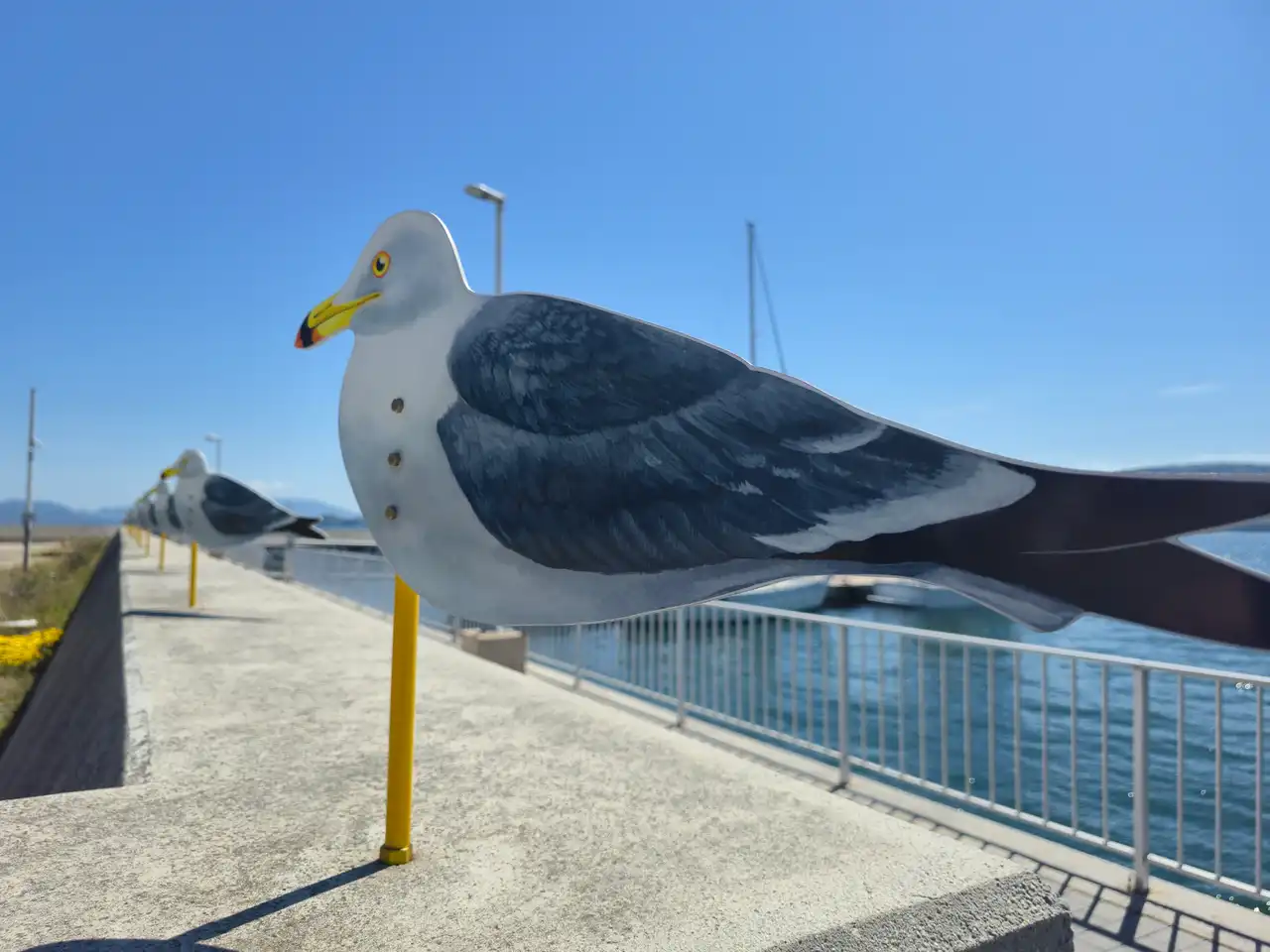
Perhaps these seagulls are the origin of Kamome's name?
Megijima Beach
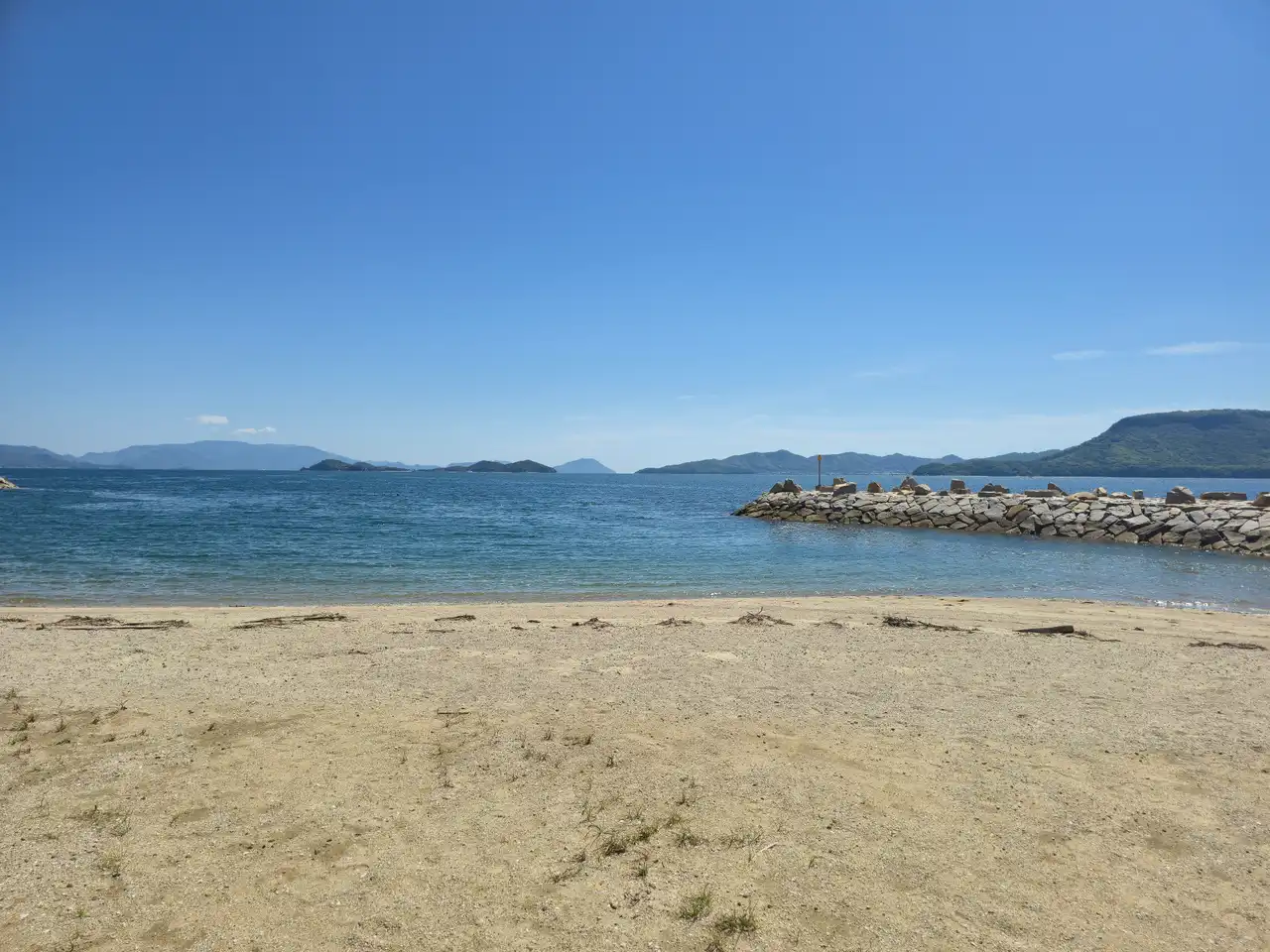
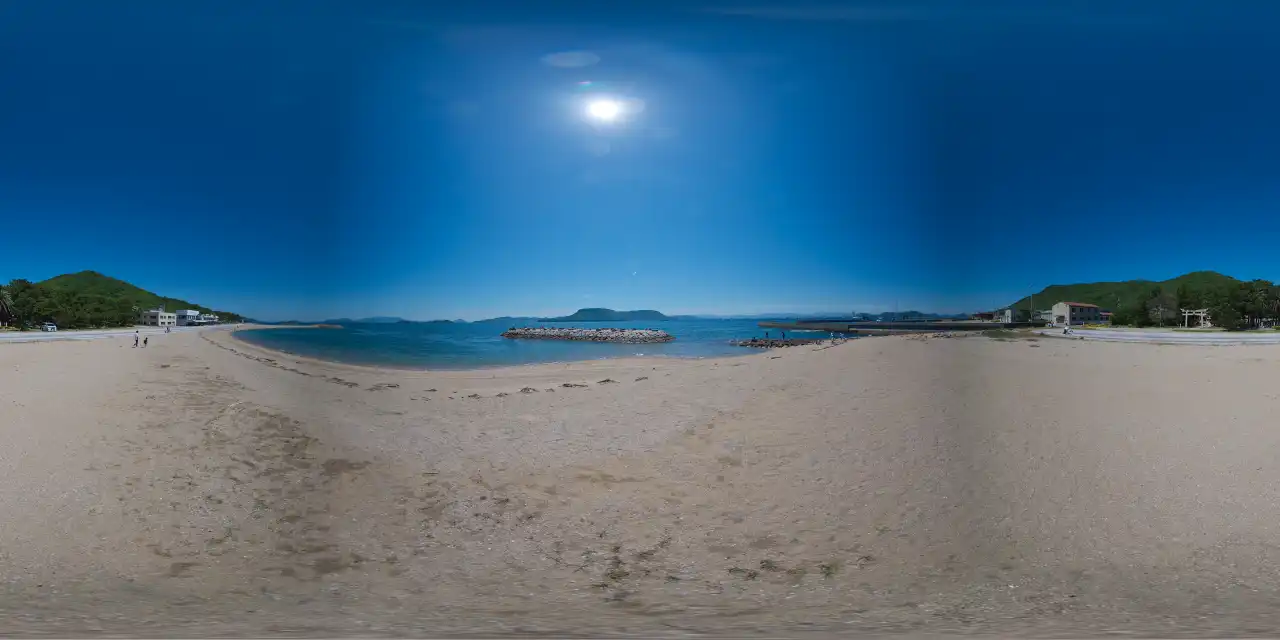
I heard it gets very lively during summer vacation.
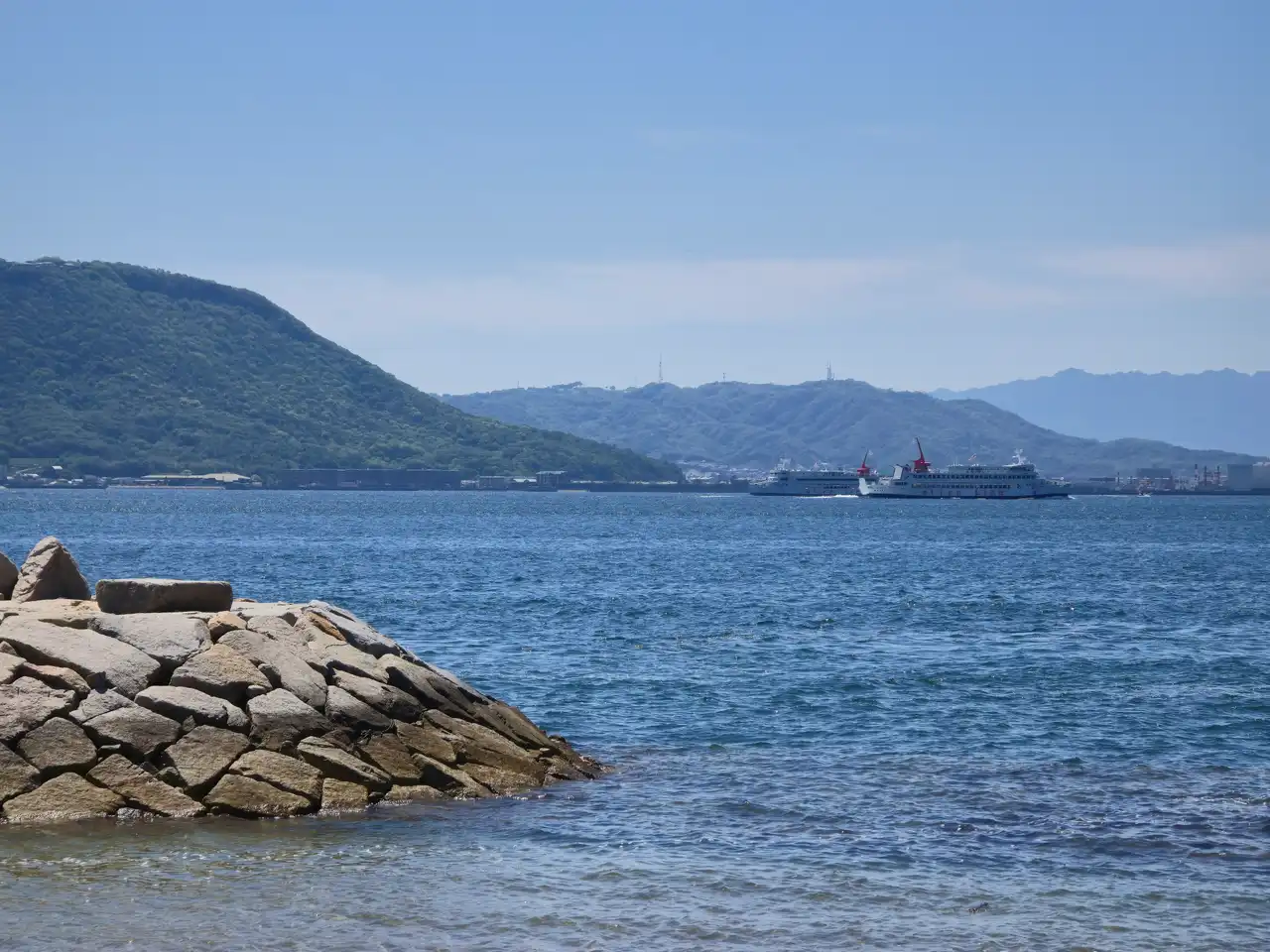
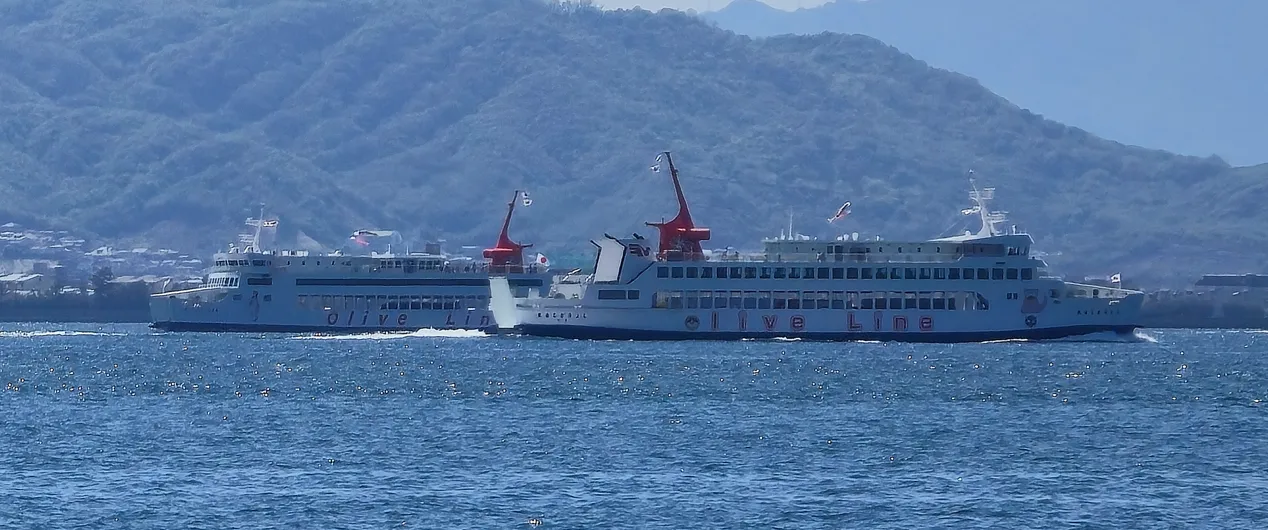
At that moment, two Olive Line ferries passed by in the distance.
It was a meeting of the "Slowpoke Ferry" and the "Teasing Master Takagi-san" ferry!
Conclusion
Megijima has relatively few pilgrimage spots, mainly the scenes from Kamome's route, so generally, the time allocated for Megijima is just the interval between two ferries.
In the next article, I will take a ferry to Ogijima. What scenes from the game will appear there? Stay tuned!