Moe is justice! A small site that occasionally shares ACG event logs and interesting code.
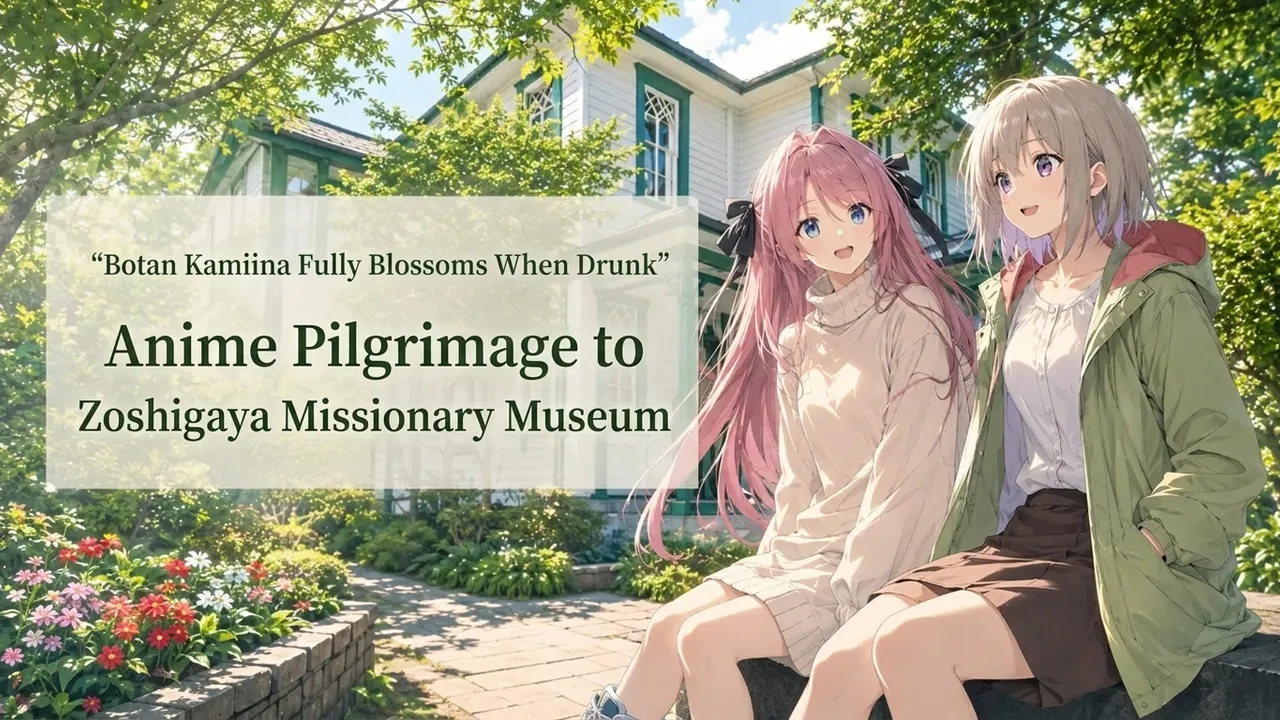




"Botan Kamiina Fully Blossoms When Drunk" Anime Pilgrimage to Zoshigaya Missionary Museum
June 12, 2026, sunny with afternoon thunderstorms.
Today I visited the Zoshigaya Missionary Museum in Zoshigaya, Toshima, Tokyo.
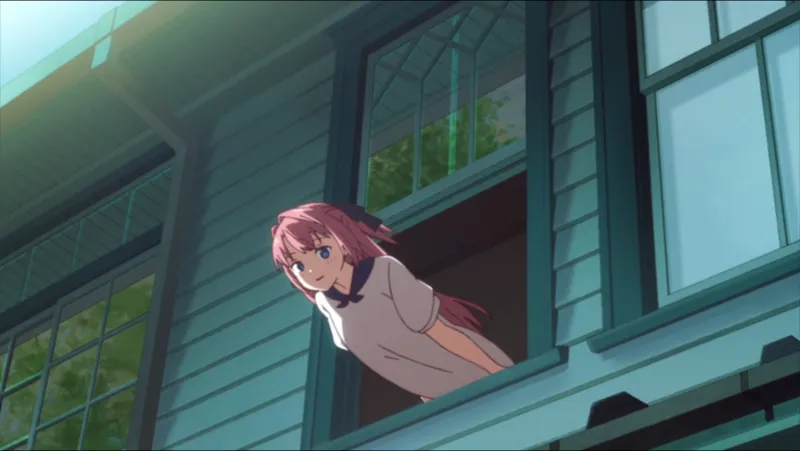
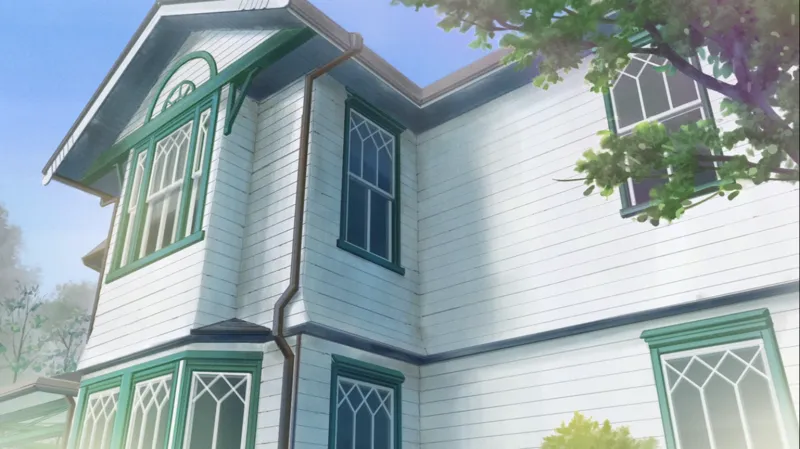
This is the location used as the dormitory in the anime "Botan Kamiina Fully Blossoms When Drunk."
About the Zoshigaya Missionary Museum
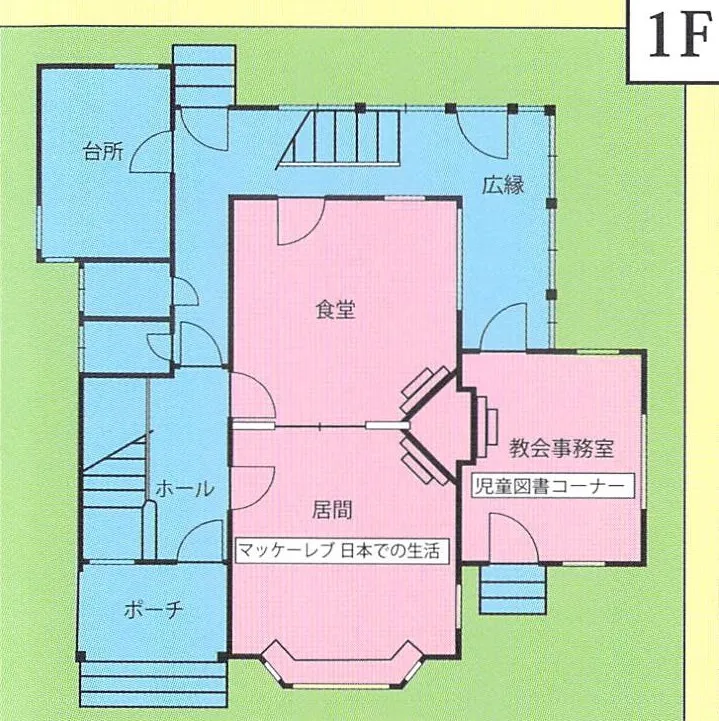
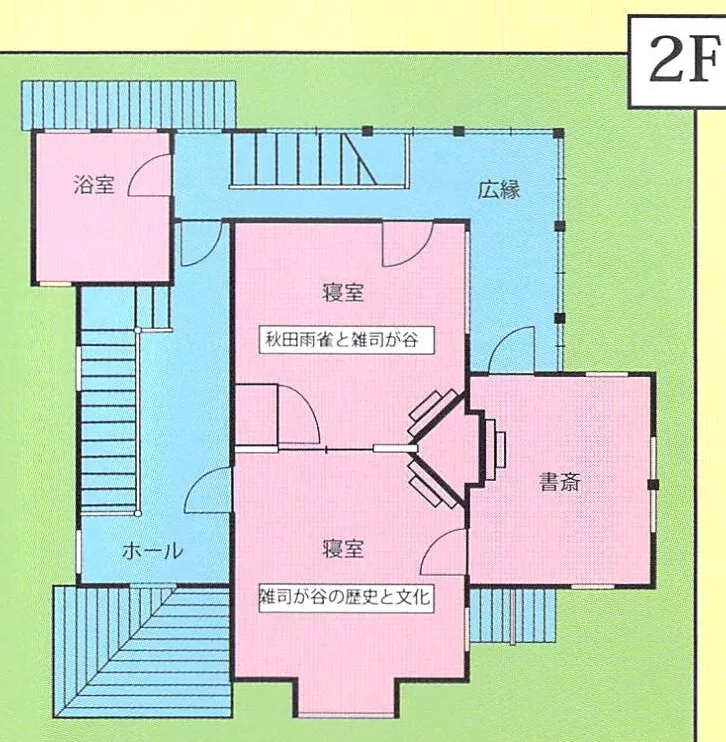
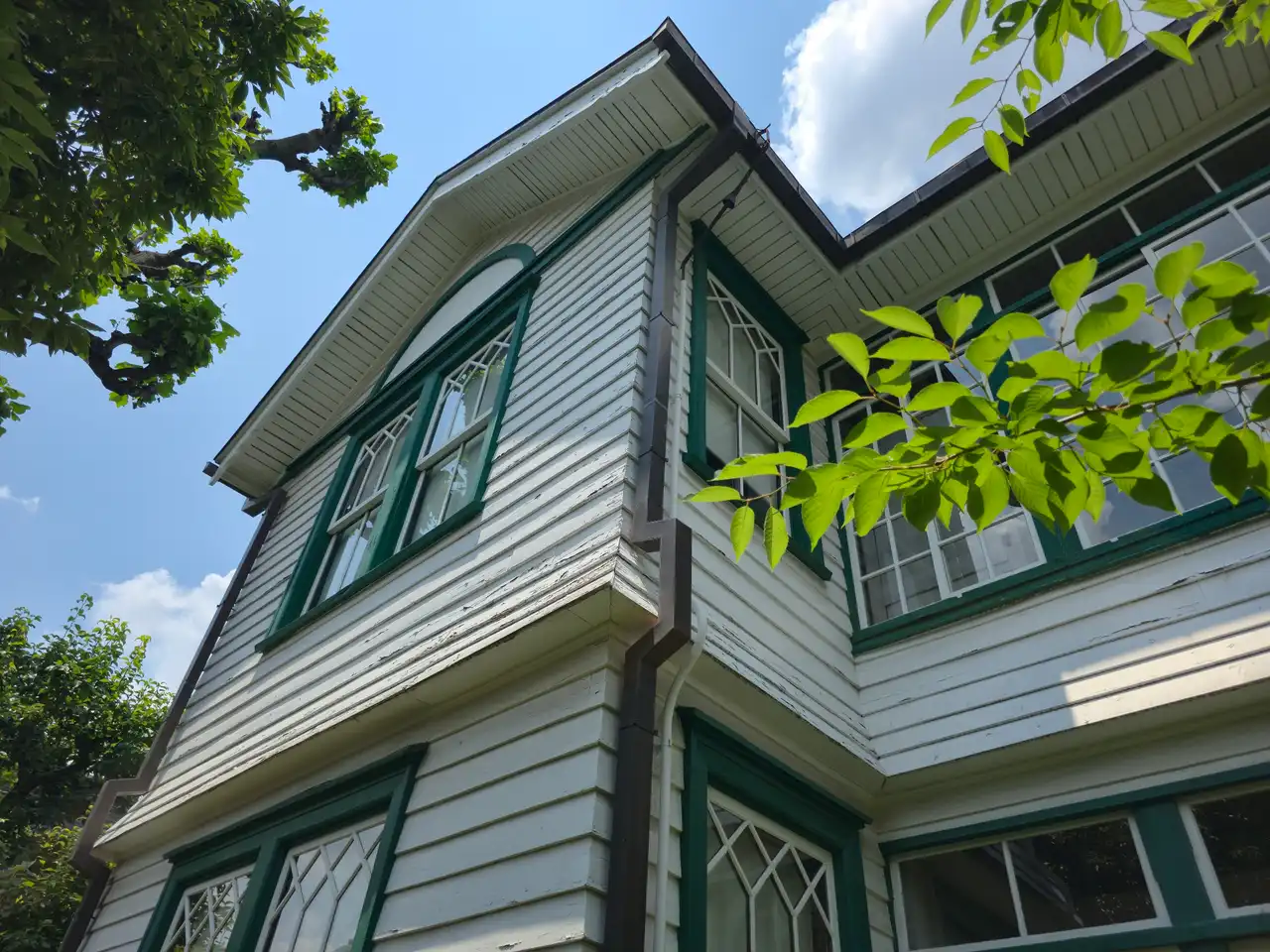
This building was constructed in 1907 (Meiji 40) by the American missionary J. M. McCaleb. McCaleb lived in this house for 34 years until his return to the United States in 1941 (Showa 16). The building is based on the Shingle style, common in late 19th-century American suburban homes, with Carpenter Gothic details. Inside, both the first and second floors have three rooms arranged in a T-shape, each with a fireplace connected to a chimney within the walls. The northwest corner of the first floor has an entrance with a porch, the north side features a hallway and main staircase, the south side has a wide veranda that can also serve as a sunroom, and the east side has a secondary staircase. This is a modest foreign residence characteristic of late 19th-century American suburban houses, and it is a rare example of a Meiji-era missionary home in Tokyo.
Floor Plan
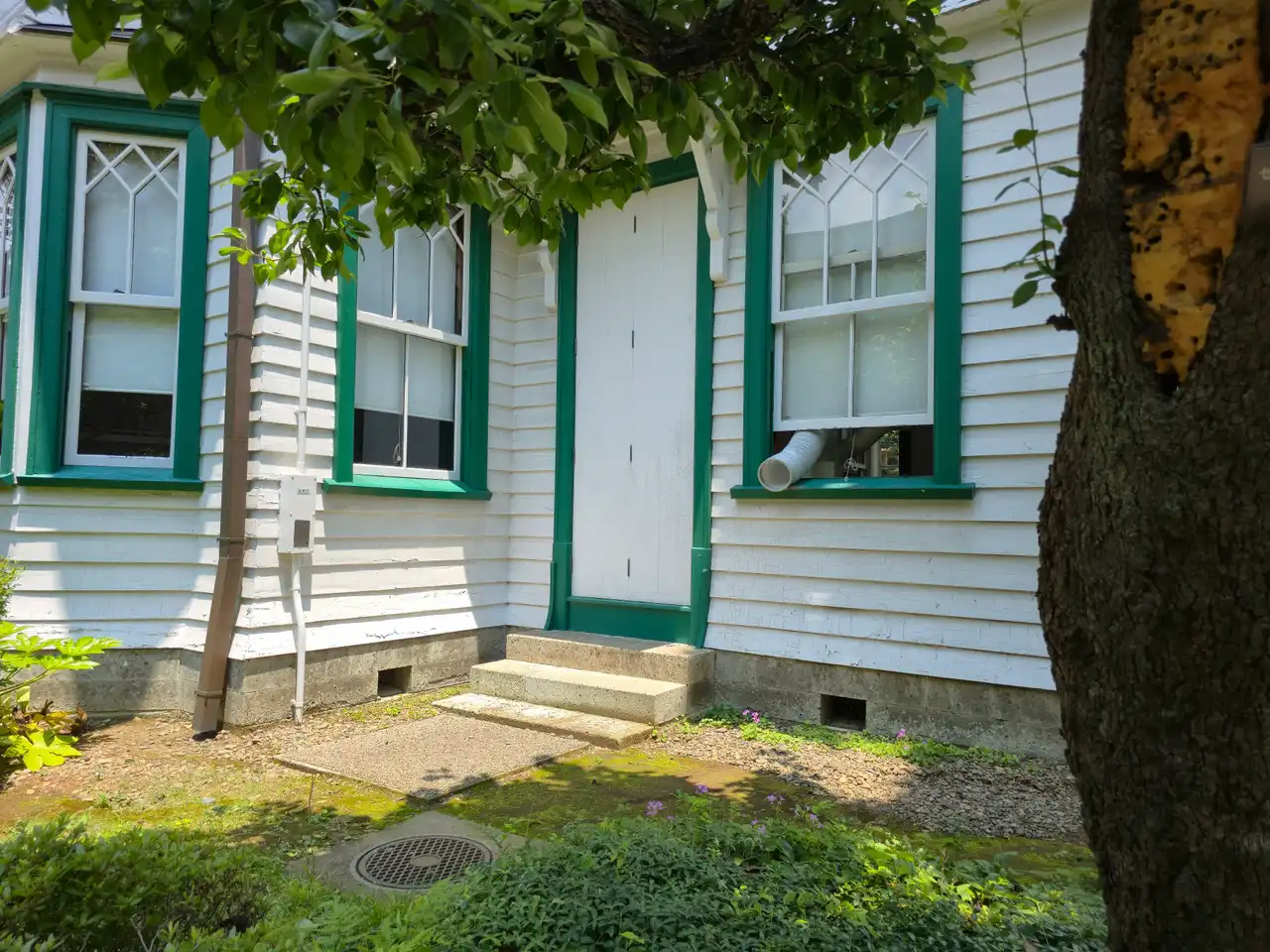
Entrance
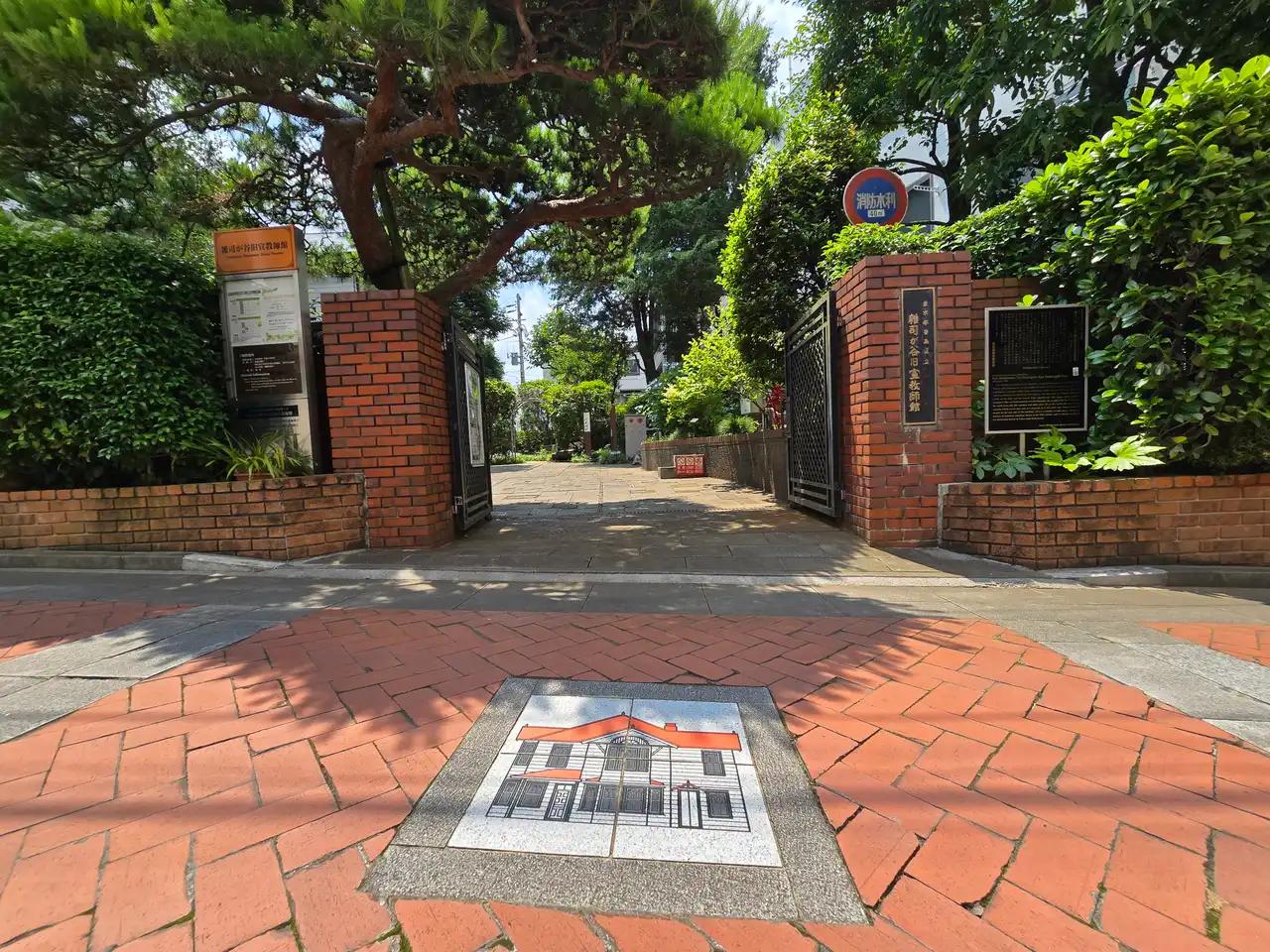
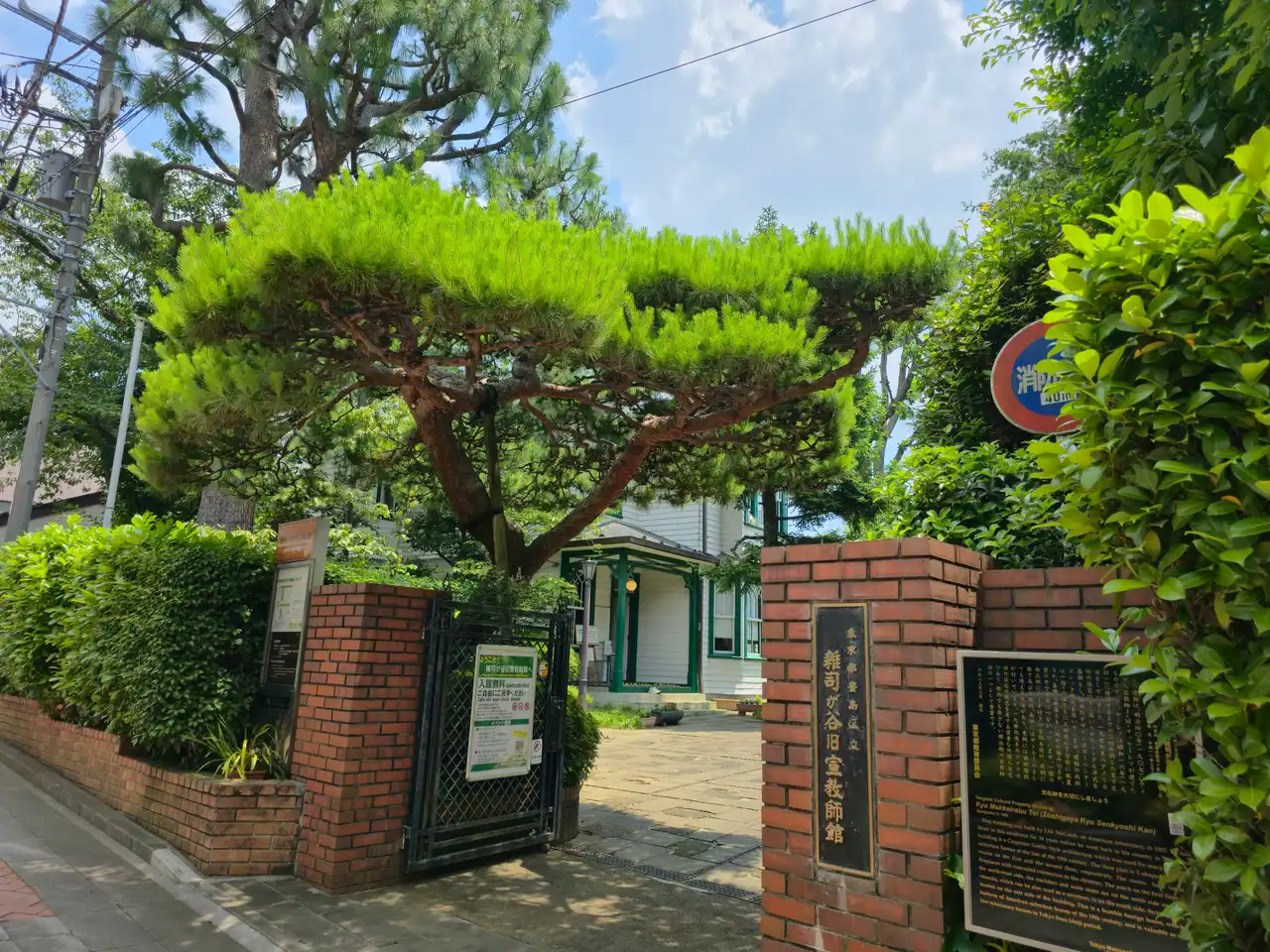
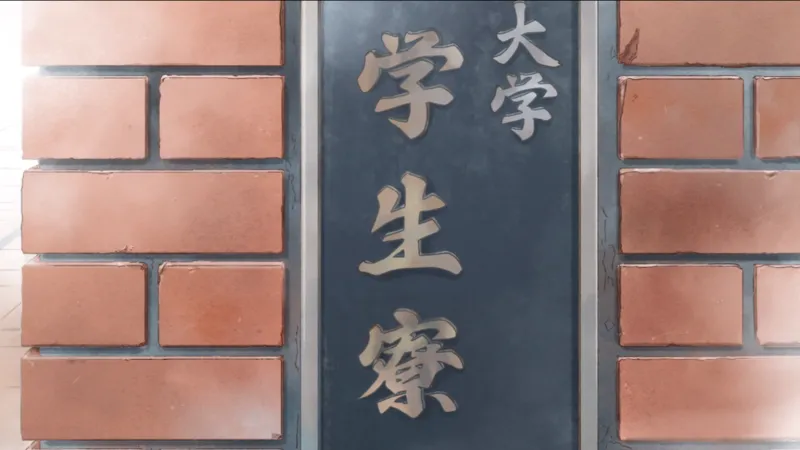
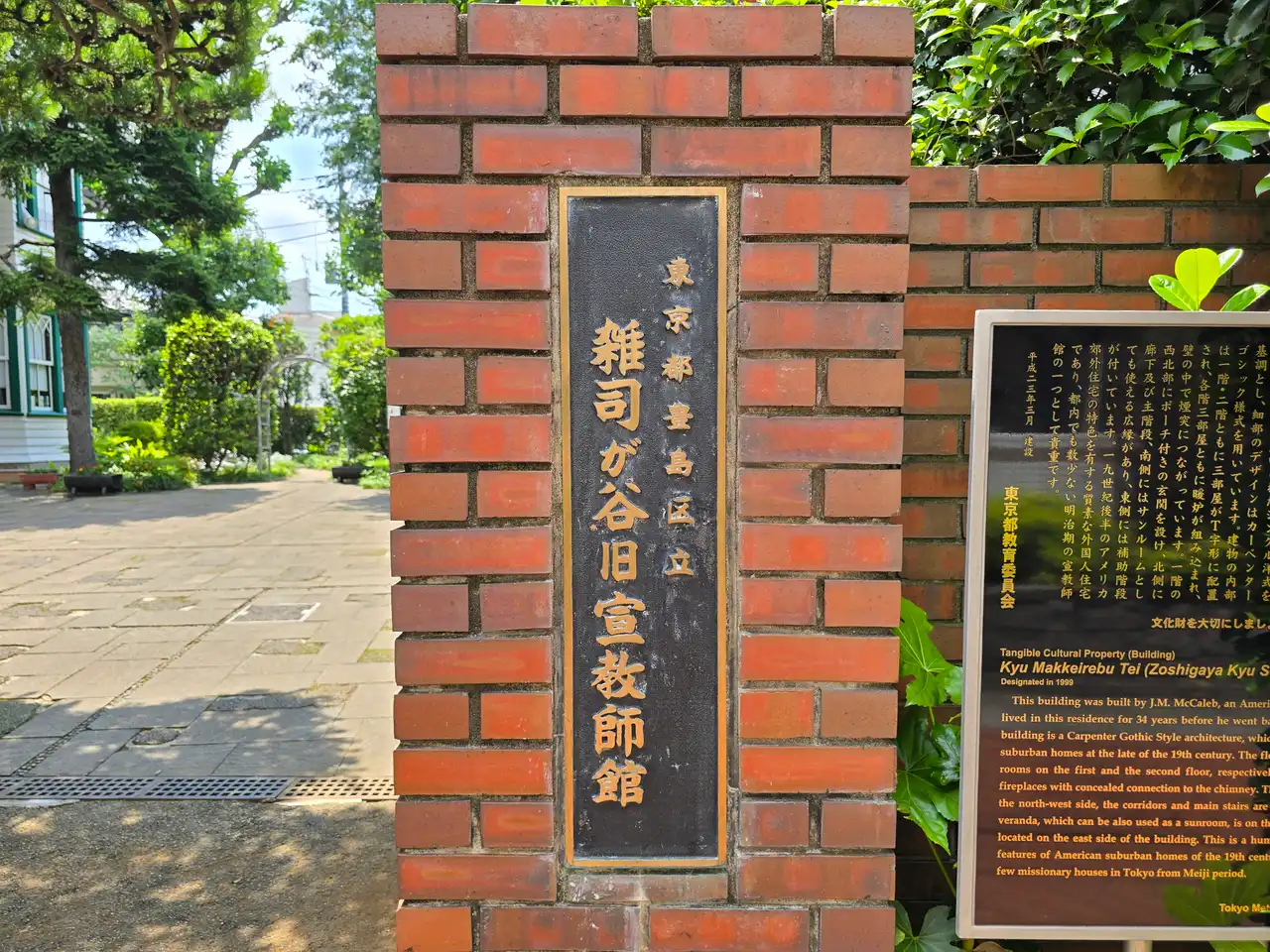
The whole story begins here.
Exterior
Before going inside, let's take a walk around the building.
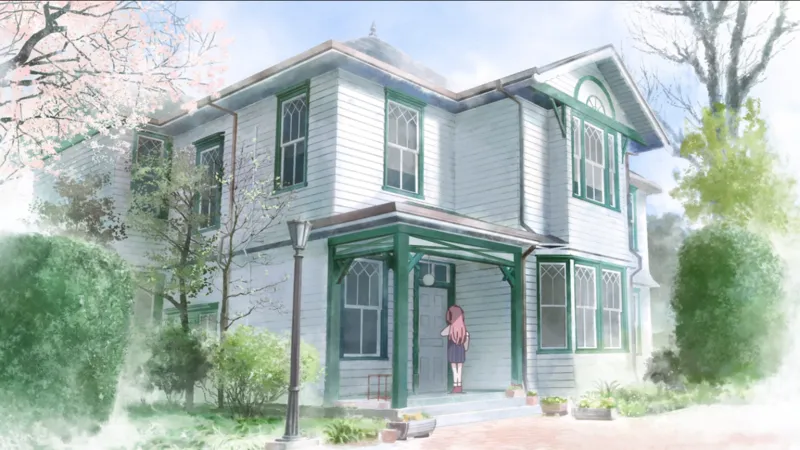
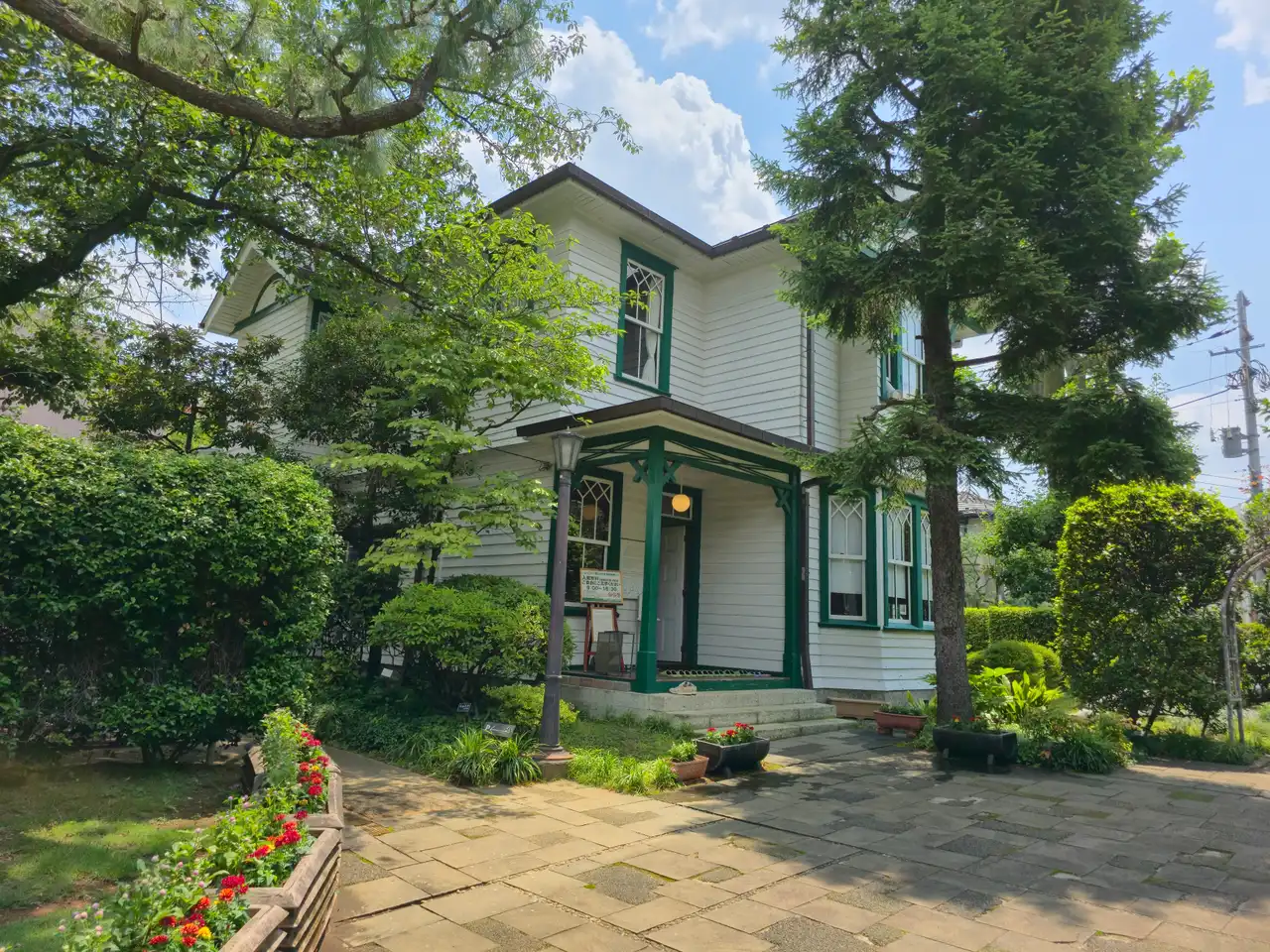

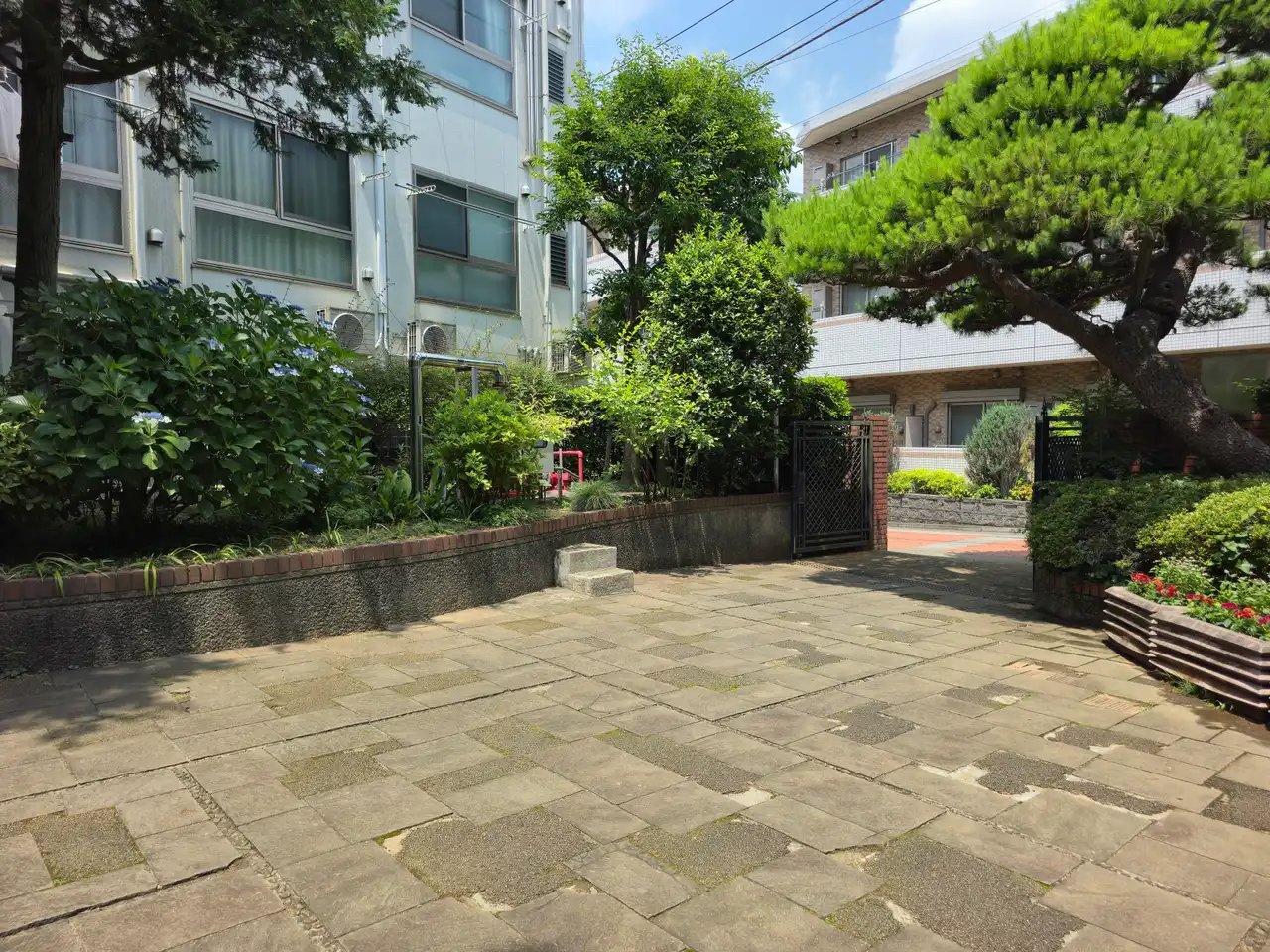

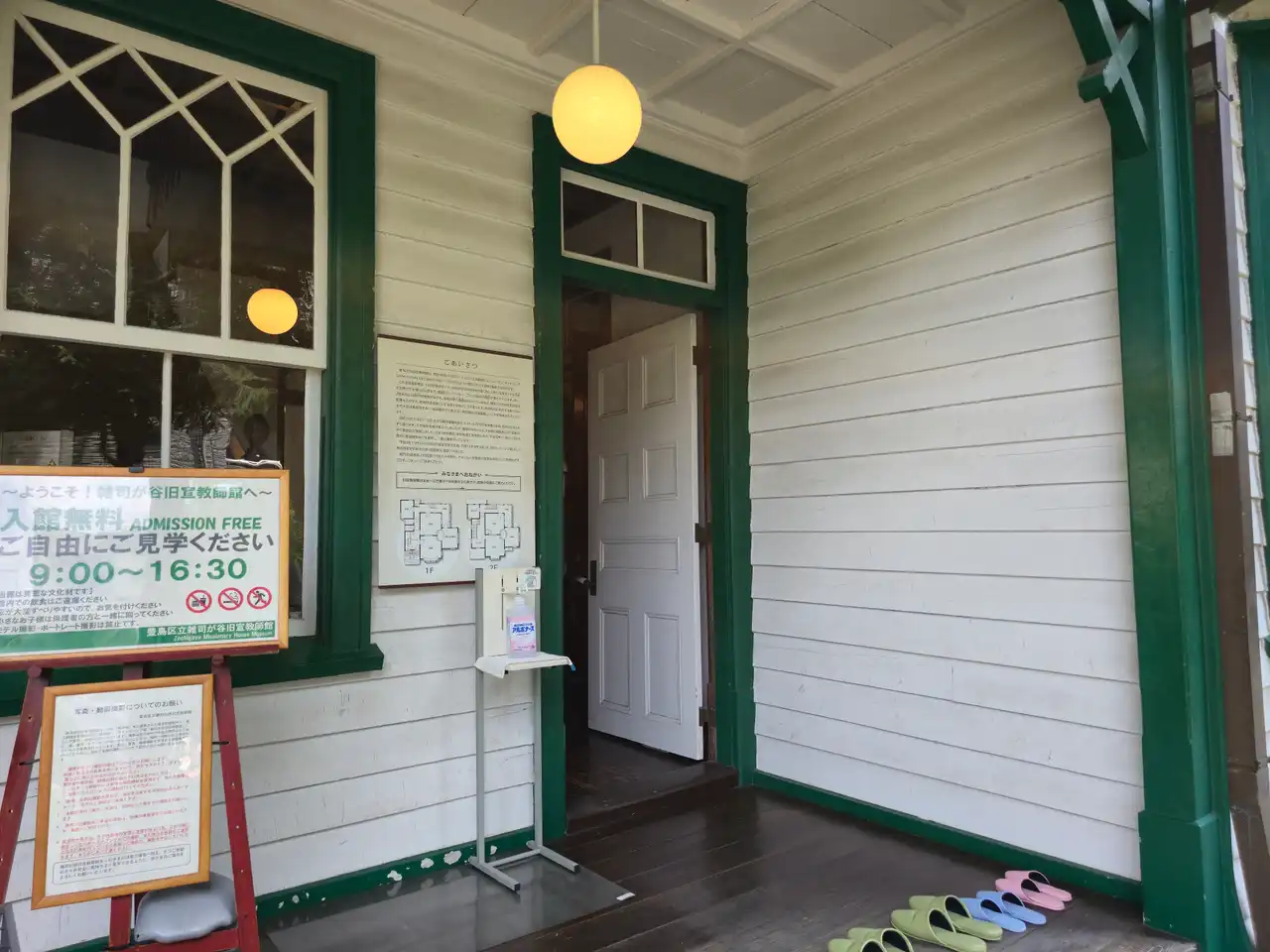
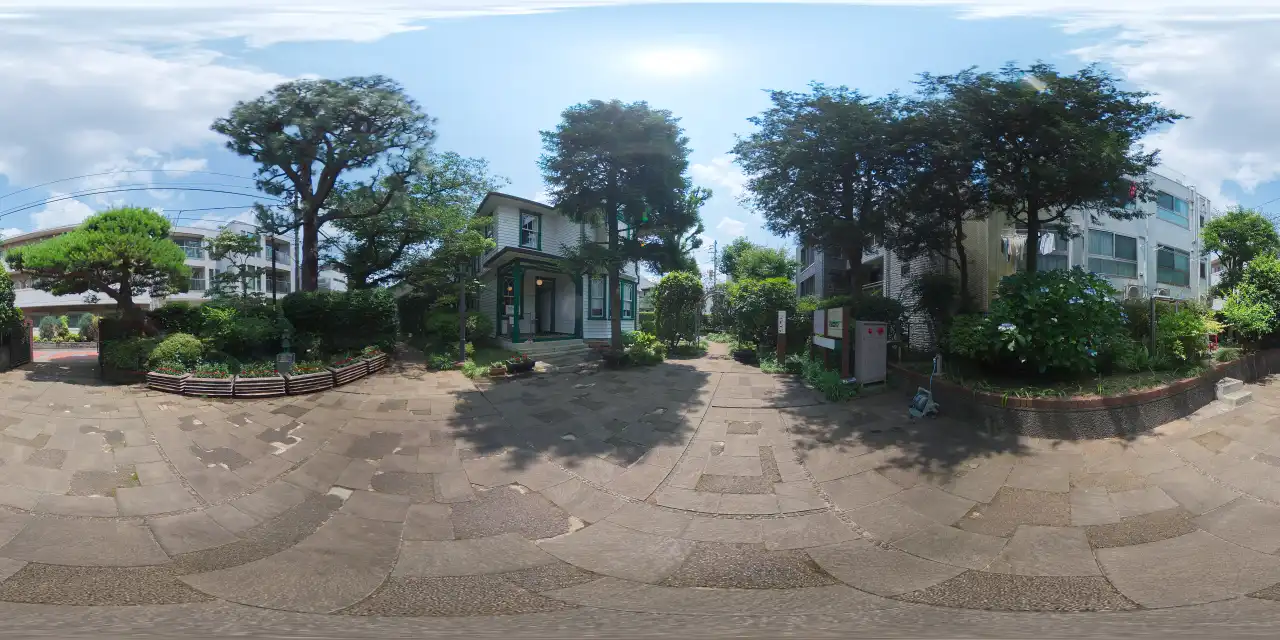
360-degree panorama photo.
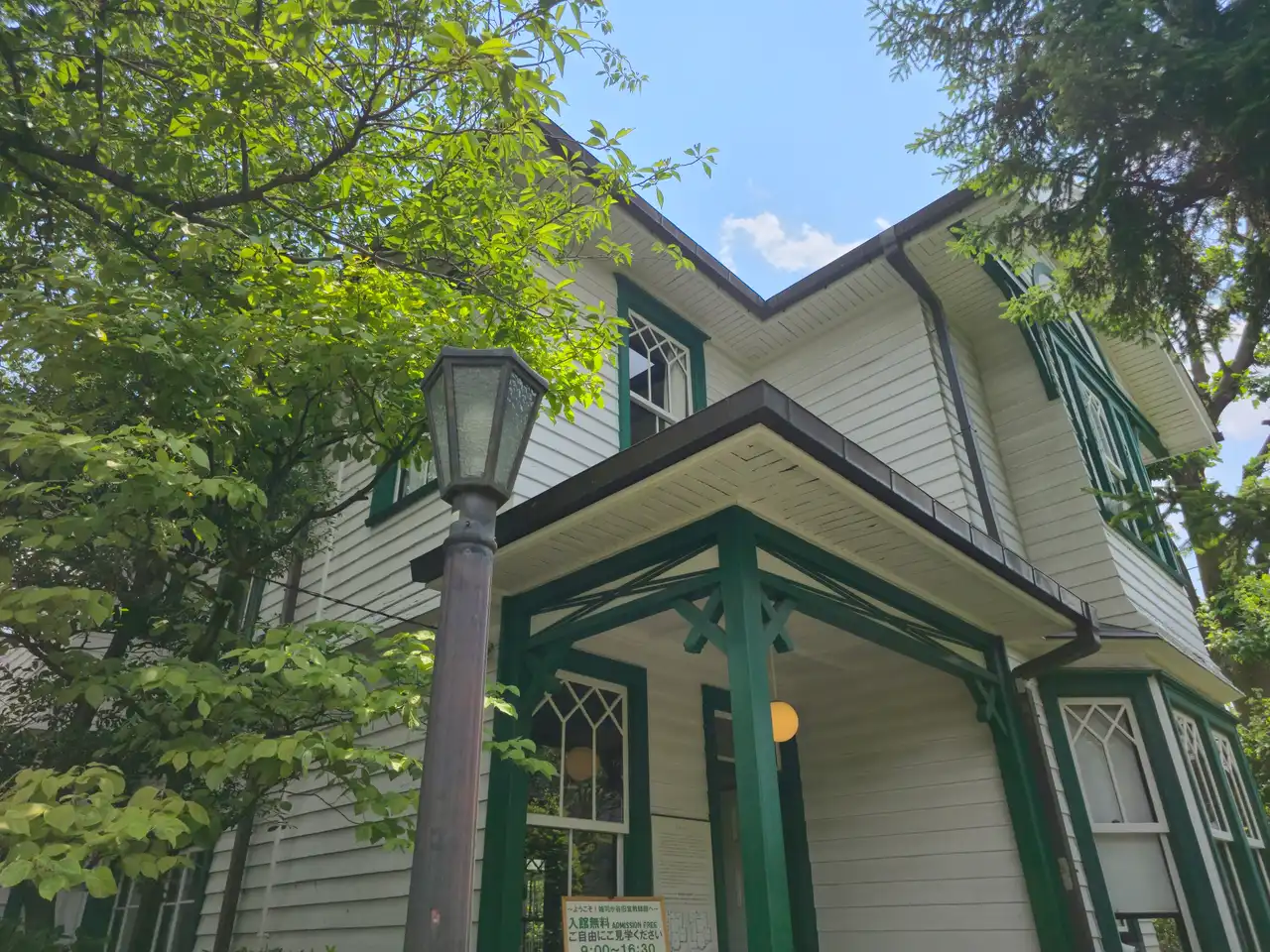
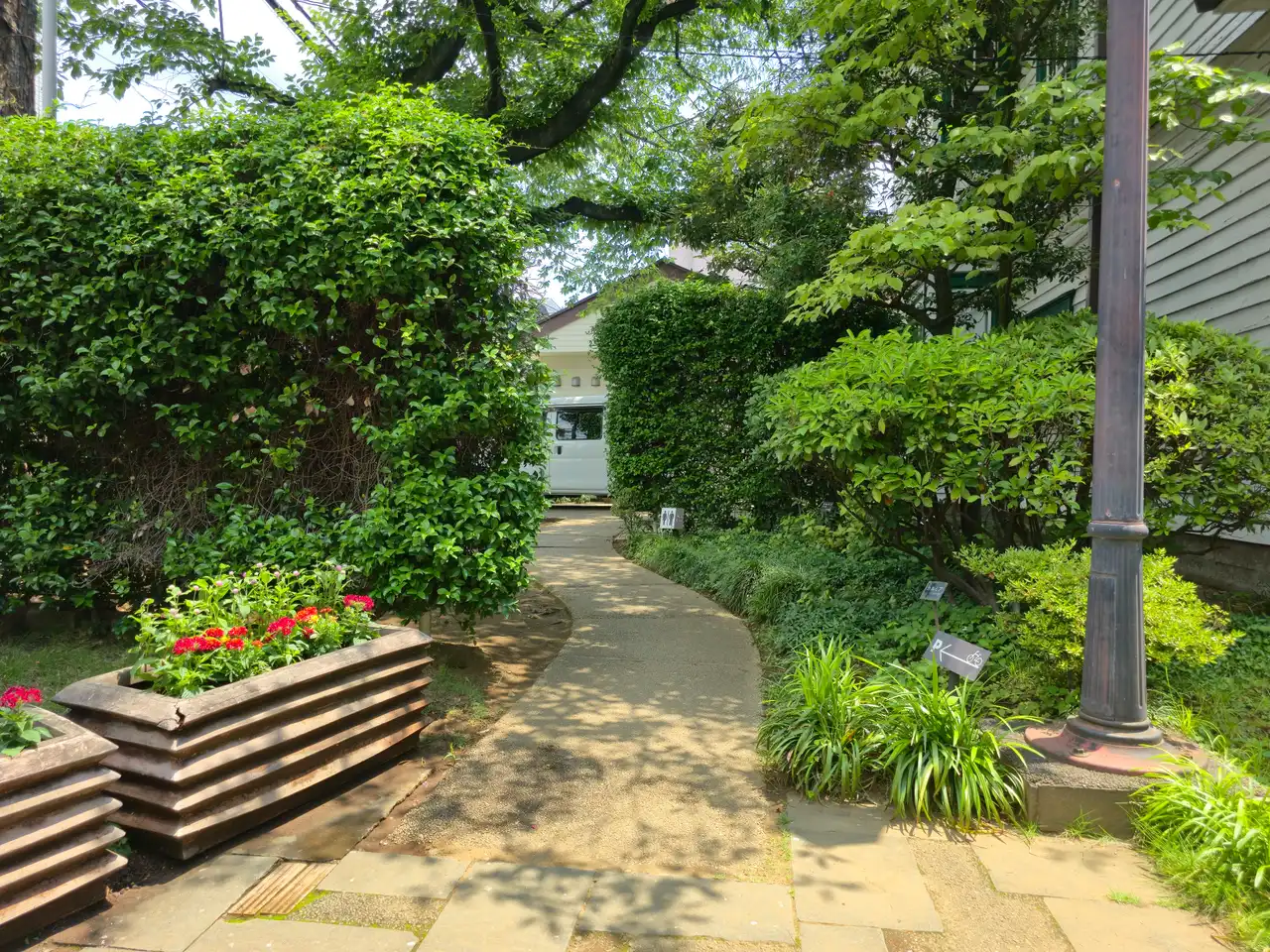
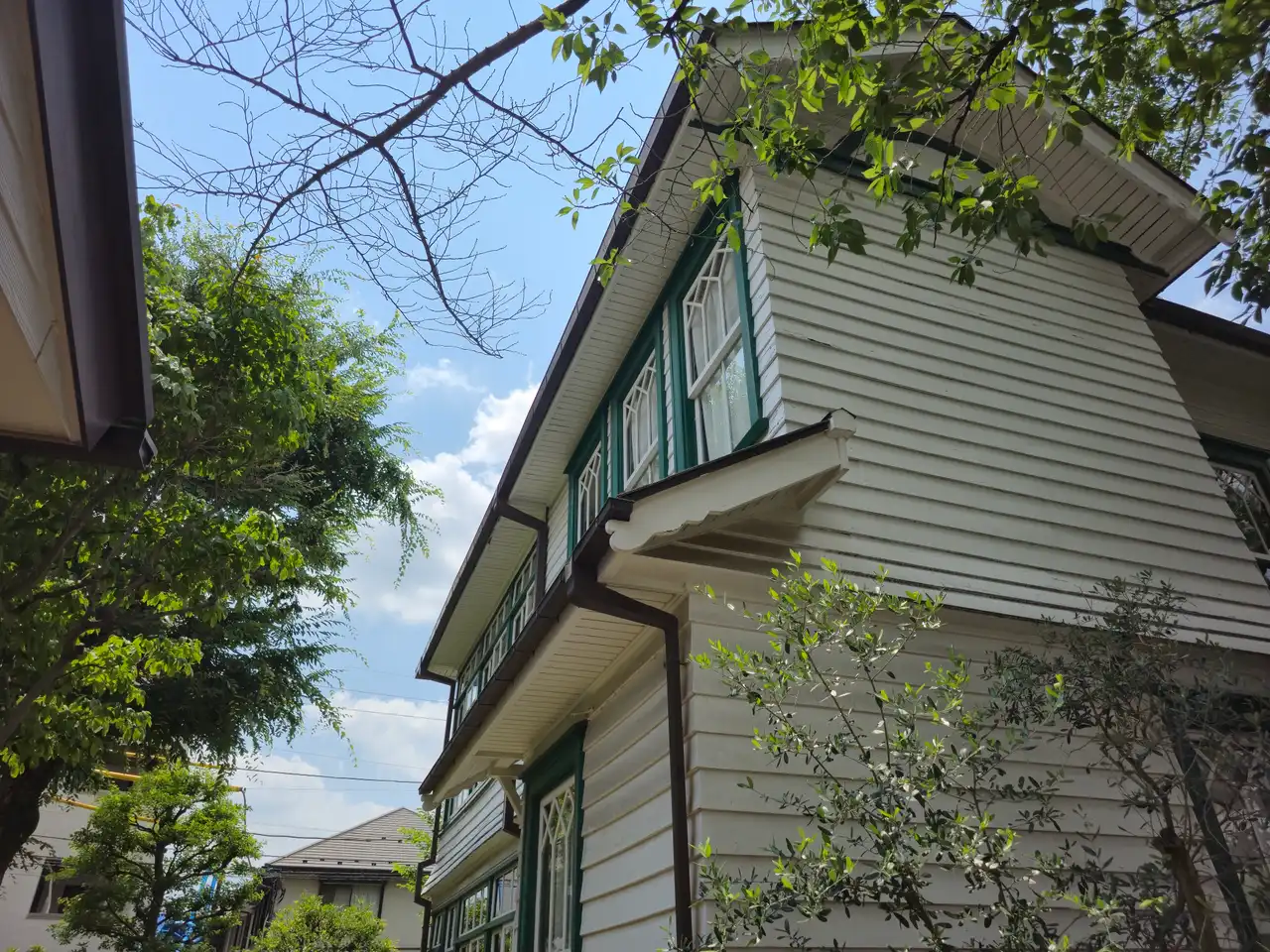
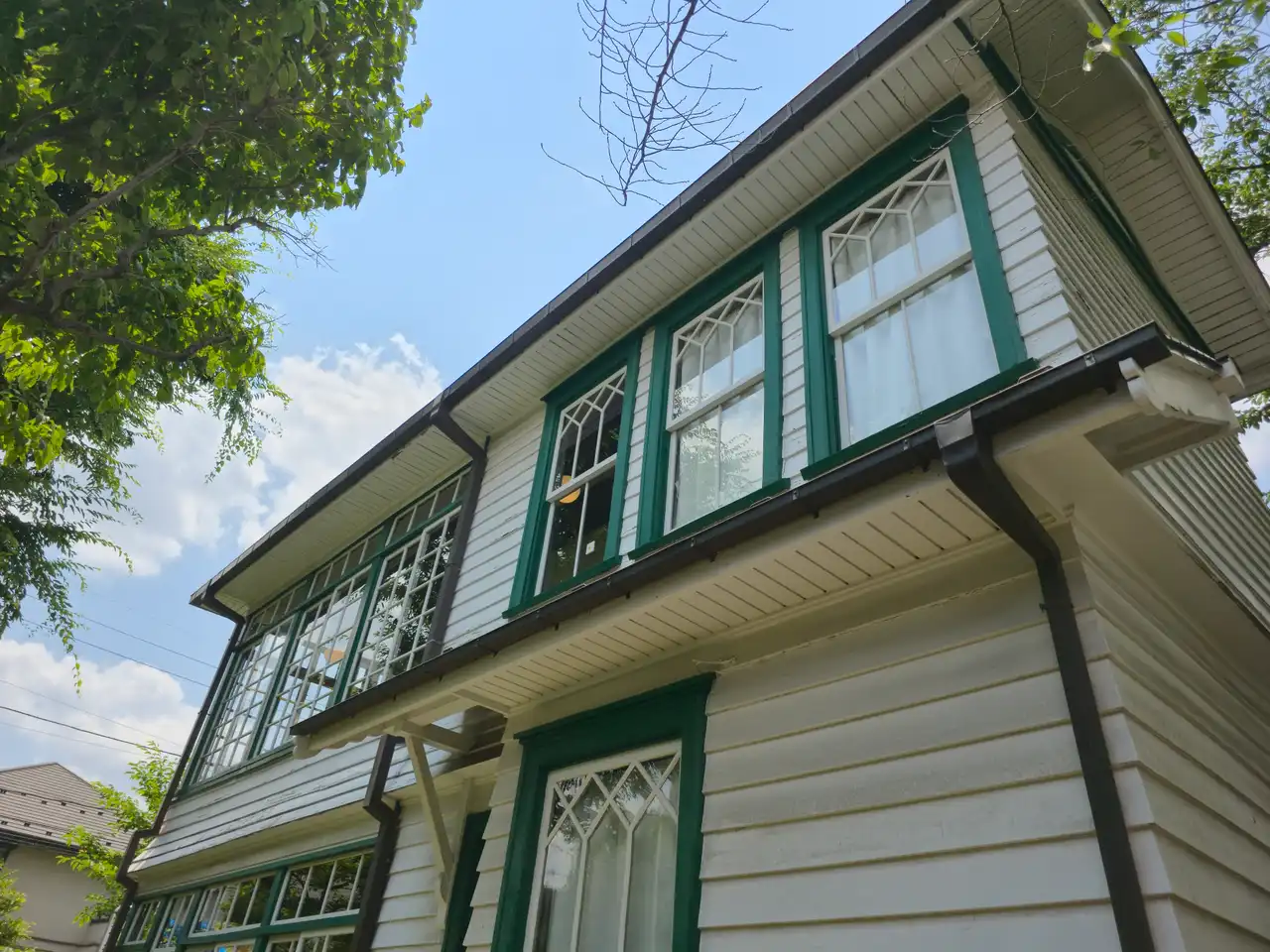
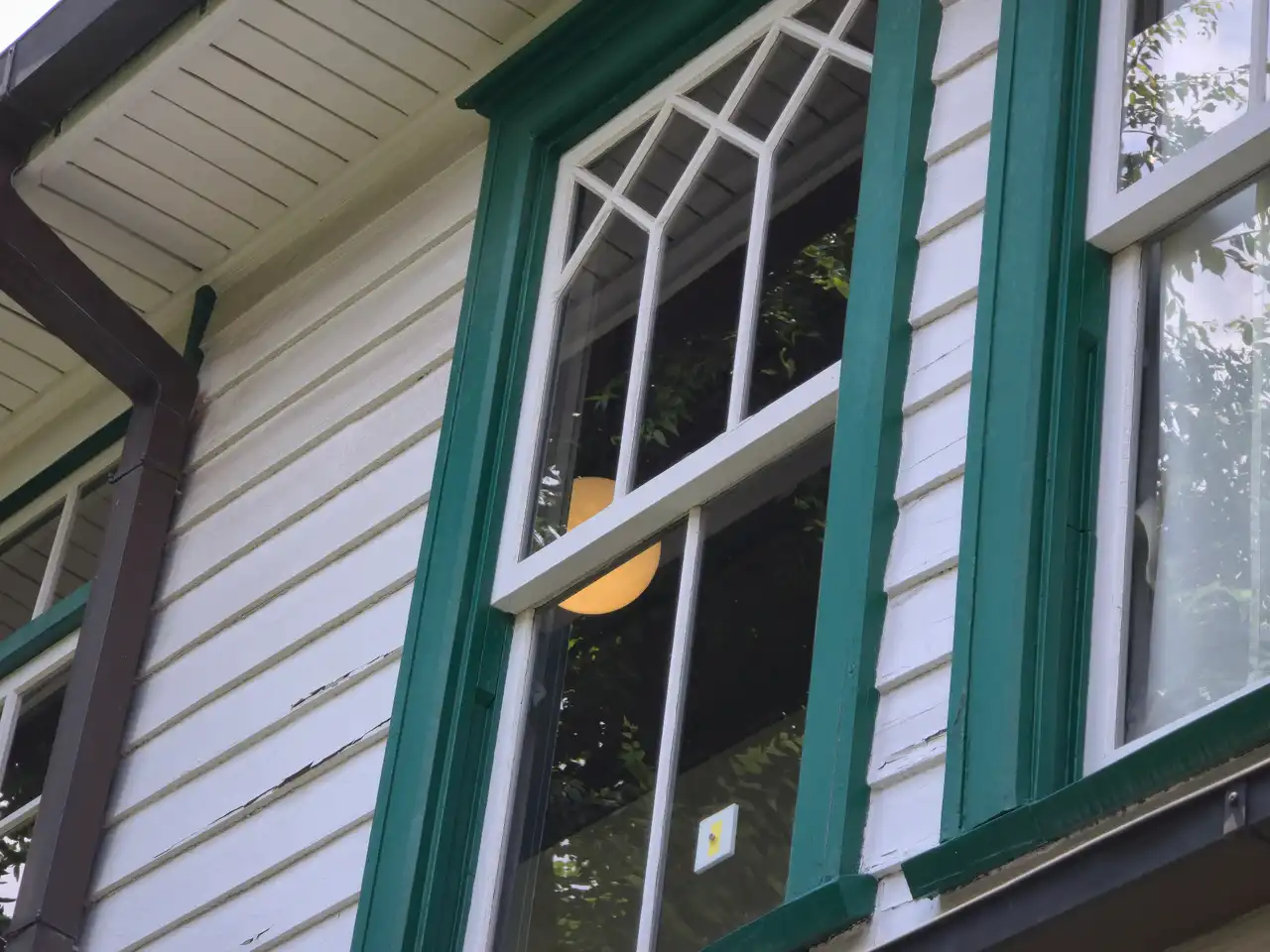

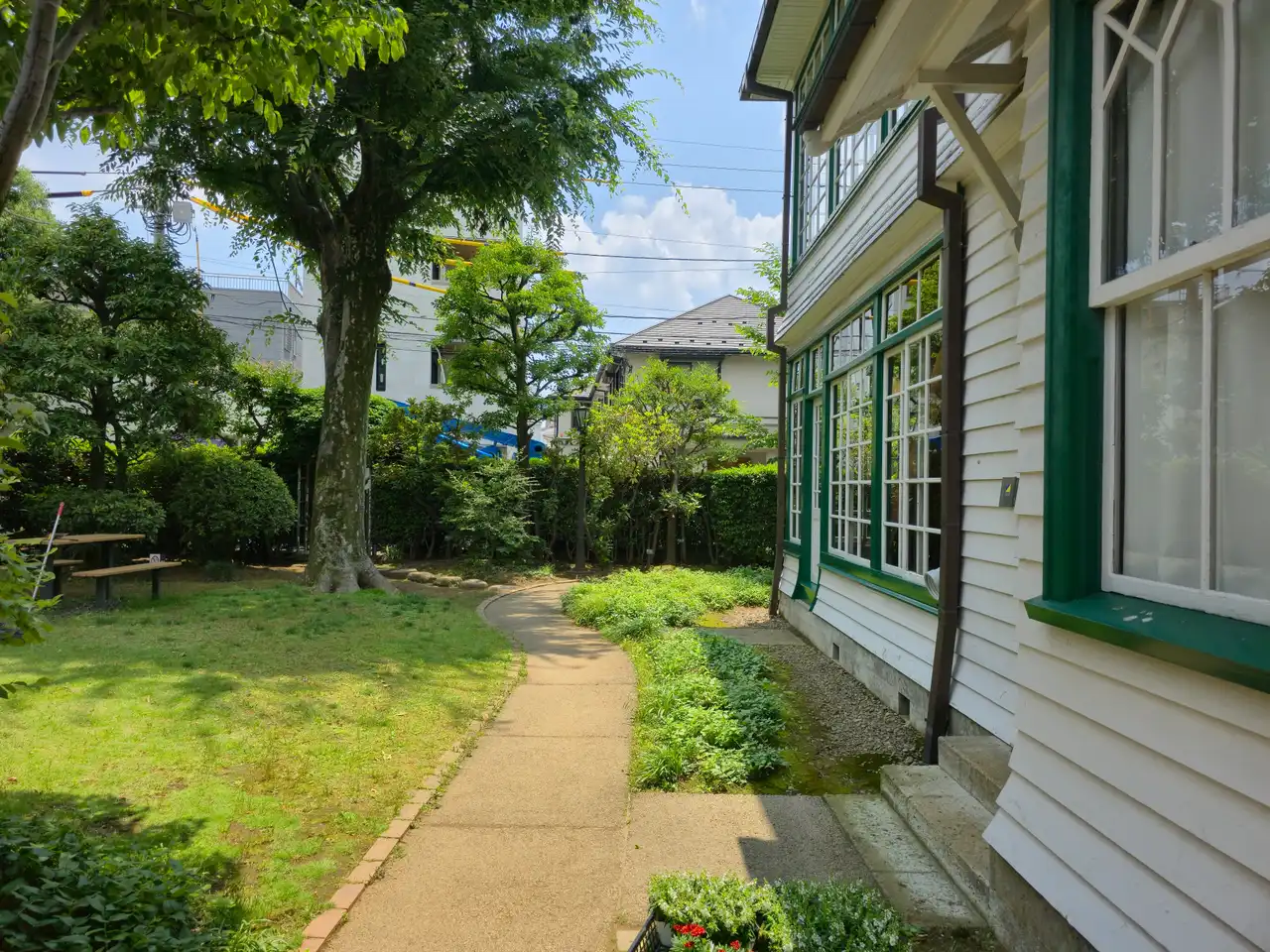
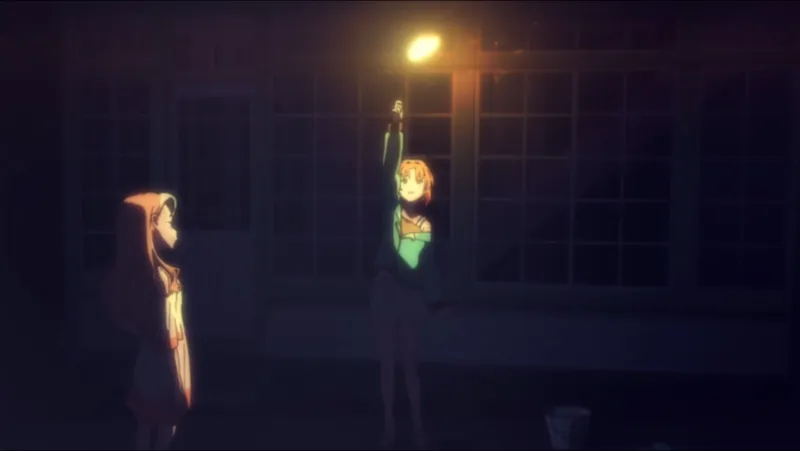
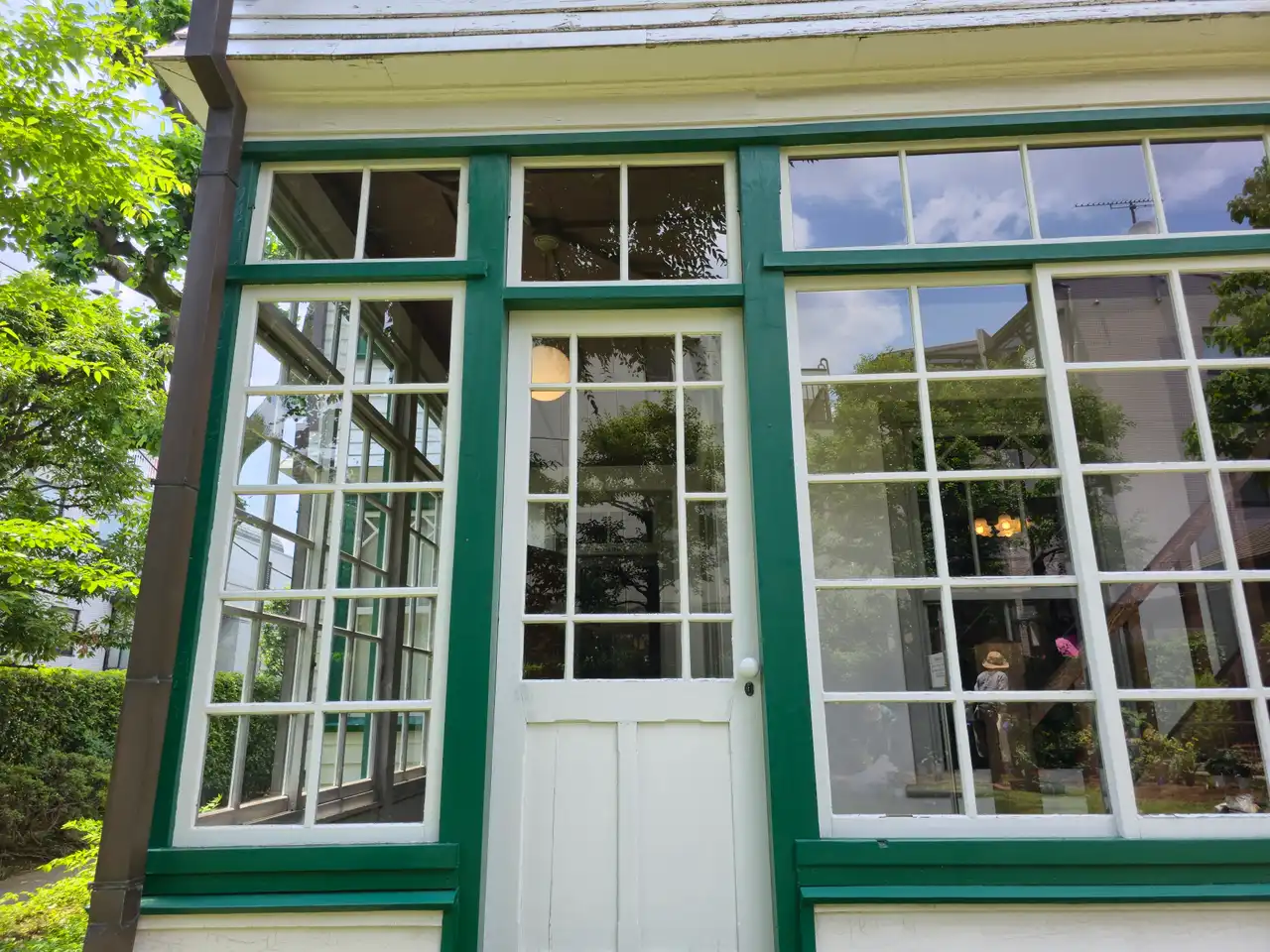
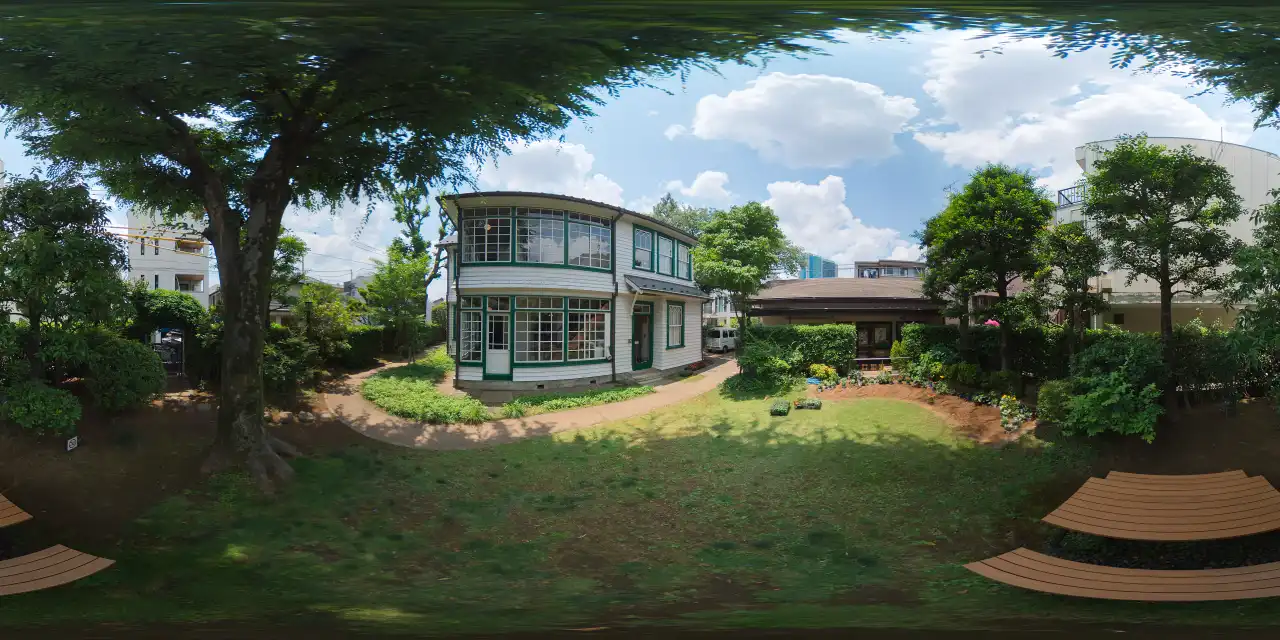
360-degree panorama photo of the rear of the building.
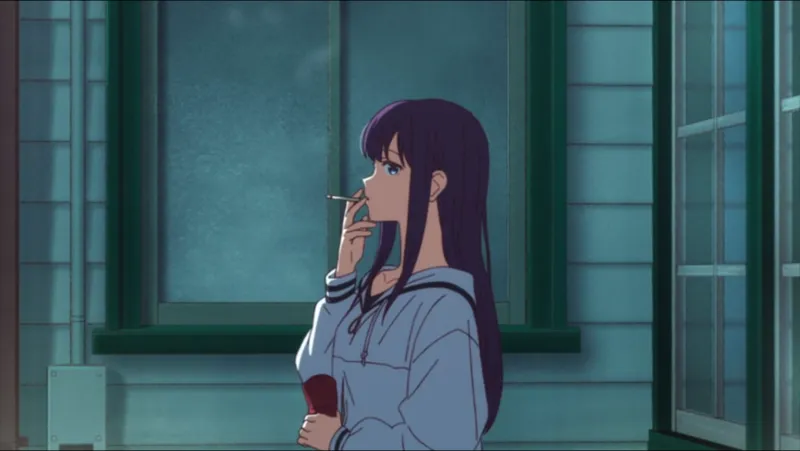
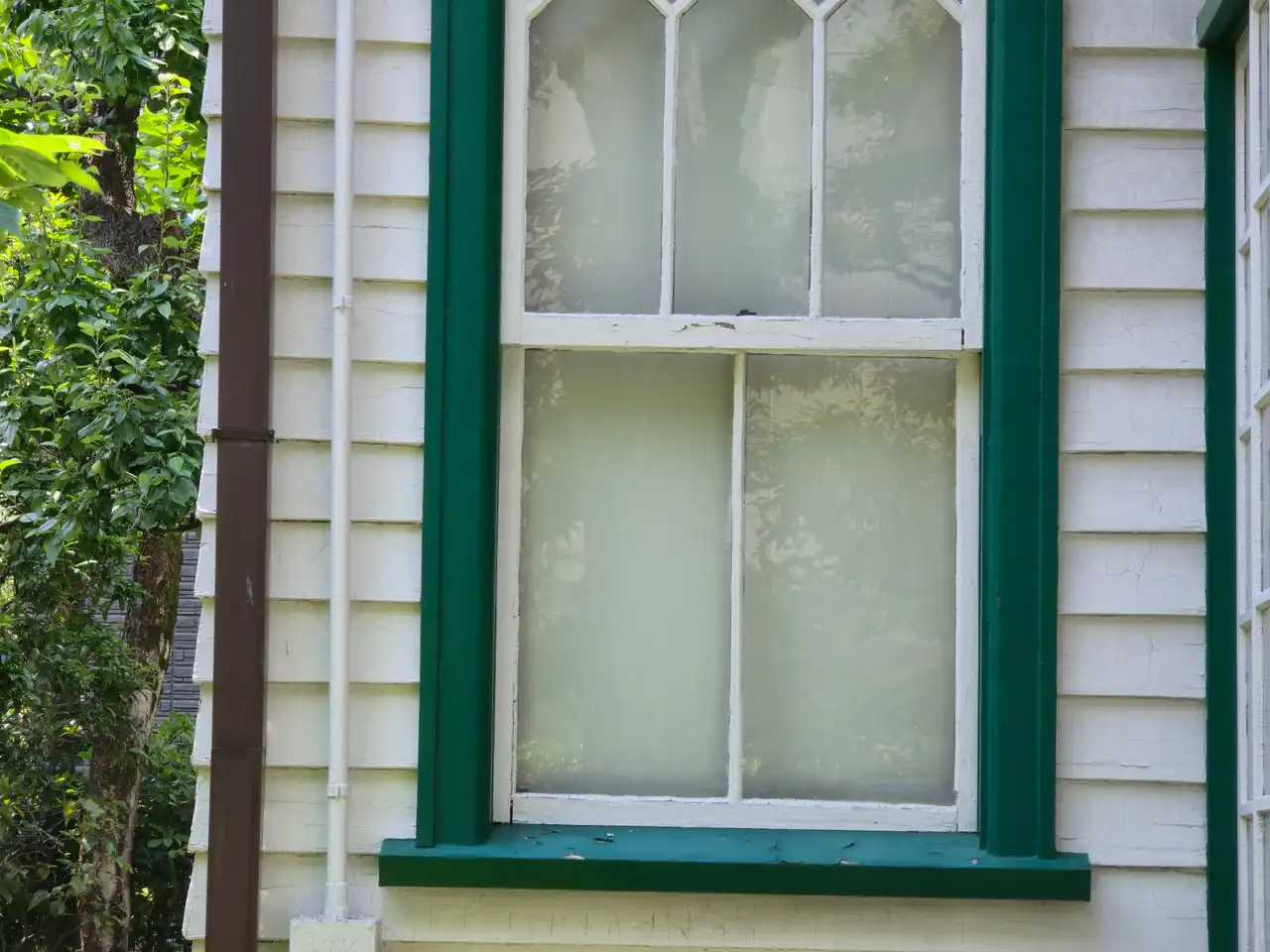
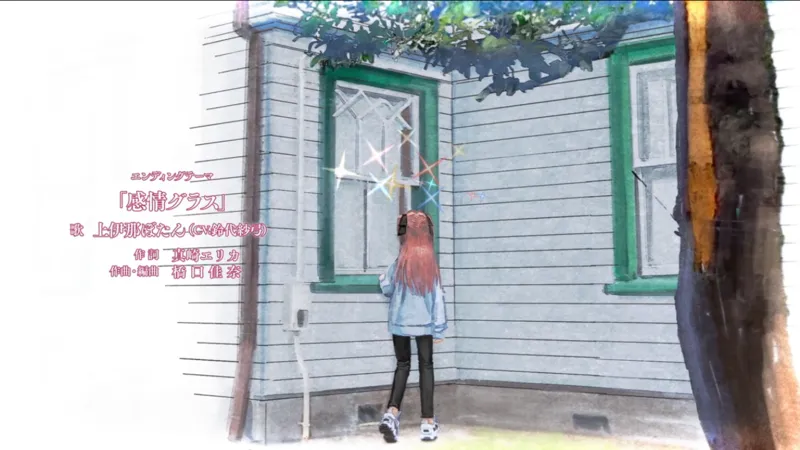
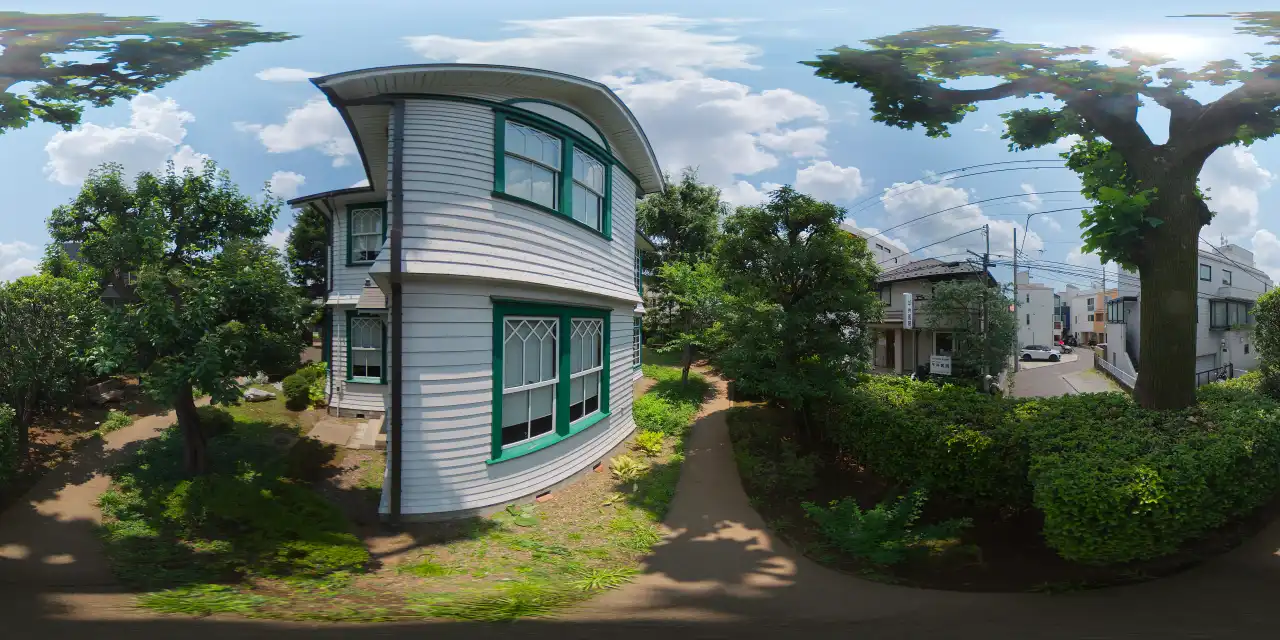
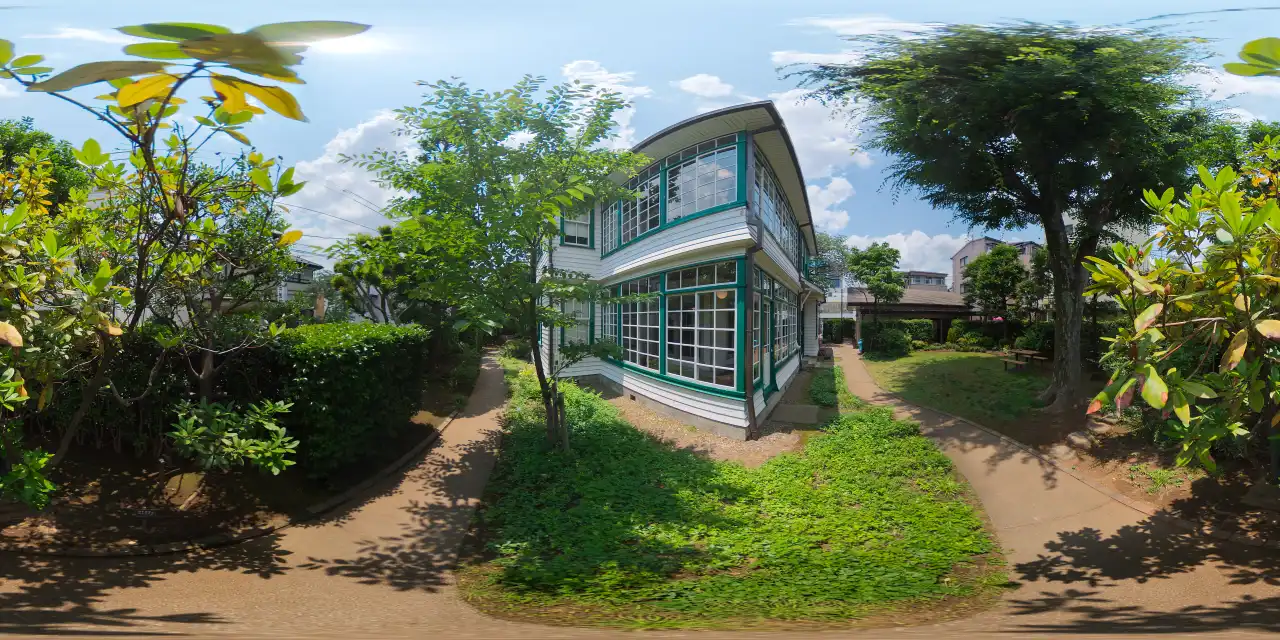
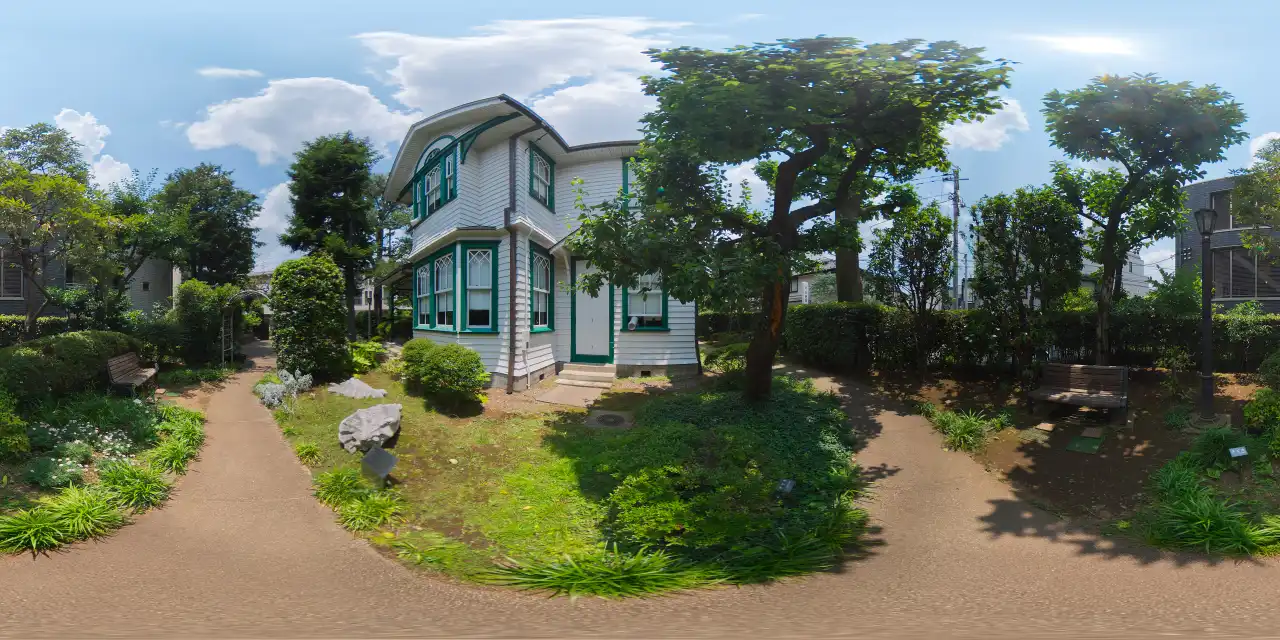
360-degree panorama photo of the side.
Genkan (Entrance Hall)
Now let's go inside!
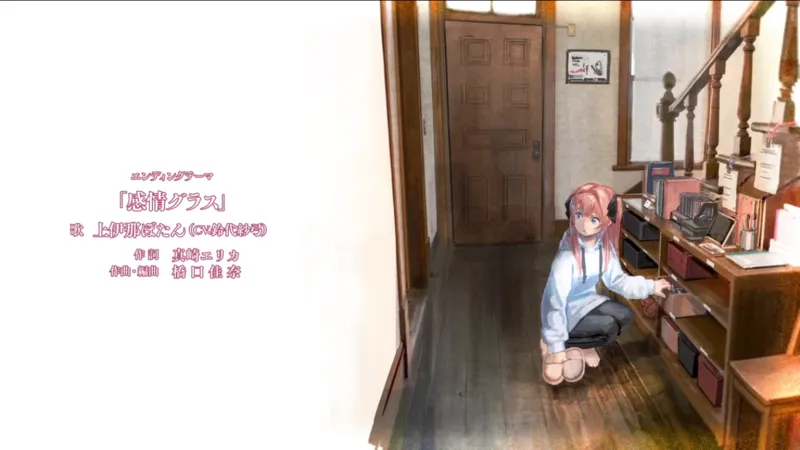
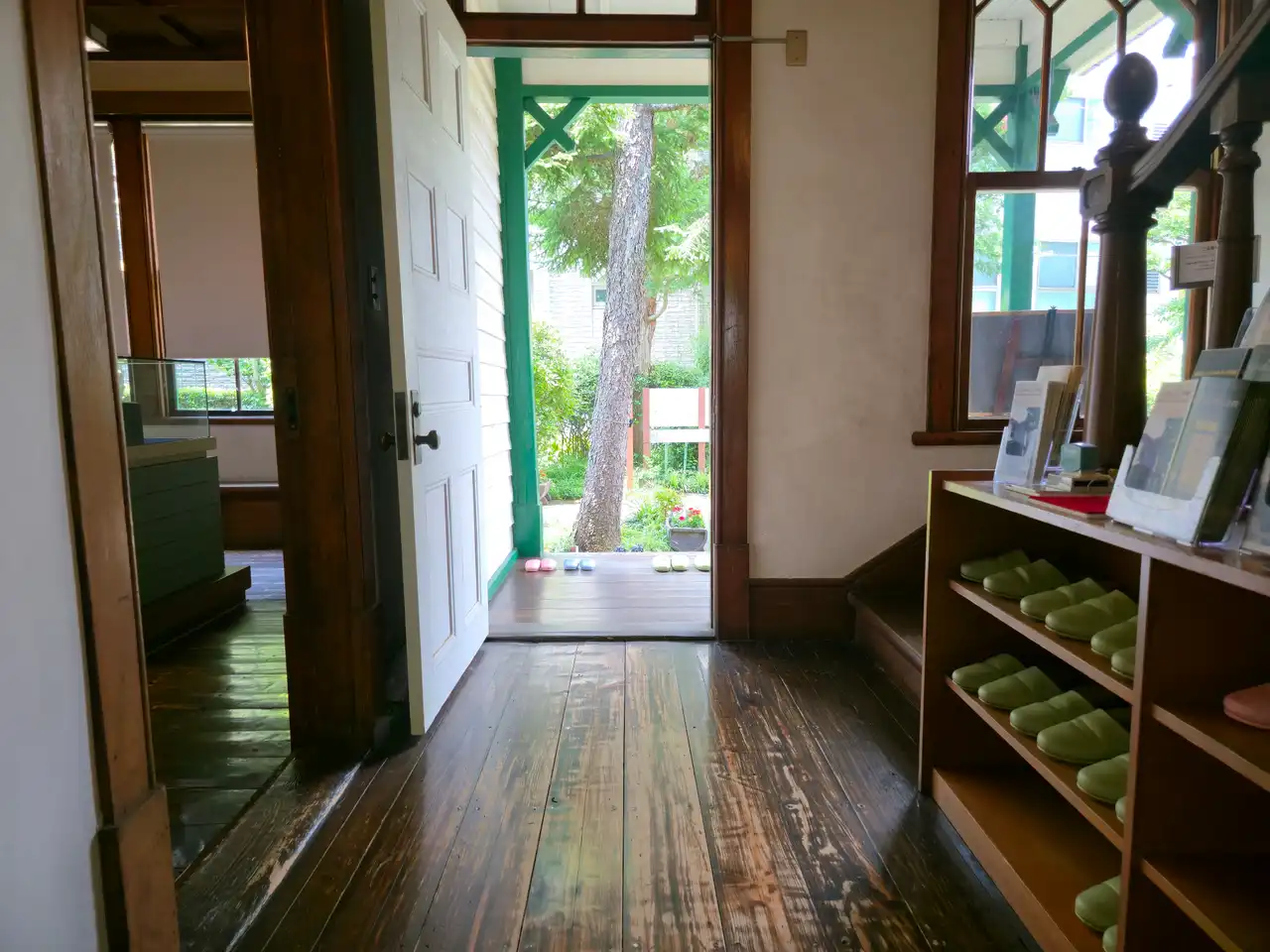
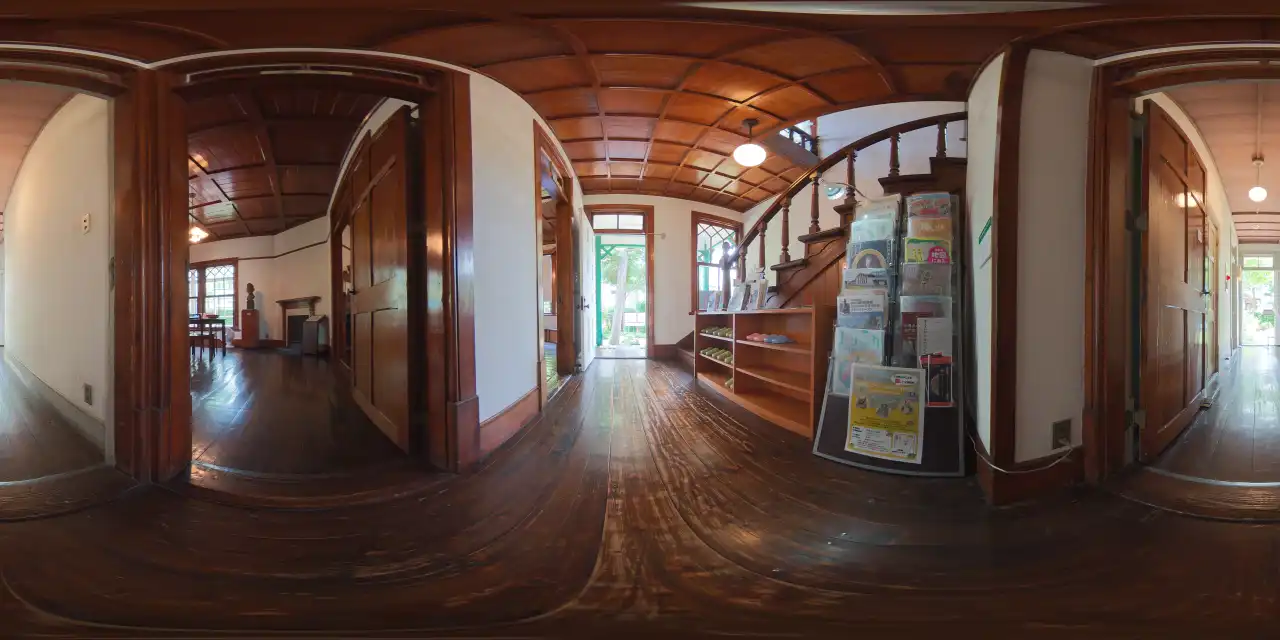
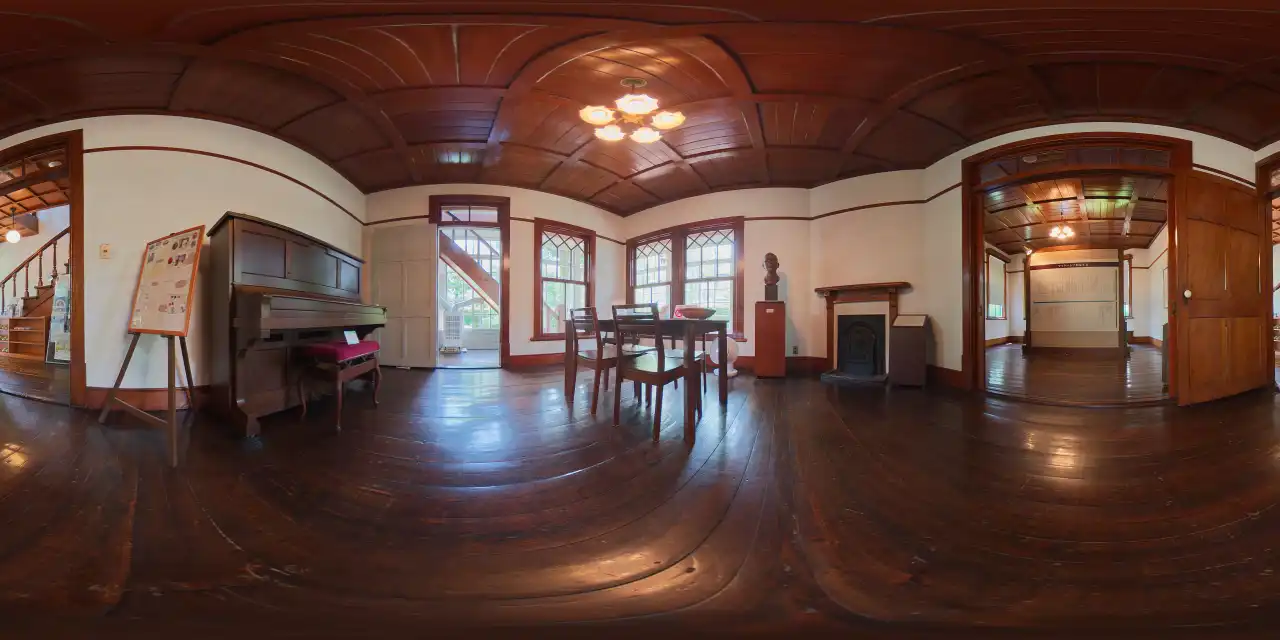
Living Room
This room was used as a living and reception room. Even in this modest former missionary residence built in the Meiji era, thoughtful design touches can be seen. The west-facing bay window gives the room a sense of spaciousness, and the fireplace mantel in this room is the only part of the house that retains its original appearance from the time of construction.
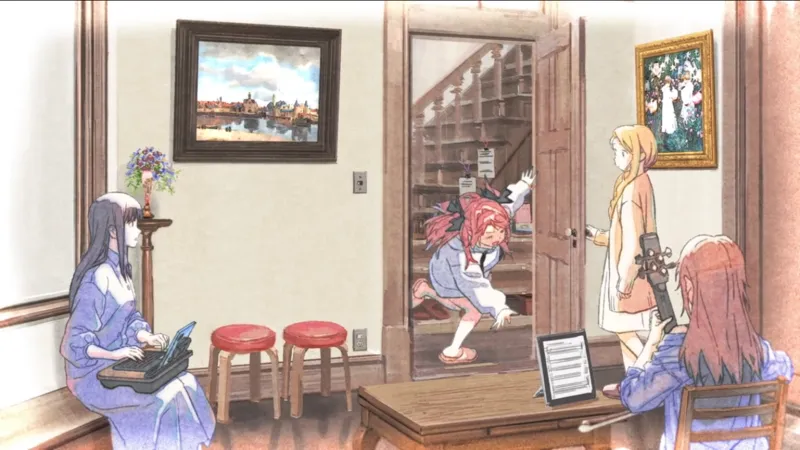
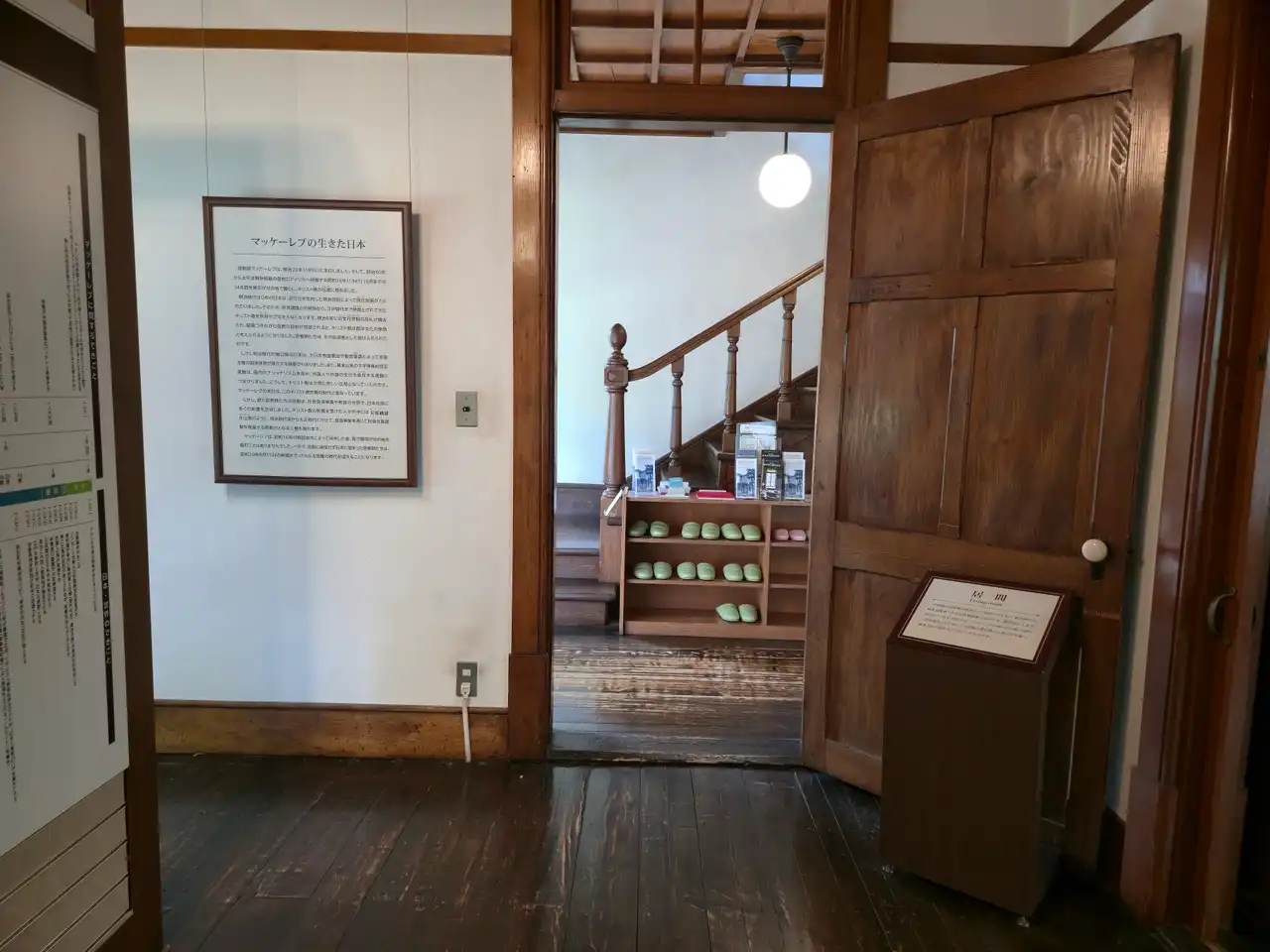
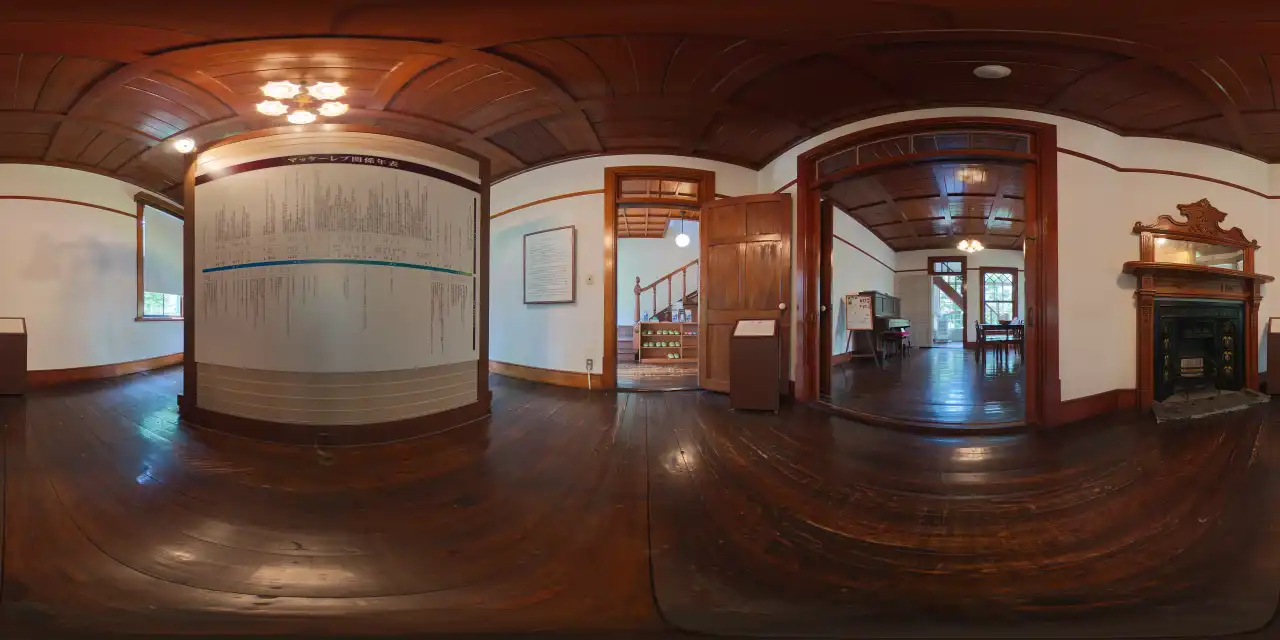
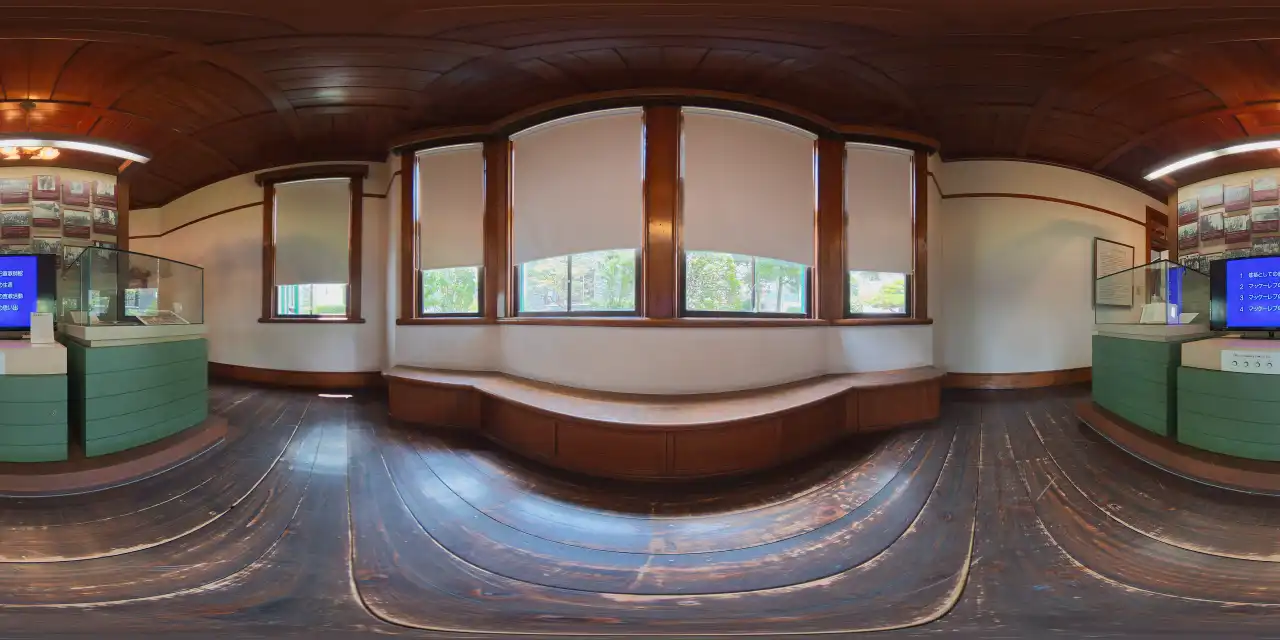
Dining Room
This room was used as the dining room. It is said that meals were very simple, and vegetables such as corn and tomatoes were grown on the property. The kitchen is located beyond the left side of the dining room, equipped with a gas stove that was apparently used for baking bread and roasting chicken. Amid the simplicity, one can also see some American touches.
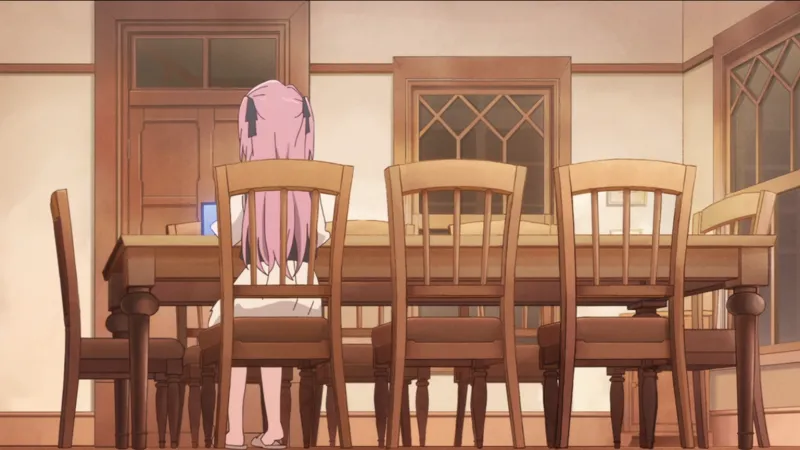
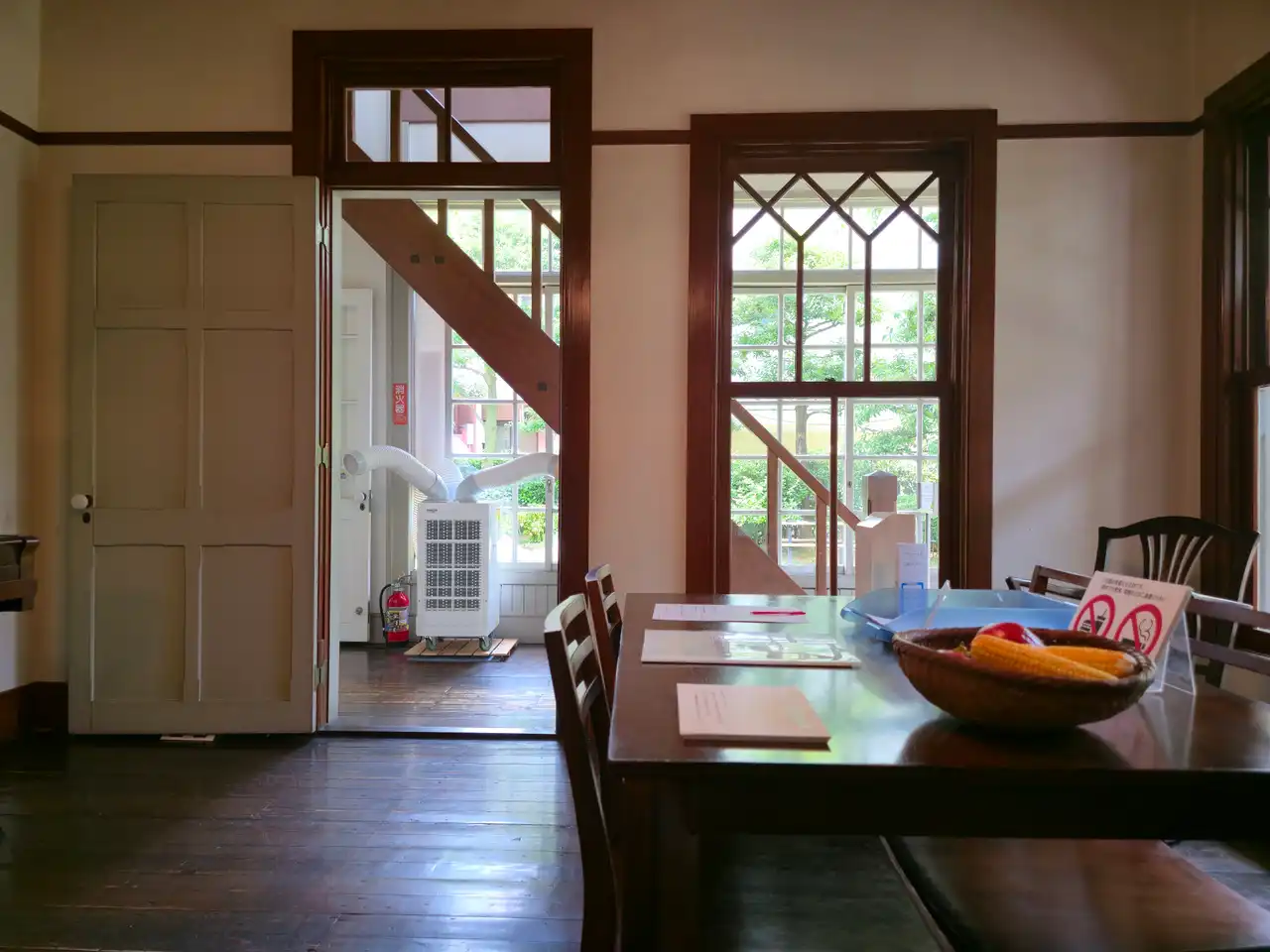
The table arrangement is slightly different from the anime.
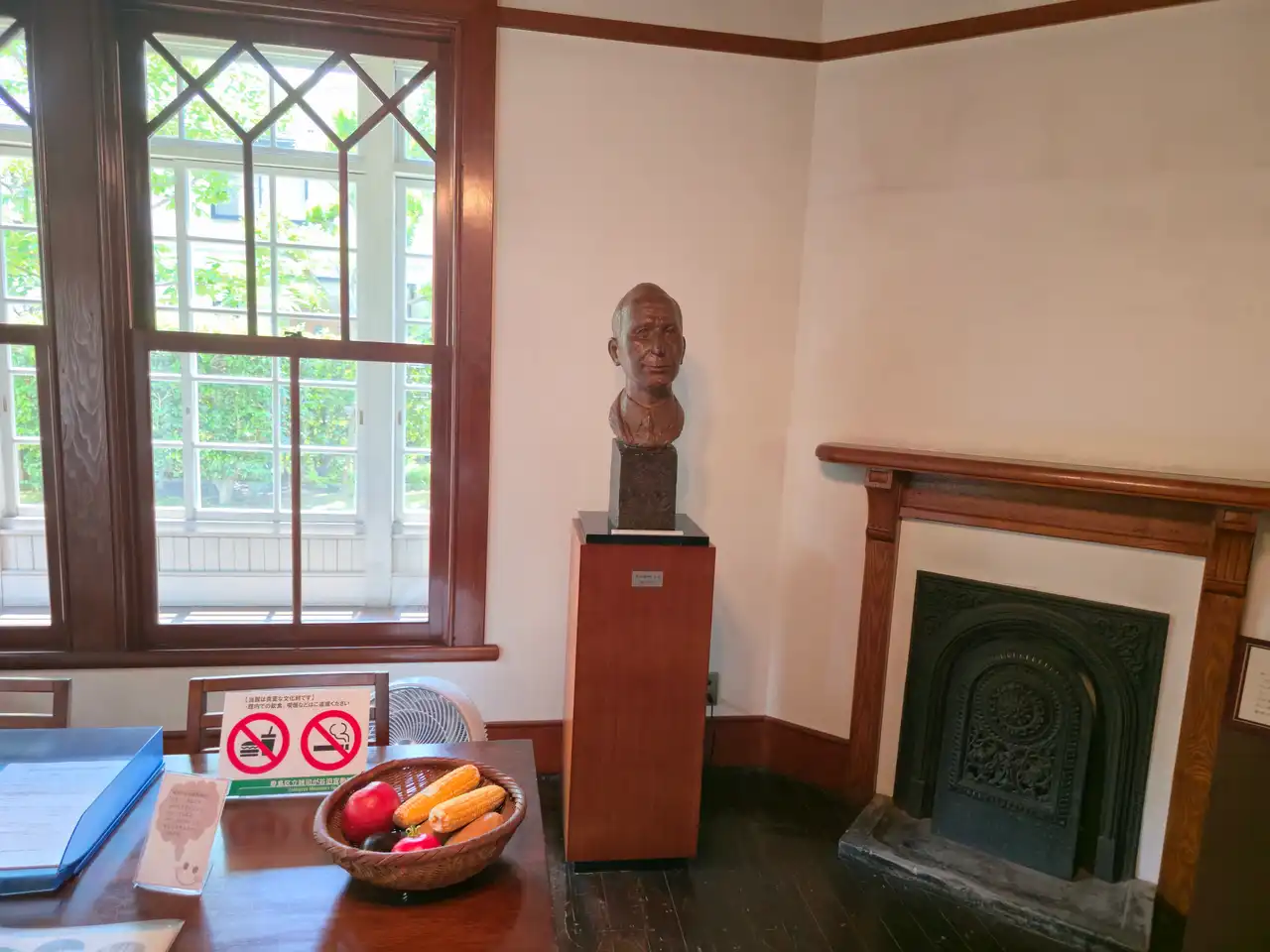
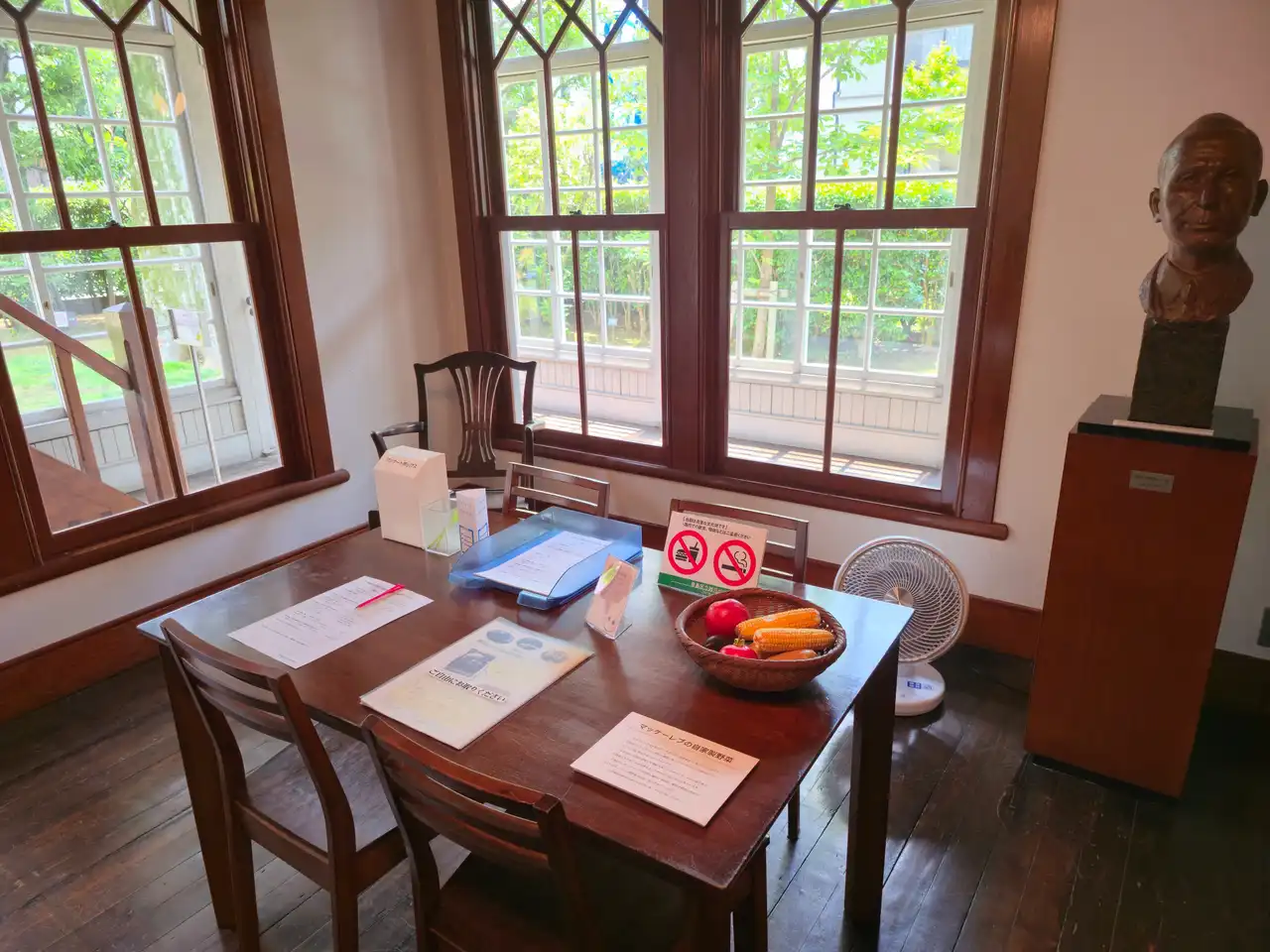
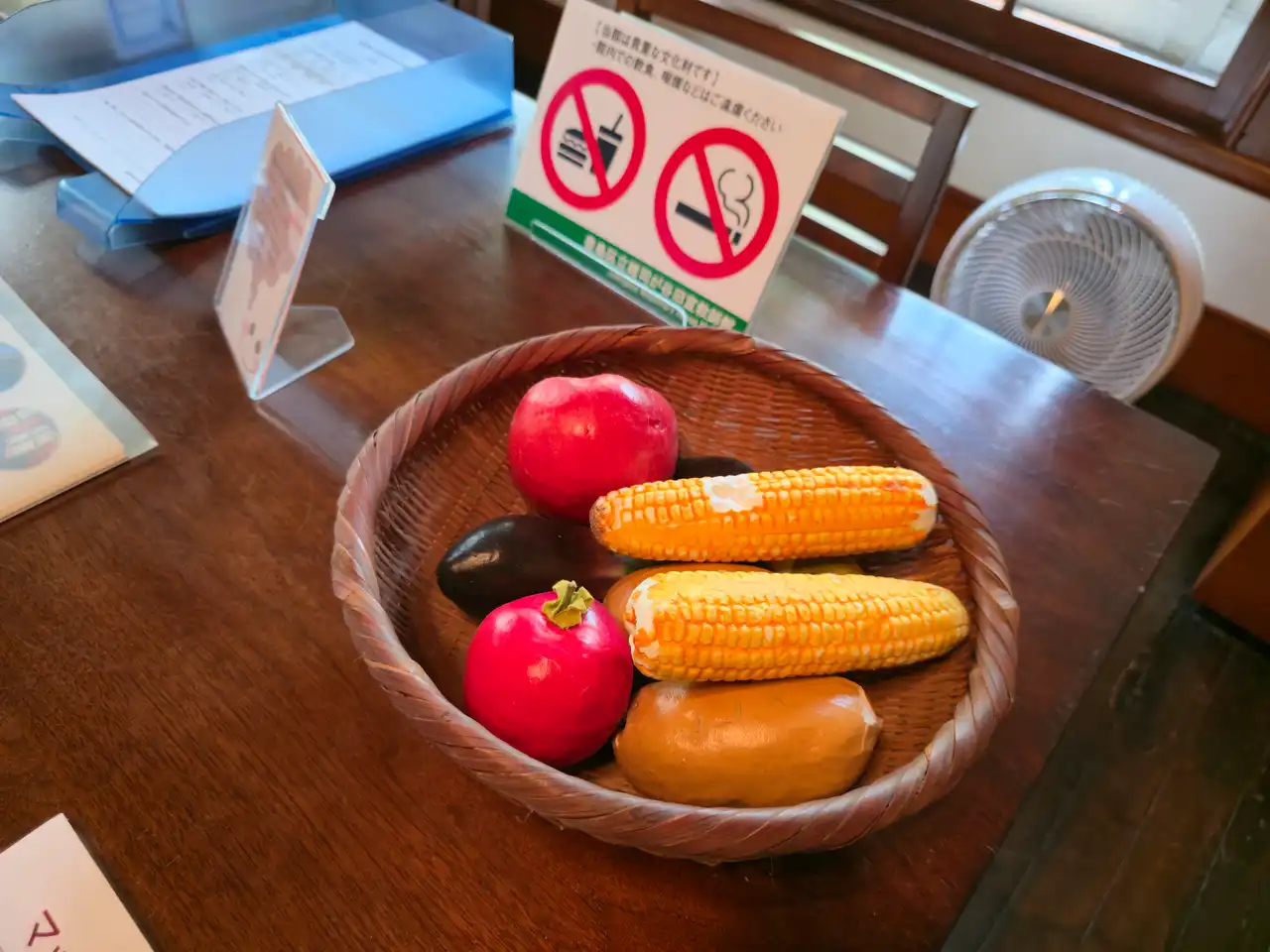
Food models.
First-Floor Veranda
Church Office
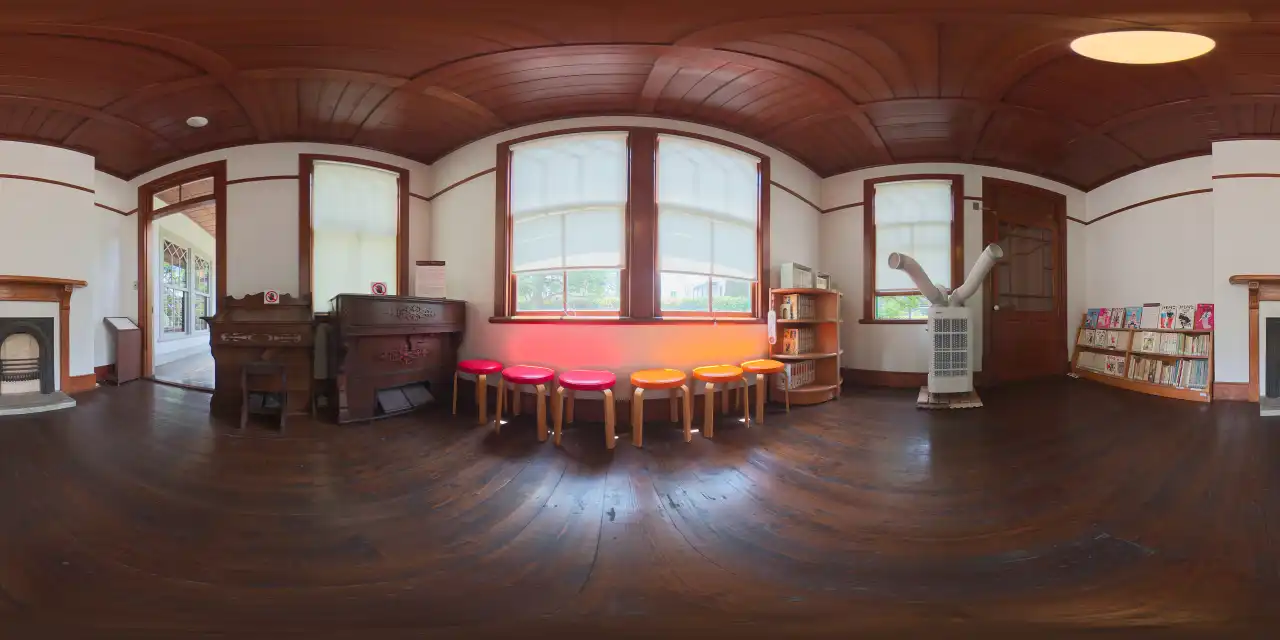
In the anime, this is probably the room with the liquor cabinet.
But overall, it's quite different from the anime.
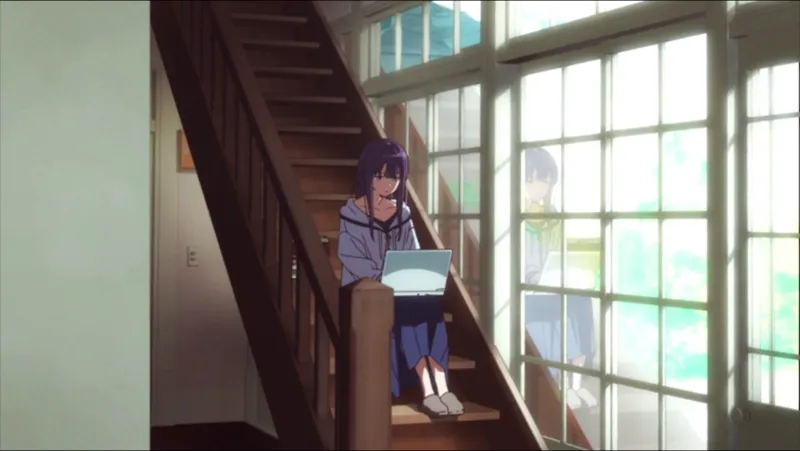
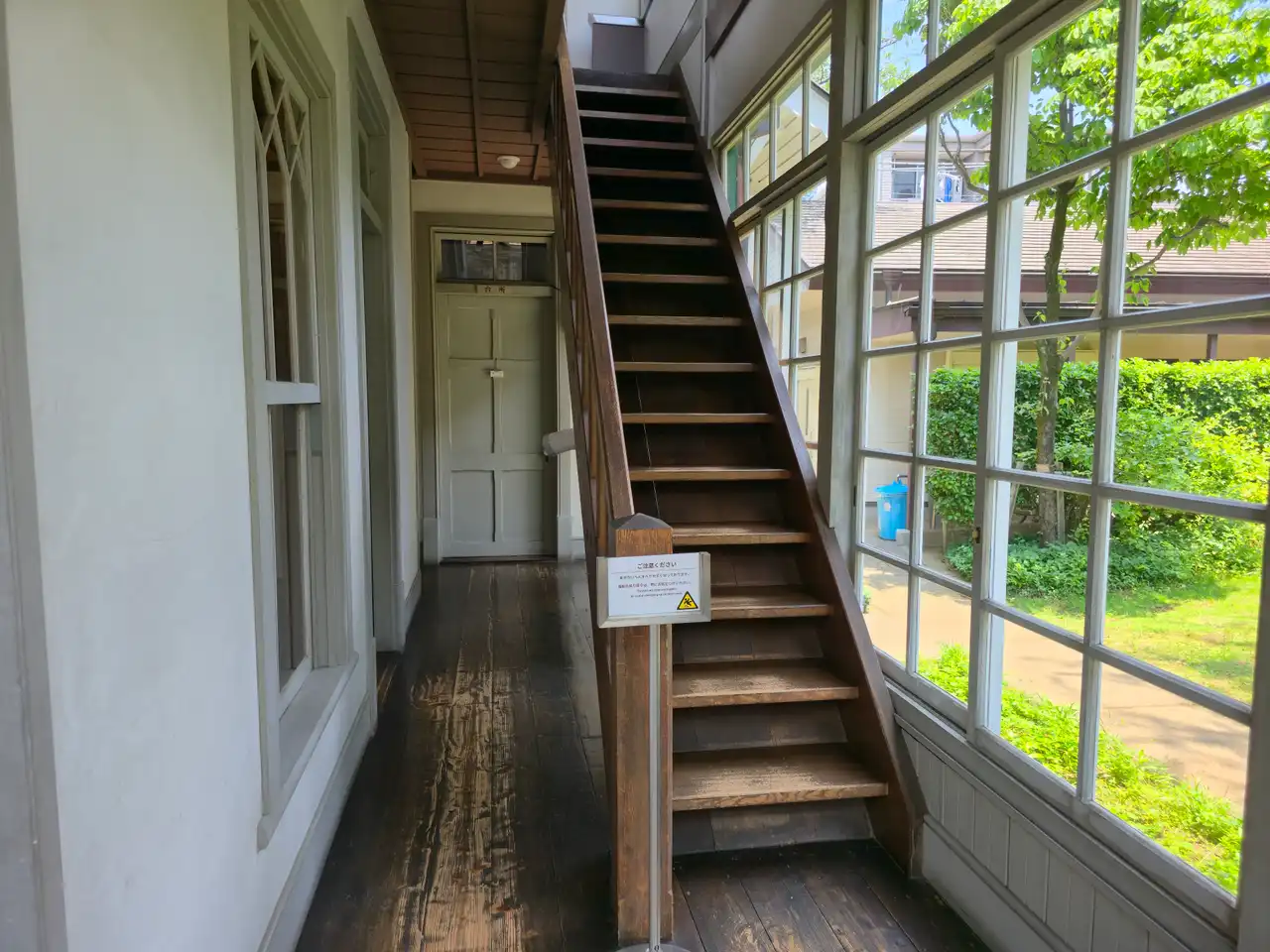
Near the Stairs
Now let's head up to the second floor.
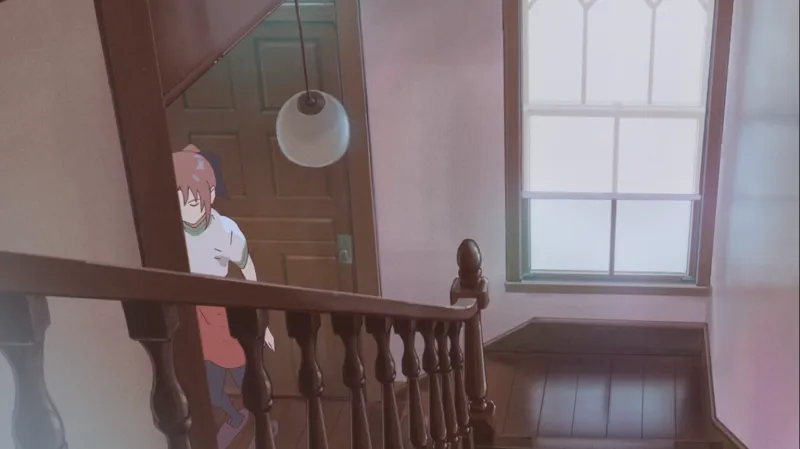
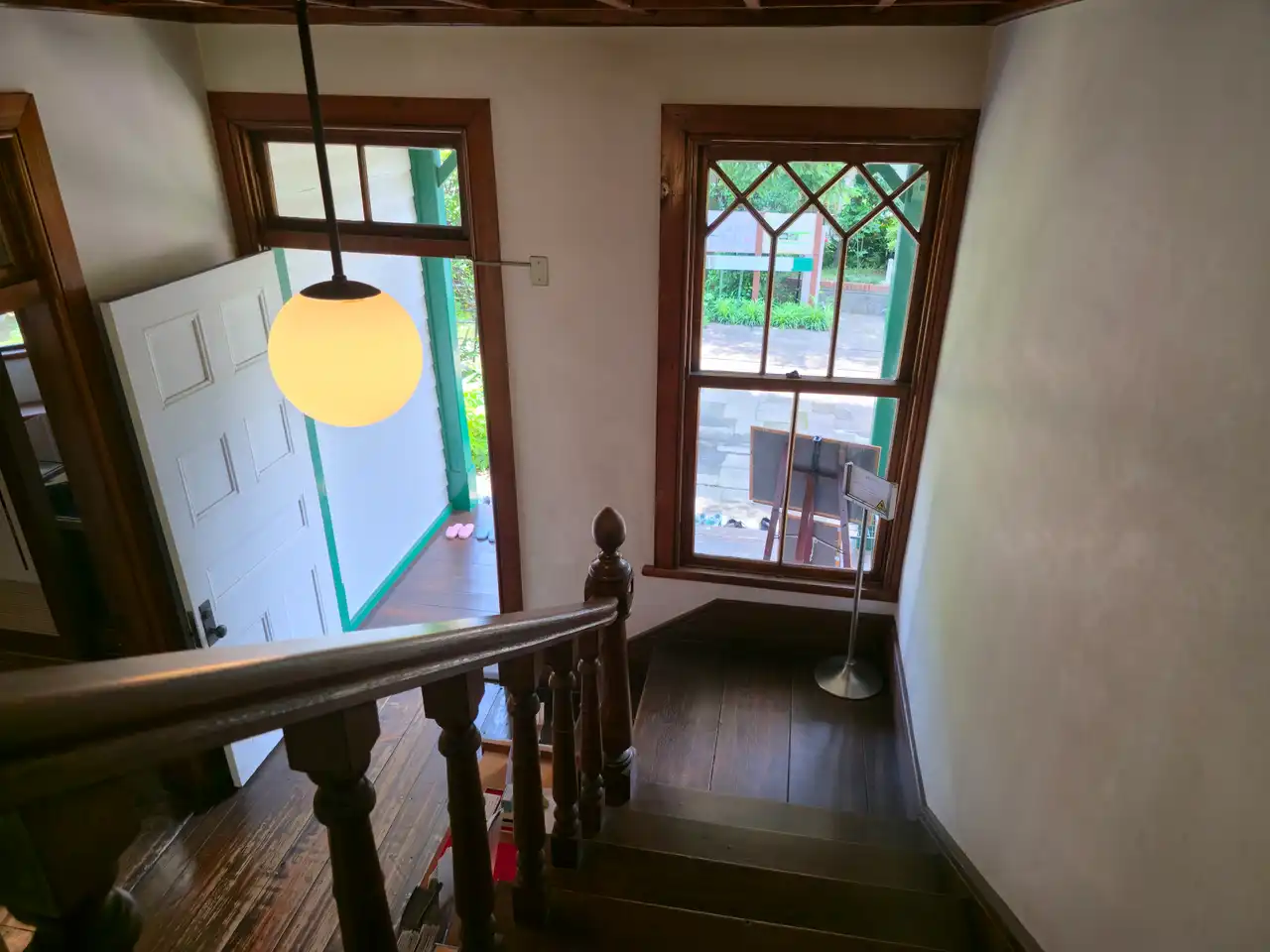
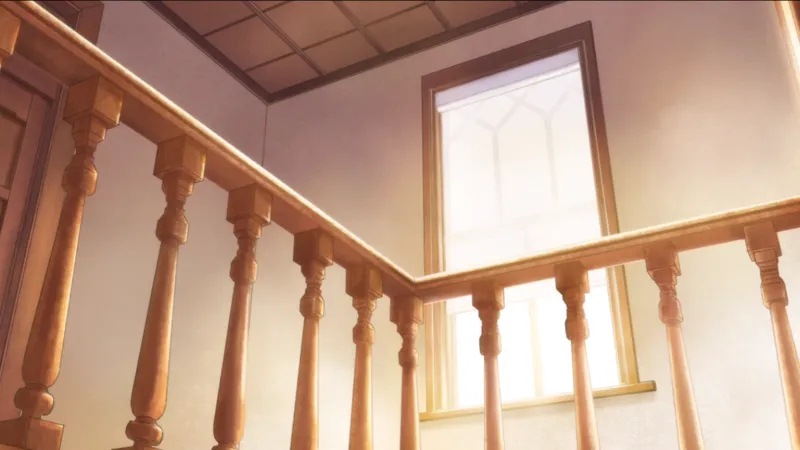
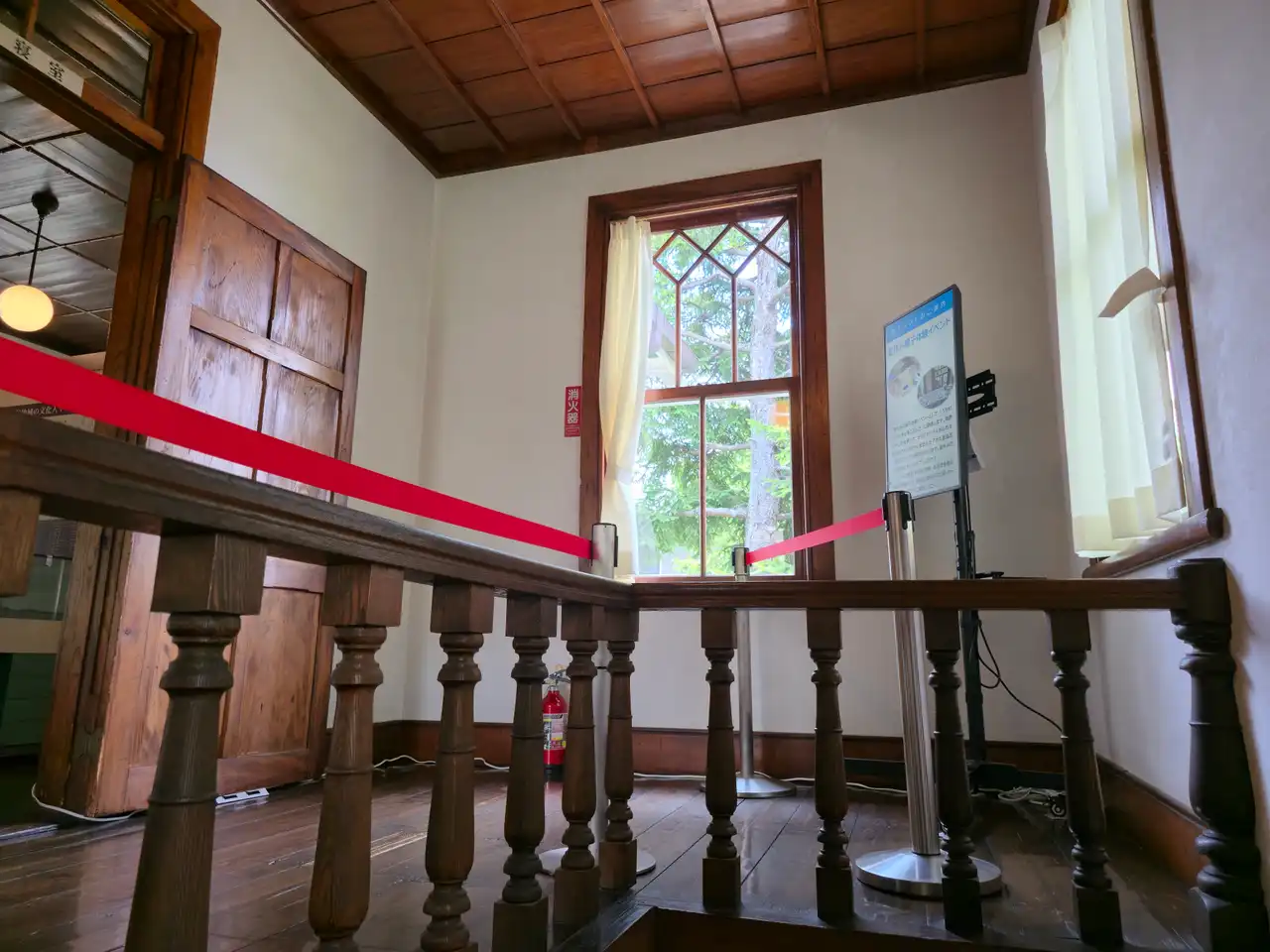
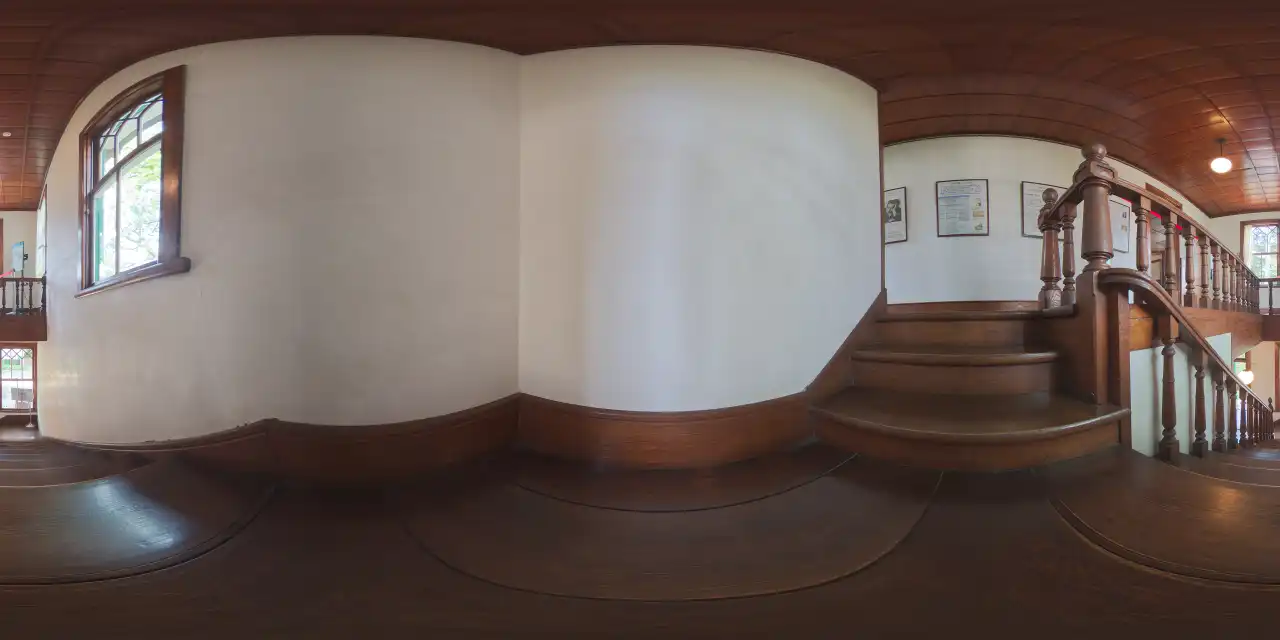
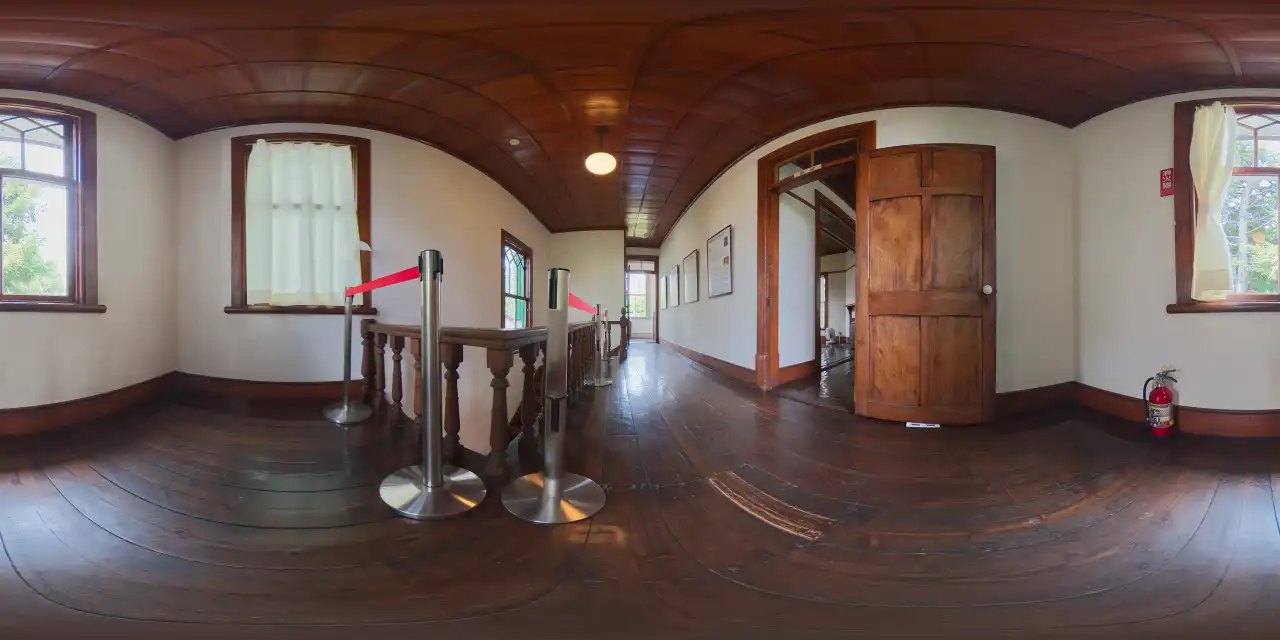
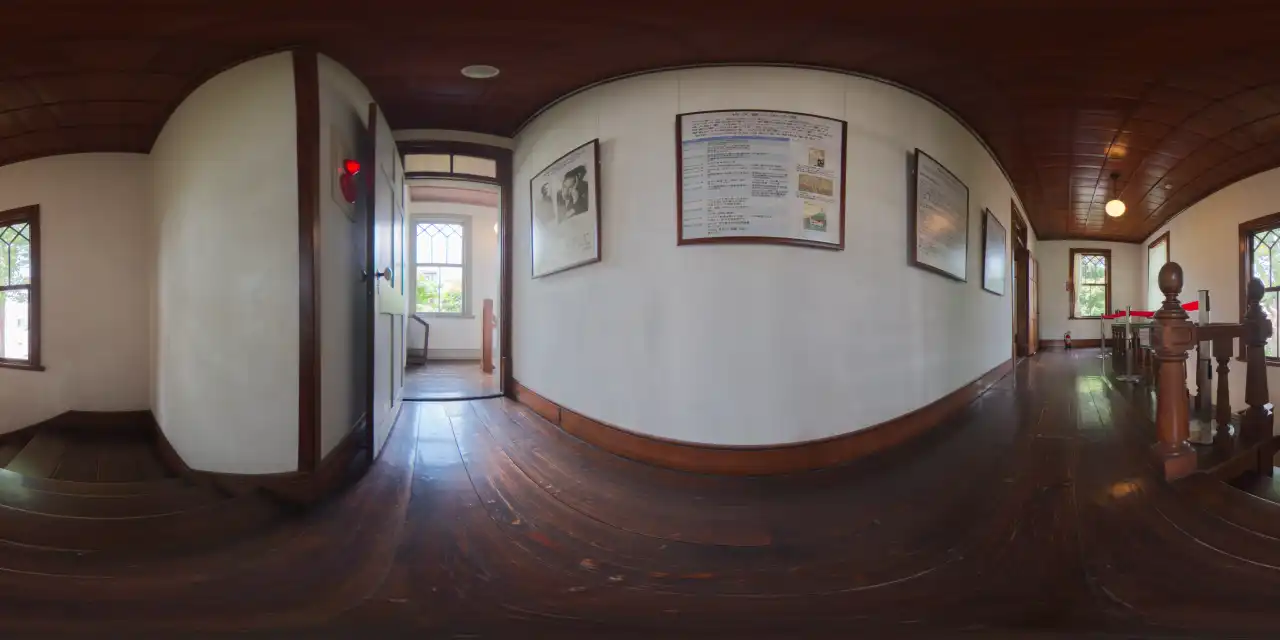
Second-Floor Veranda
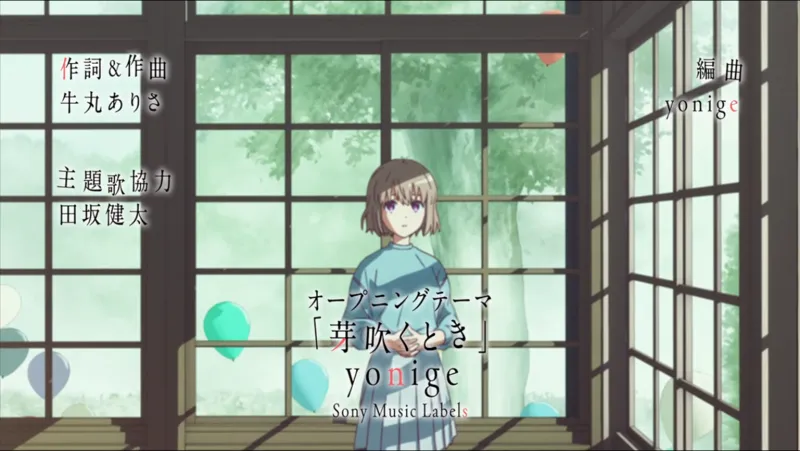
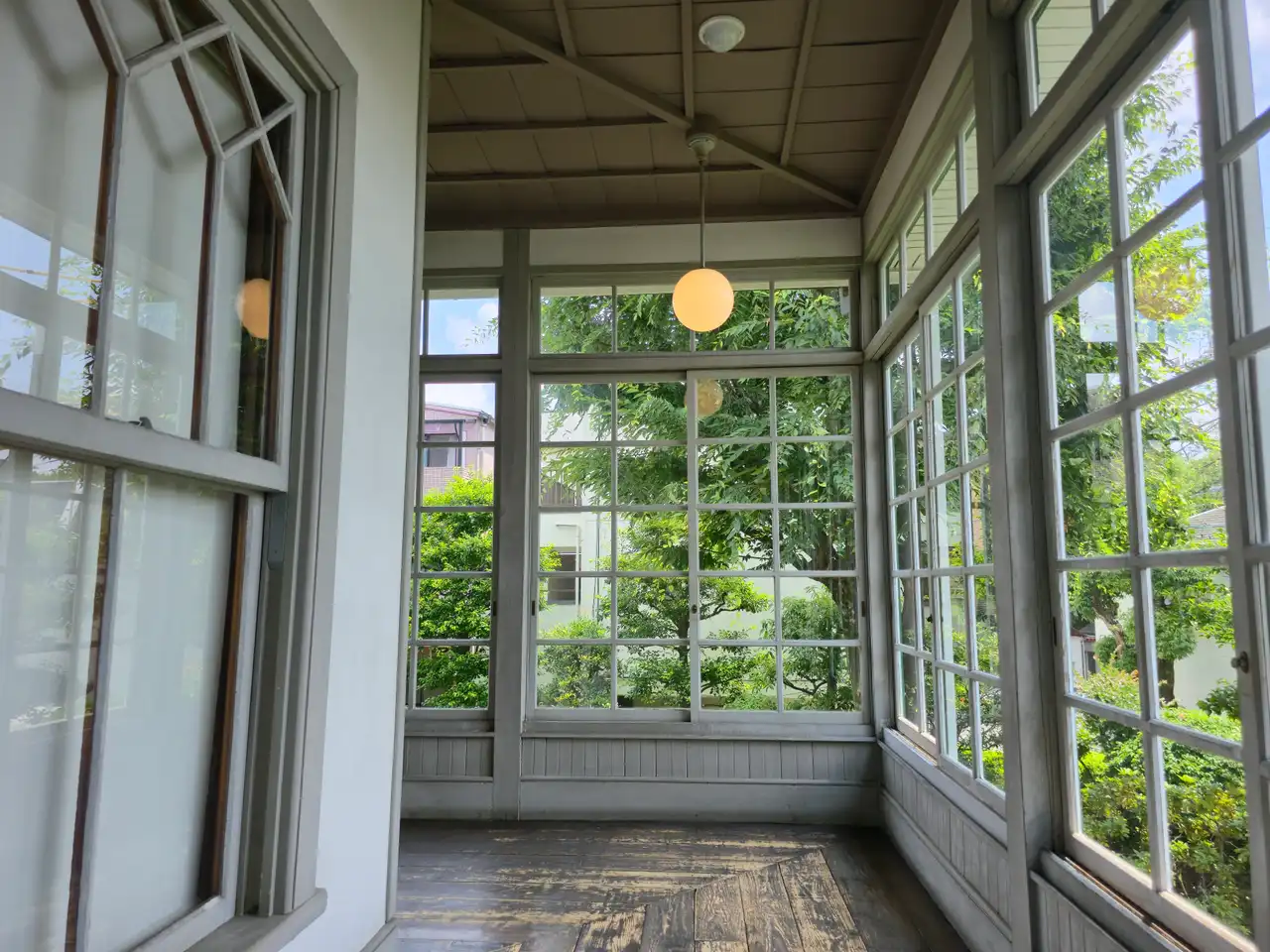
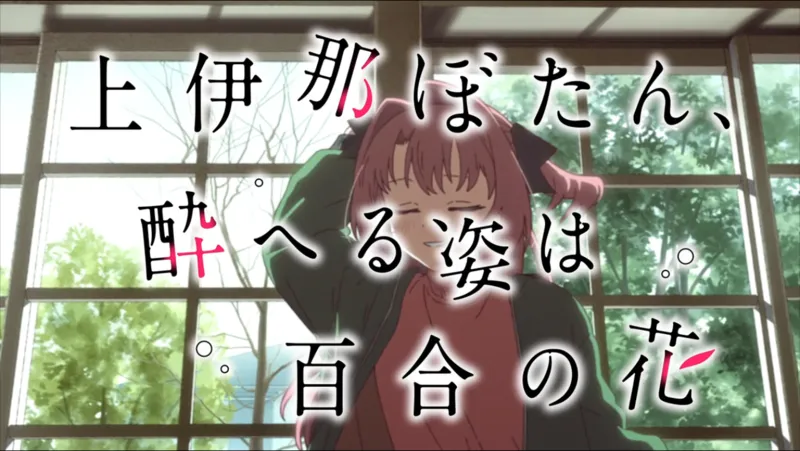
My favorite scene from the opening.
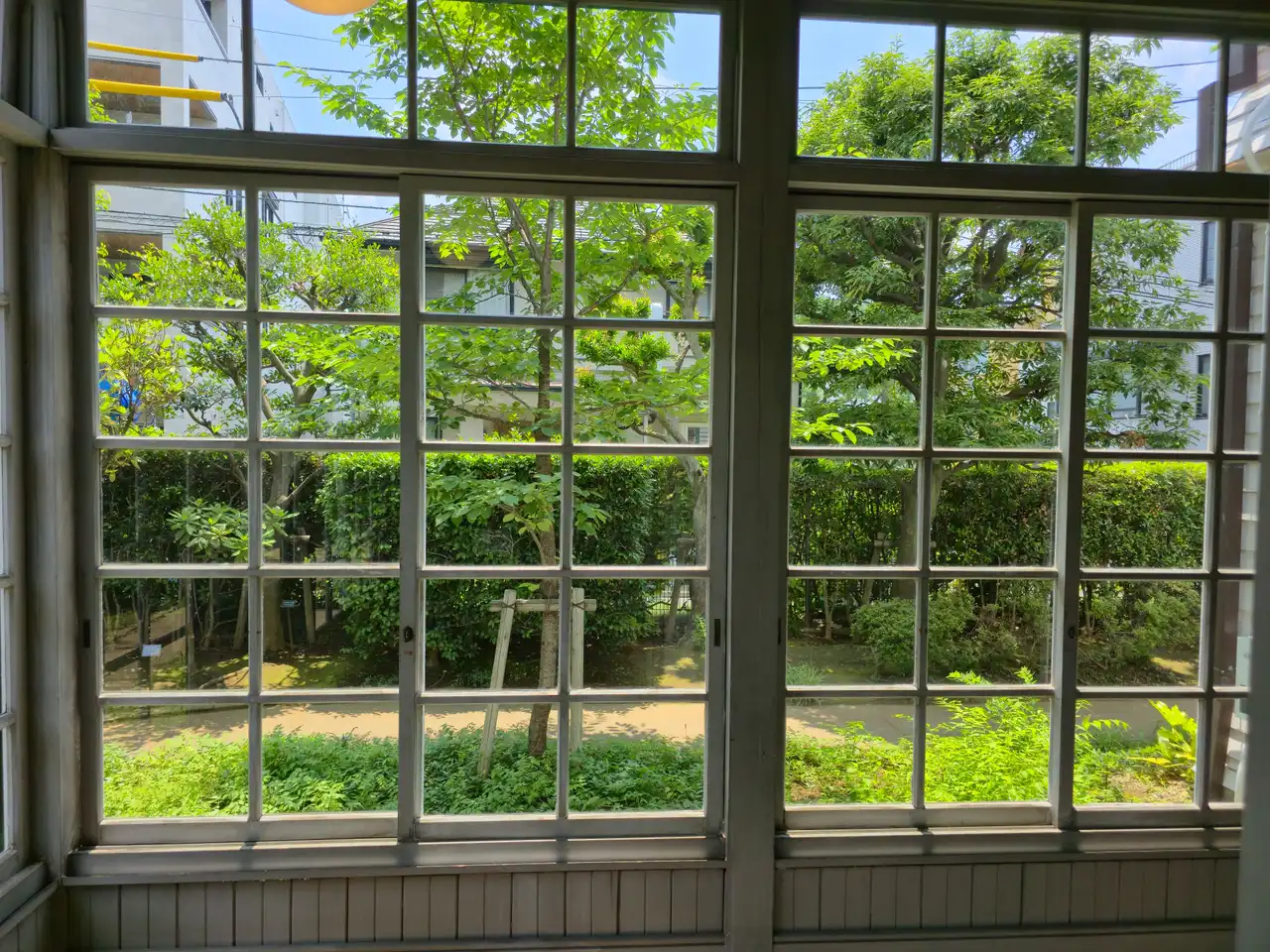
It looks like the first floor, but it's actually the second floor!
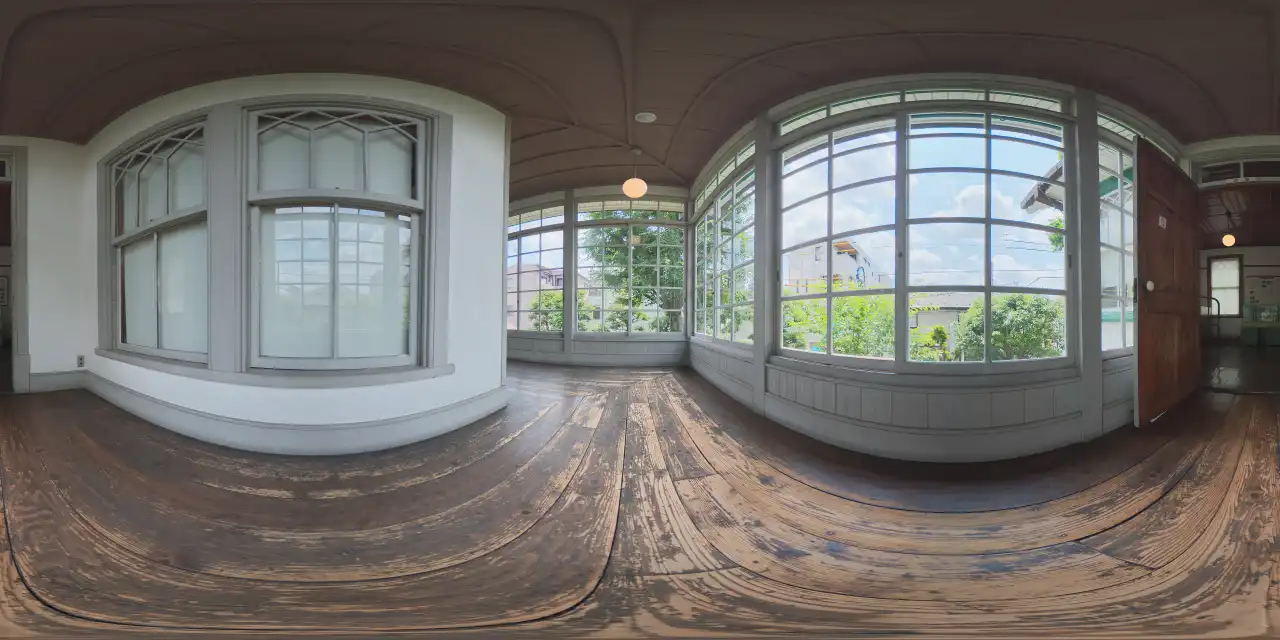
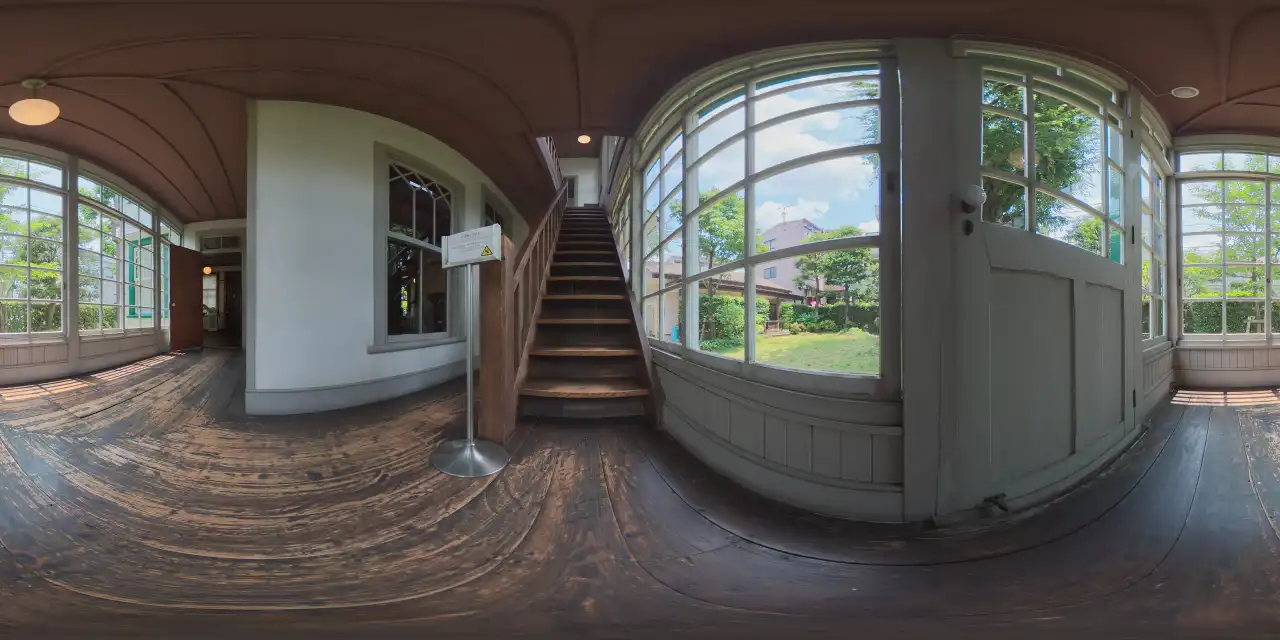
360-degree panorama photo.
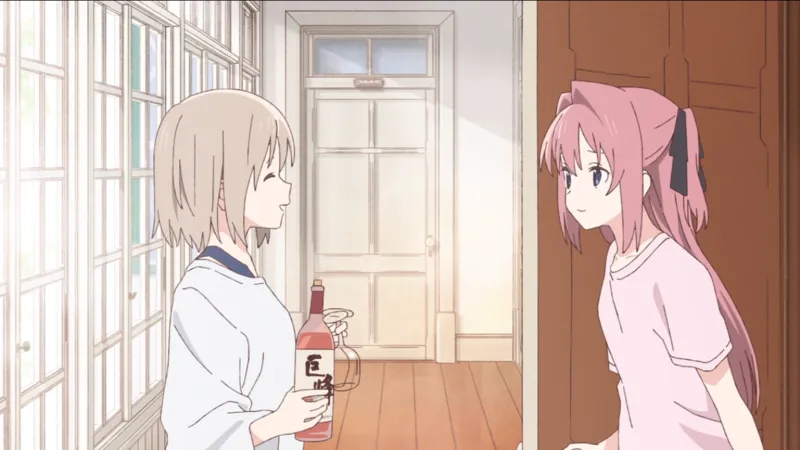
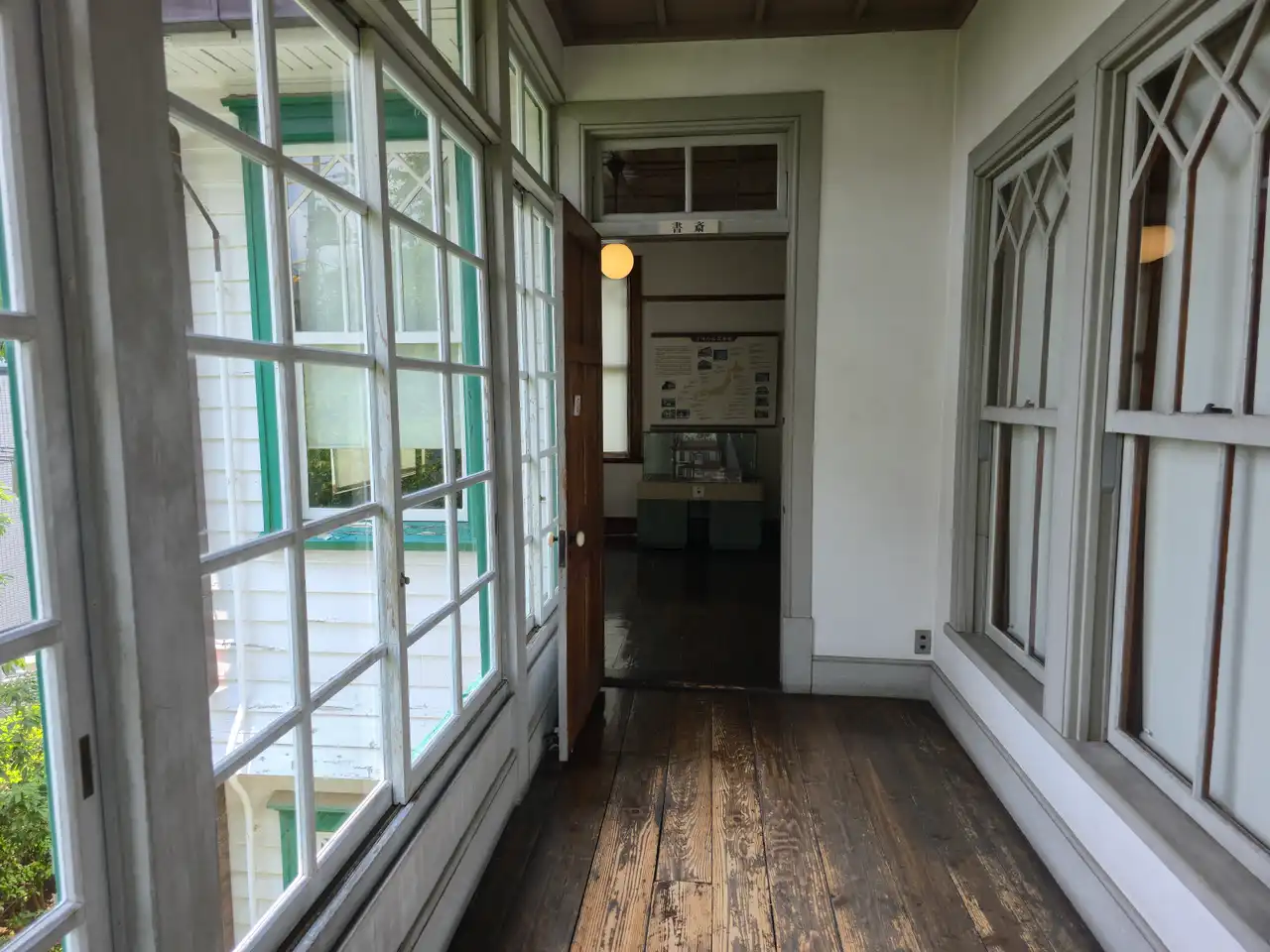
Actually, there's no door here—it's a window.
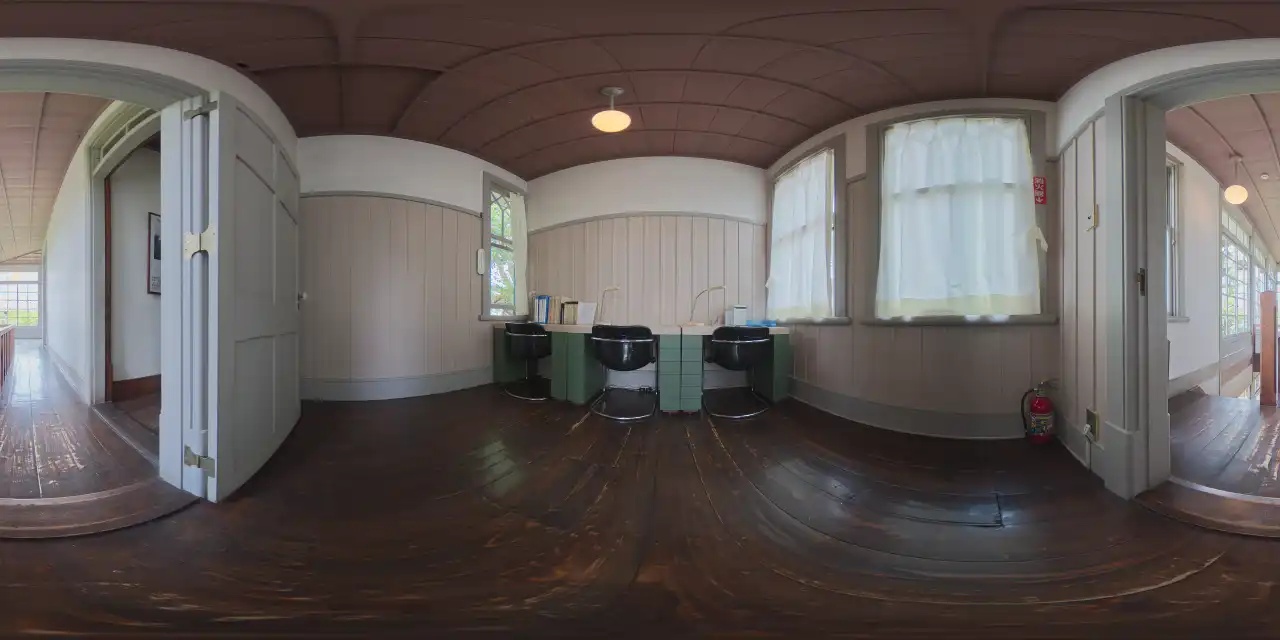
Second-Floor Study
This room was used by McCaleb as his study. While engaged in extensive missionary and educational work, he must have pondered many things here. McCaleb wrote about various aspects of Japan and sent his writings back to the United States, which were later published as the missionary report periodical "Missionary Messenger."
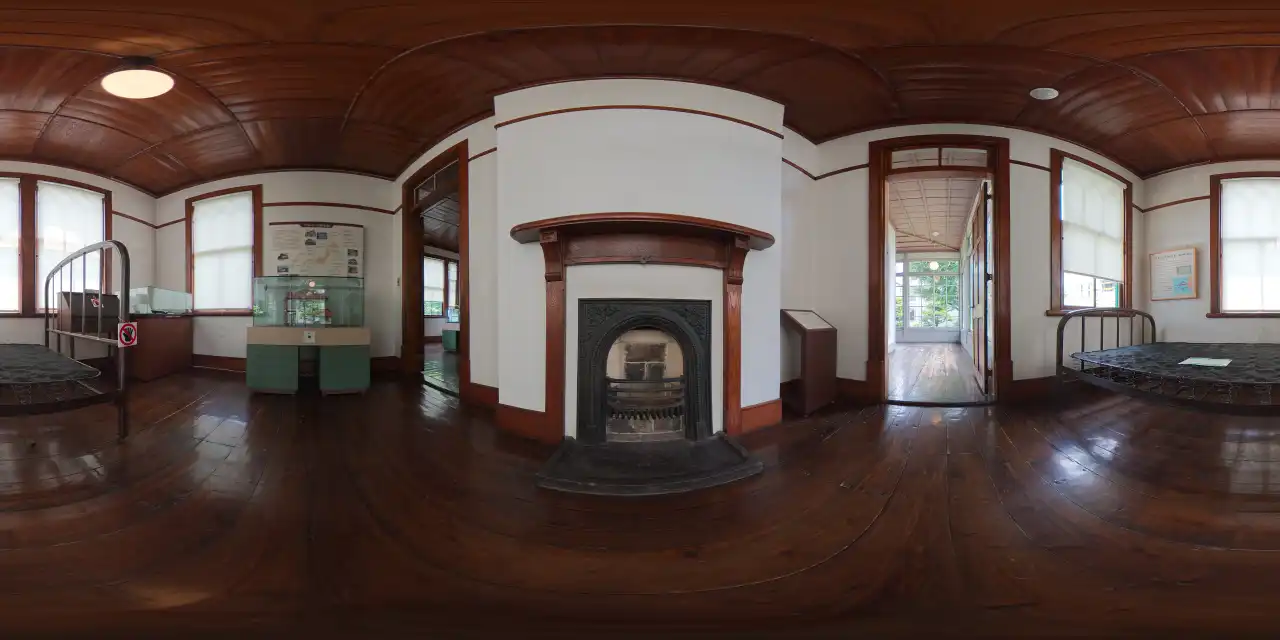
Second-Floor Bedroom
Most of the rooms on the second floor were originally used as bedrooms.
This matches the depiction in the series perfectly!
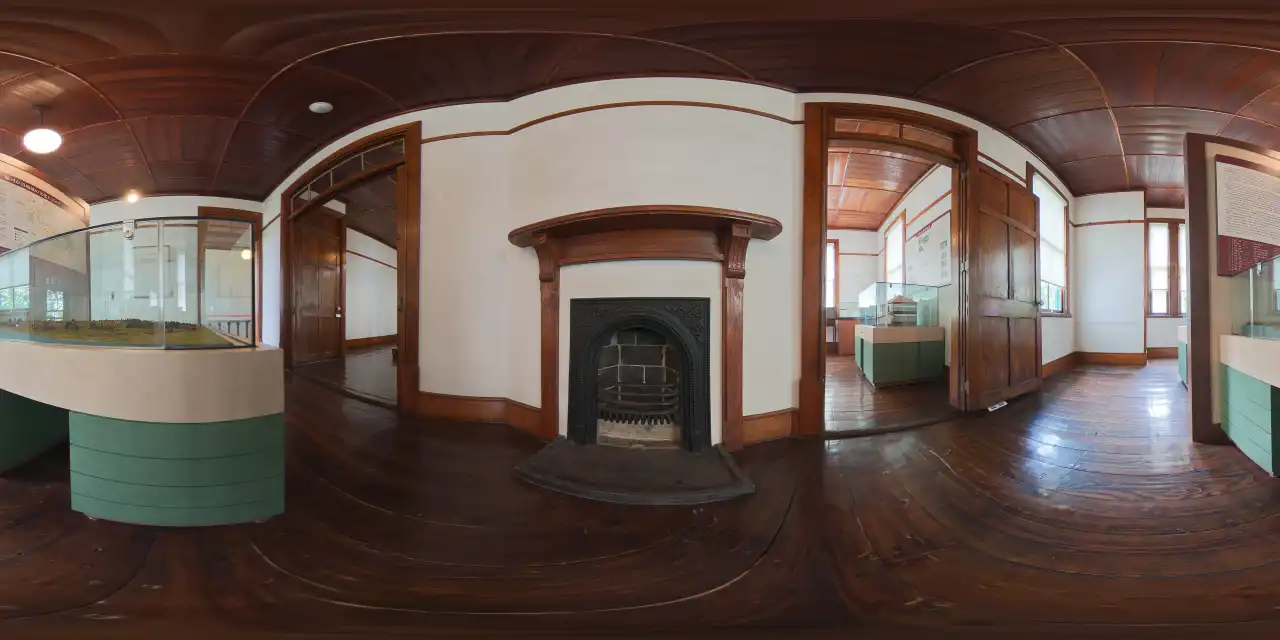
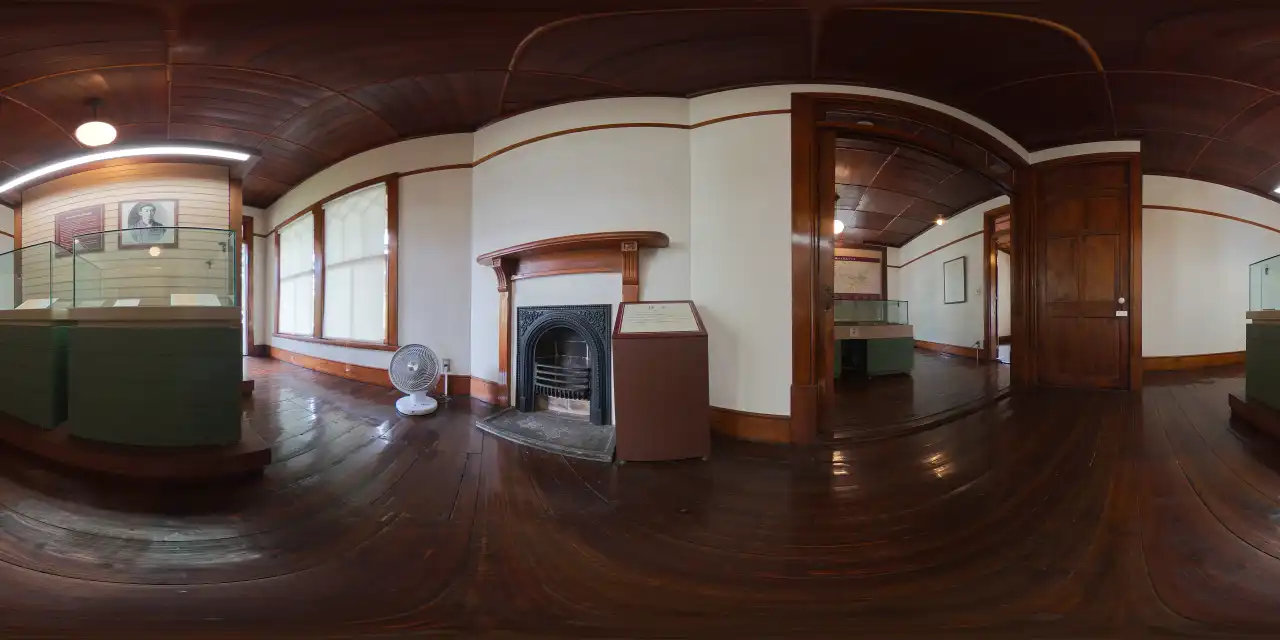
Although they are called bedrooms, only the study has a bed now.
Second-Floor Bathroom
This room was used as a bathroom. It's interesting that the bathroom is on the second floor, unlike in Japanese houses. This suggests that the second floor was used as a private space. There was a water tank outside the building, and water was apparently drawn from it to fill the bathtub.
This is a scene that hasn't appeared in the original work yet.
But since I'm here, I took a photo anyway!
Conclusion
The Zoshigaya Missionary Museum is located in Tokyo, making it a very convenient anime pilgrimage spot.
Come to think of it, the story itself seems to be set around Chichibu City in Saitama Prefecture, but the main dormitory setting is based on a location in Tokyo.
But when you think about it, the Zoshigaya area has a unique tranquility and beauty.
As a landmark Western-style building in the area, the Zoshigaya Missionary Museum is indeed a perfect choice for an anime location.
That concludes this anime pilgrimage.