Moe is justice! A small site that occasionally shares ACG event logs and interesting code.


Little Kyoto of Aki: Tamayura Pilgrimage to Takehara Part 2
Continuing from Part 1, Part 2 will cover the pilgrimage to the "Takehara Historical Preservation District" in Takehara.
Former Kasai Residence
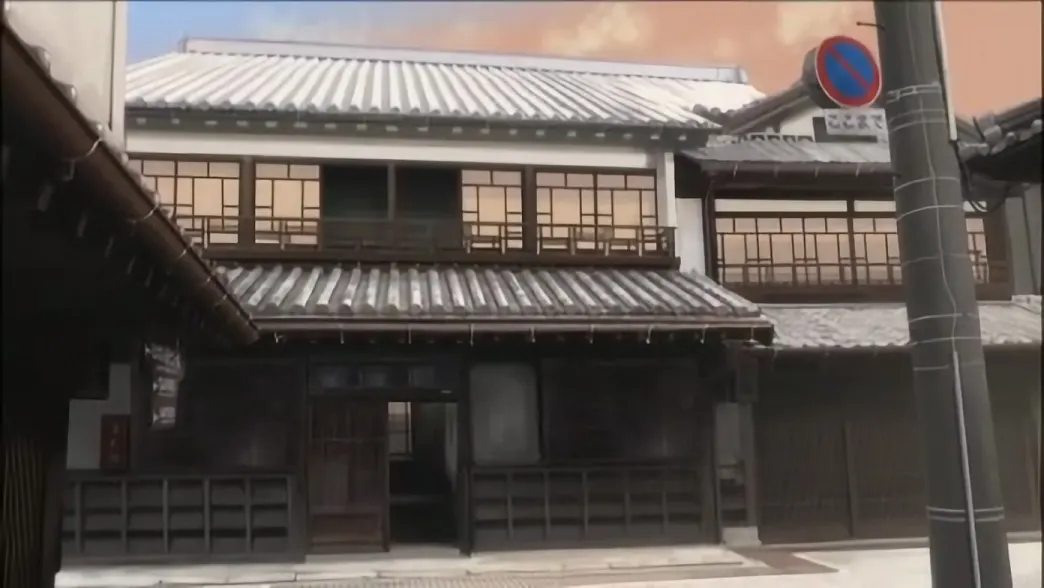
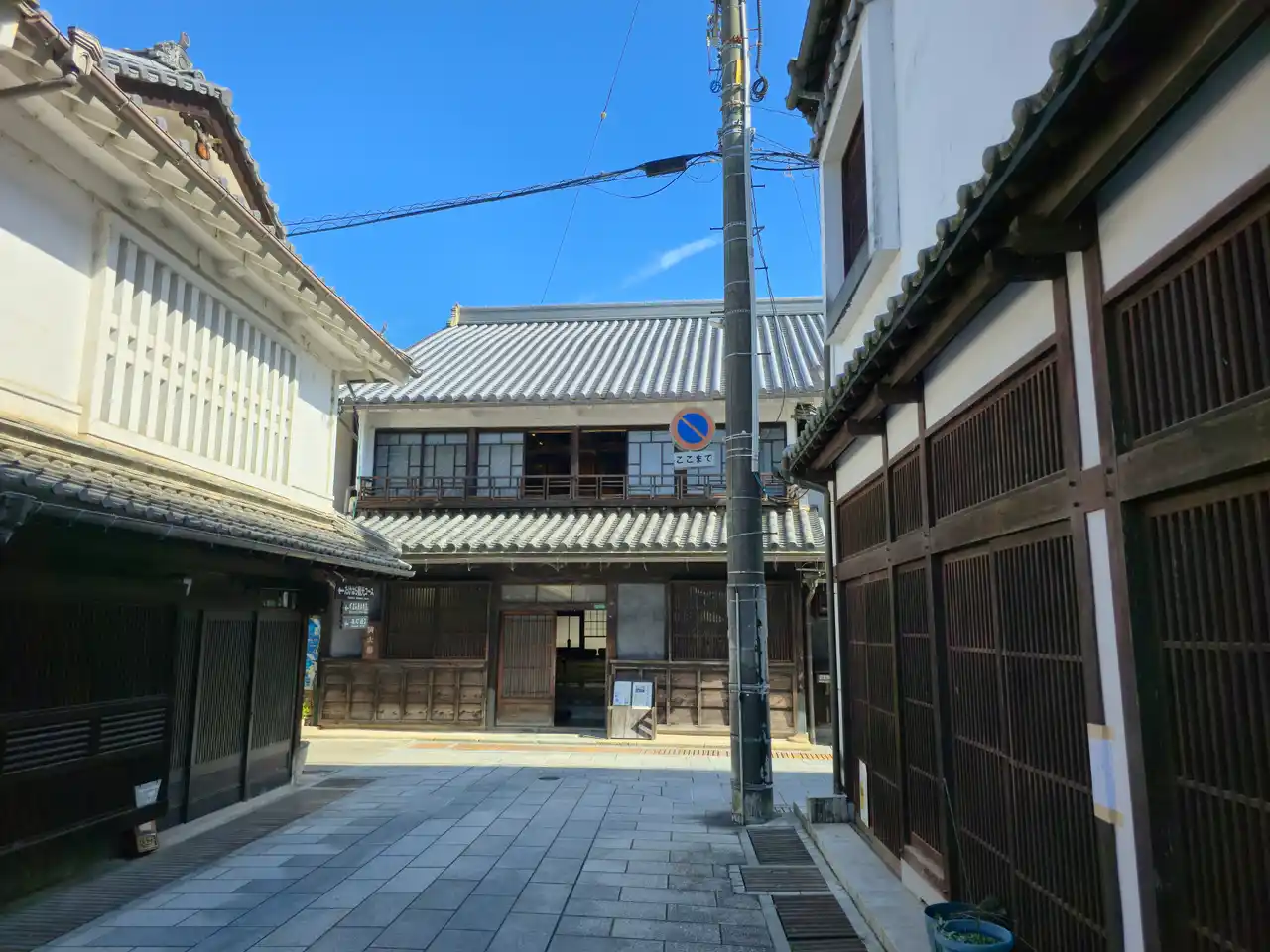
This is the residence of a Hamadanna (salt field operator), built in 1872 (Meiji 5). The building features a large roof covered with traditional Japanese tiles and sleeve walls. The beam framework on the second floor is exquisitely crafted.
It is not only used as a venue for the "Hina Doll Festival Tour" but also actively utilized for various events.
The place where "Our Exhibition" was held in the anime.
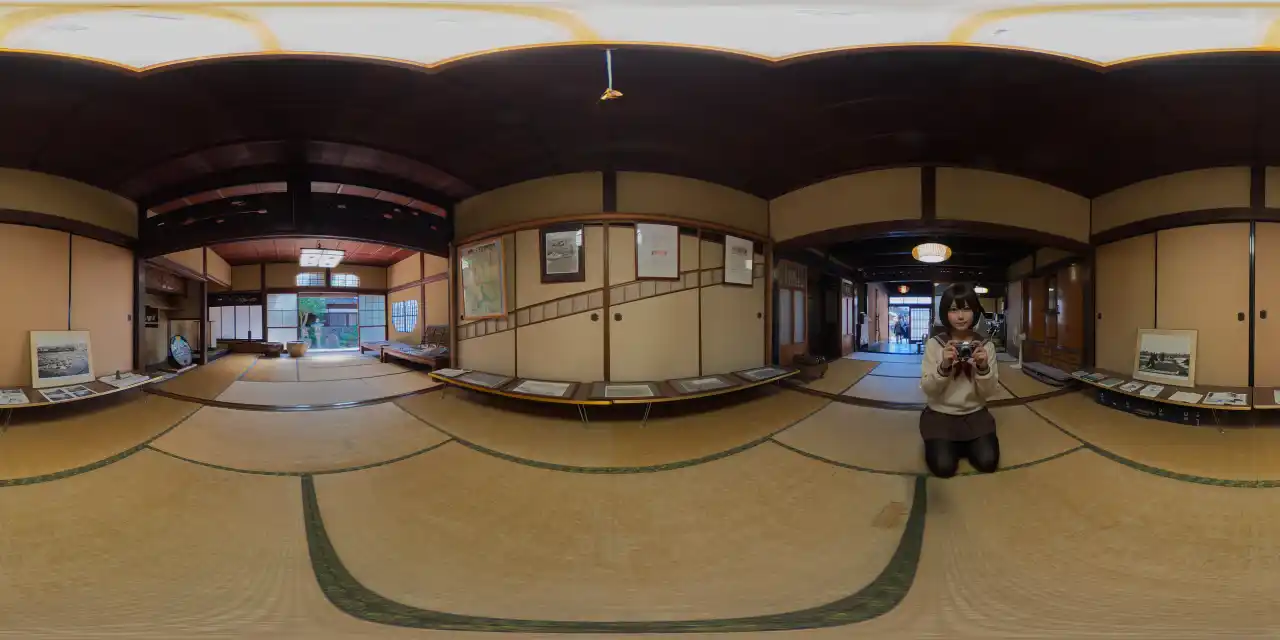
Panoramic view of the first floor.
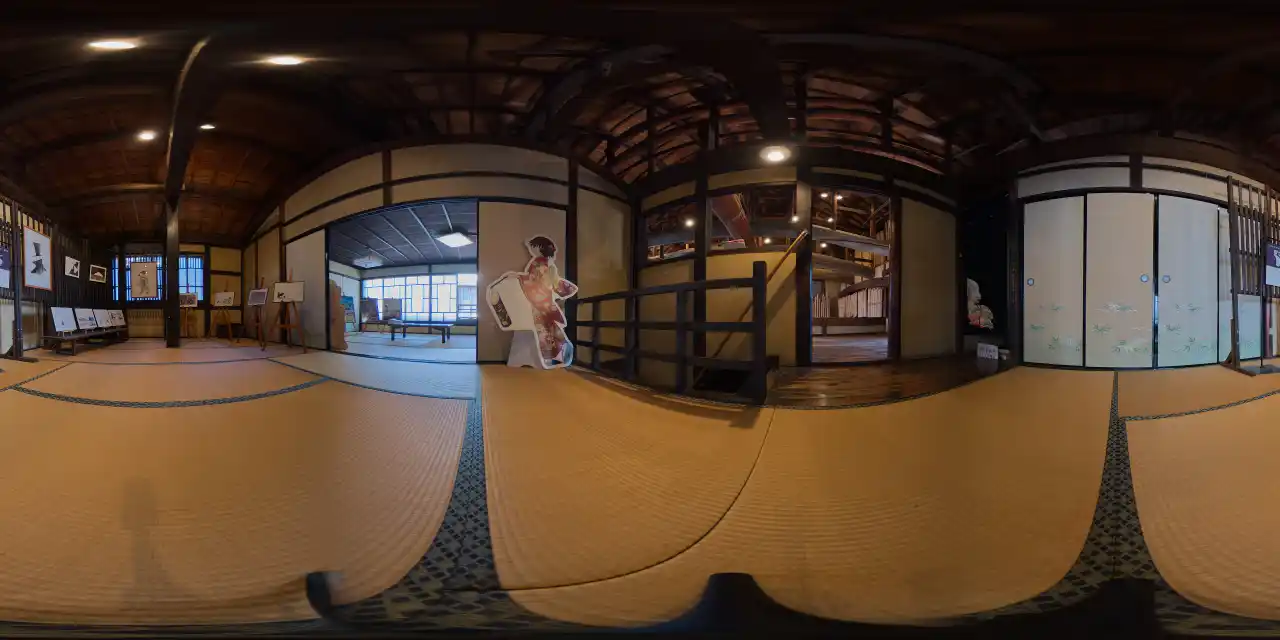
The room on the second floor where the exhibition is being held.
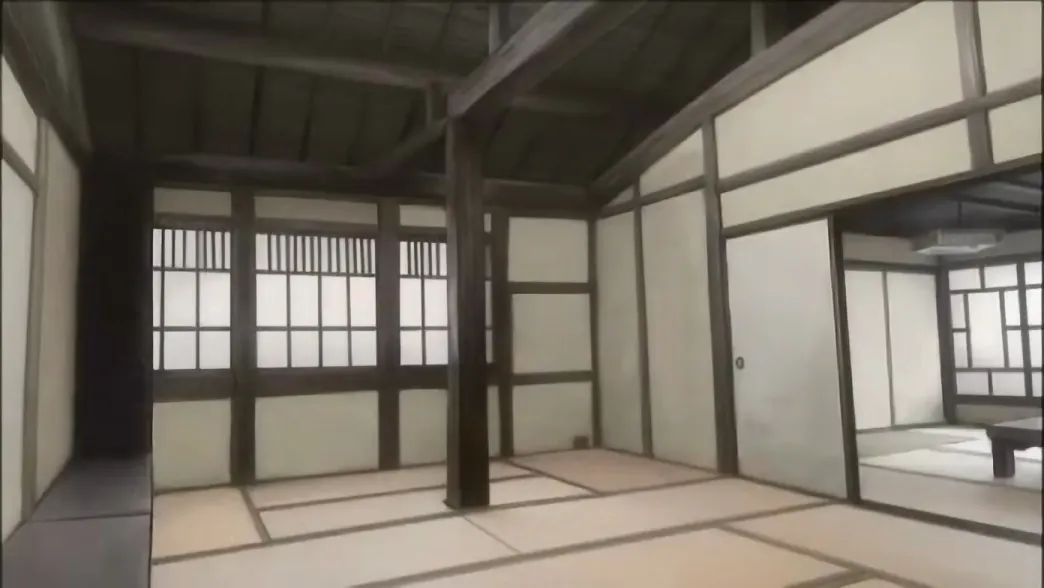
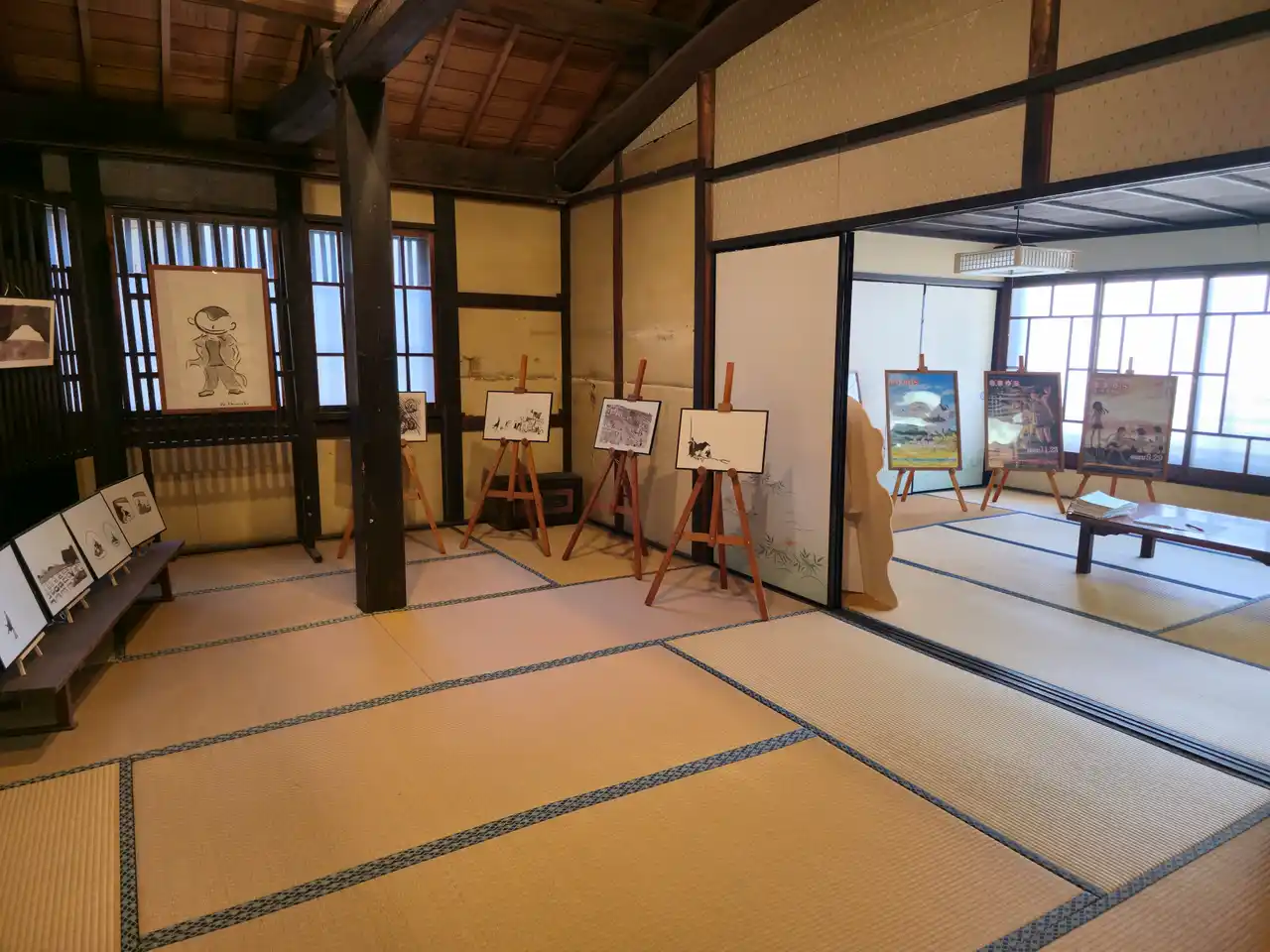
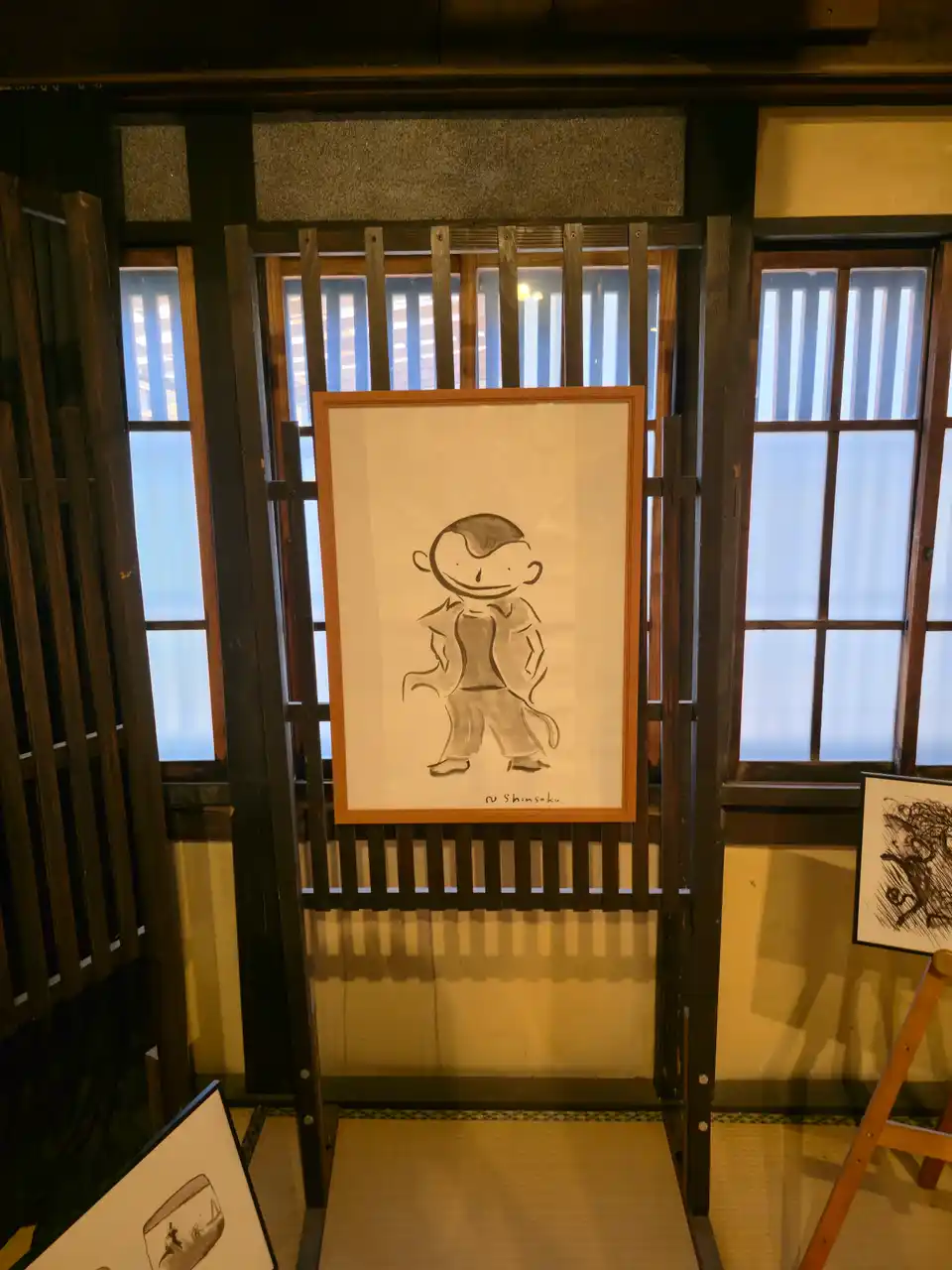
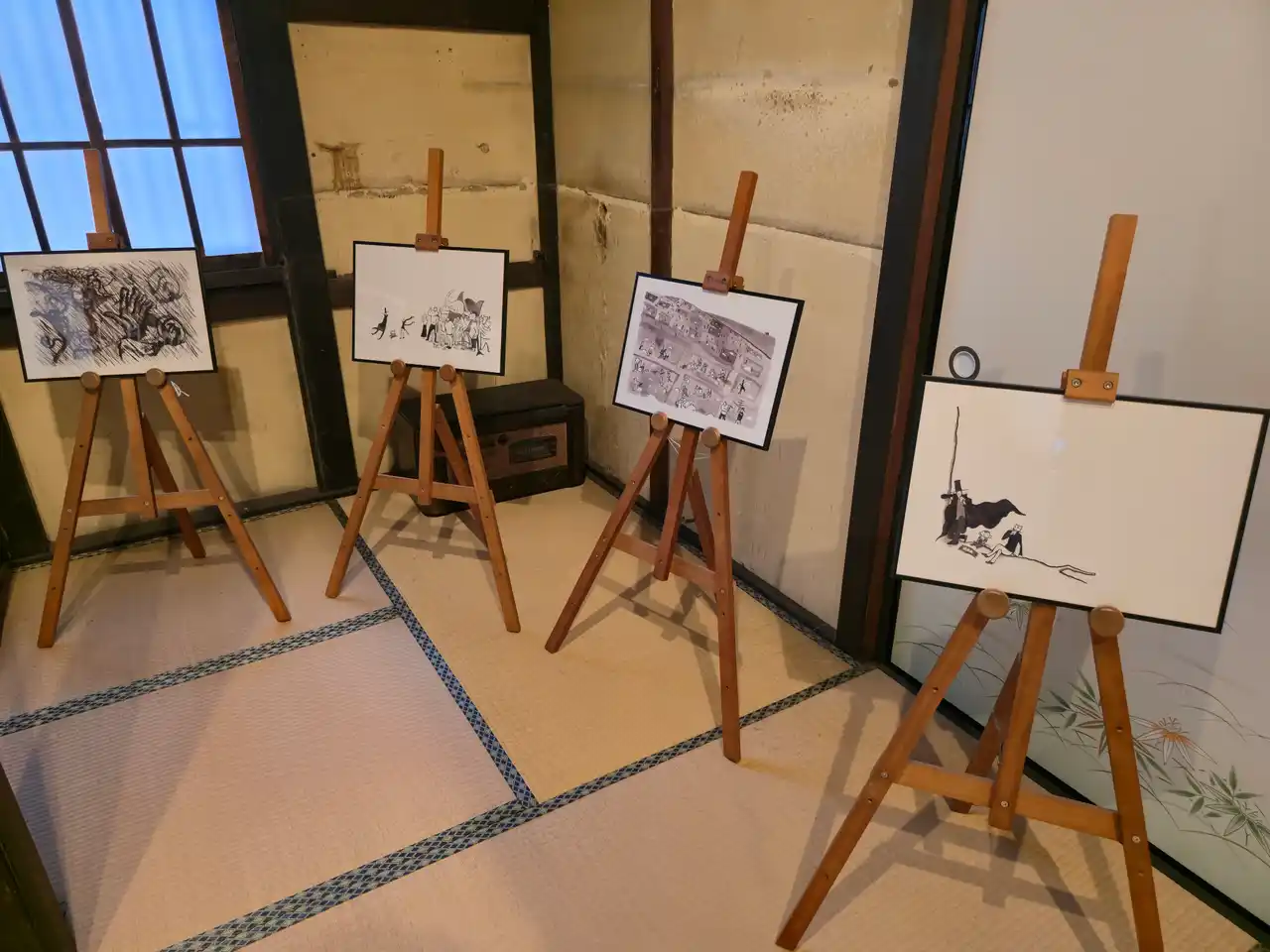
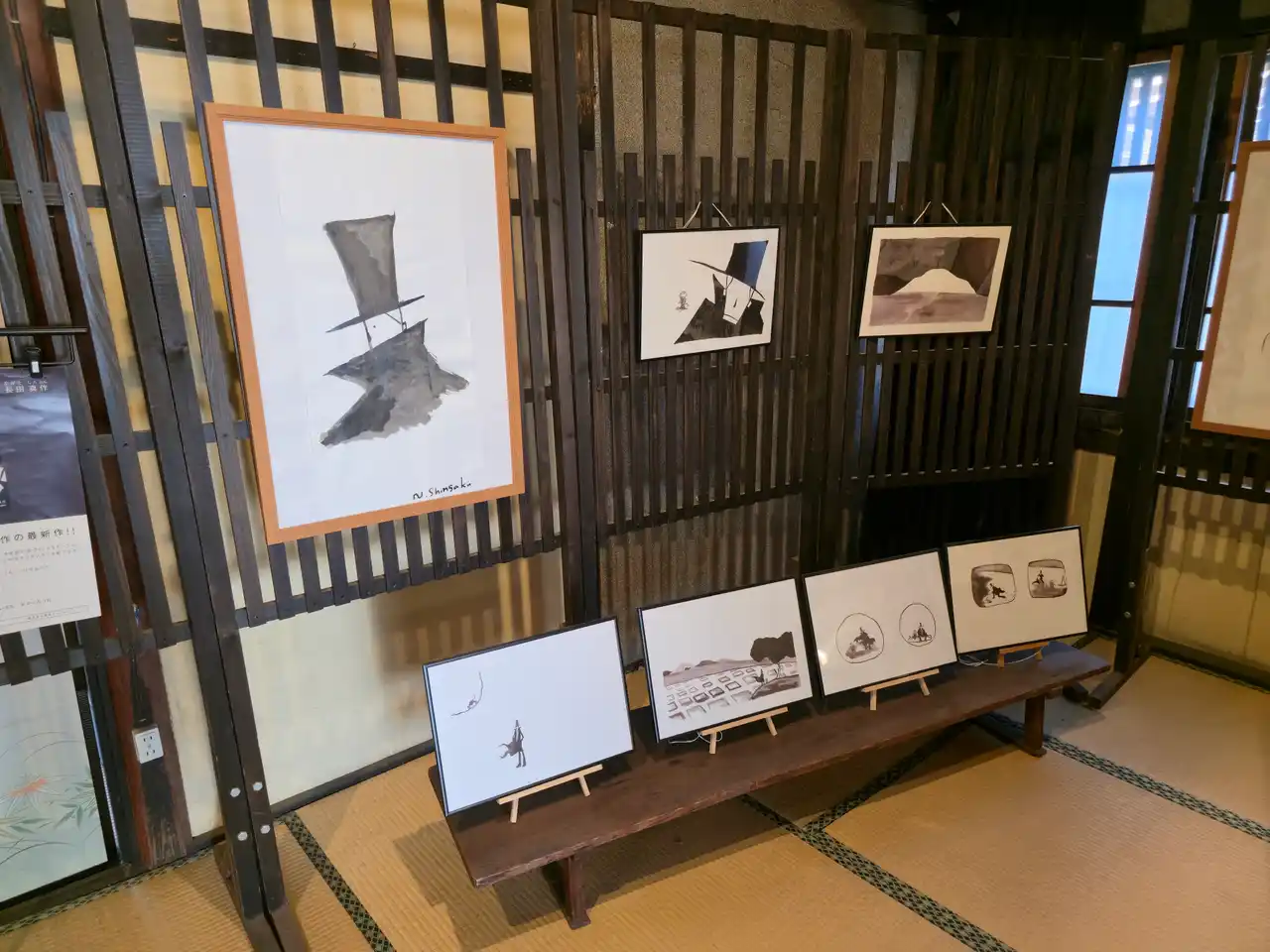
"Our Exhibition" currently being held.
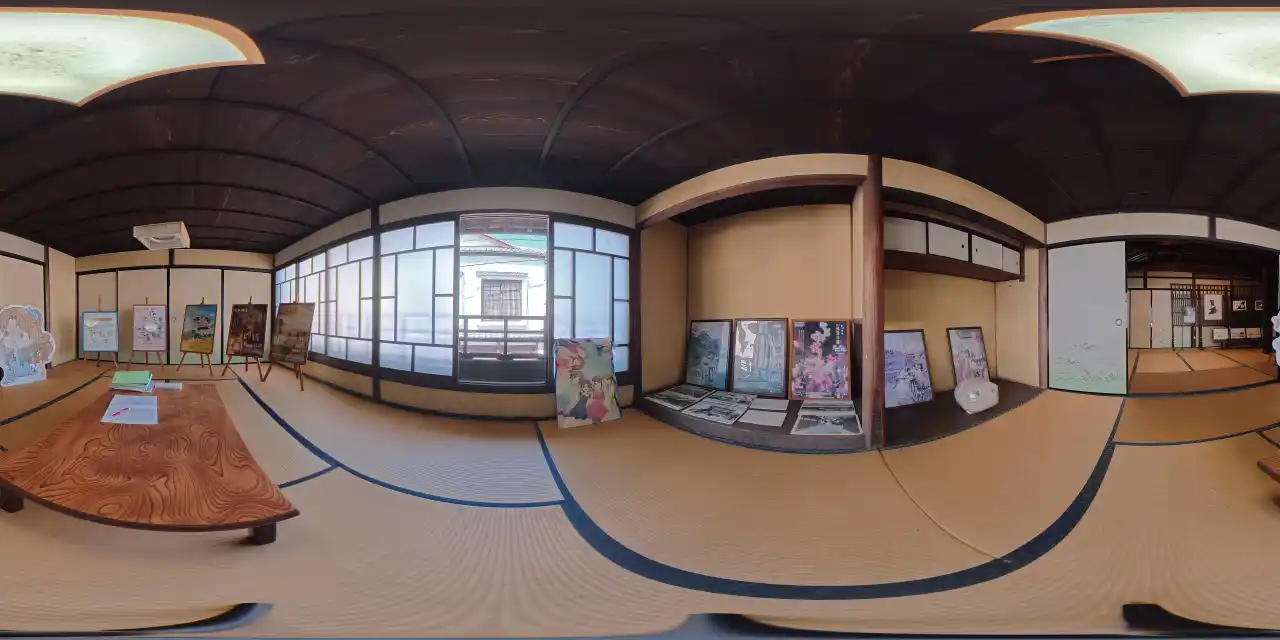
The Tamayura room.
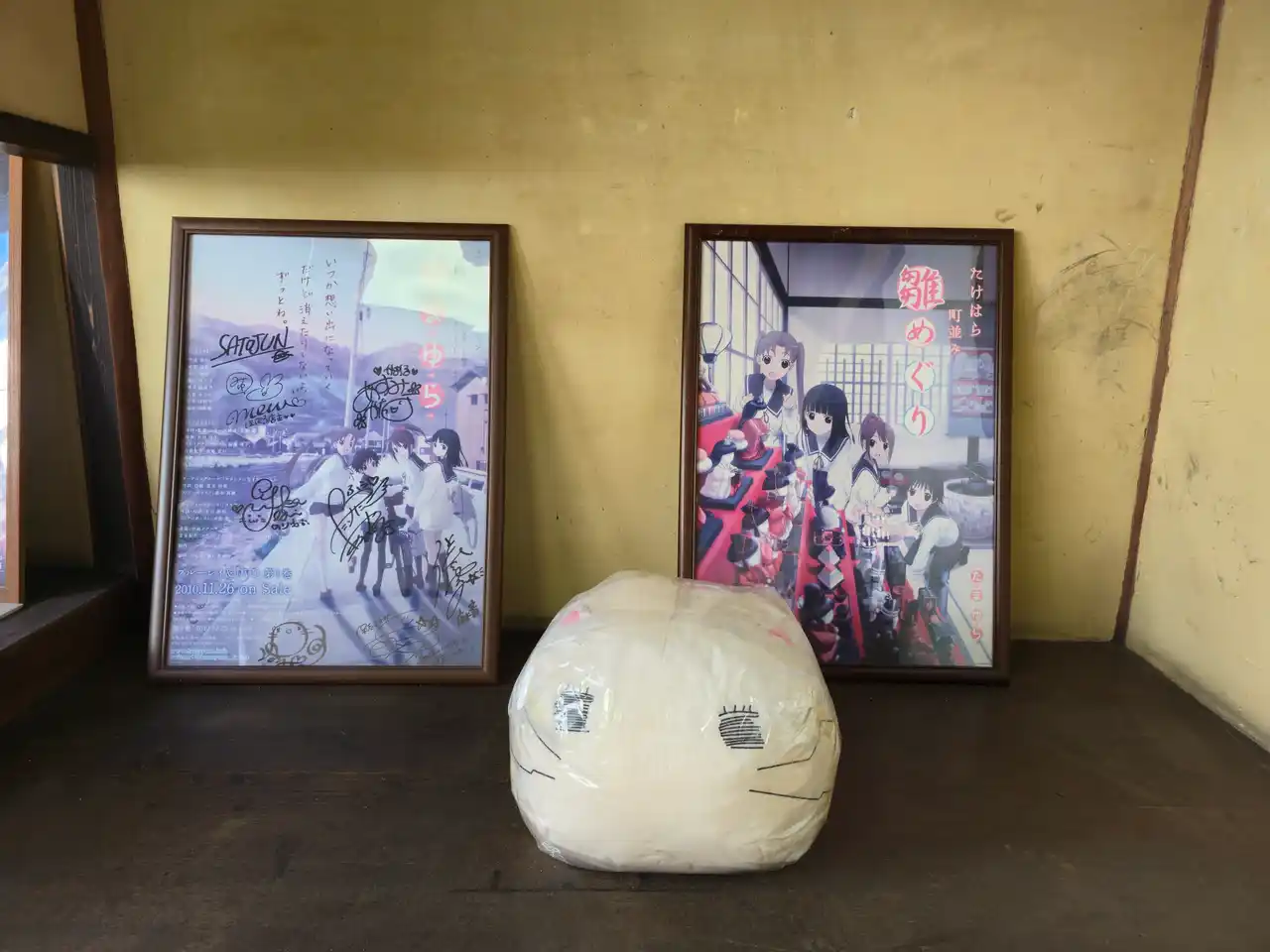
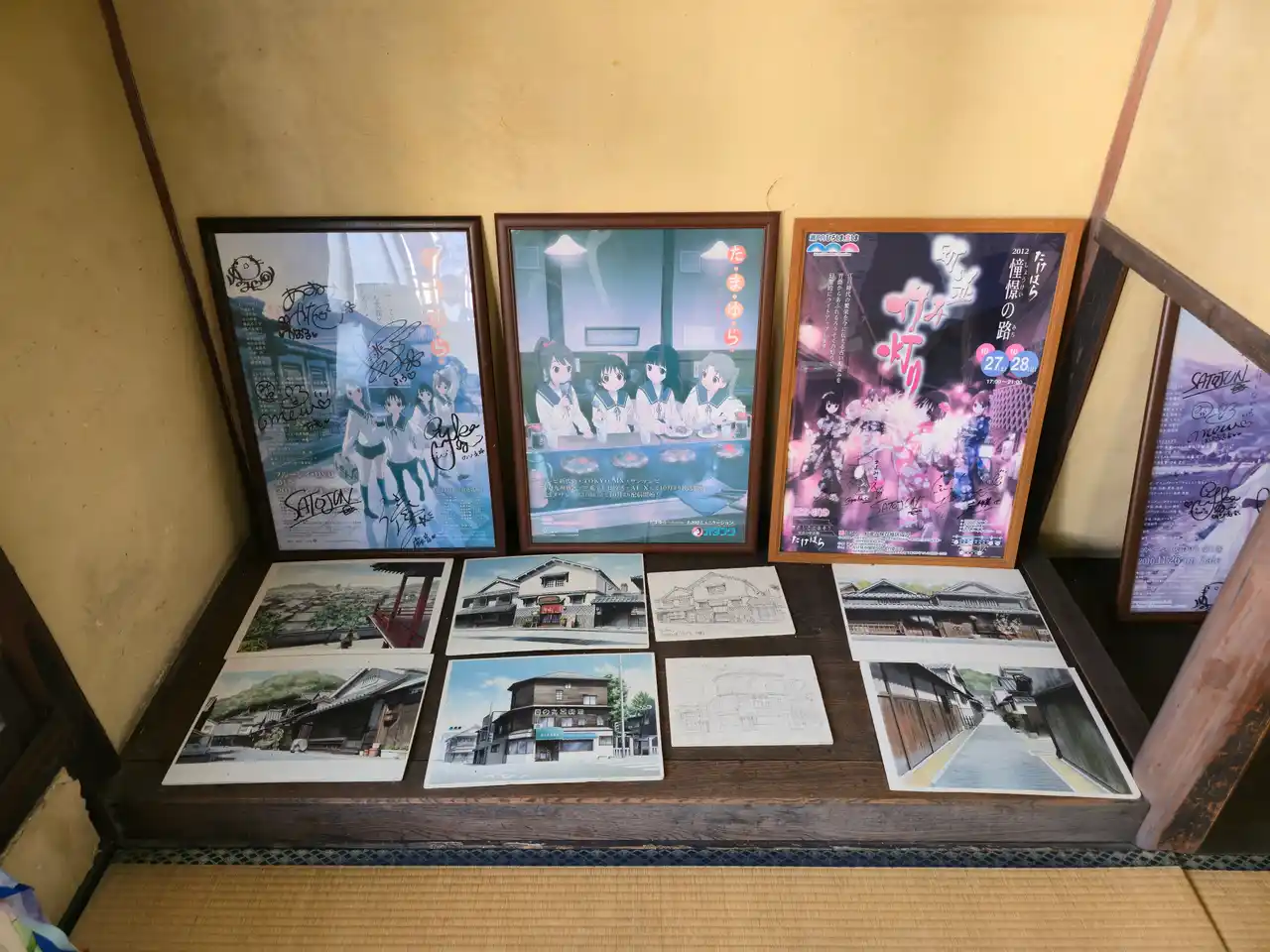
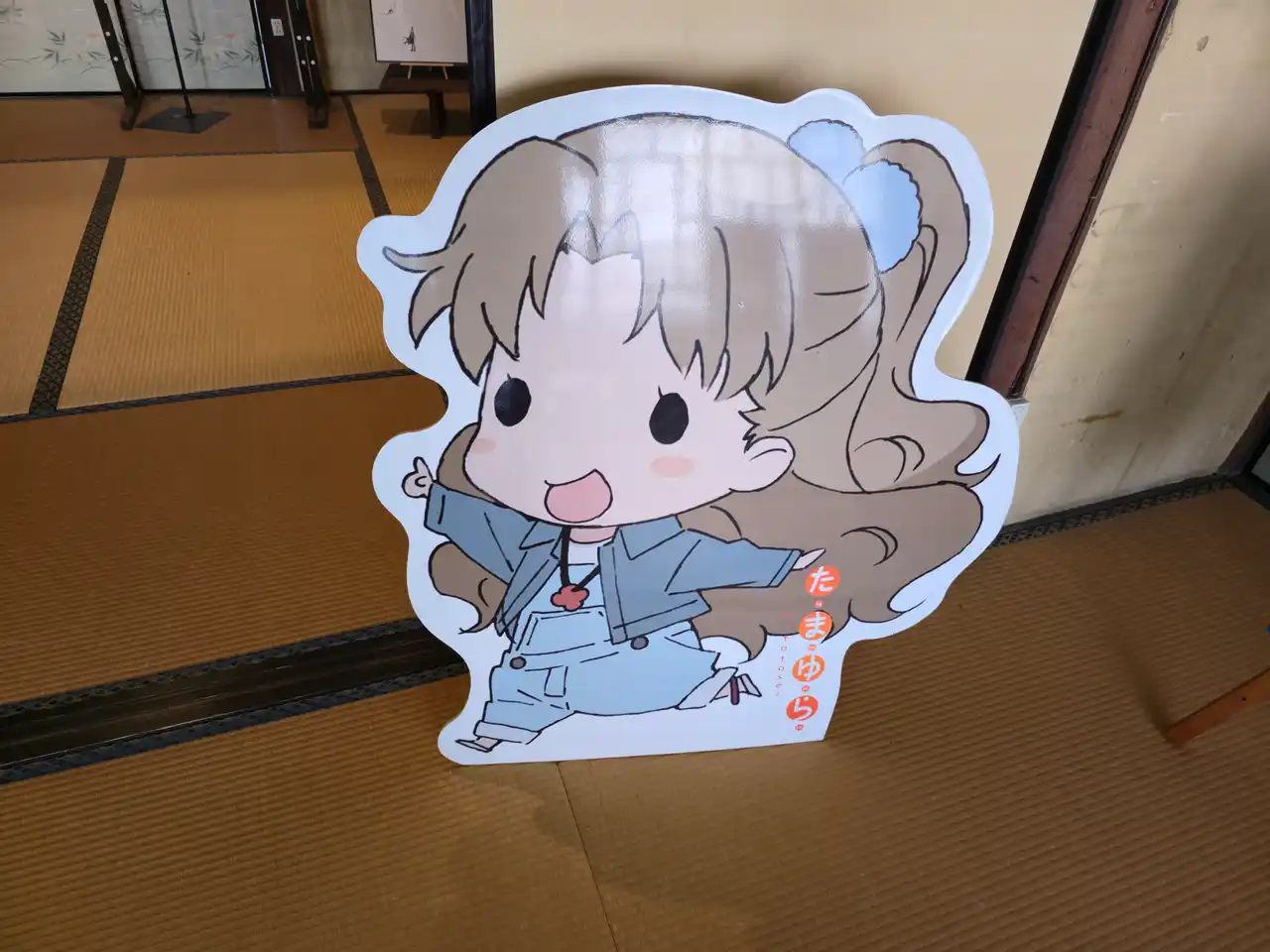
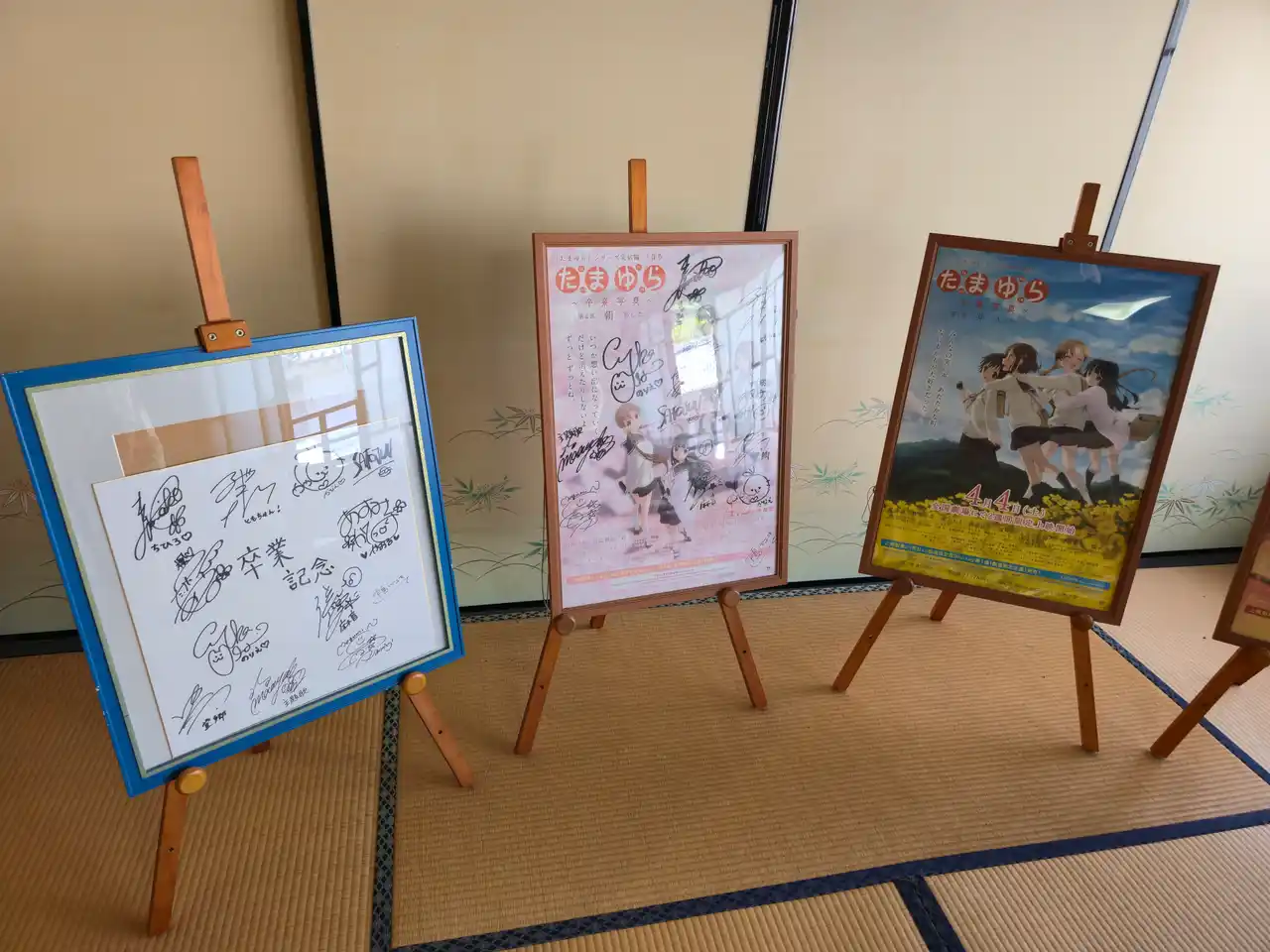
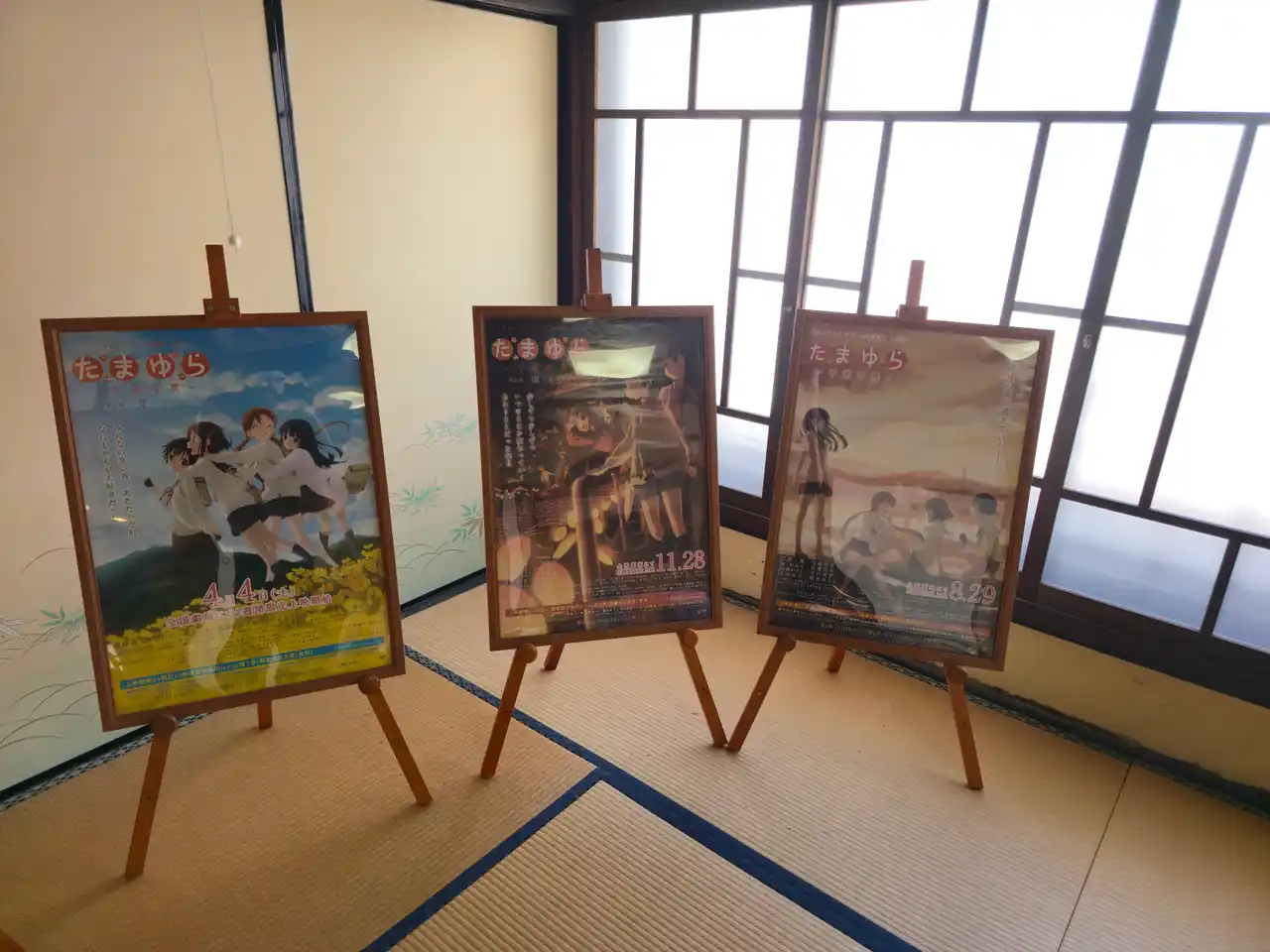
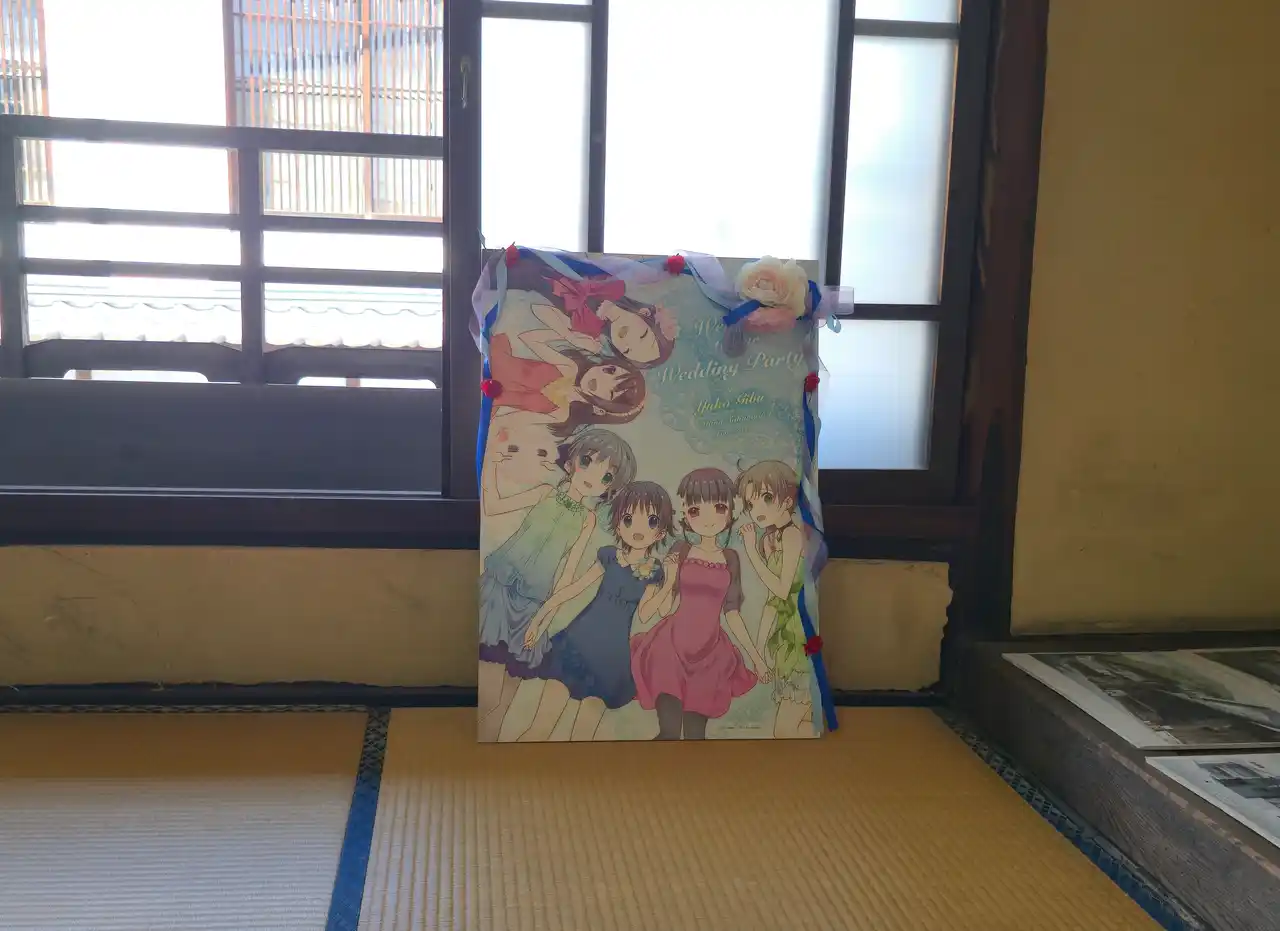
The entire room was dedicated to the work, truly moving.
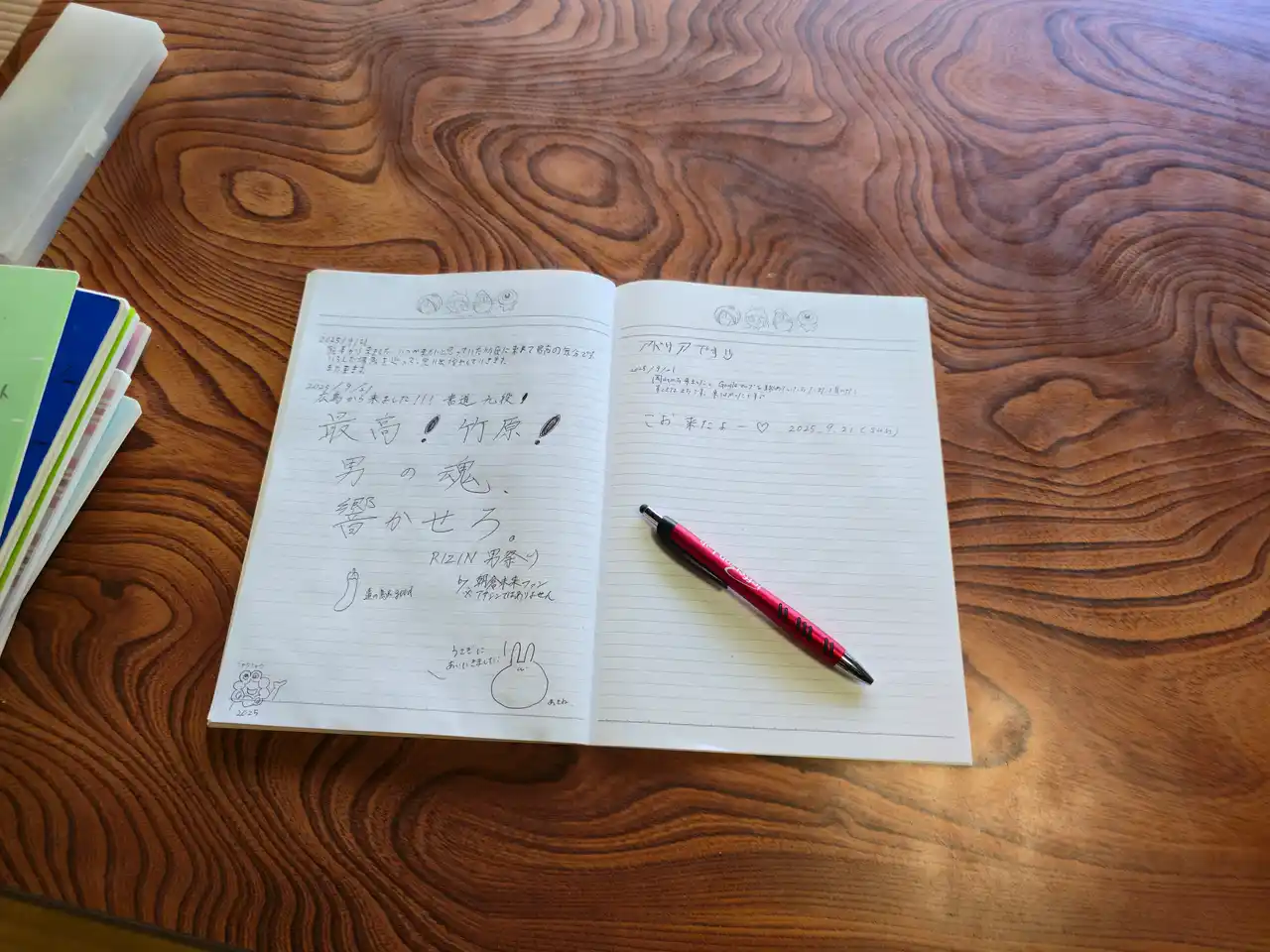
Fan communication book.
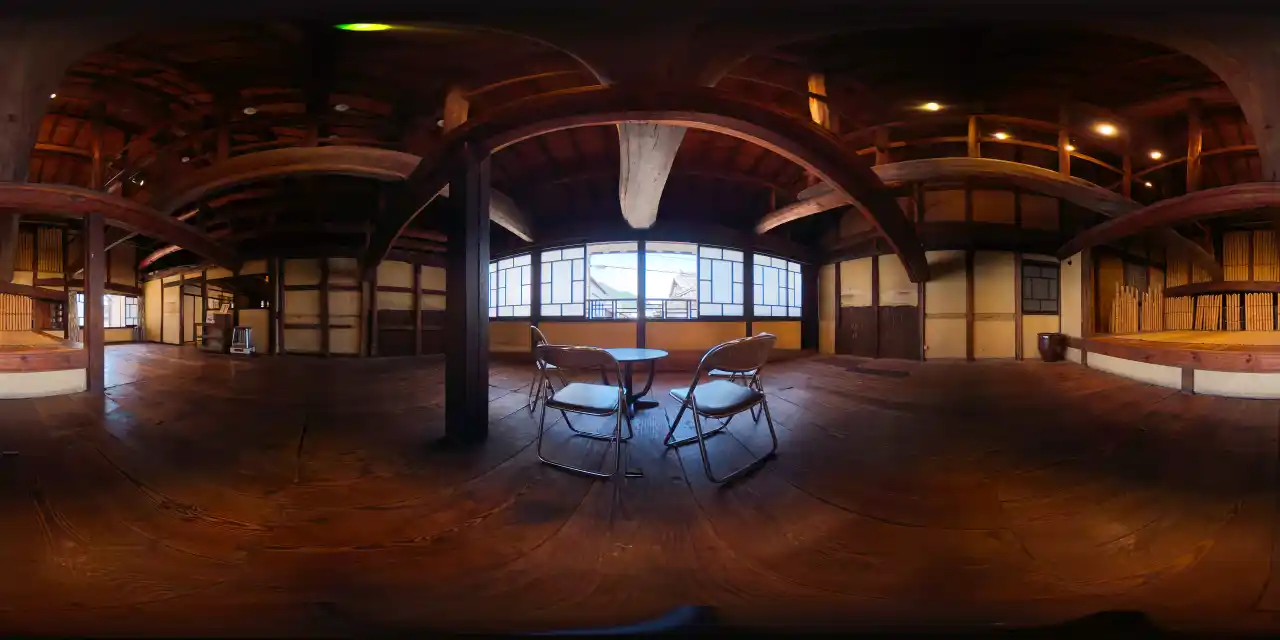
A room overlooking the entire street.
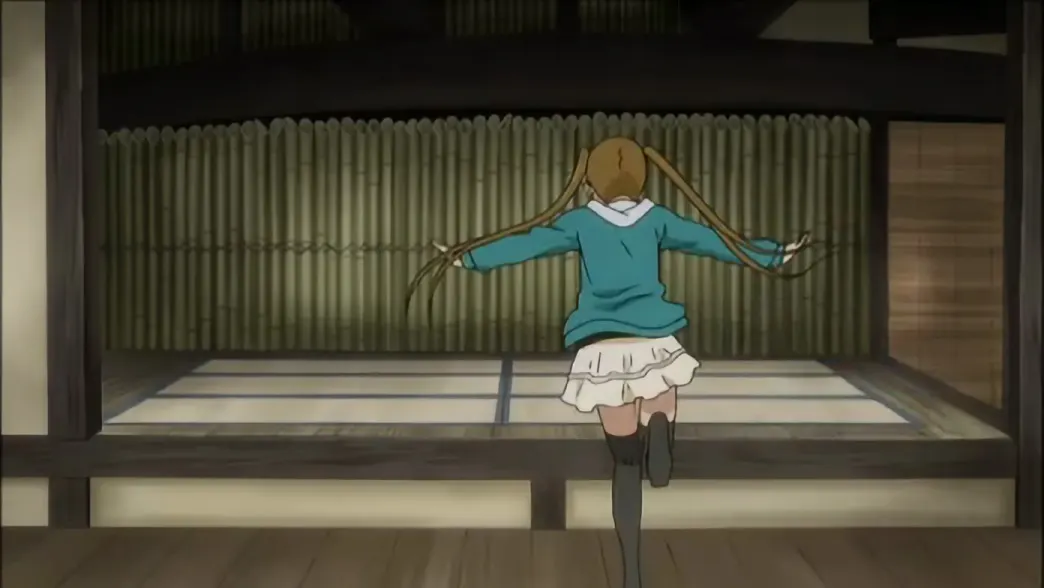
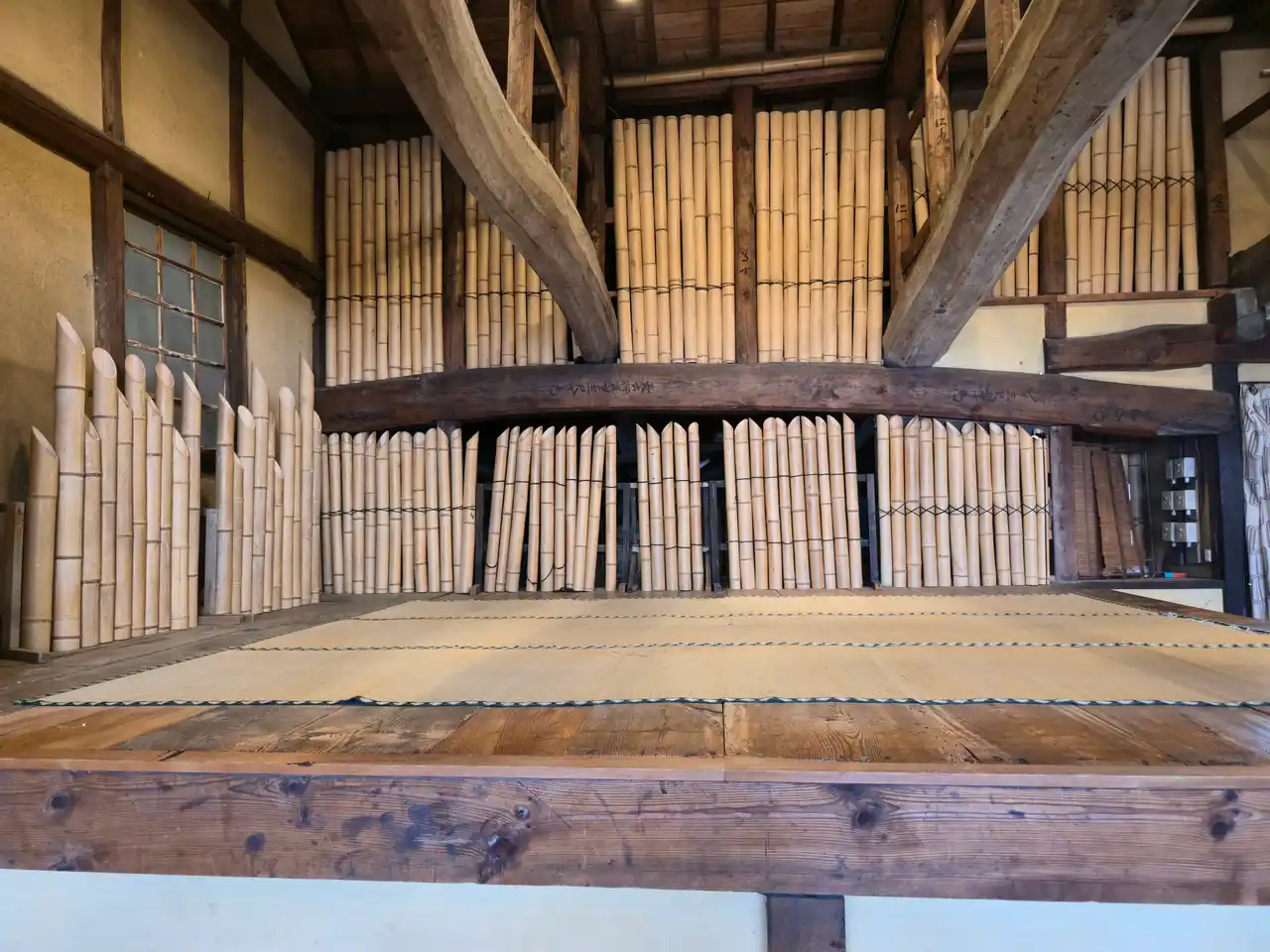
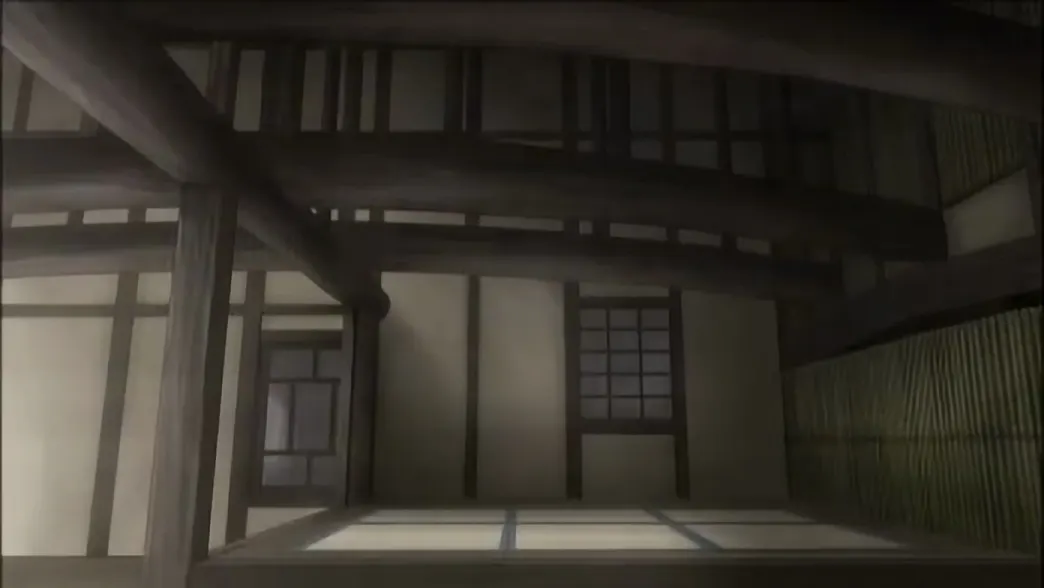
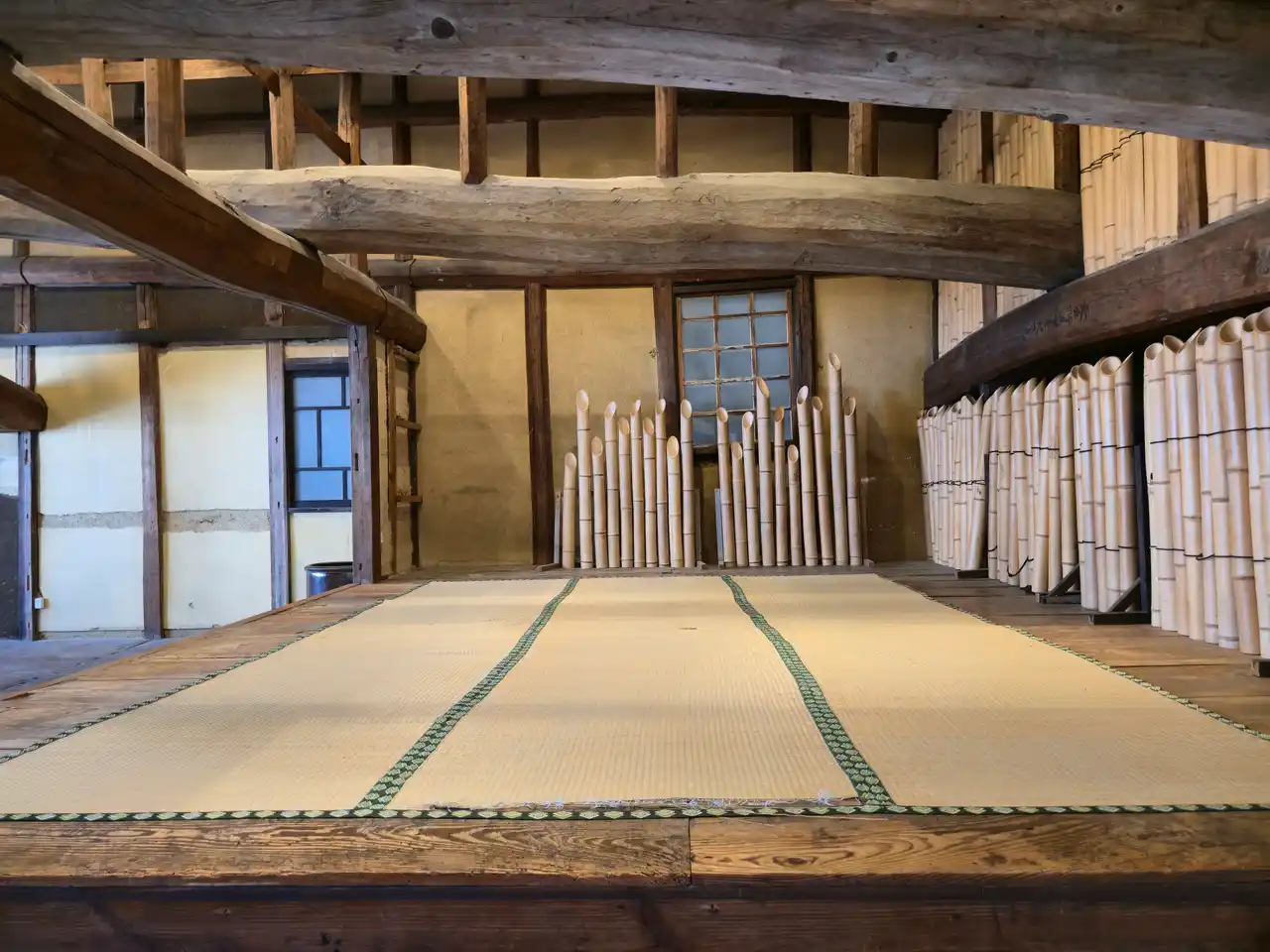
The whole room is filled with a sense of the era.
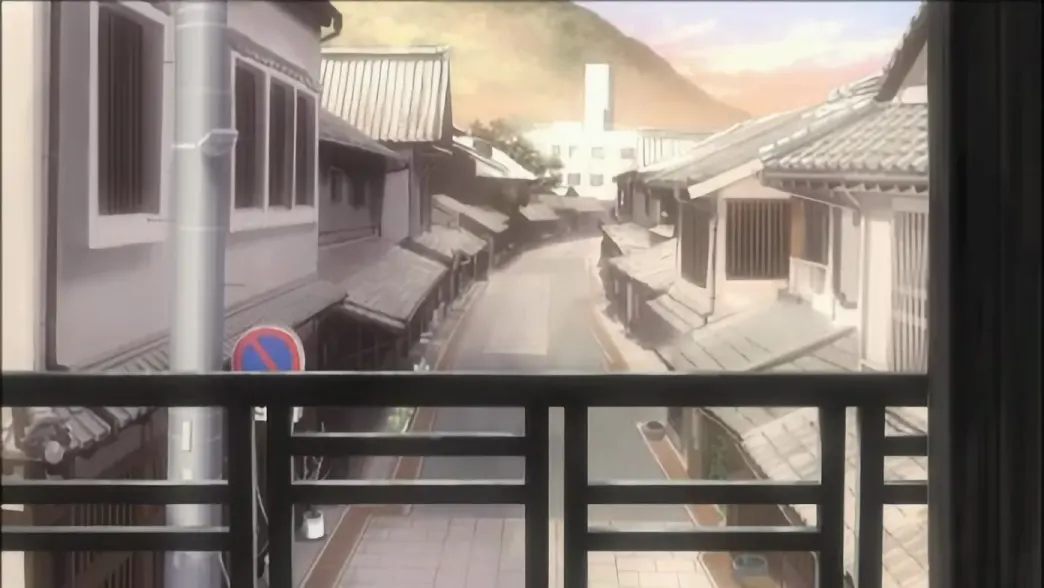
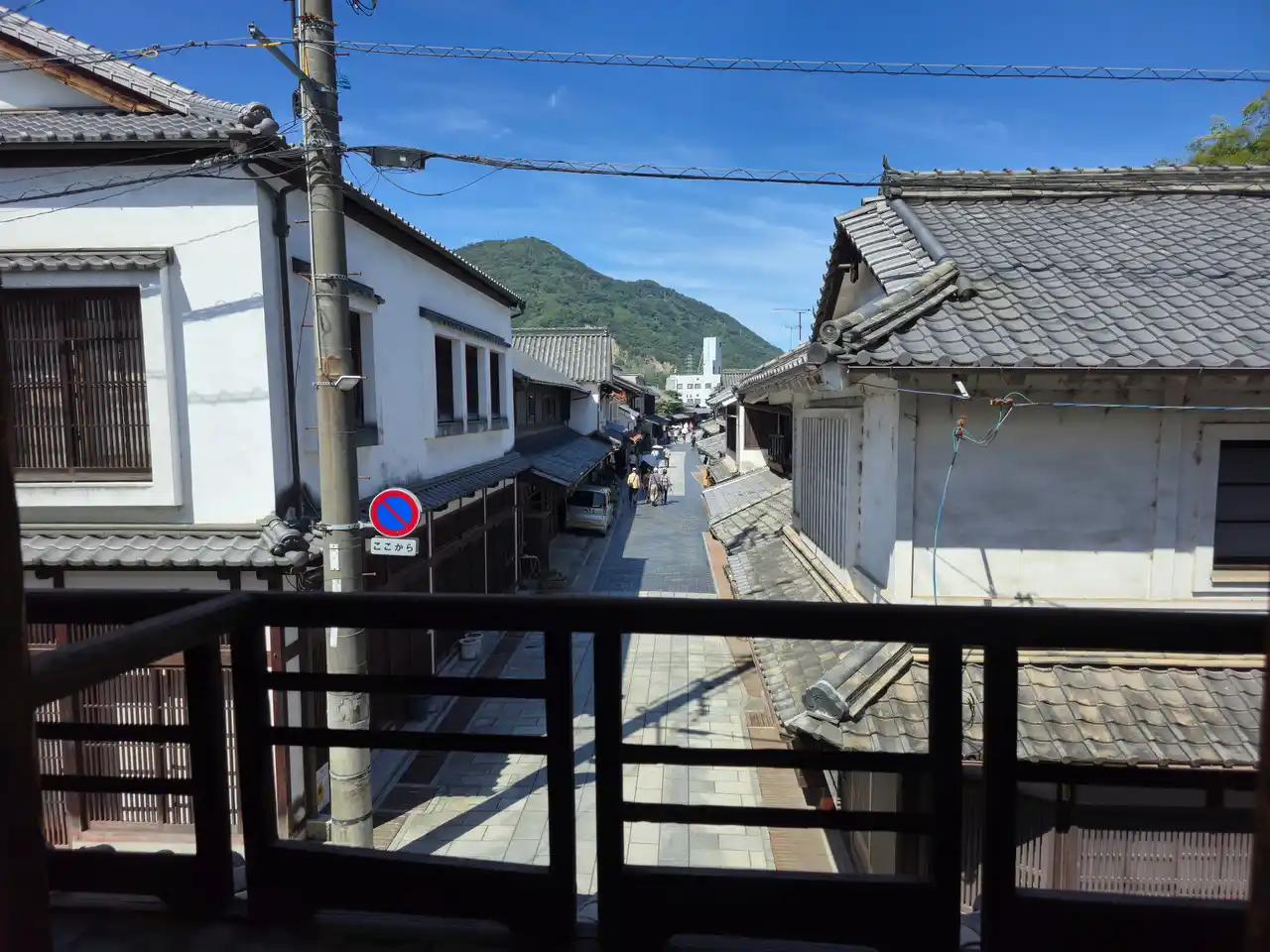
View from the window.
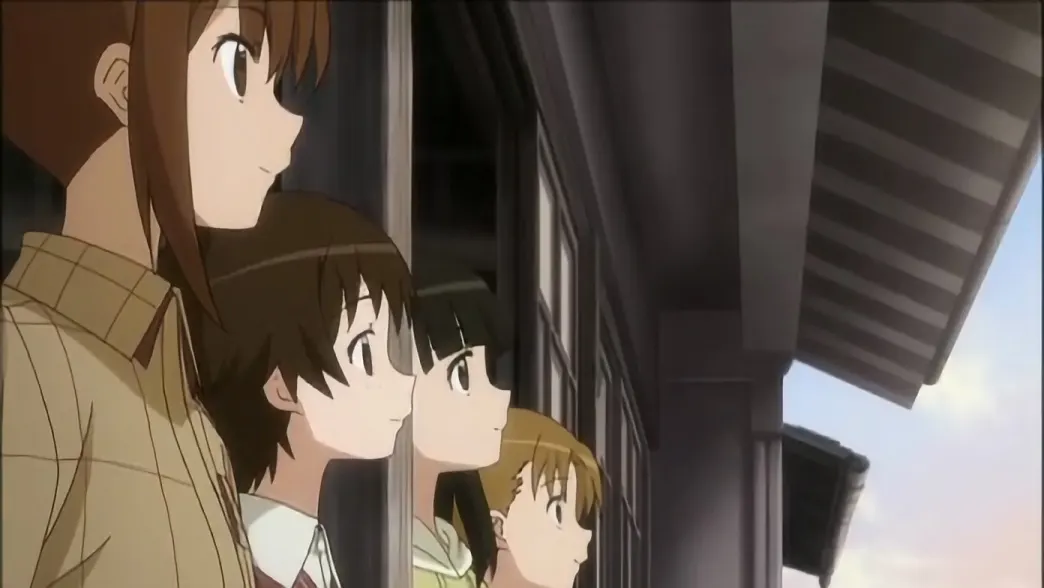
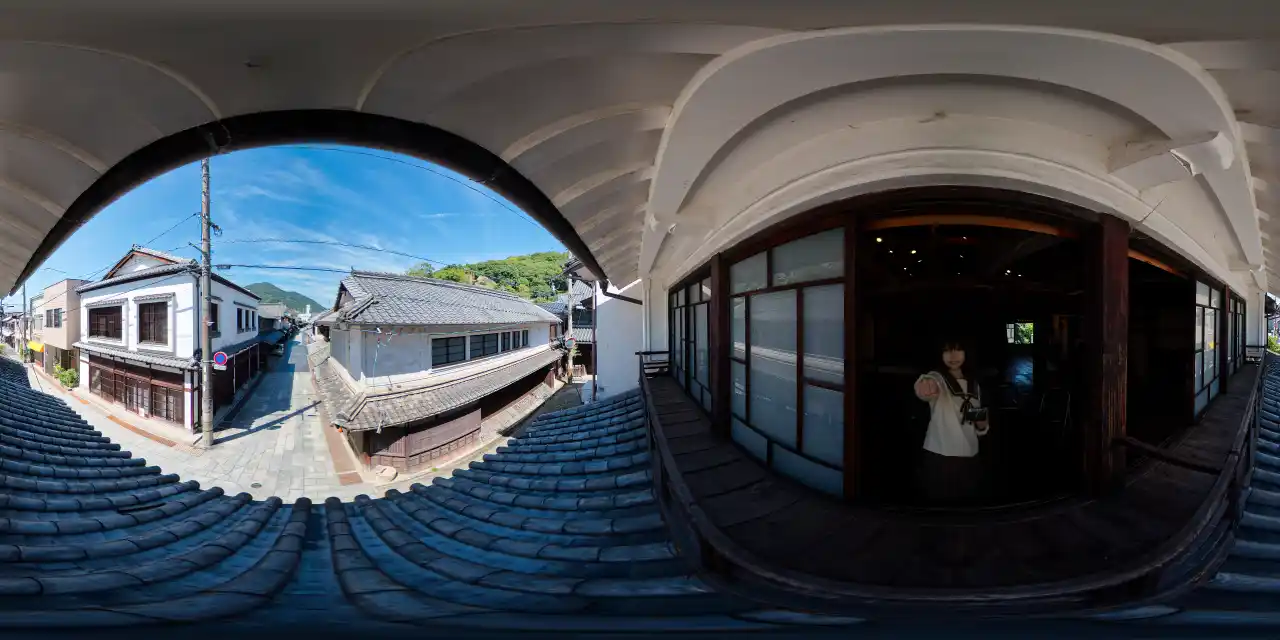
Panoramic view from the window.
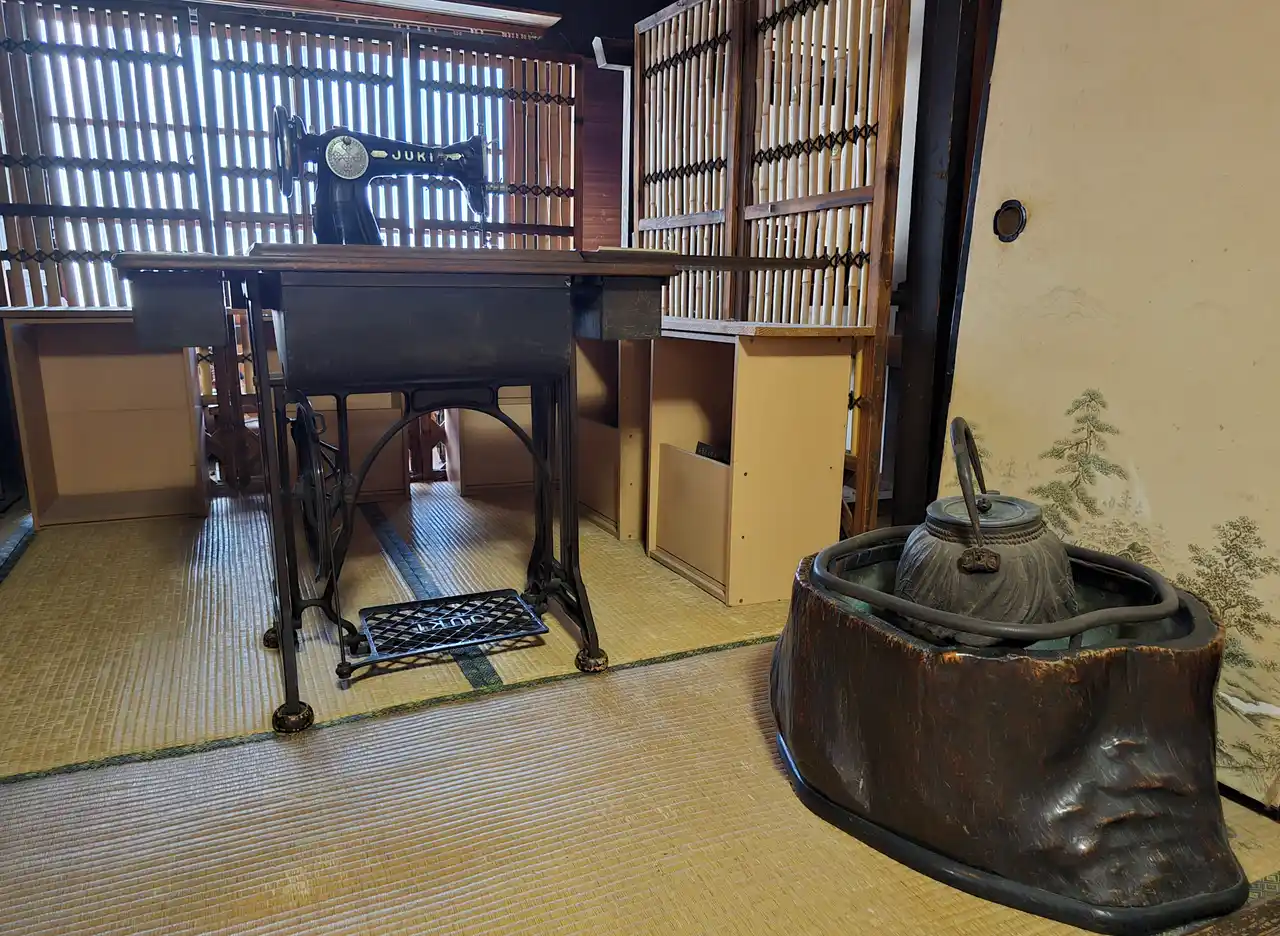
Antique furniture full of history.
Jizo-do
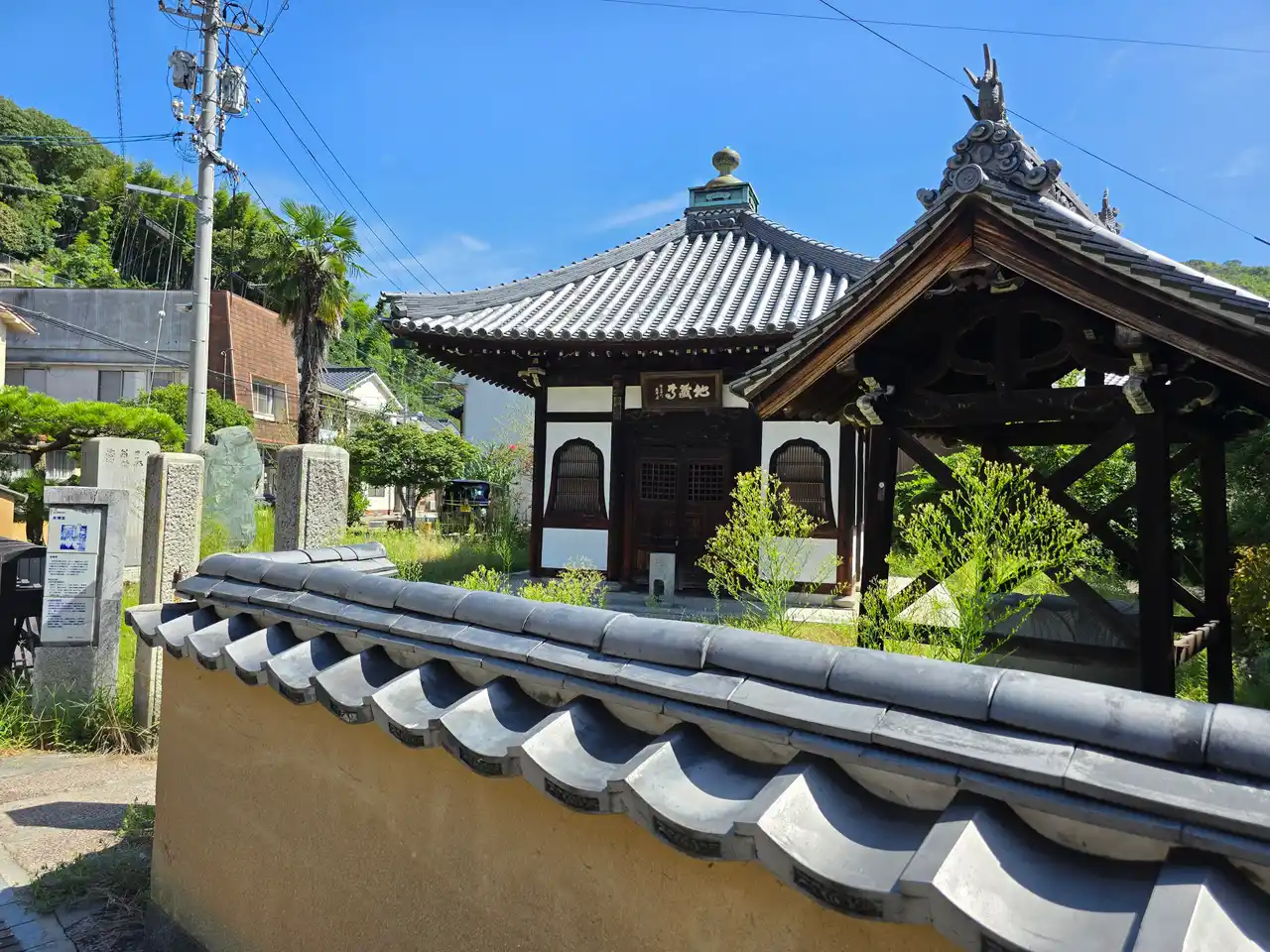
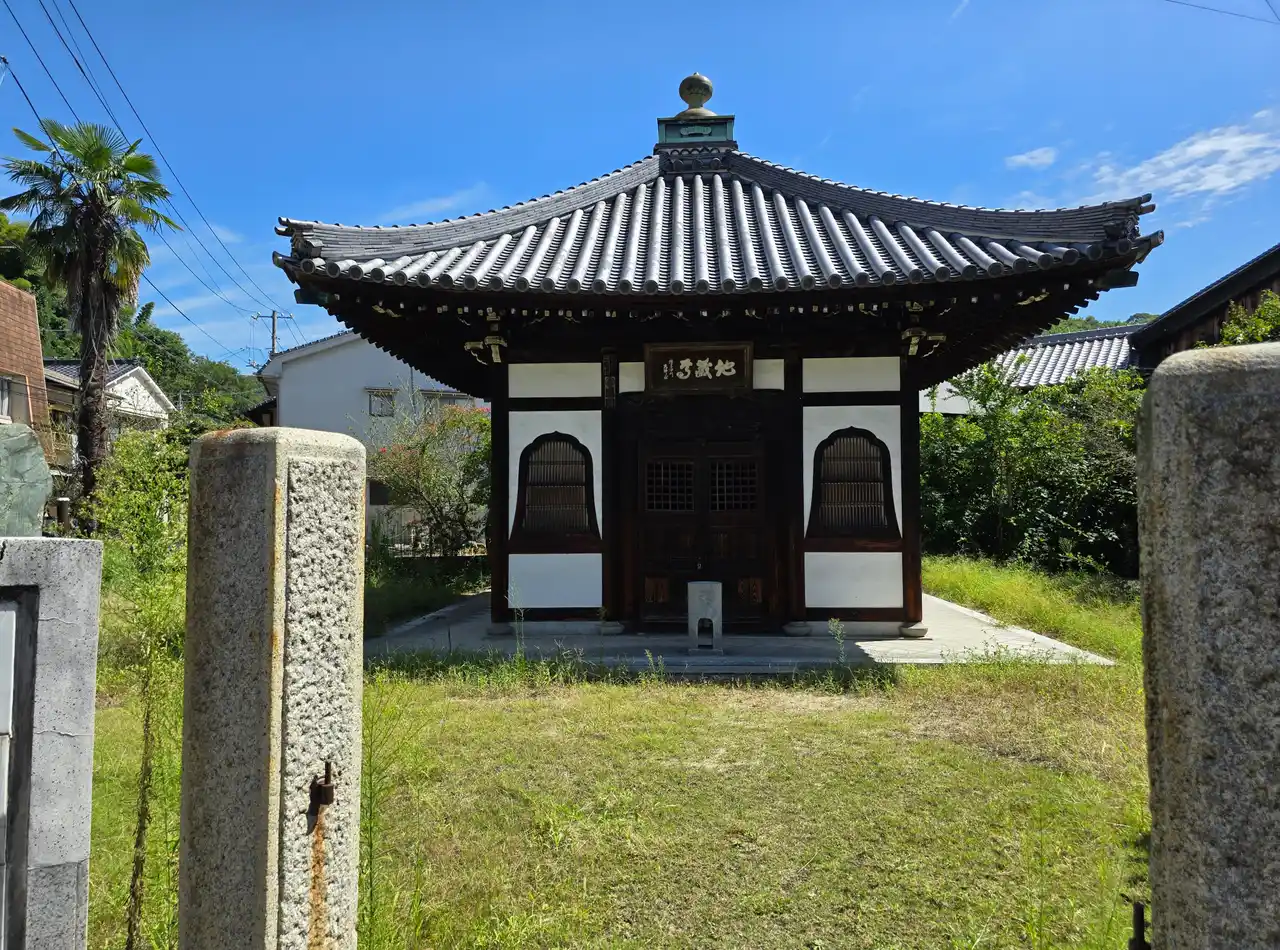
Gallery Umeya
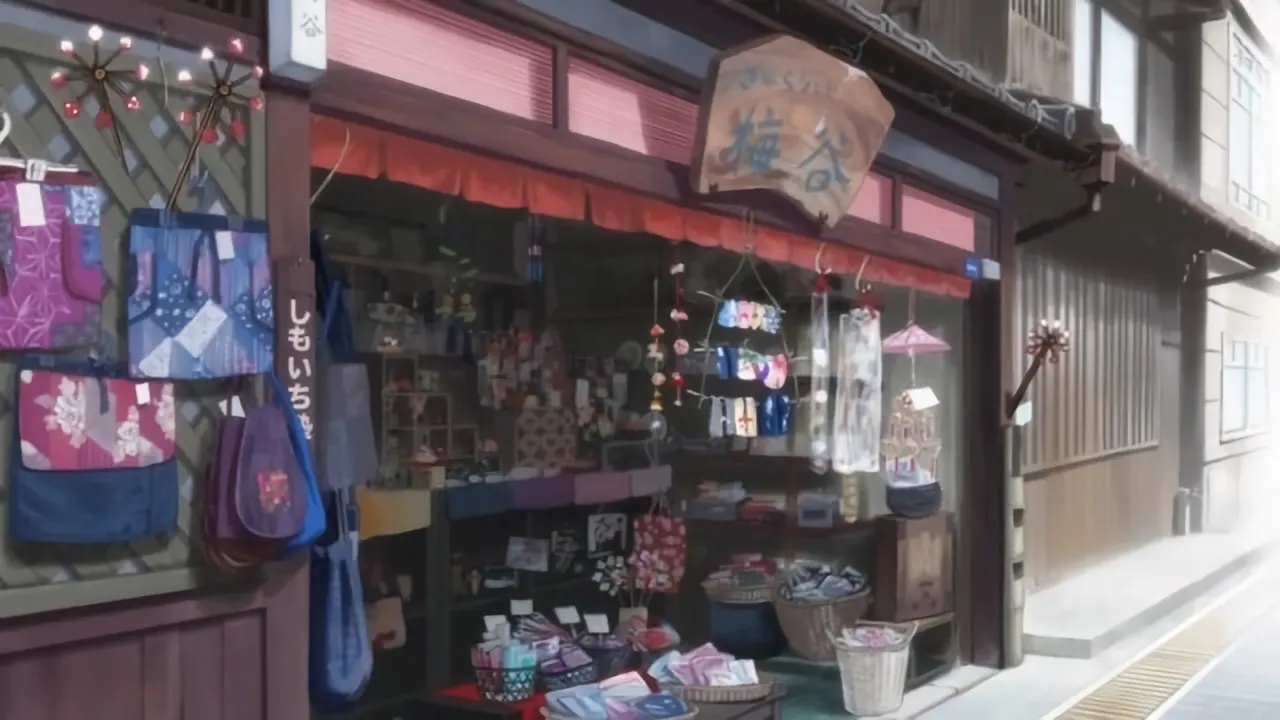
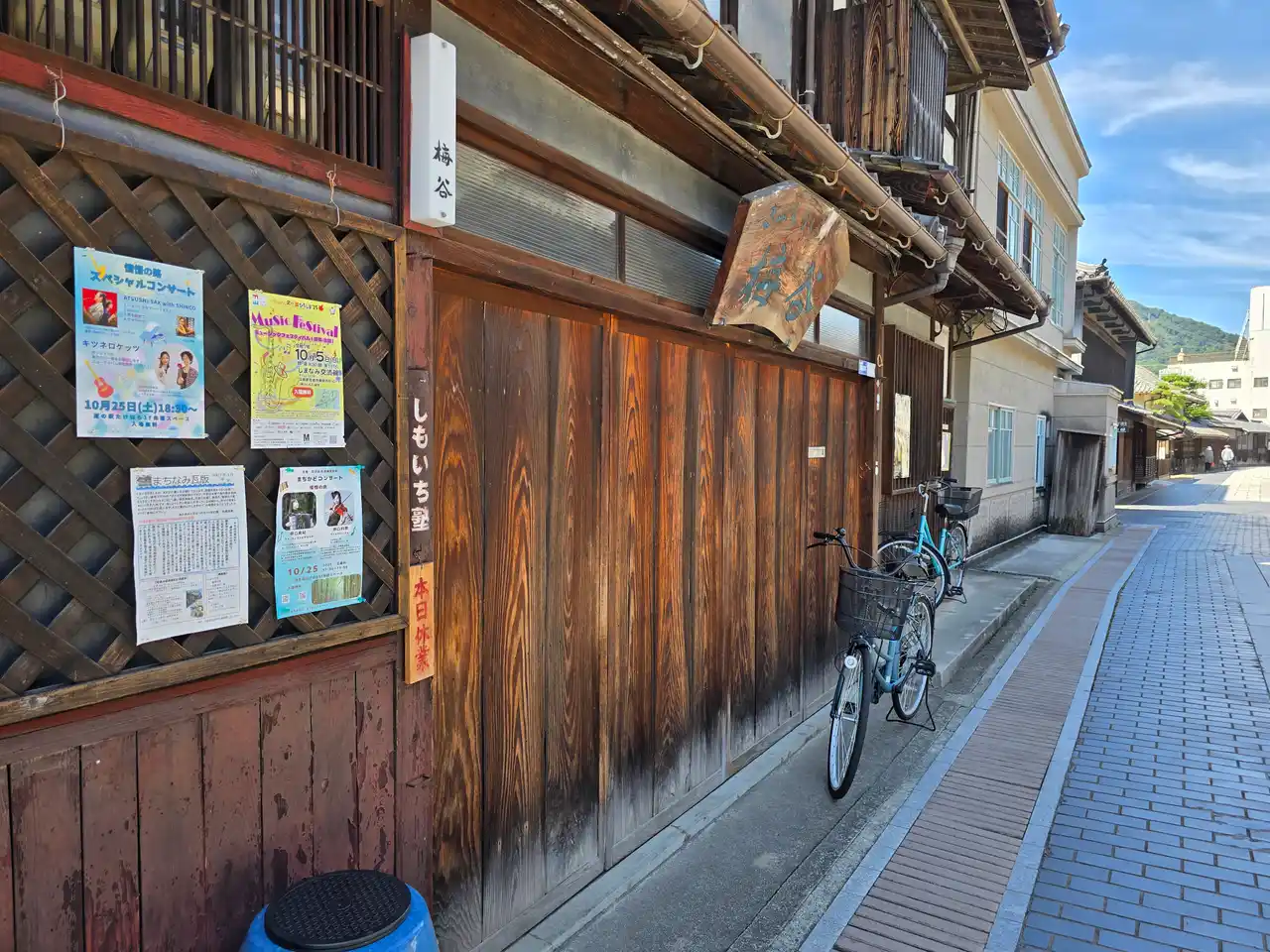
Unfortunately, it was closed.
Okonomiyaki Horikawa
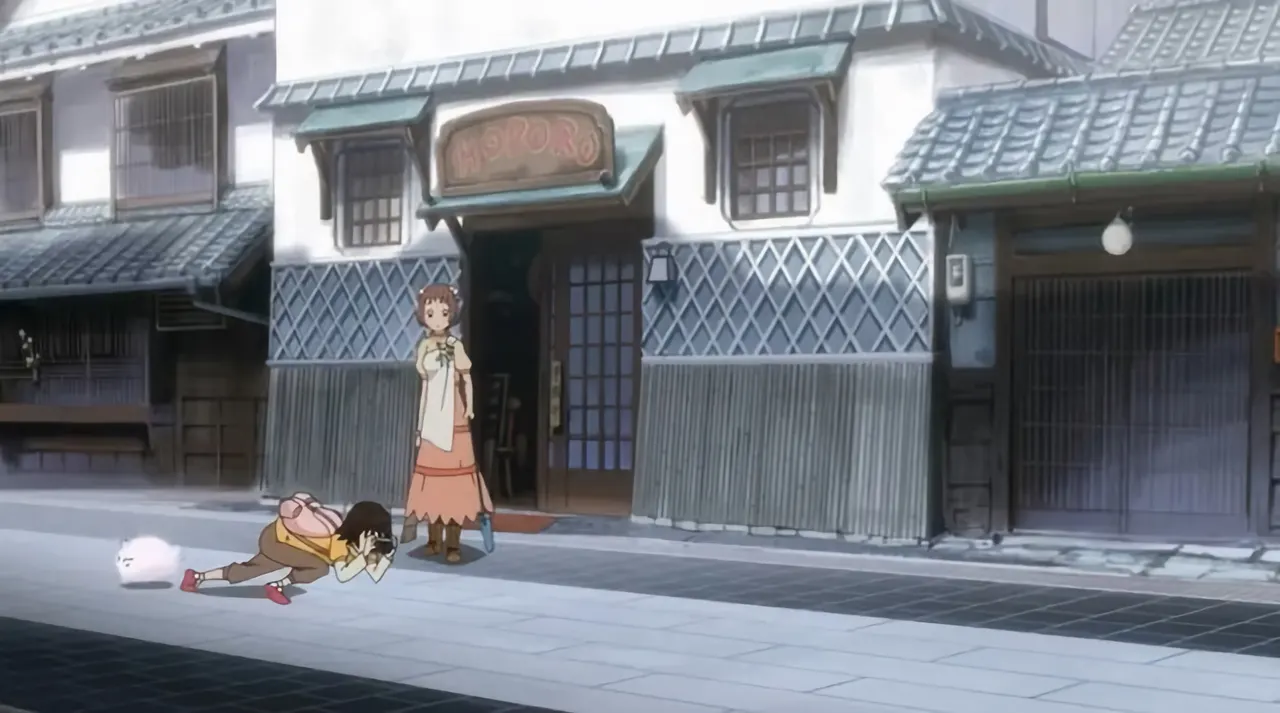
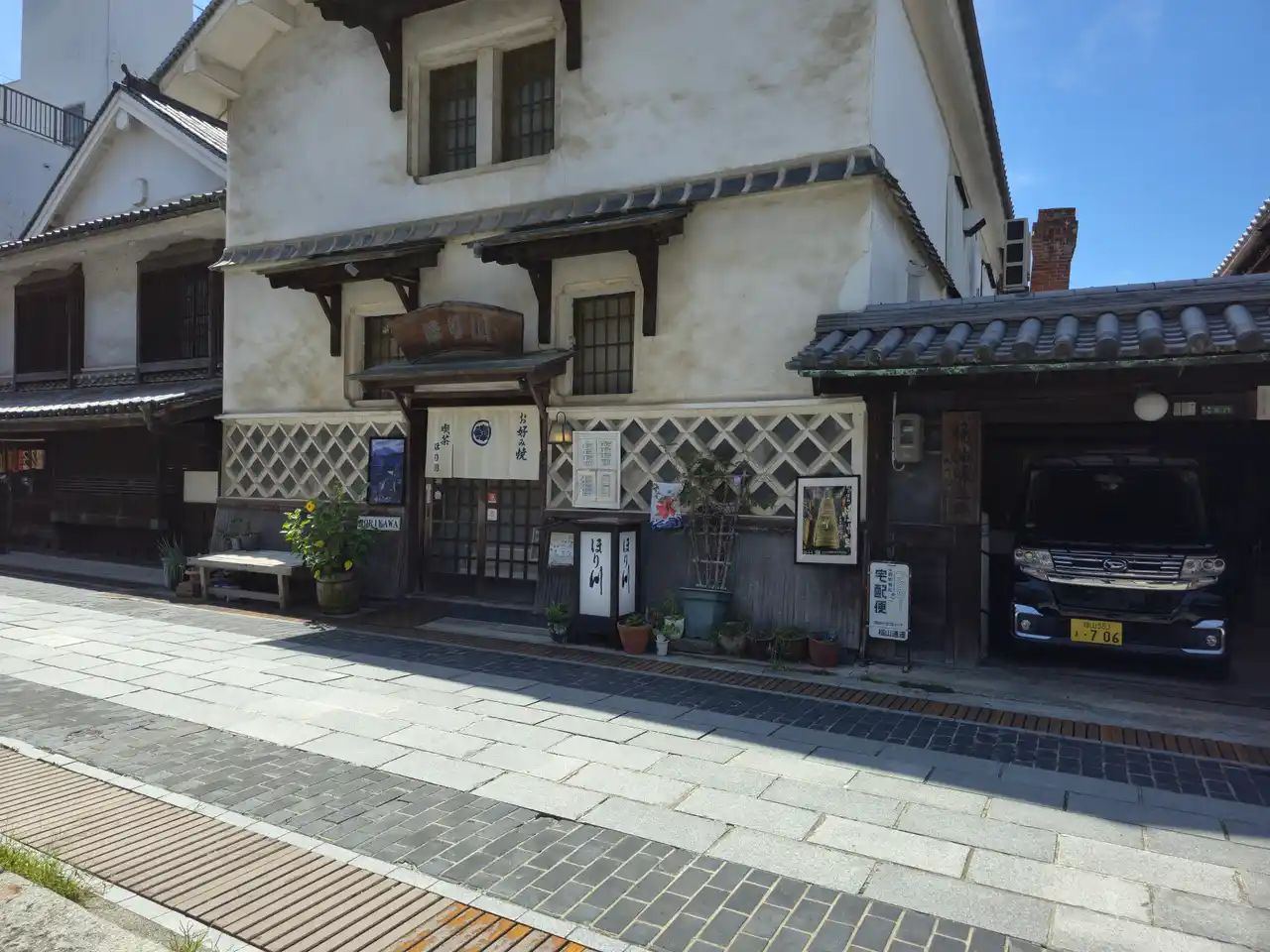
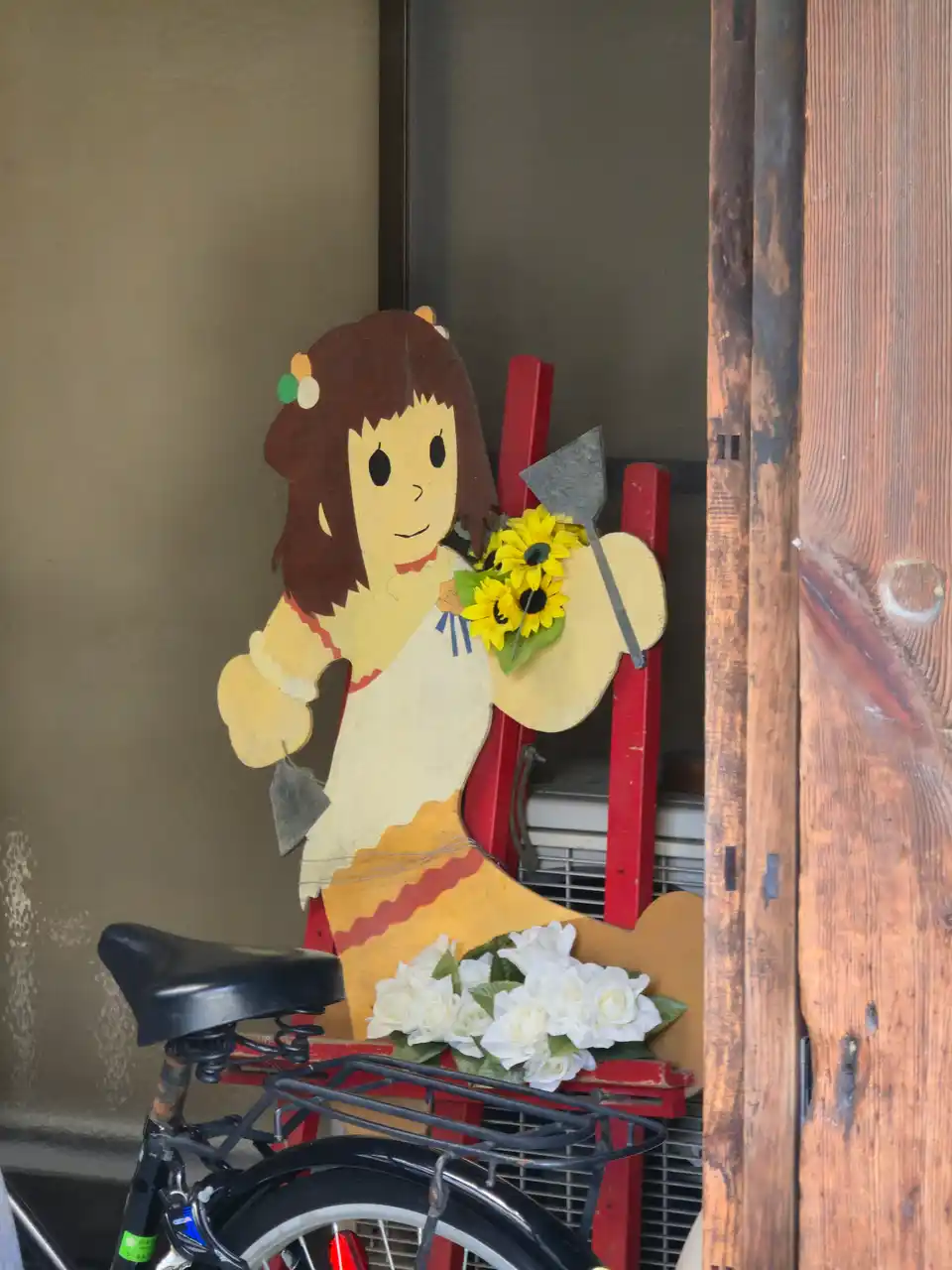
Found the landlady!
Just in time for lunch.
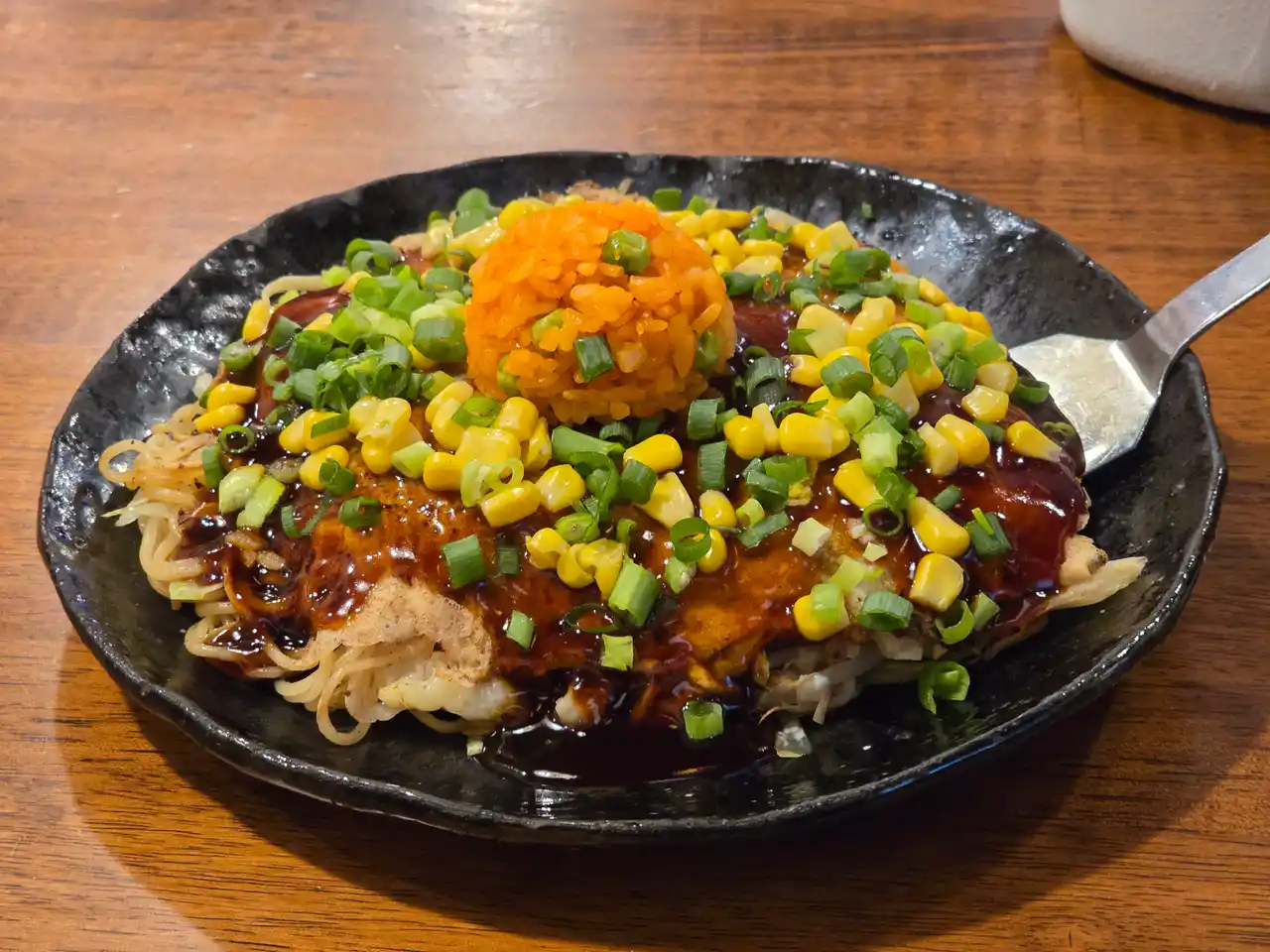
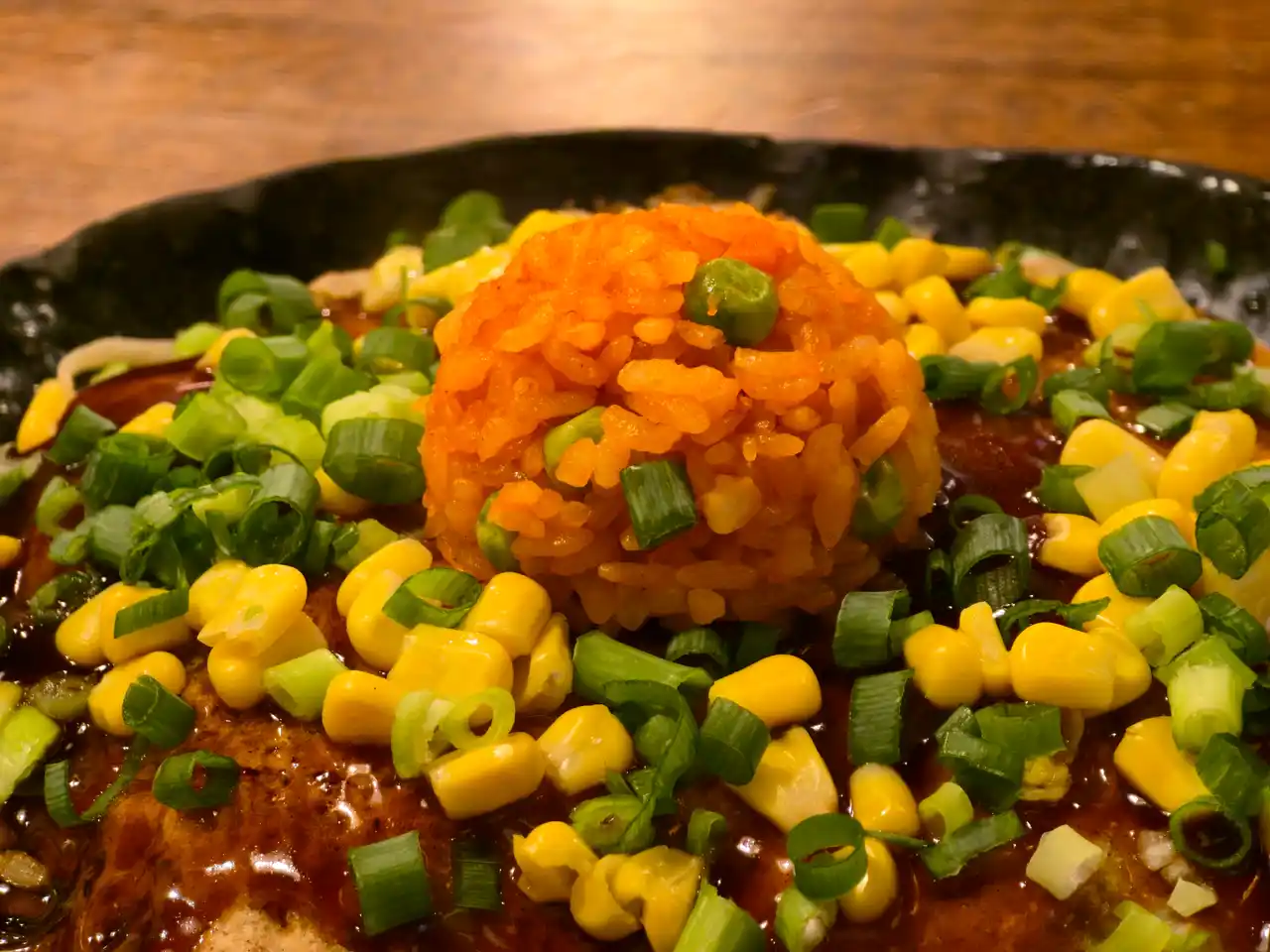
What to eat?
Naturally, the Hoboro-yaki that appears in the work!
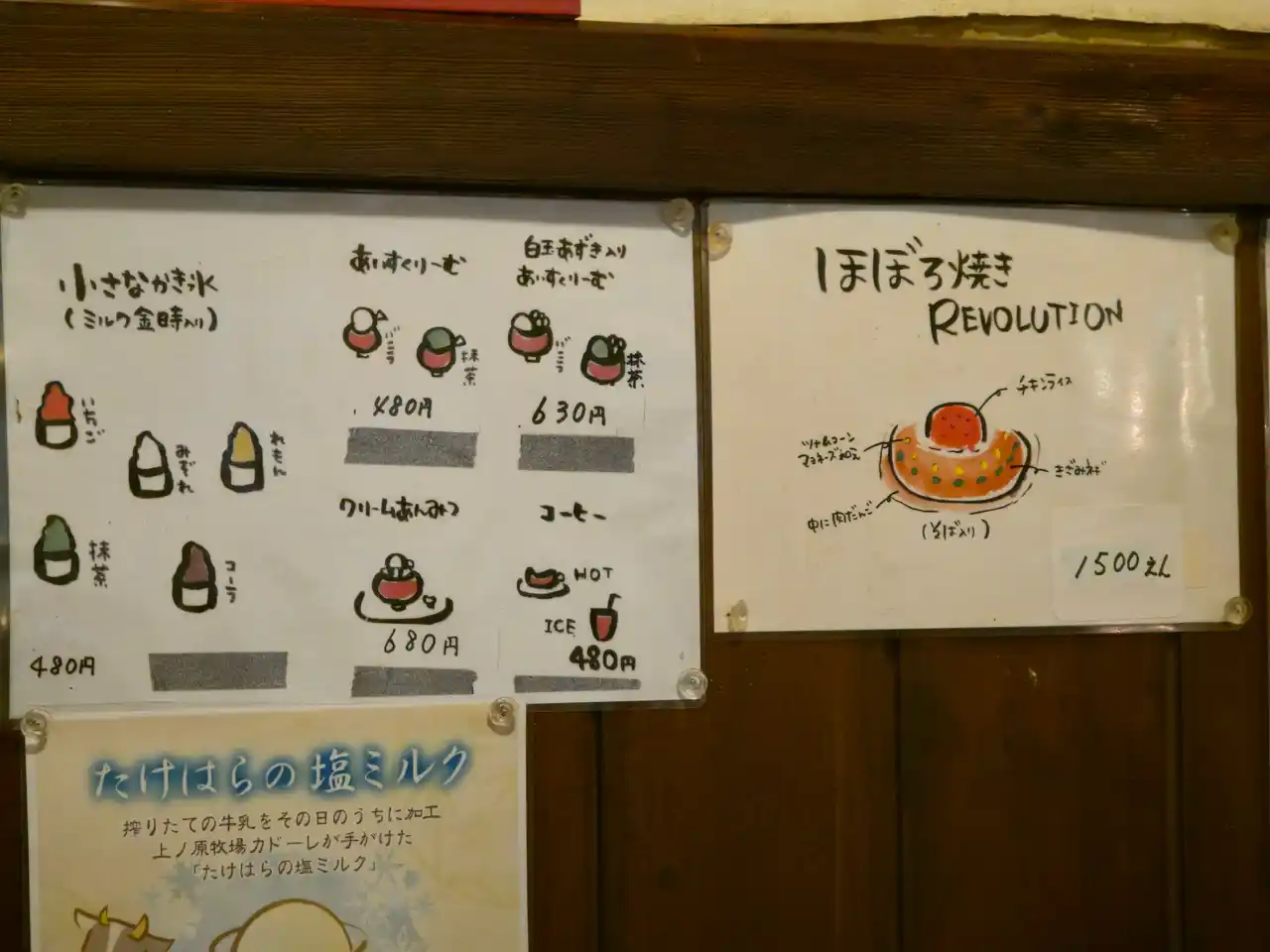
The Hoboro-yaki is probably only ordered by pilgrims. It's not on the menu, but there's an introduction on the wall. It's a hidden menu item at Okonomiyaki Horikawa.
Corn kernels are added to the original okonomiyaki to enrich the texture.
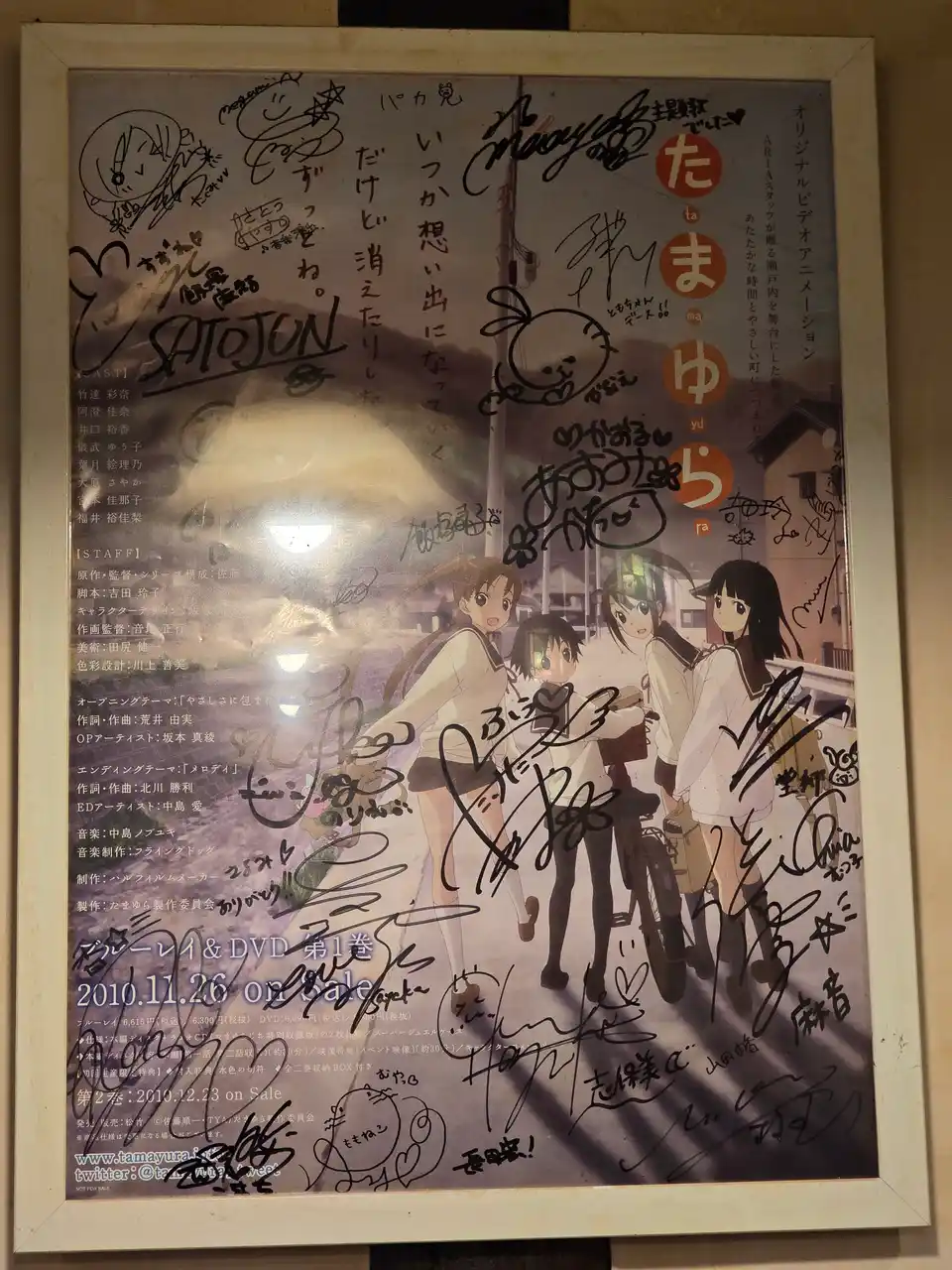
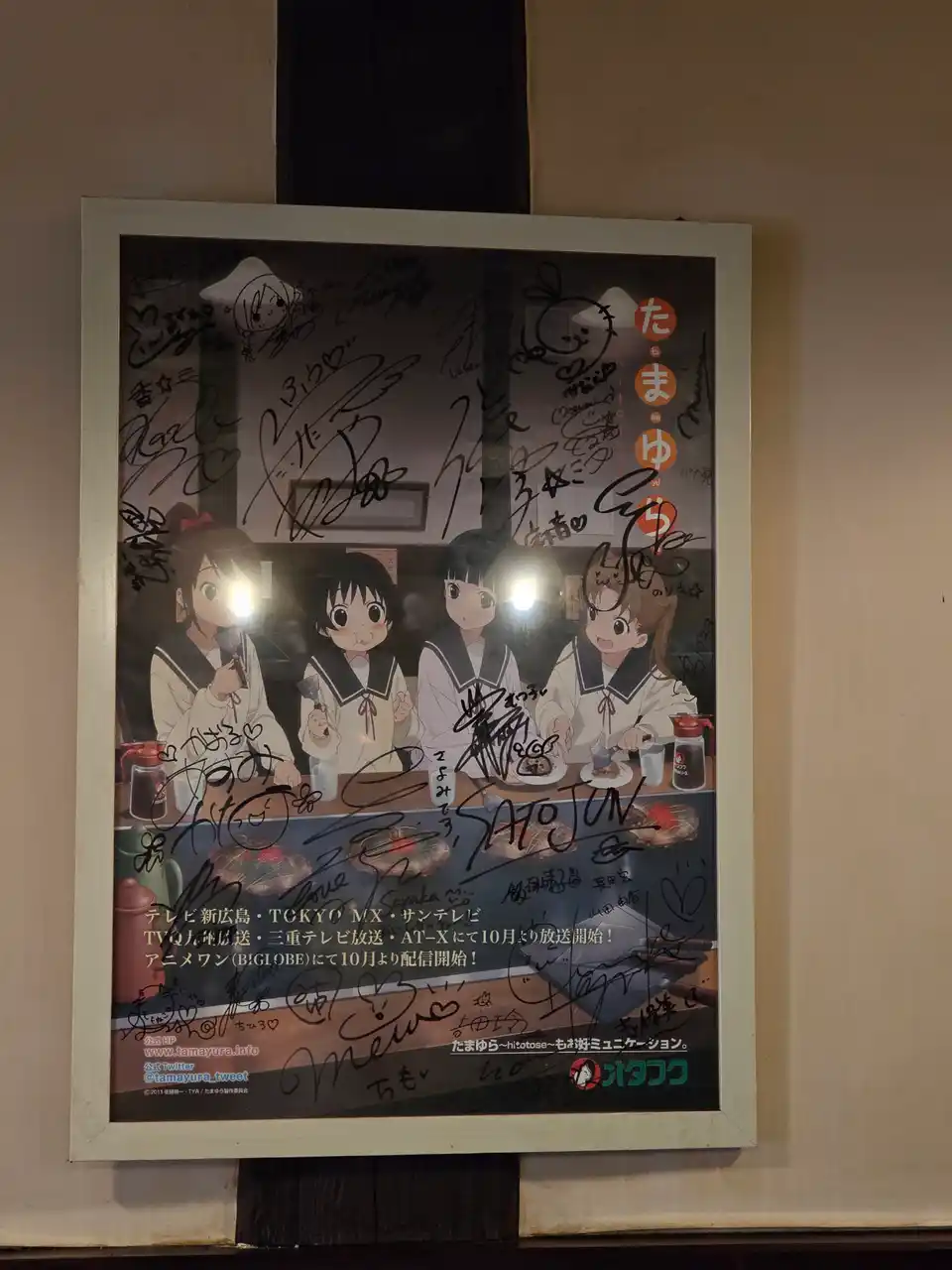
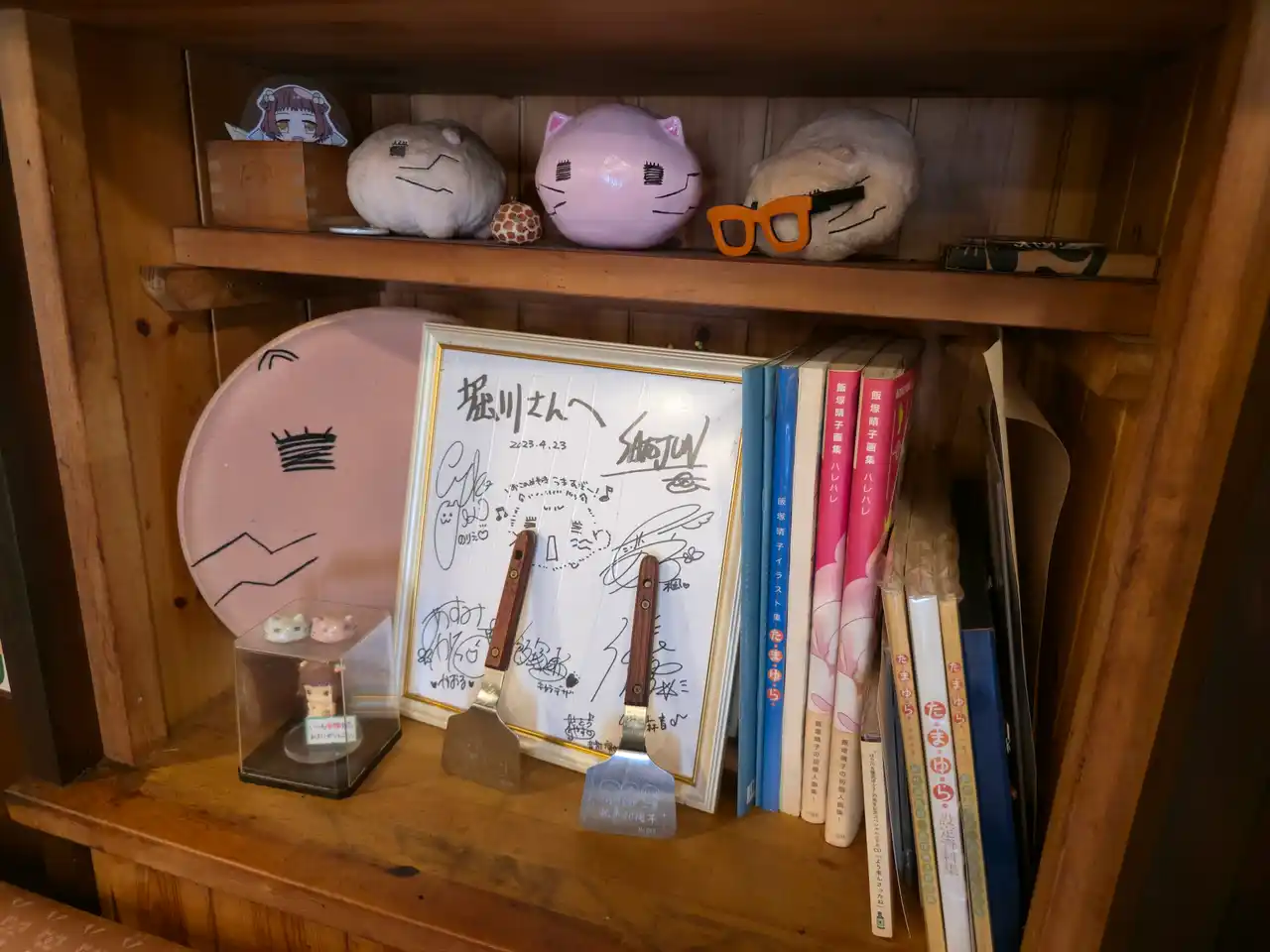
Tamayura elements inside the shop.
Horikawa Soy Sauce Brewery
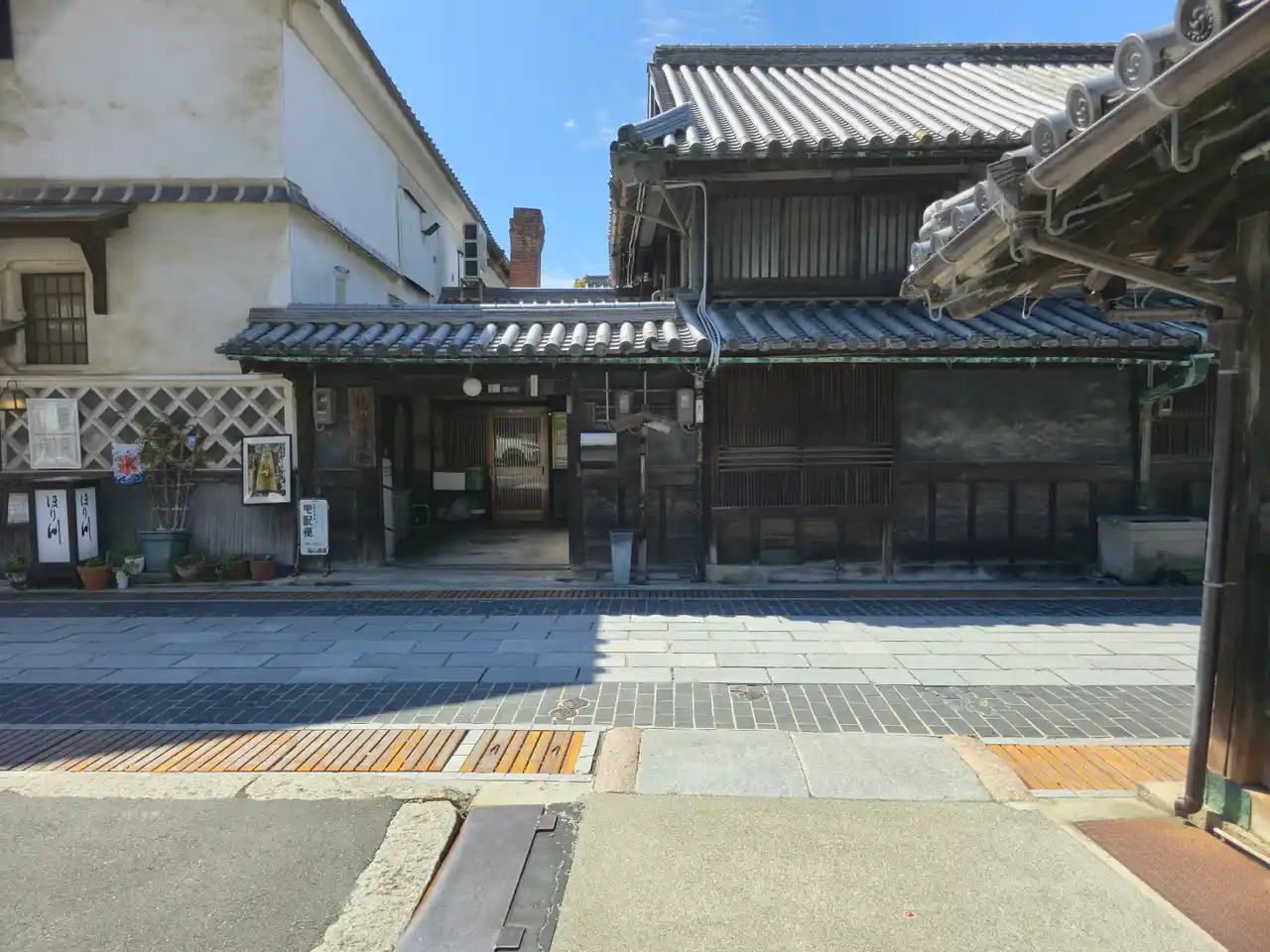
Saiho-ji Temple
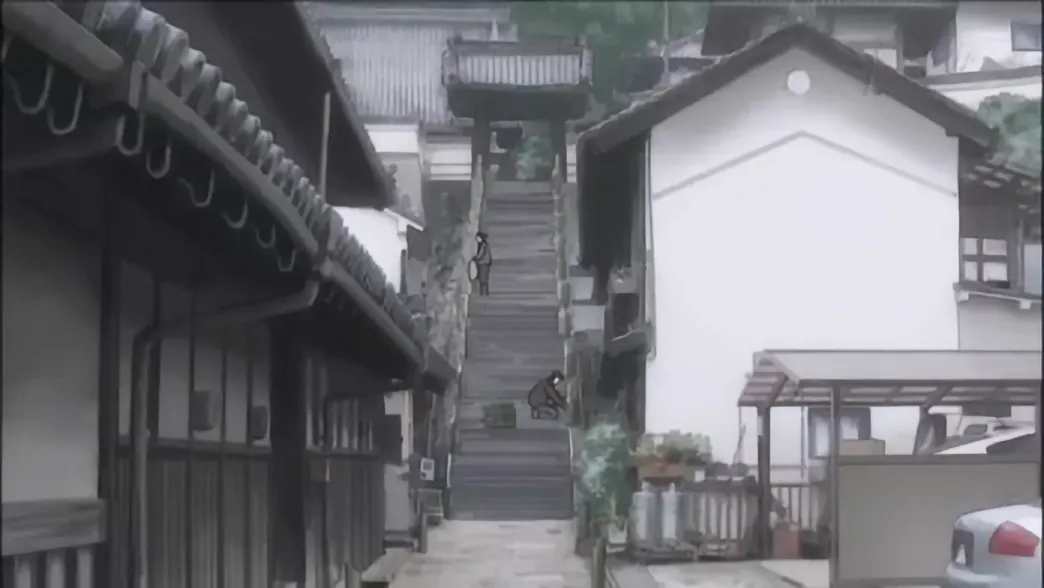
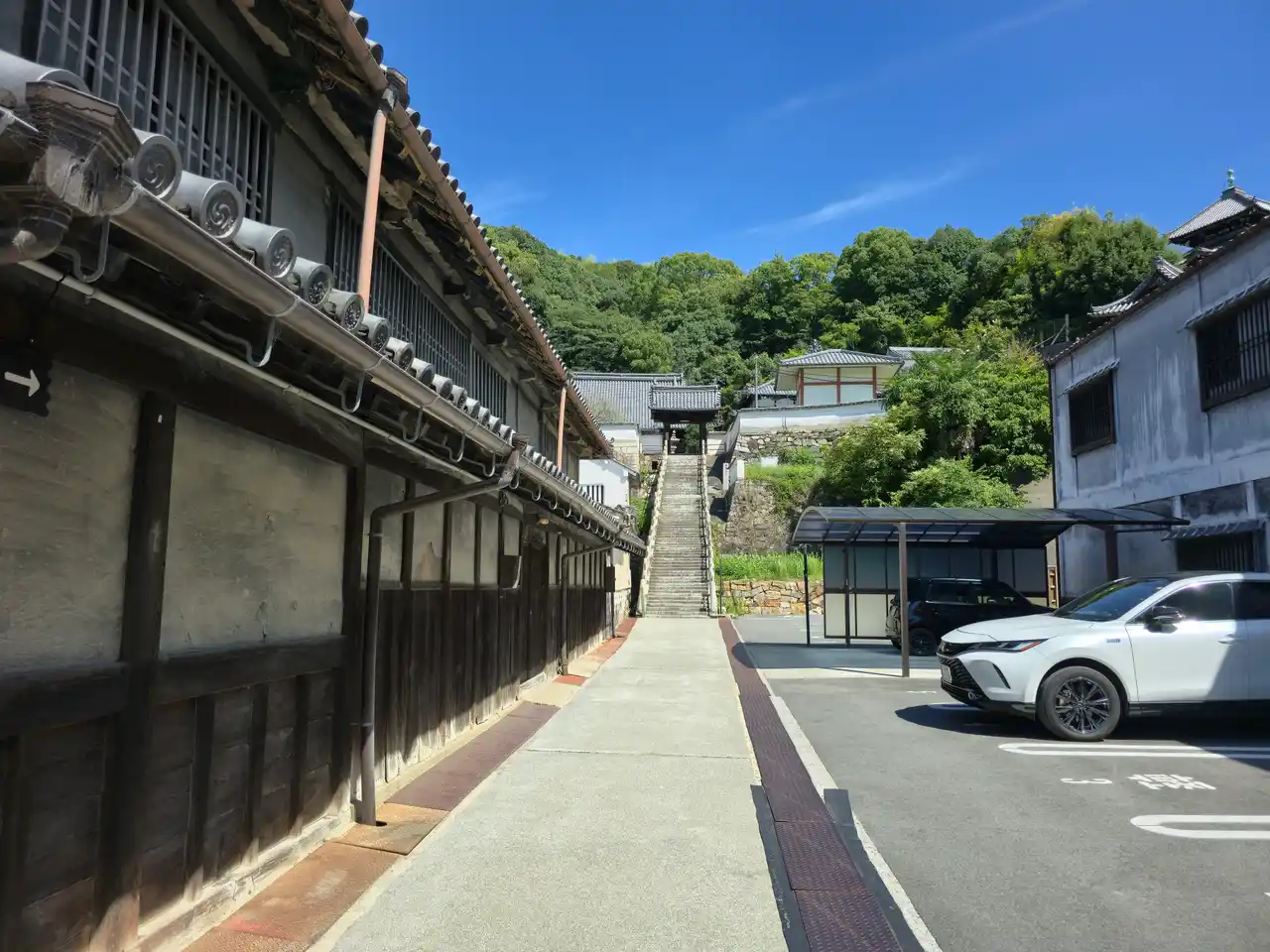
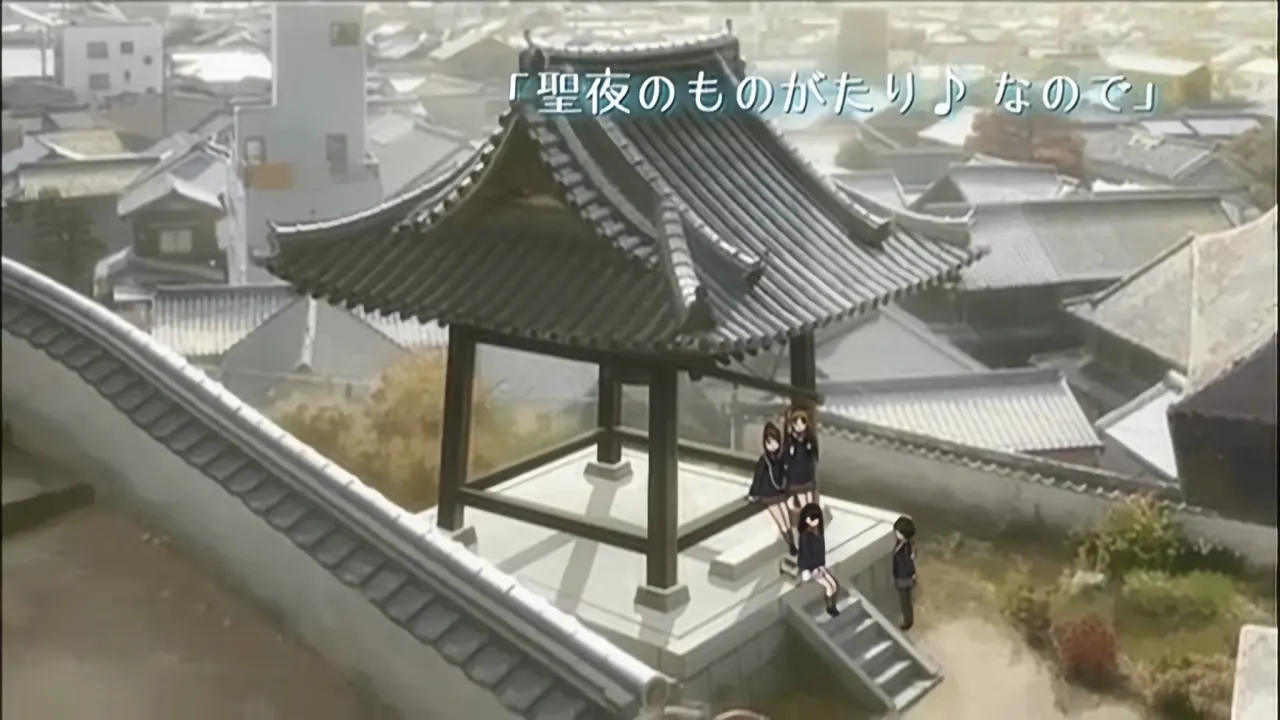
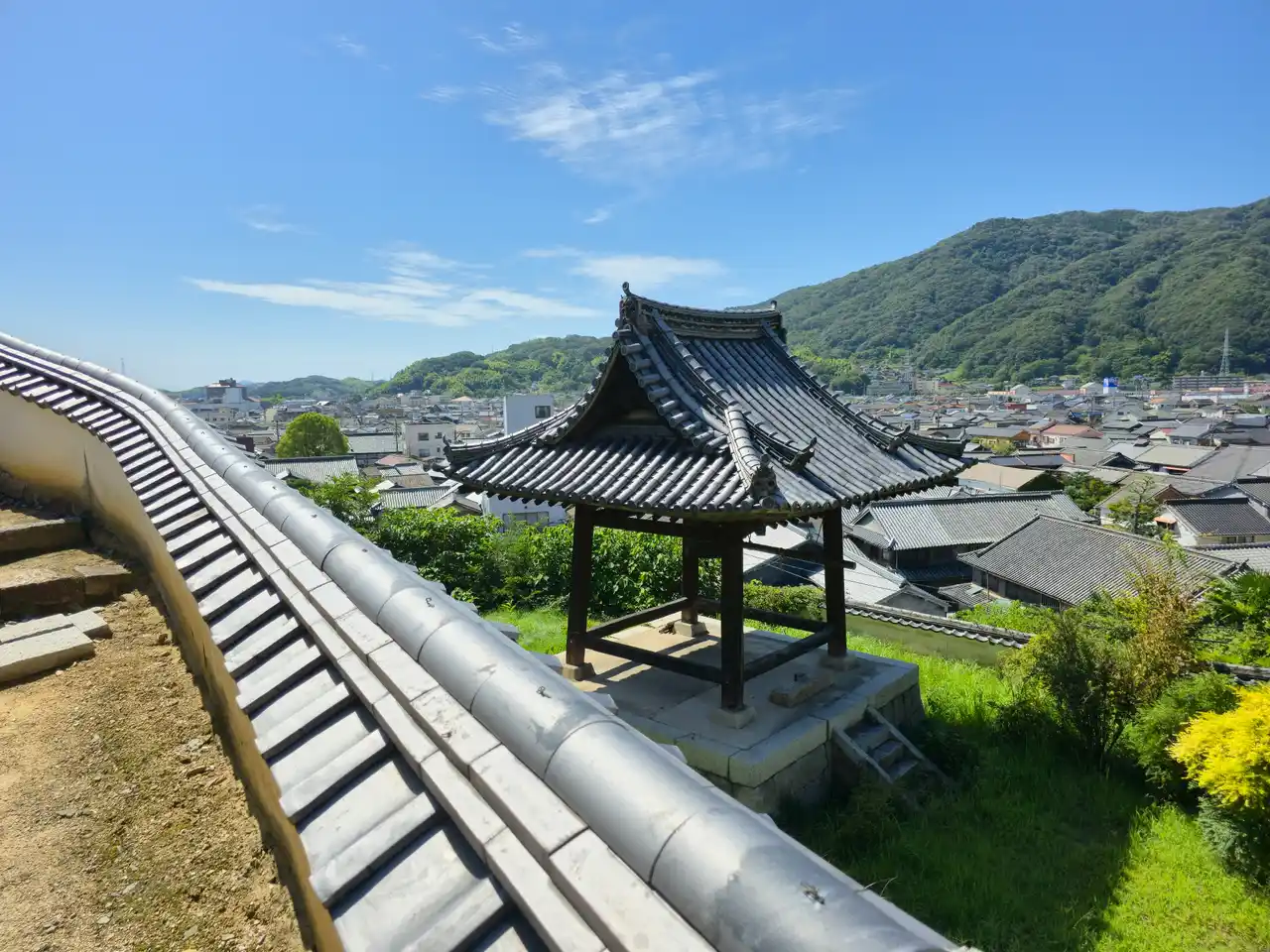
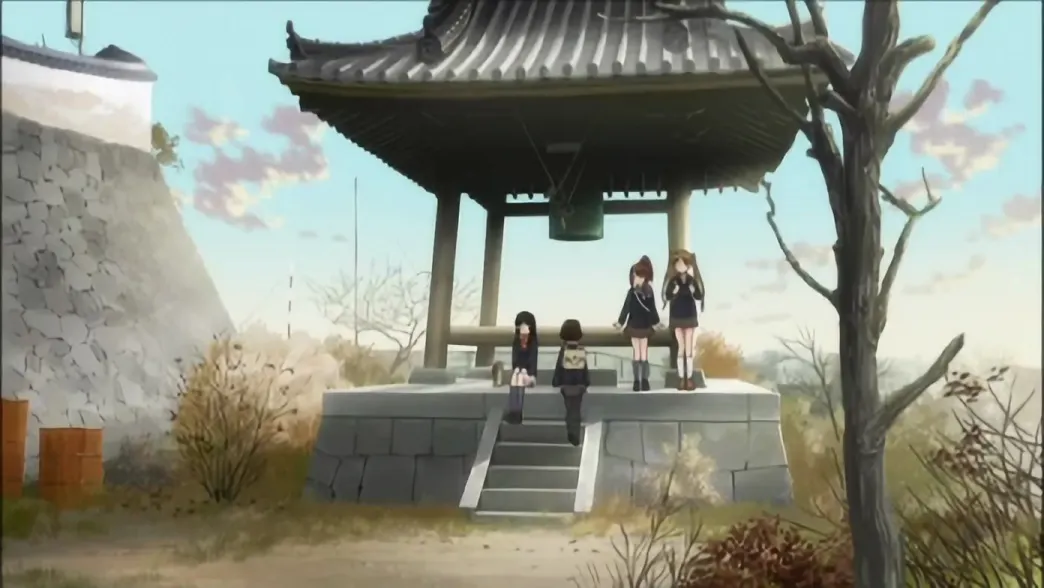
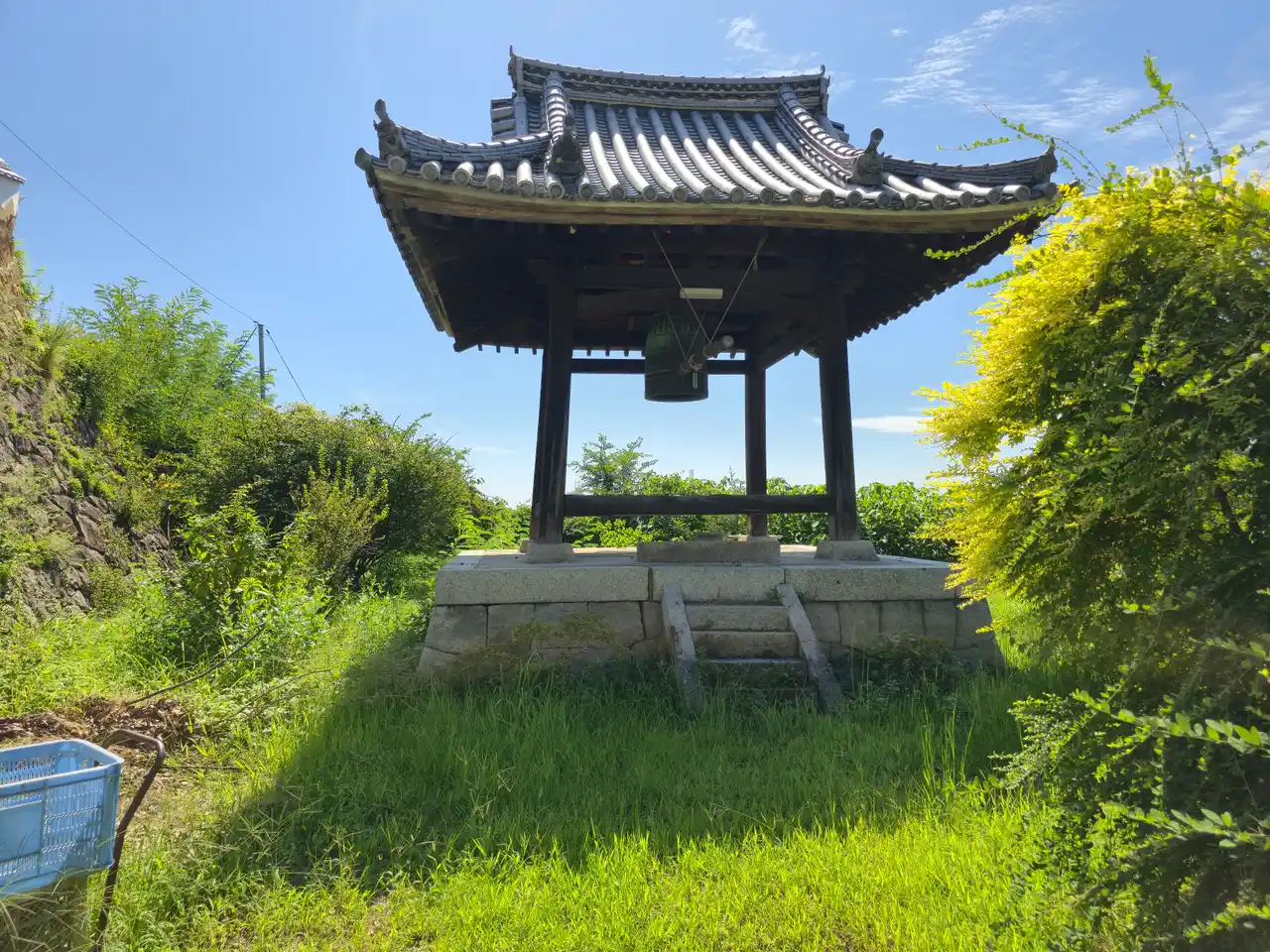
Originally a Zen temple located in Tanakamachi next to Jizo-do. Its current site was once the location of Myoho-ji Temple. It was destroyed by fire in 1602, and the following year it was relocated to this site, the former grounds of Myoho-ji, and converted to the Jodo sect.
Within the temple grounds, buildings such as the main hall, bell tower, storehouse, Hokai Jizo Hall, and main gate are lined up in a row. In front of the temple stands a magnificent stone wall resembling a castle, giving the overall structure an imposing and solemn temple appearance.
The main hall is built in the Irimoya style (a type of roof), single-story, with a front entrance and covered with Honkawara tiles. The front and side fronts have an open structure, with side pillars placed only on thick foundation beams, creating a simple design that exemplifies the typical style of local Buddhist halls from the mid-Edo period, making it an extremely valuable building. Its altar platform adopts a Zen style.
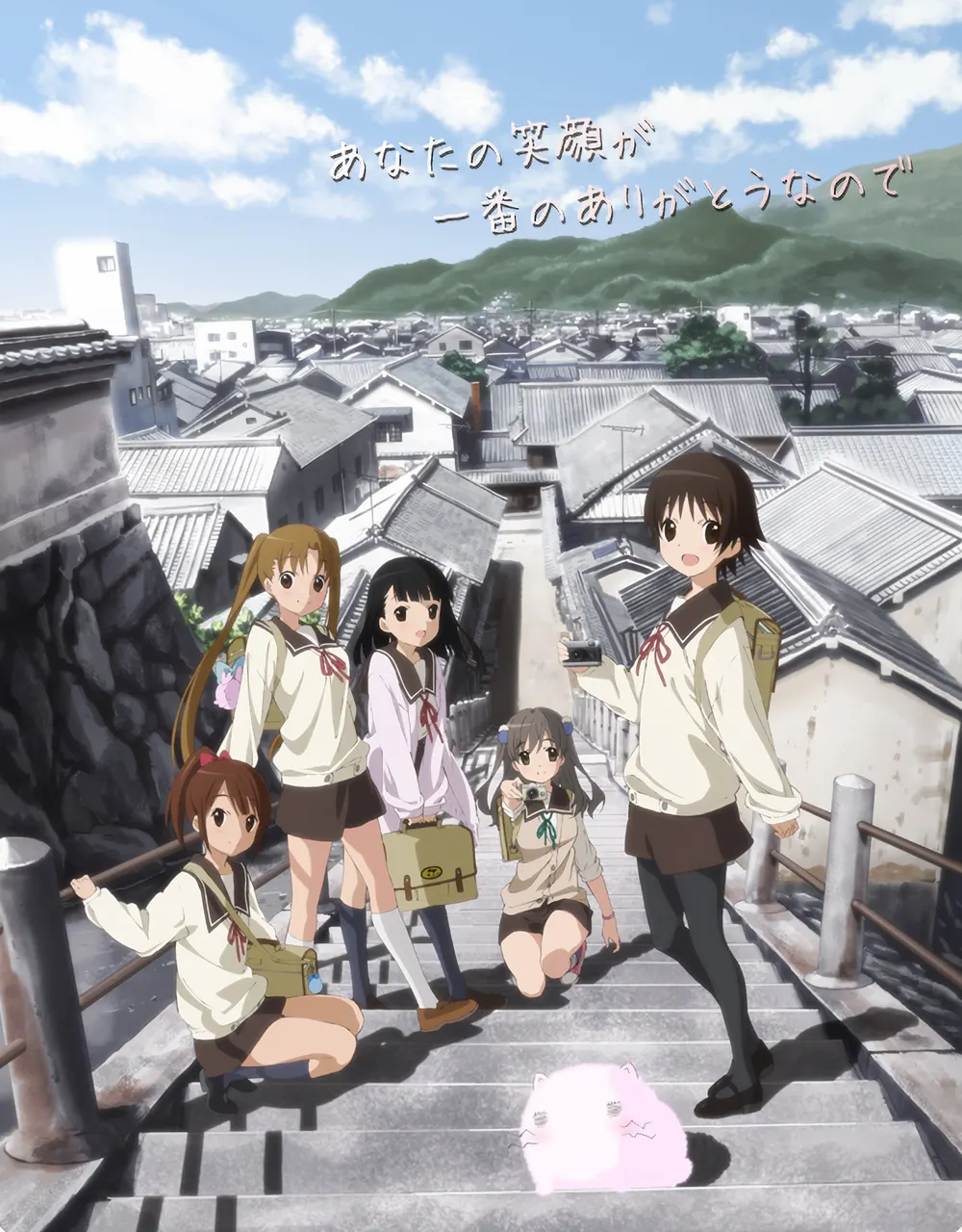
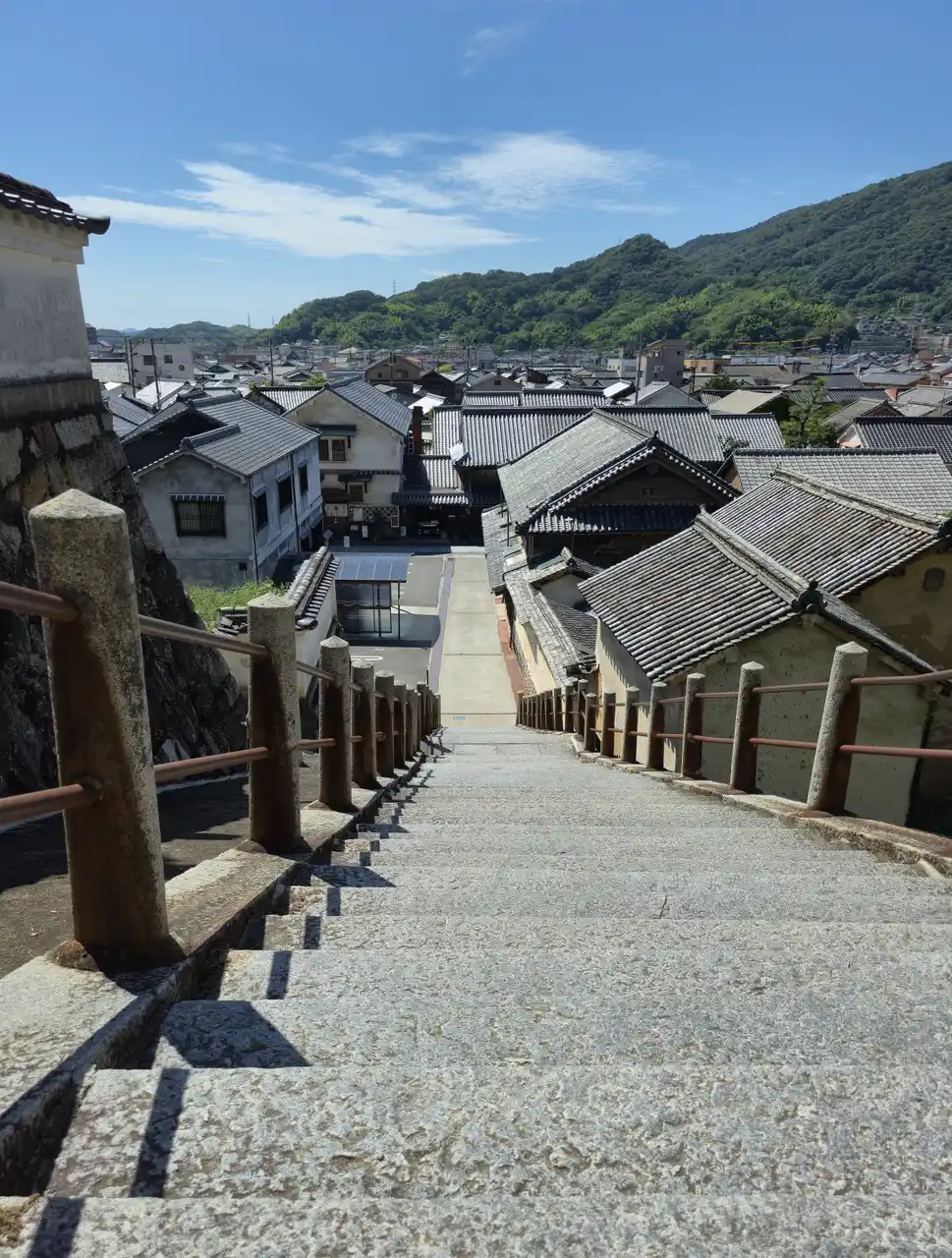
The main view of the work is also taken from here.
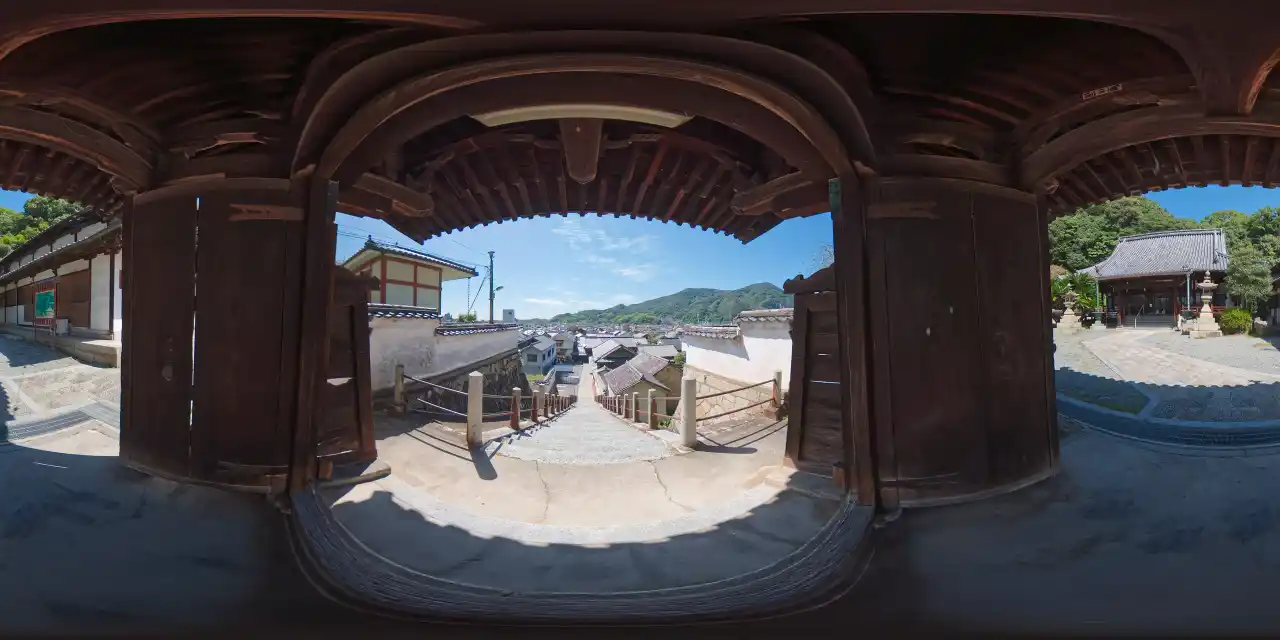
Panoramic photo.
Fumeikaku
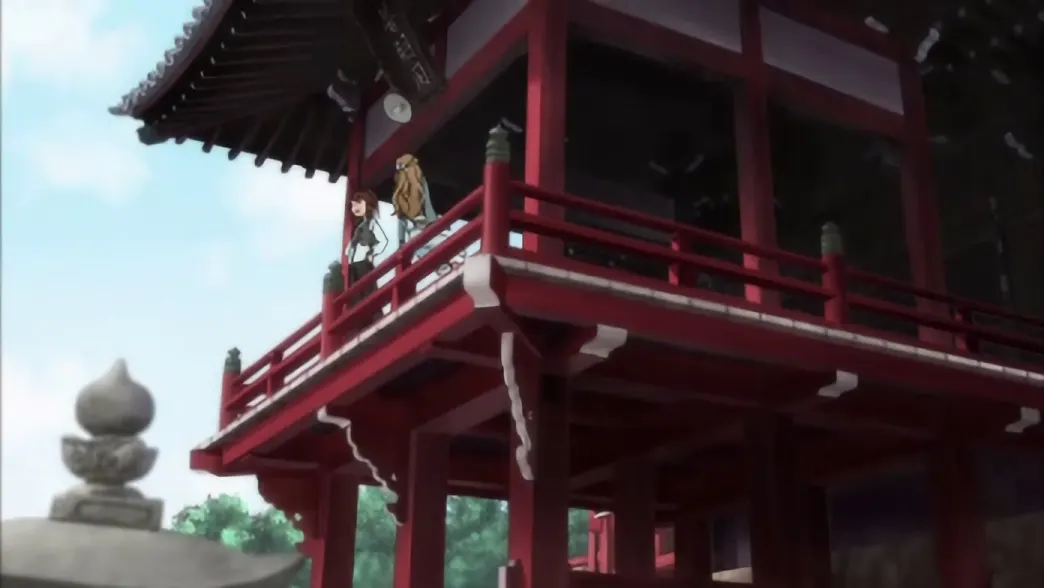
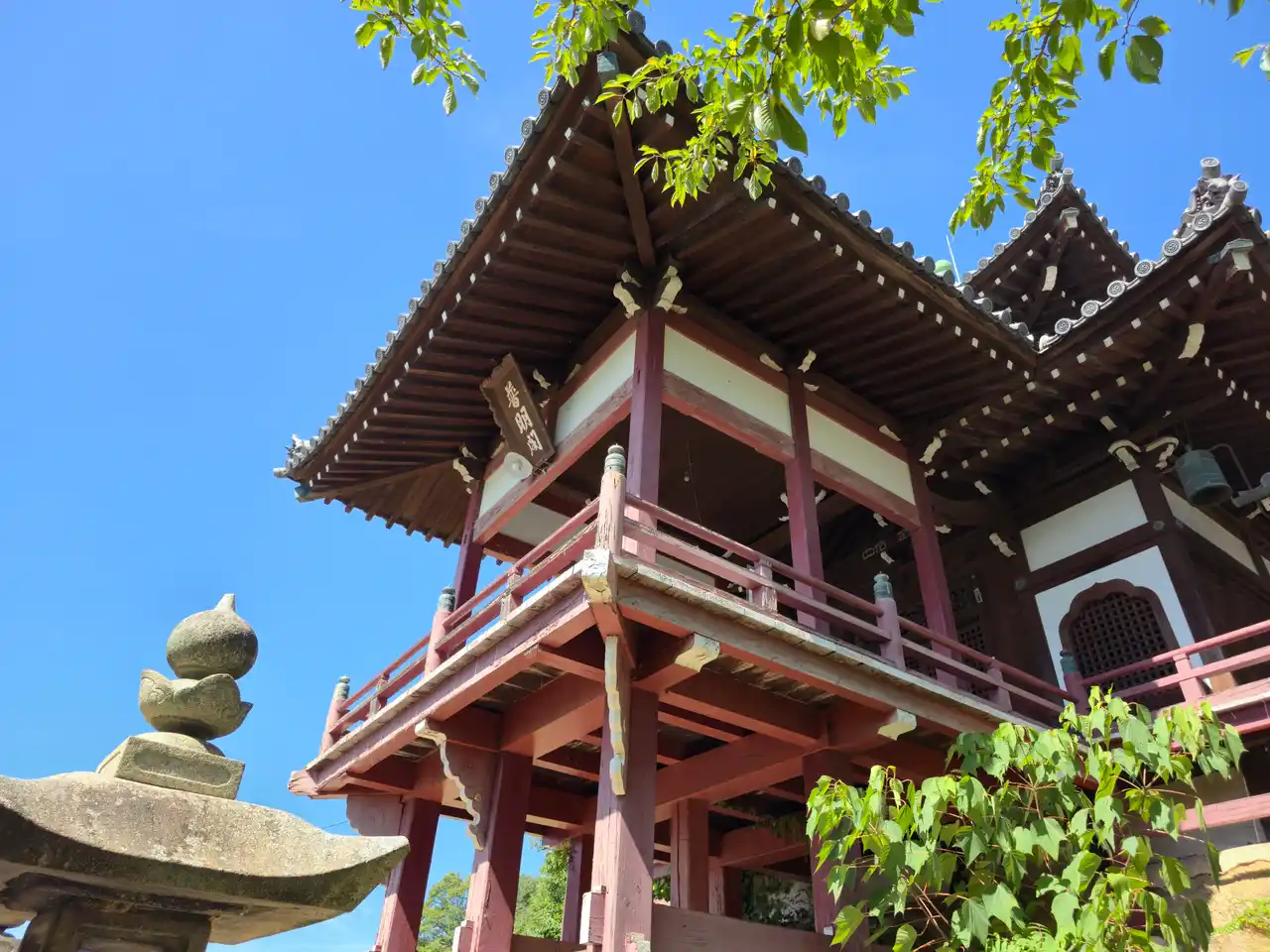
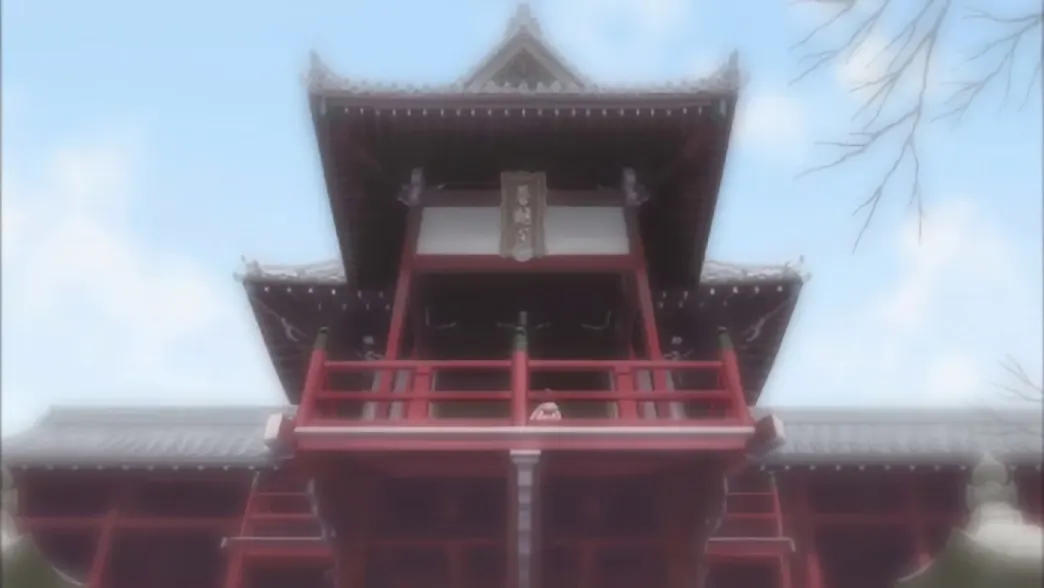
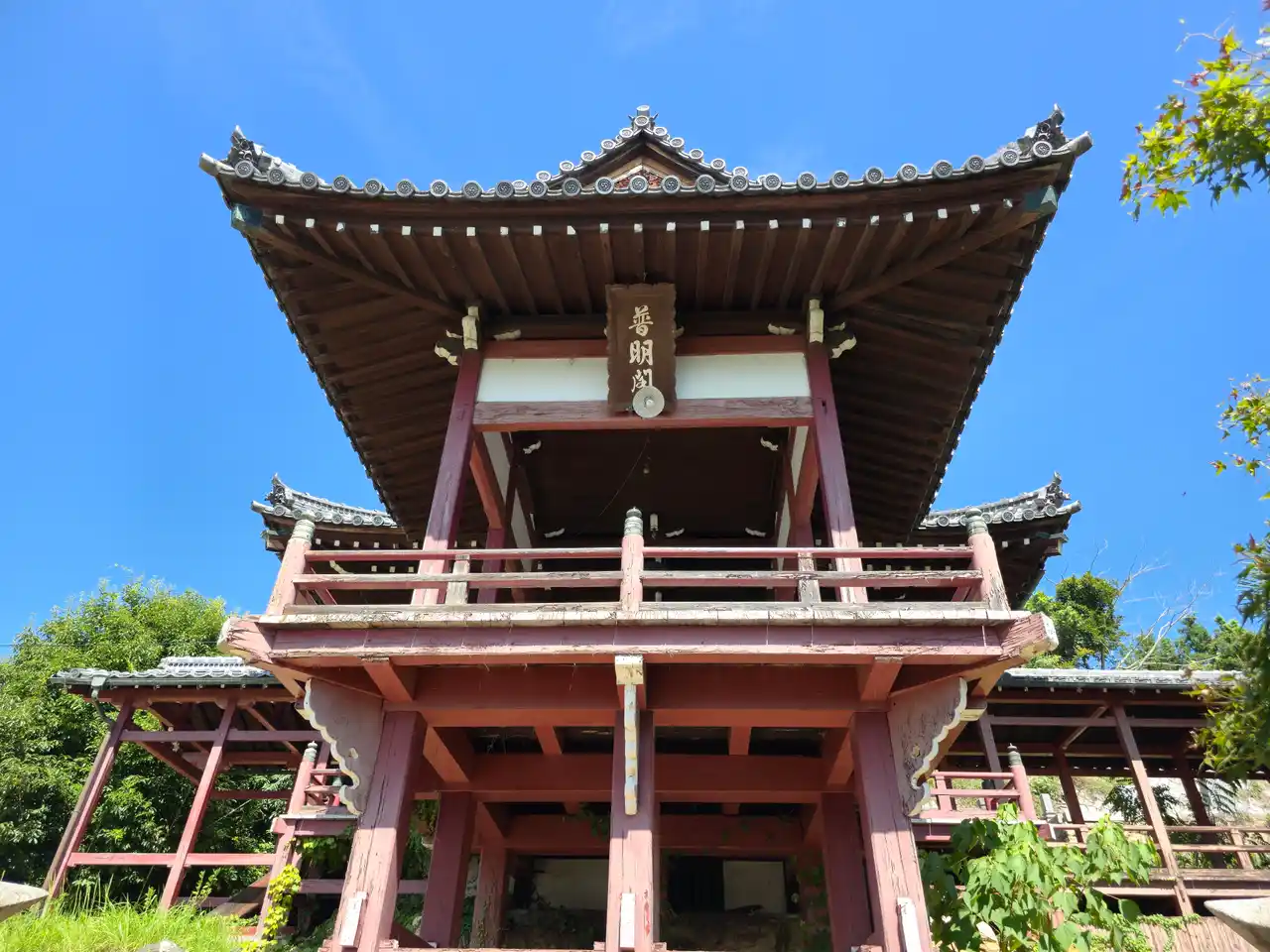
Fumeikaku, located on a high platform beside the main hall of Saiho-ji Temple, was built in 1758. It enshrines the principal image from the Myoho-ji era—a wooden standing statue of Eleven-headed Kannon (prefecturally designated important cultural property). The building is a square three-bay Hogyo-zukuri structure with a double roof covered in Honkawara tiles, featuring a stage-like structure modeled after Kiyomizu-dera in Kyoto.
Although built relatively late, its roof form is unique and the detailed decorations are exquisite. Visible from various parts of the town, it is considered an important building at the center of Takehara's landscape. Climbing Fumeikaku offers a panoramic view of Takehara's streets, making it a must-visit landmark for anyone coming to Takehara.
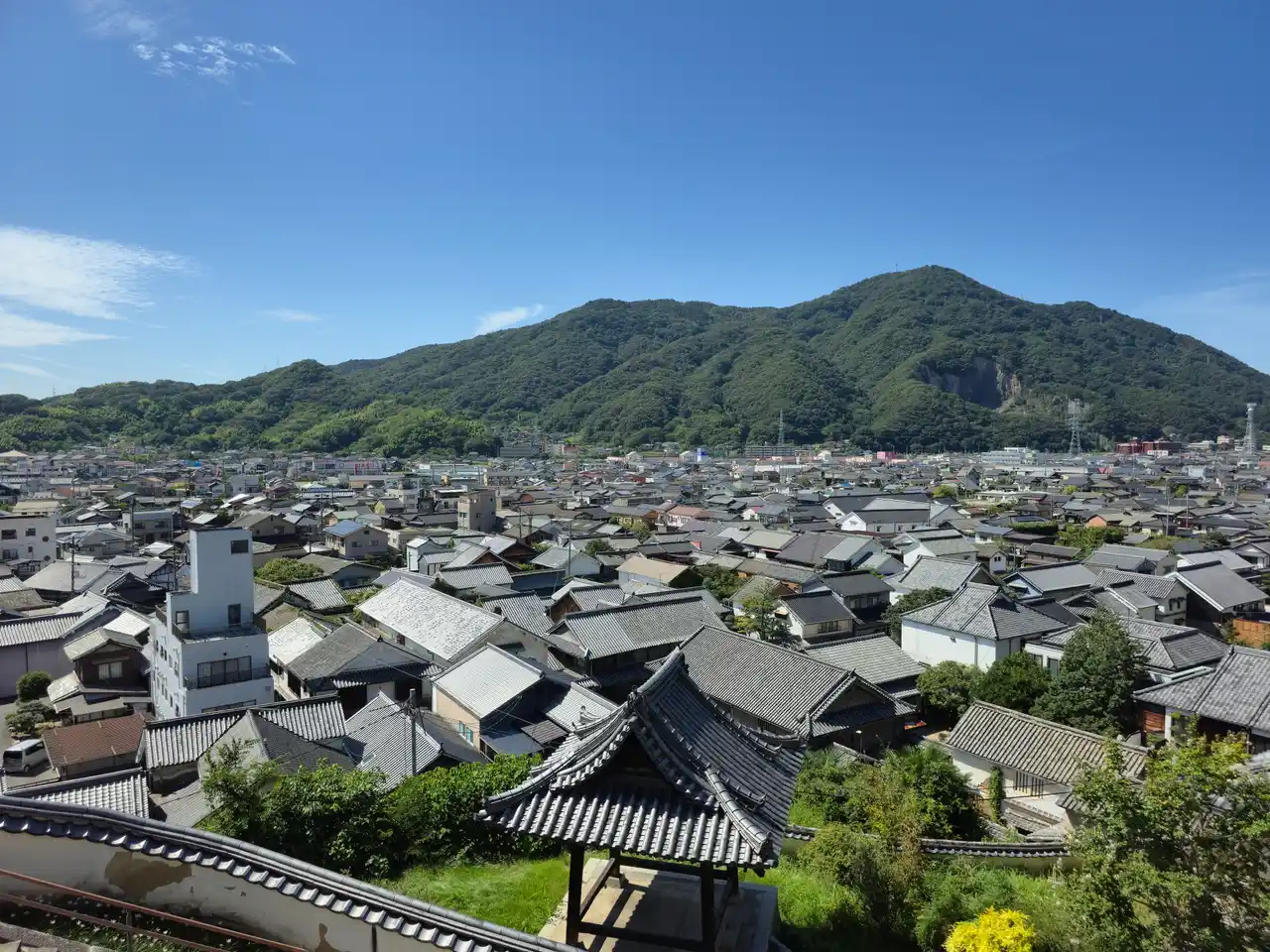
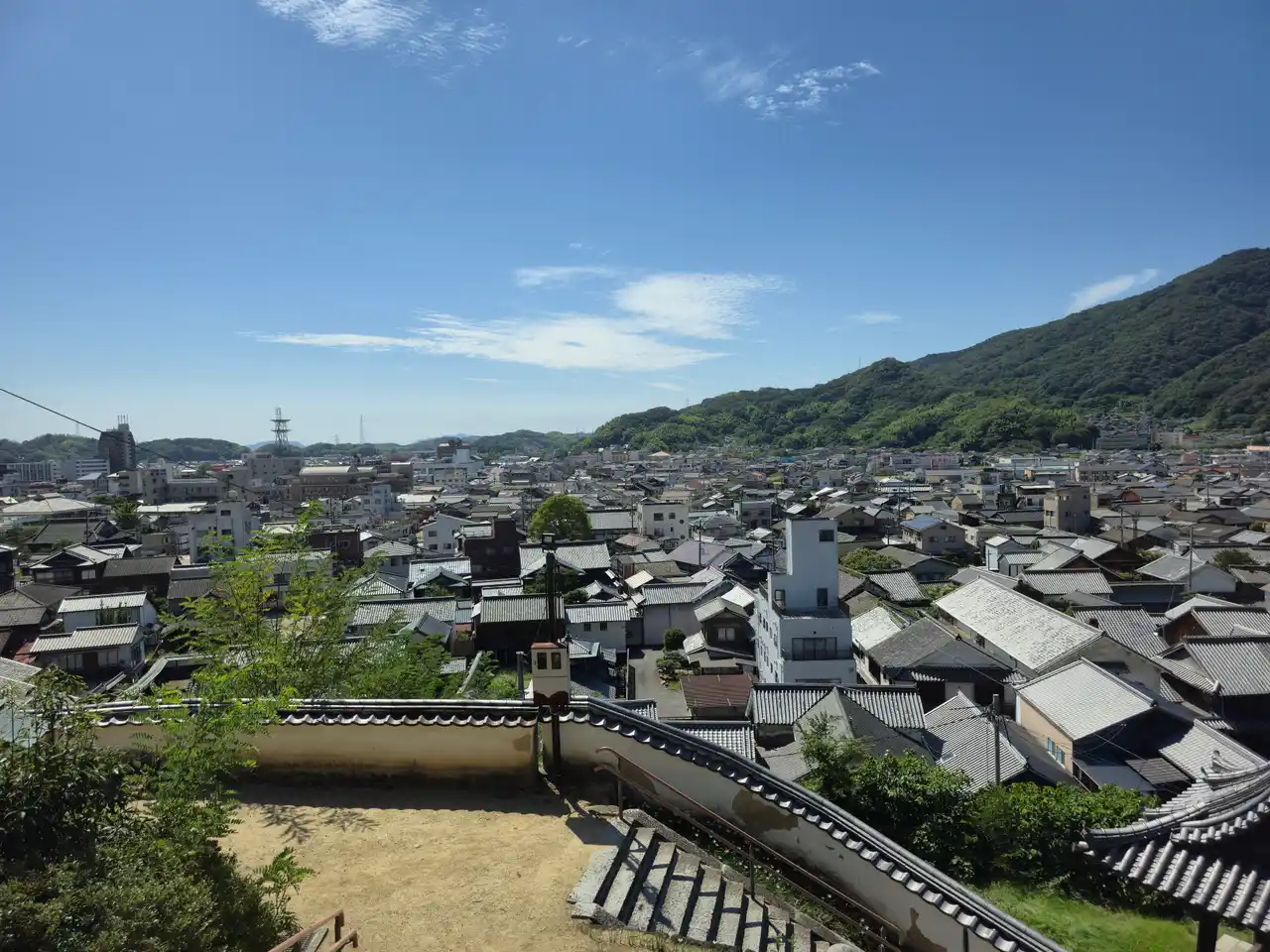
Overlooking the entire area.
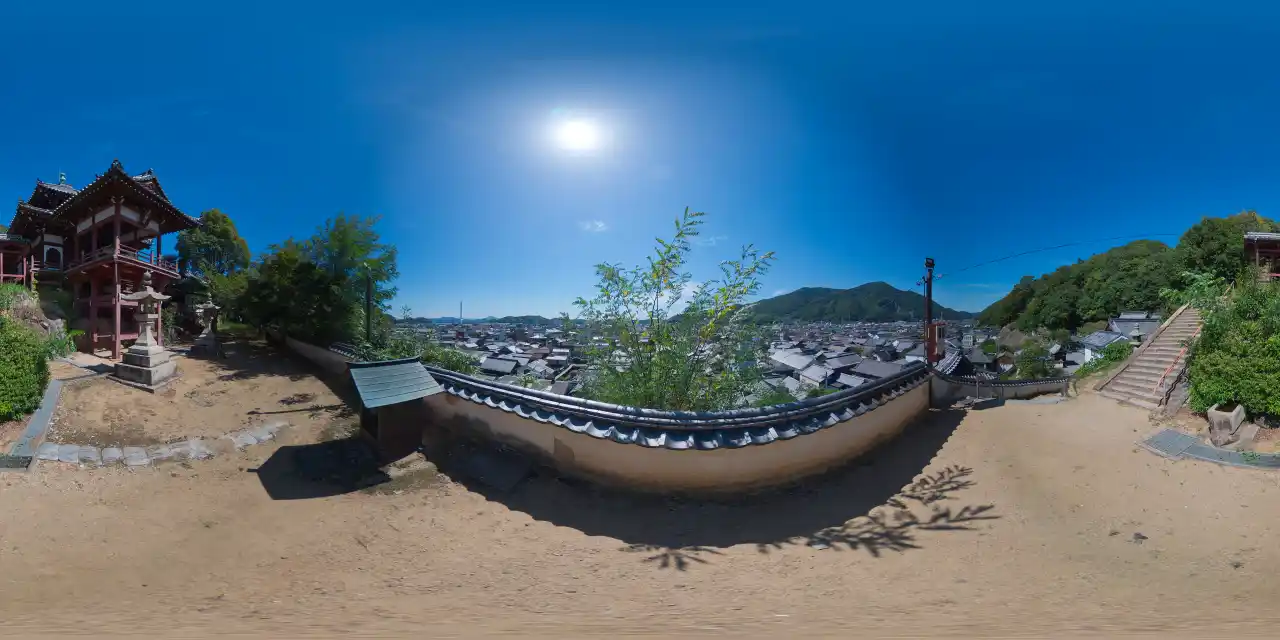
Panoramic photo.
Sabo Yukari
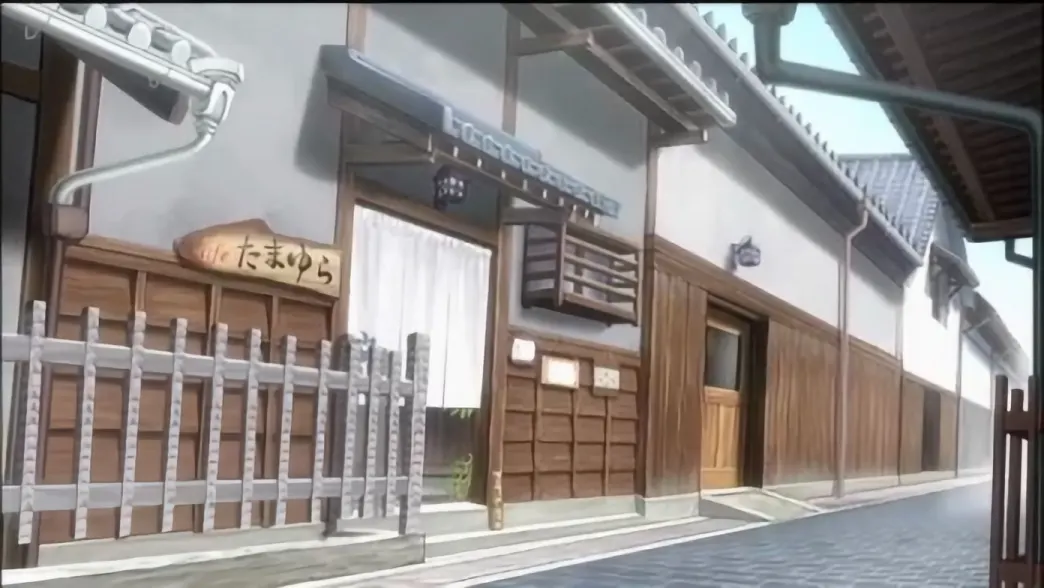
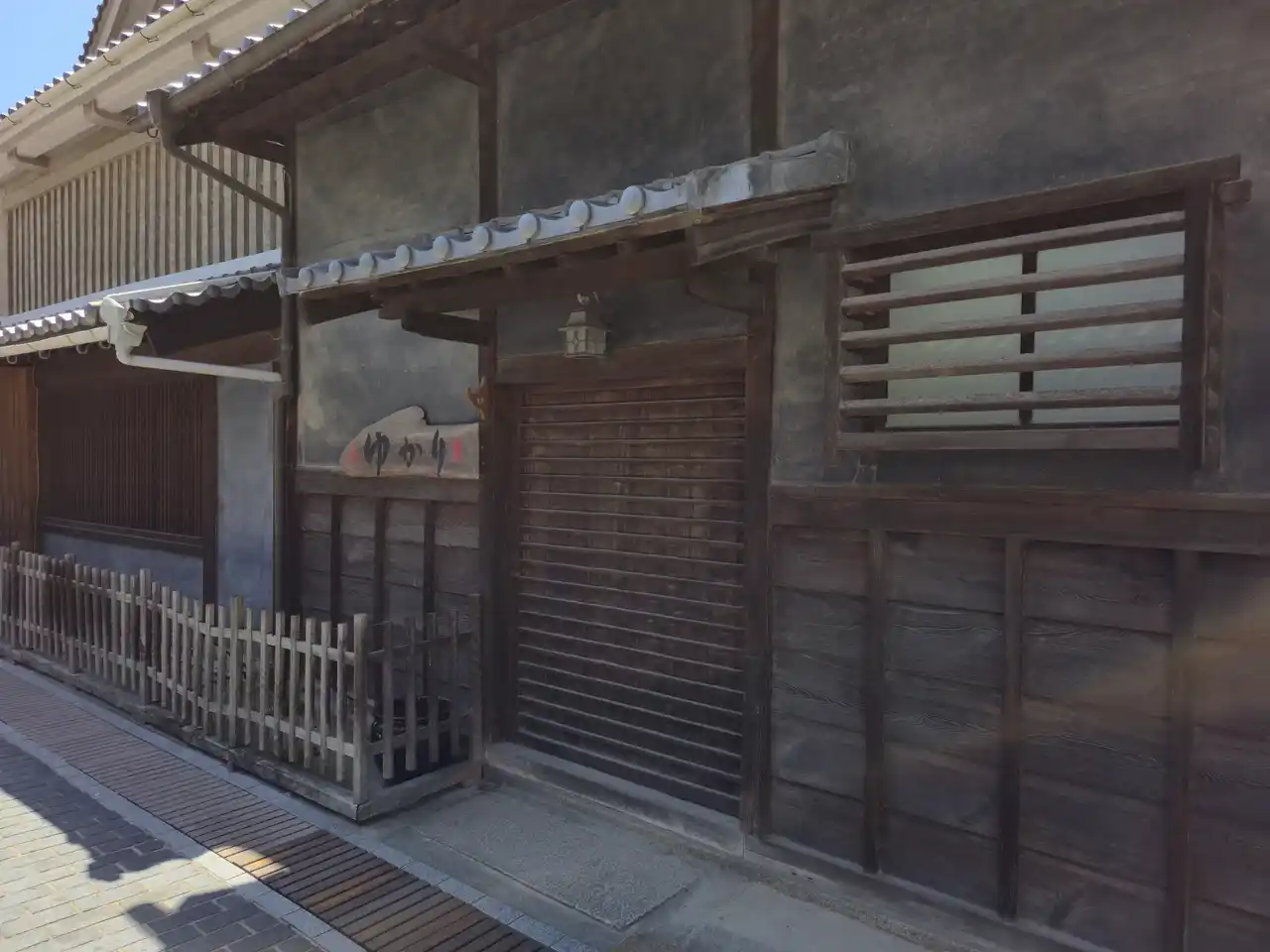
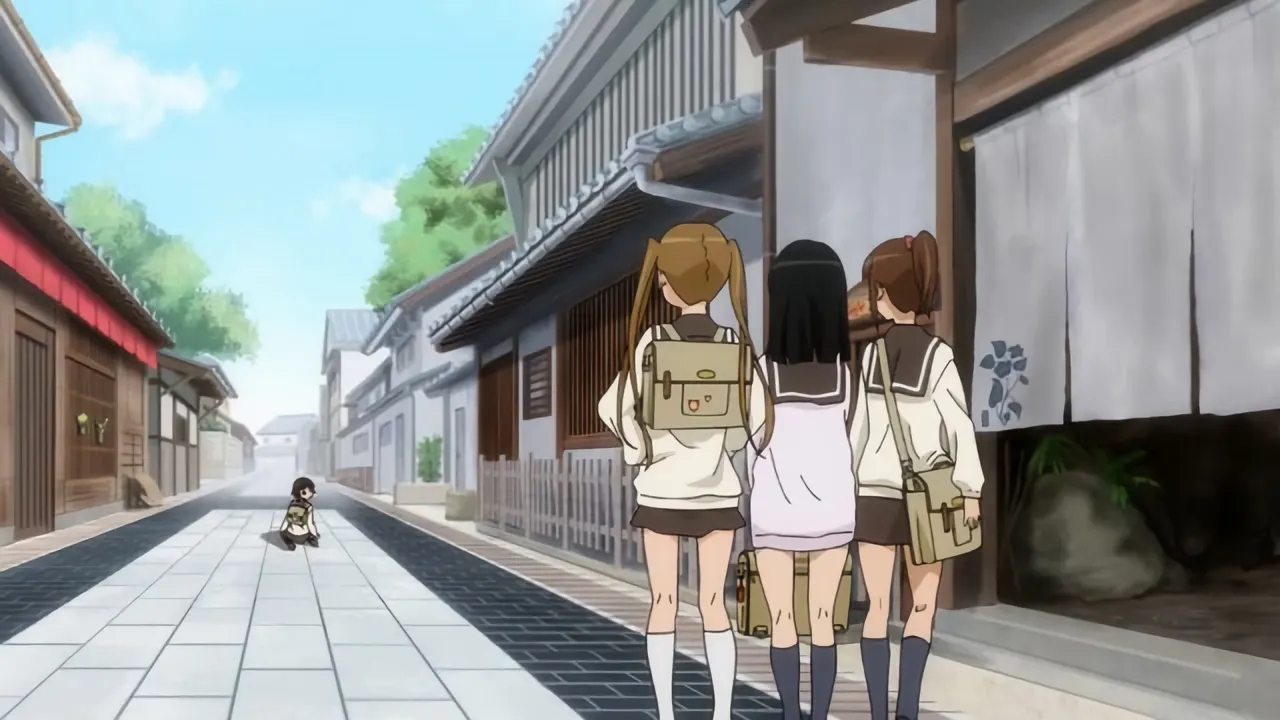
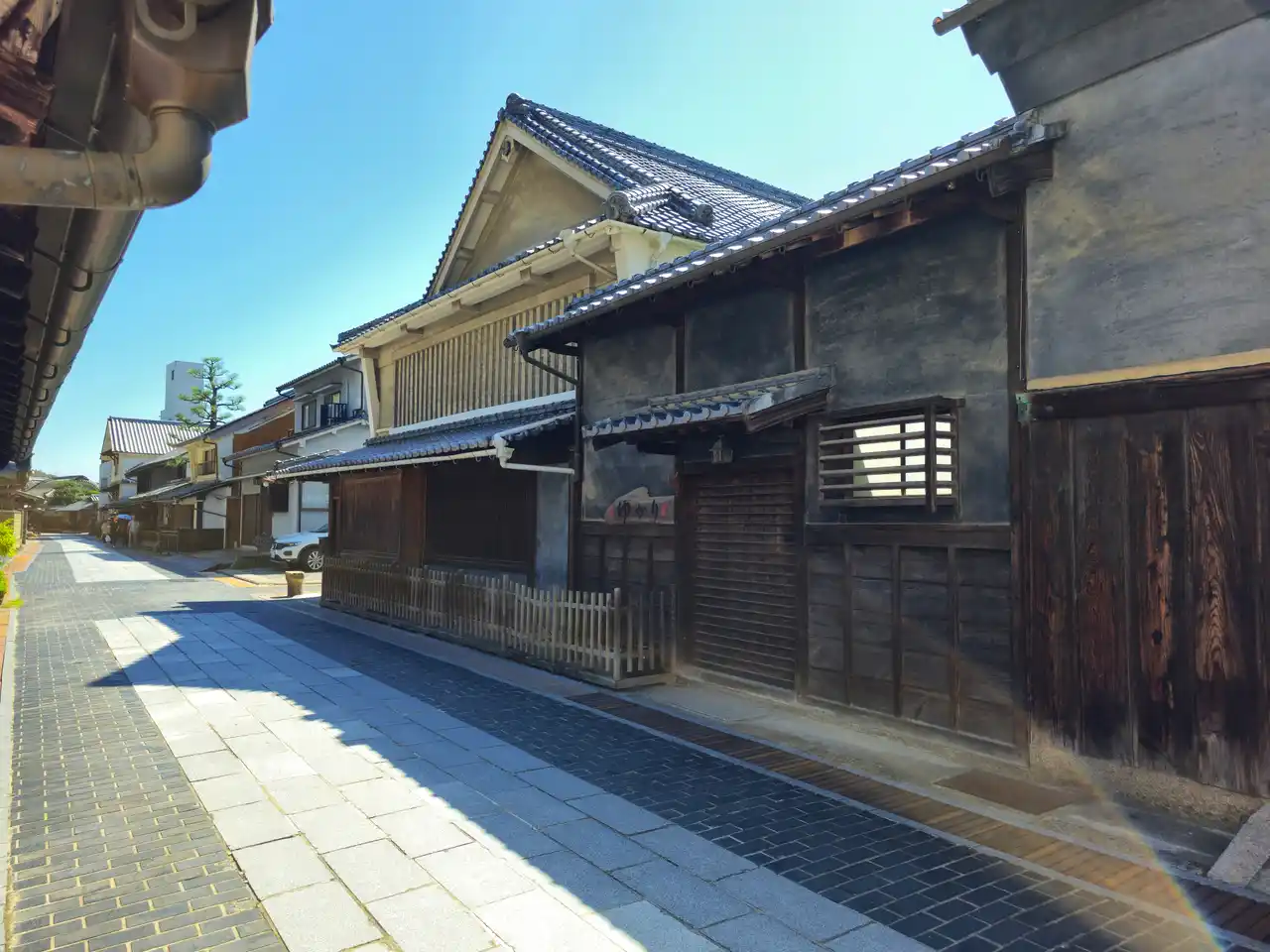
This is the shop that served as the model for "Tamayura Café," run by Fu's mother and grandmother.
Unfortunately, it couldn't survive the pandemic and closed down.
Shokei no Hiroba
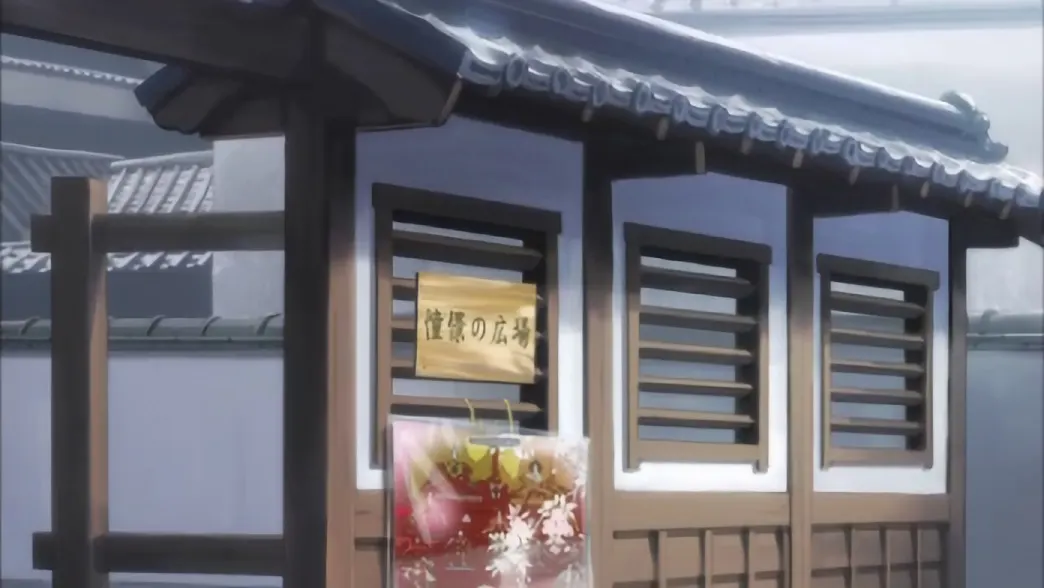
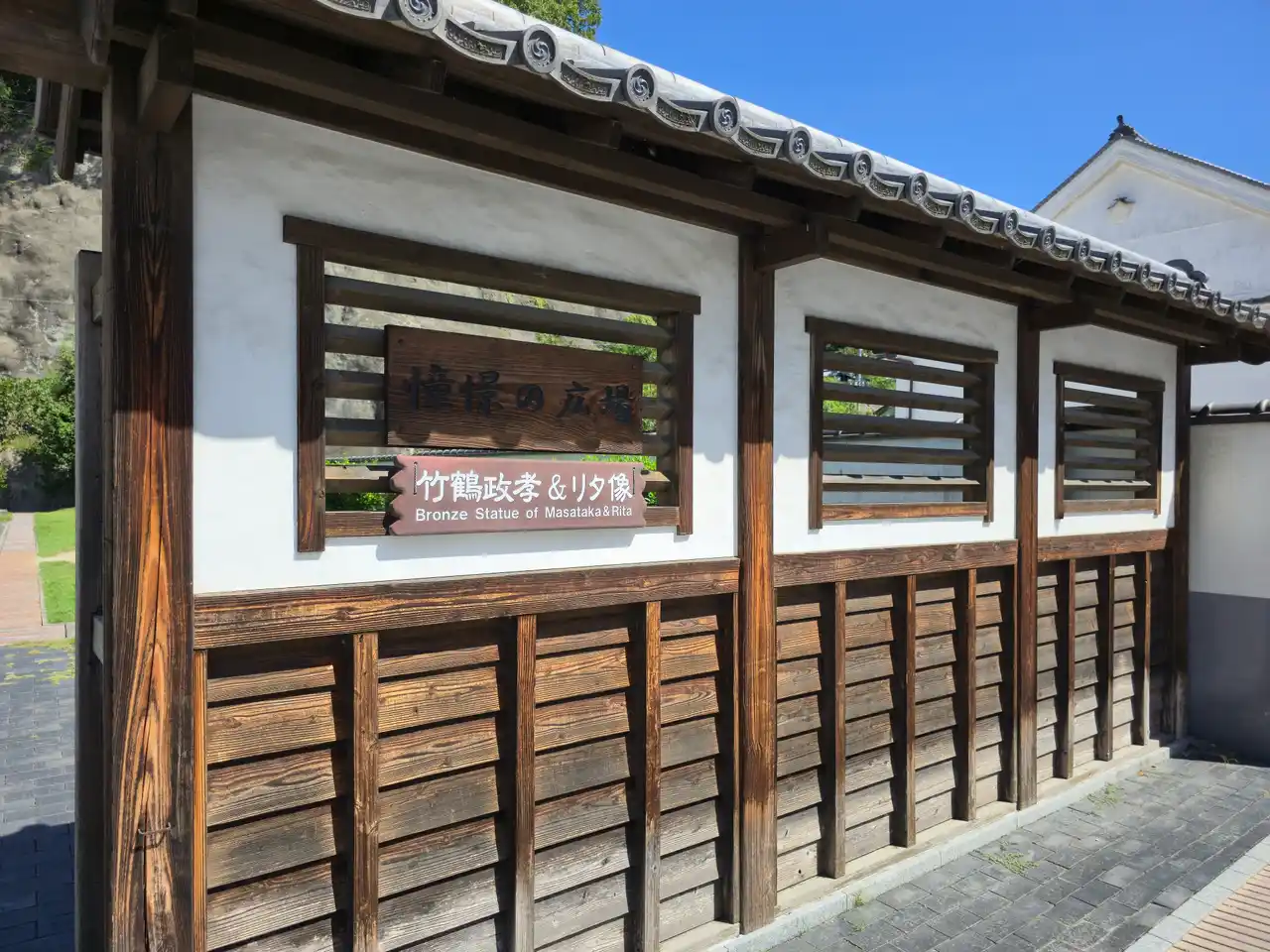
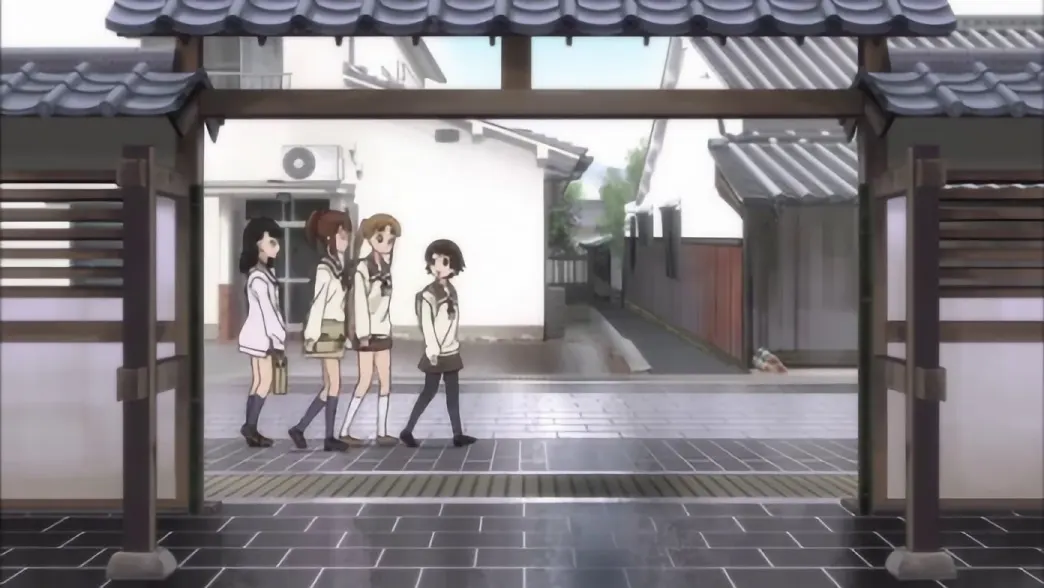
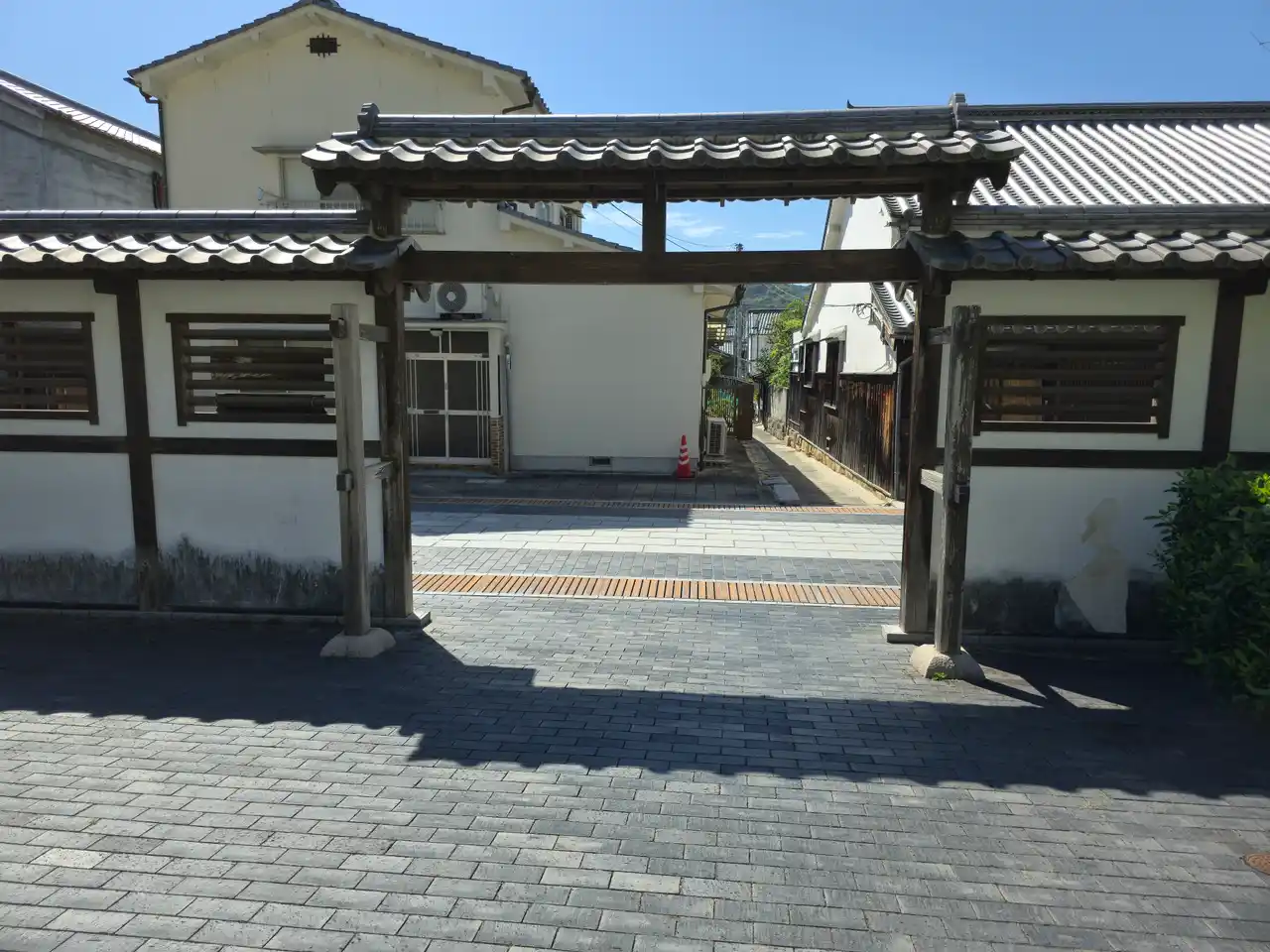
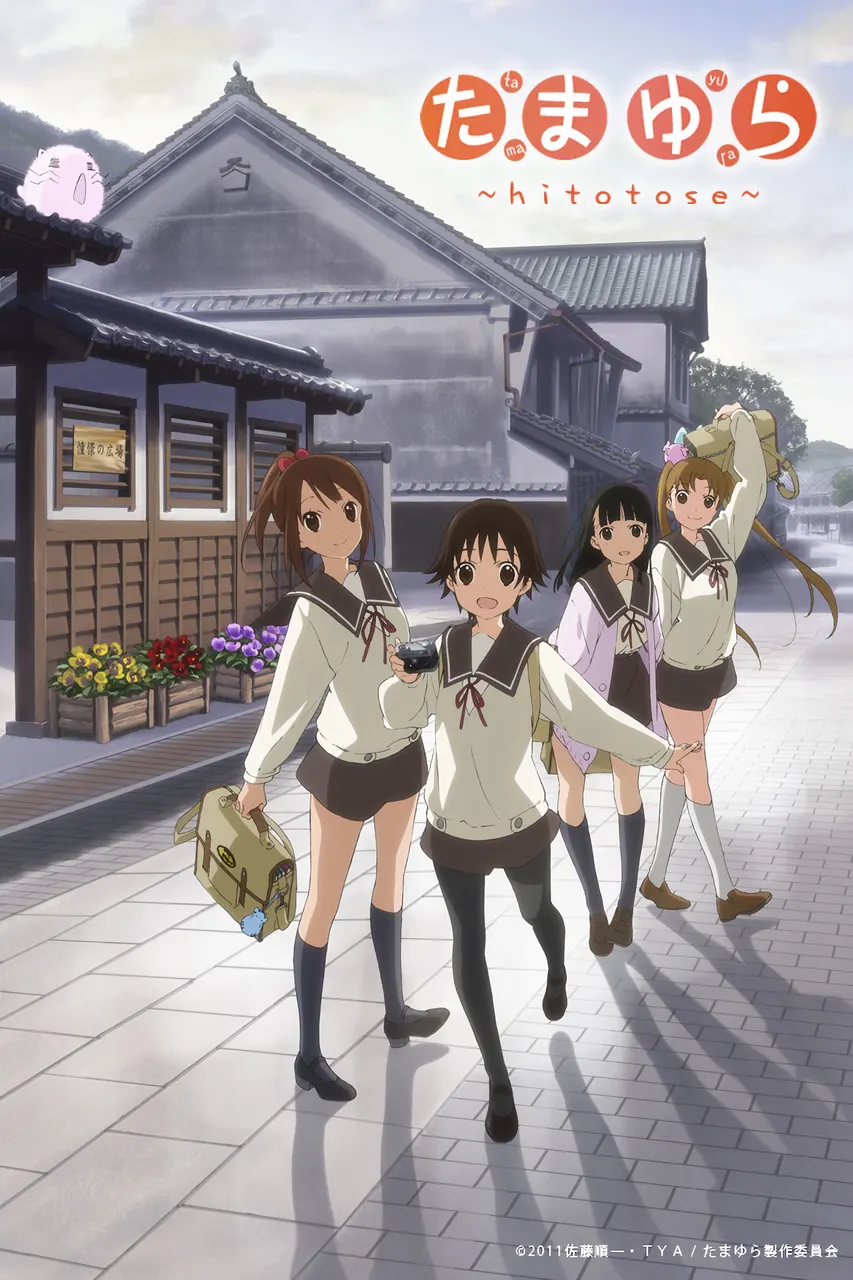
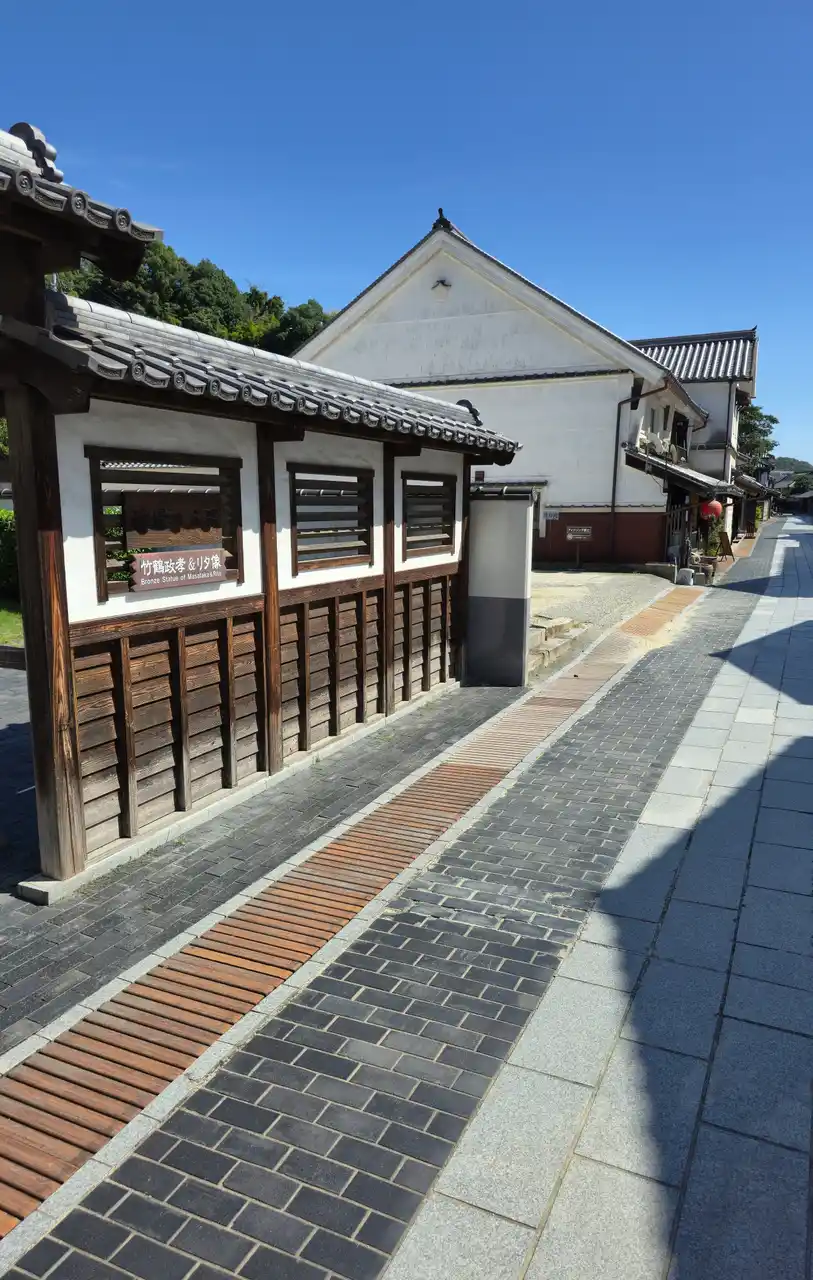
Also a filming location for the main view.
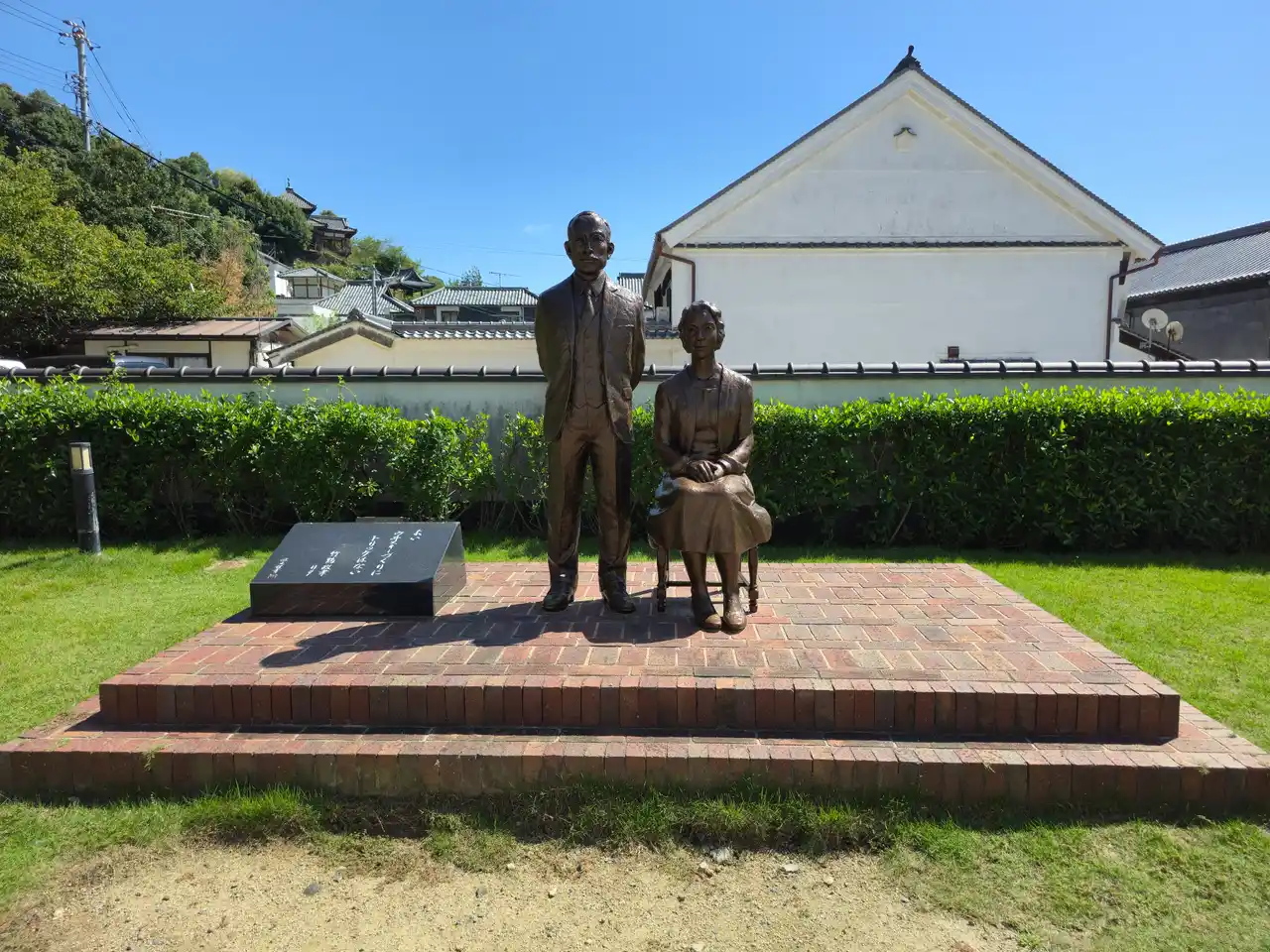
Statue of Masataka and Rita Taketsuru.
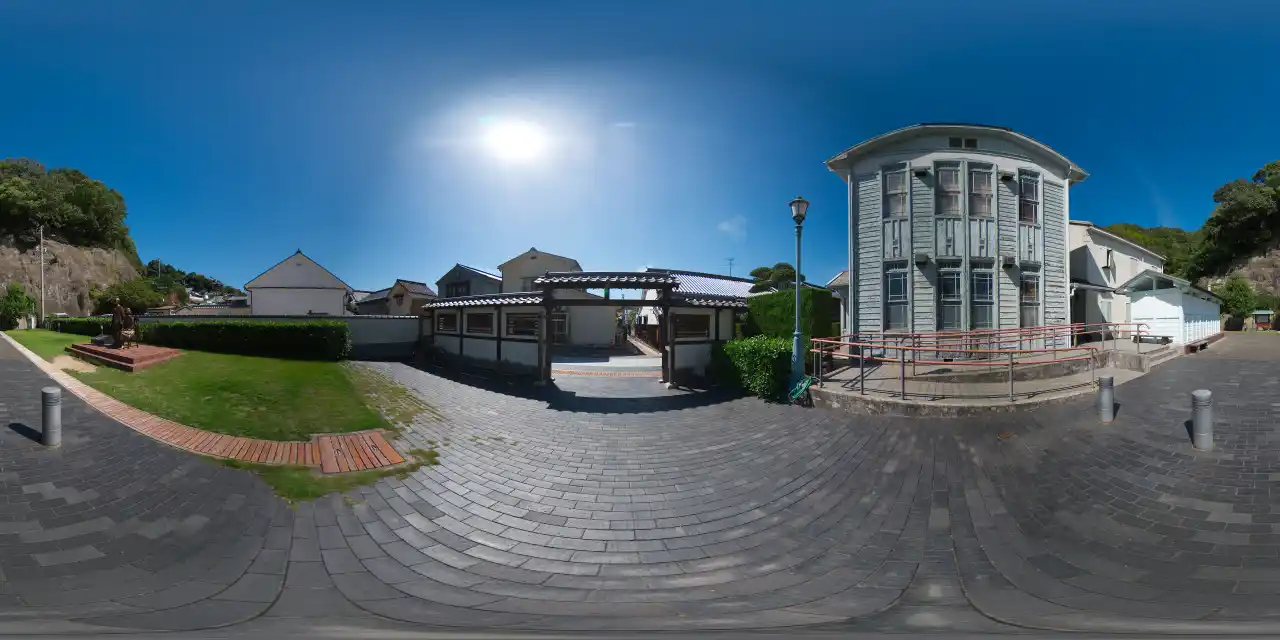
Panoramic photo.
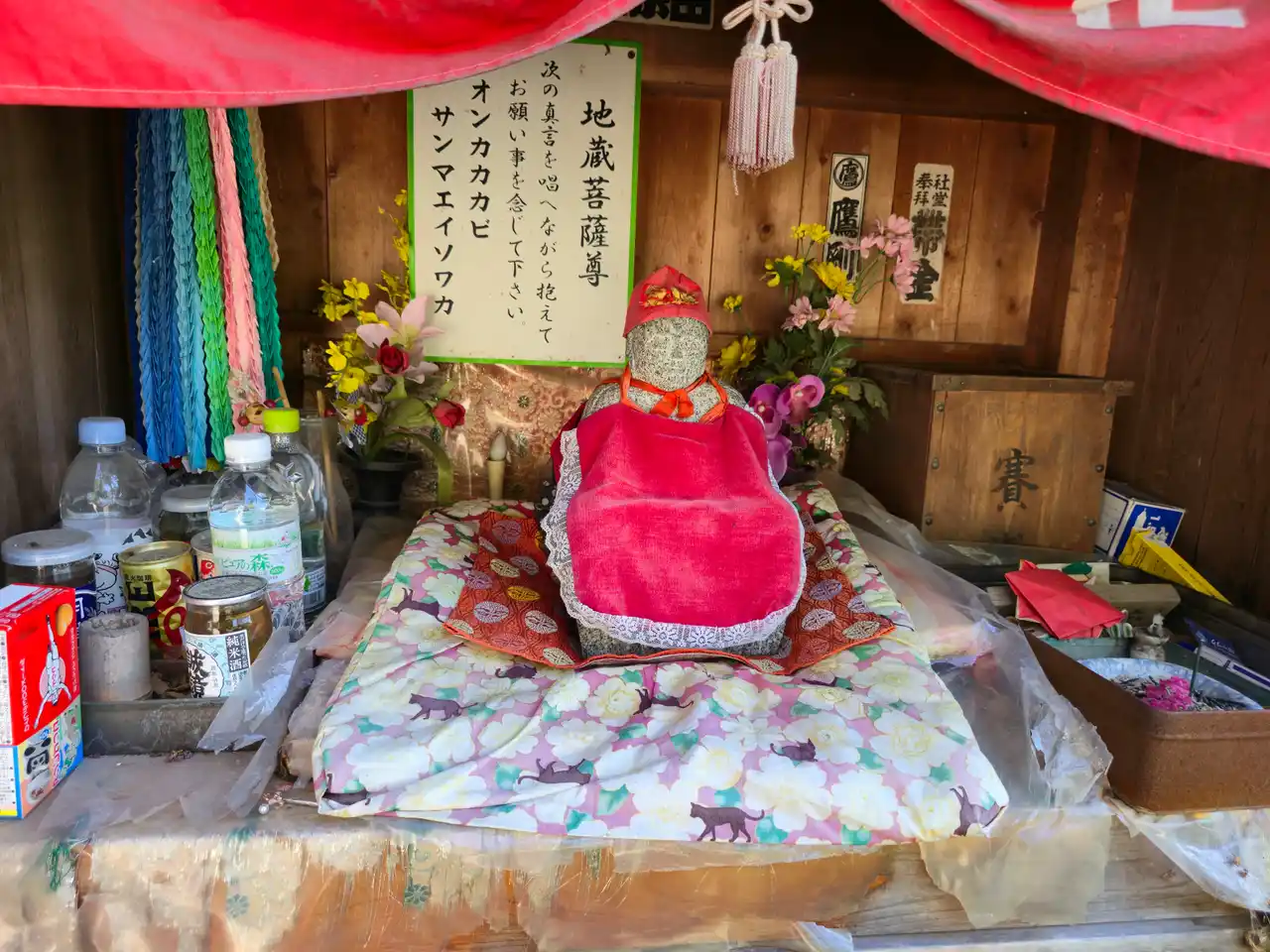
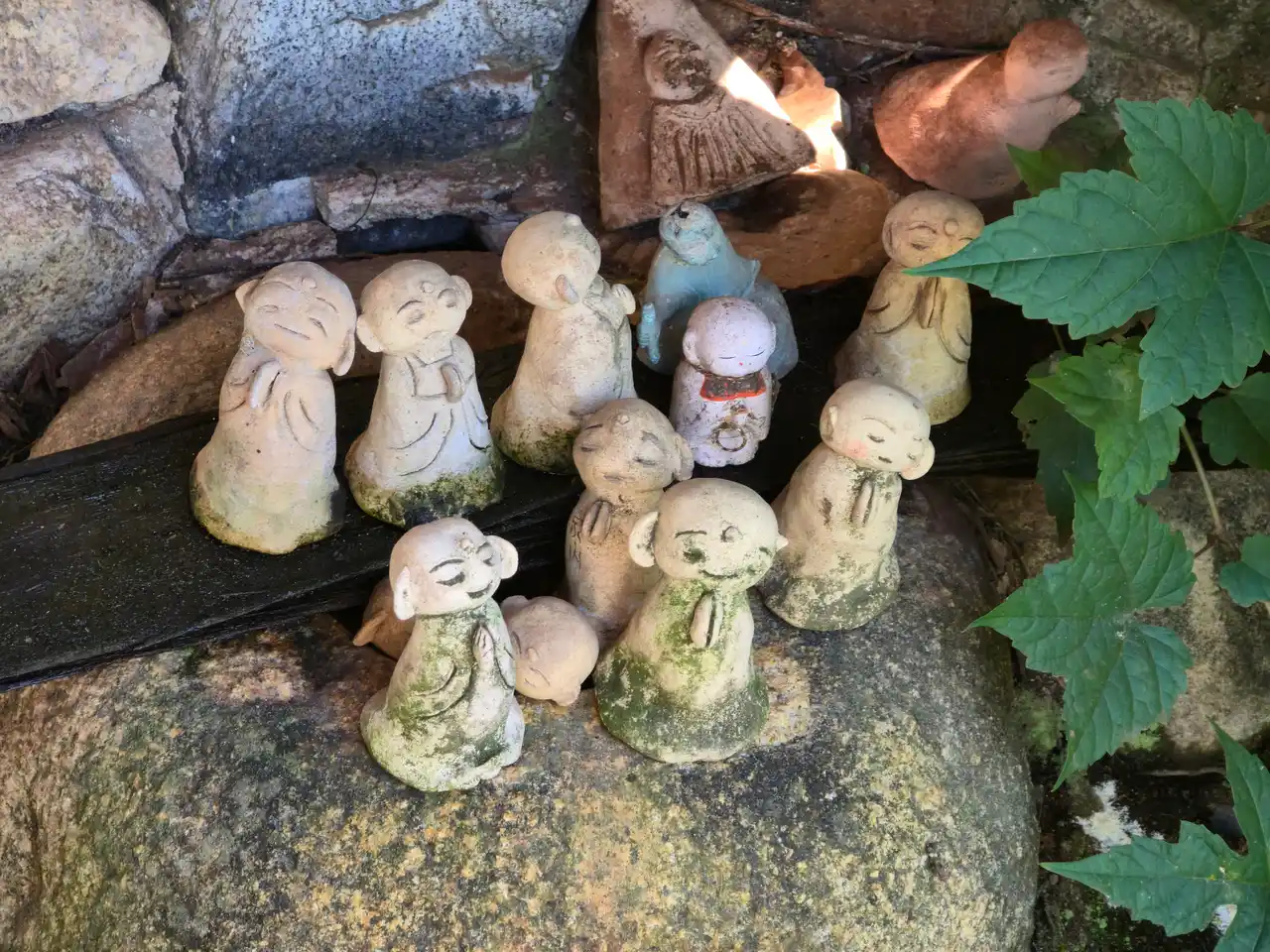
Okakae Jizo
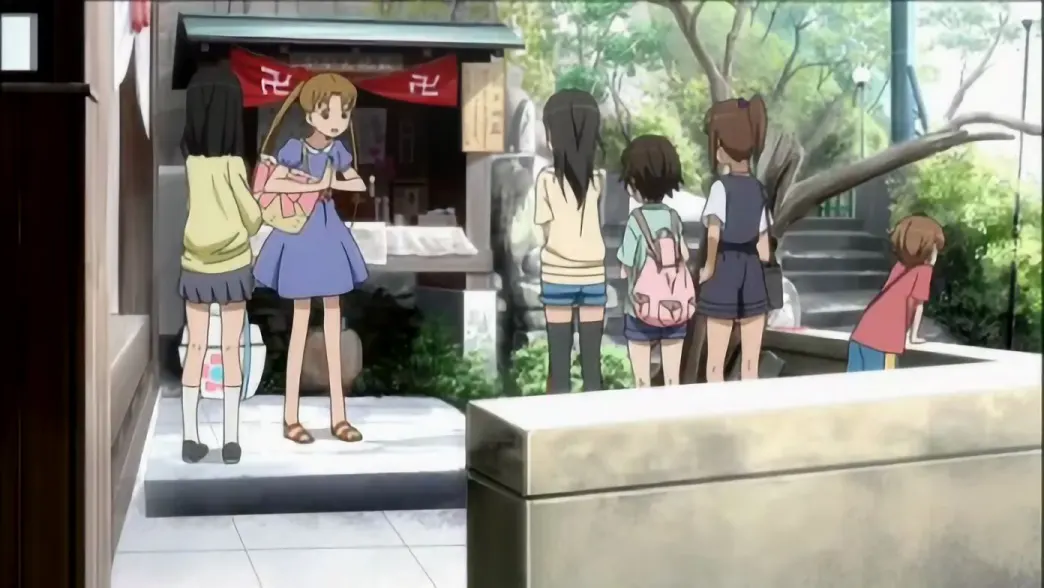
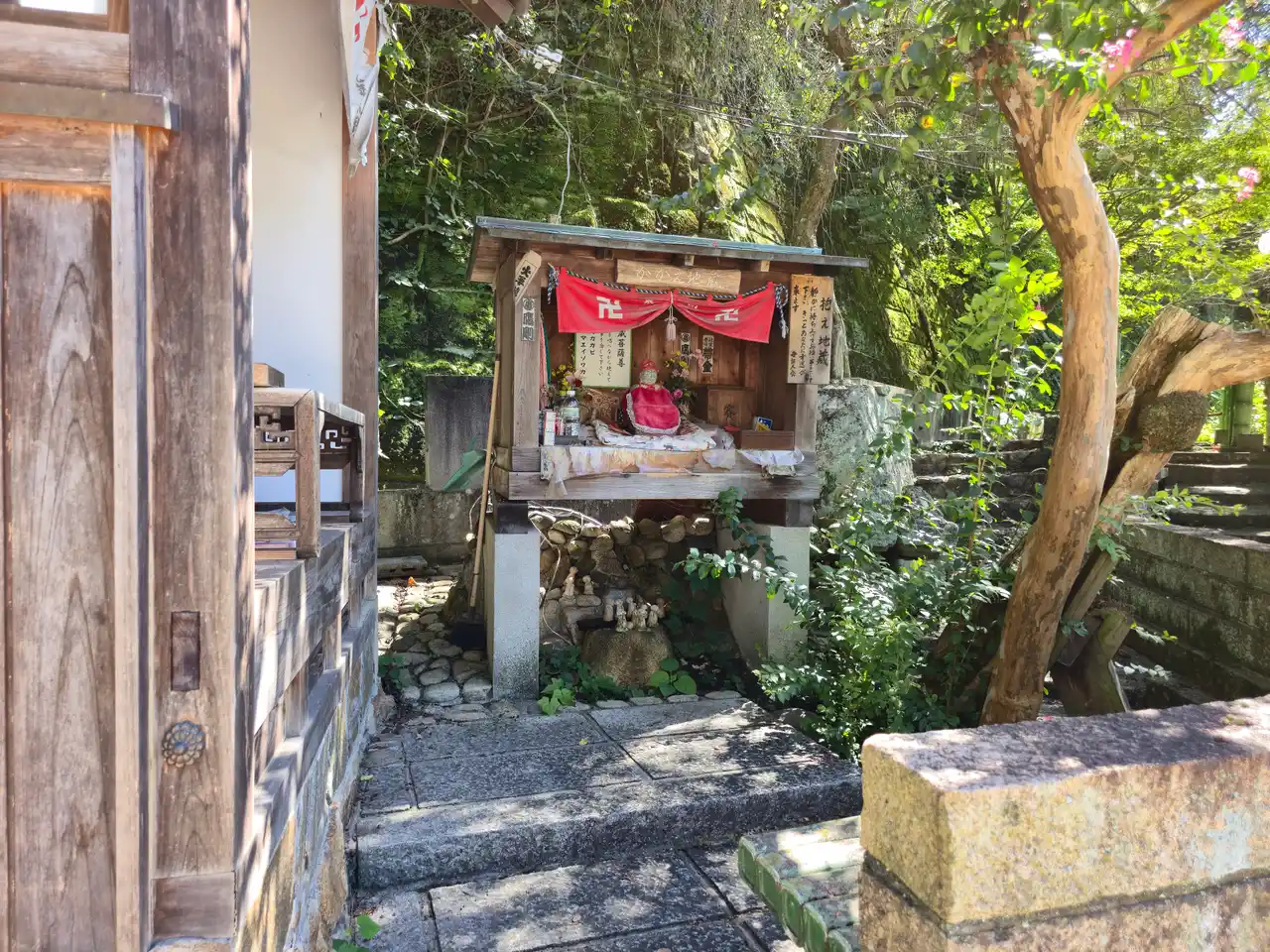
Legend has it that if you pick up the Jizo statue and make a wish, it will come true.
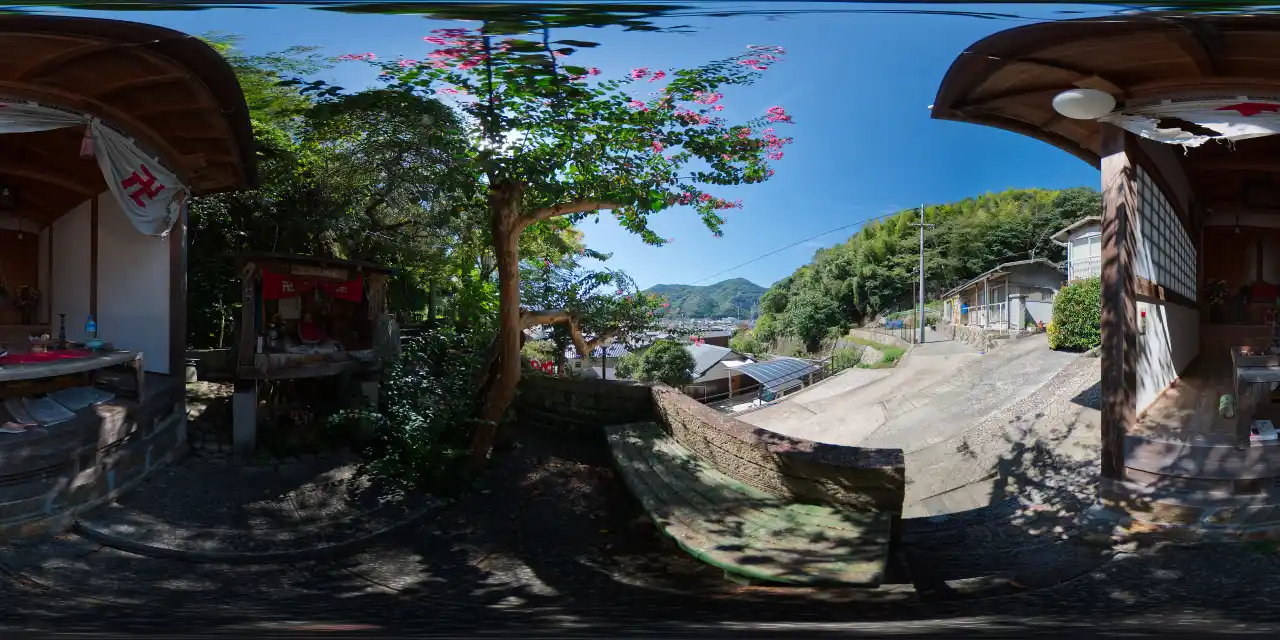
Ebisu-do
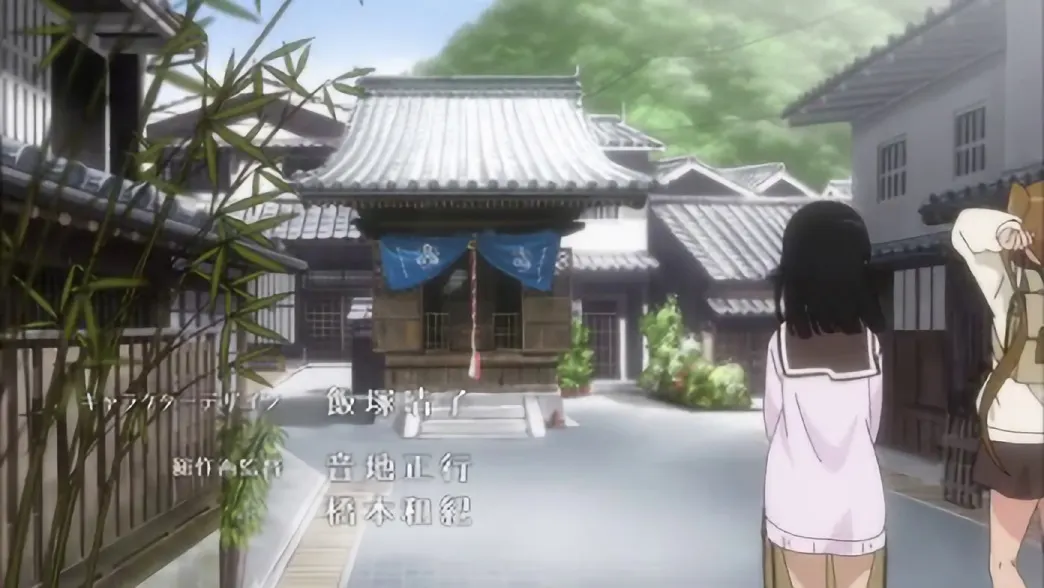
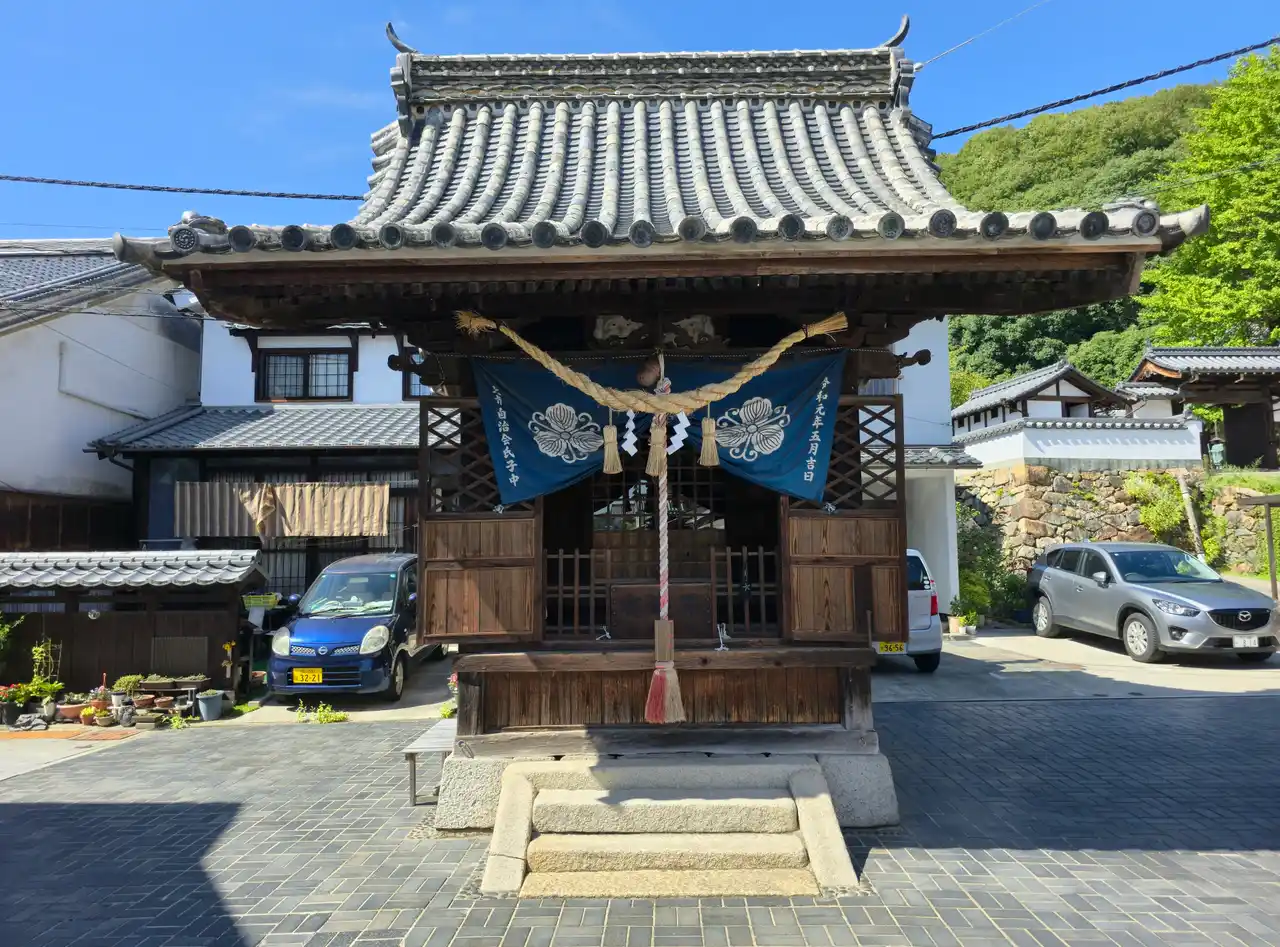
The Ebisu-do, where Potte took photos, also appeared as a setting in director Nobuhiko Obayashi's film "The Girl Who Leapt Through Time" (1983).
Shoren-ji Temple
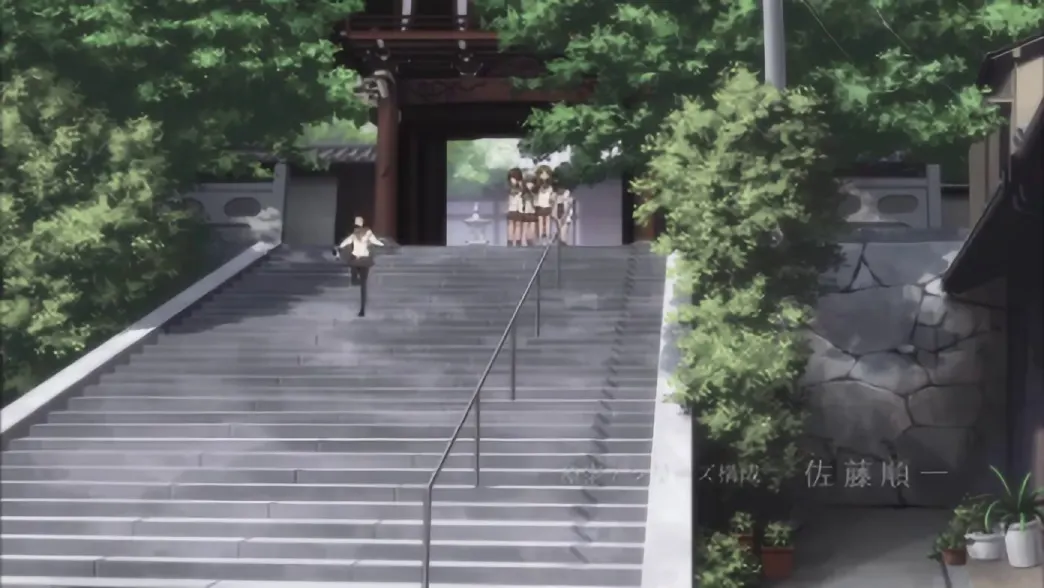
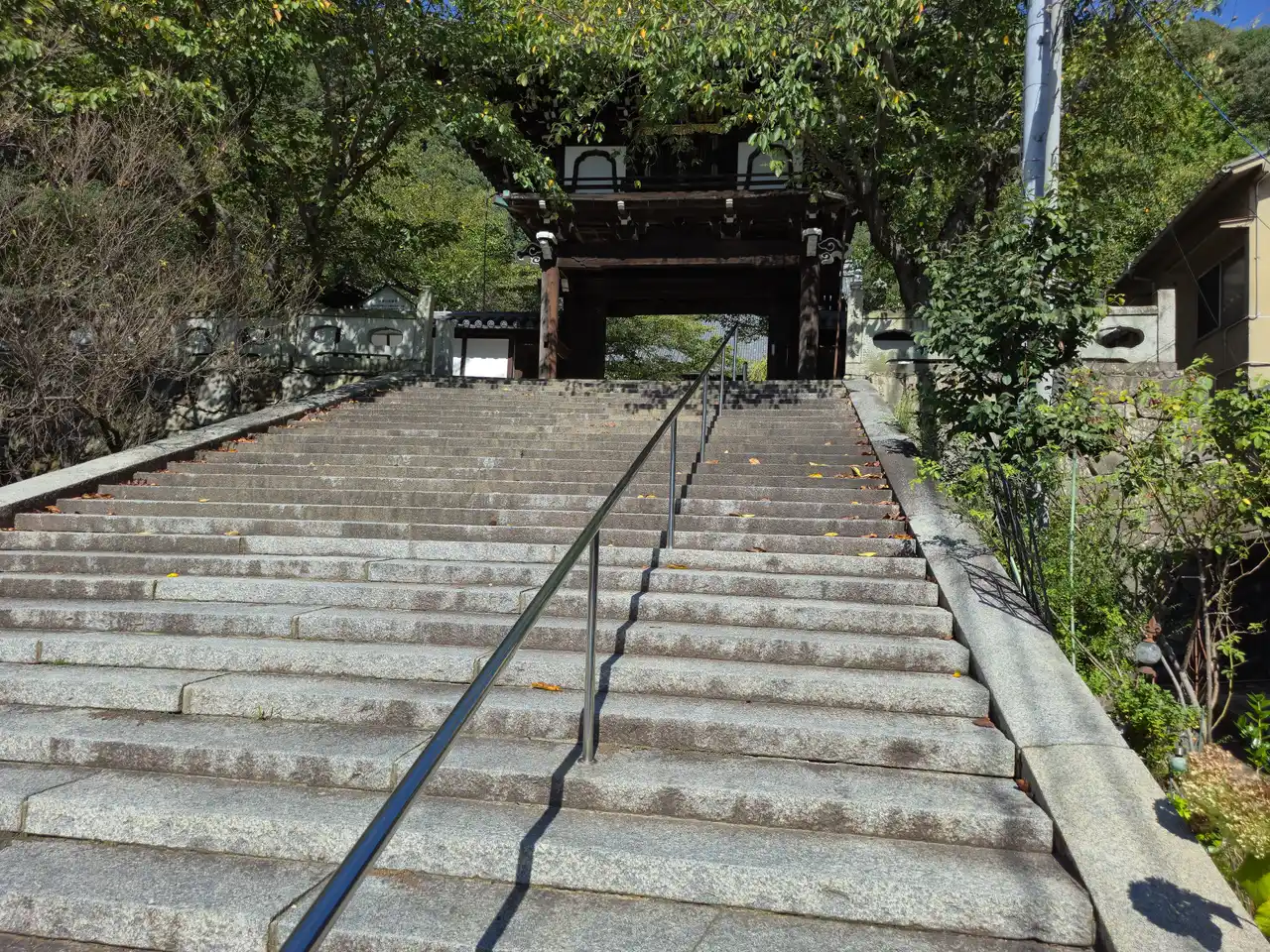
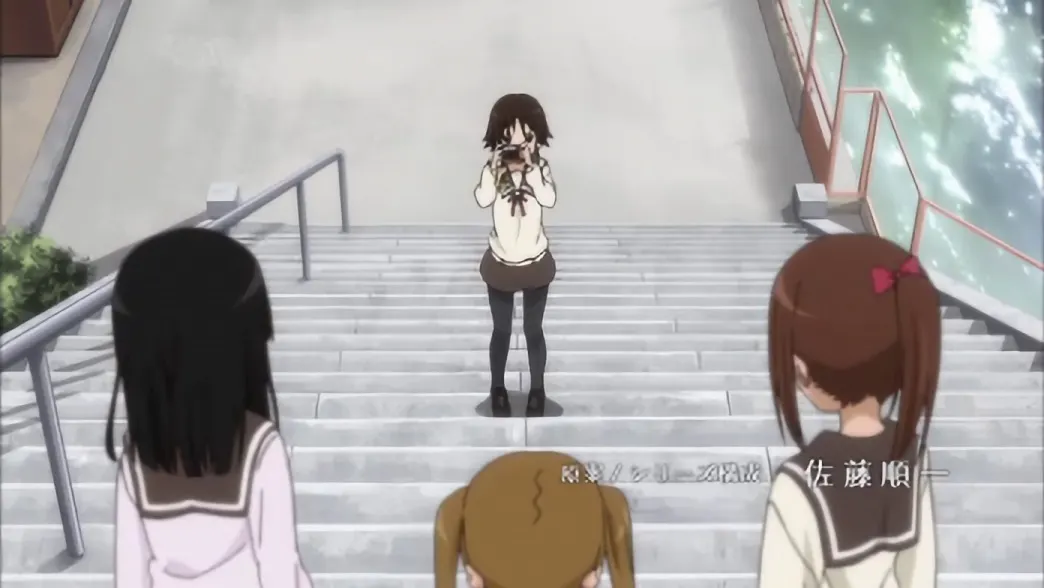
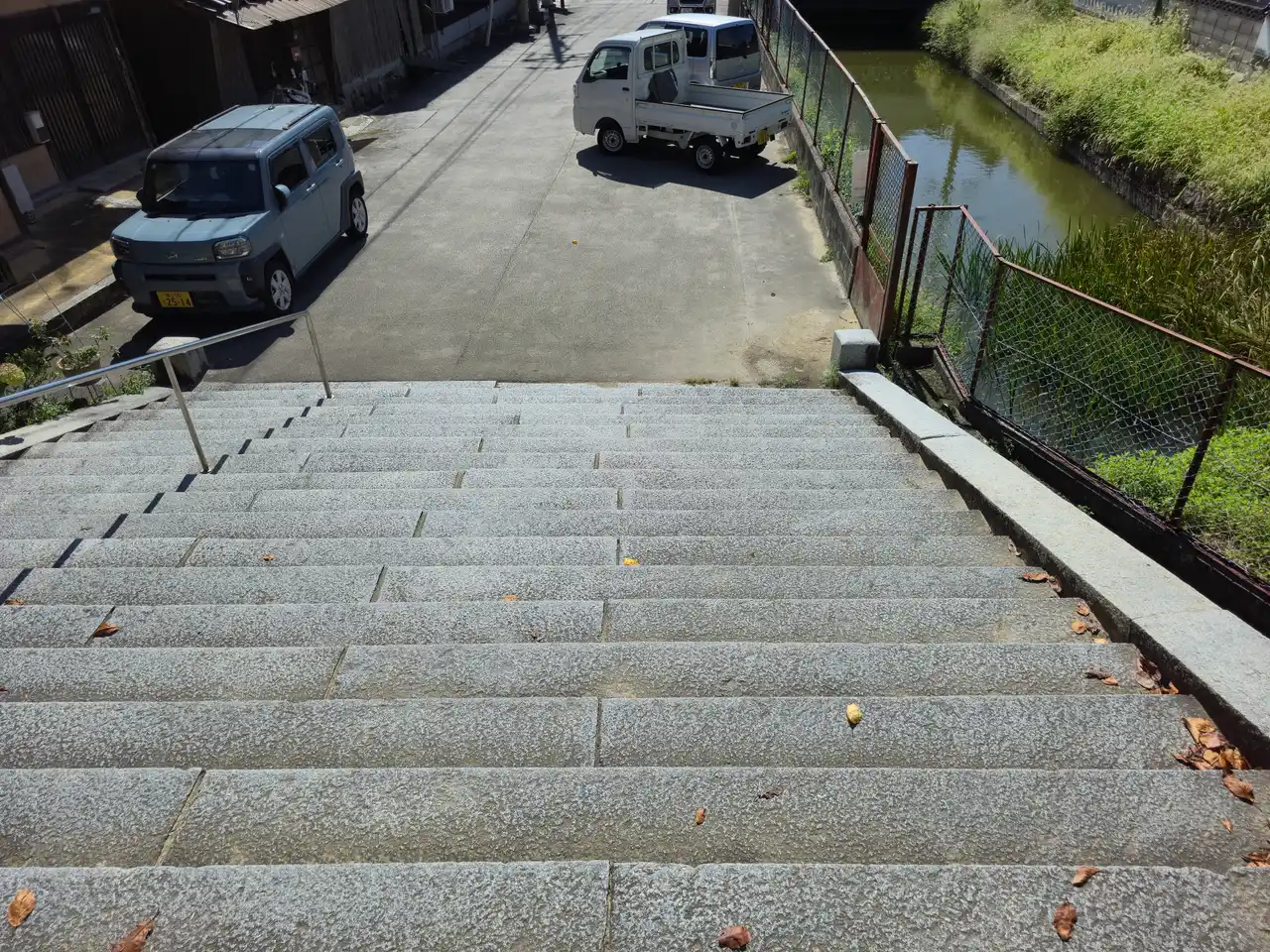
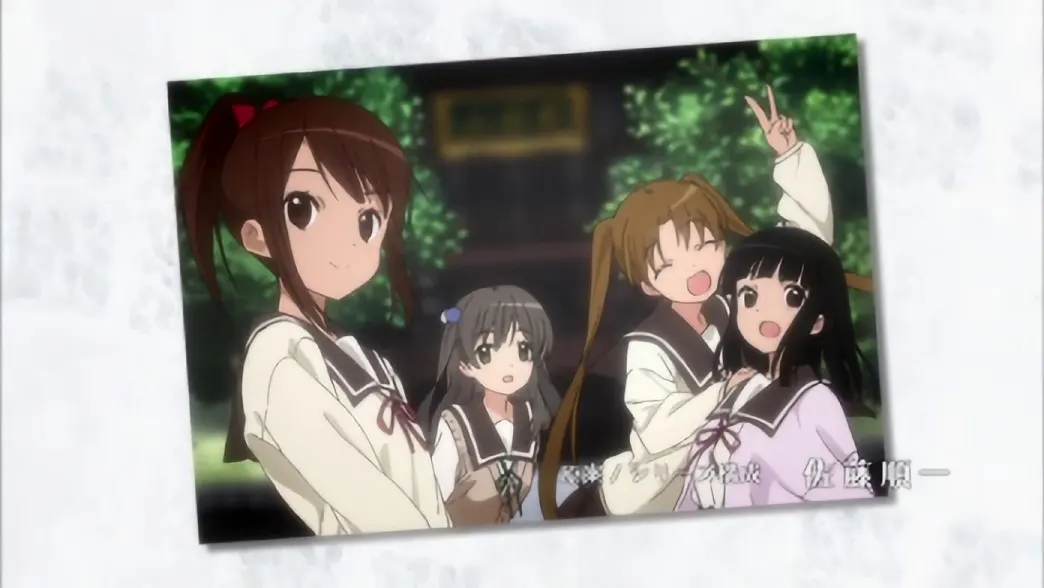
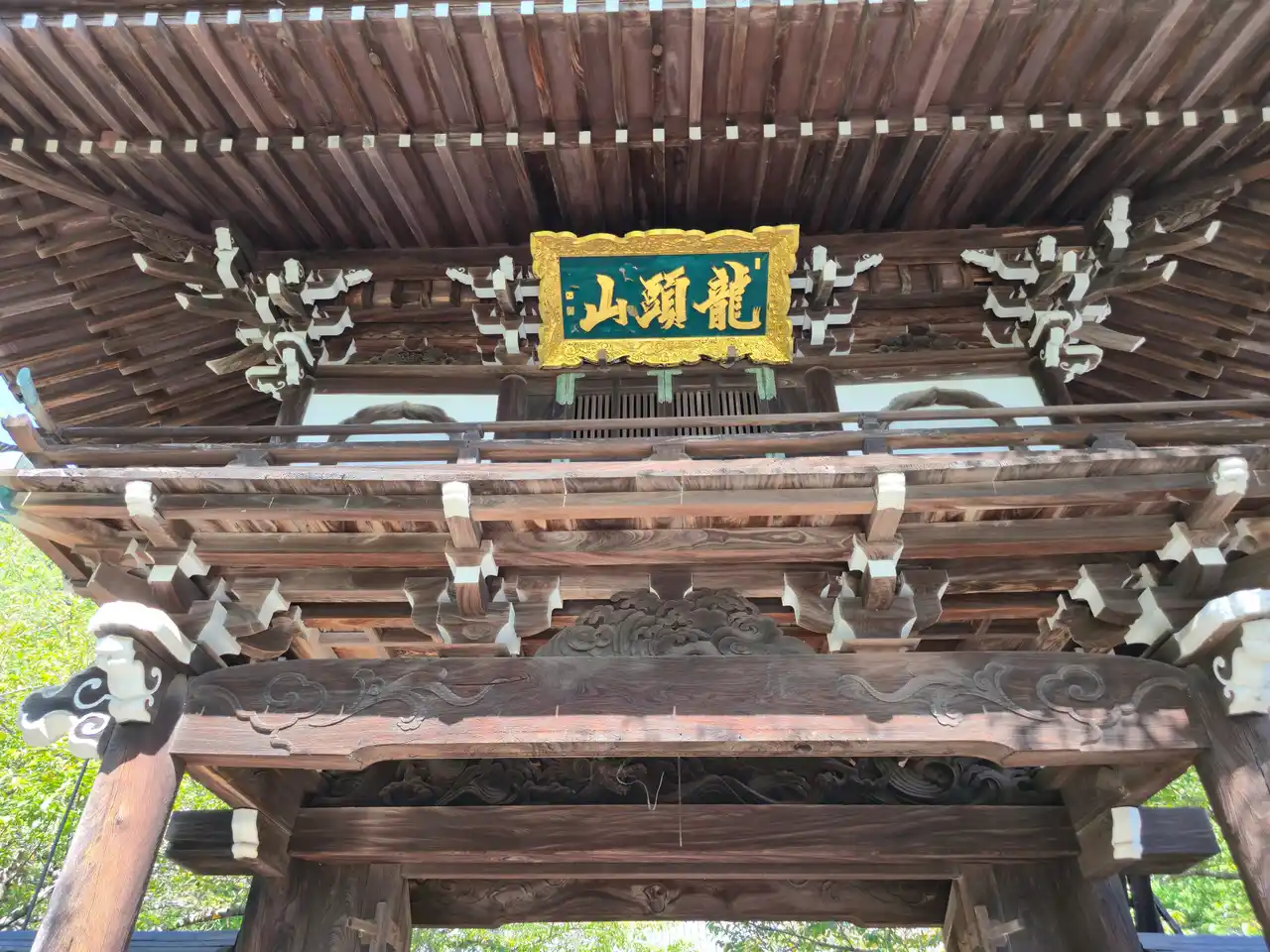
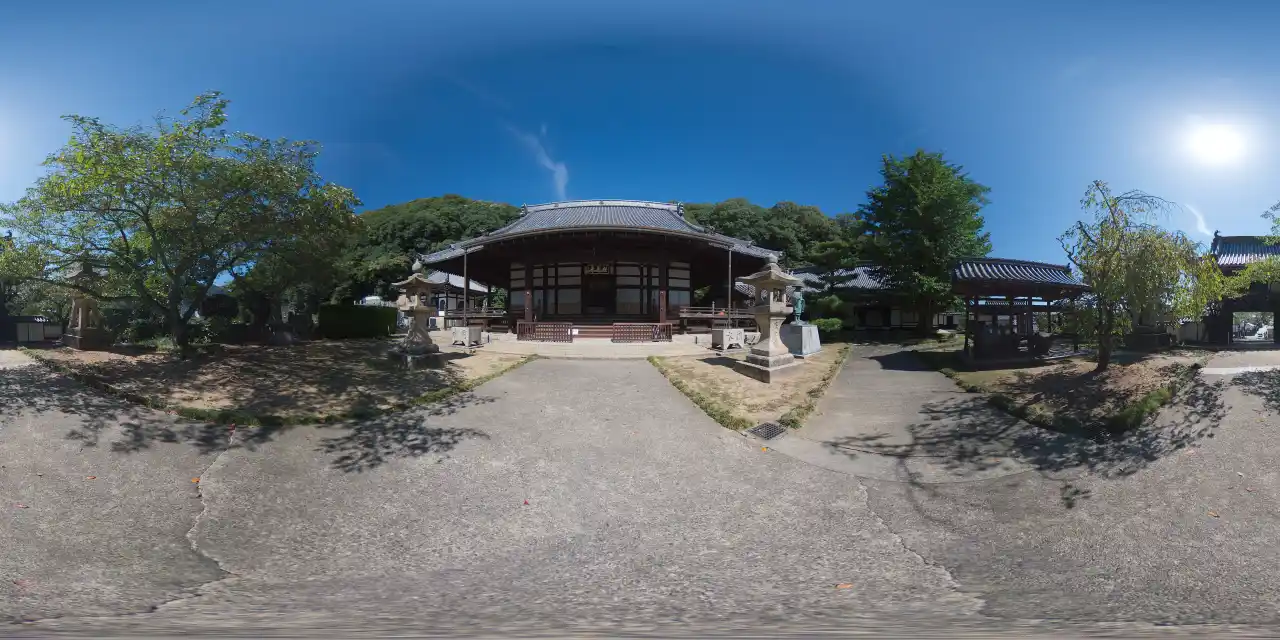
In the temple where the Potte ring the New Year's Eve bell, a national important cultural property—the "Koraisho" (Goryeo bell)—is preserved.
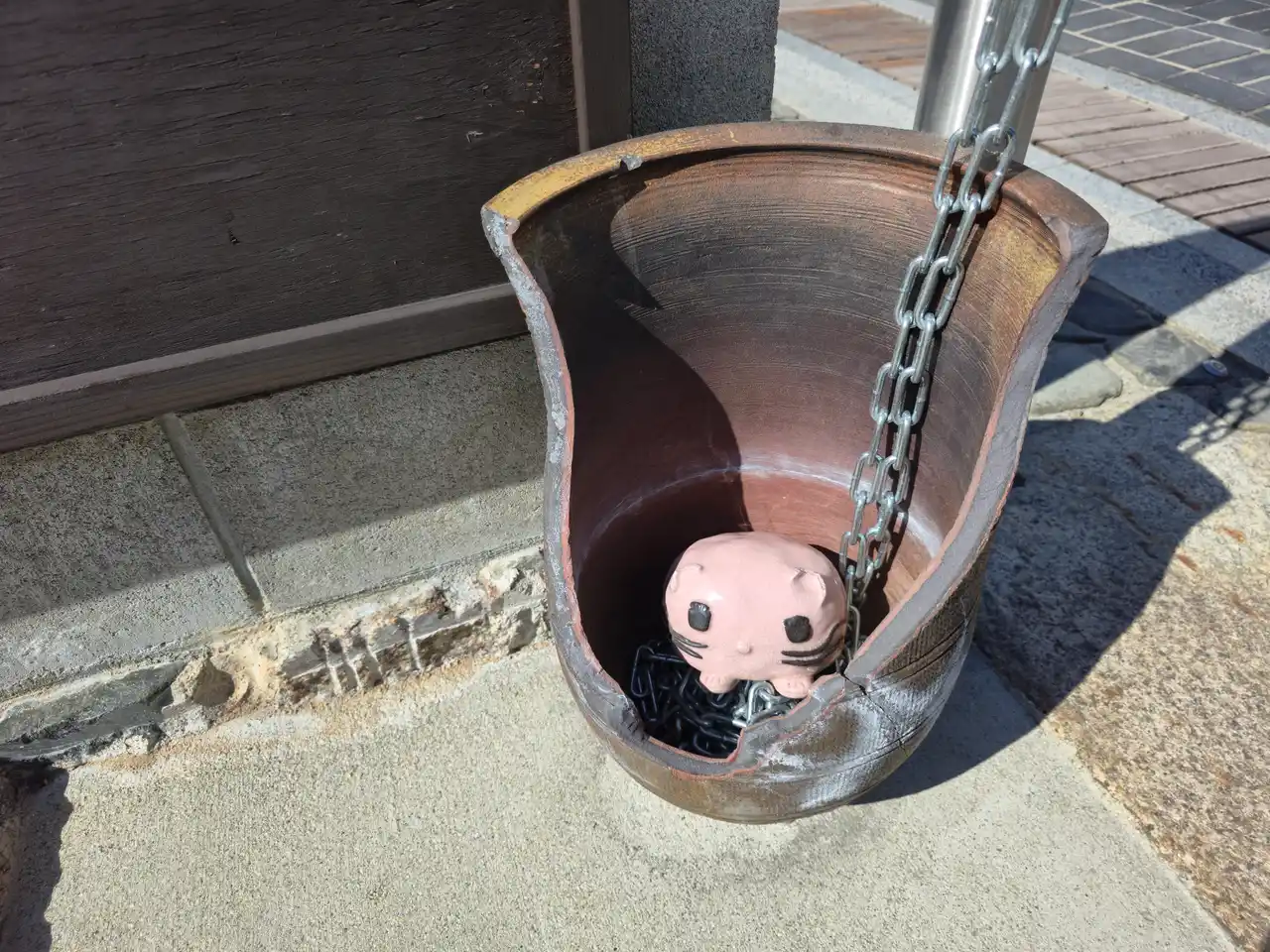
I happened to find a well-hidden Momoneko-sama on the roadside.
Next Episode Preview
That concludes the pilgrimage to the "Takehara Historical Preservation District." Next, we will explore the roads the main characters use for their daily commute to school. Stay tuned.