Moe is justice! A small site that occasionally shares ACG event logs and interesting code.




Visiting the World Heritage Site: A Pilgrimage to Shirakawa-go, the Sacred Place of Higurashi When They Cry - Part 1
On November 23, 2025, a sunny day, I visited Shirakawa-go, a World Heritage Site and the sacred place of Higurashi When They Cry.
This is Part 1.
About Shirakawa-go
Shirakawa-go is located in Gifu Prefecture, Japan, and is famous for its unique Gassho-zukuri thatched-roof houses. It is a UNESCO World Cultural Heritage site. The village has distinct seasonal scenery, with winter snow contrasting beautifully with the traditional architecture, creating a unique mountain village landscape. Local residents still maintain traditional lifestyles, making it an important place to experience Japan's rural culture and architectural history.
How to Get to Shirakawa-go
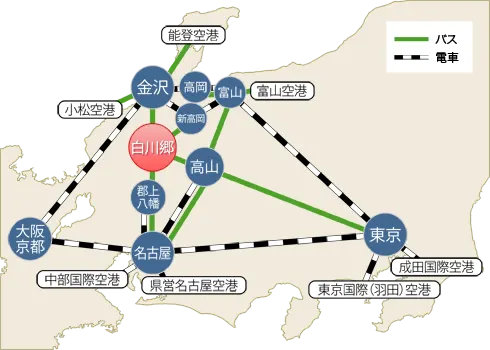
The main way to get to Shirakawa-go is by highway bus.
You can take buses from Nagoya, Takayama, Toyama, Takaoka, or Kanazawa.
This time, I chose to take the Shinkansen from Tokyo to Shin-Takaoka, and then a highway bus from Takaoka to Shirakawa-go.
The reason is simple: the buses from other areas were fully booked for the 9:00 AM departure.
From my observation, the number of passengers from Takaoka to Shirakawa-go is currently the smallest.
About Booking Buses
You can book through the following platform:
However, you need a credit card and a Japanese payment method.
Of course, you can also try your luck with non-reservation buses, but that adds uncertainty to the trip.
For specific departure times and whether buses are reservation-only, refer to the following website:
https://www.nouhibus.co.jp/highwaybus/kanazawa/
First Sight of Hinamizawa (Shirakawa-go)
As everyone knows, most of the scenes in Higurashi When They Cry are based on Shirakawa-go, making it not only a tourist attraction but also a sacred place for anime fans.
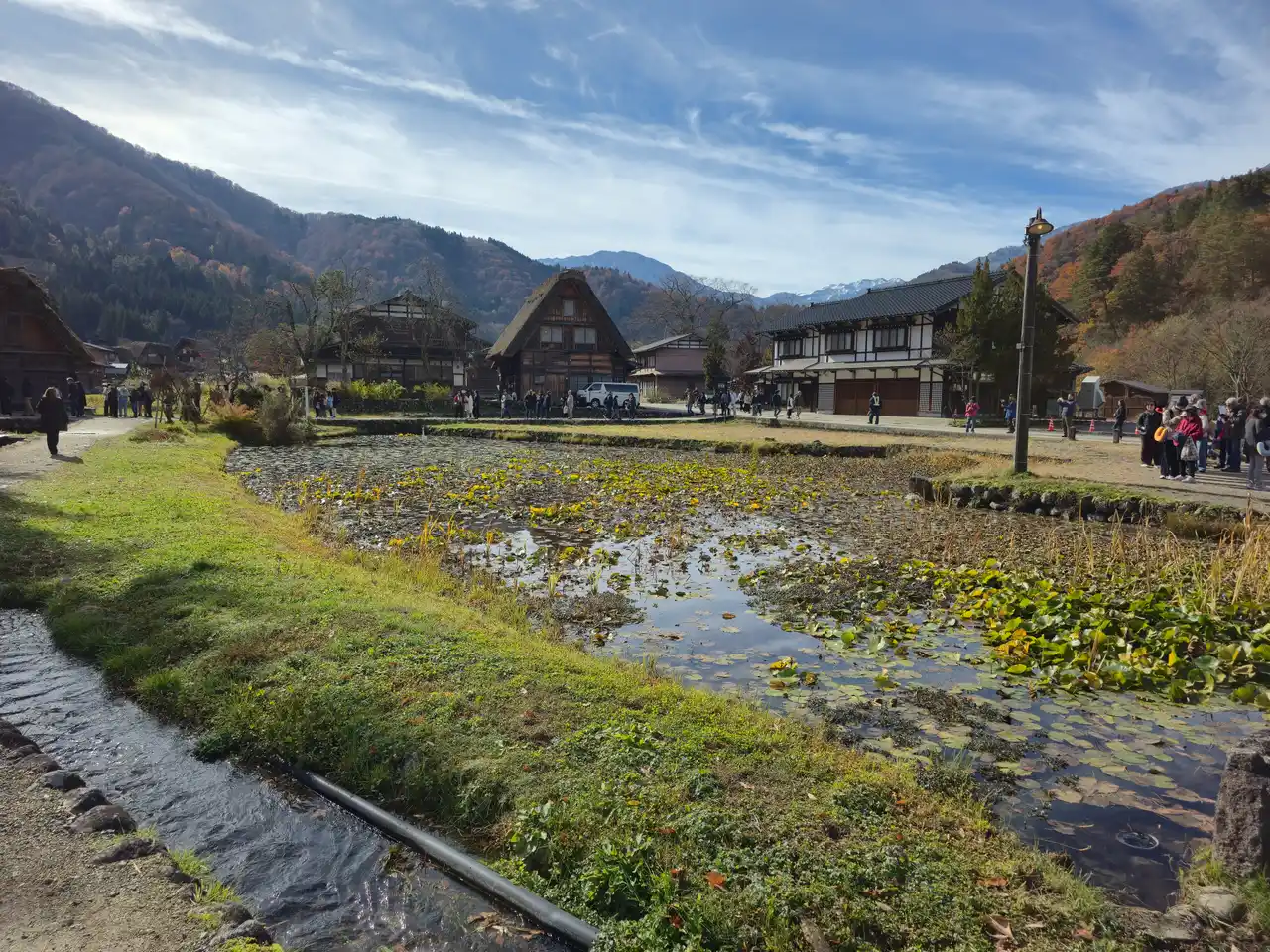
I was captivated by the beautiful scenery as soon as I got off the bus.
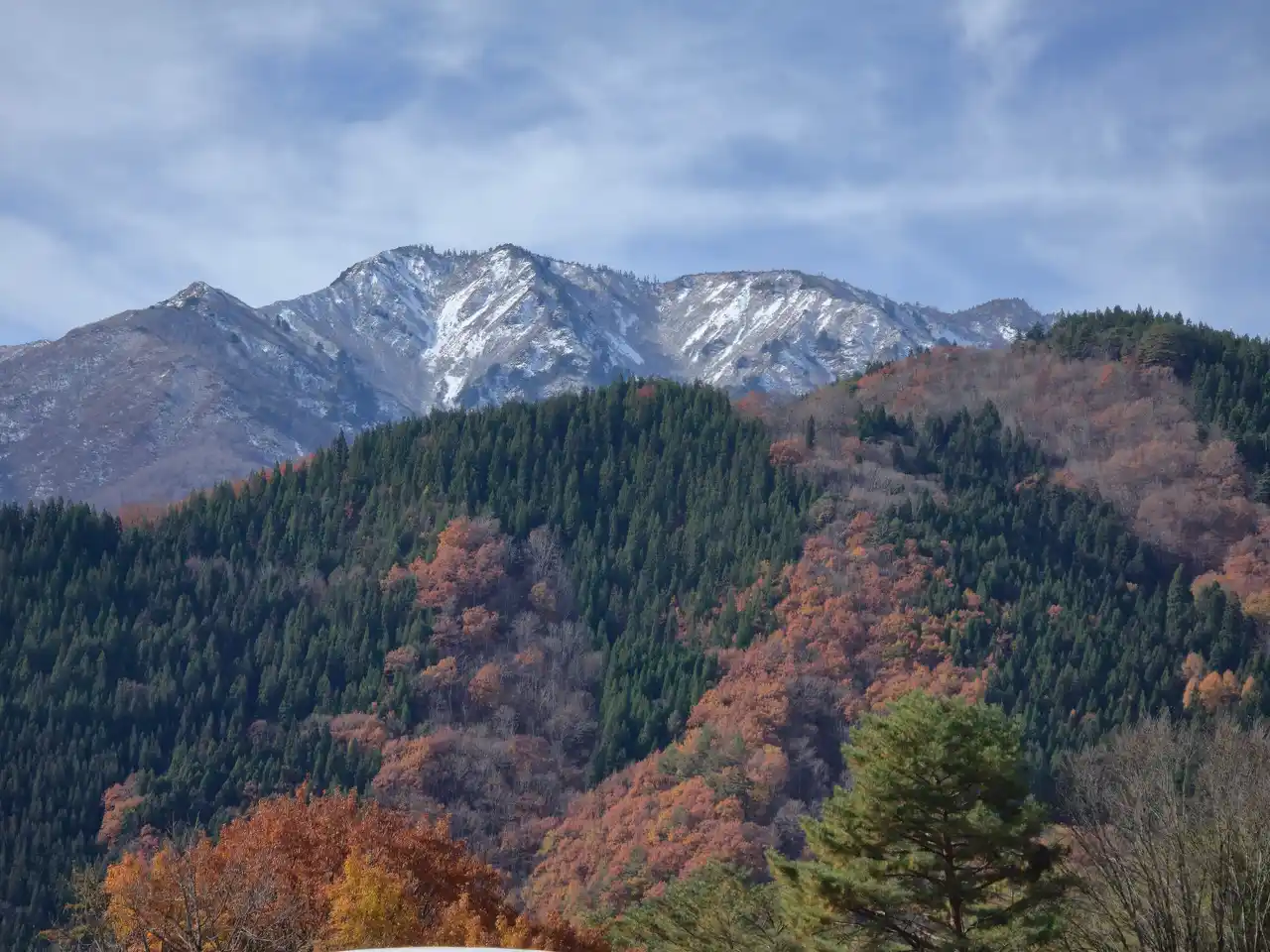
The autumn scenery in the distance, paired with the snowy mountains beyond, was absolutely wonderful!
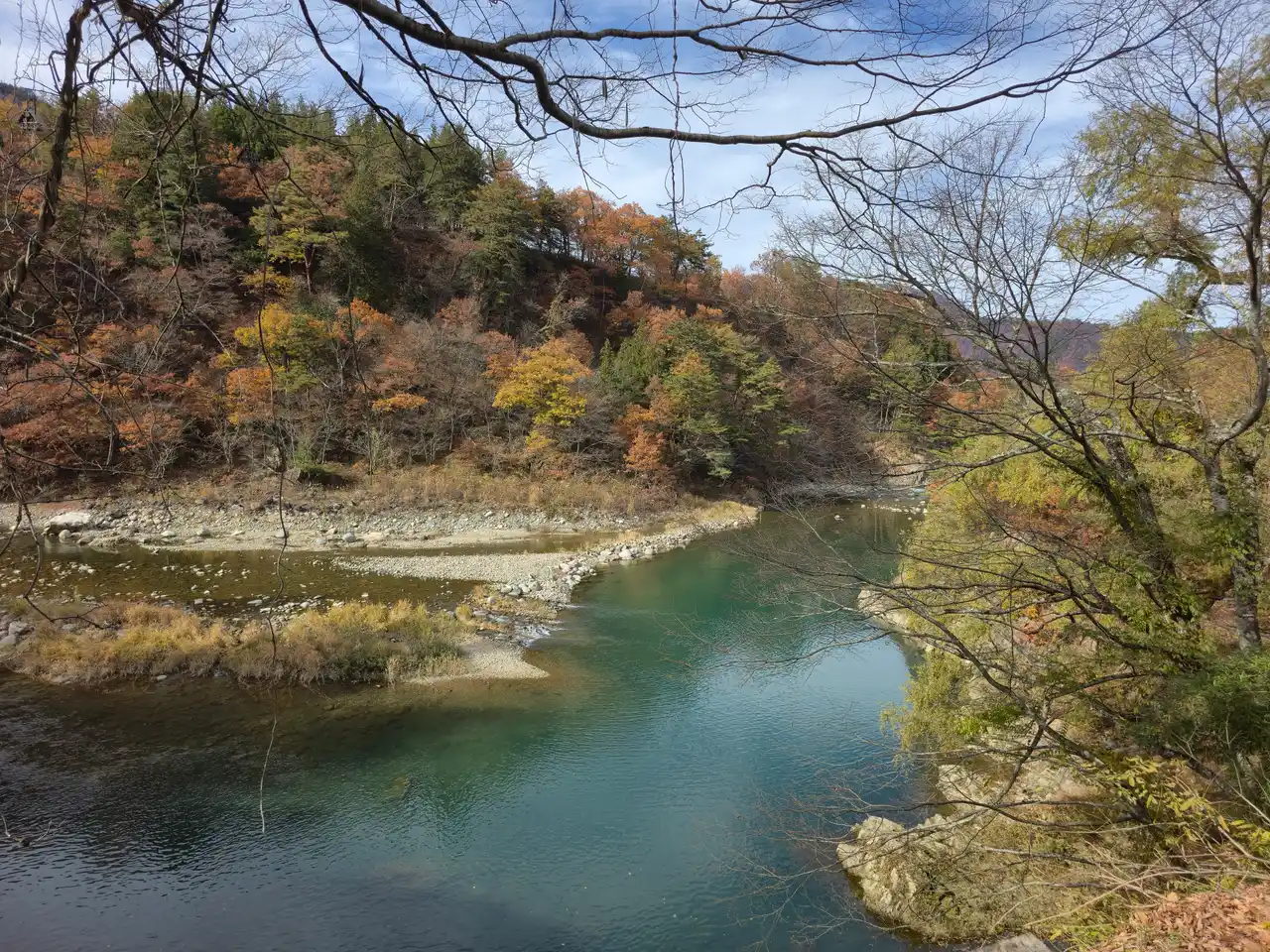
The autumn landscape gives a very peaceful and serene feeling.
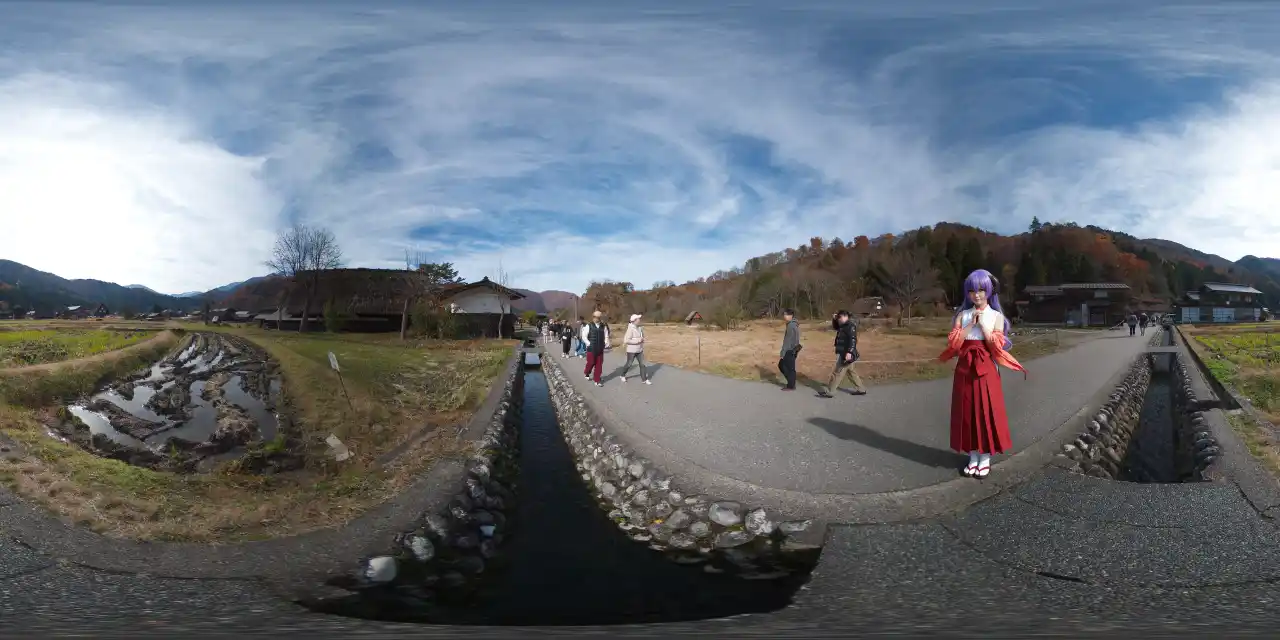
A panoramic shot.
Ogimachi Castle Ruins
The first thing after arriving at Shirakawa-go was to head to the observation deck.
You can walk up in about 15 minutes, or take a local bus.
Bus schedule: https://www.vill.shirakawa.lg.jp/1952.htm
However, since it was a holiday, the bus was too crowded, so I chose to walk up.
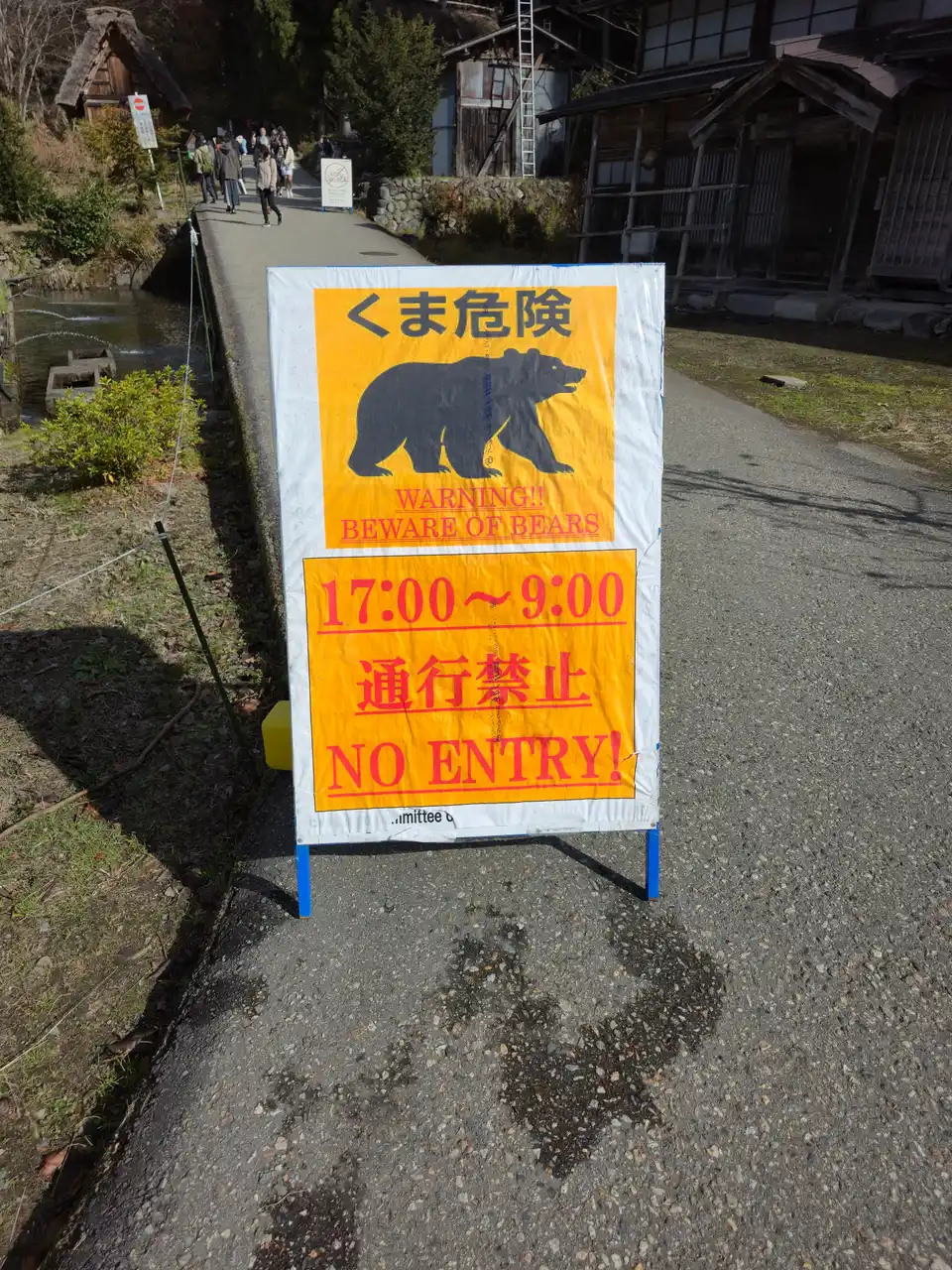
Recently, bear sightings have been frequent in Japan, so there is a warning prohibiting mountain access from 17:00 to 9:00 the next day.
But with so many people going up today, even the bears would probably run away.
Ogimachi Castle Ruins Observation Deck
The mountain path is not very steep, making it a relatively easy hike.

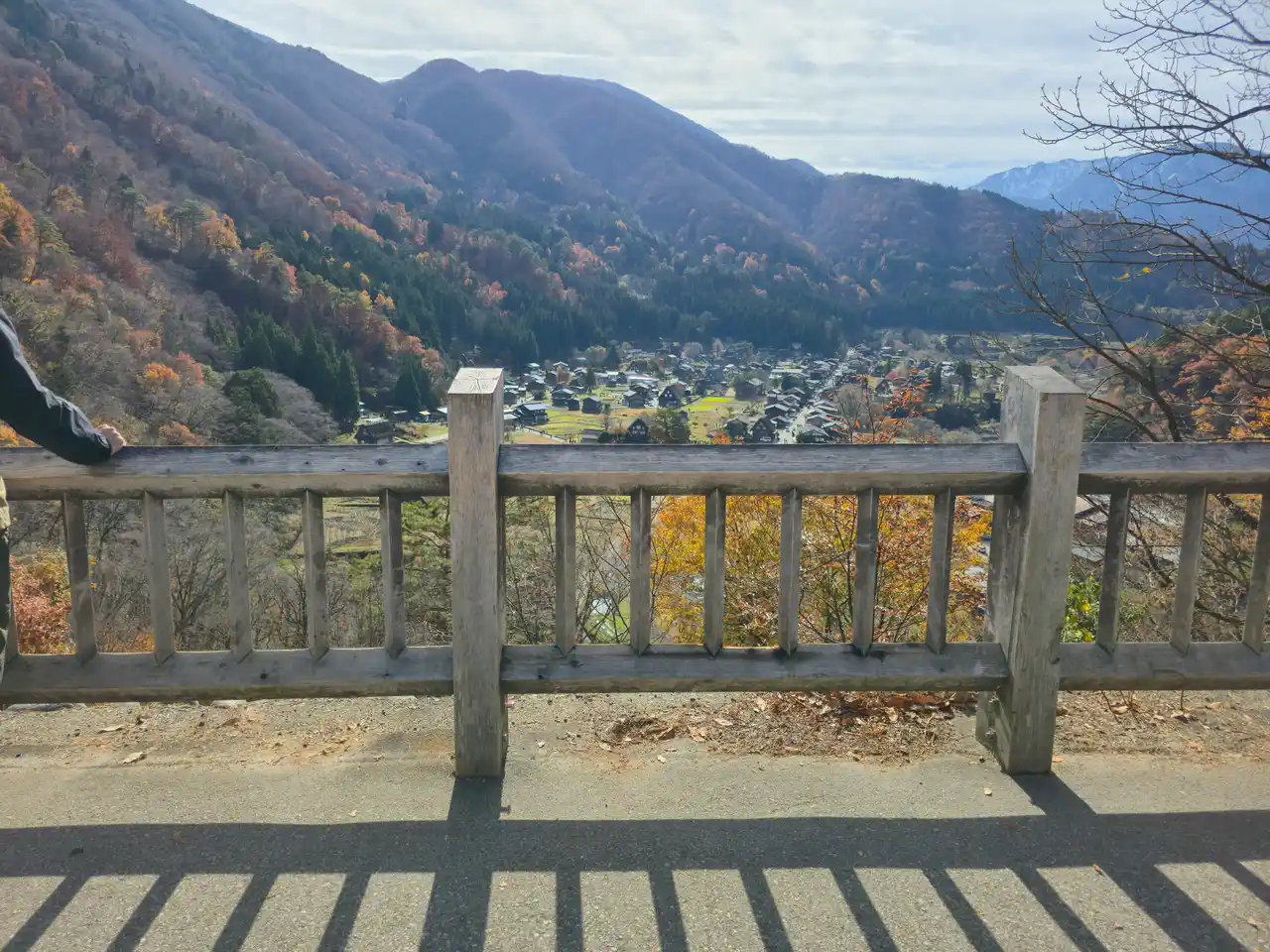
The scene where Rika advises to return to Tokyo.
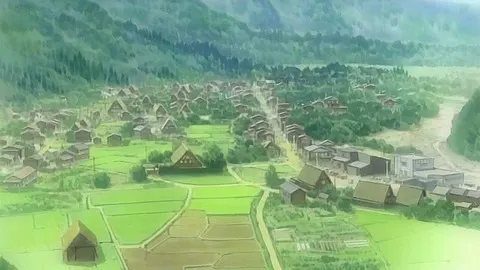
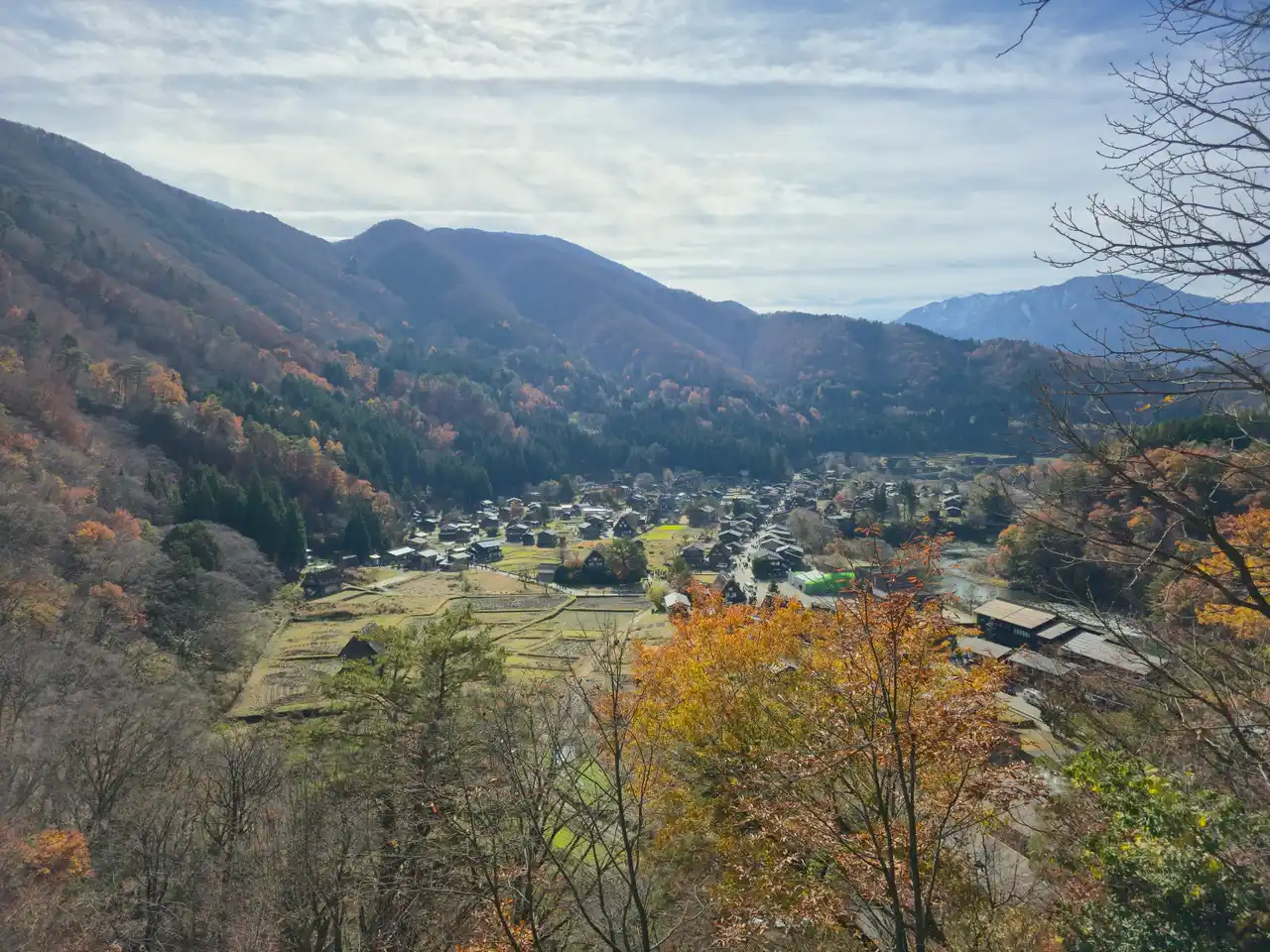
Hinamizawa is peaceful today too!
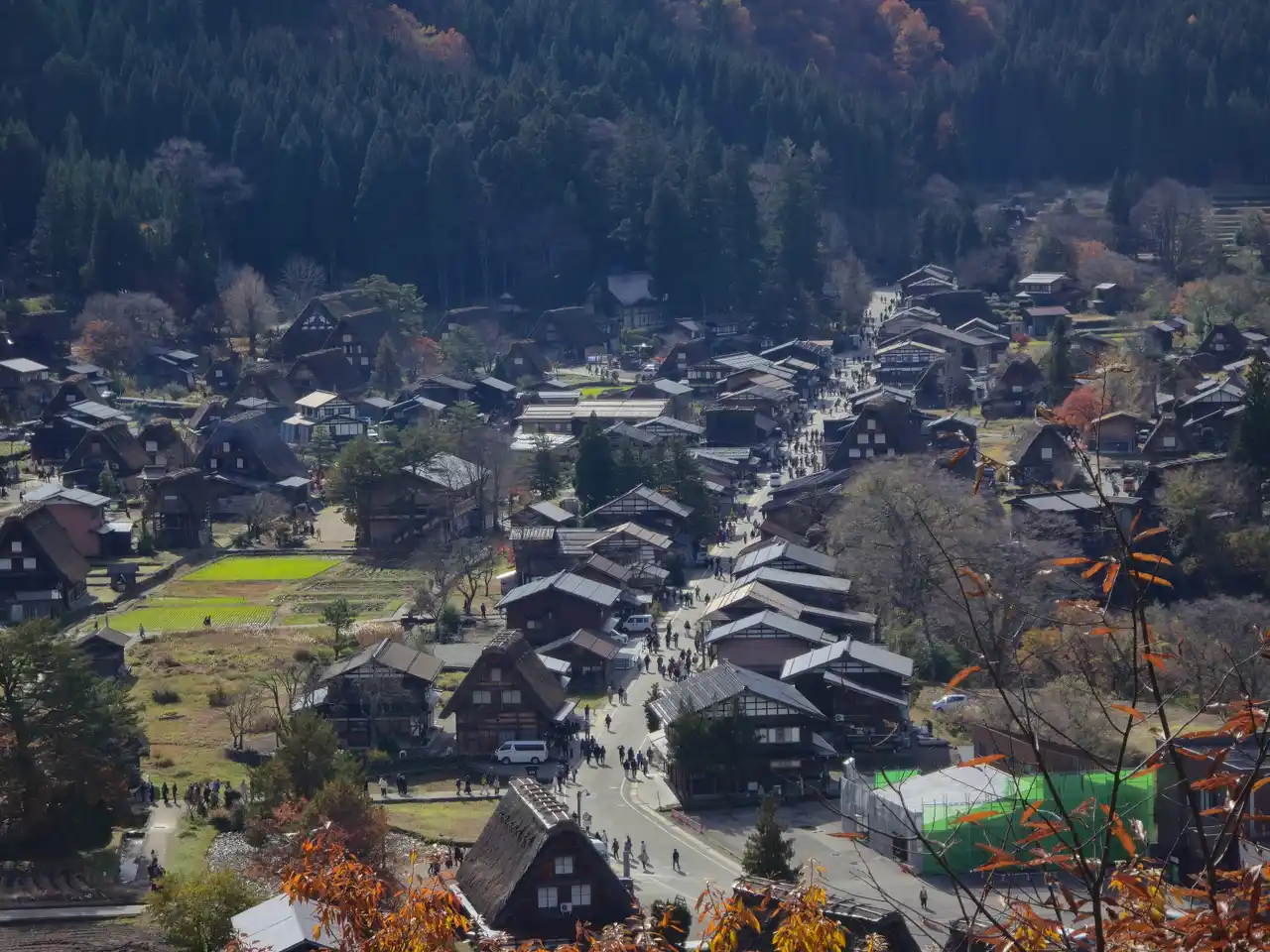
There were quite a lot of tourists today.
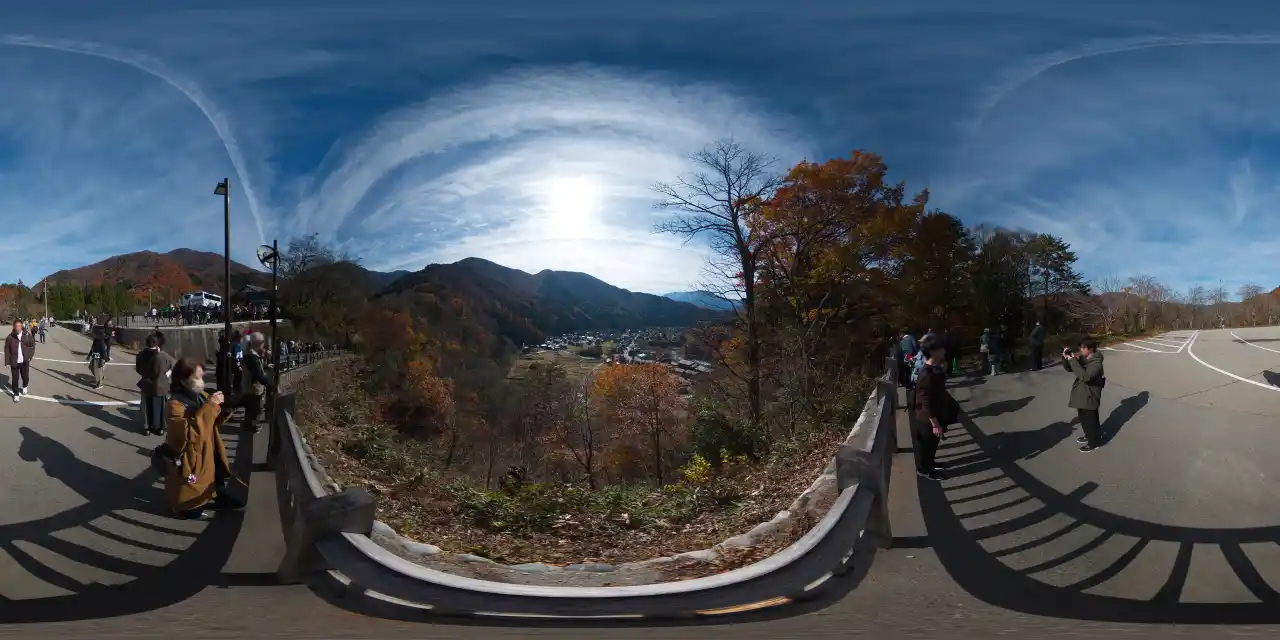
A panoramic view.
Tenshukaku Observatory

Next to it is another observatory called Tenshukaku.
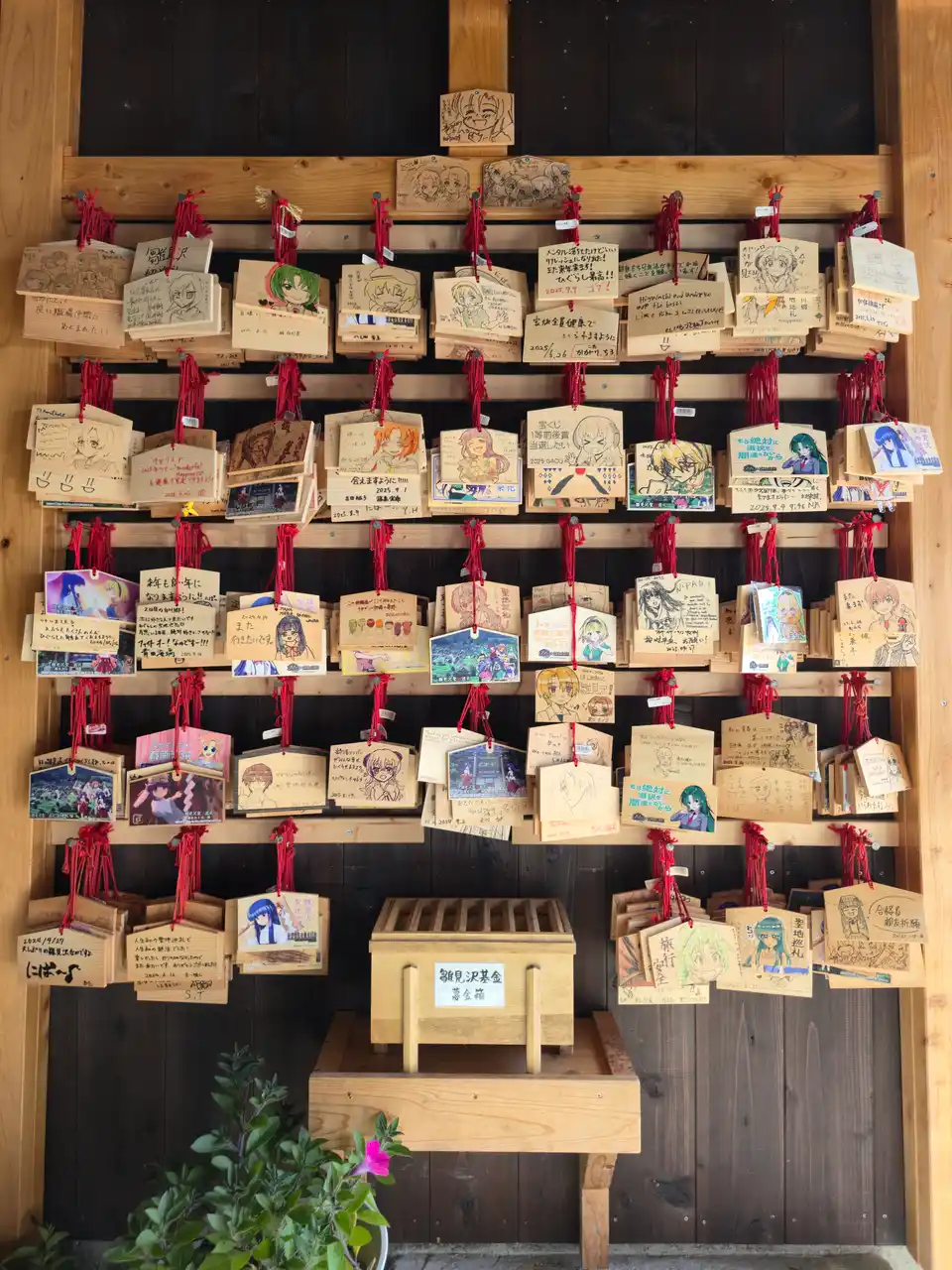
There is also a place for hanging collaborative ema (votive tablets).
And a donation box for the Hinamizawa Fund.
Observation Deck Cafe
Since it was lunchtime, I decided to eat here.
The cafe is full of elements from the series.
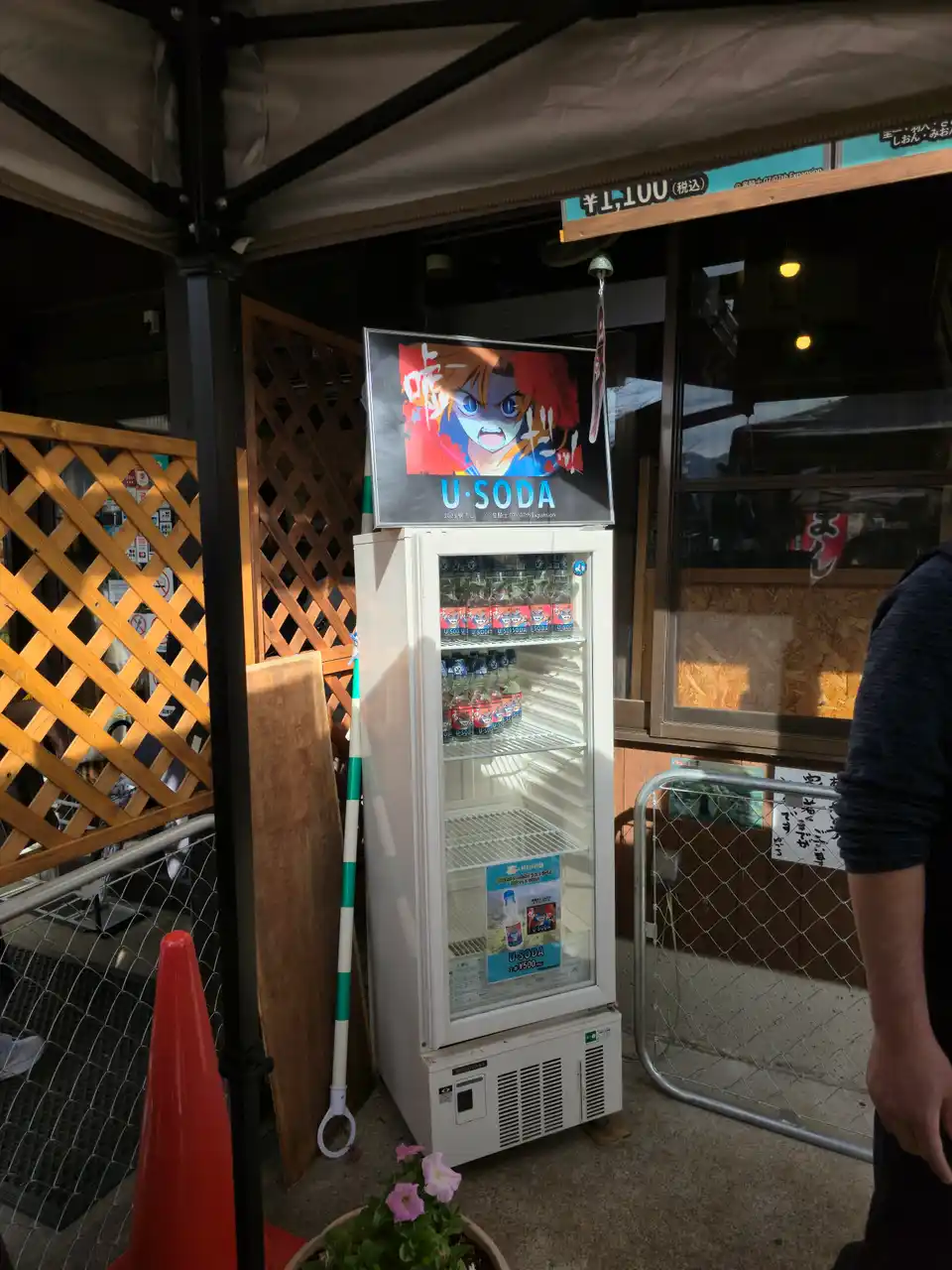
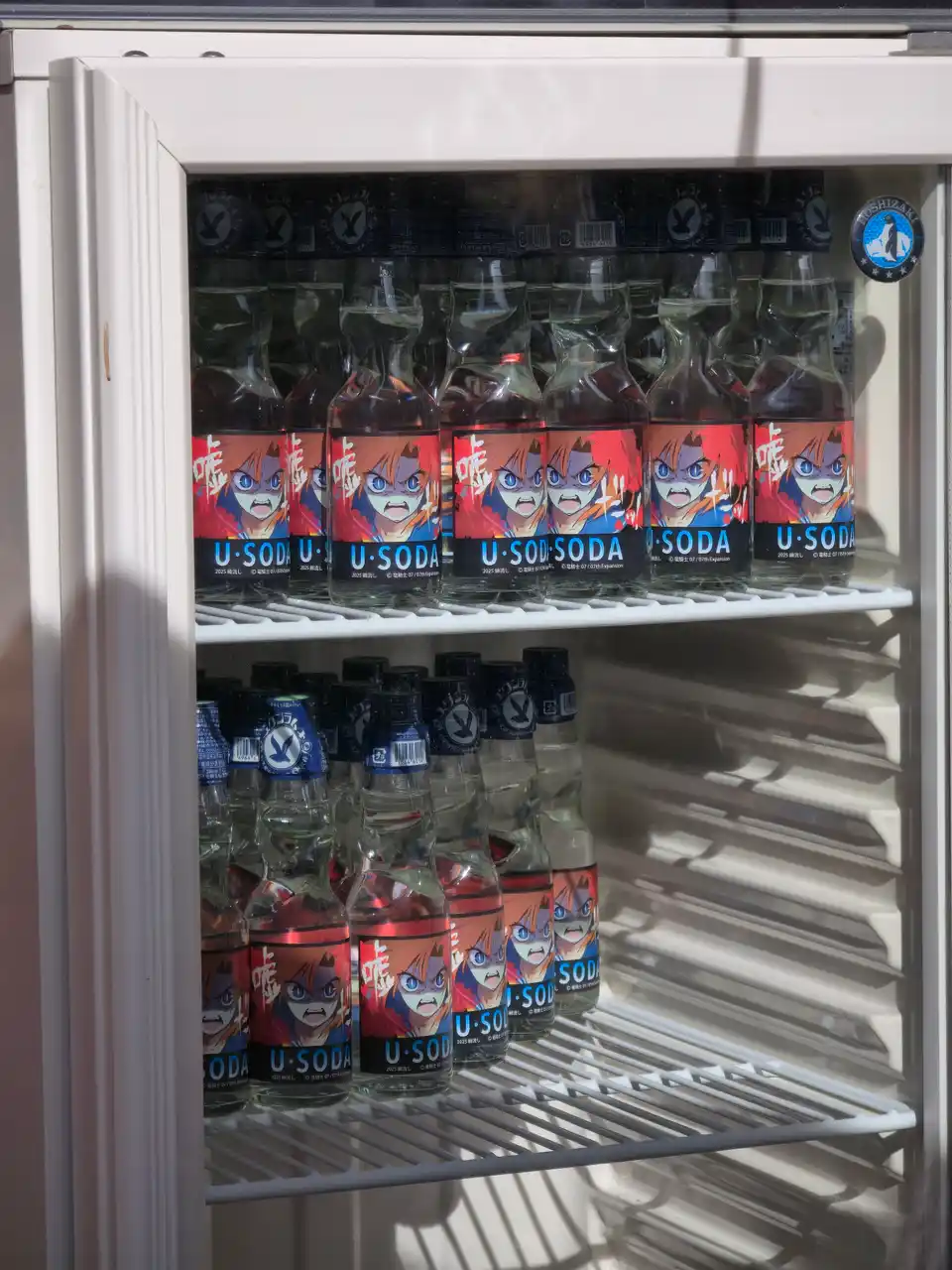
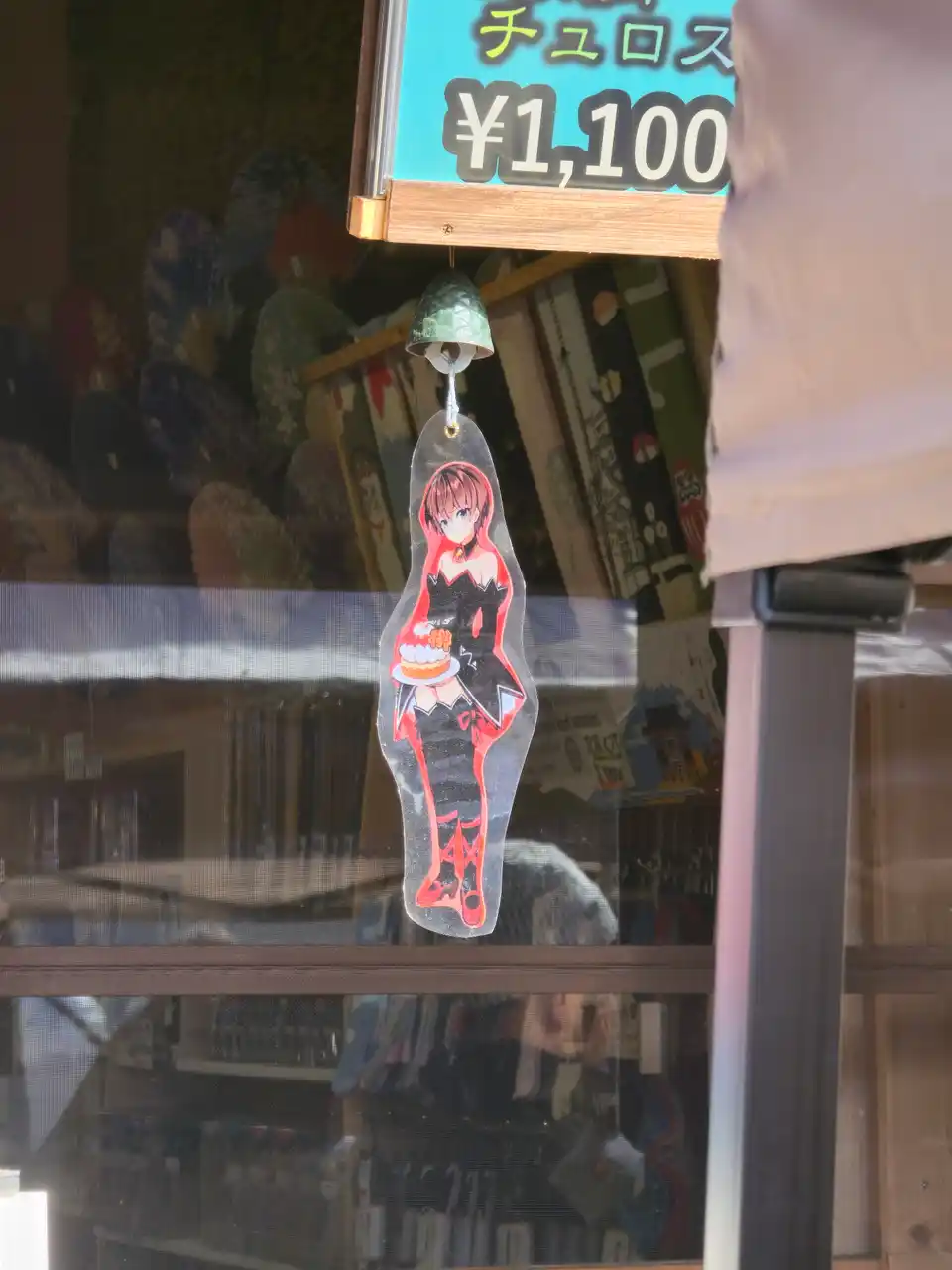
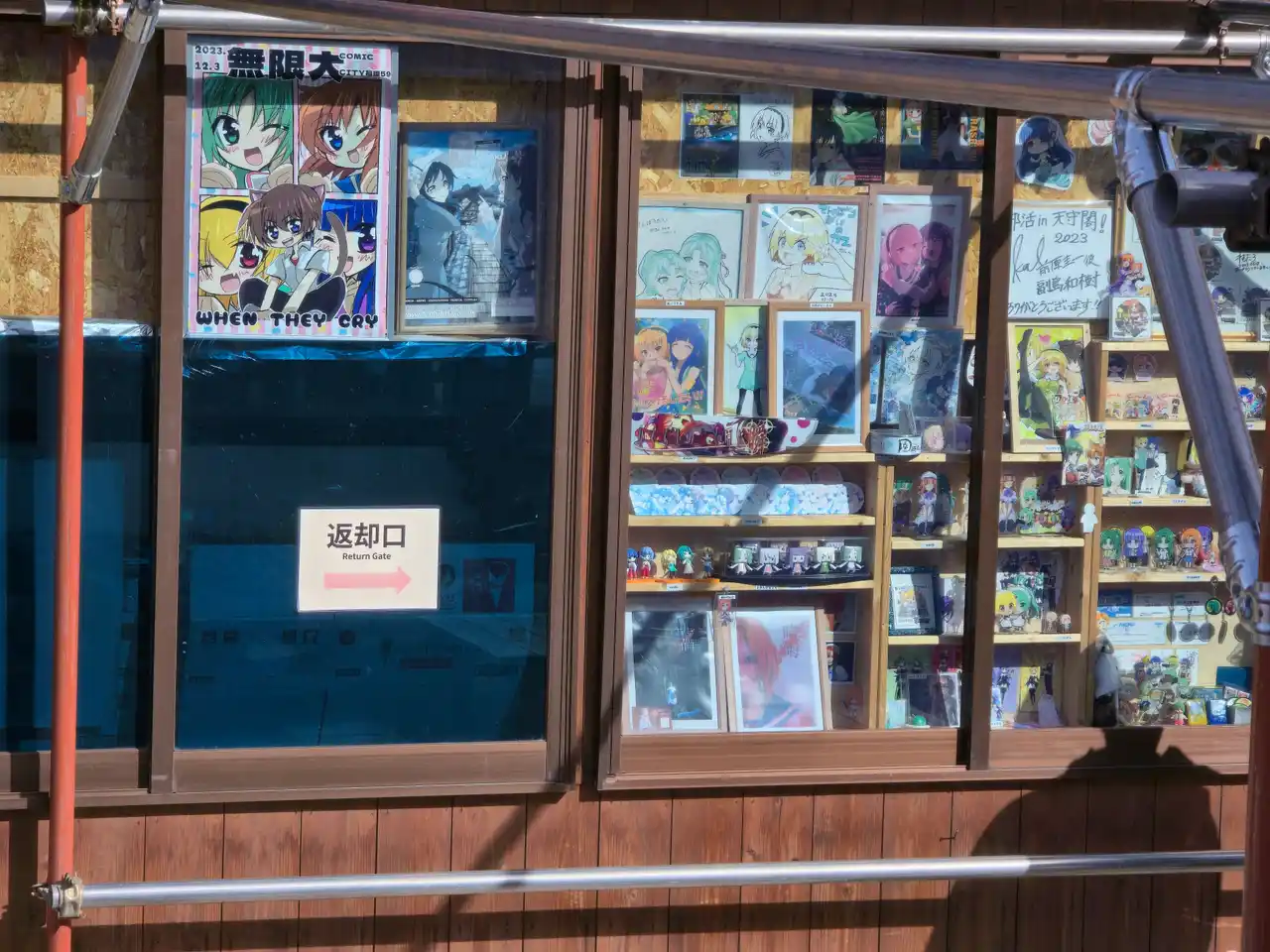
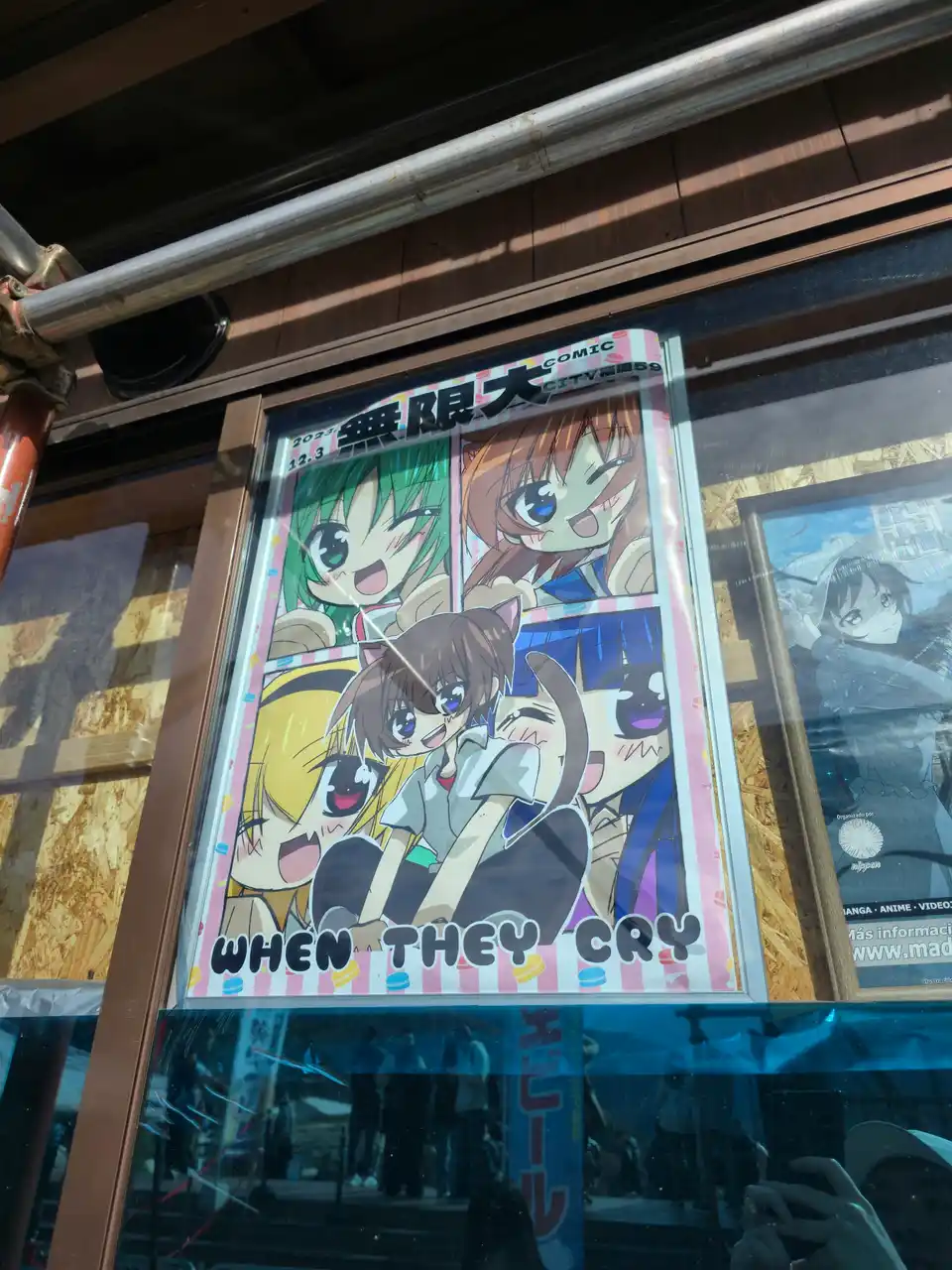
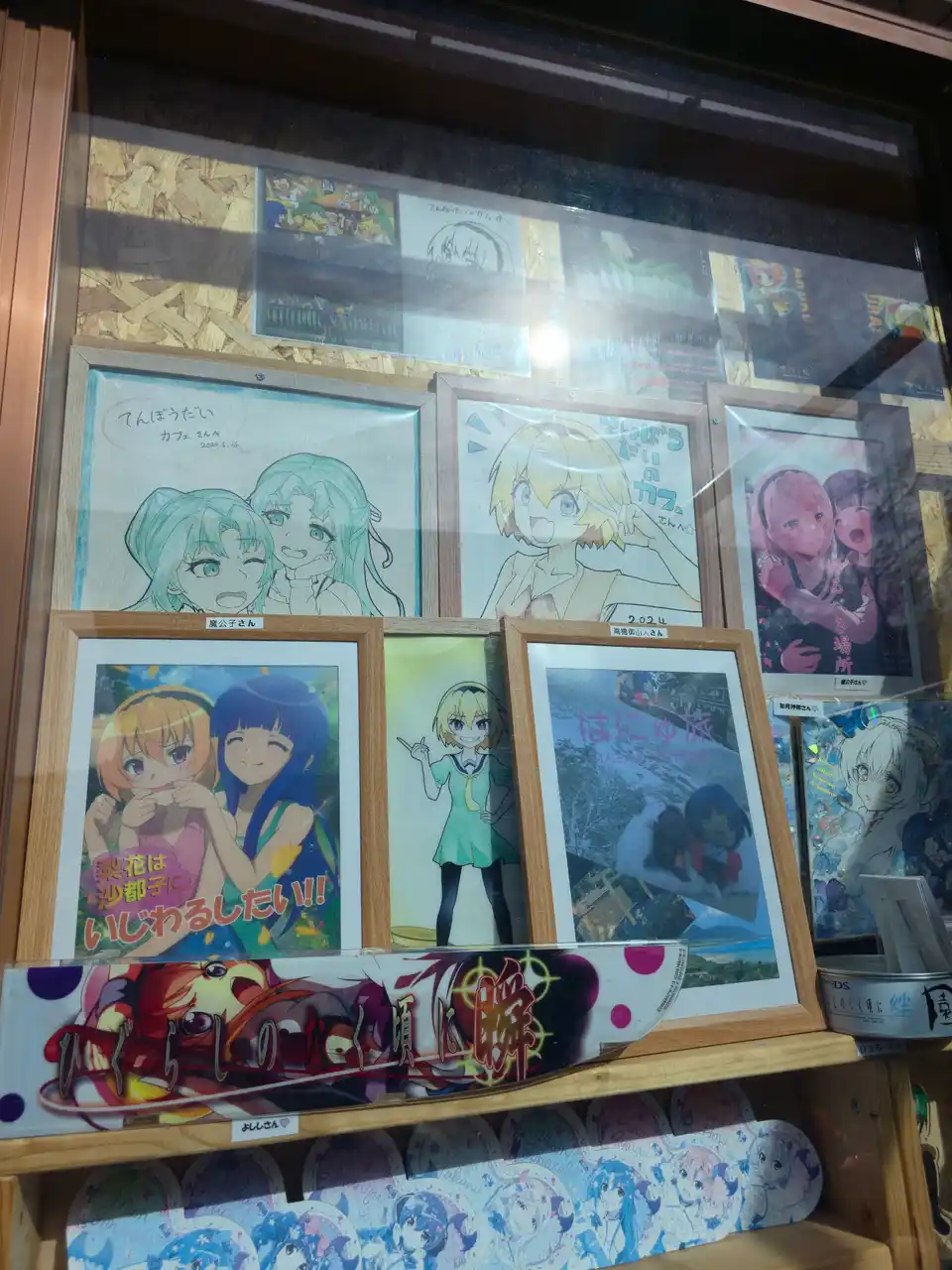
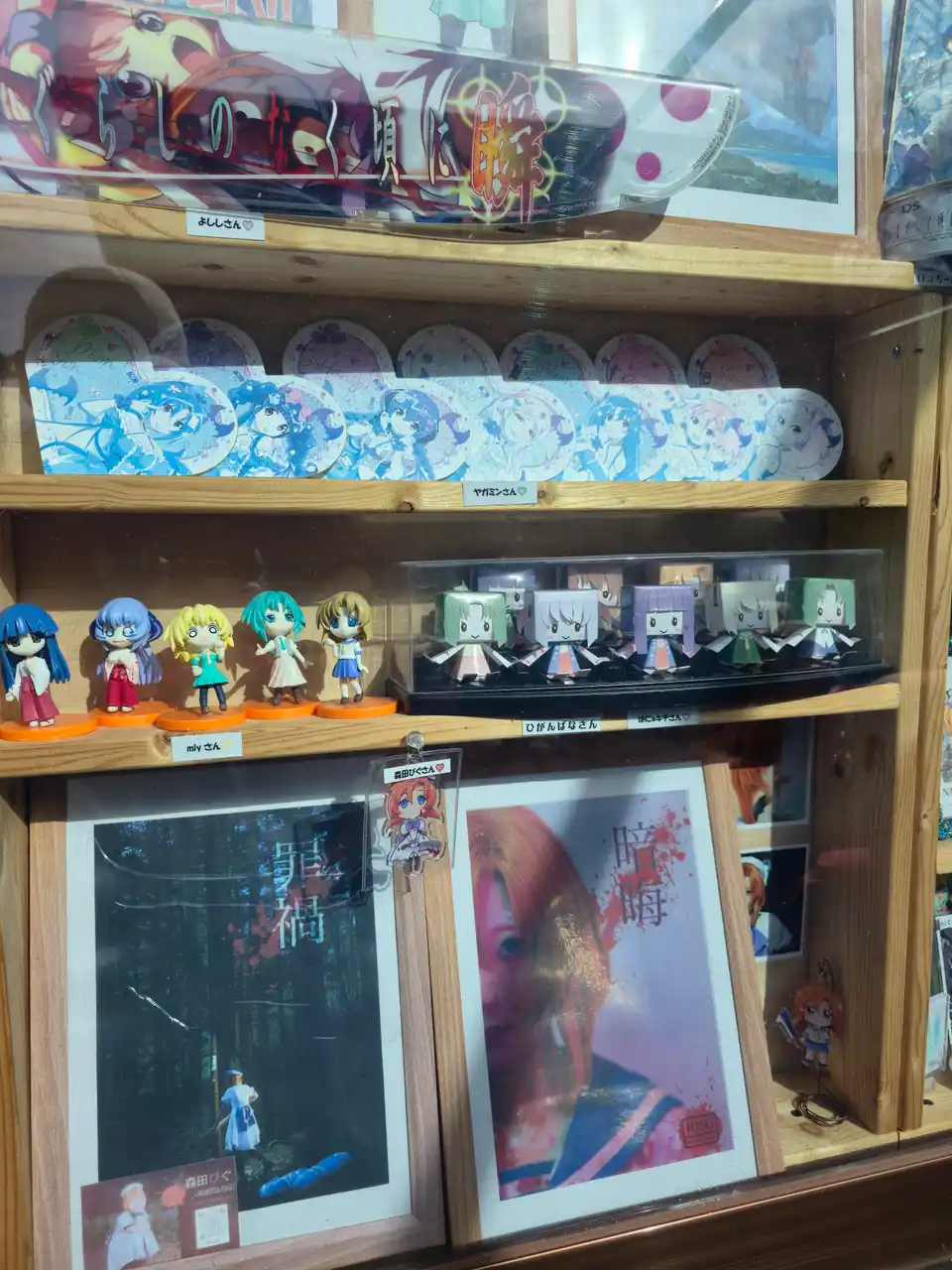
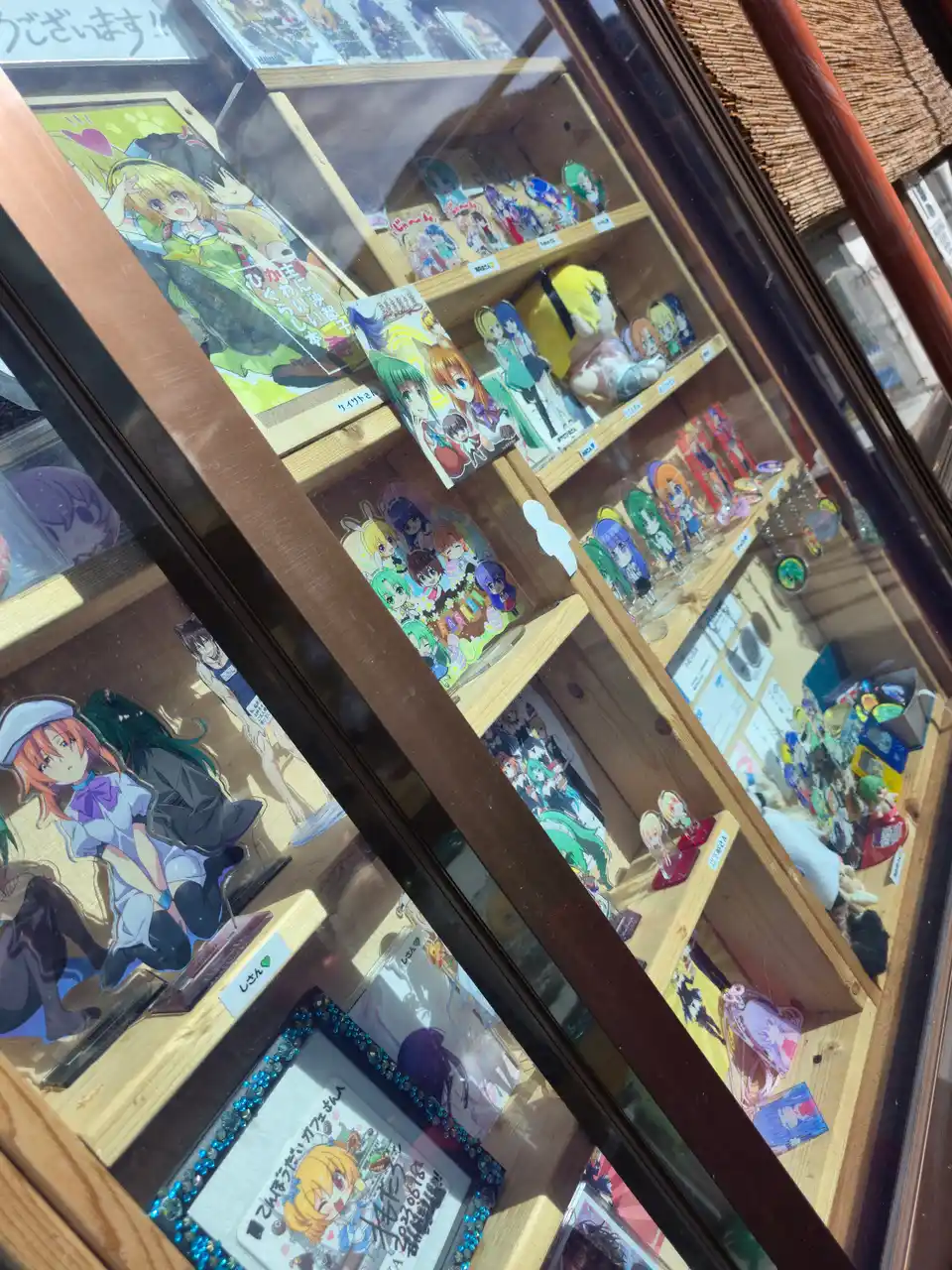
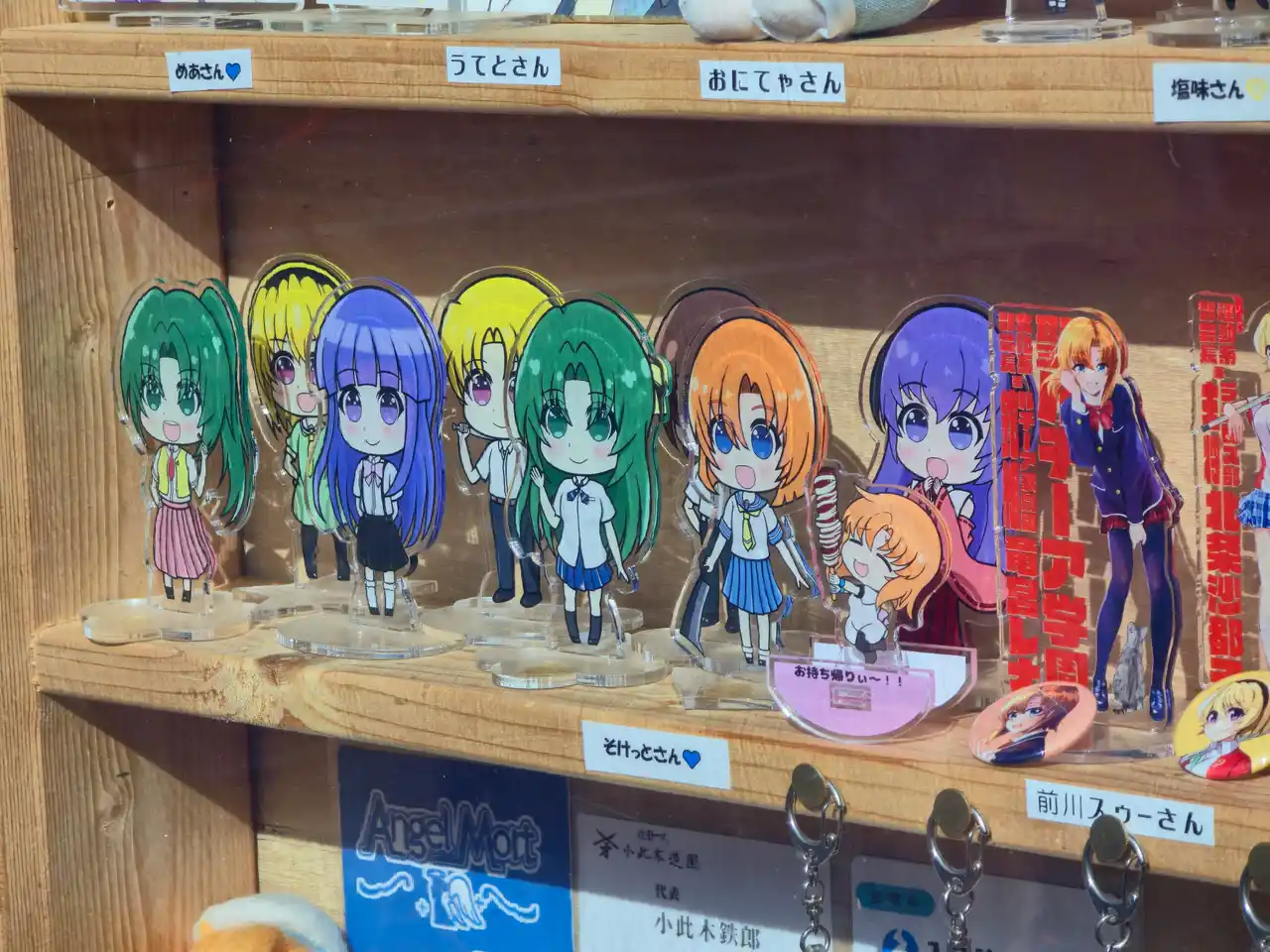
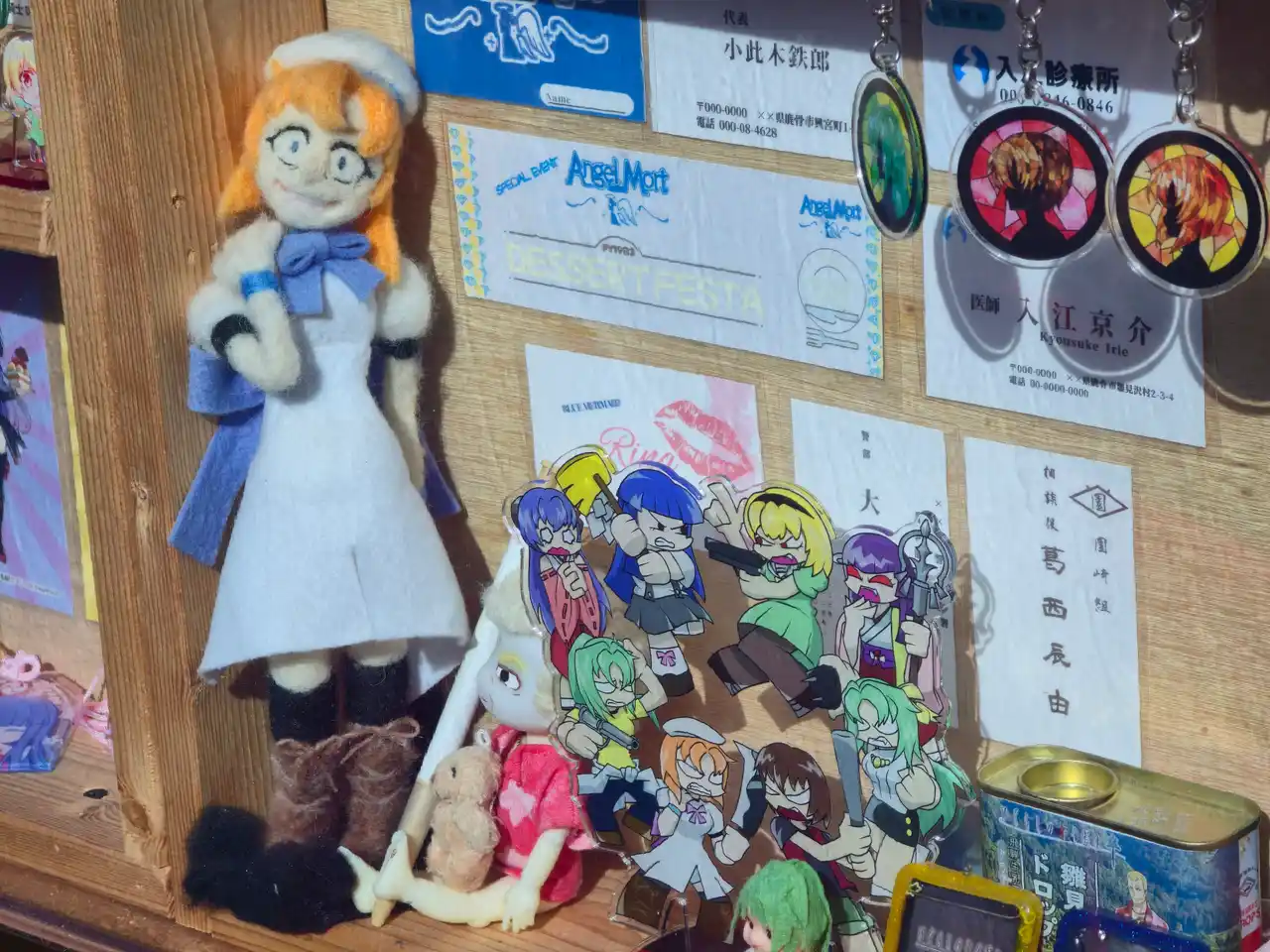
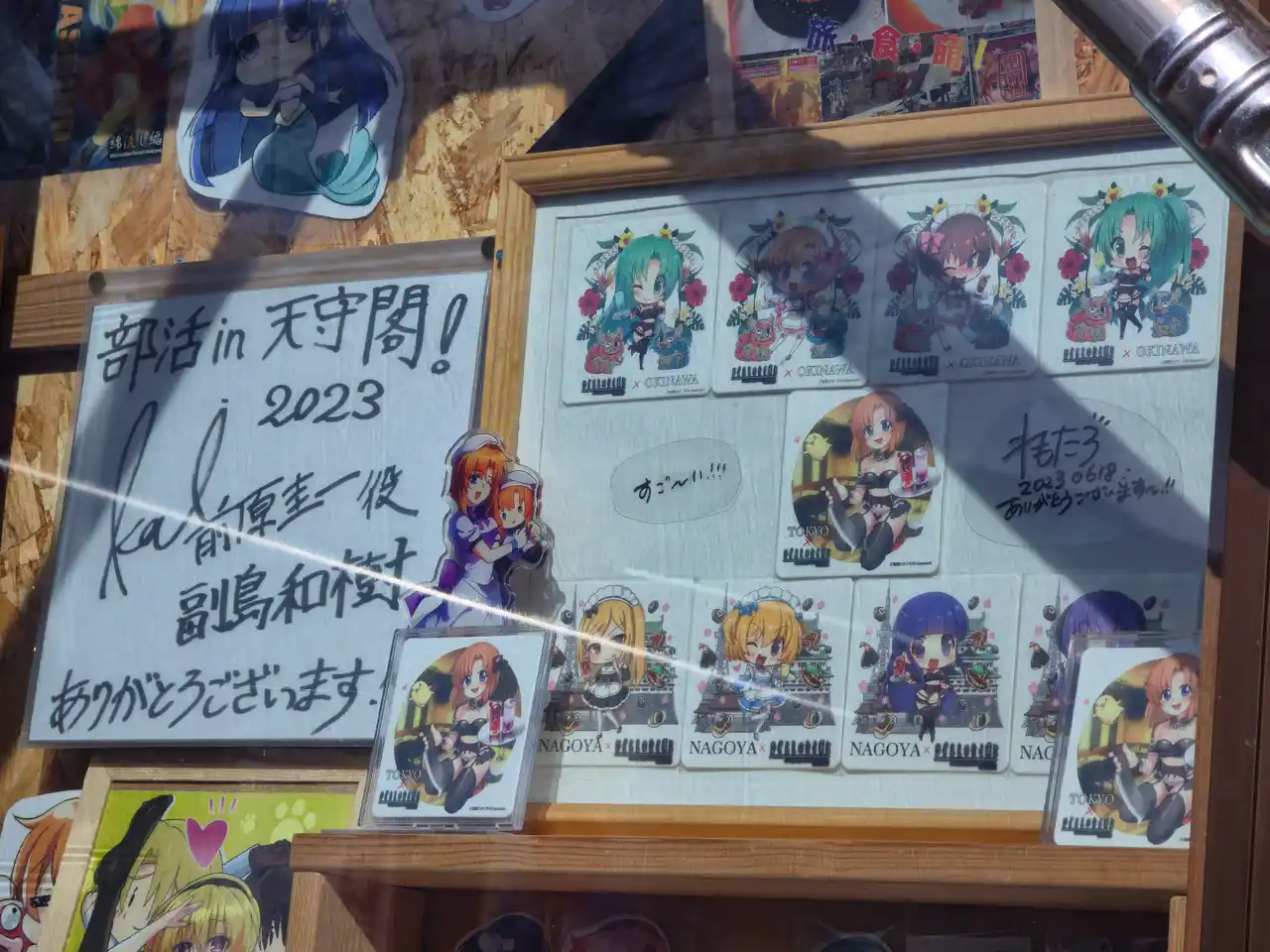
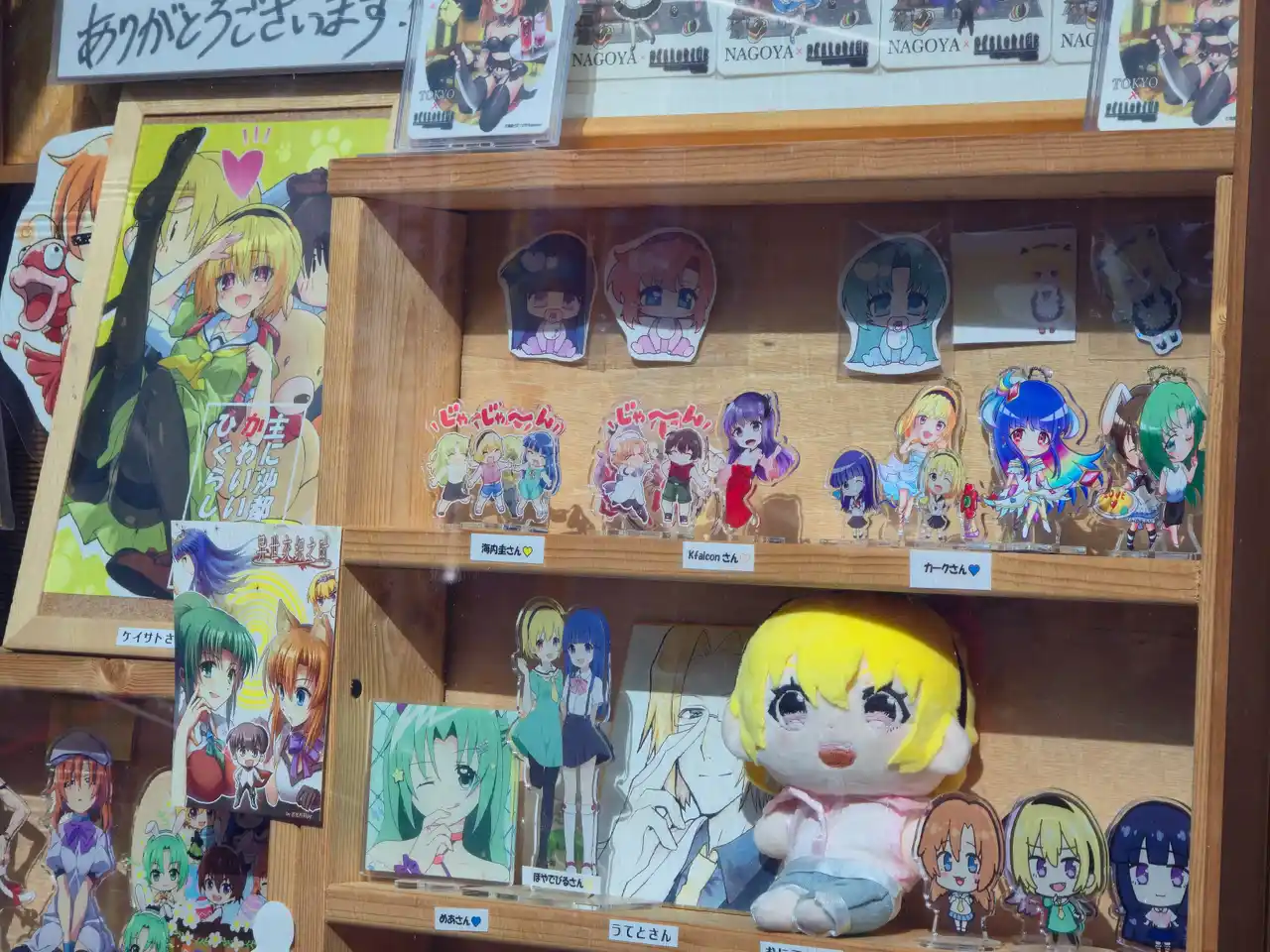
All familiar recipes.
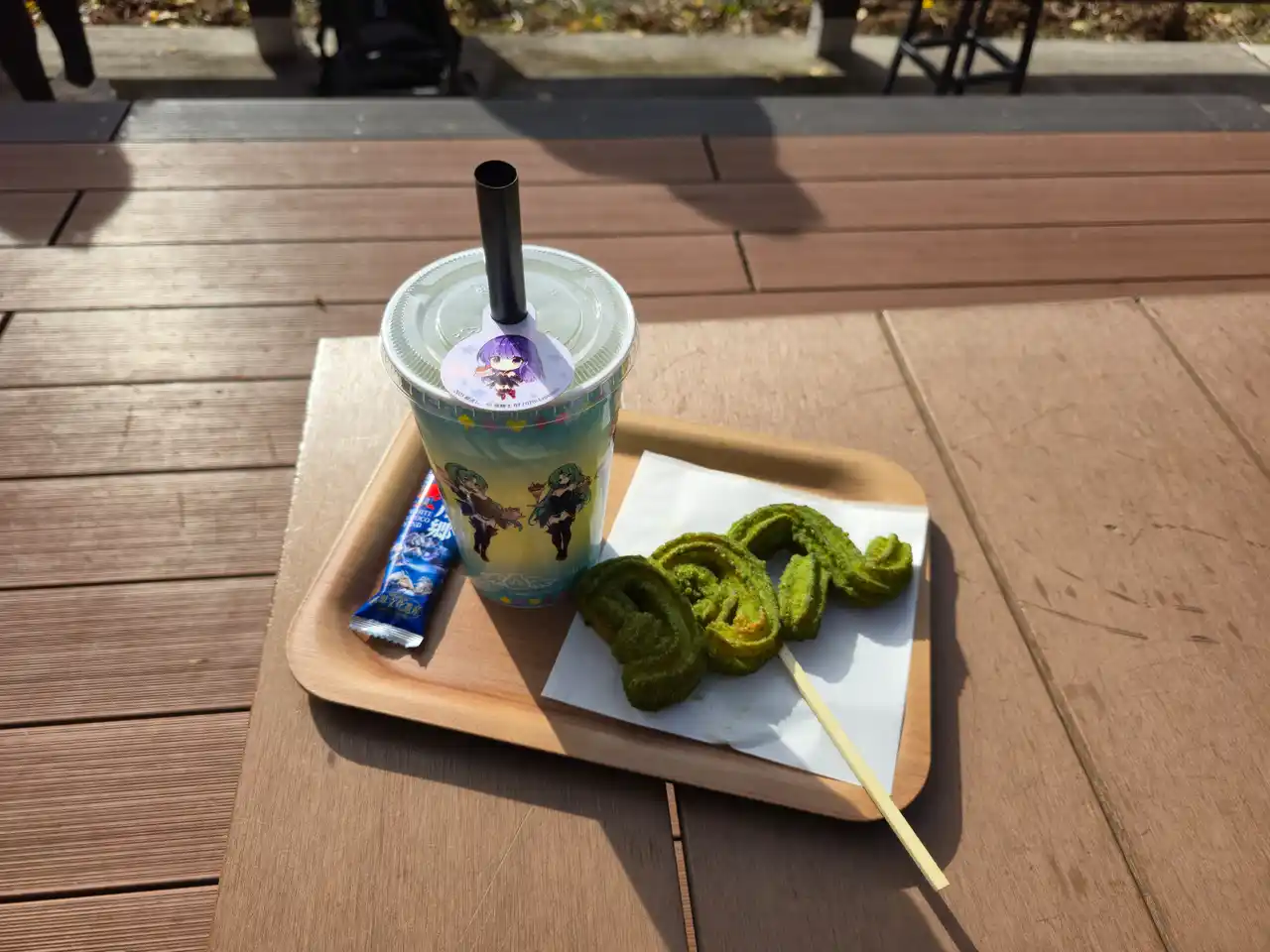
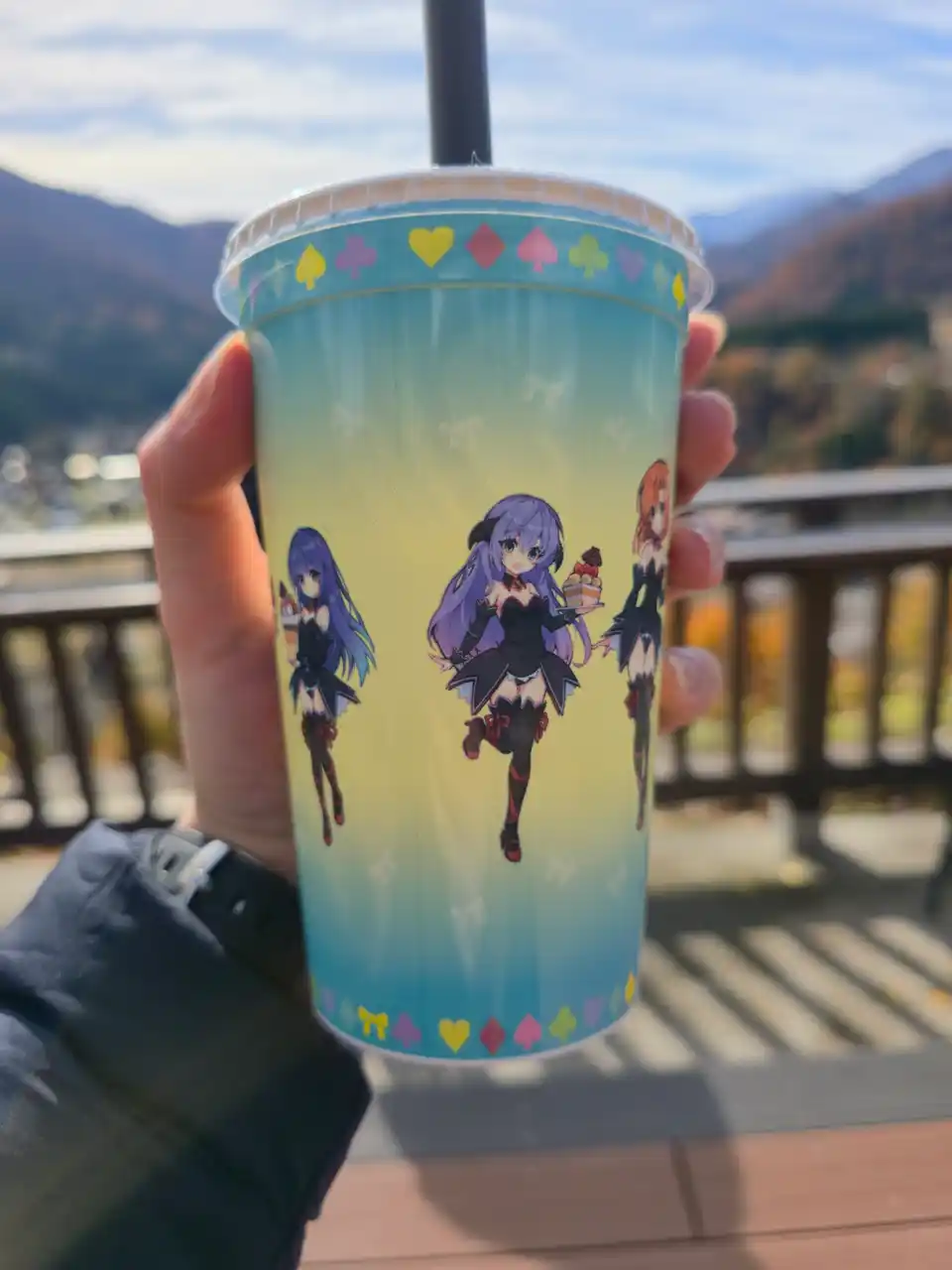
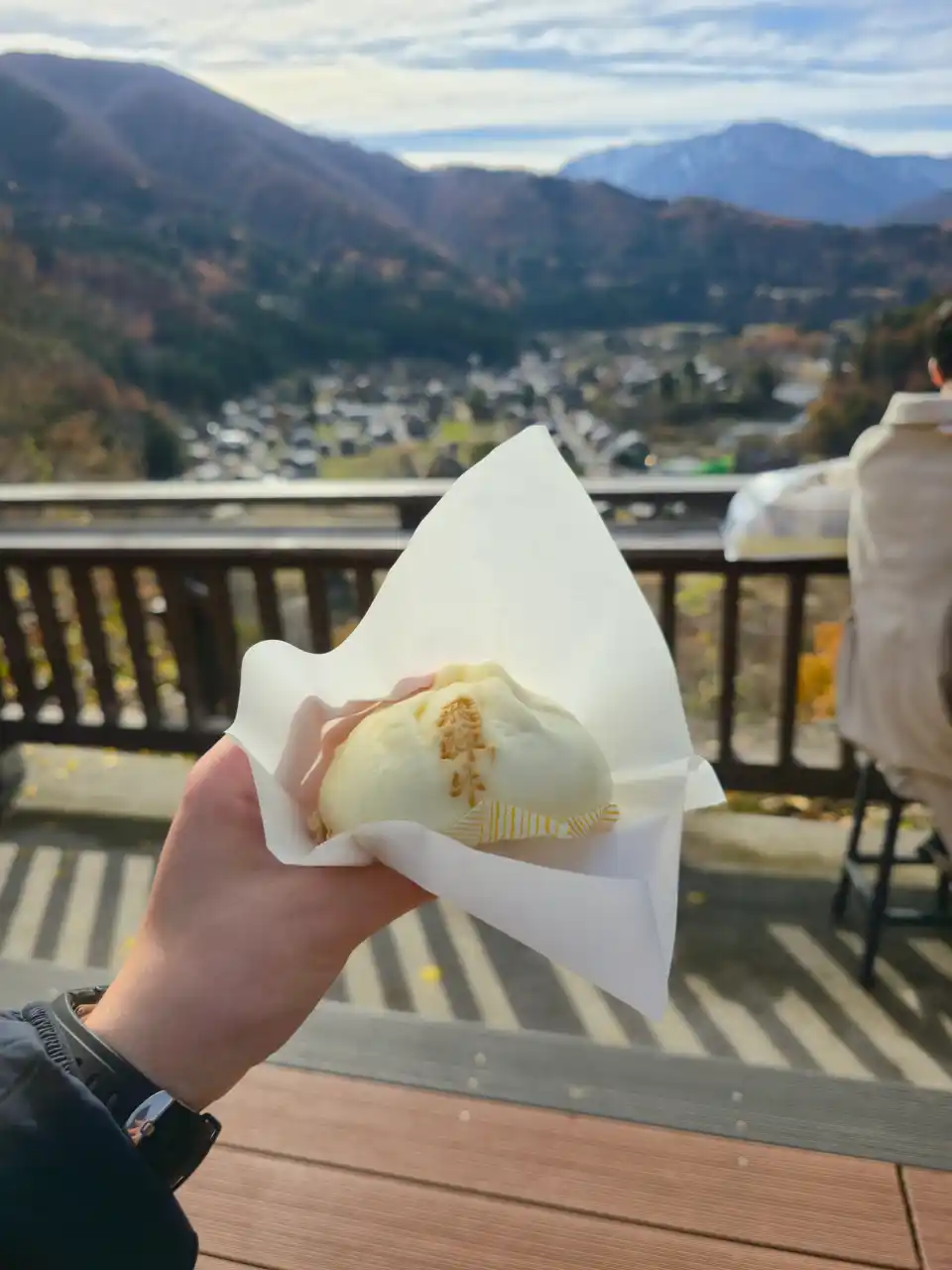
I ordered a collaboration coffee that can only be enjoyed here.
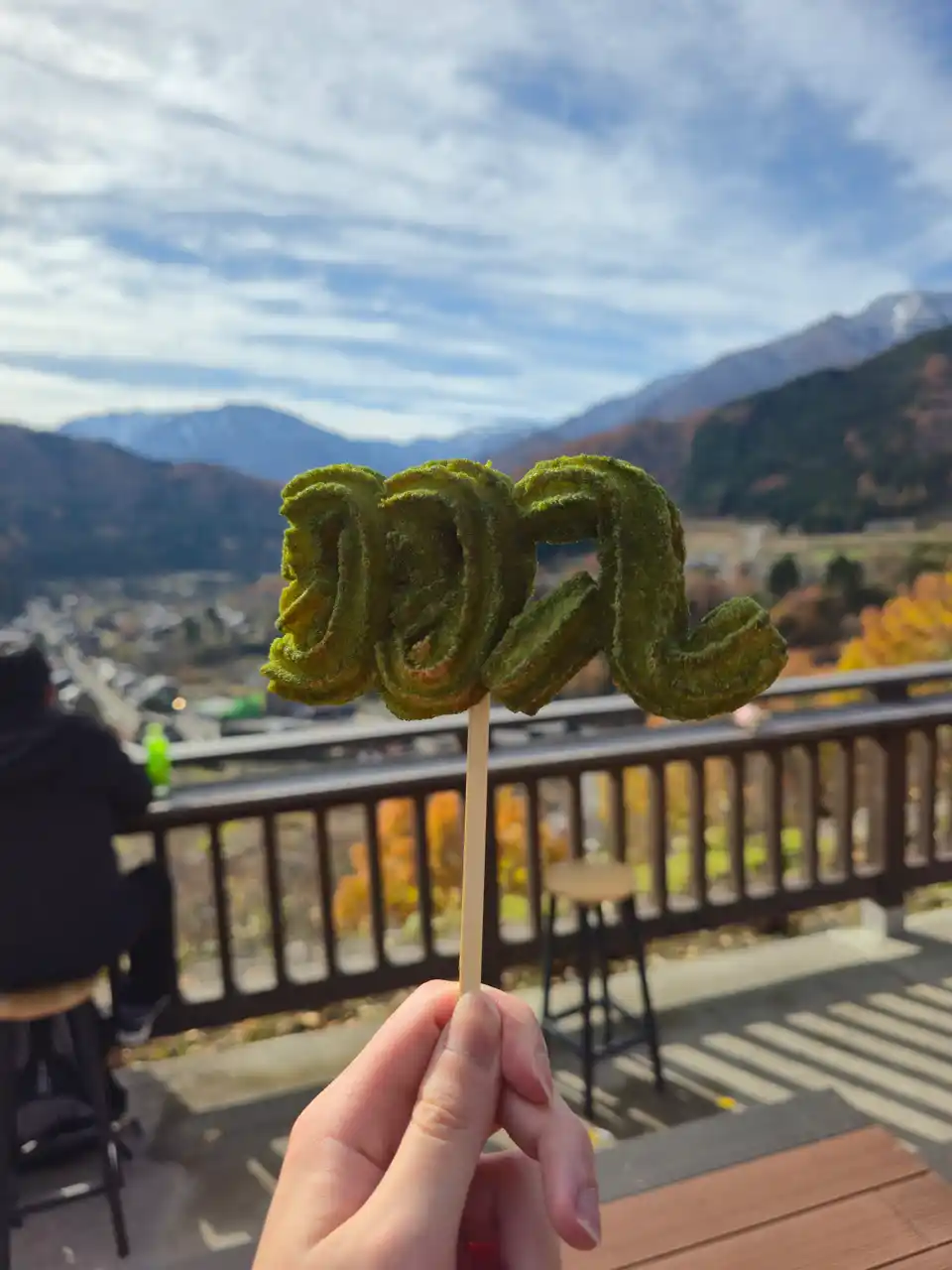
Hanyu Churros + Lemonade + Hida Beef Bun.
Descending the Mountain

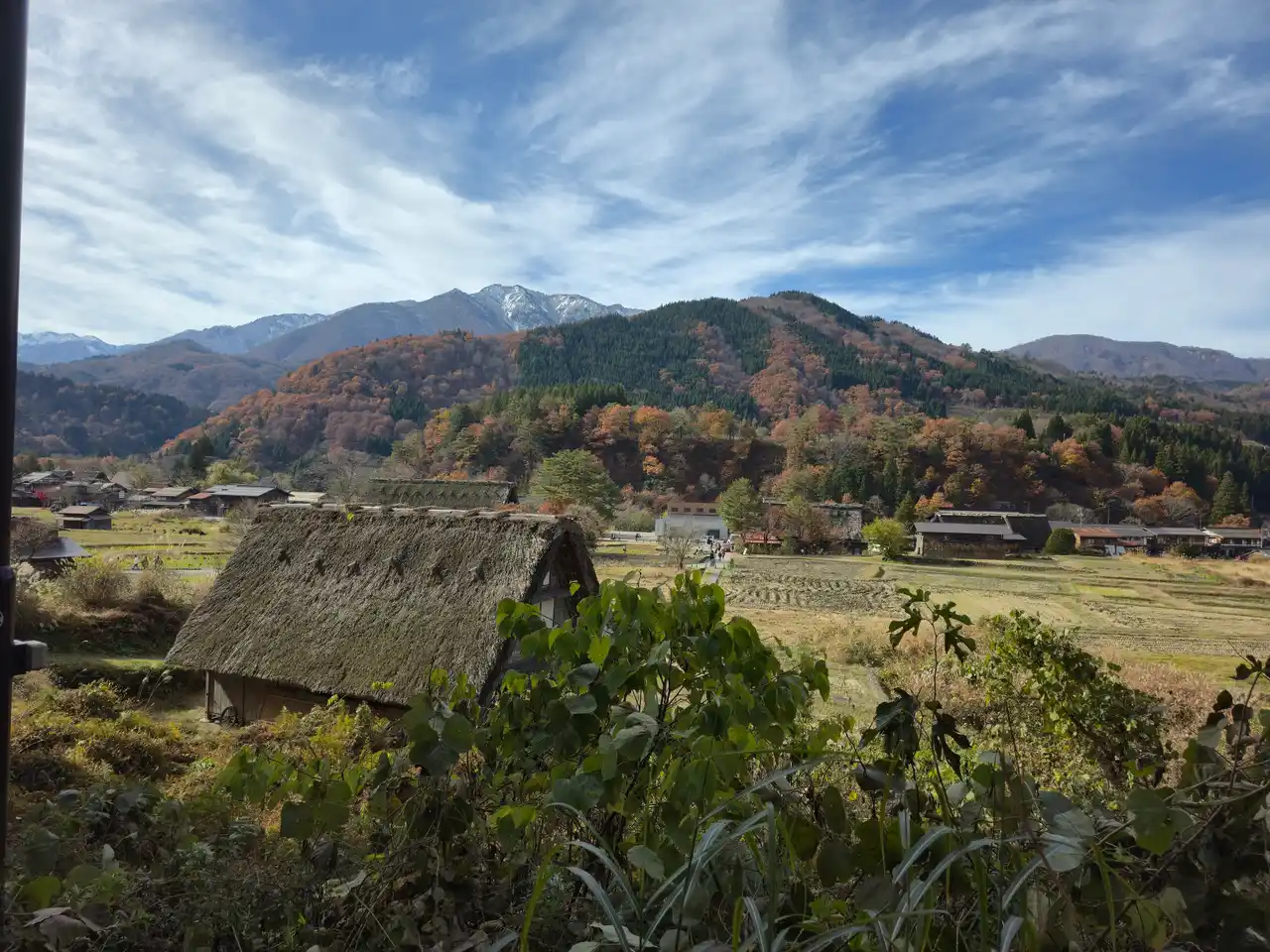
Rika's House

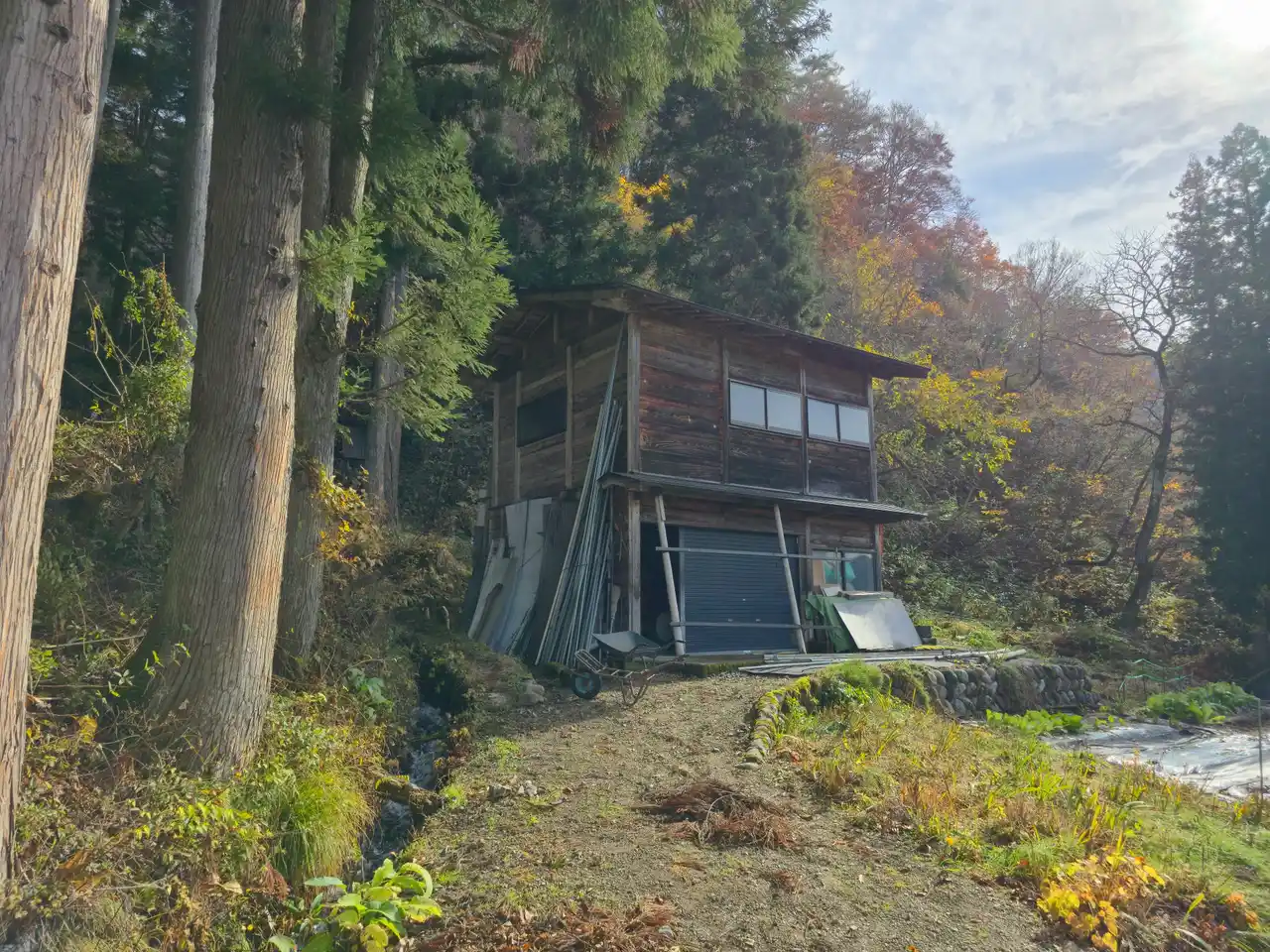
The reproduction accuracy of the work is amazing.
Satoko's House
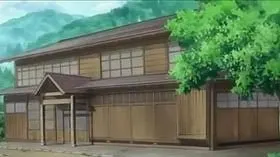
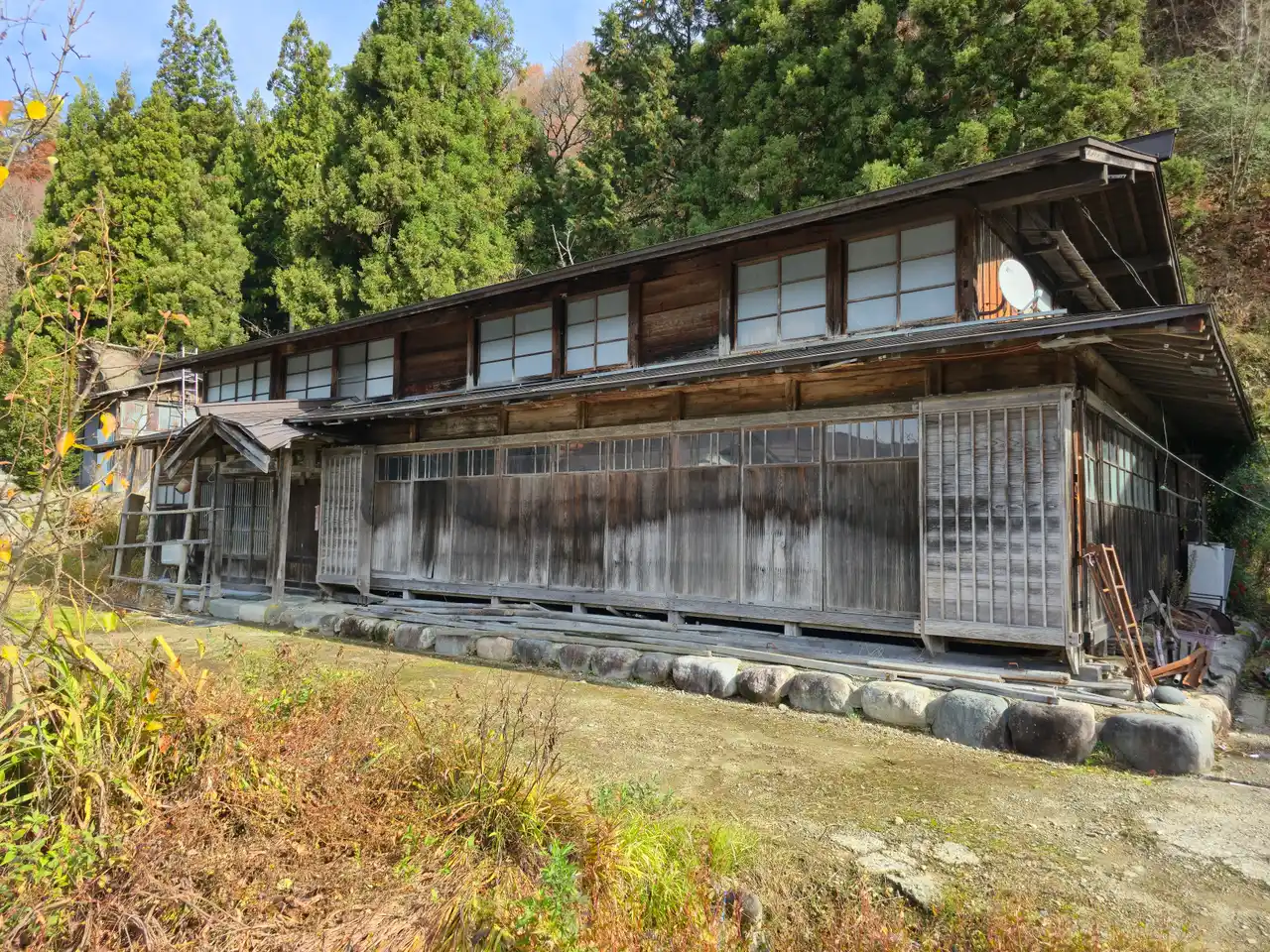
This actually has a real-life prototype!?
Rena's House

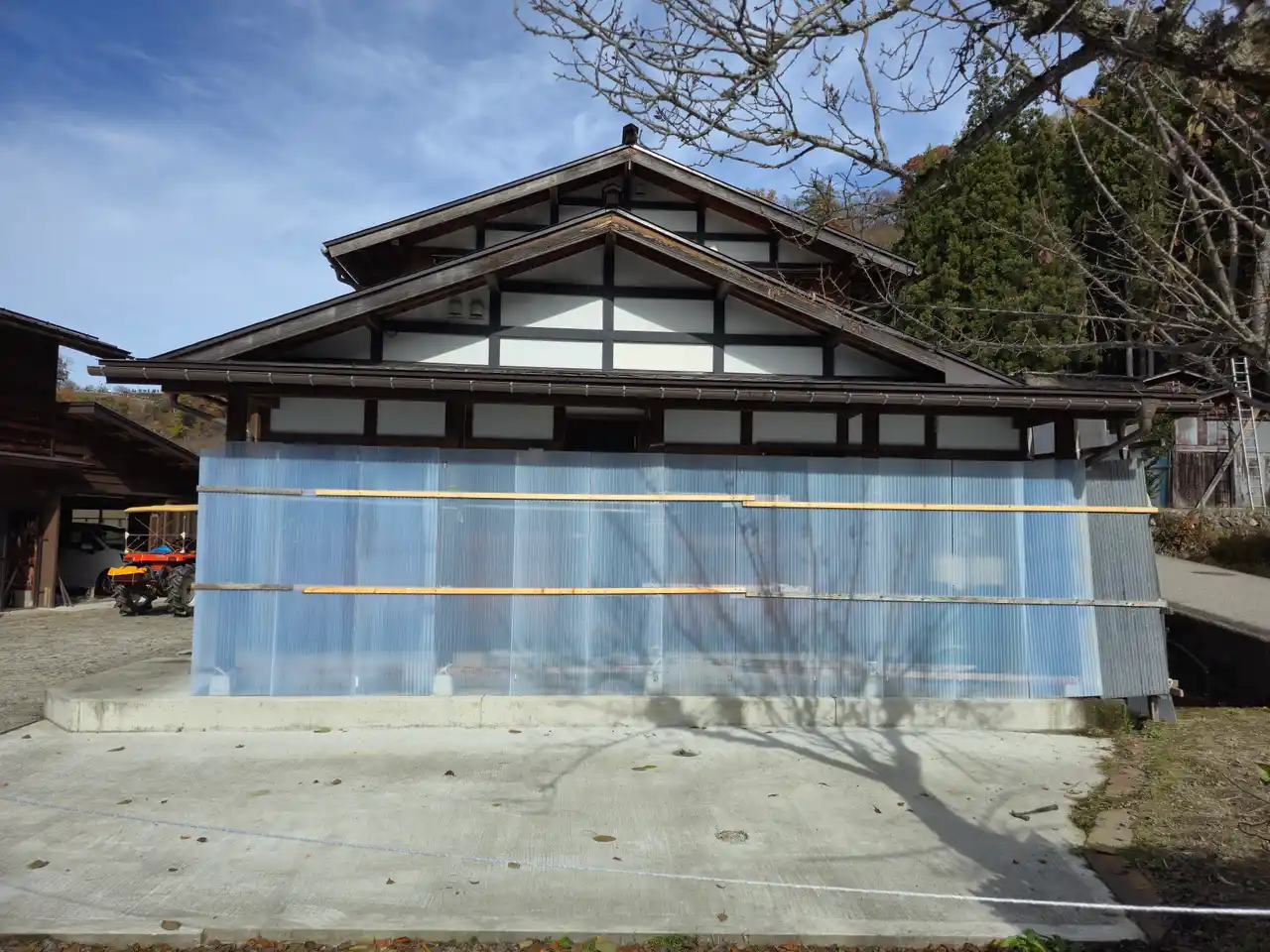
Rena's house is under renovation.
Sonozaki Family


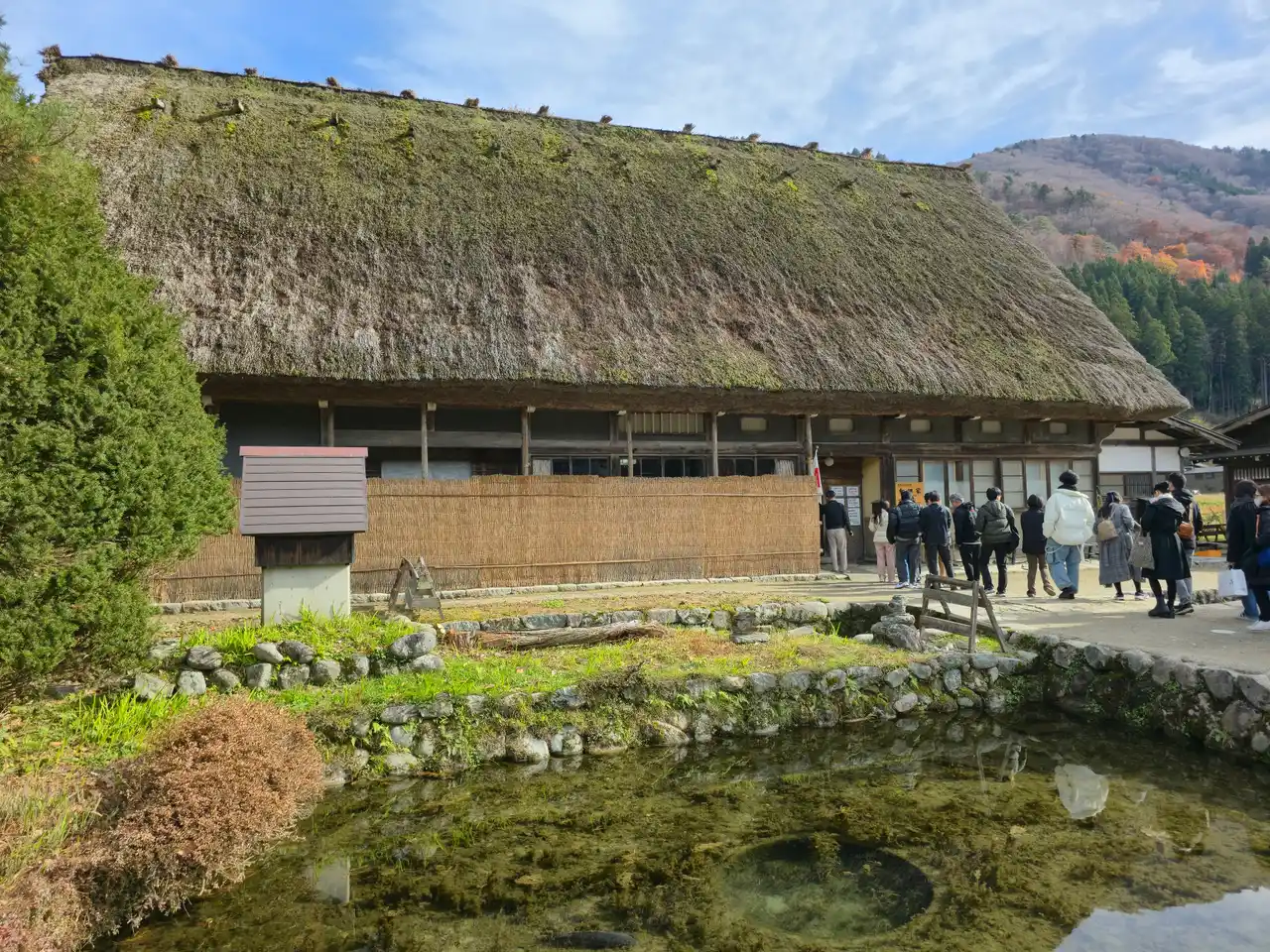
The Sonozaki family is based on a famous local attraction—the Wada House.
It was crowded at this time, so I decided to come back later. The following photos were taken on the way back.
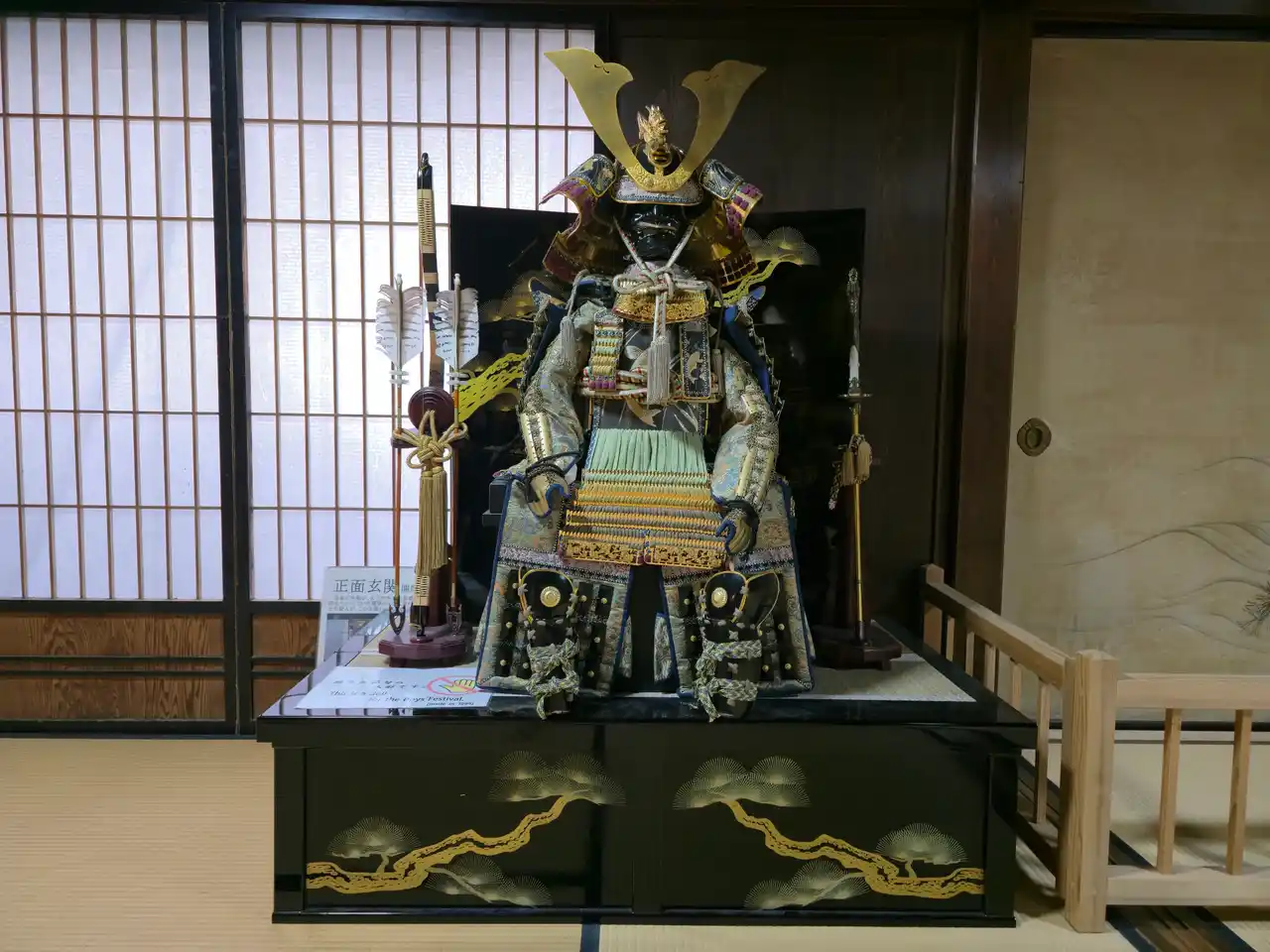
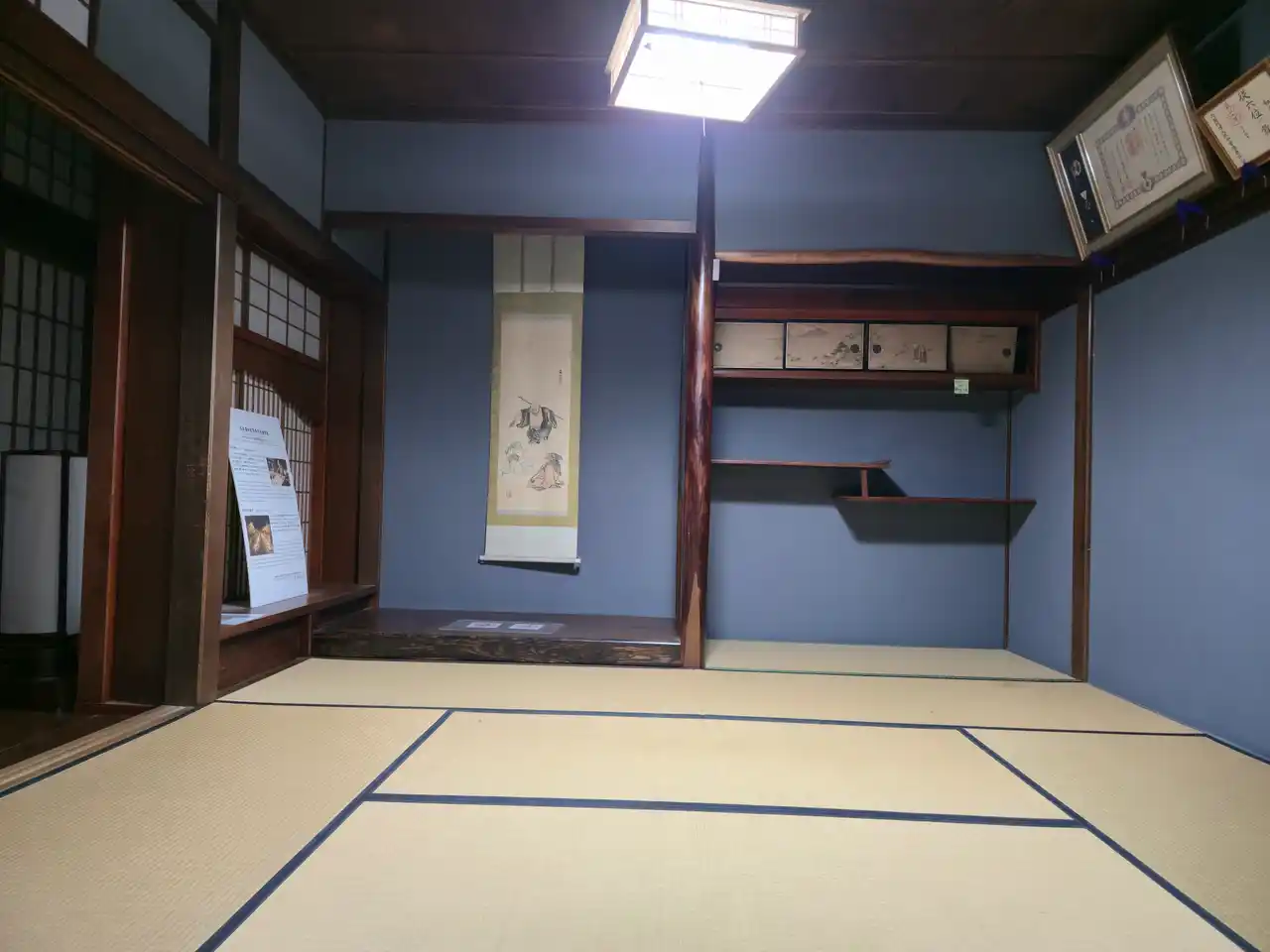
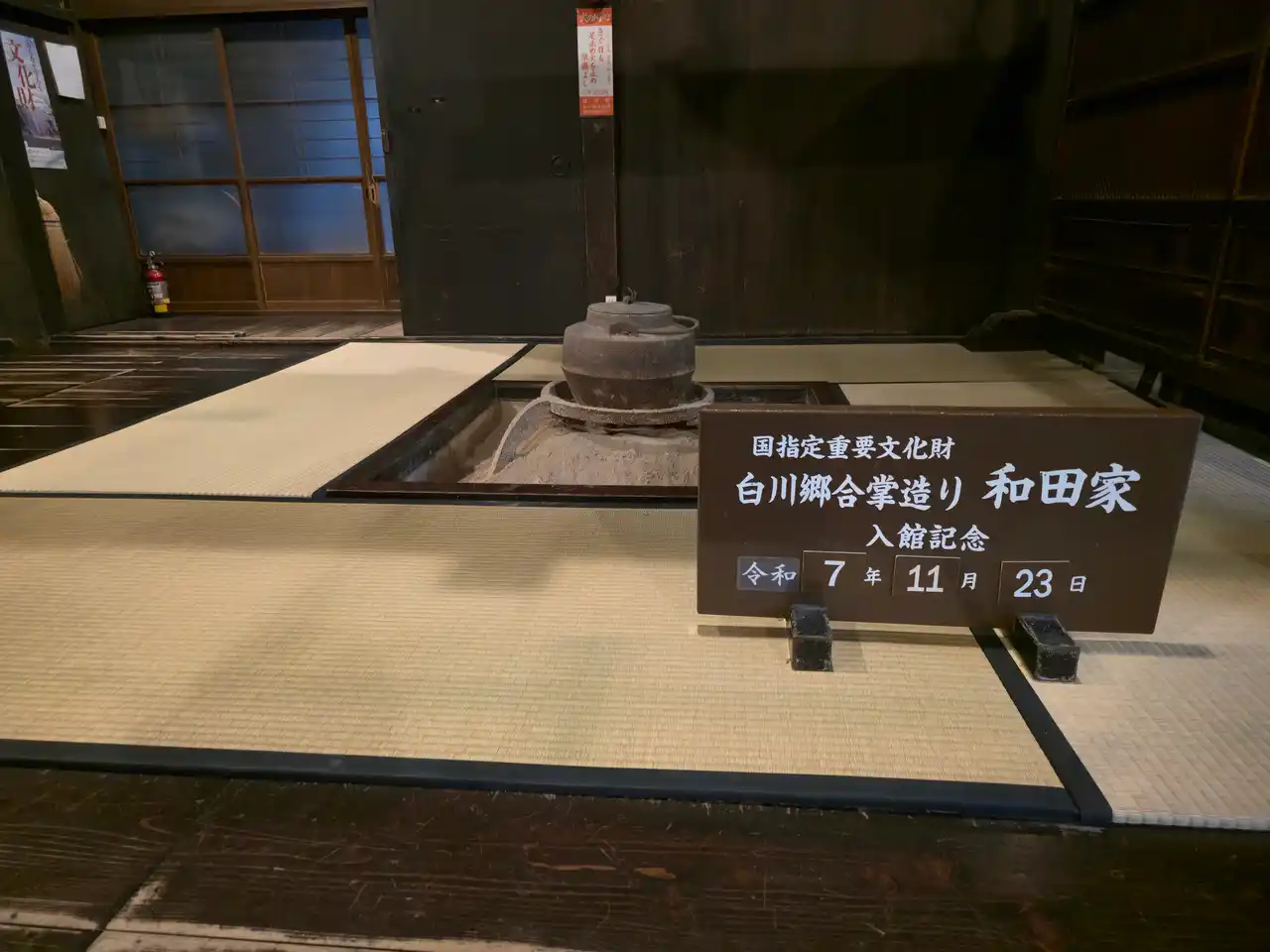
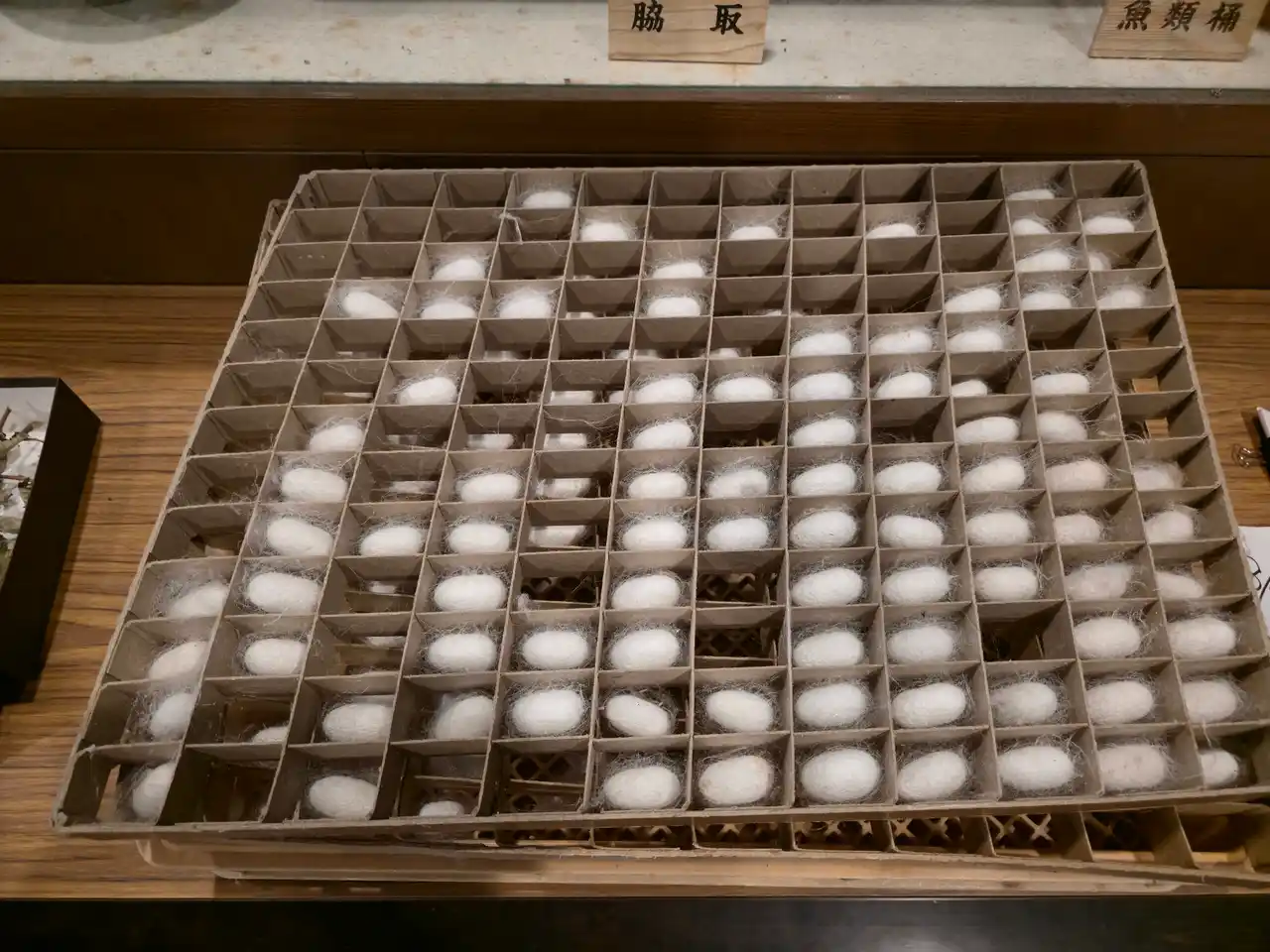
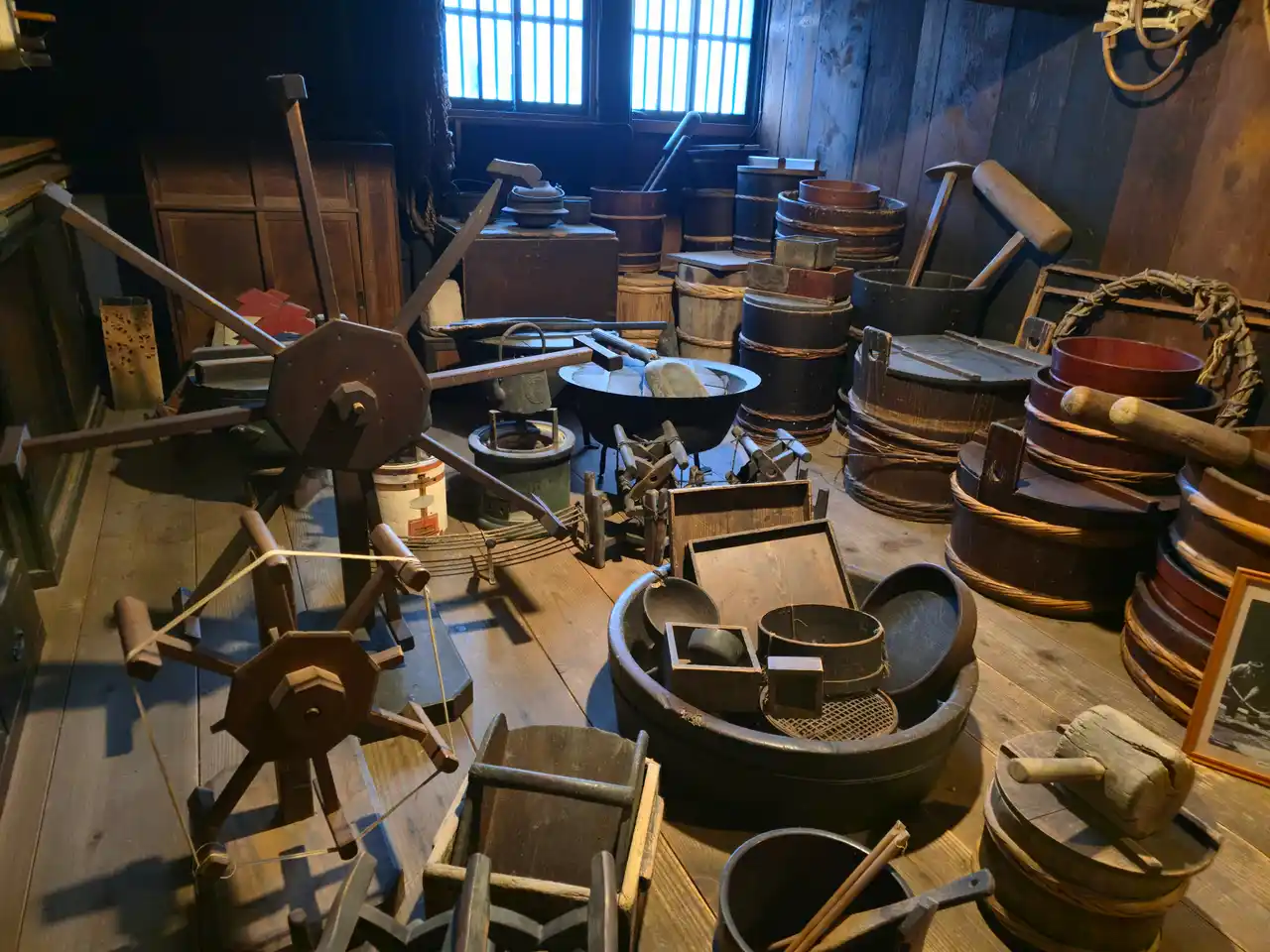
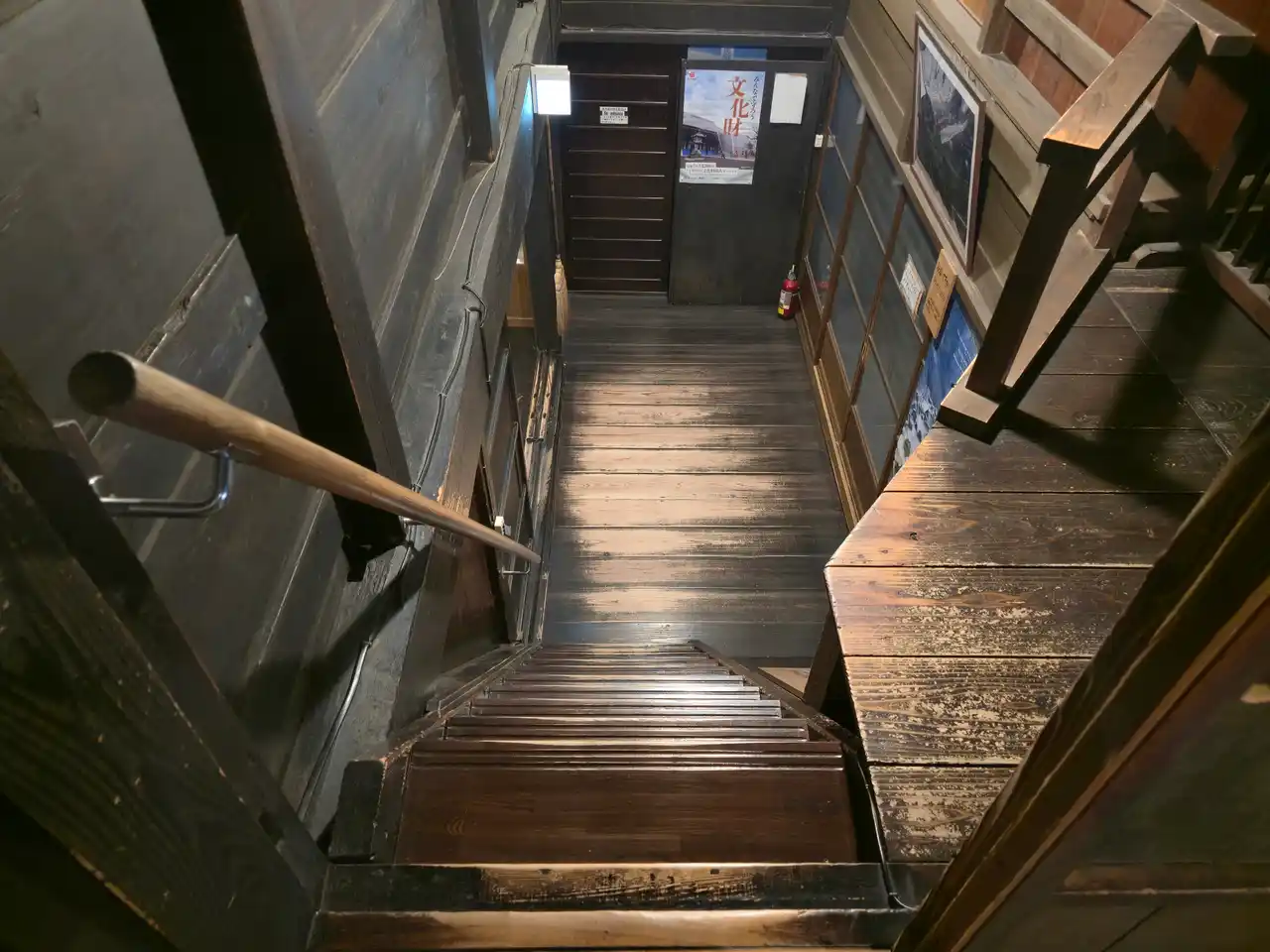
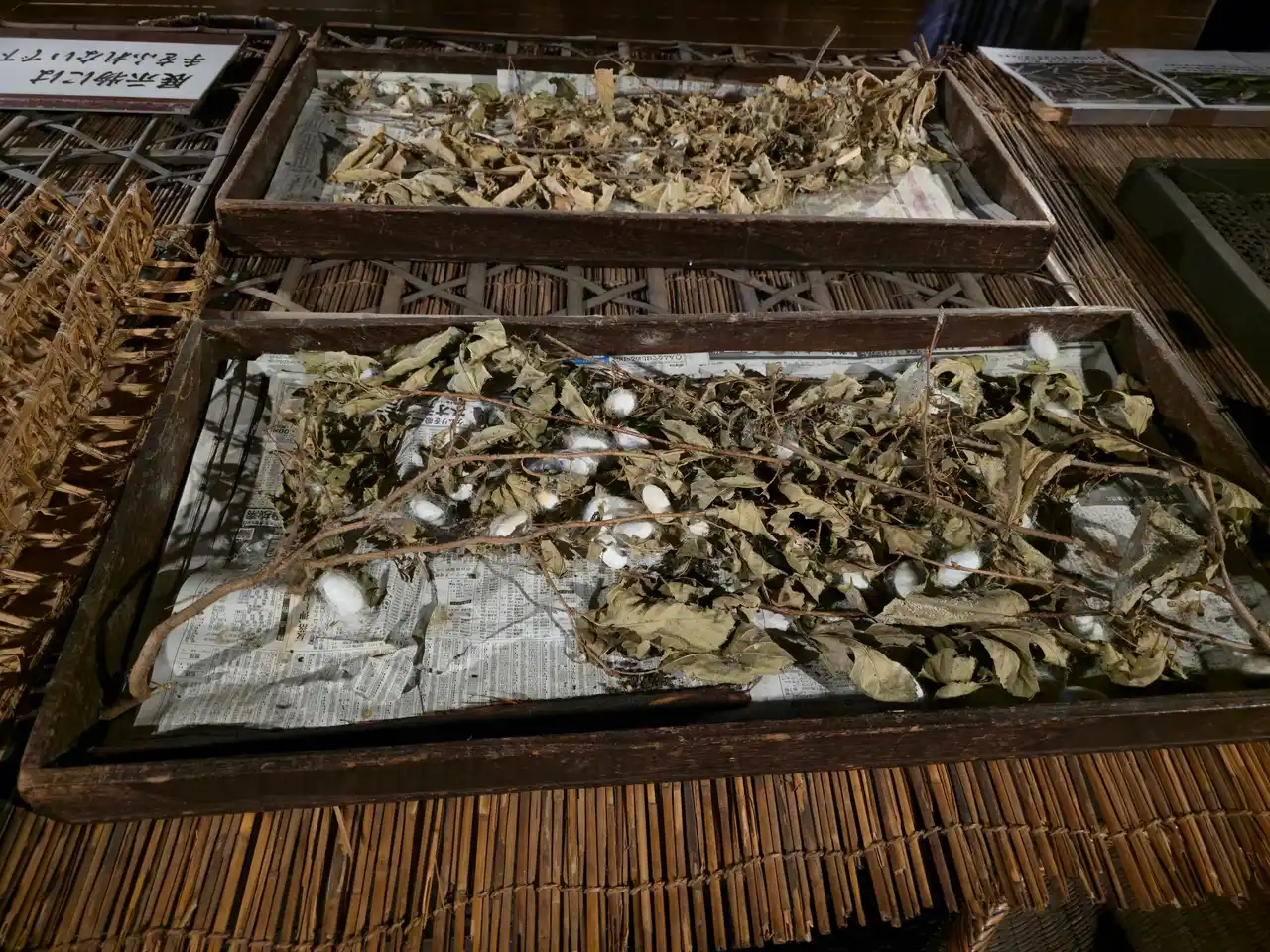
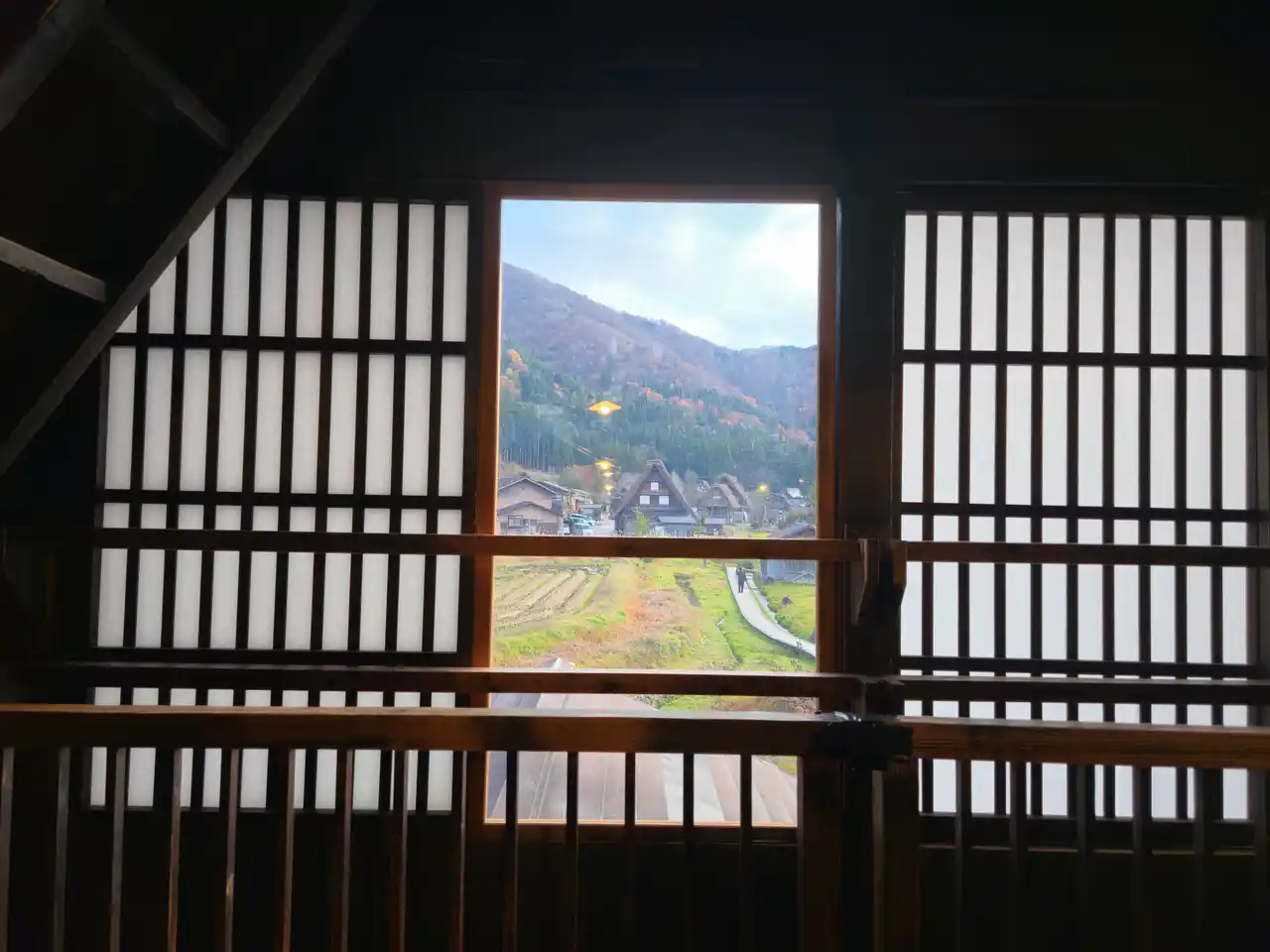
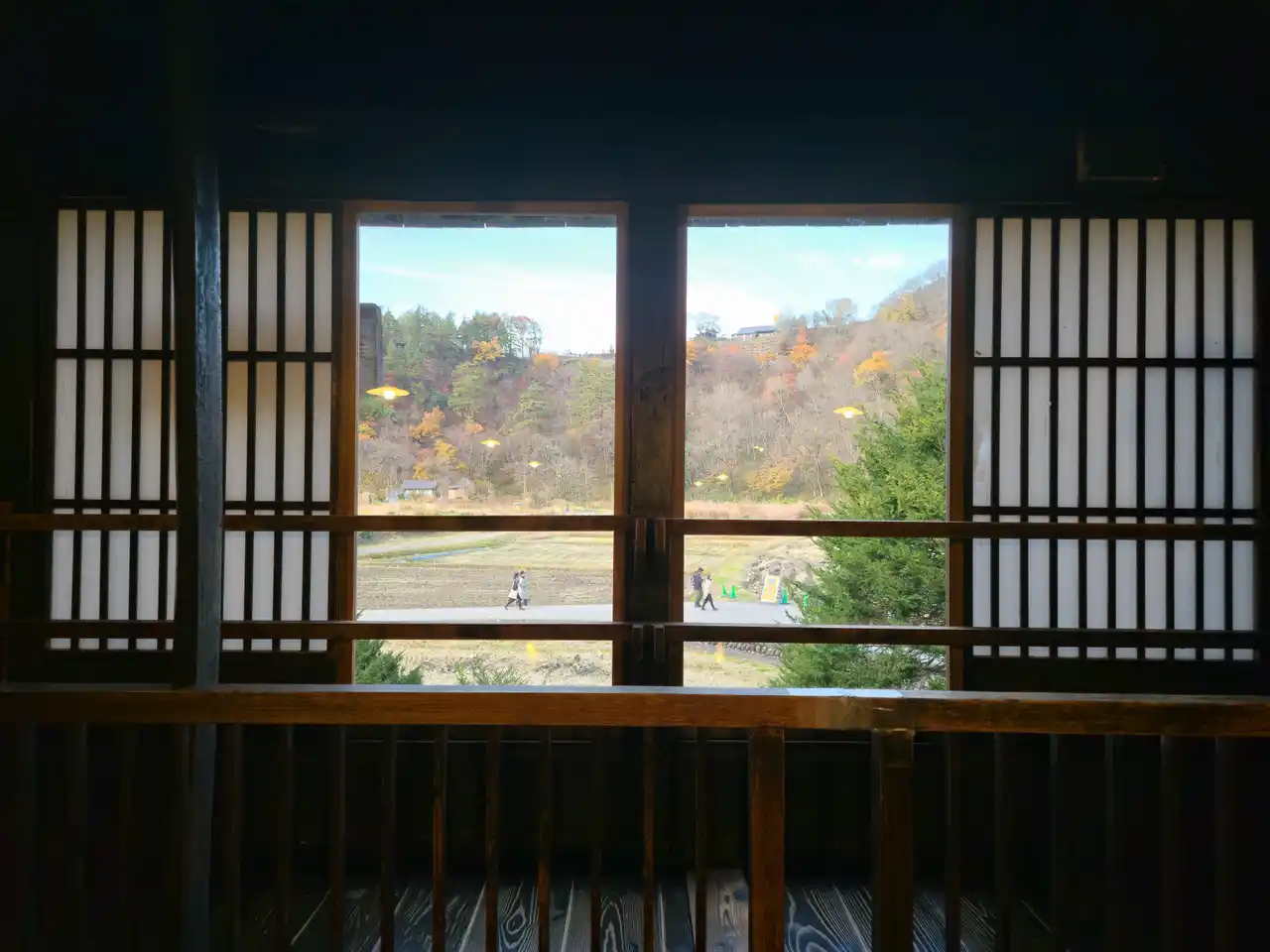
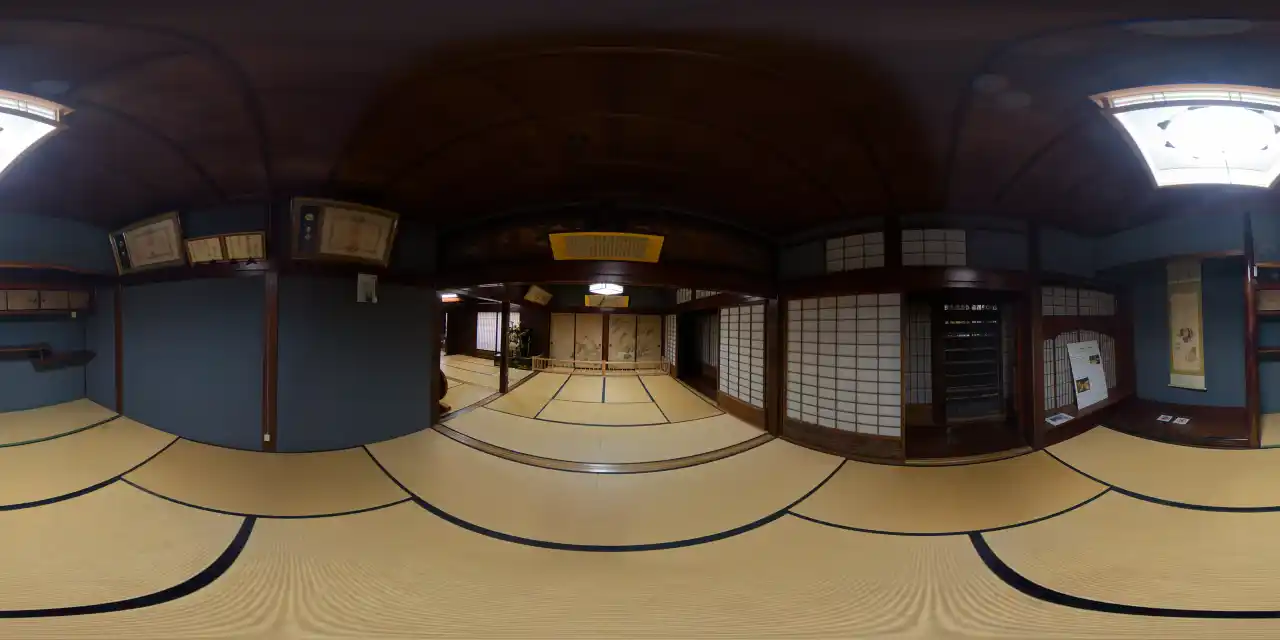
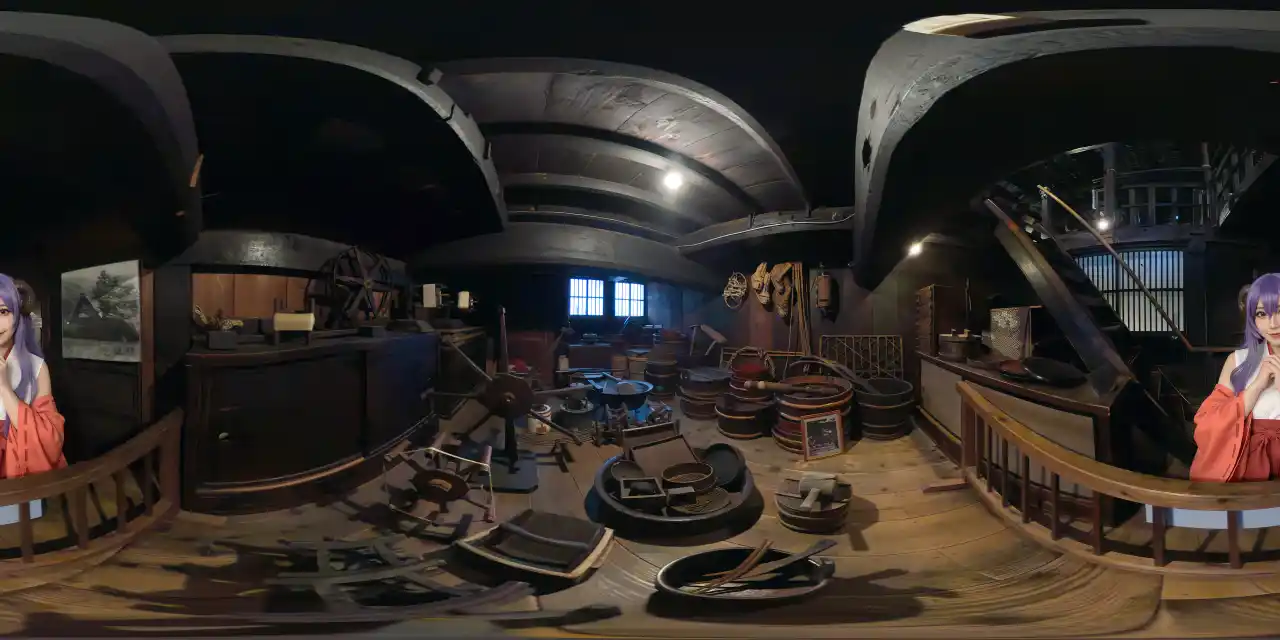
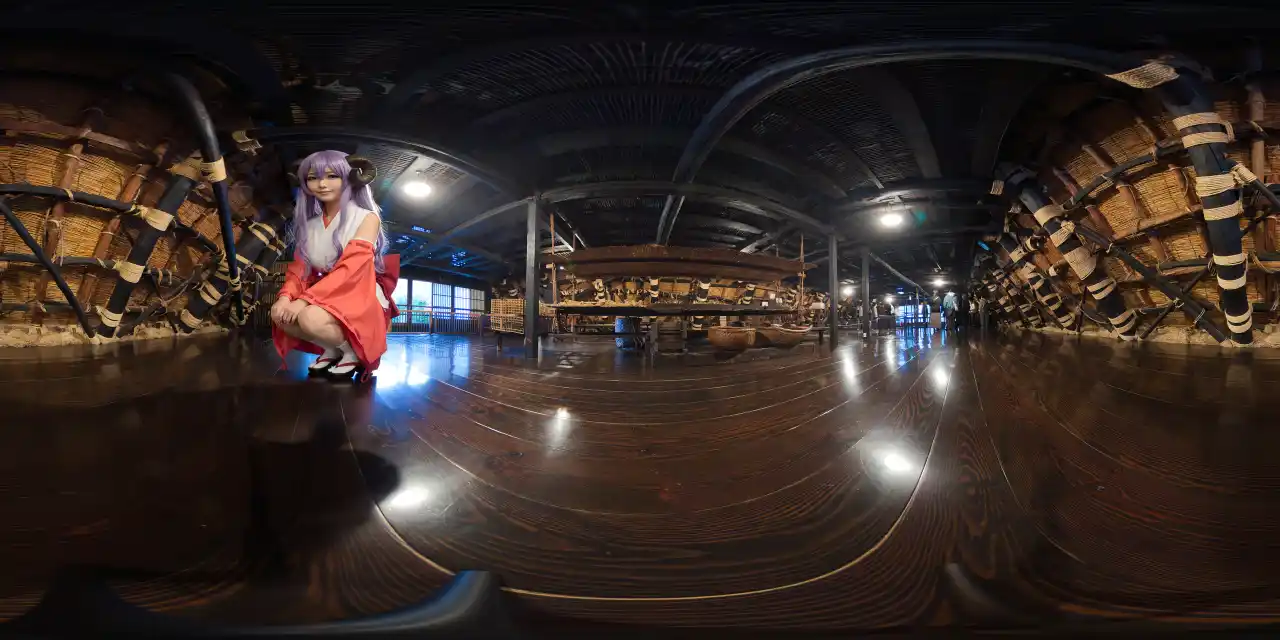

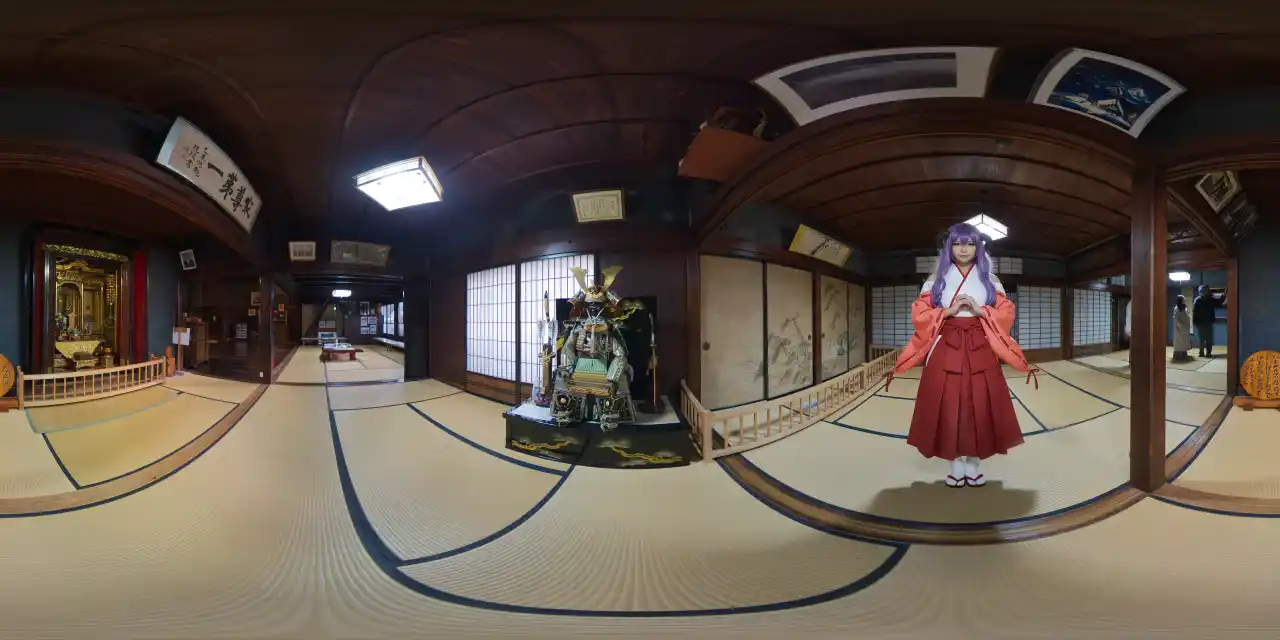
The Wada House is one of the largest Gassho-zukuri houses in the World Heritage area and the only one designated as an Important Cultural Property. During the Edo period, it served as a Nanushi (Shoya) and a checkpoint official. Additionally, the Wada family prospered through the trade of nitre, an important source of cash income for Shirakawa-go.
Sato Folk Craft Shop
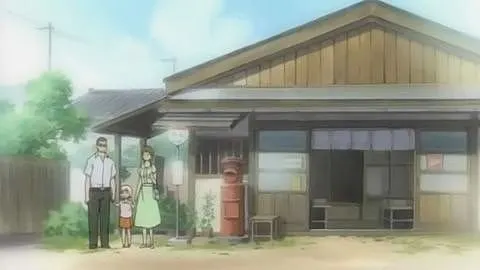
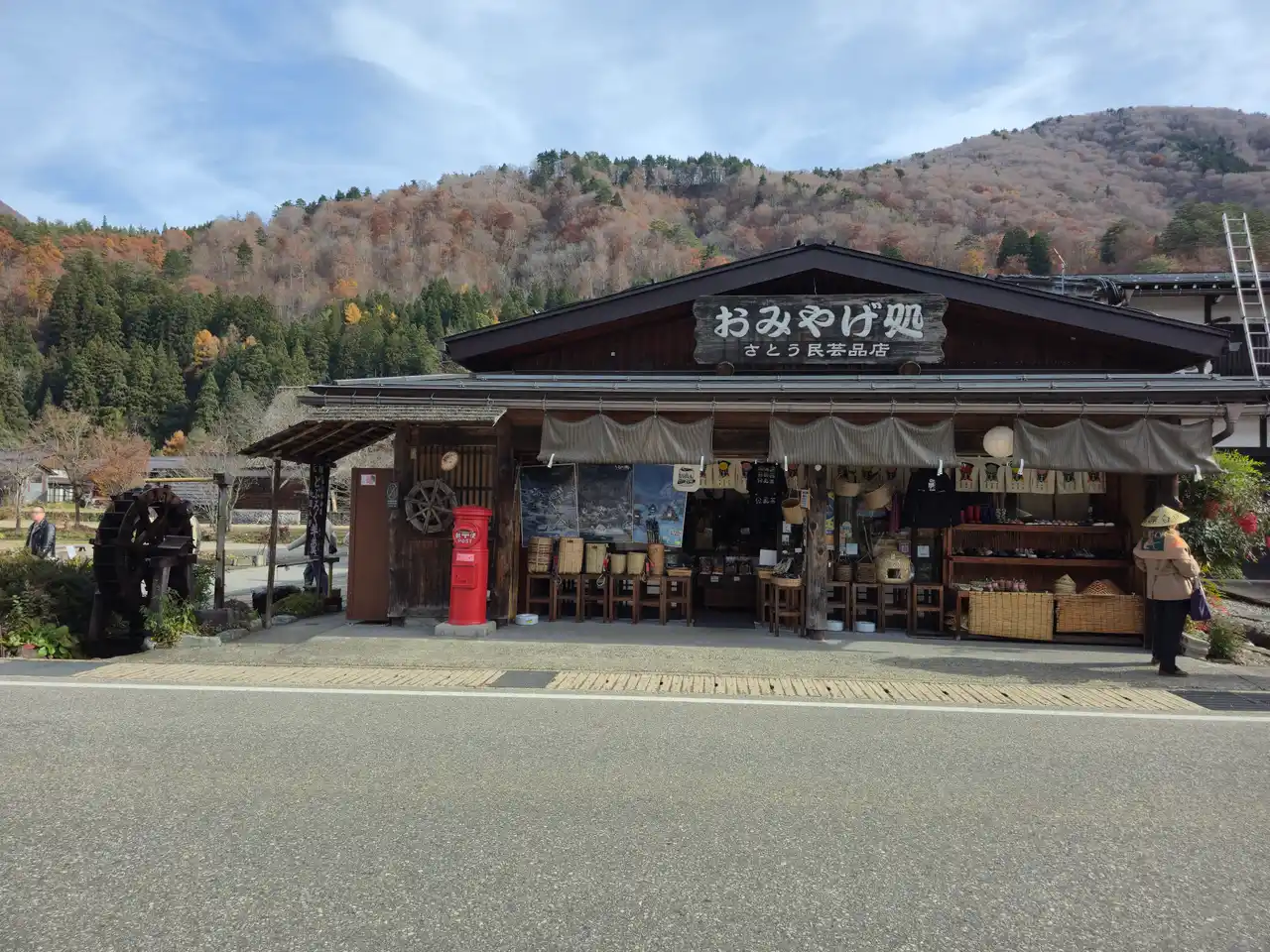
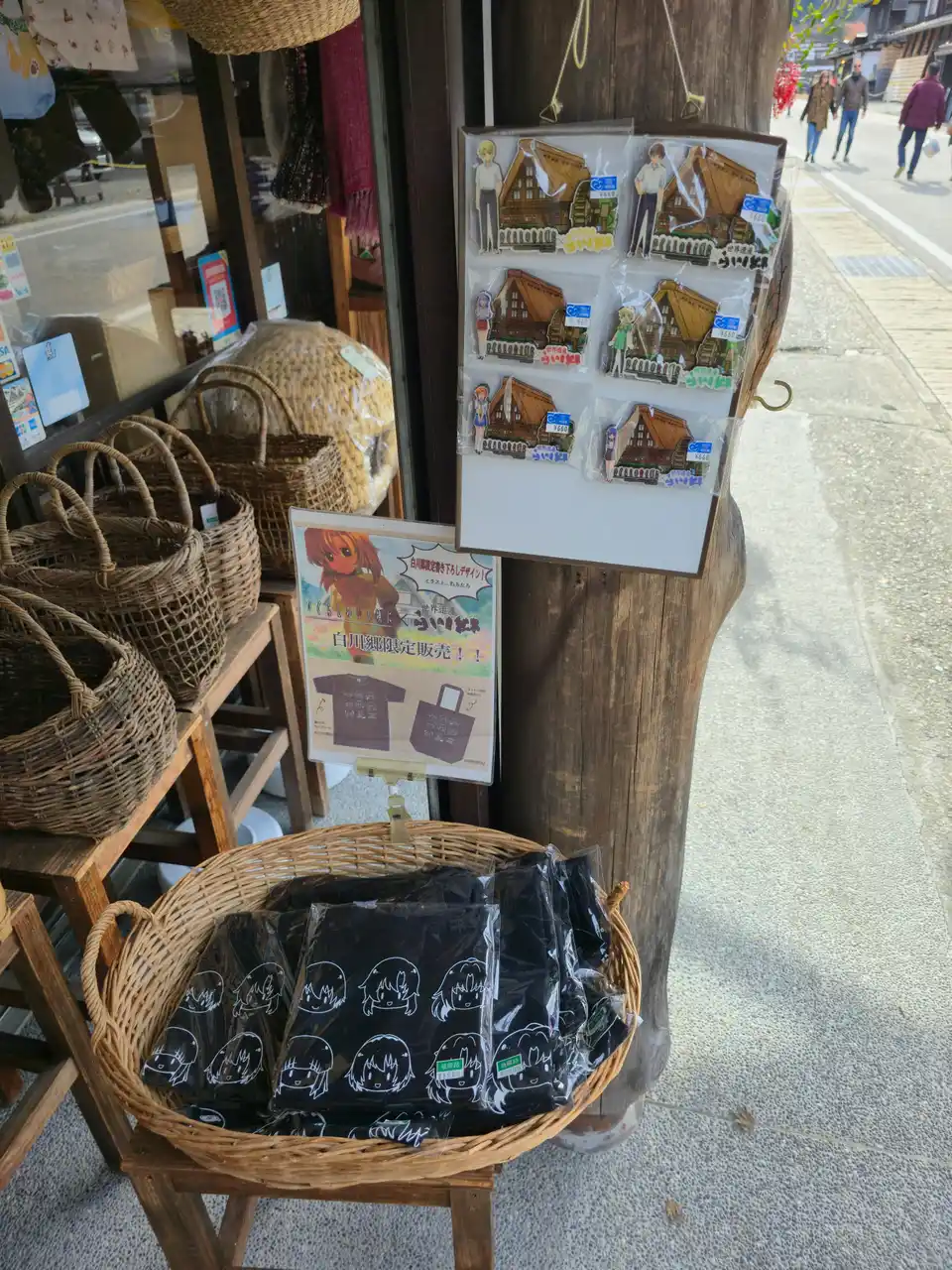
A small selection of merchandise related to the work is sold here.
Hongaku-ji Temple

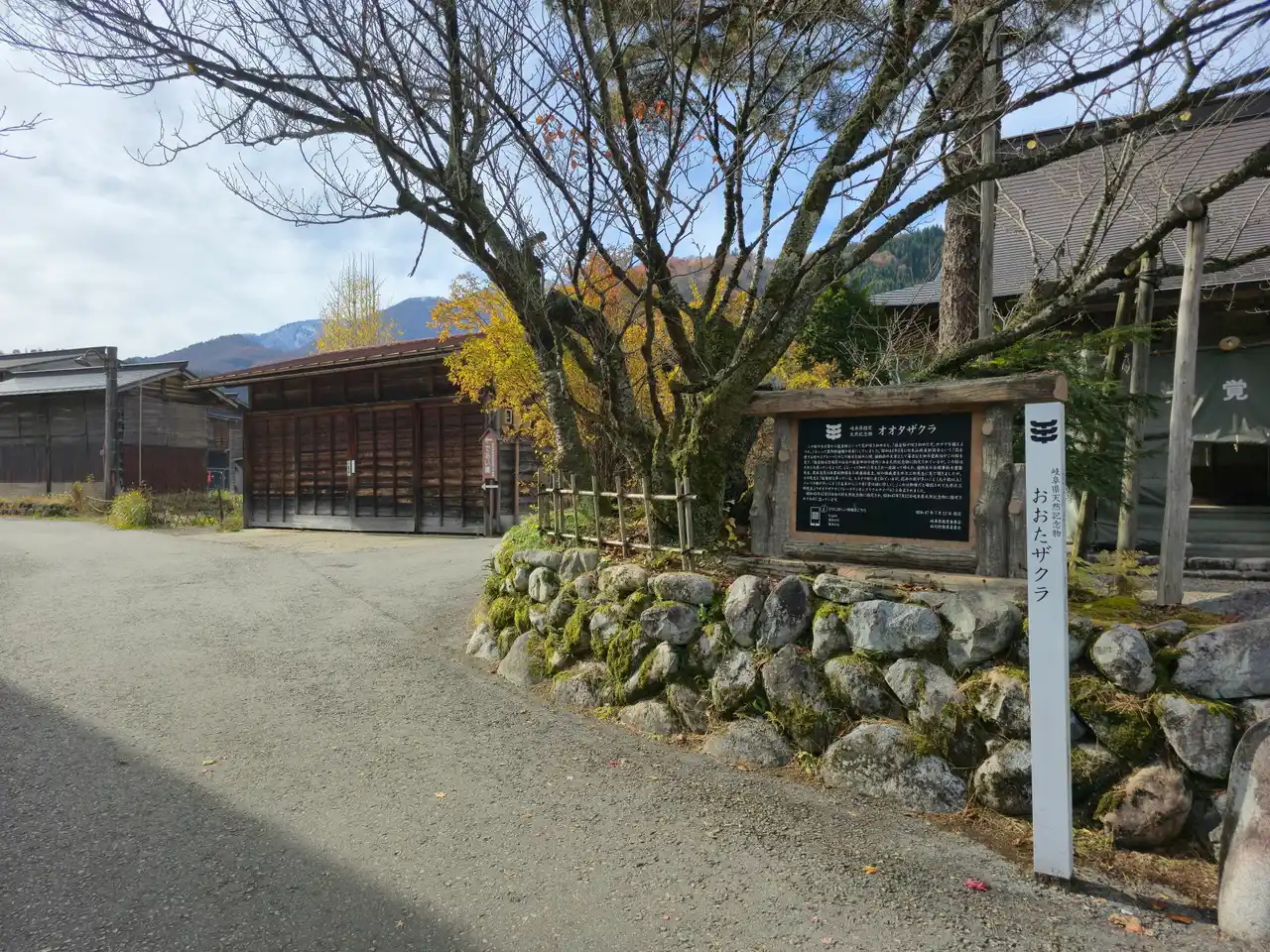
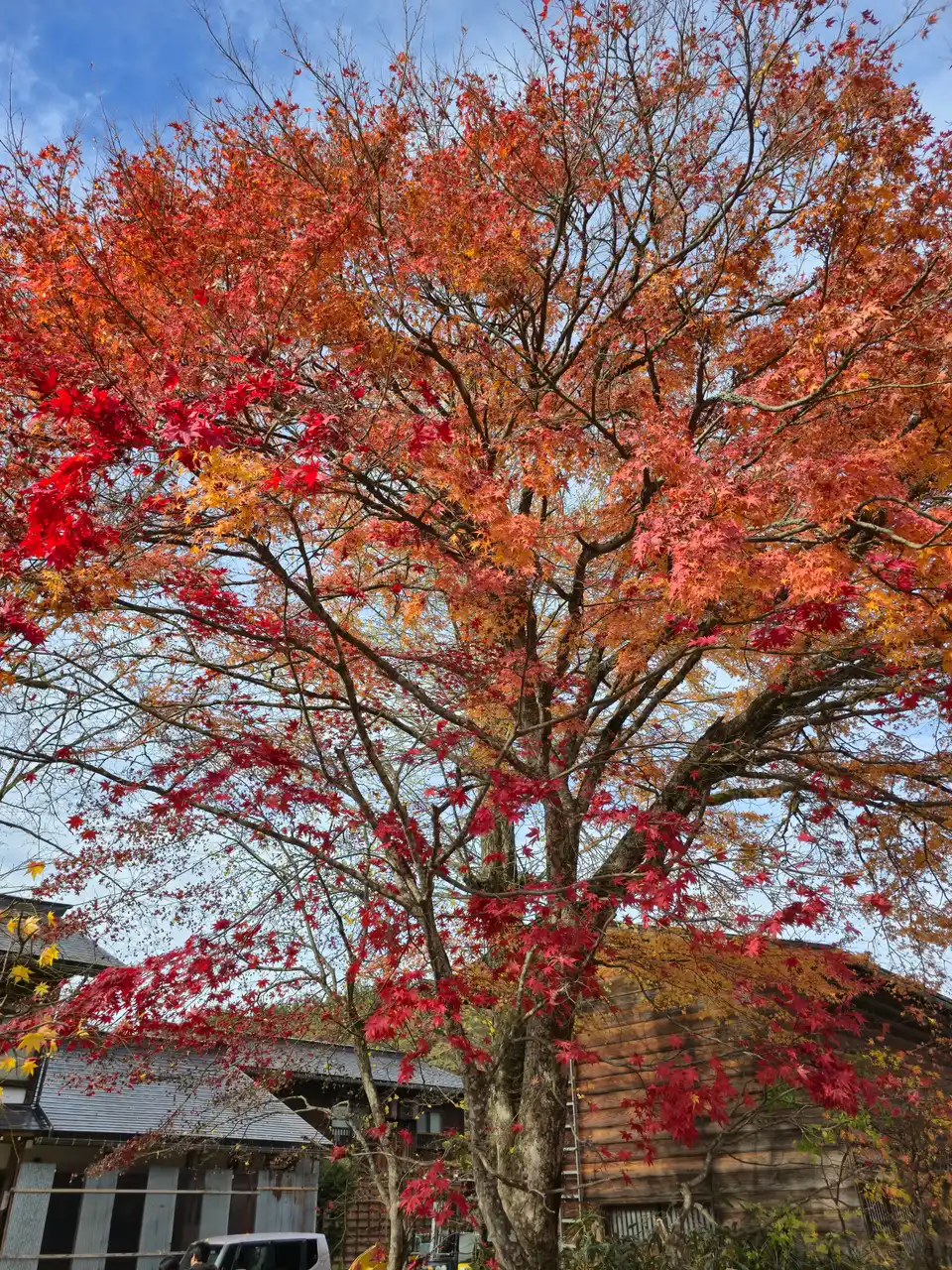
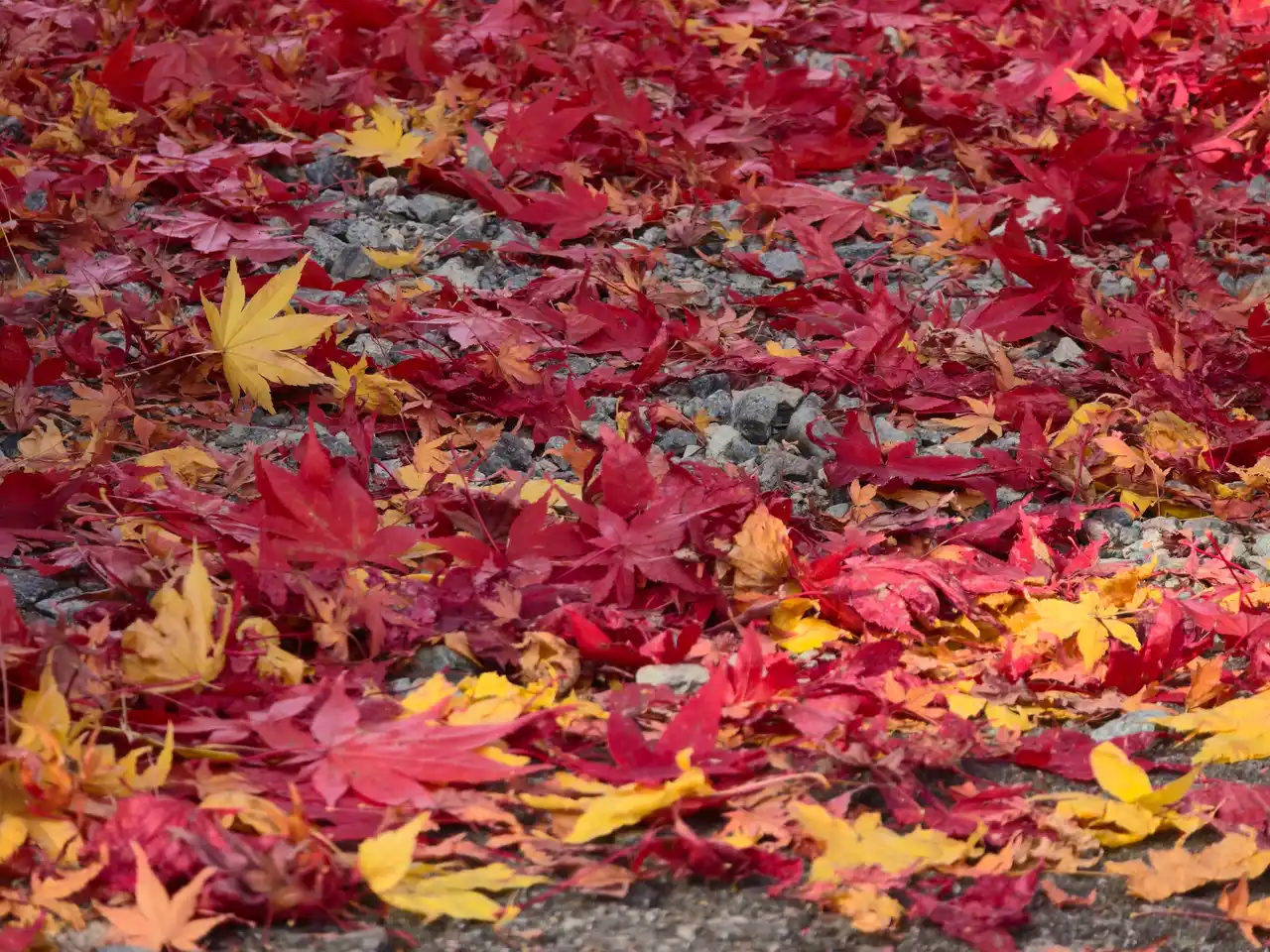
The maple leaves here are absolutely beautiful!
That concludes the first part of the trip.
The next part will continue exploring Hinamizawa, so stay tuned!