Moe is justice! A small site that occasionally shares ACG event logs and interesting code.
Welcome Back: Tamayura Pilgrimage to Takehara - Part 1
September 22, 2025, sunny. Today I went to Takehara for a Tamayura pilgrimage.
Since it's quite long, I decided to split it into three articles. This one starts from Takehara Station, passes through the Kure Line Railroad Crossing, visits Isomiya Hachiman Shrine, returns to Aifull 316 Shopping Street, then heads to the plaza near the Statue of Rai Sanyo, and finally arrives at the Former Hinomaru Photo Studio.
Takehara Station
Time goes back to the evening of September 21, 2025.
I took the Kure Line from Hiroshima to Takehara Station.
There are two ways to get from Hiroshima to Takehara: one is the Kure Line, and the other is the highway bus.
The Kure Line has few direct trains to Takehara, so most of the time you need to transfer midway, making it slower than the highway bus.
The highway bus fare is slightly higher than the train, so please check the schedules of both the train and bus based on your situation before departing!
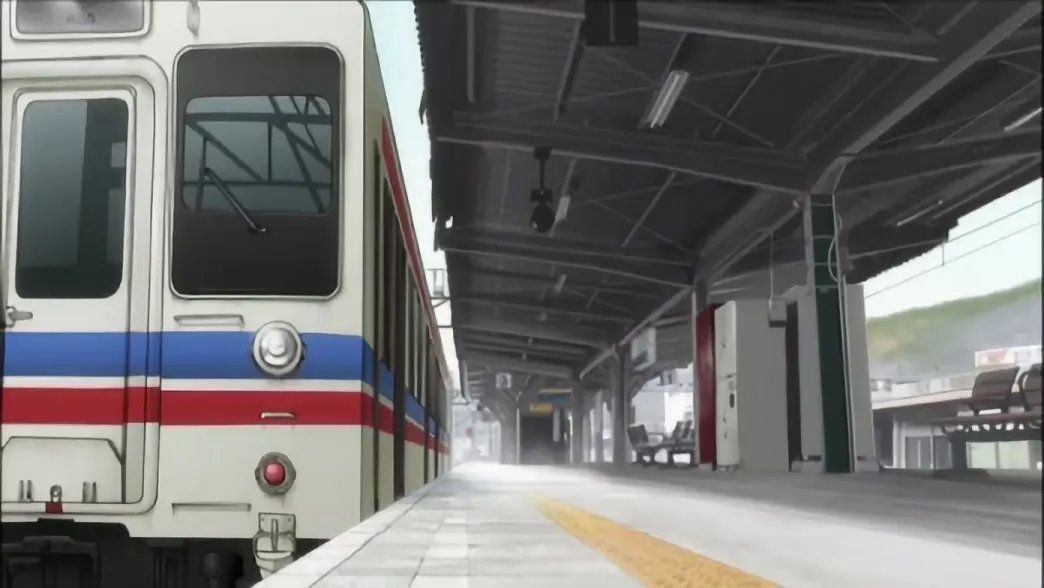
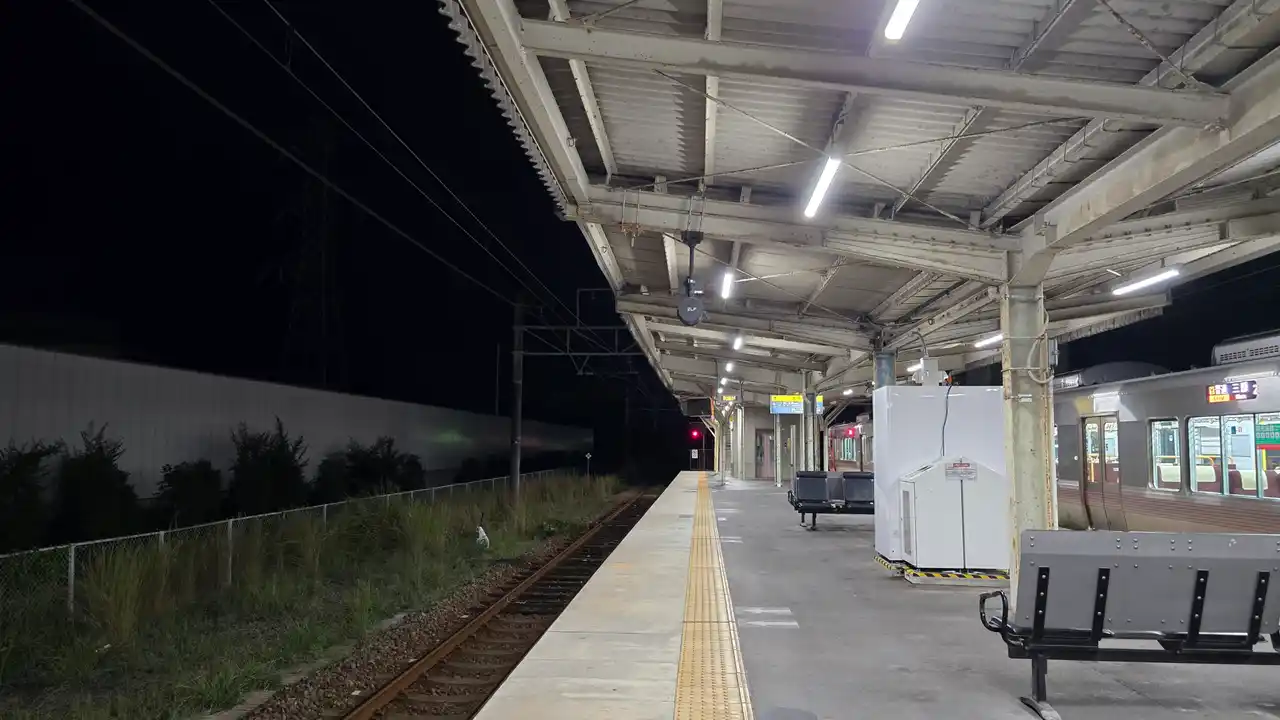
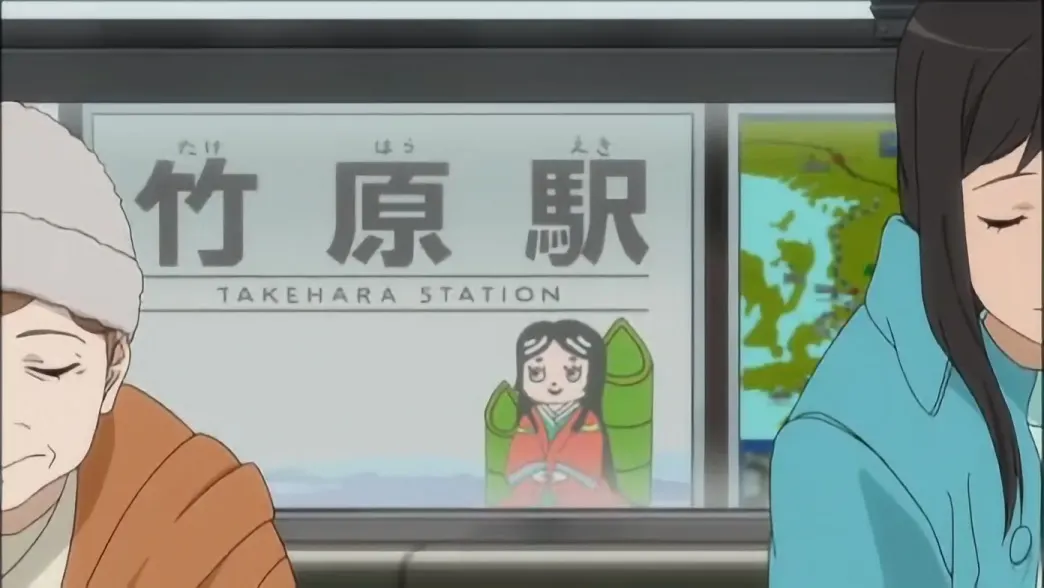
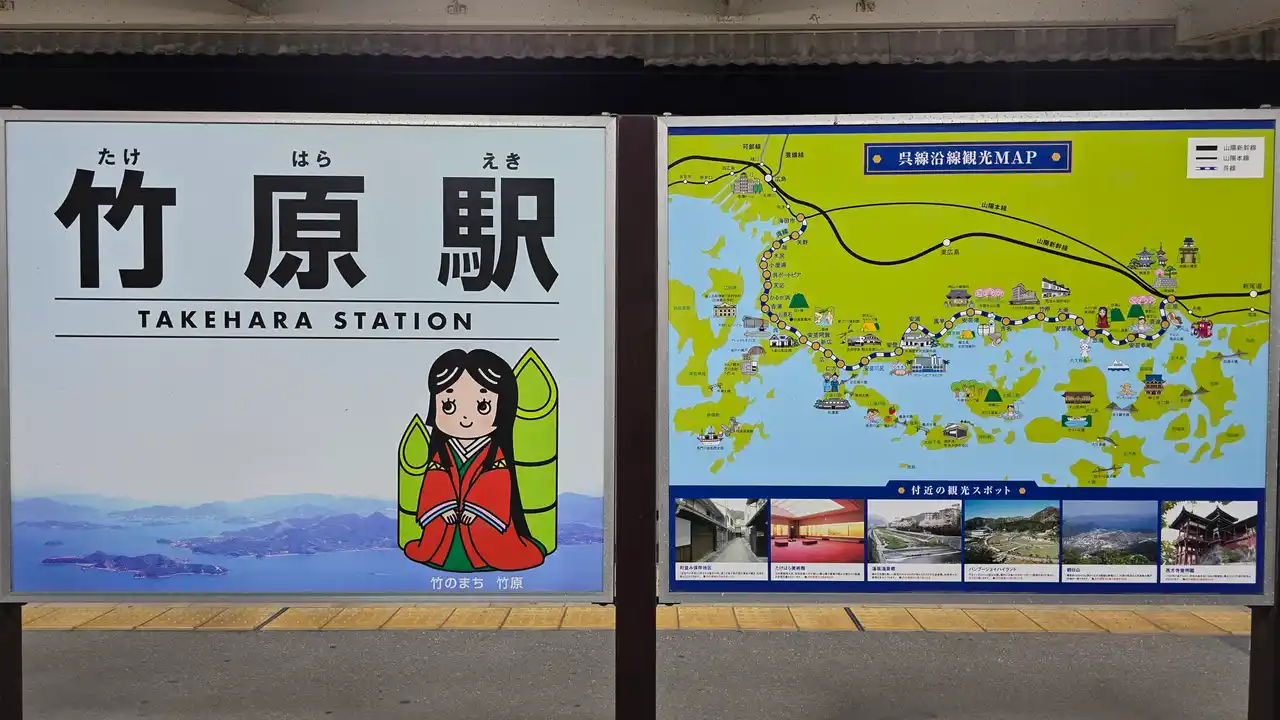
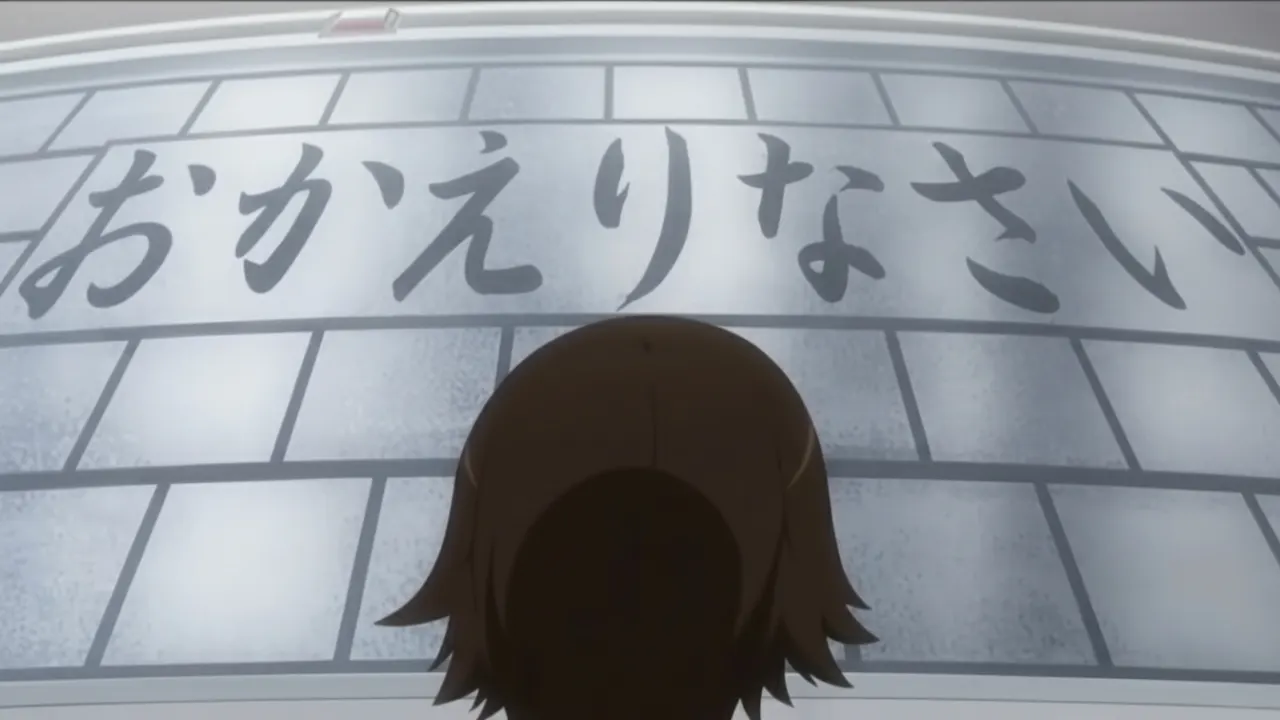
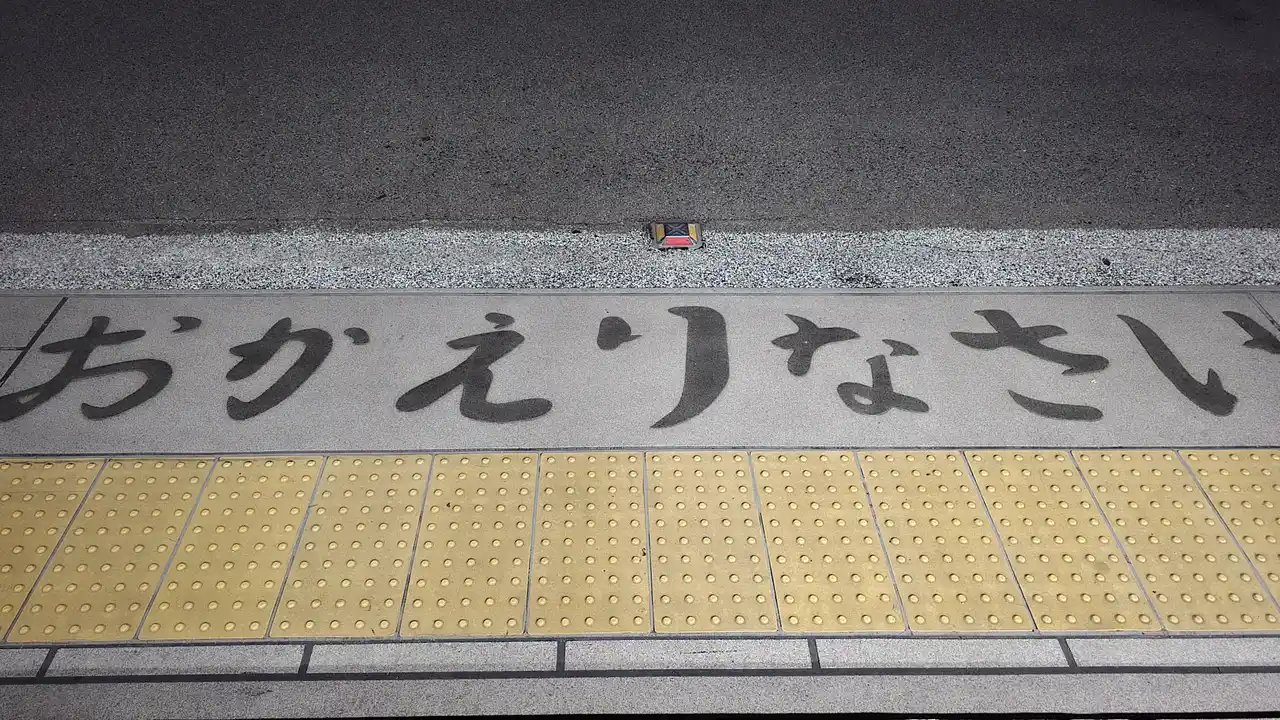
A familiar yet unfamiliar "Okaerinasai."
At that moment, the OP started playing.
Looking back at this OP now, the scenes that appear have become memories, which is quite interesting.
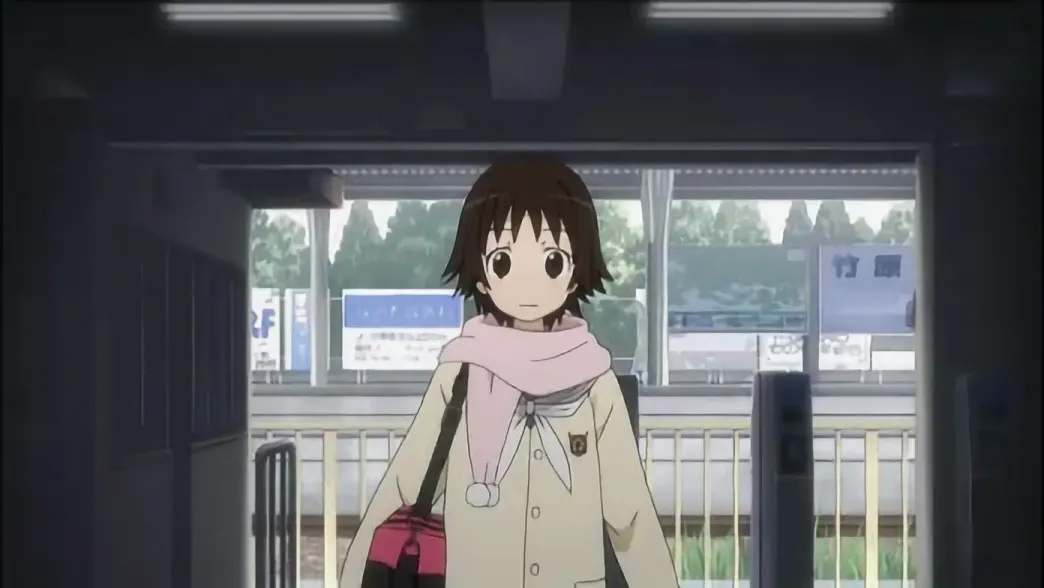
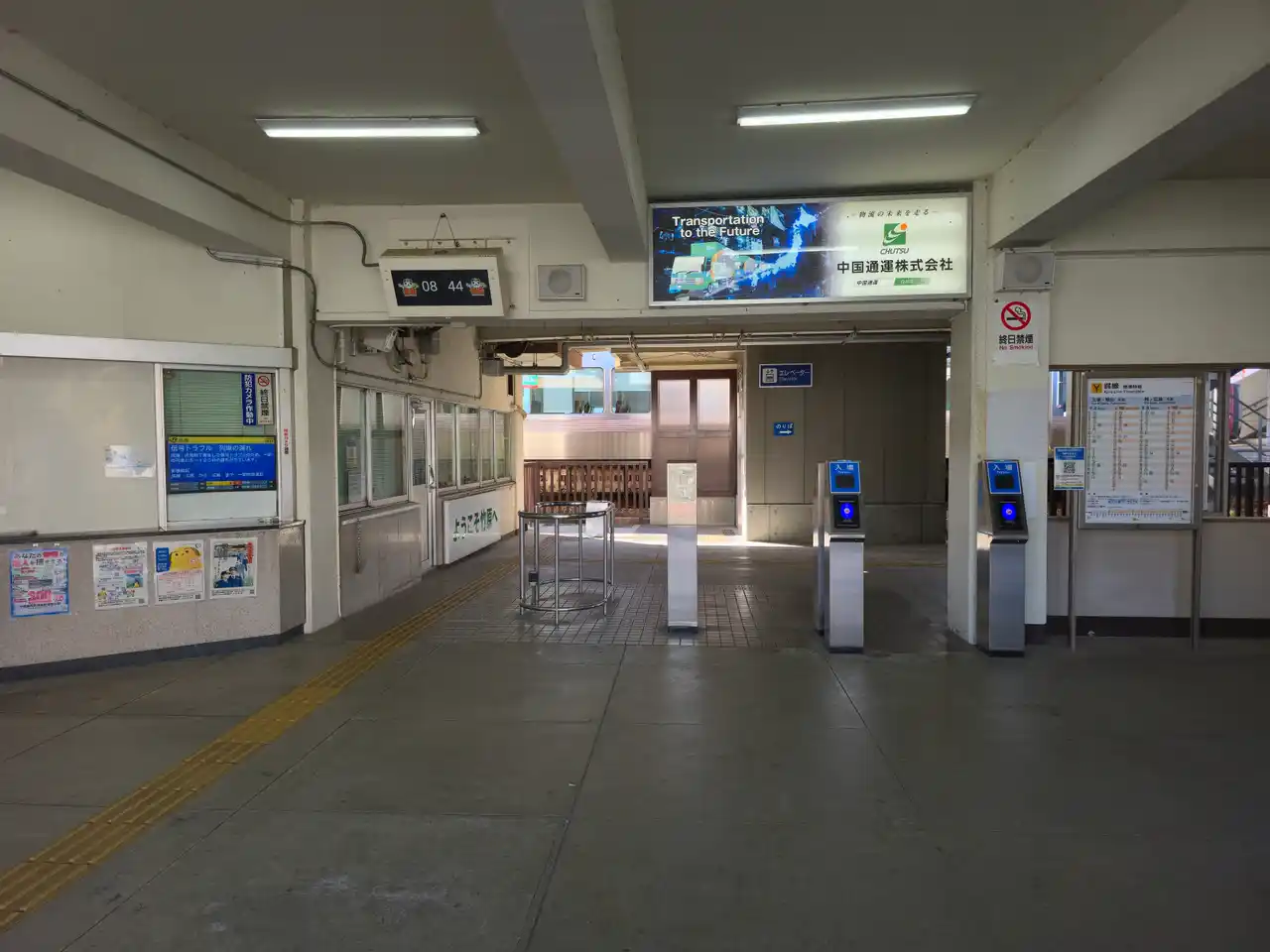
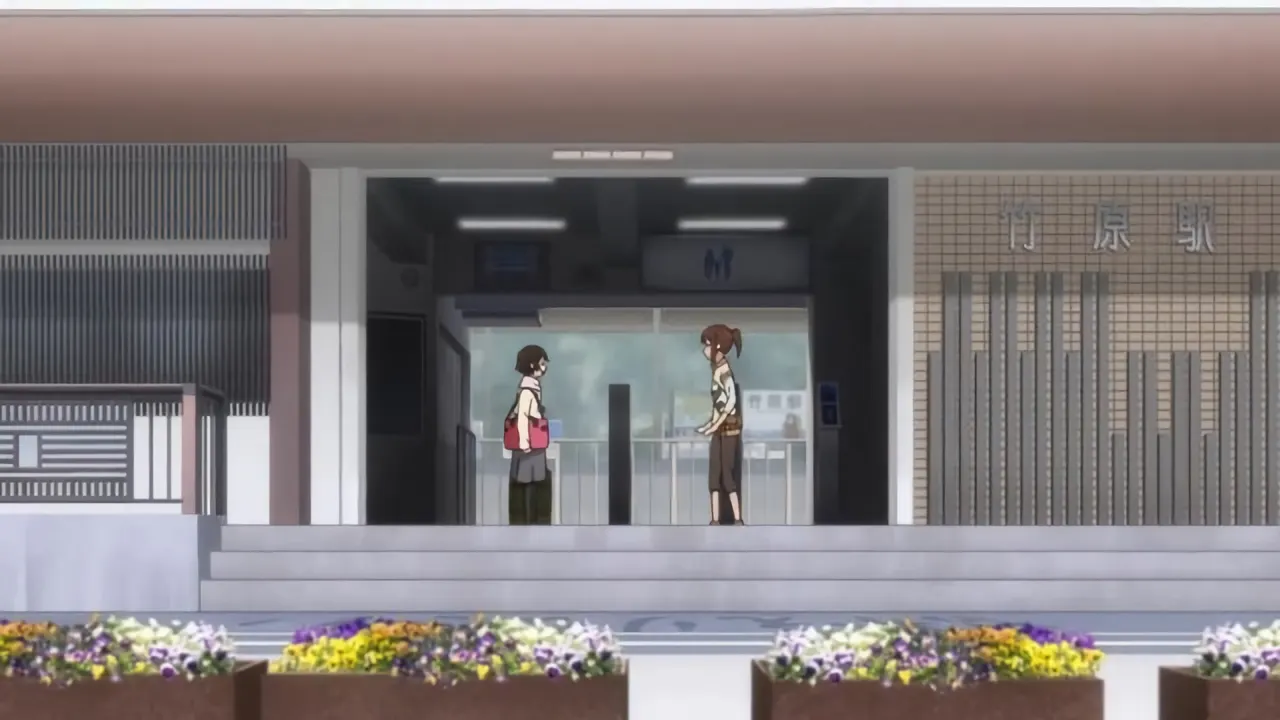
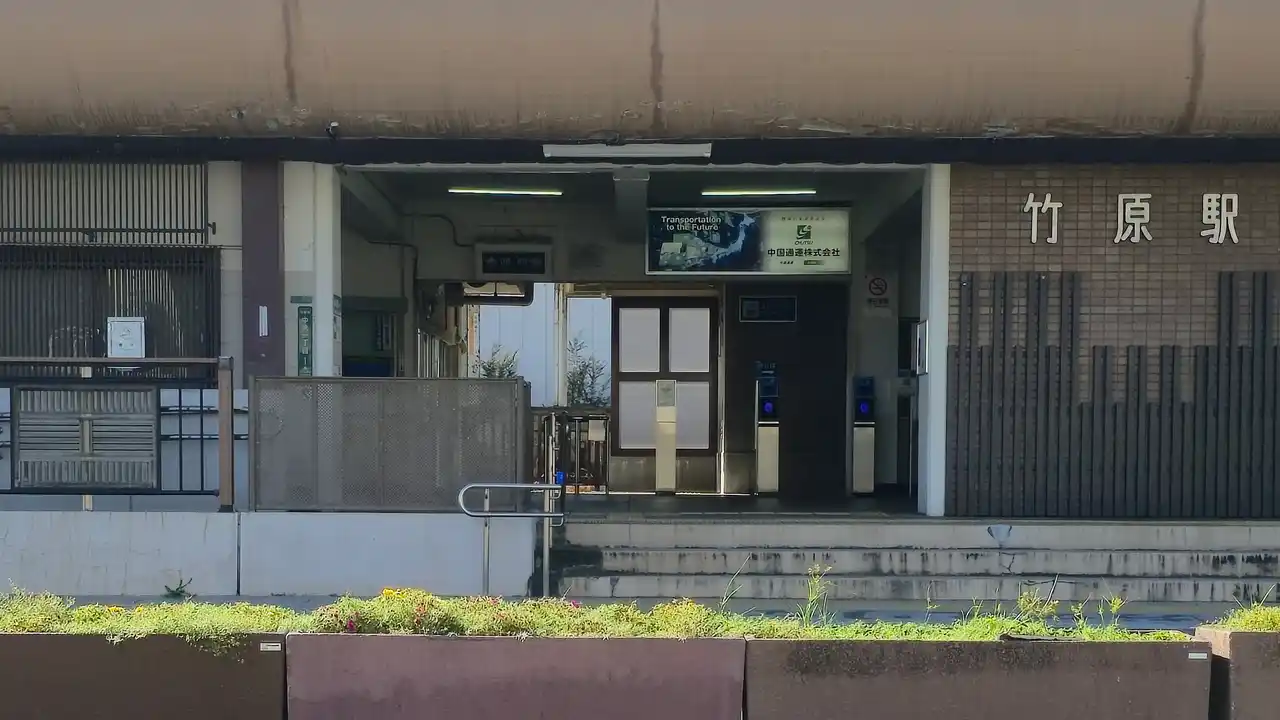
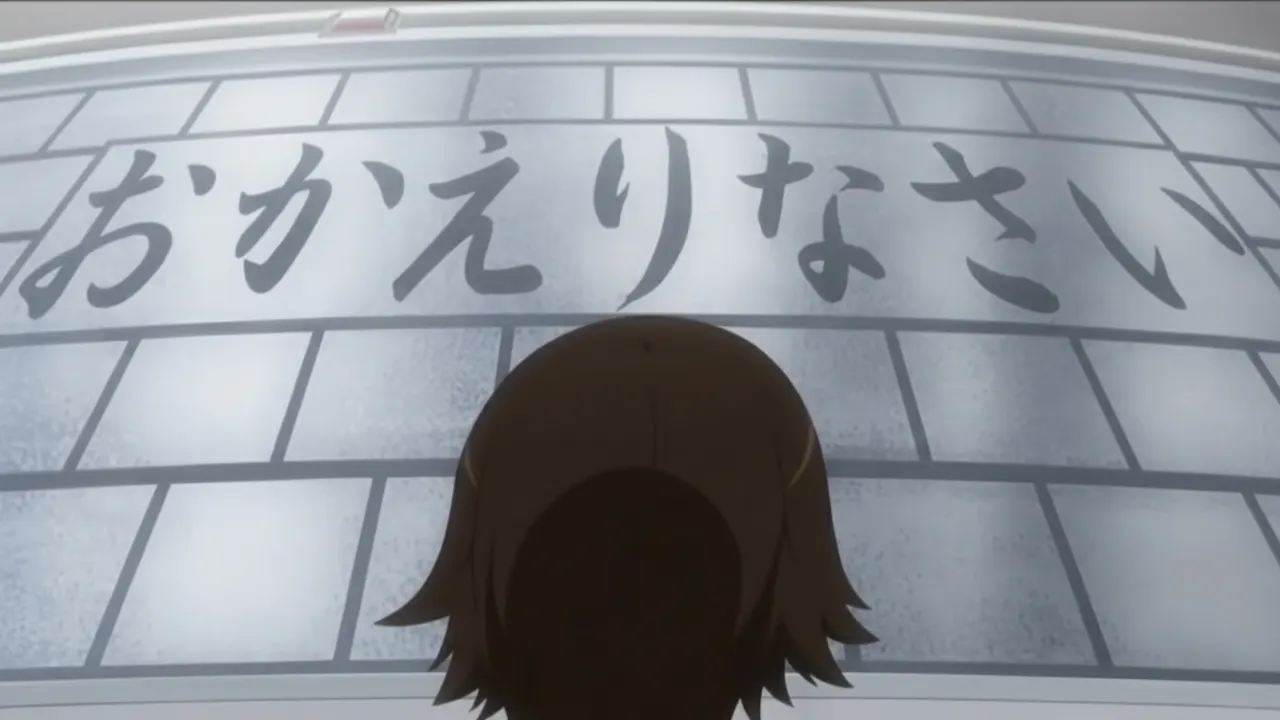
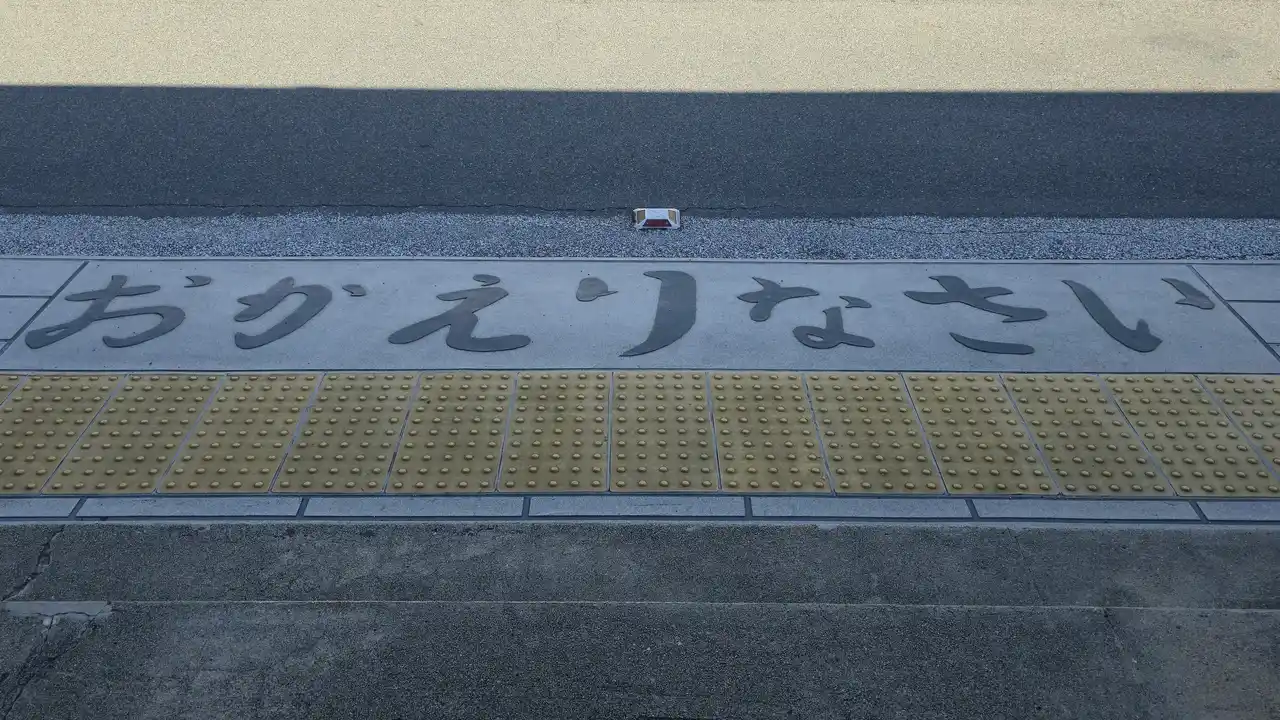
Time returns to September 22, 2025, back at Takehara Station.
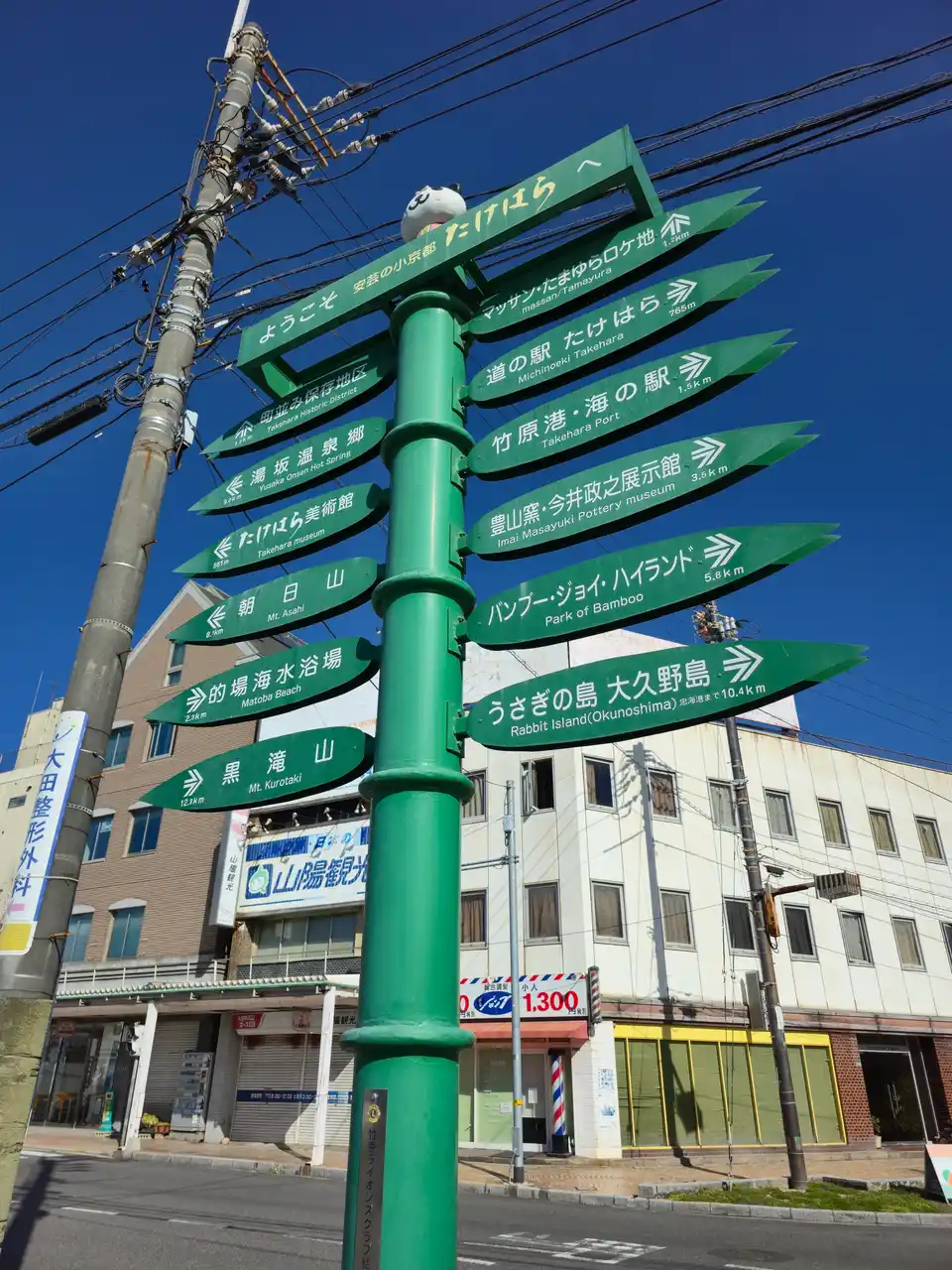
Signboard.
Takehara Tourist Information Center
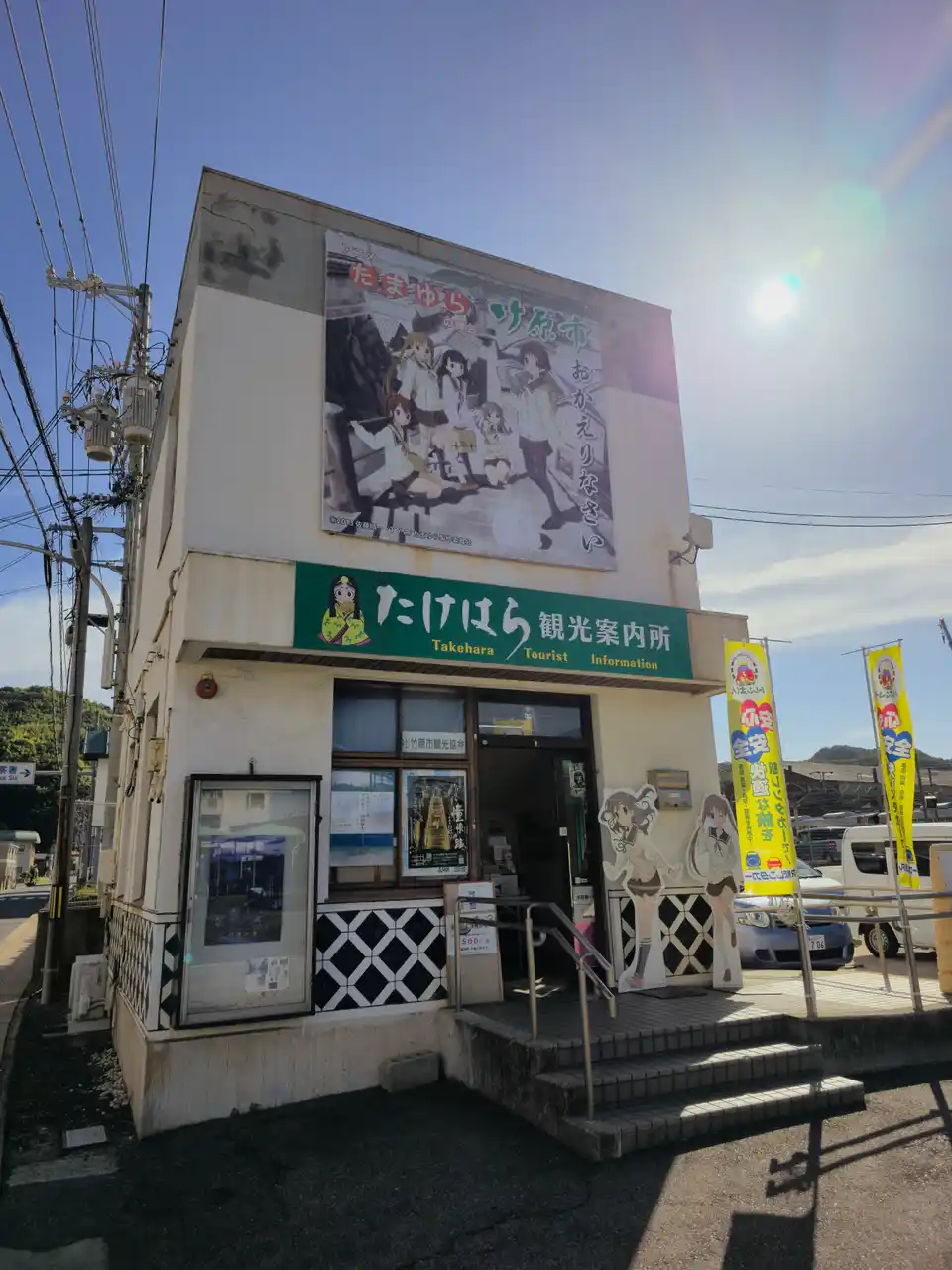
As everyone knows, the first thing to do when arriving at a place is to visit the local tourist information center.
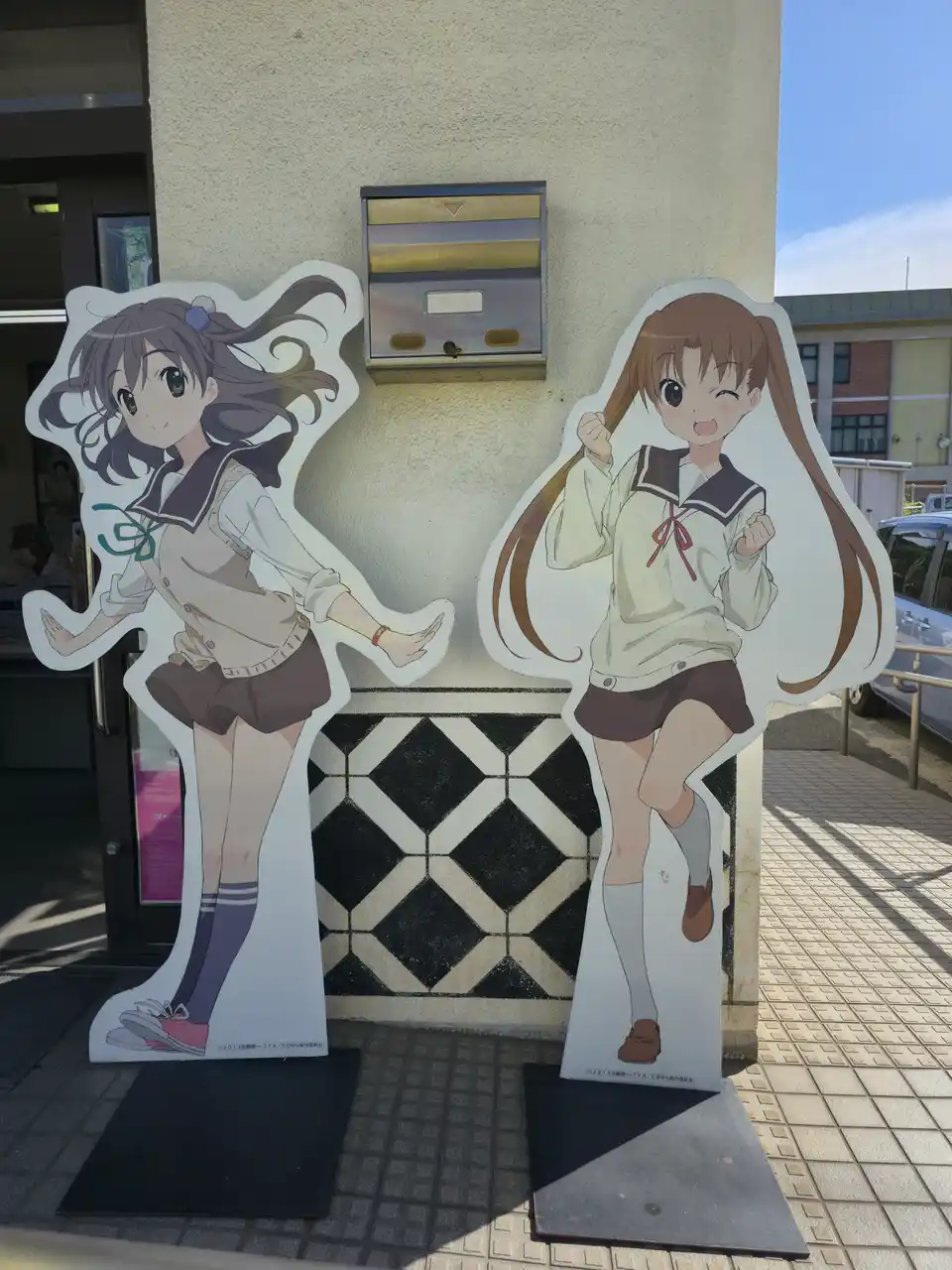
Standing sign at the entrance.
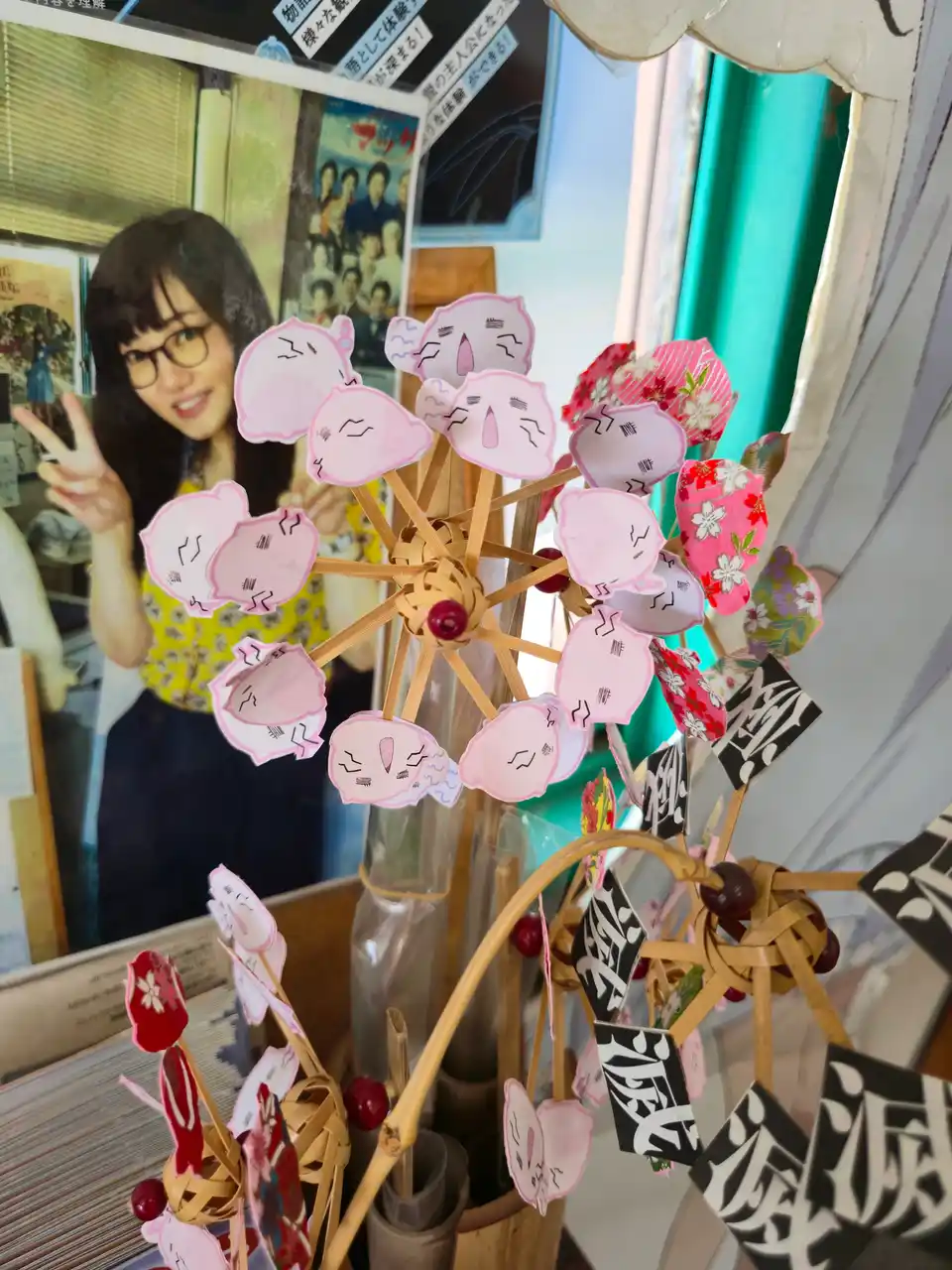
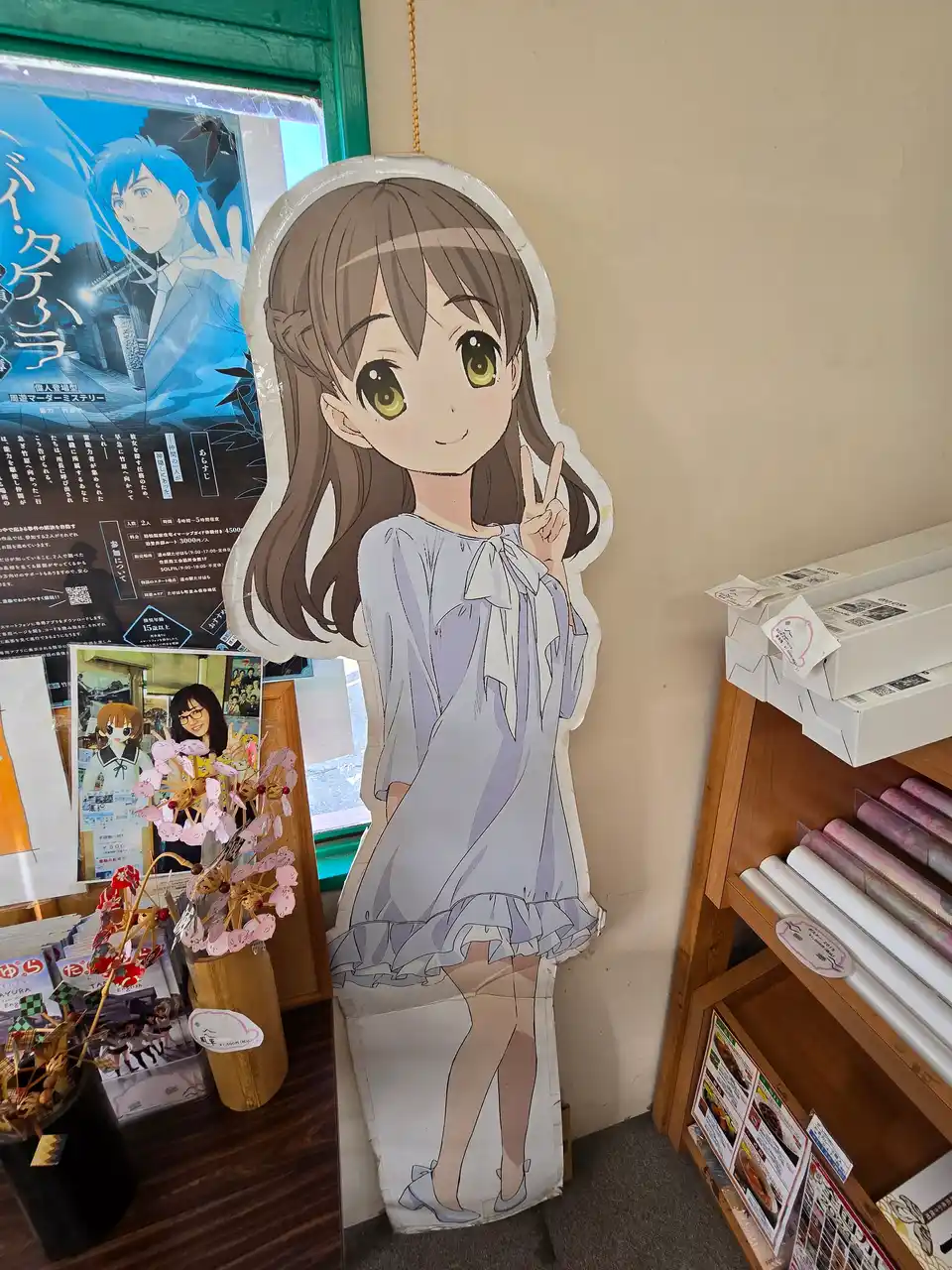
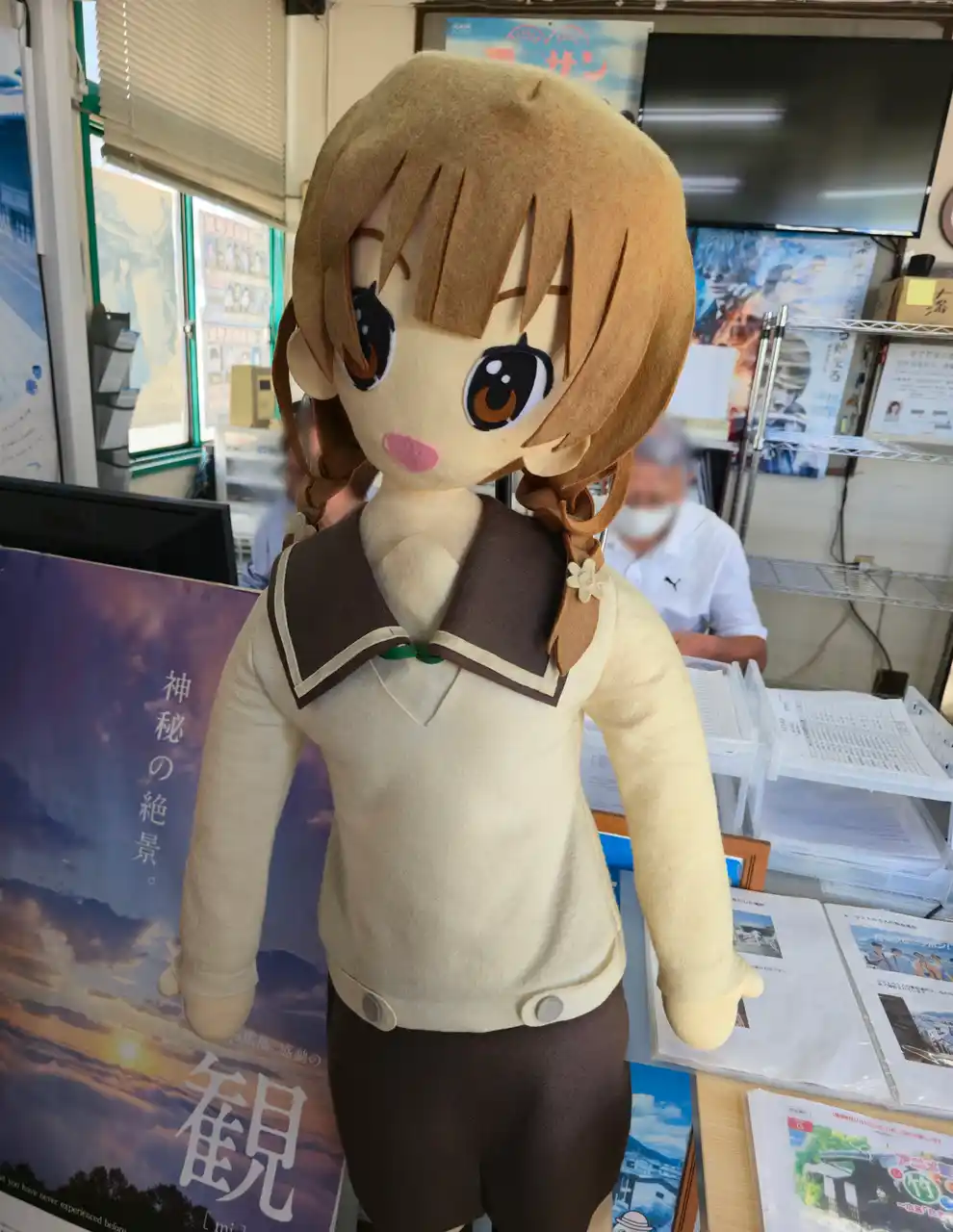
Inside the information center.
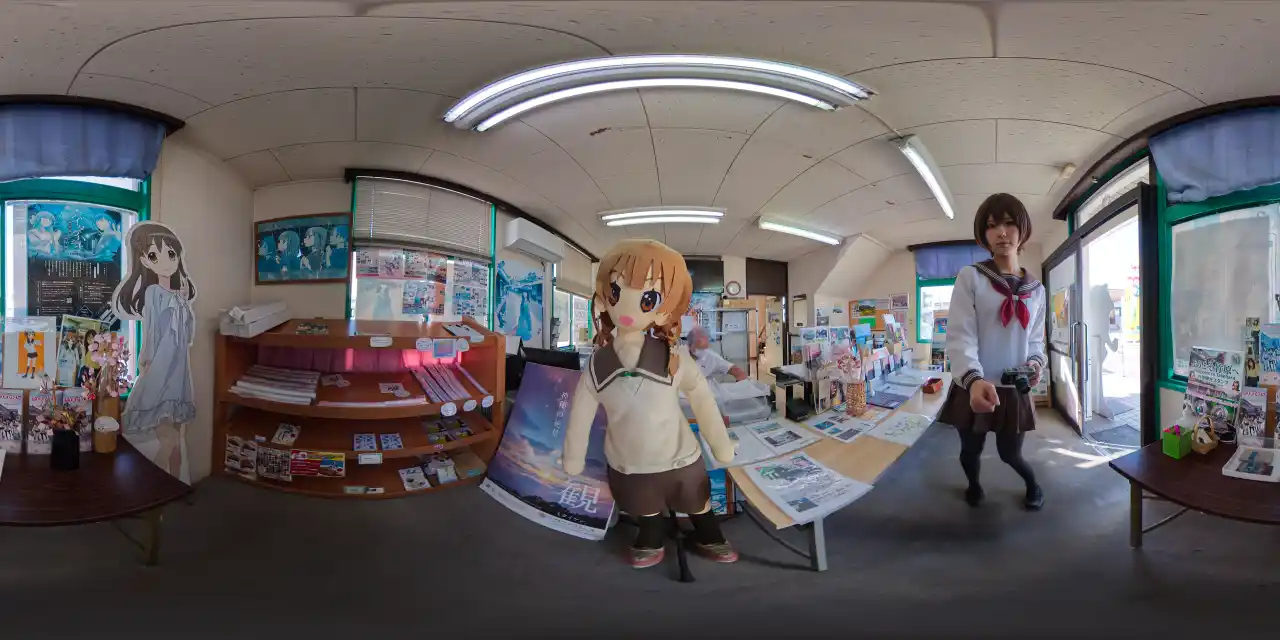
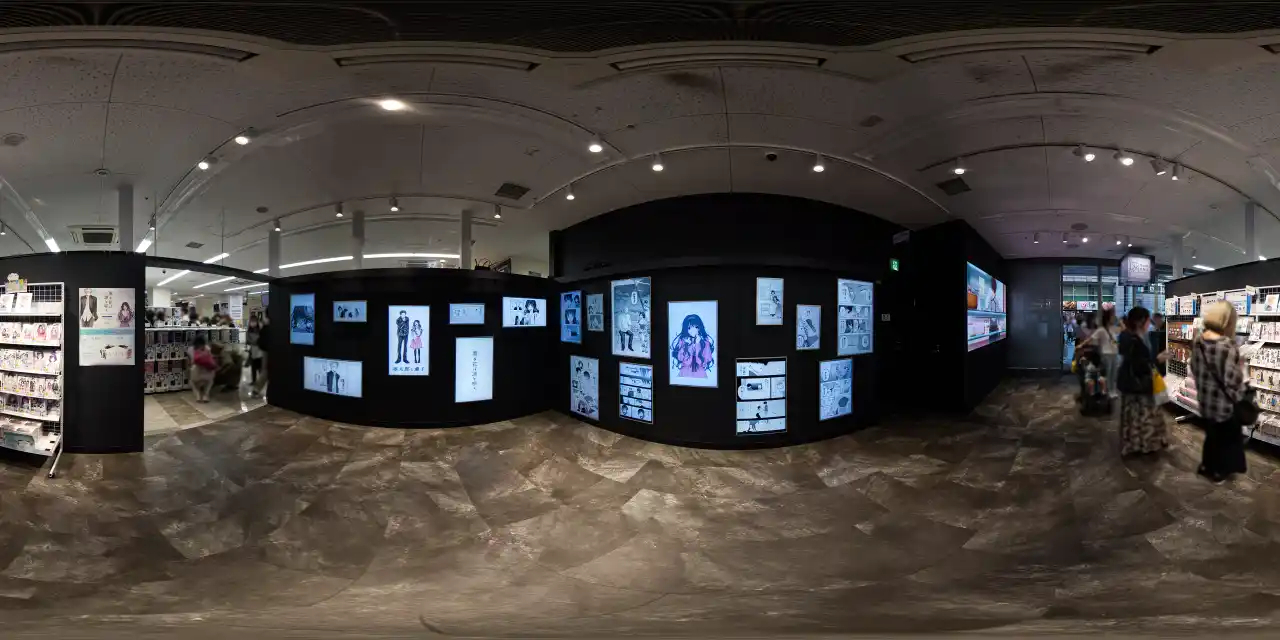
A panoramic view.
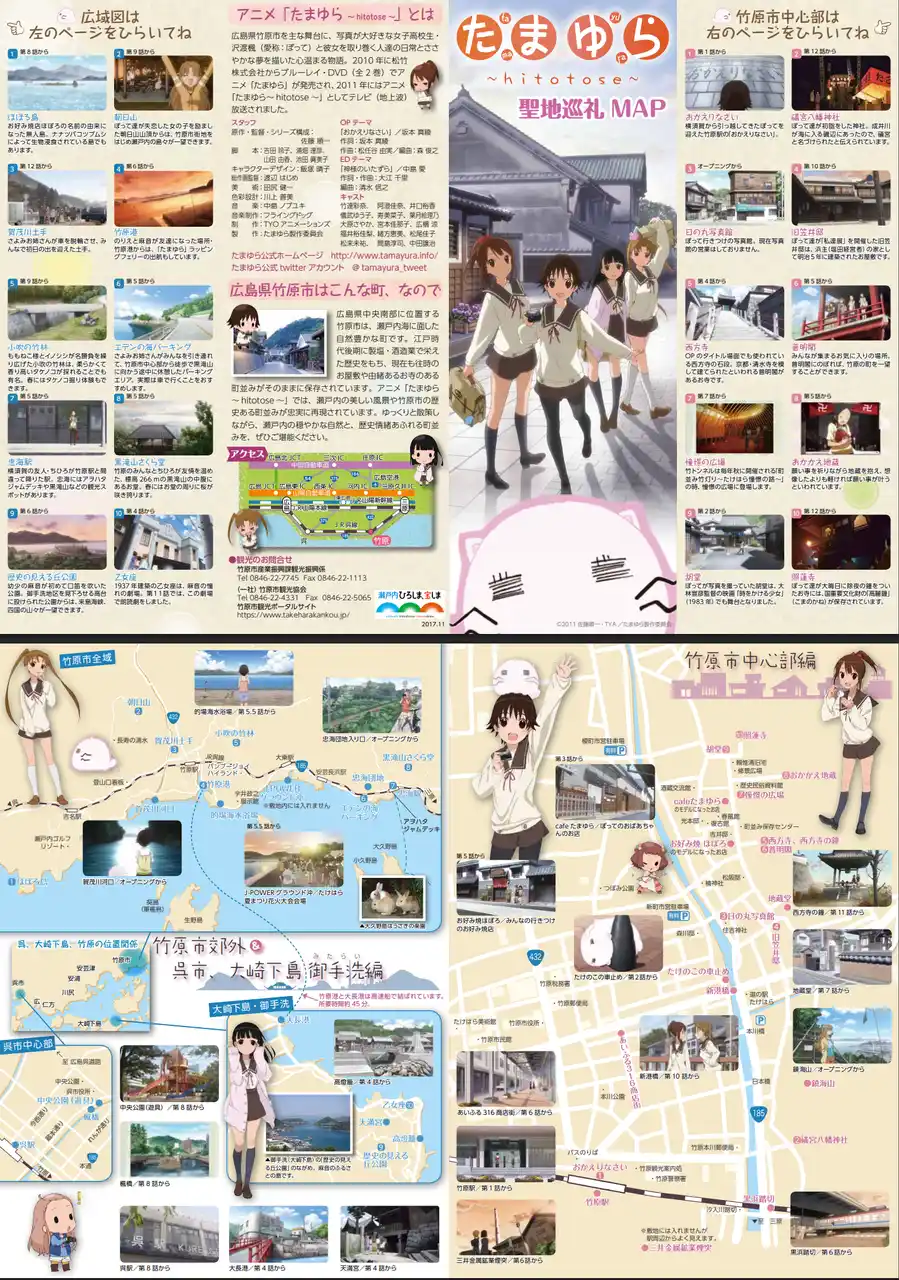
I picked up a pilgrimage map at the information center and started this sacred site pilgrimage.
Kure Line Railroad Crossing
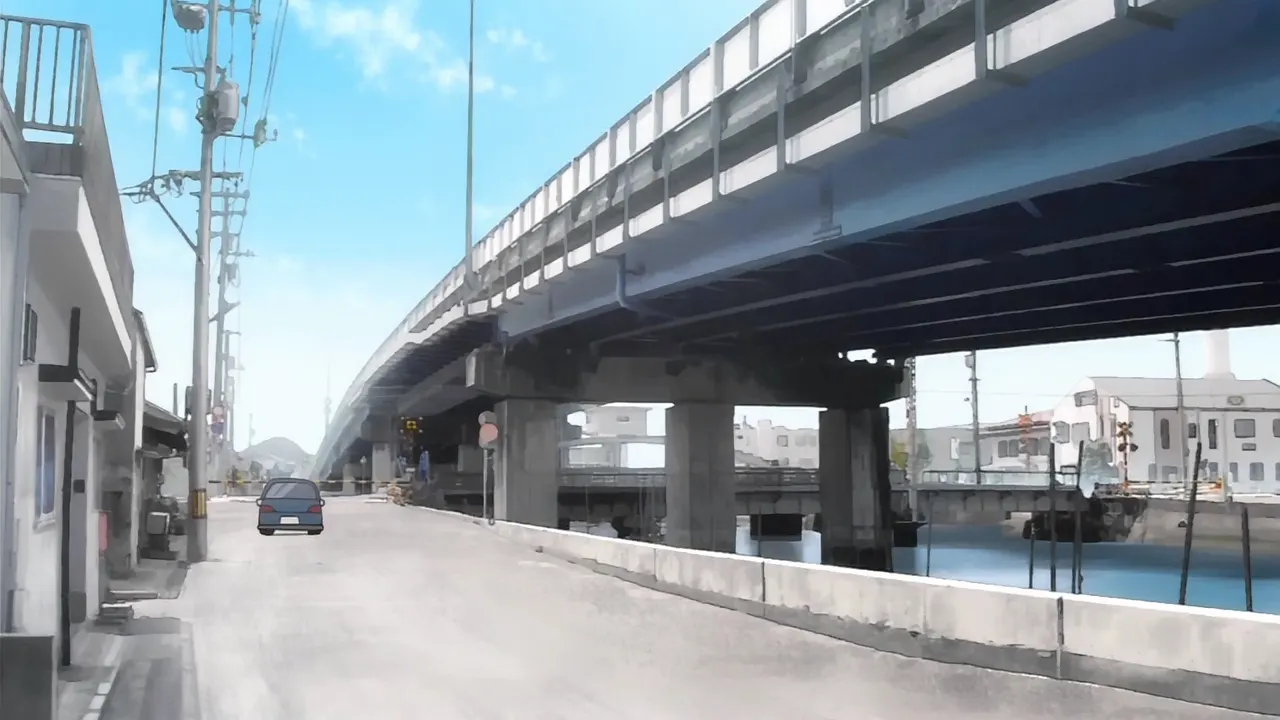
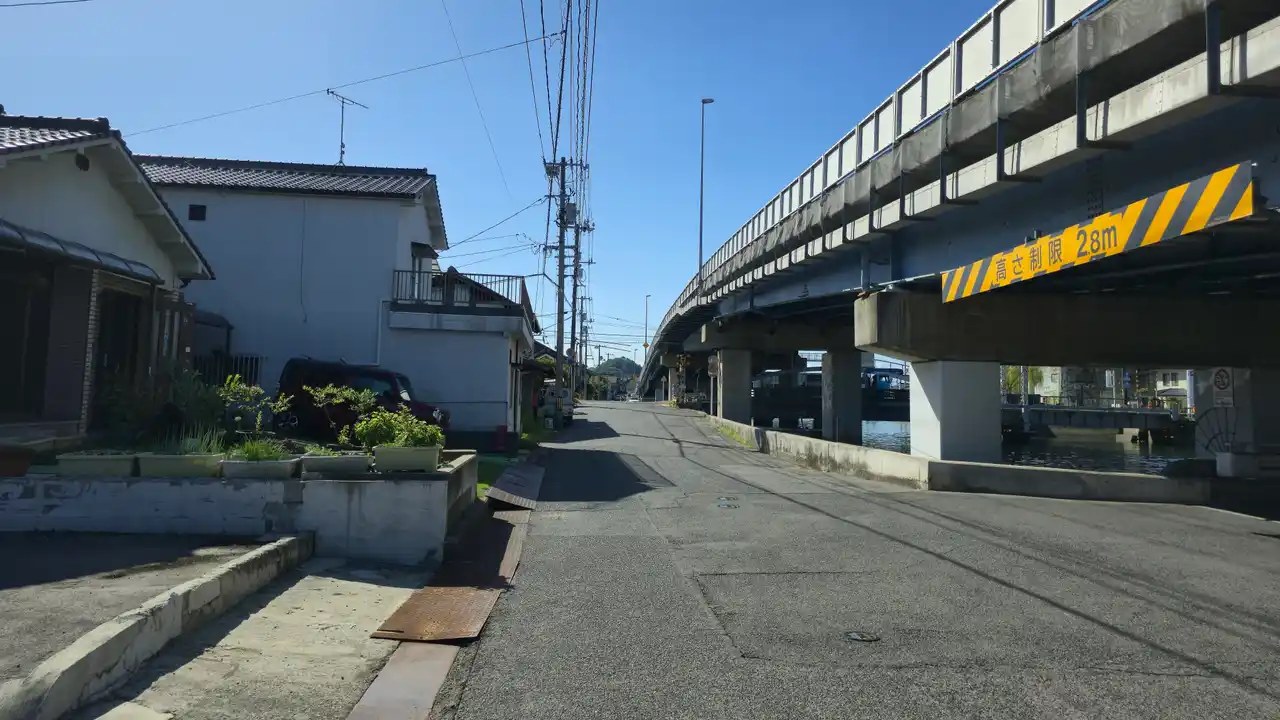
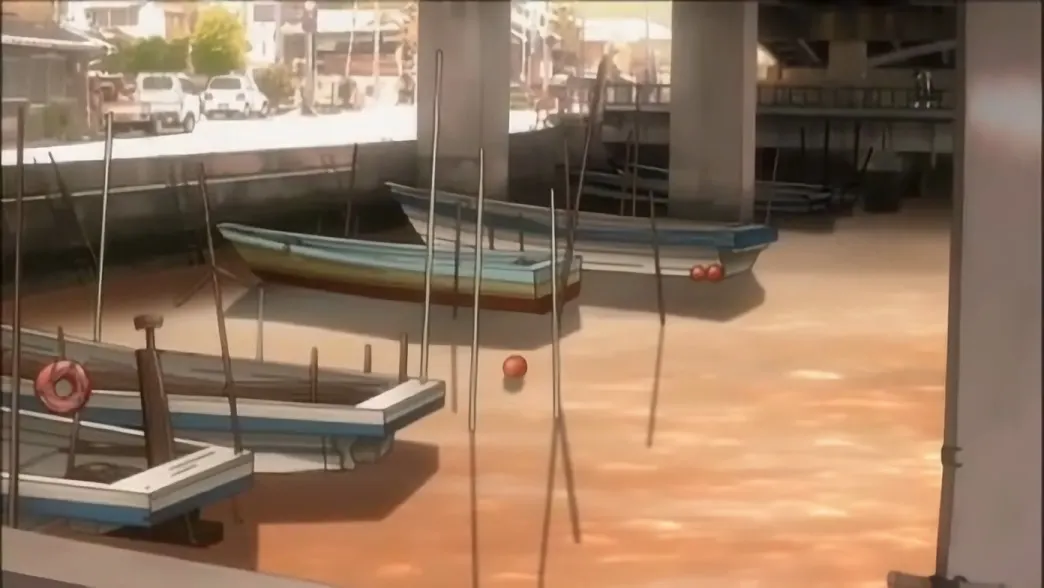
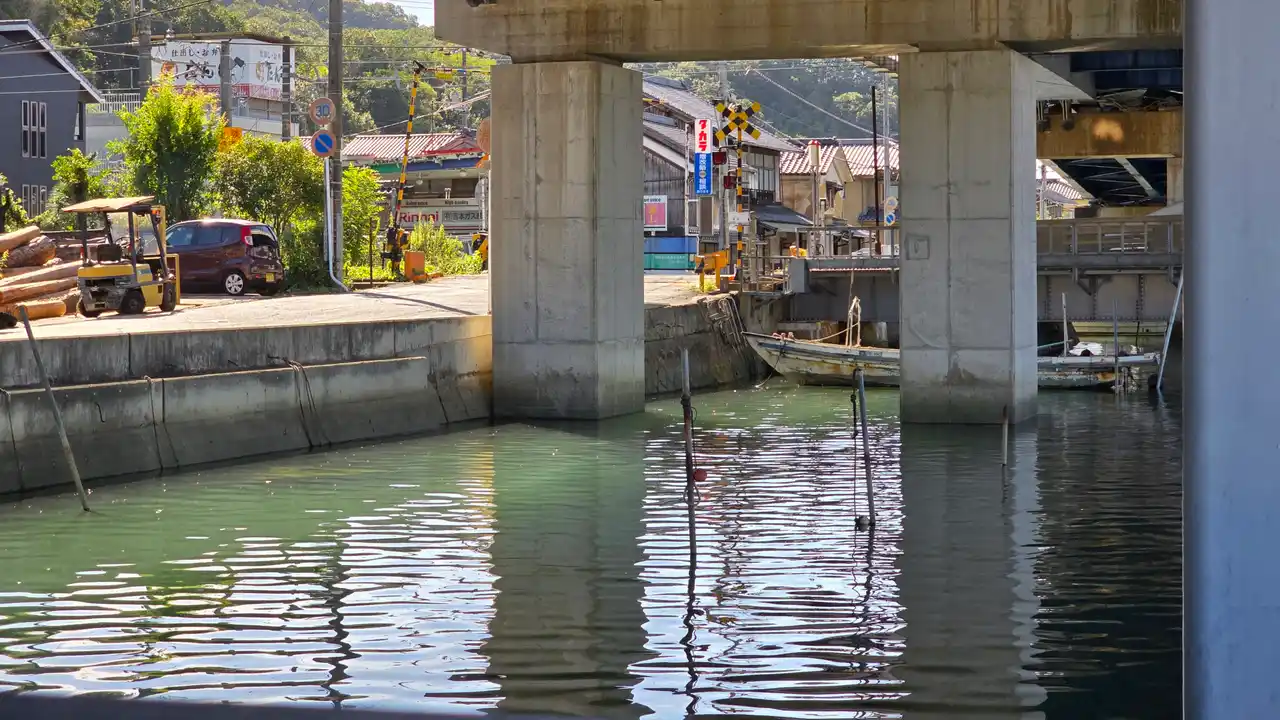
Not many boats today, it seems.
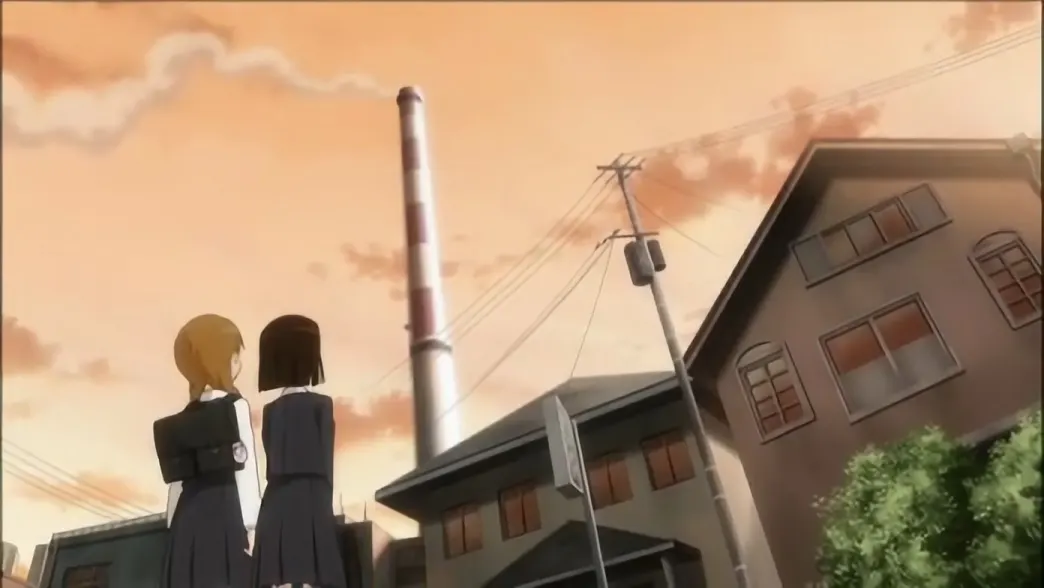
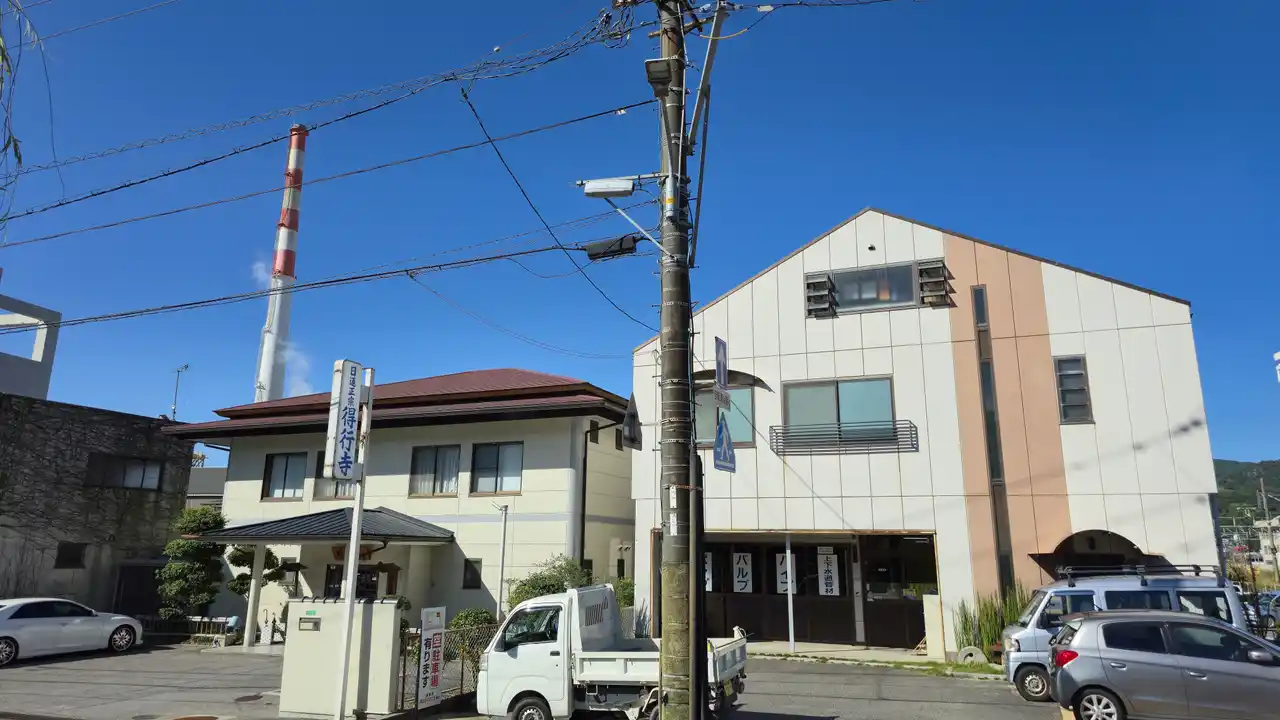
Here you can see what is considered a landmark of Takehara—the chimney of Mitsui Mining & Smelting Co., Ltd.
Isomiya Hachiman Shrine
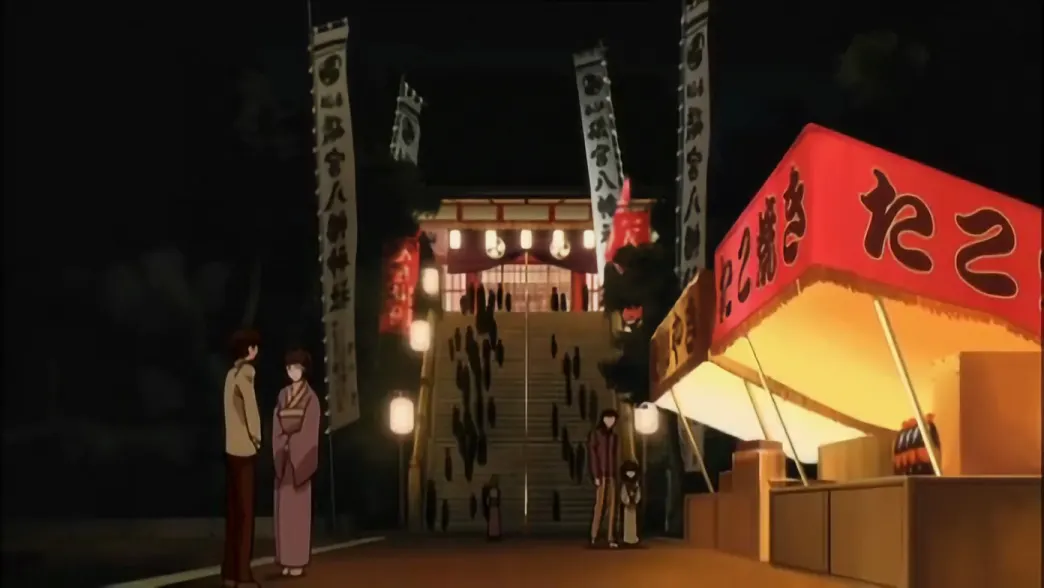
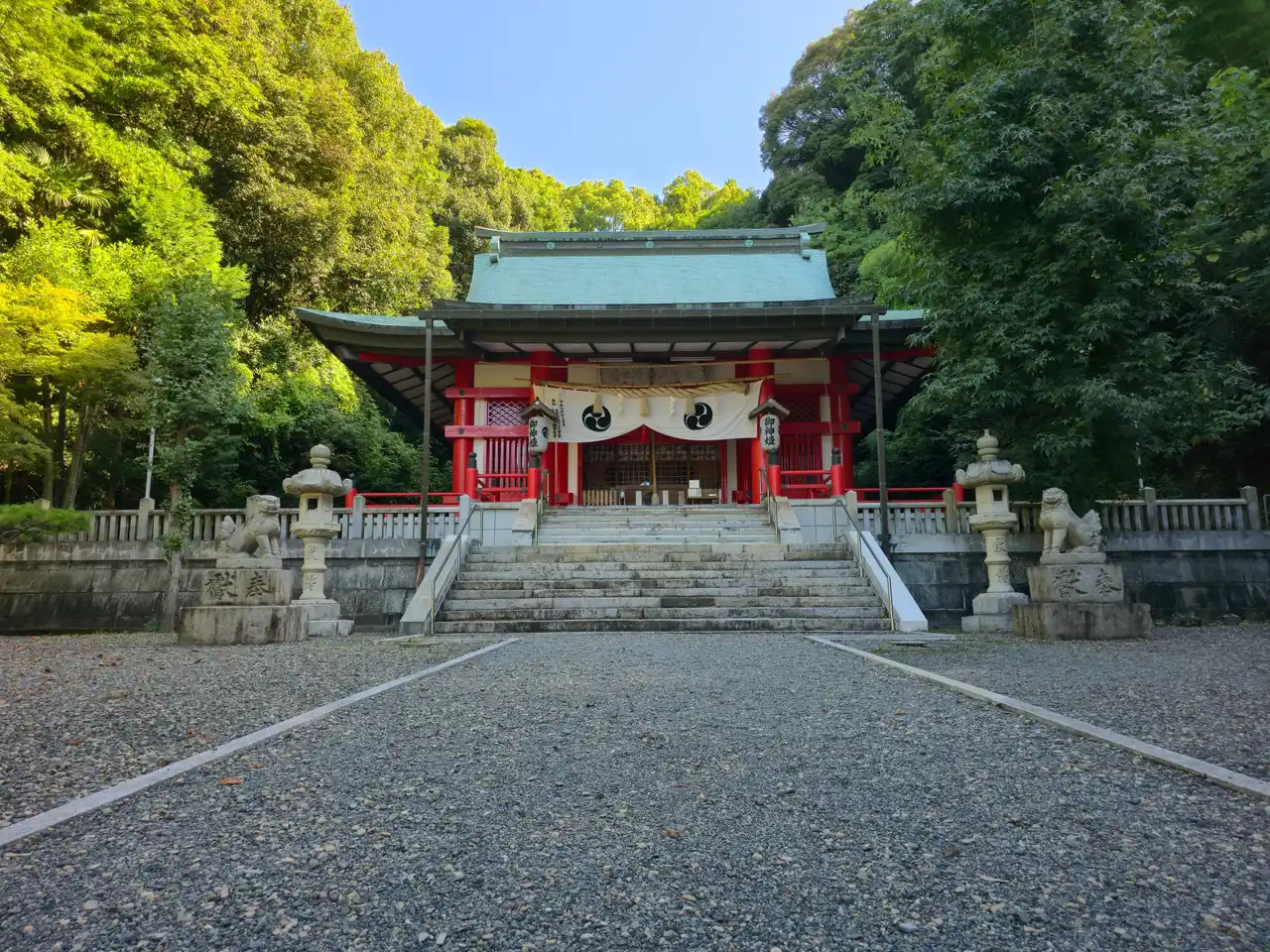
This is the shrine where the Potte girls made their first New Year's visit. Because it is located by the sea where the Narui River flows into the ocean, it is said to have been named "Isomiya."
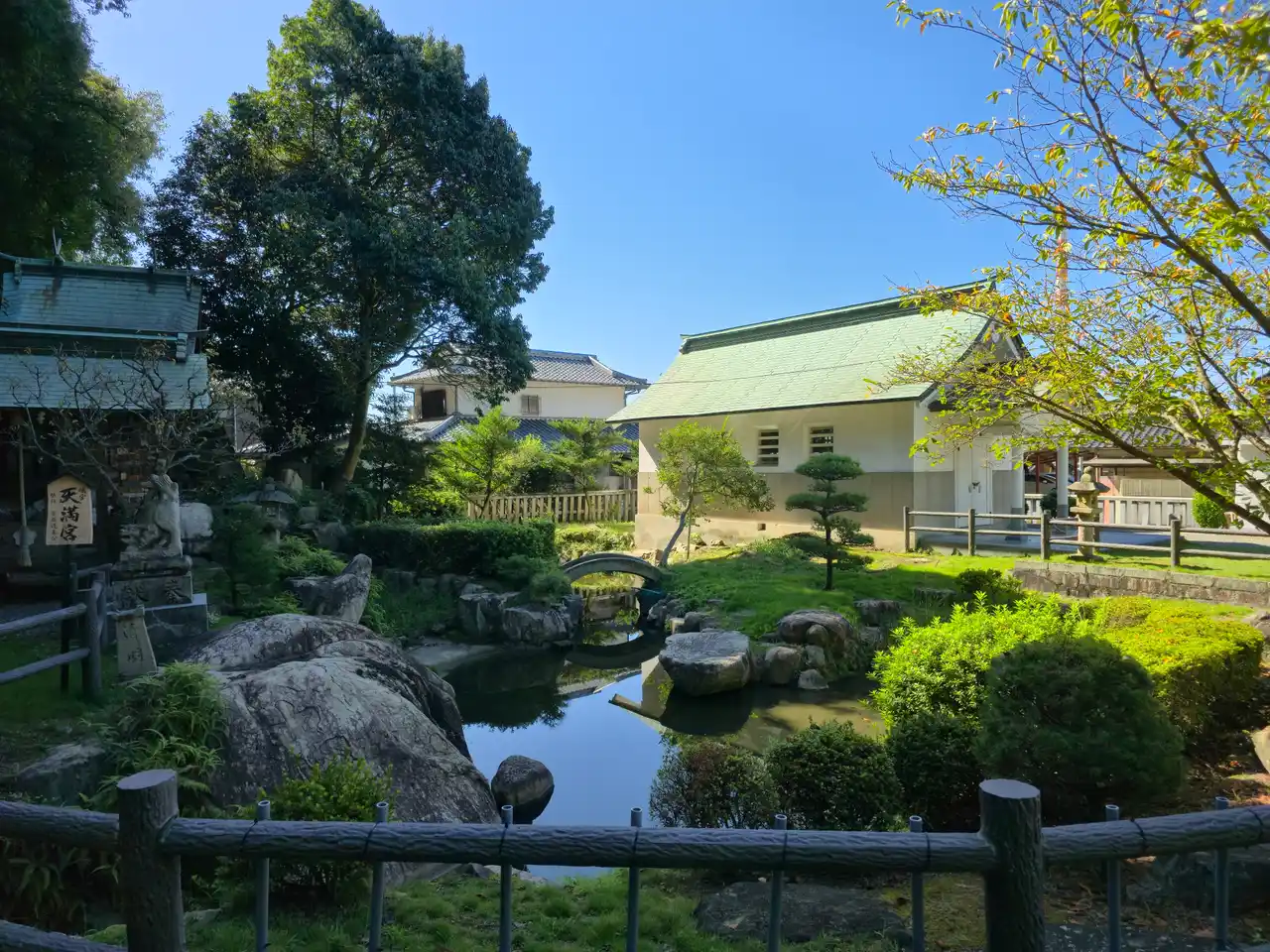
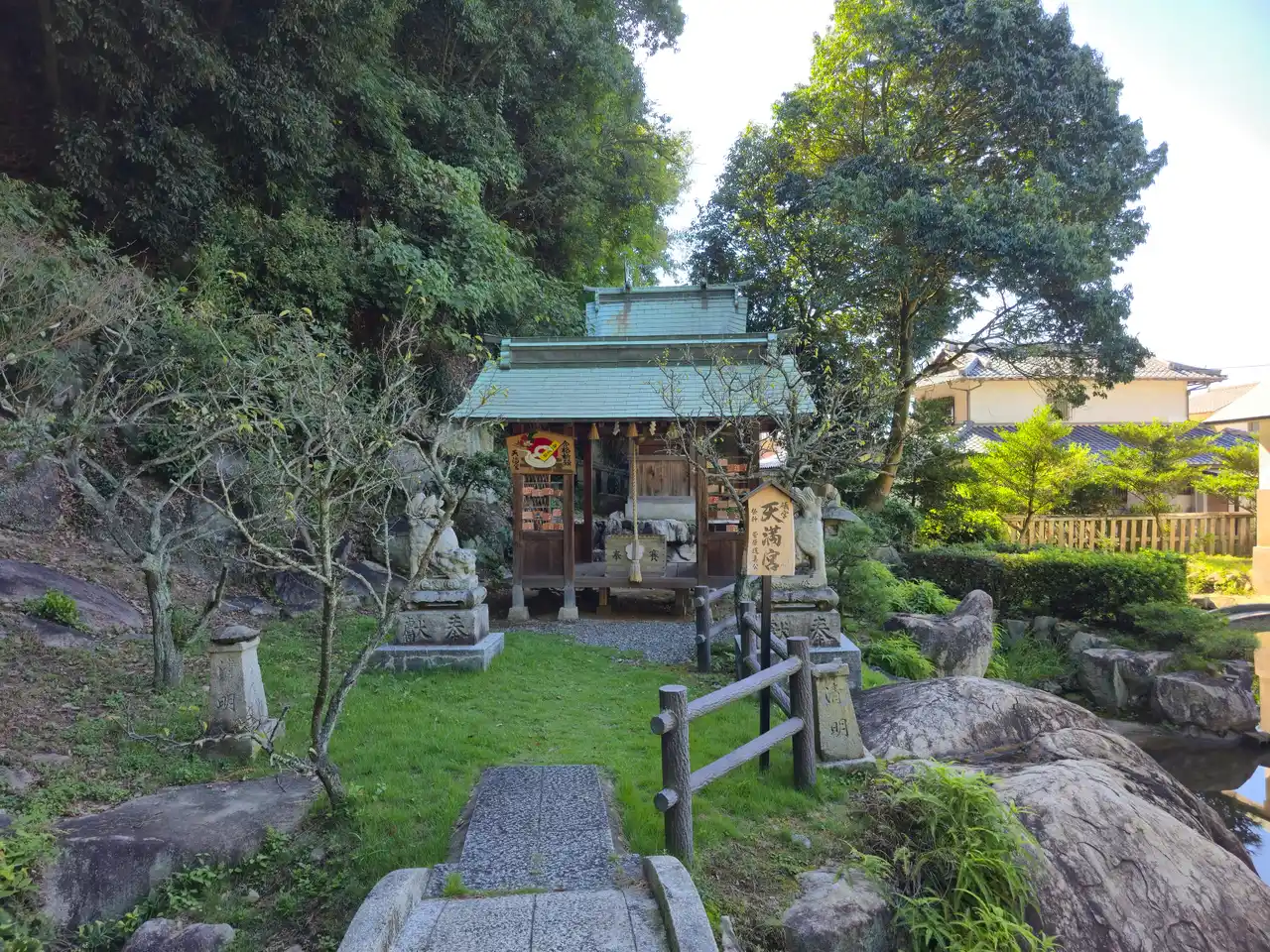
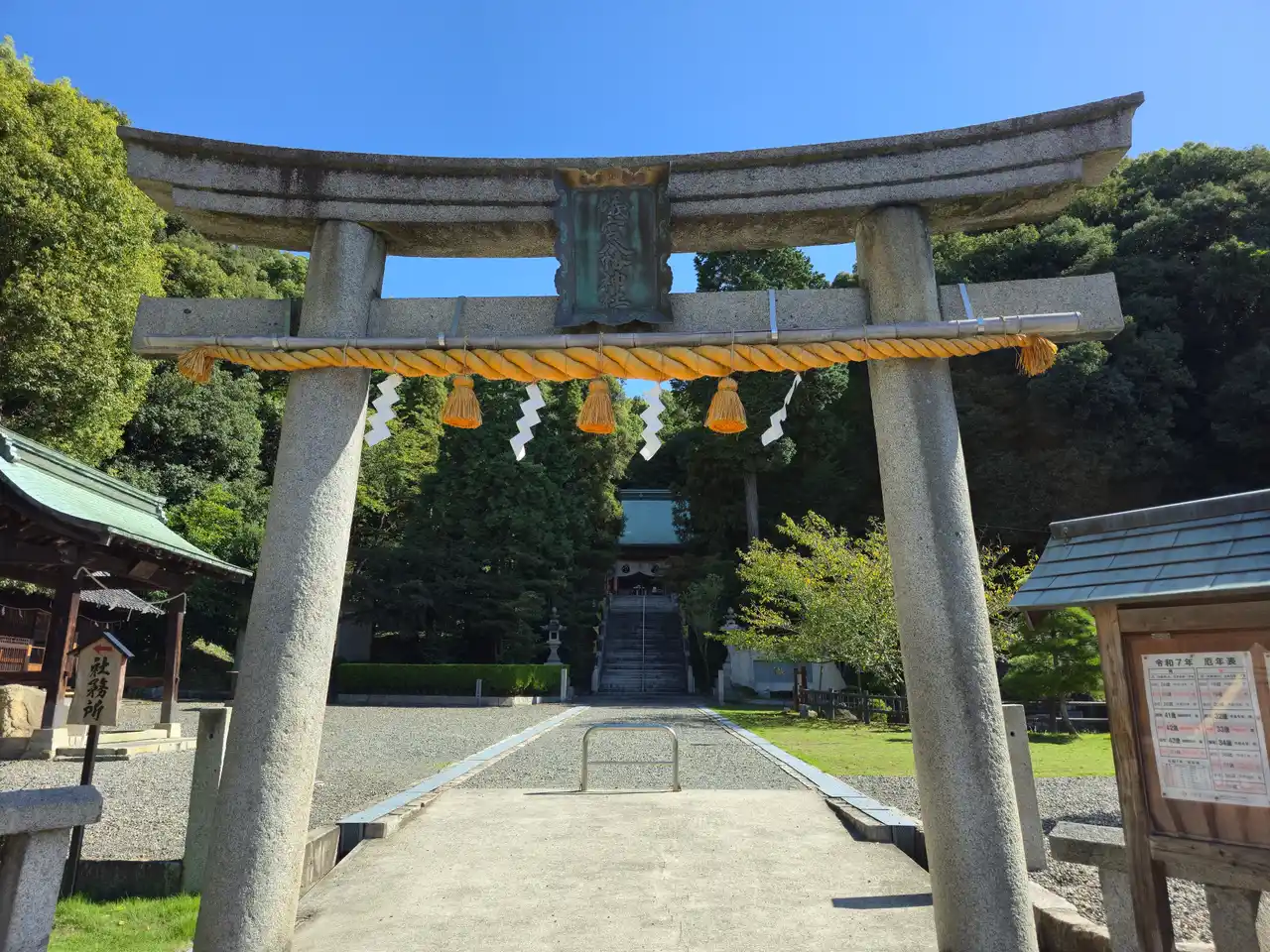
Detail photos.
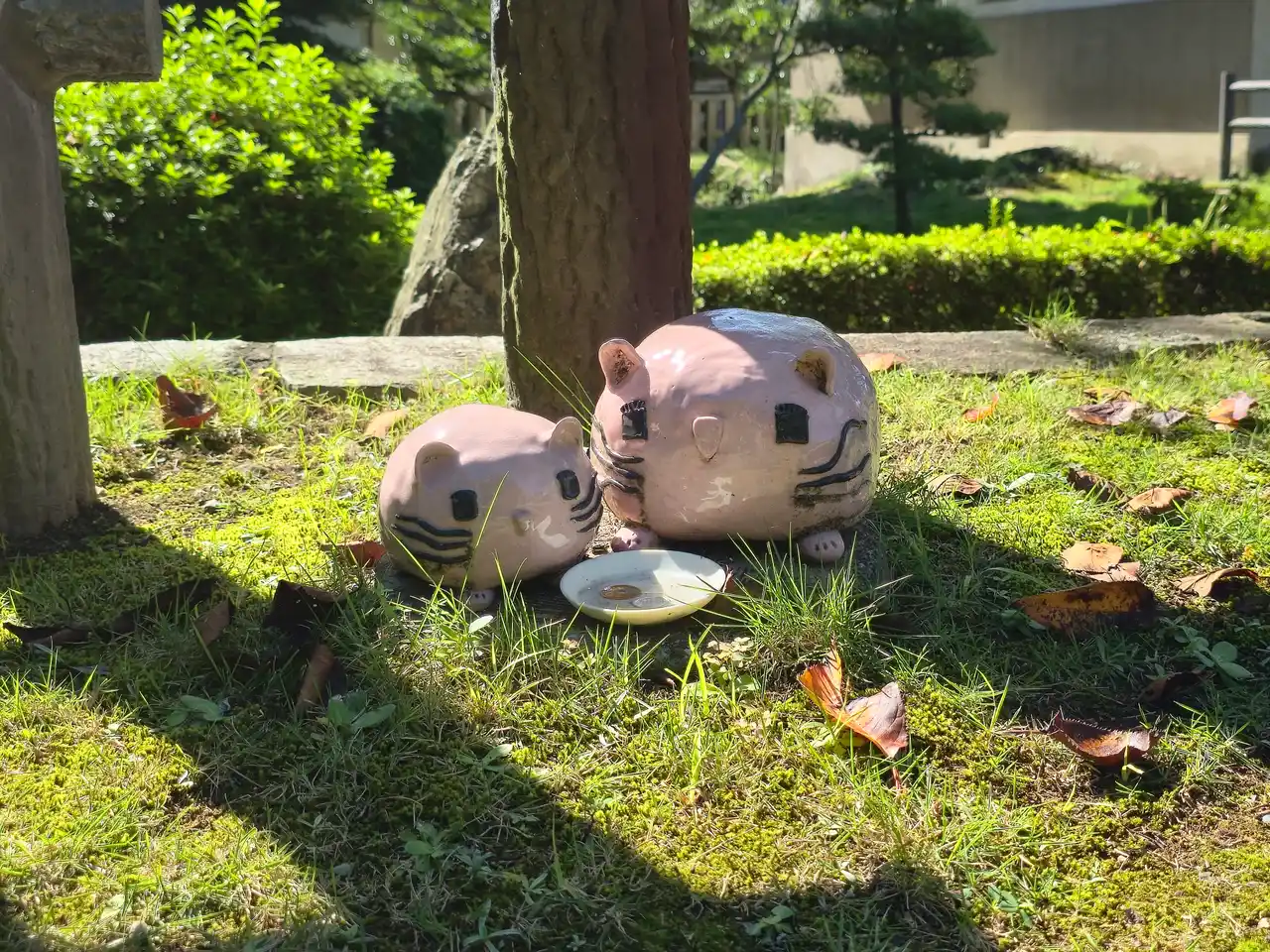
Found Momoneko-sama!
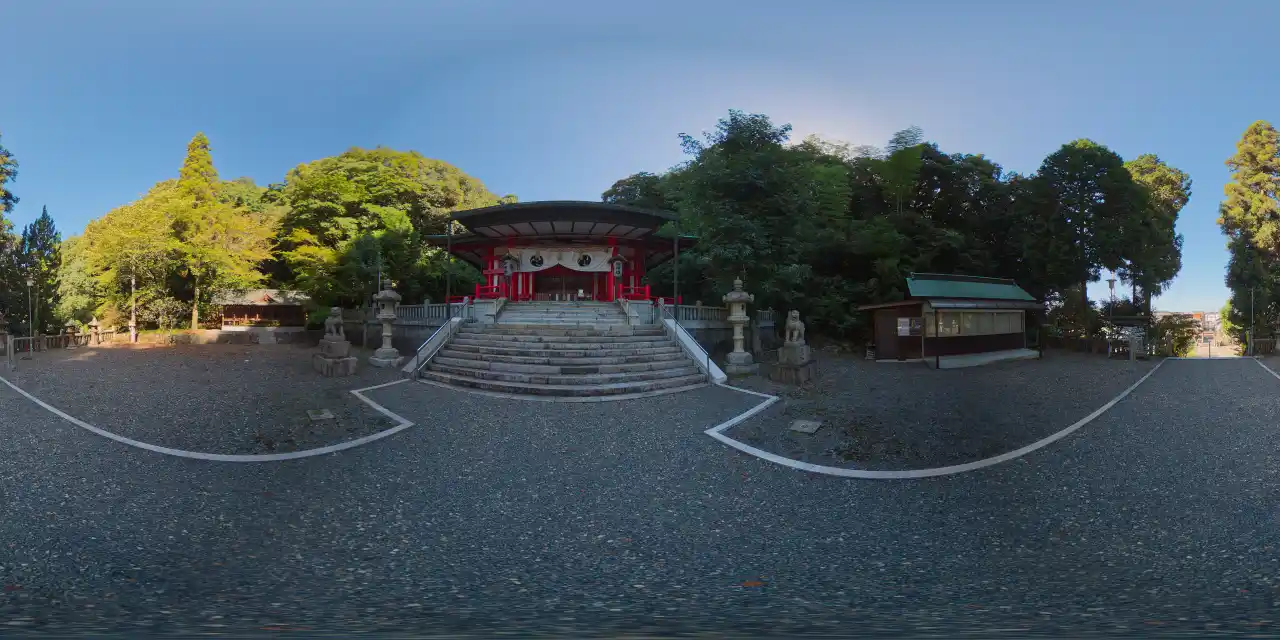
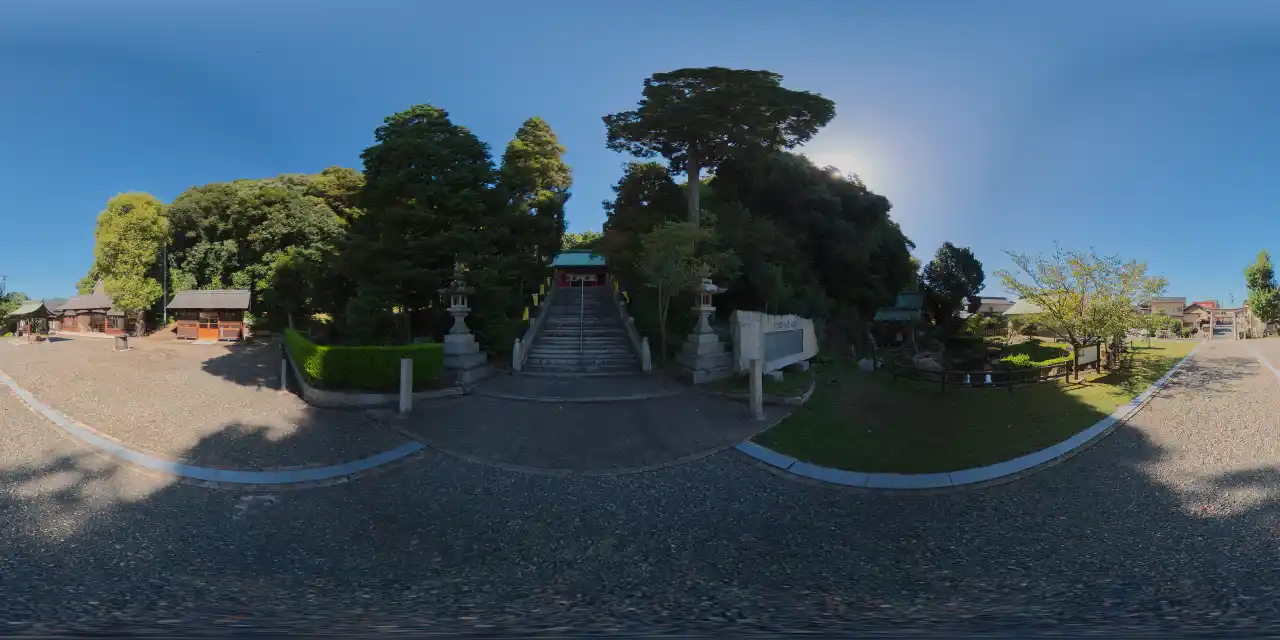
Two panoramic views.
Aifull 316 Shopping Street
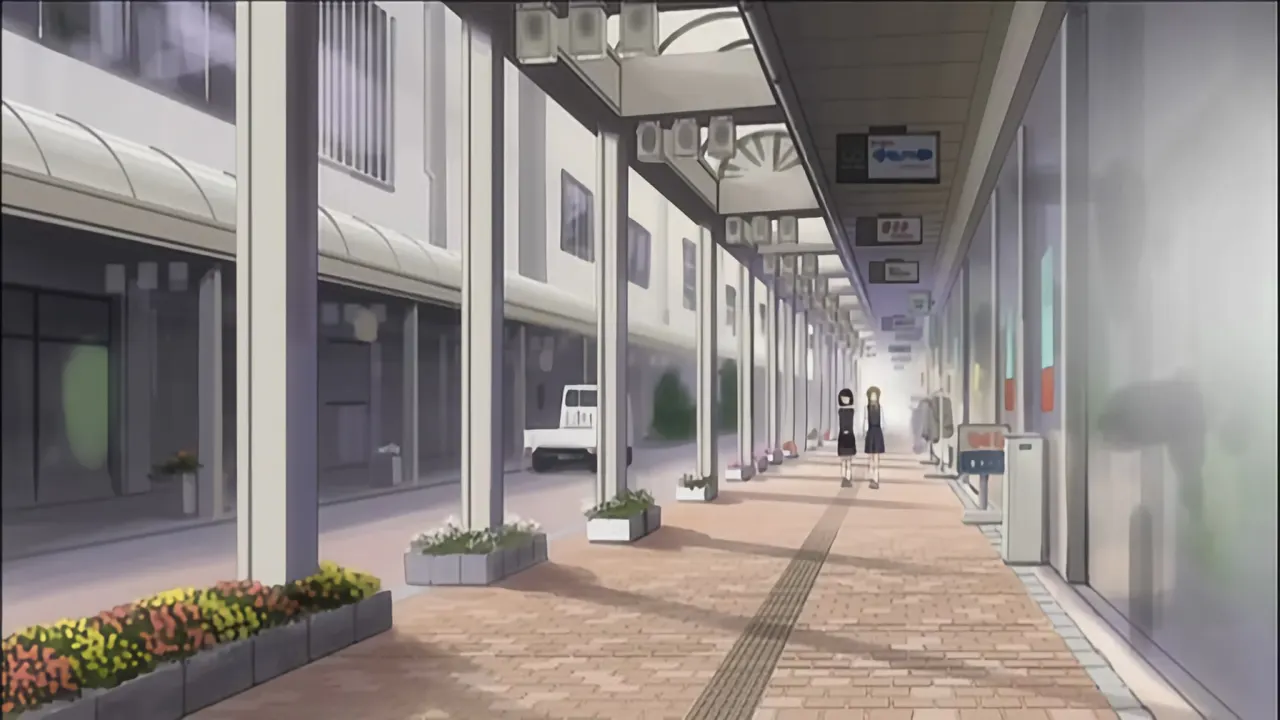
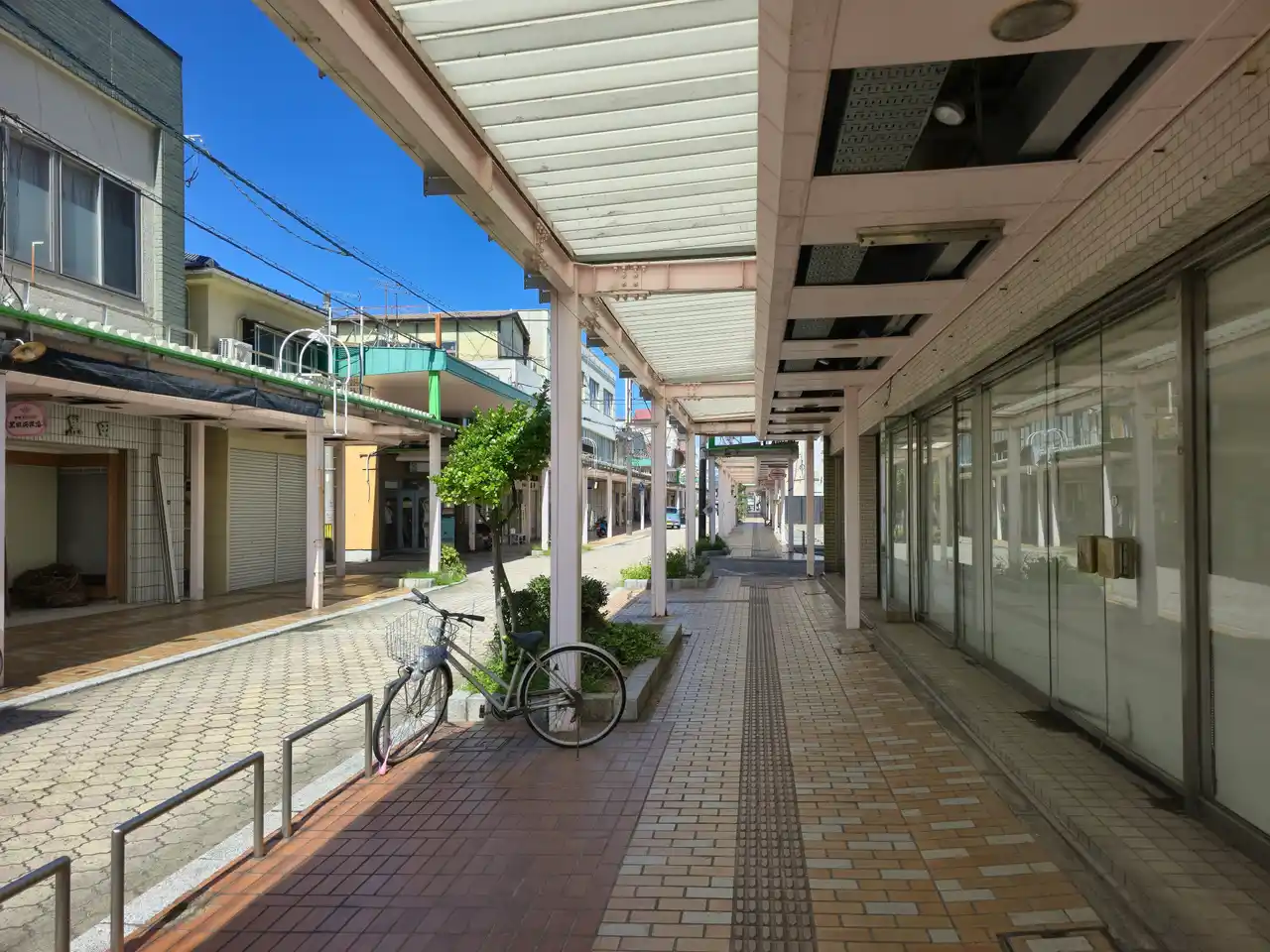
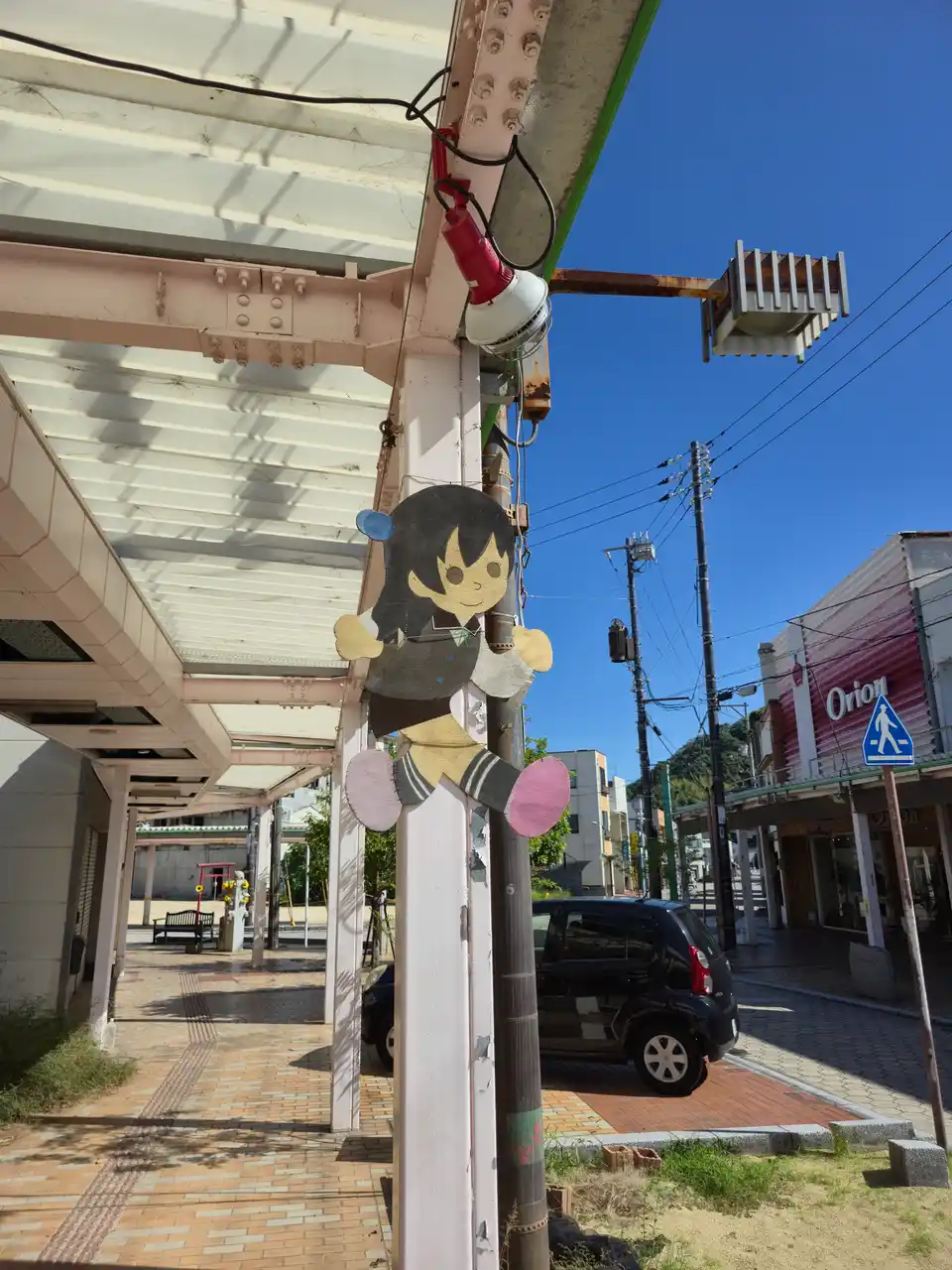
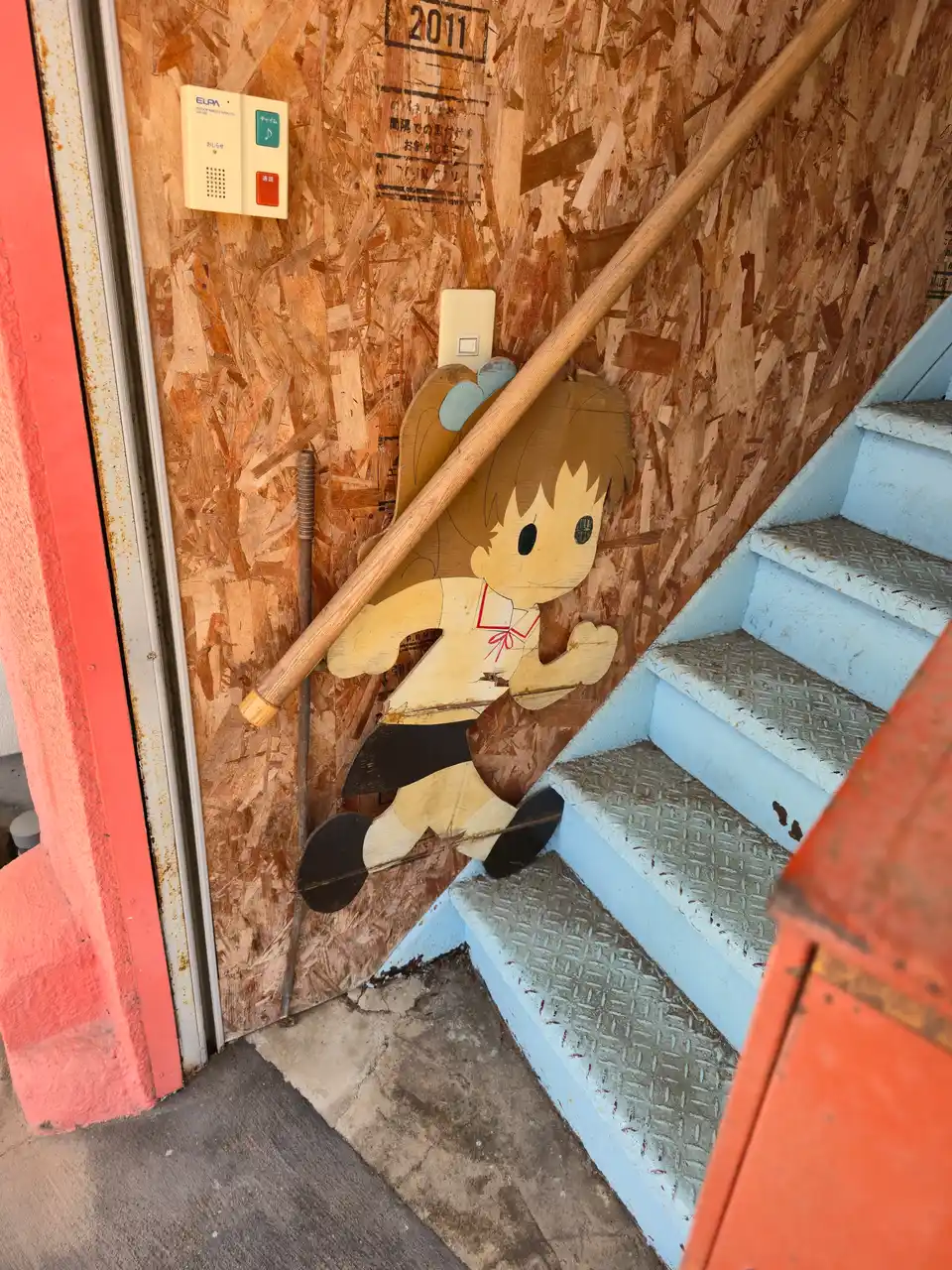
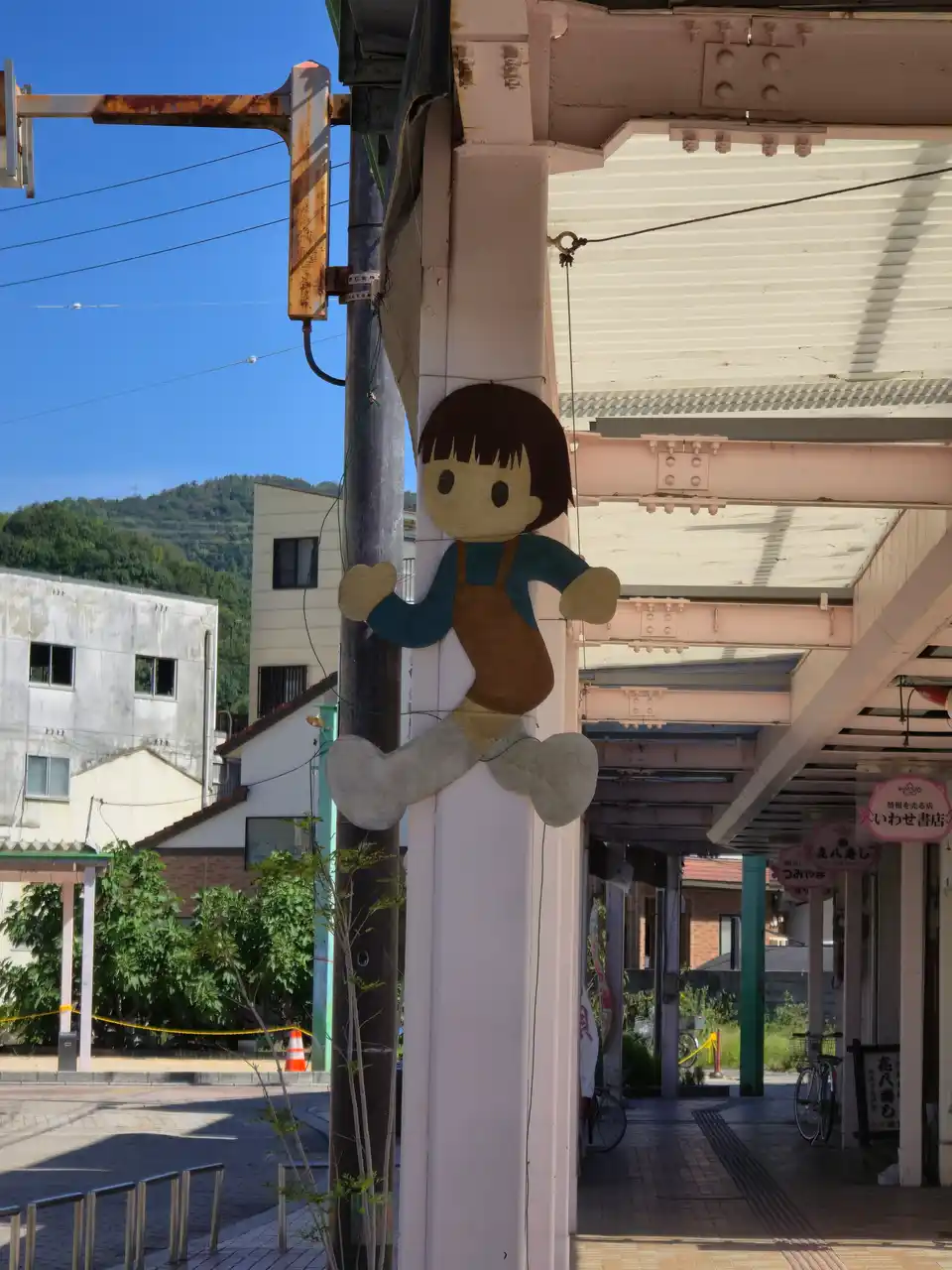
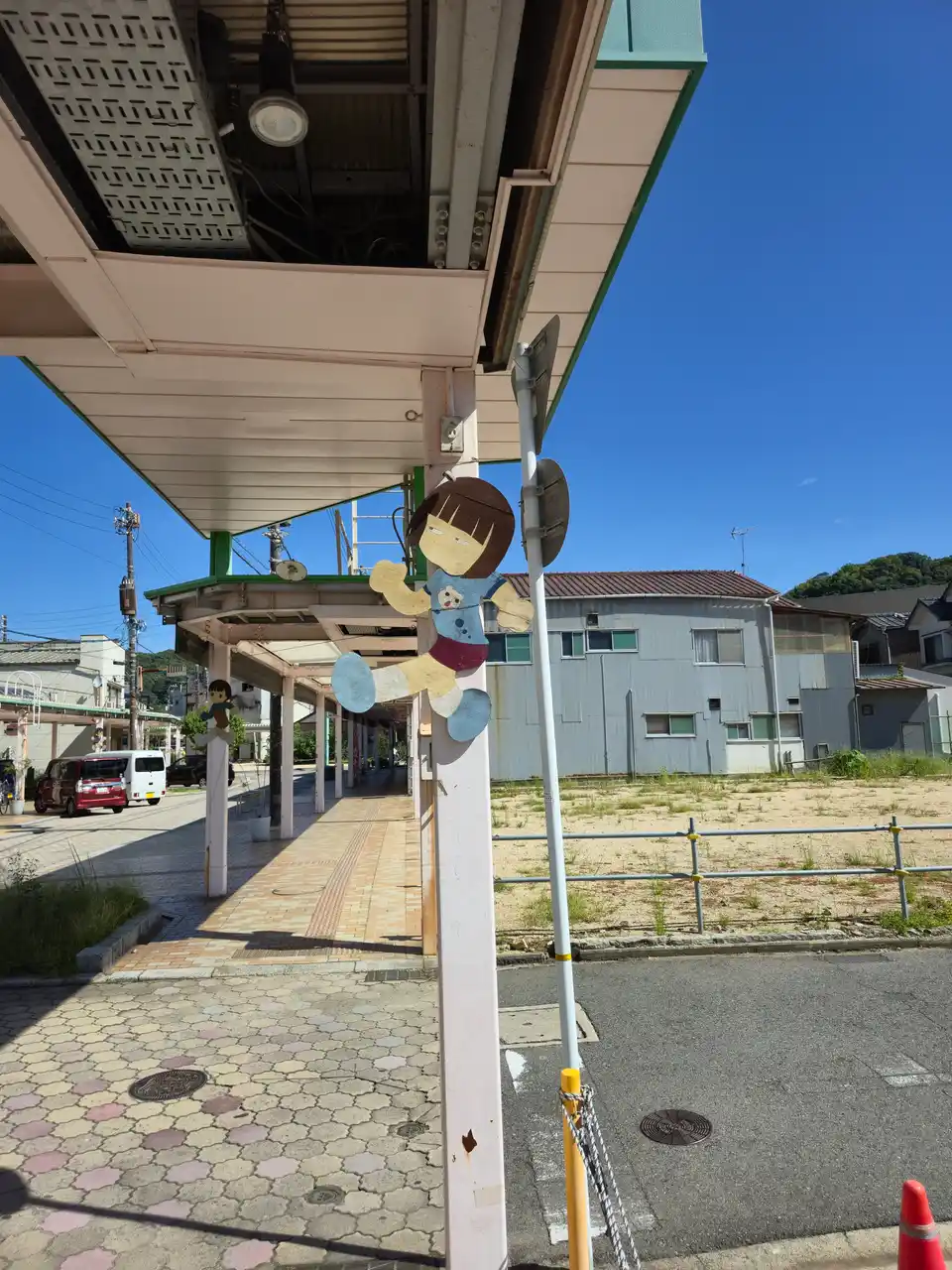
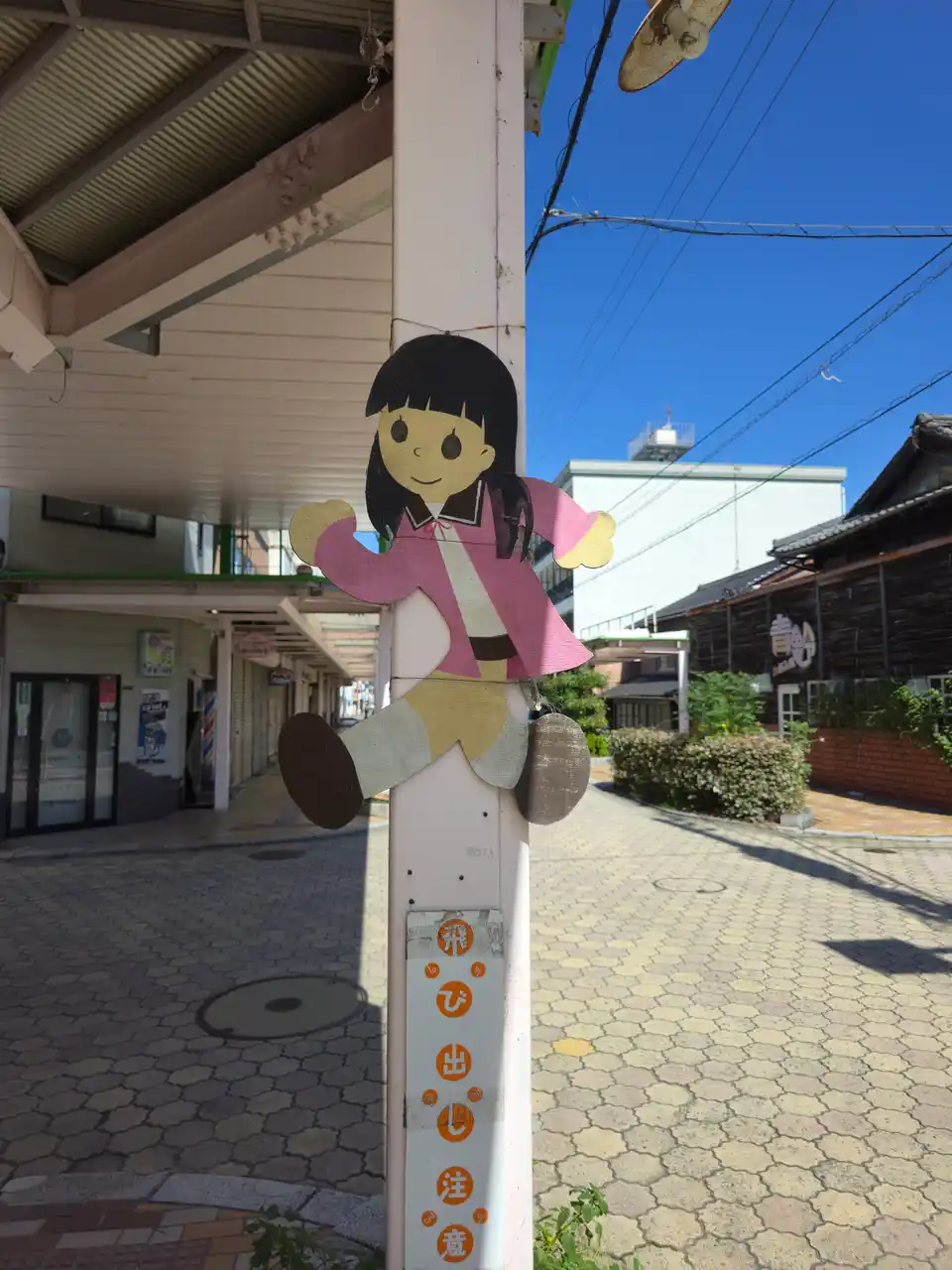
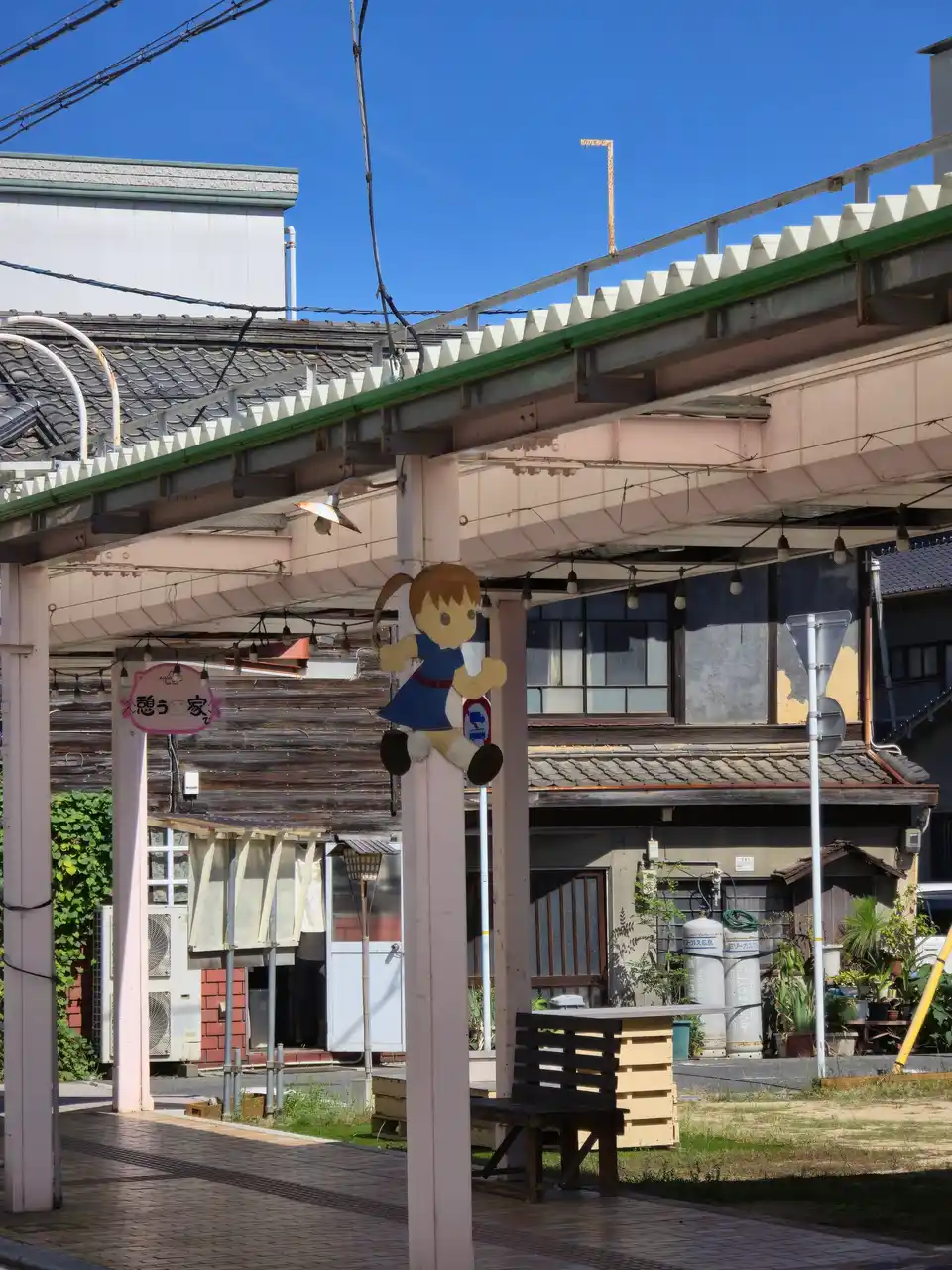
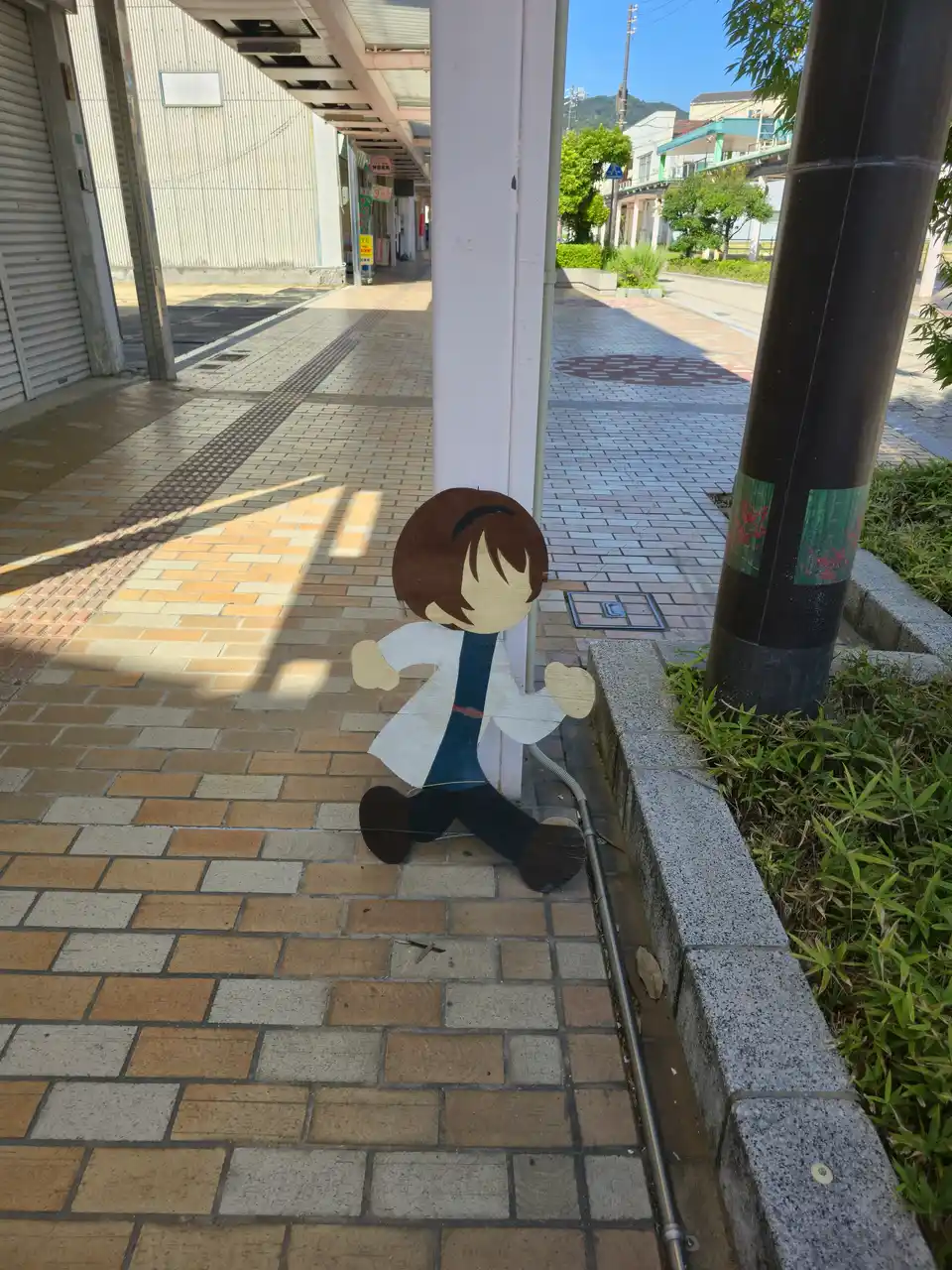
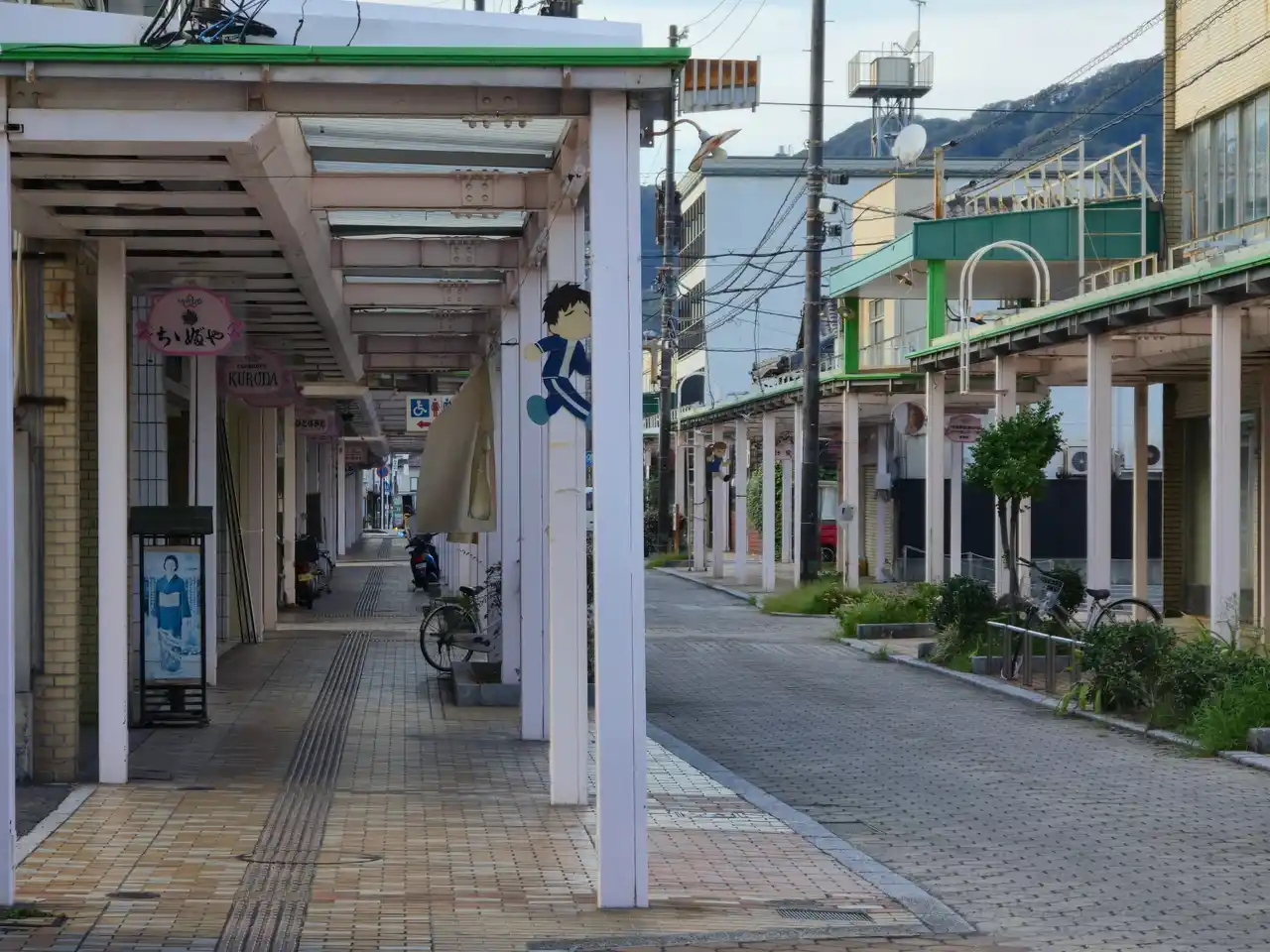
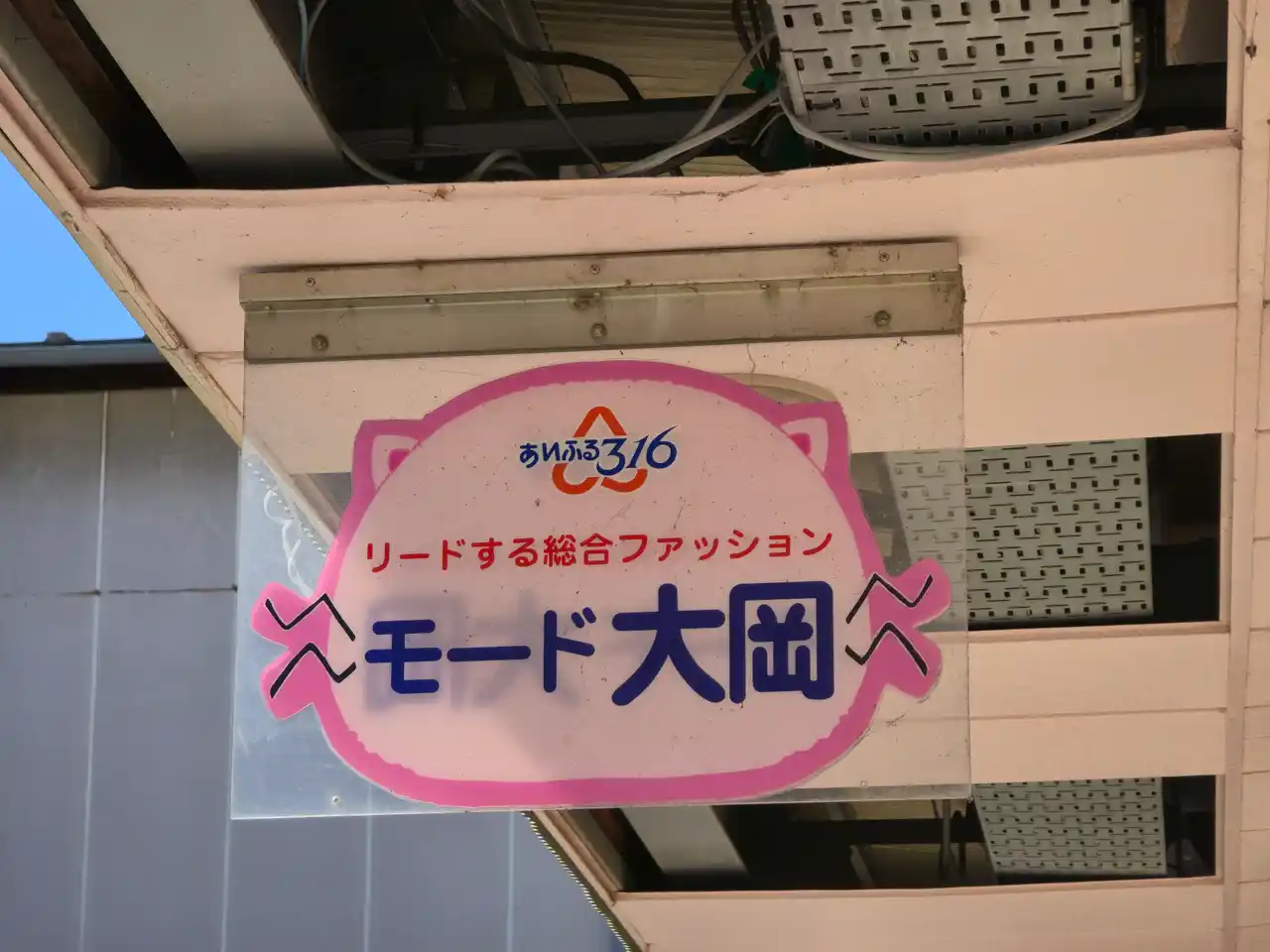
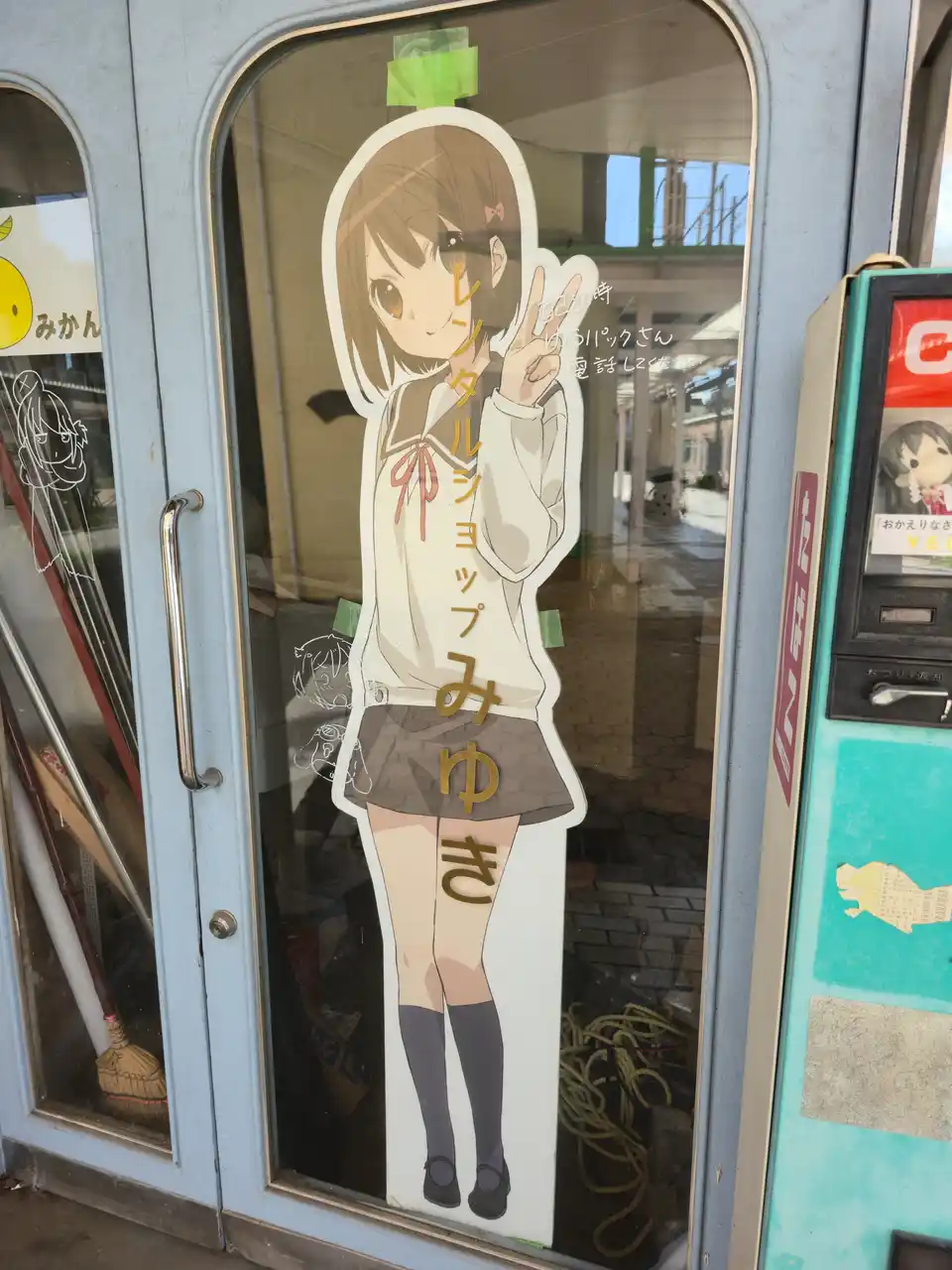
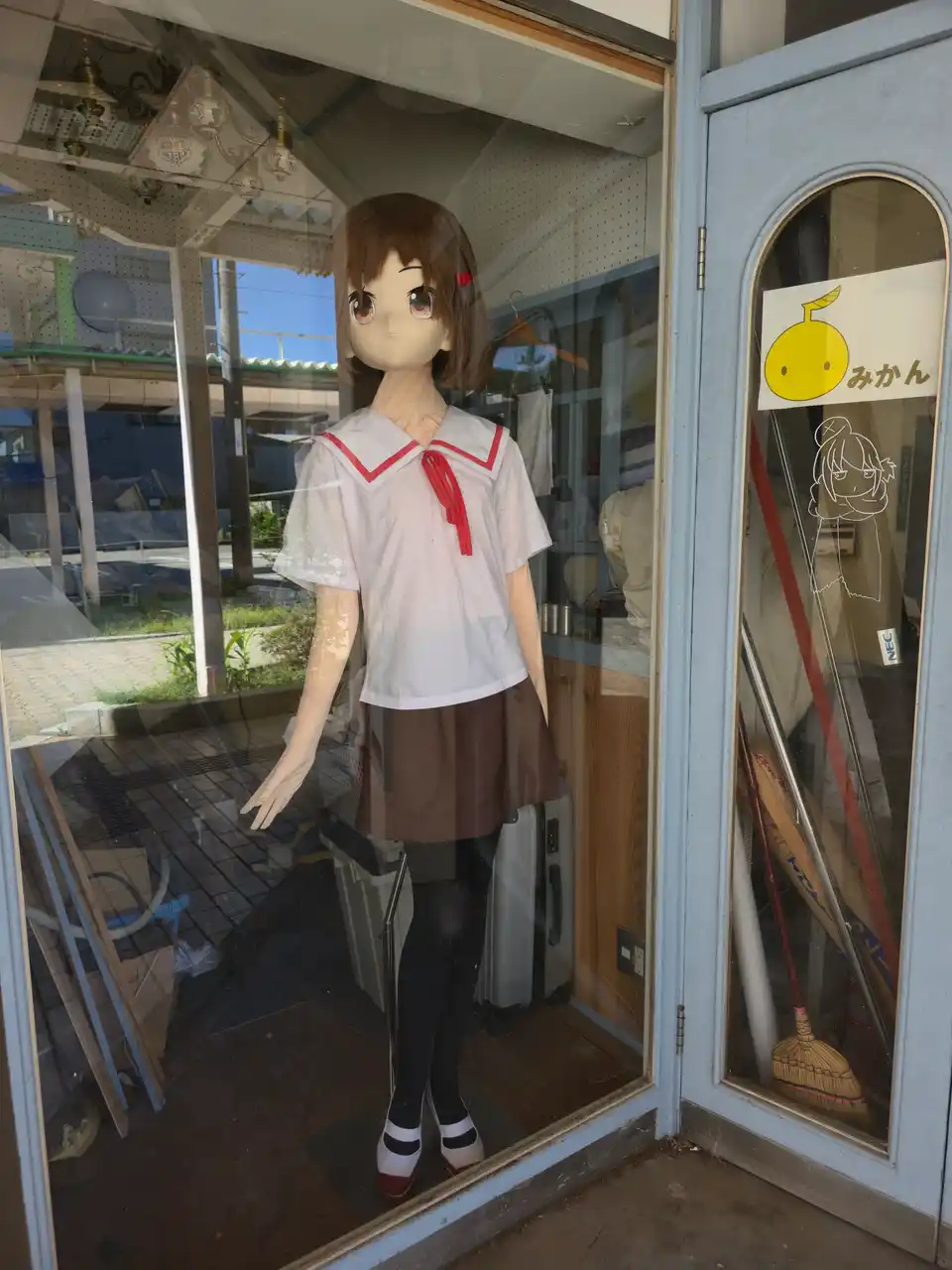
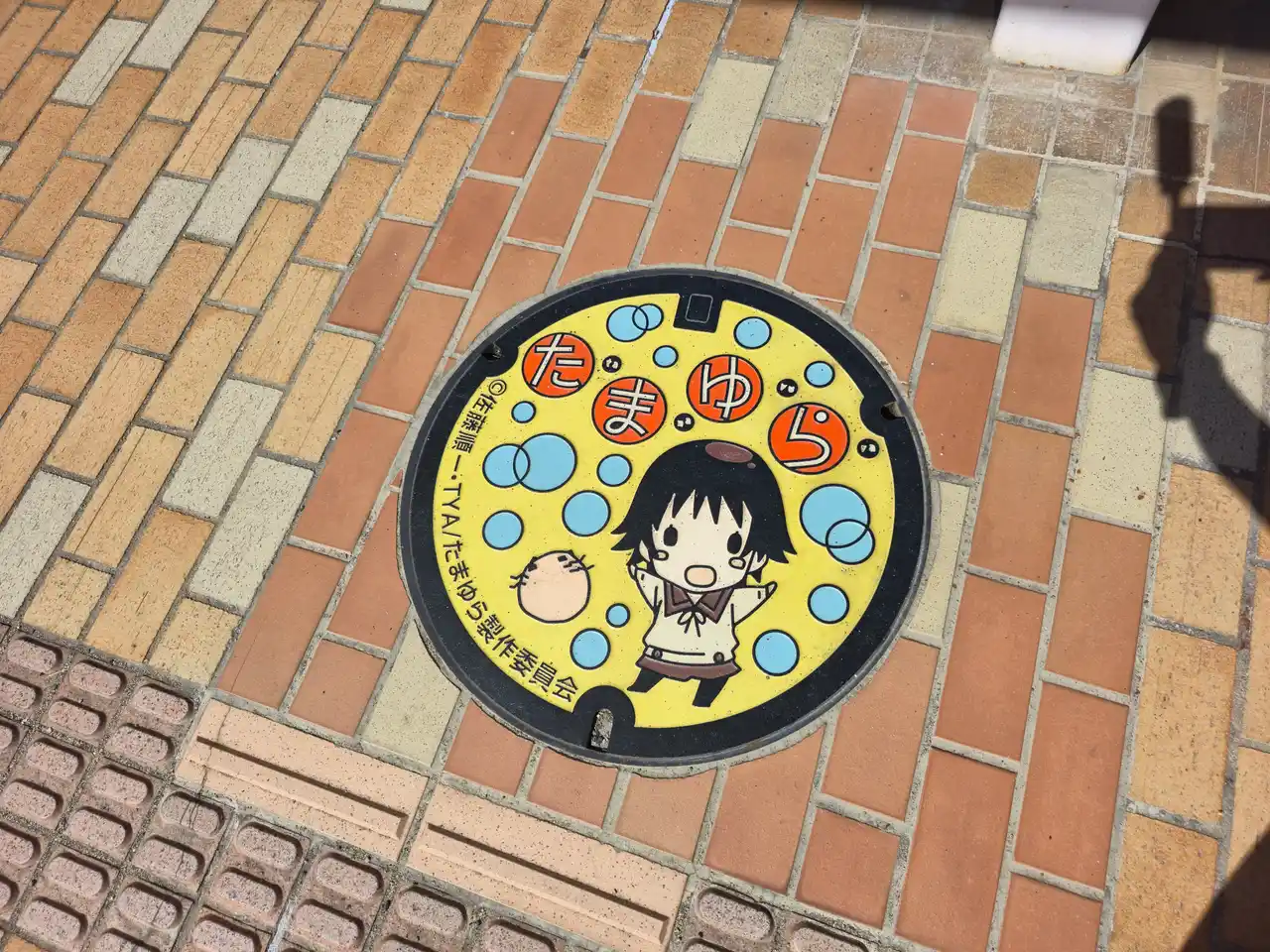
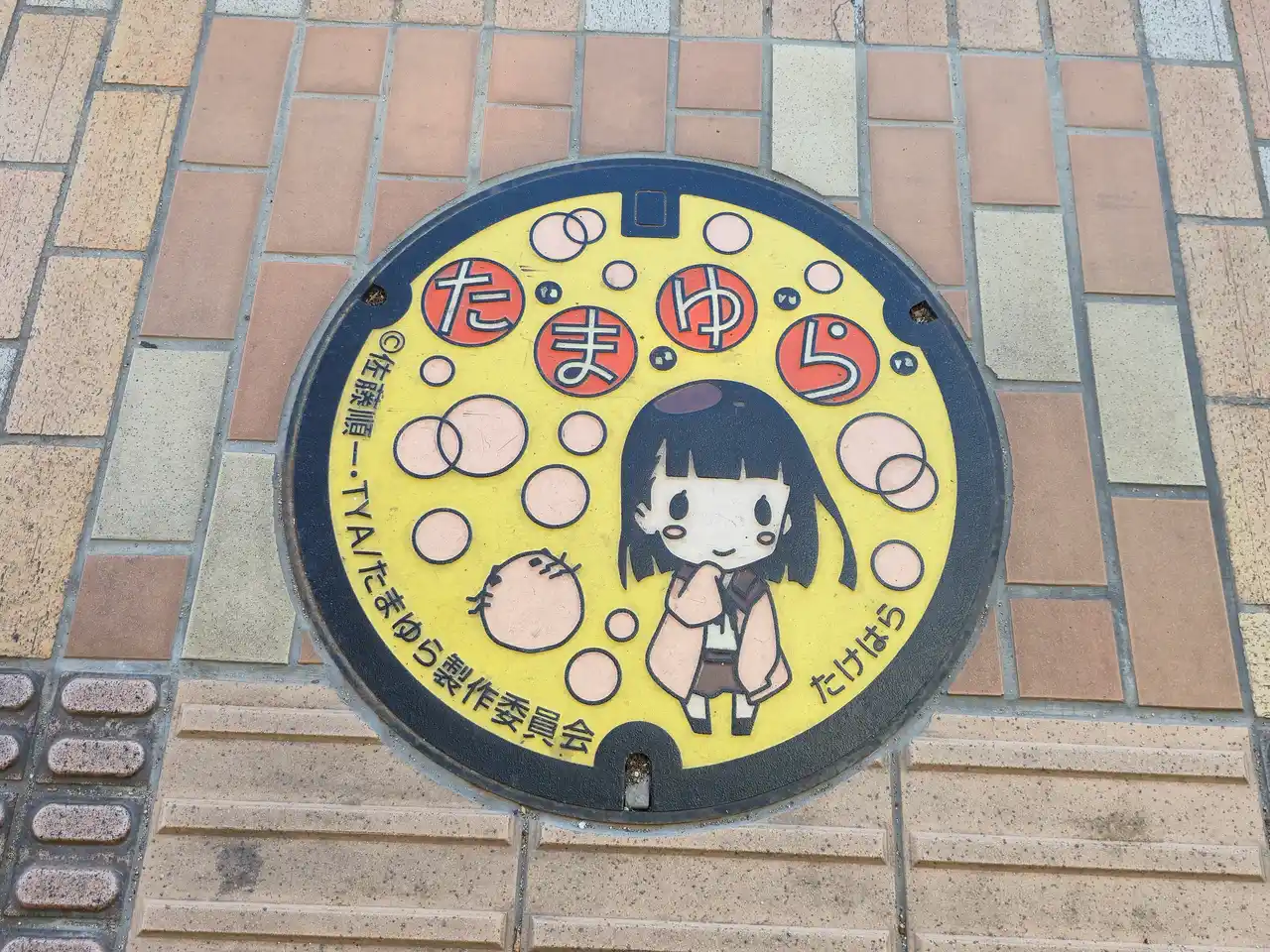
The entire street is full of surprises.
You can find elements from various works.
Moreover, the entire shopping street continuously plays the BGM and songs from the work on rotation, creating a very familiar and heartwarming atmosphere.
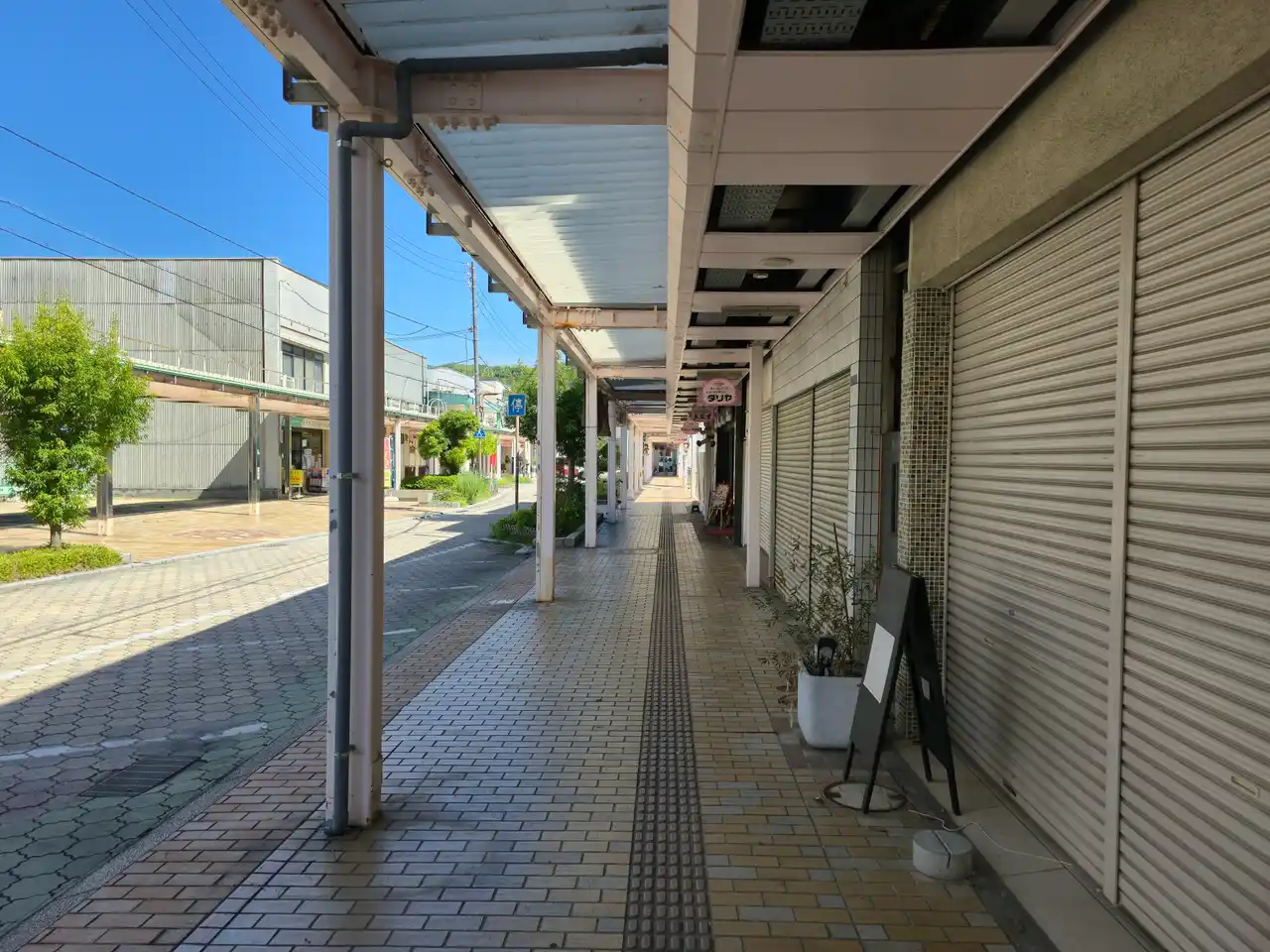
Unfortunately, most of the shops on the street were closed, and the fire on April 30, 2025, dealt a heavy blow to this shopping street, which is truly regrettable.
Momoneko-sama Shrine
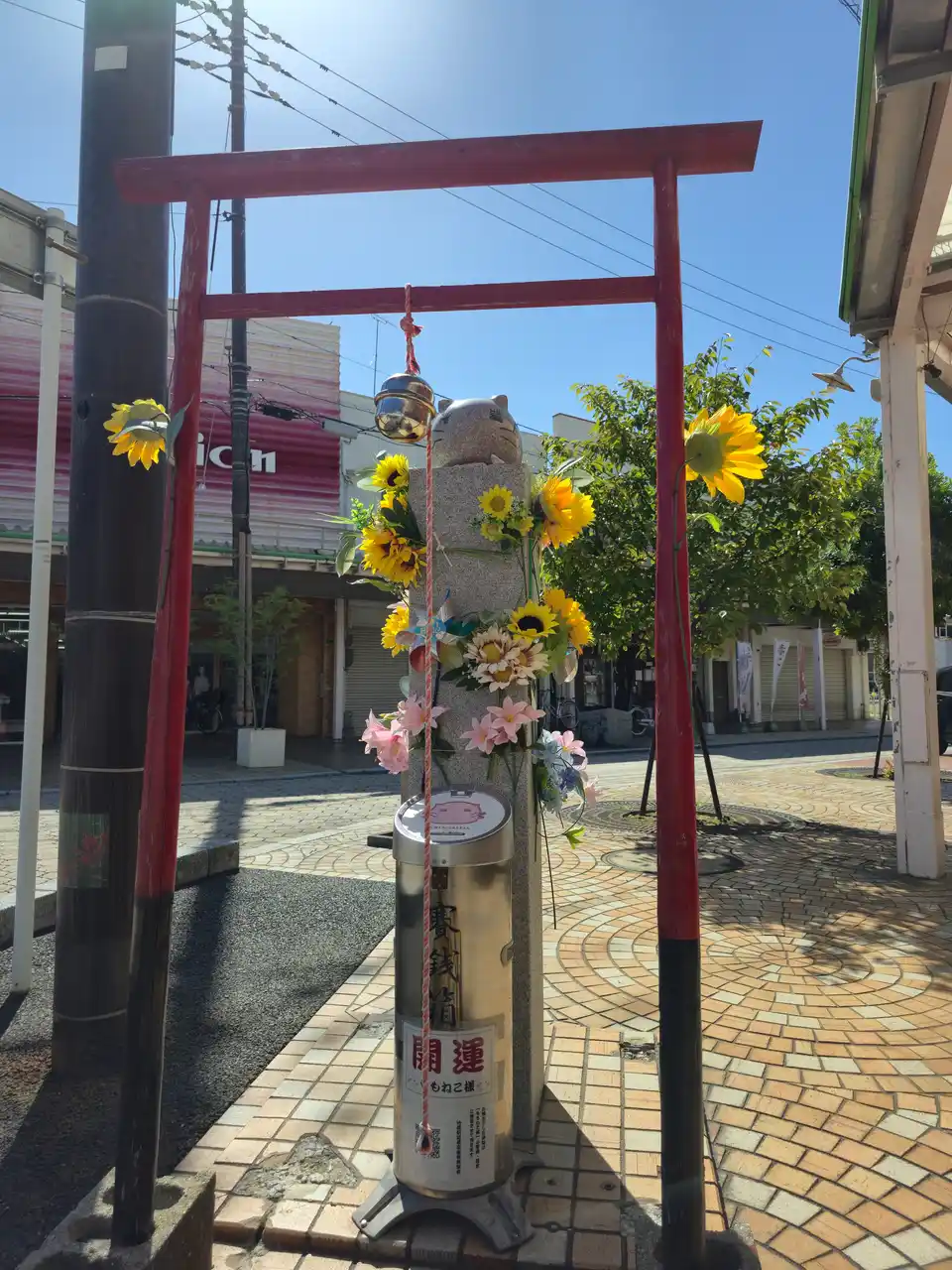
As part of the revitalization of the shopping street, the Momoneko-sama Shrine was established.
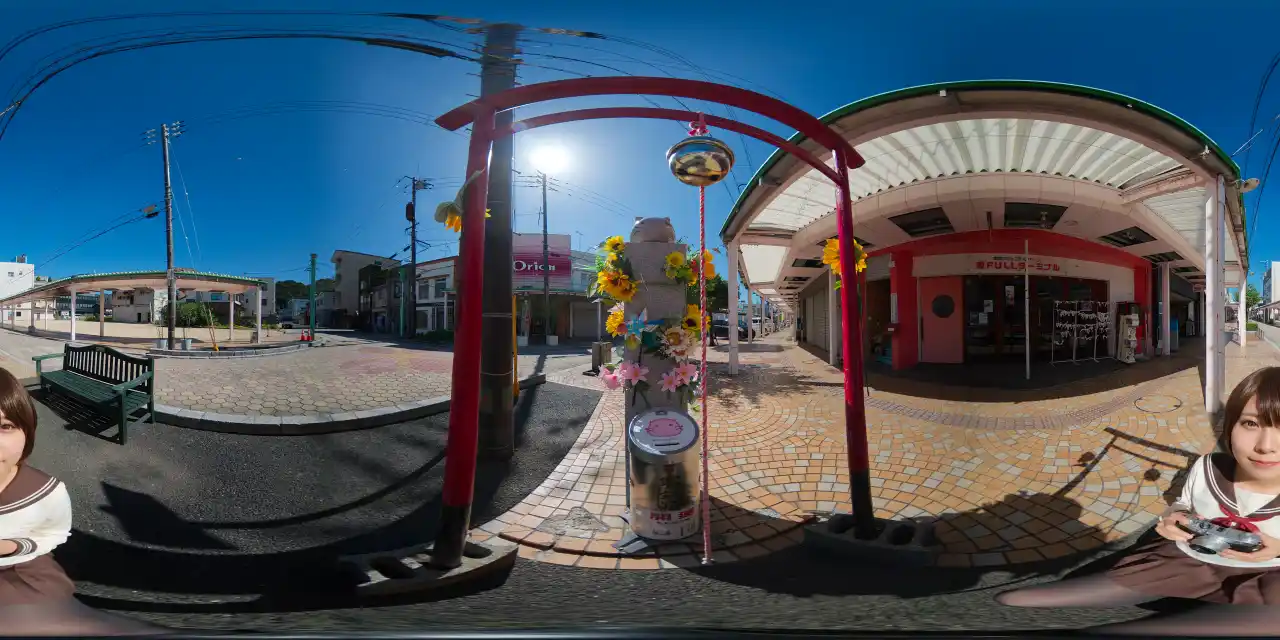
Panoramic view.
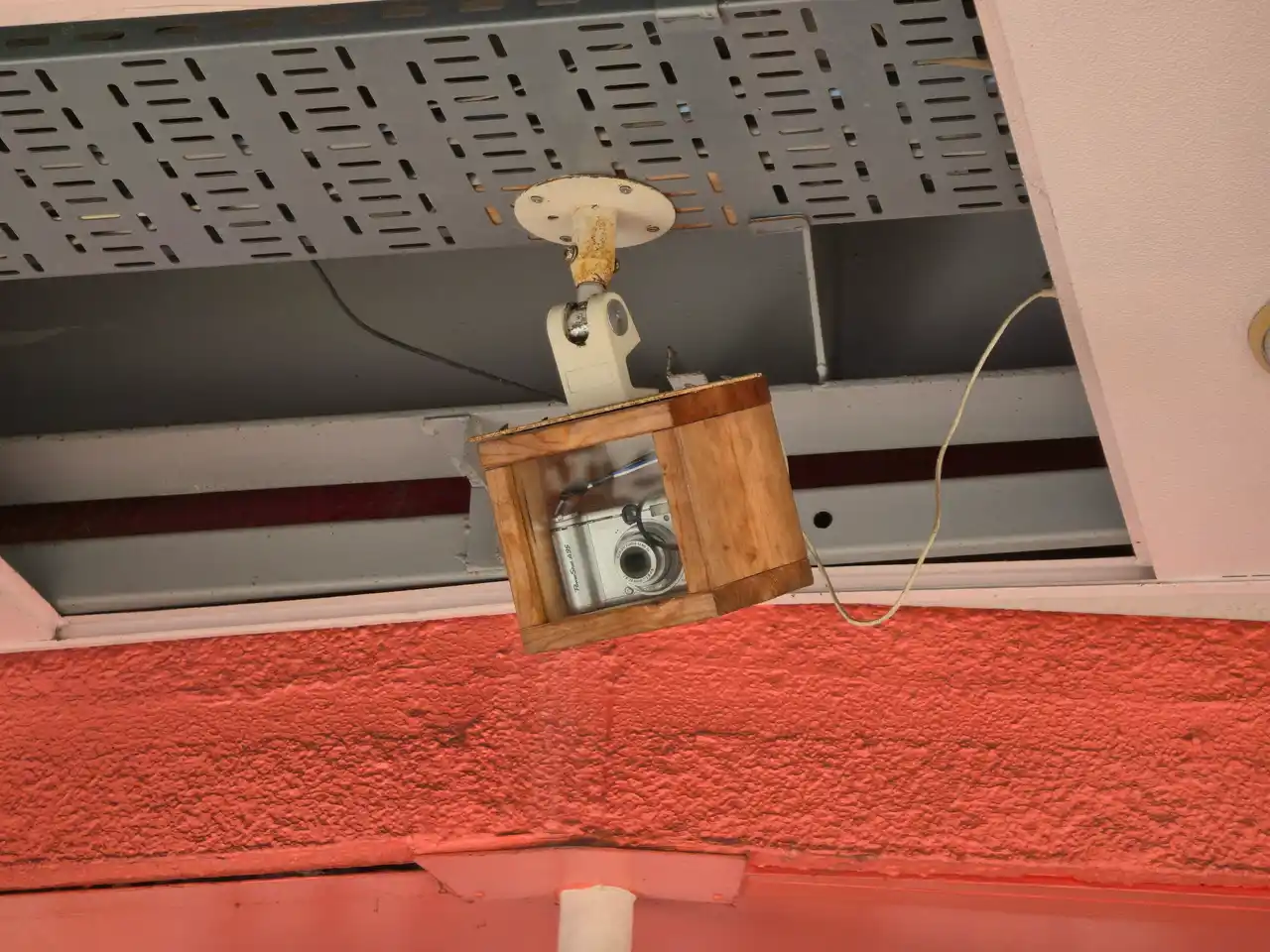
There is a camera nearby.
It takes scheduled photos of the Momoneko-sama Shrine at 9:00, 12:00, and 18:00 every day.
and posts them onthe official Twitter.
Occasionally, it captures some interesting photos, so you can follow it.
Come to think of it, I used to occasionally look at the photos taken by this camera, and finally, the day came when I was the one taking a photo of this camera!
Class Reunion
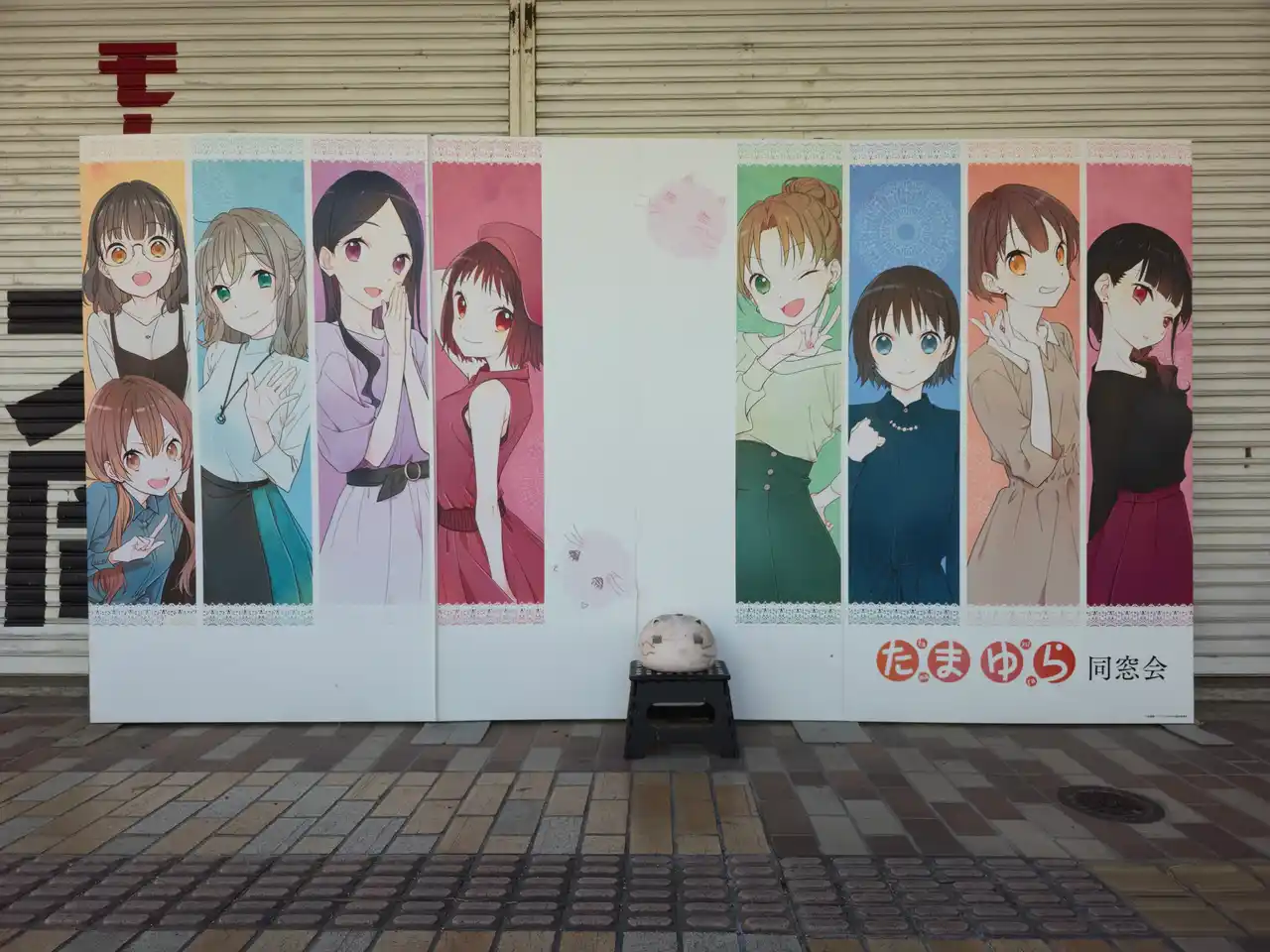
Takehara occasionally holds class reunion events commemorating the work.
The next event will be held on October 11, 2026, together with the Momoneko-sama Festival.
Suehiro-do
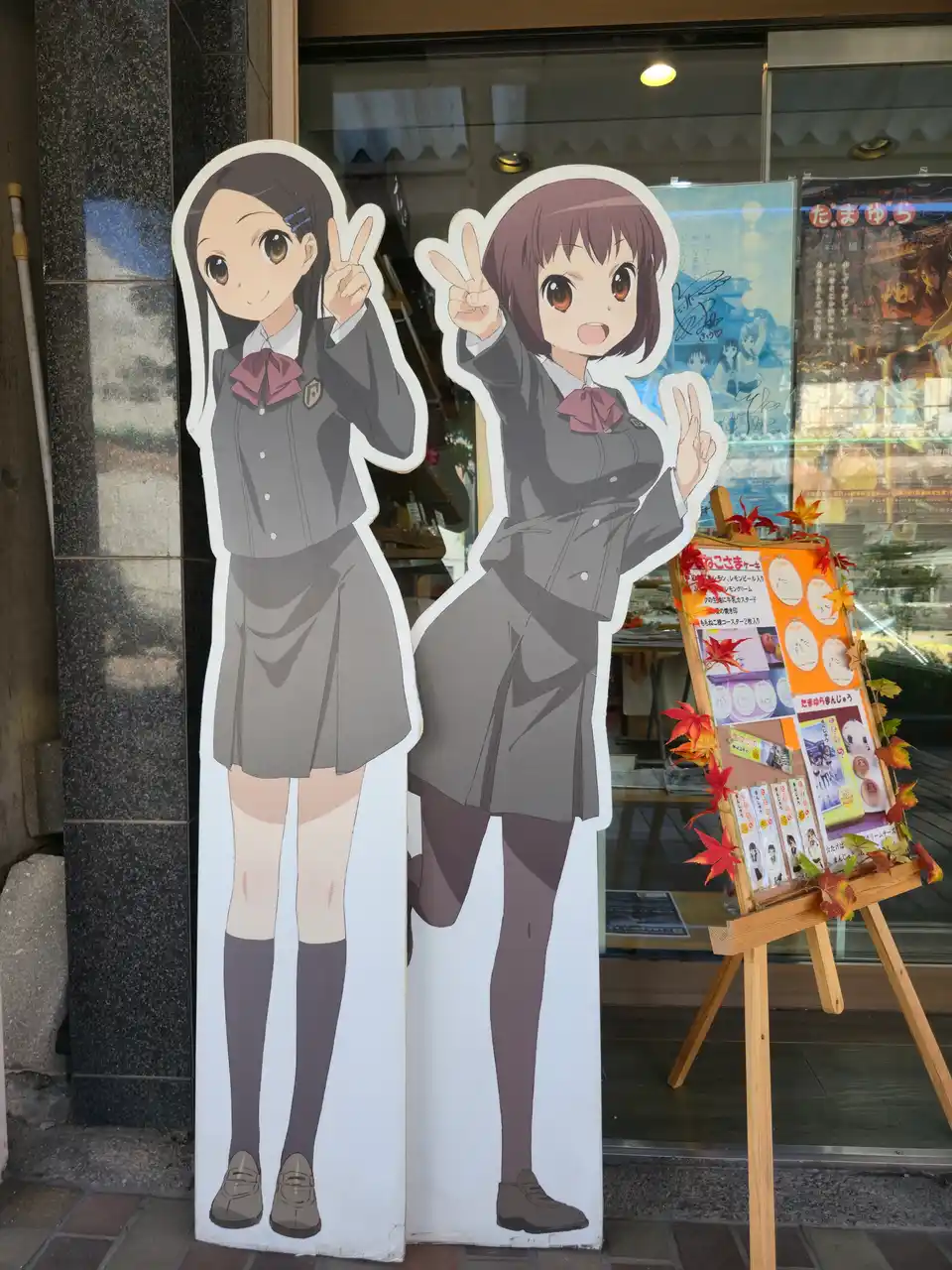
Standing sign outside the shop.
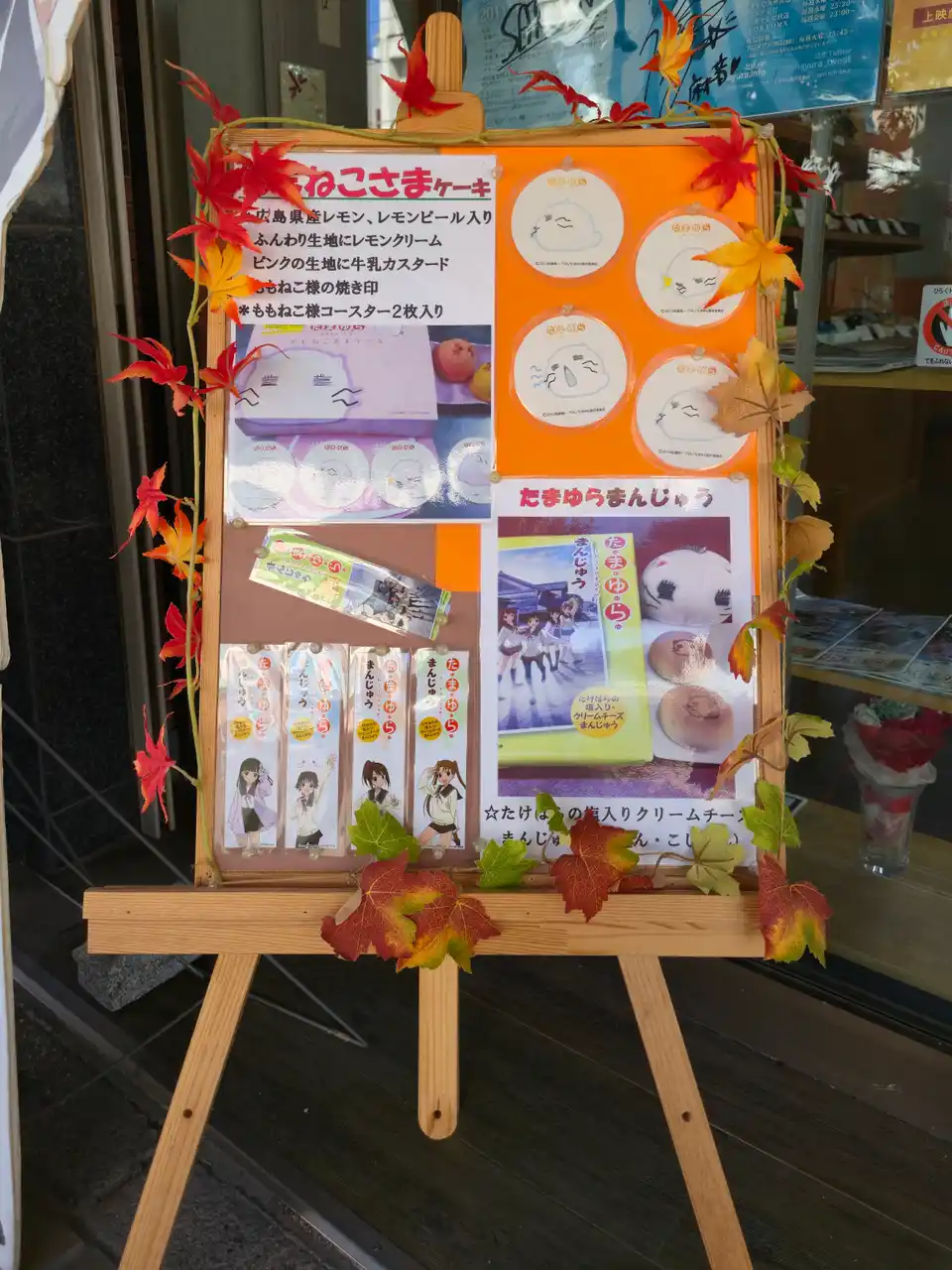
Here you can buy limited-edition Momoneko-sama cake and Tamayura manju.
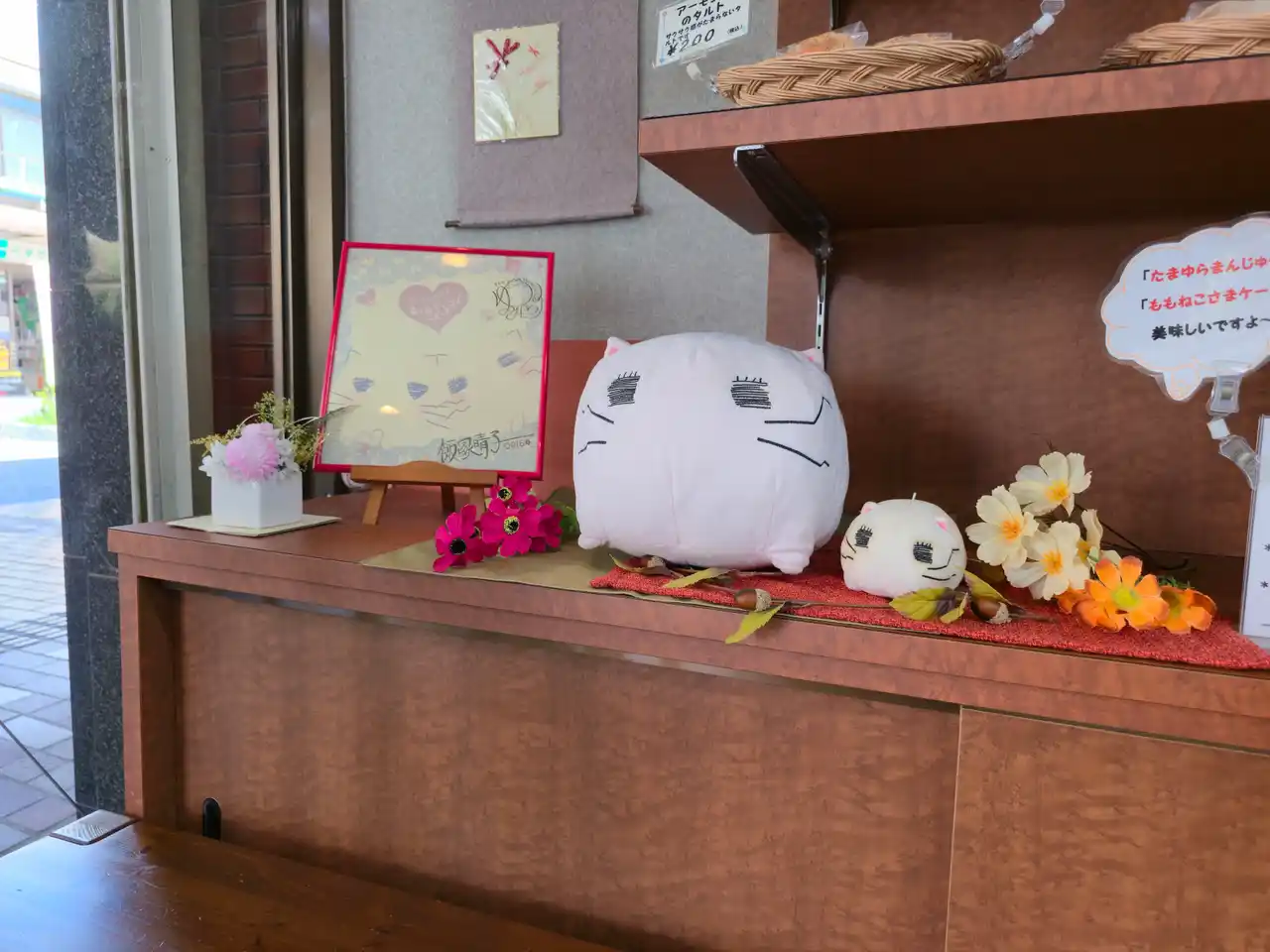
Momoneko-sama inside the shop.
Plaza near the Statue of Rai Sanyo
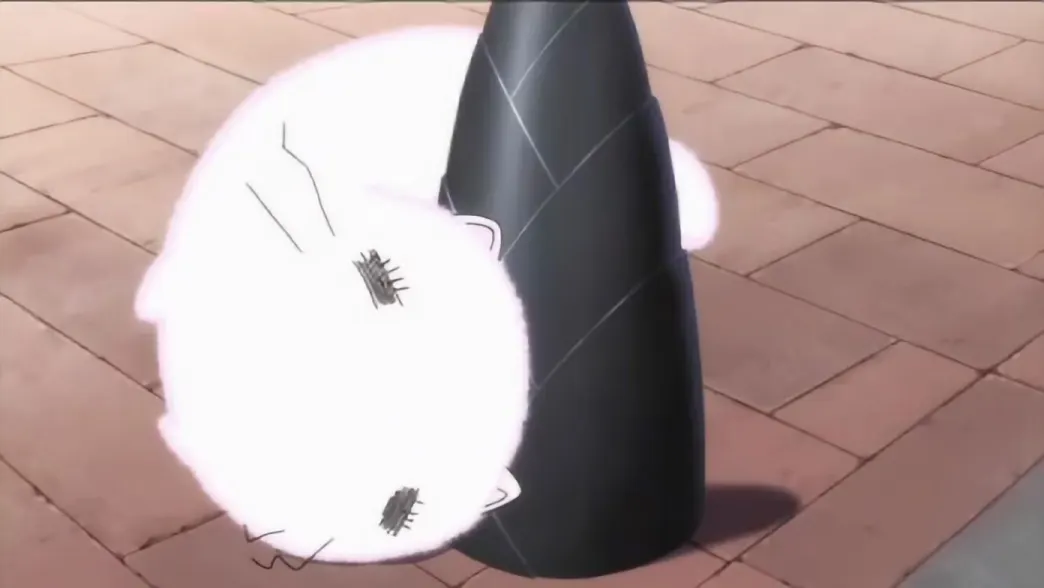
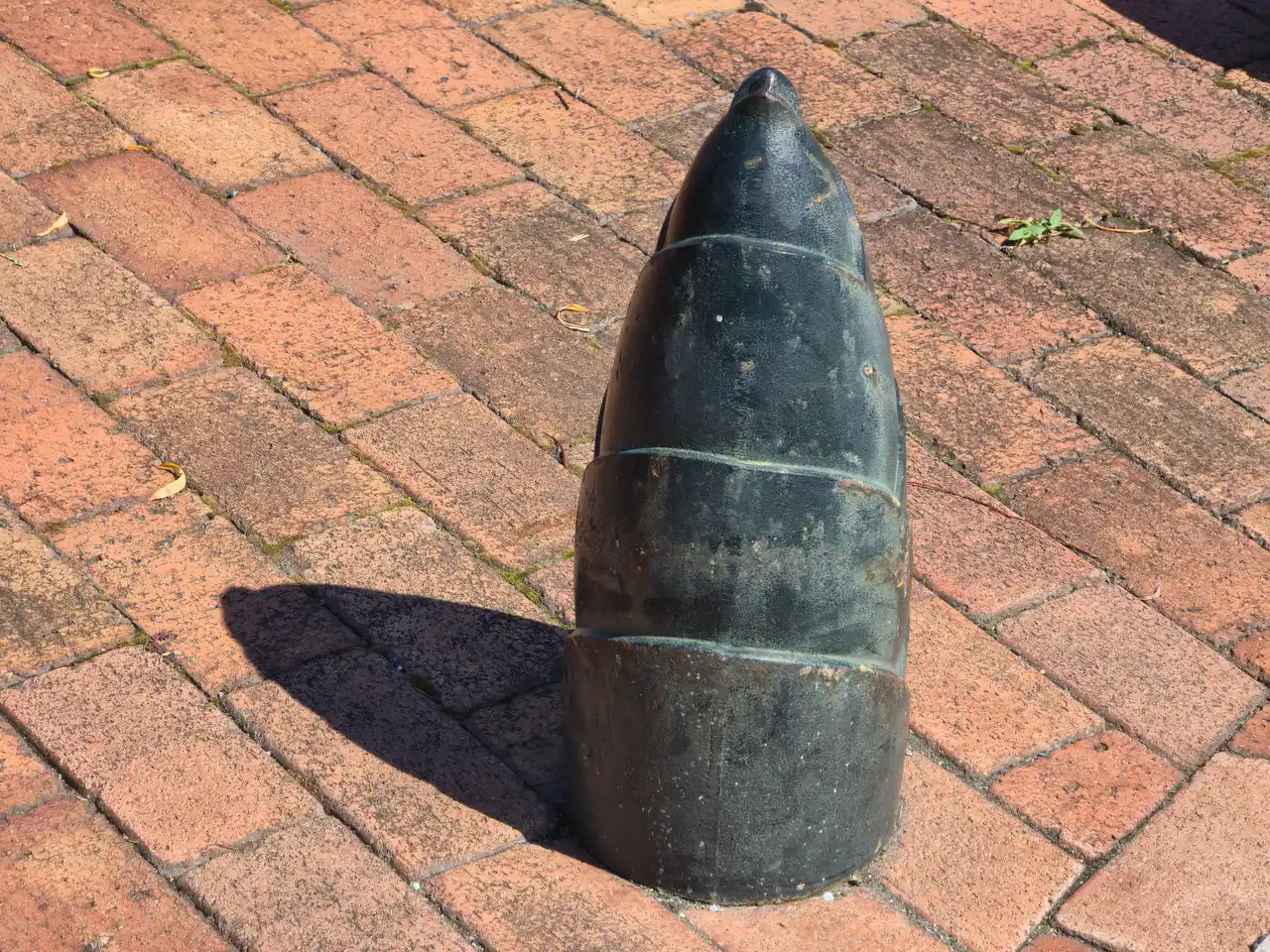
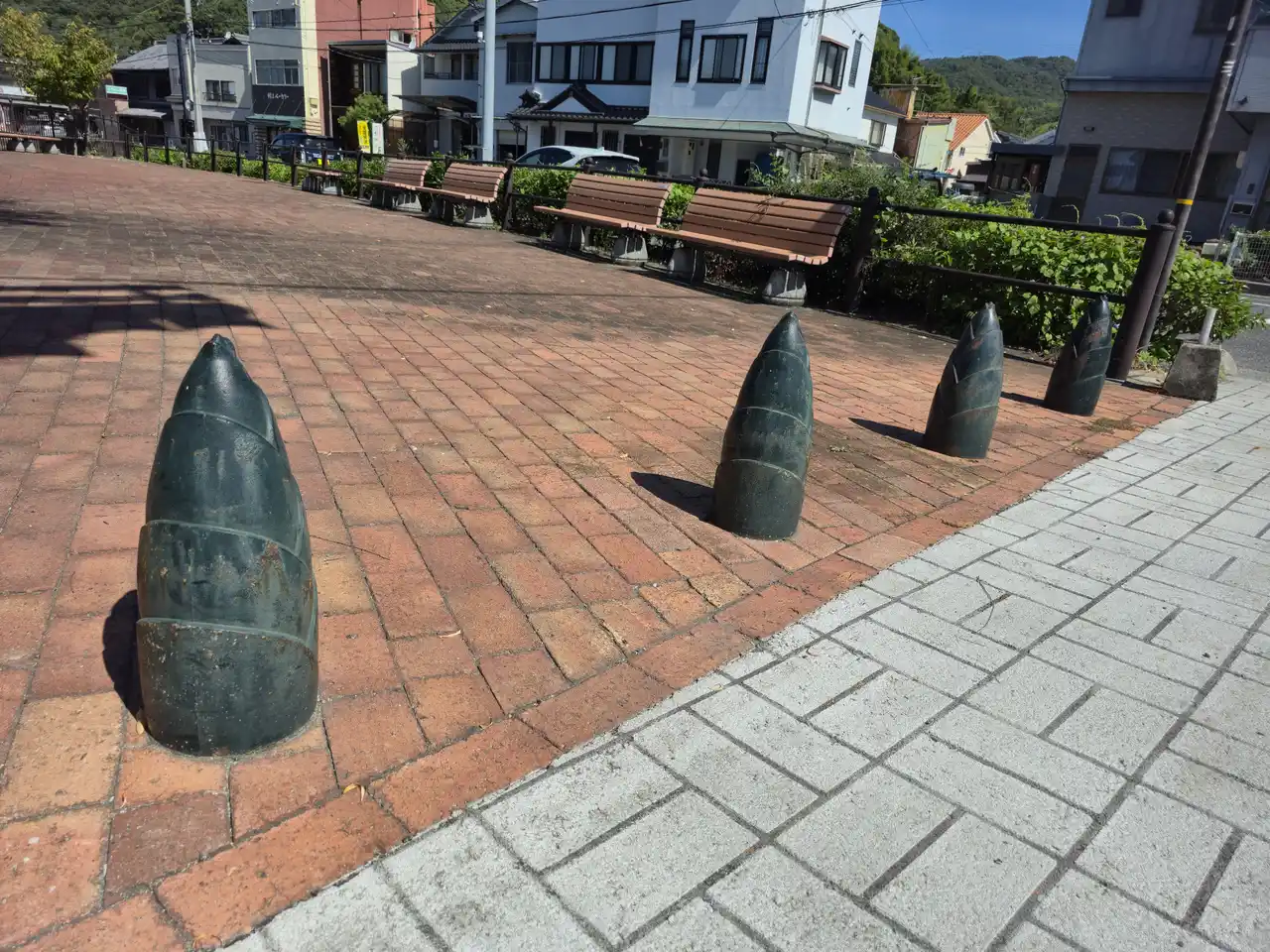
Locally characteristic bamboo shoot stone pillars.
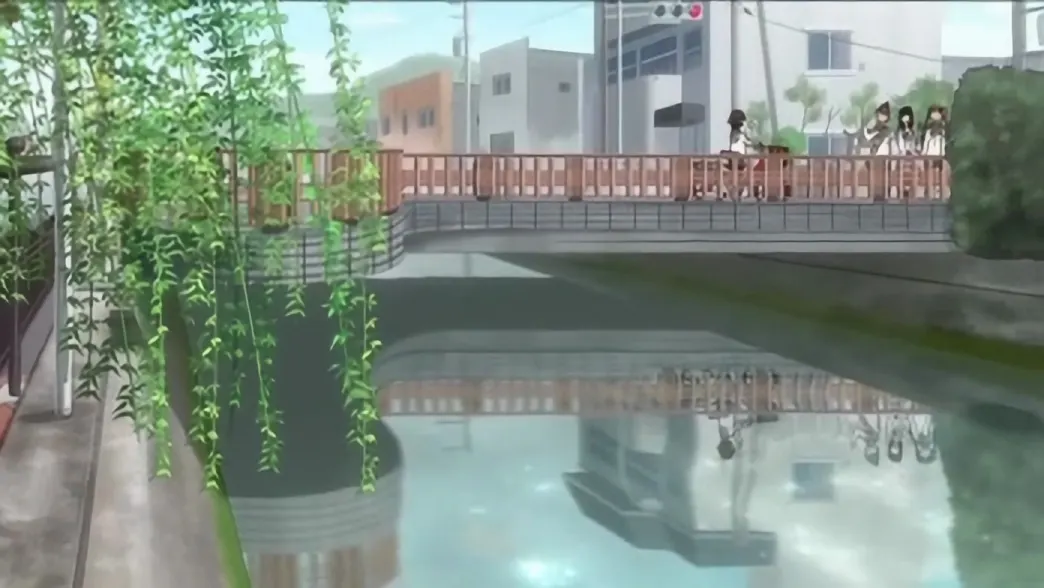
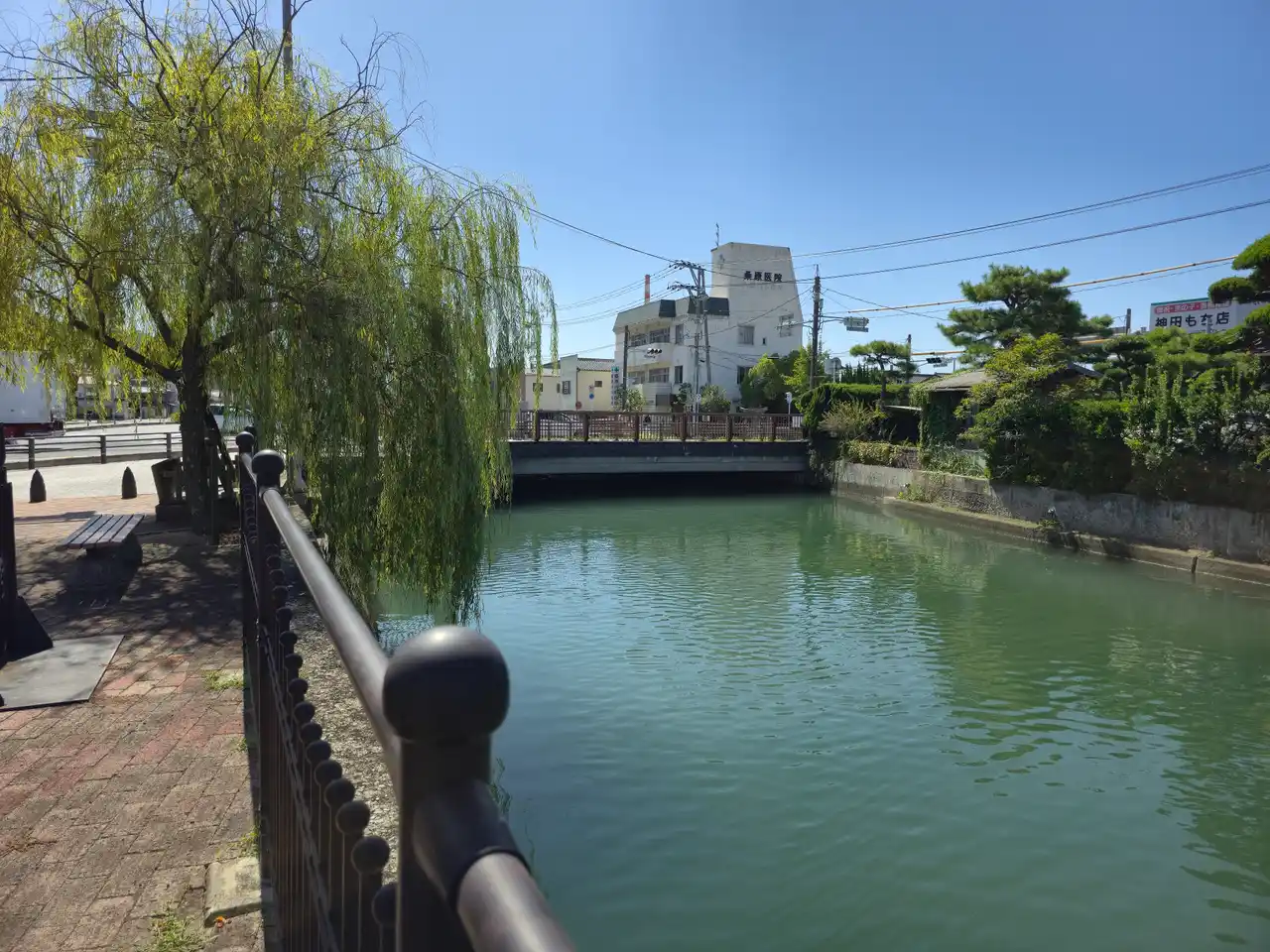
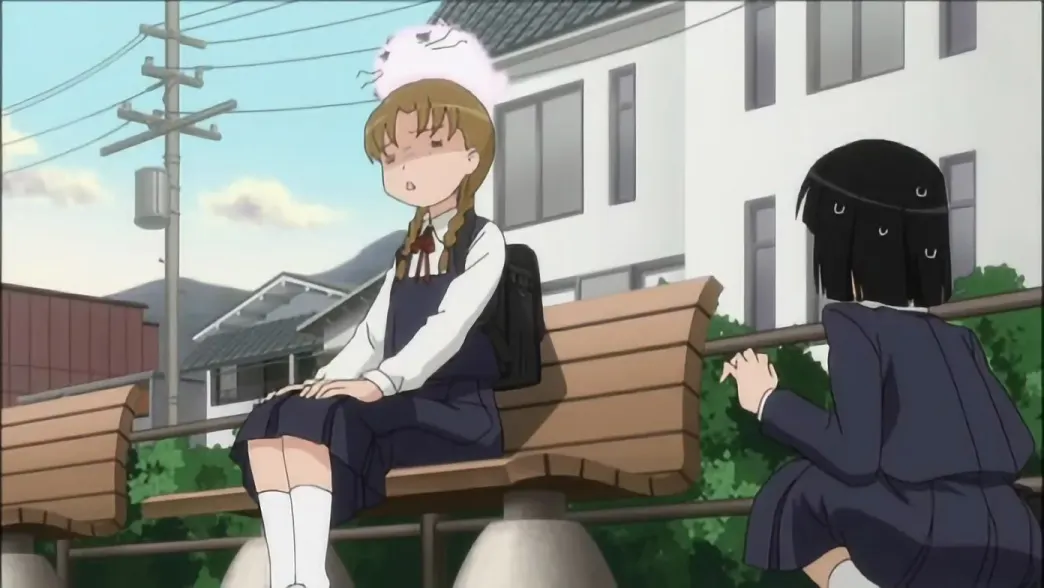
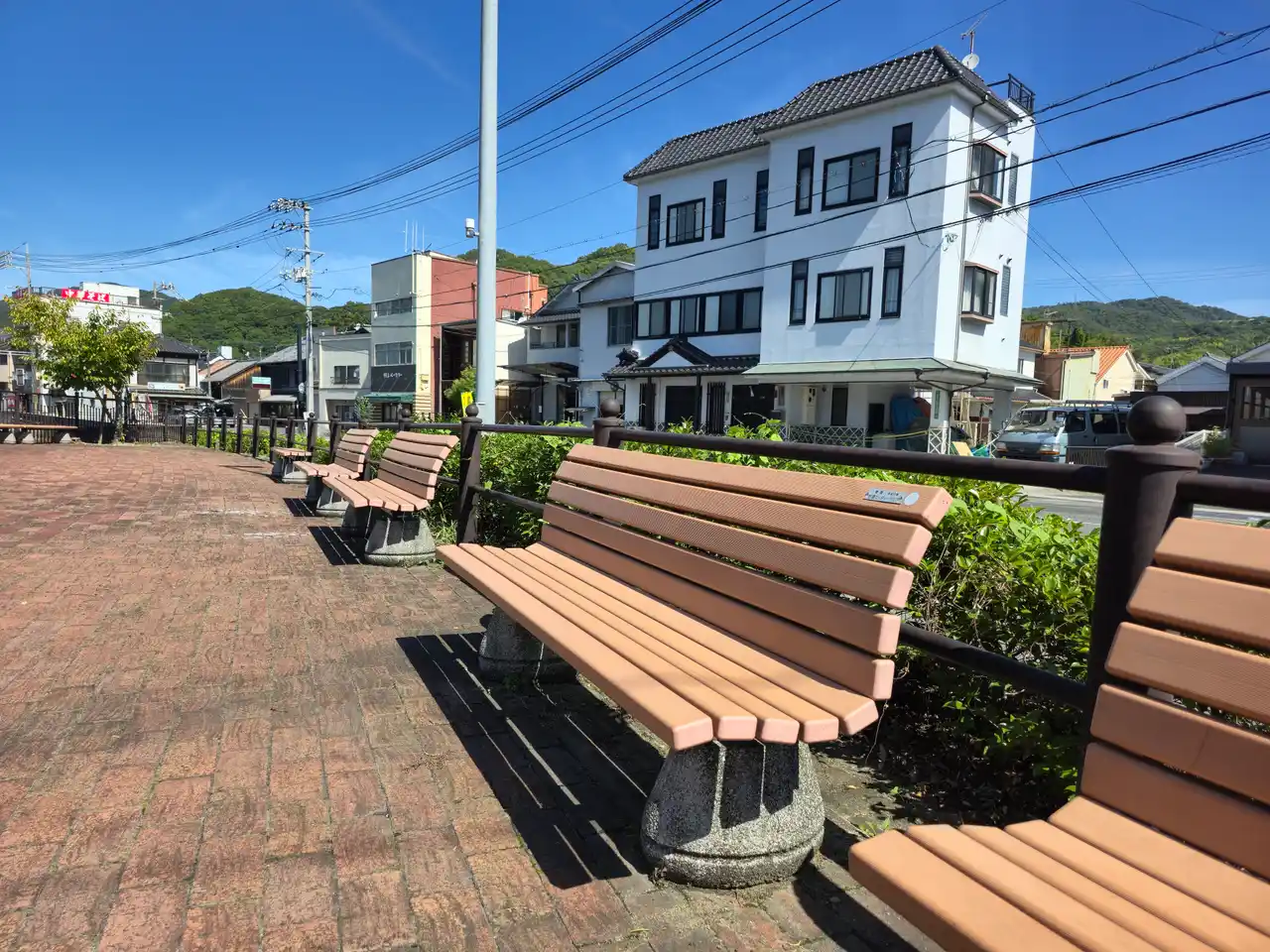
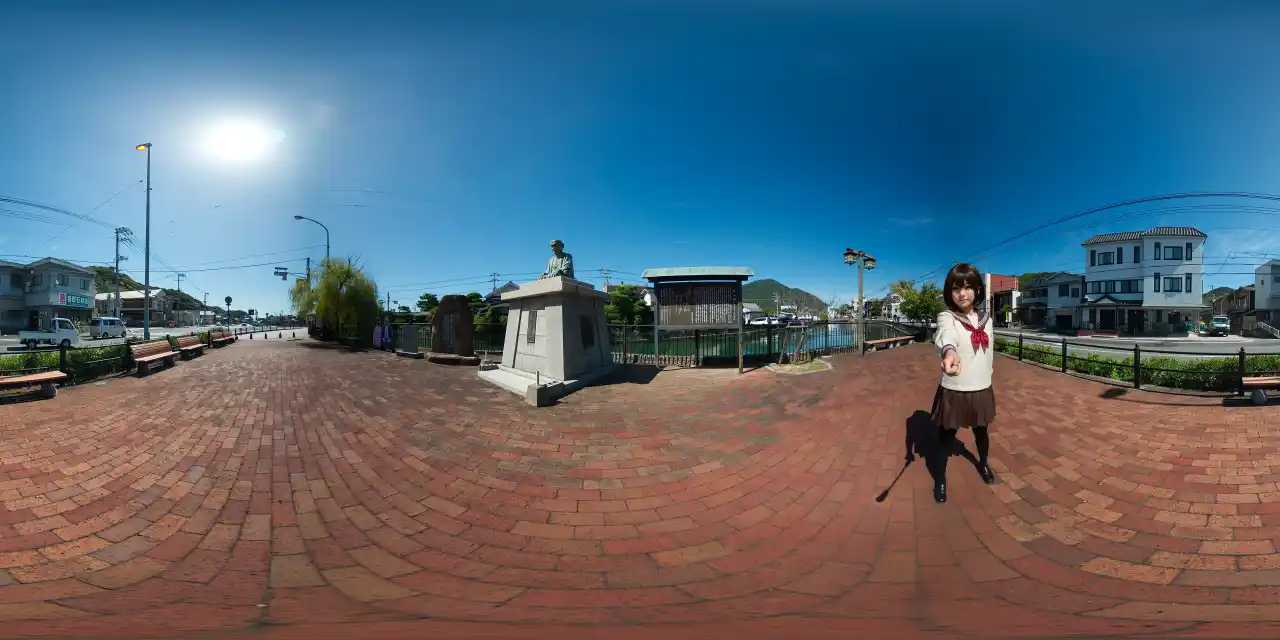
Take a panoramic shot.
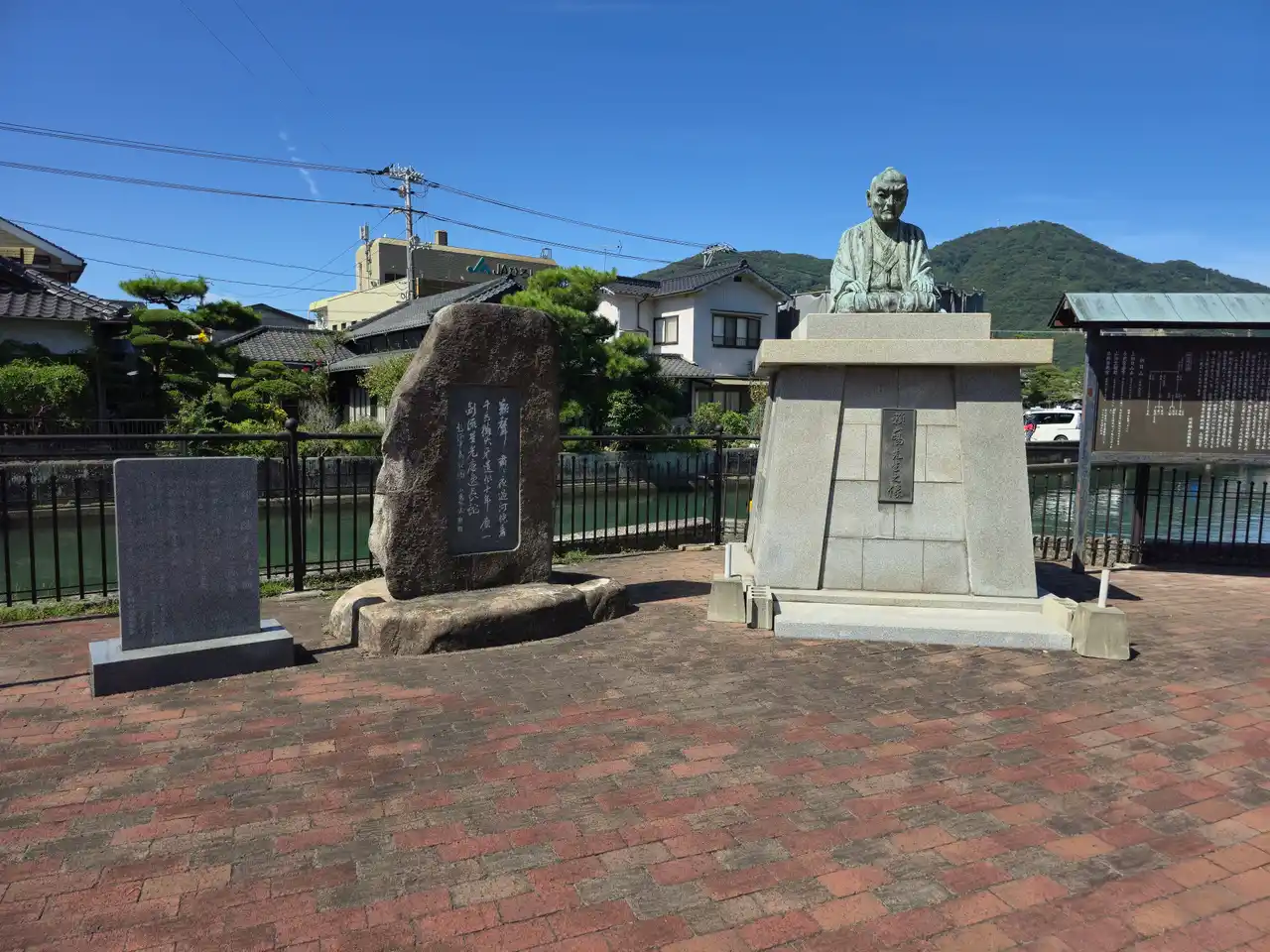
Rai San'yō (January 21, 1781 – October 16, 1832) was a famous historian, thinker, literary figure, and Chinese-style poet in late Edo-period Japan, and one of the representative figures of Wang Yangming school in Japan.
Rai San'yō coined the term "mountain purple, water bright" to describe the scenery of the Seto Inland Sea viewed from Takehara at dusk.
Although not directly related to the work, I think it's worth introducing Mr. Rai San'yō.
Former Hinomaru Photo Studio
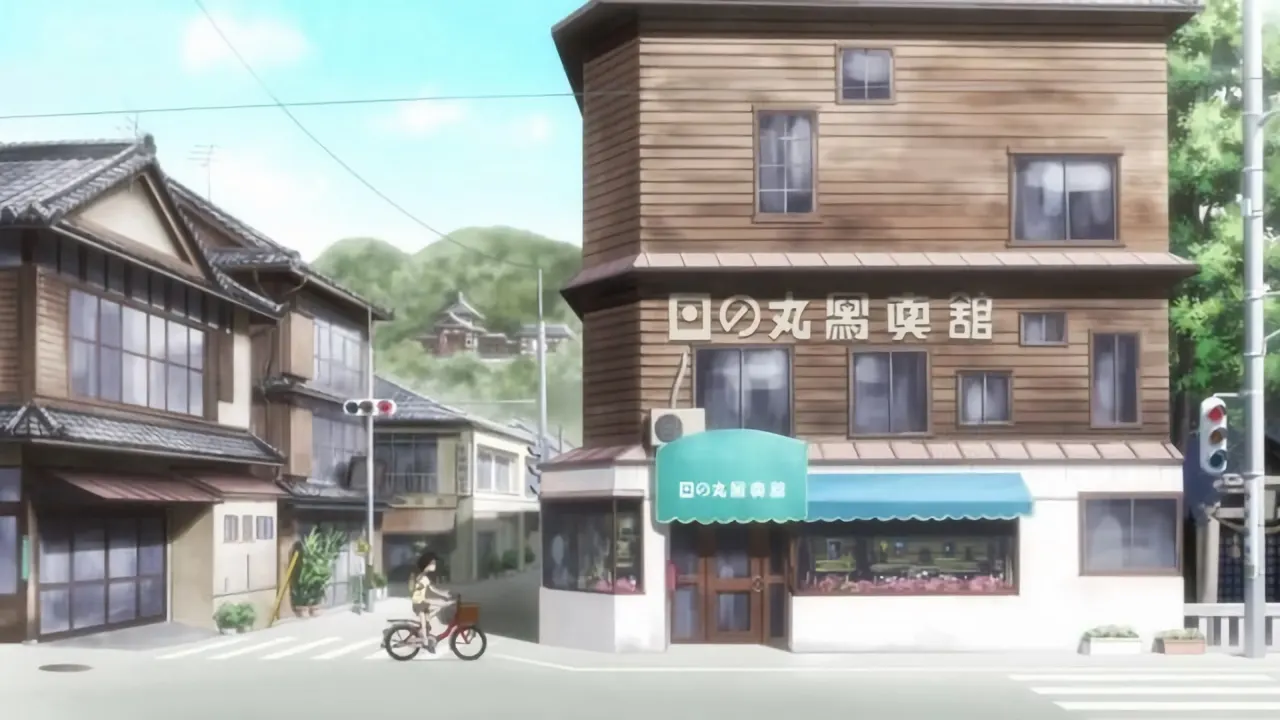
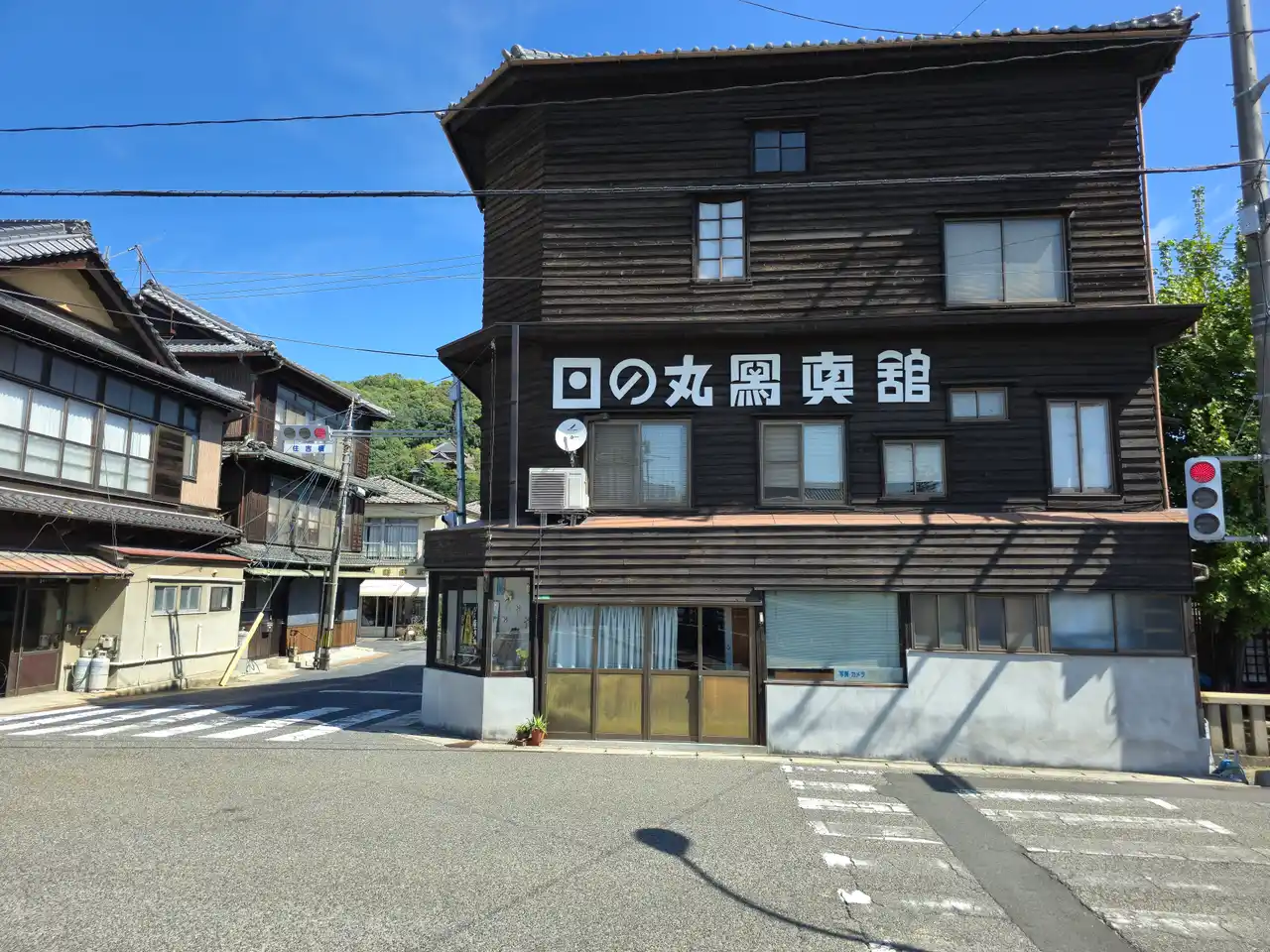
This photo studio was built around 1932 (Showa 7) by Ichijiro Yoshina, a carpenter living in Takehara.
It is located right next to the Traditional Townhouse Preservation District and, with its distinctive appearance, has become one of the landmarks around the preservation area.
The layout of openings such as windows has well preserved the state at the time of construction, demonstrating the high level of architectural technology in the early Showa period. At the same time, as a place of business for the emerging industry of "photography" introduced to Japan at the end of the Edo period, its appearance is highly evaluated as "contributing to the historical landscape of the nation" and has been registered as a nationally designated tangible cultural property.
In the work, this is the photo studio that Patata frequently visits. The studio has now ceased operations.
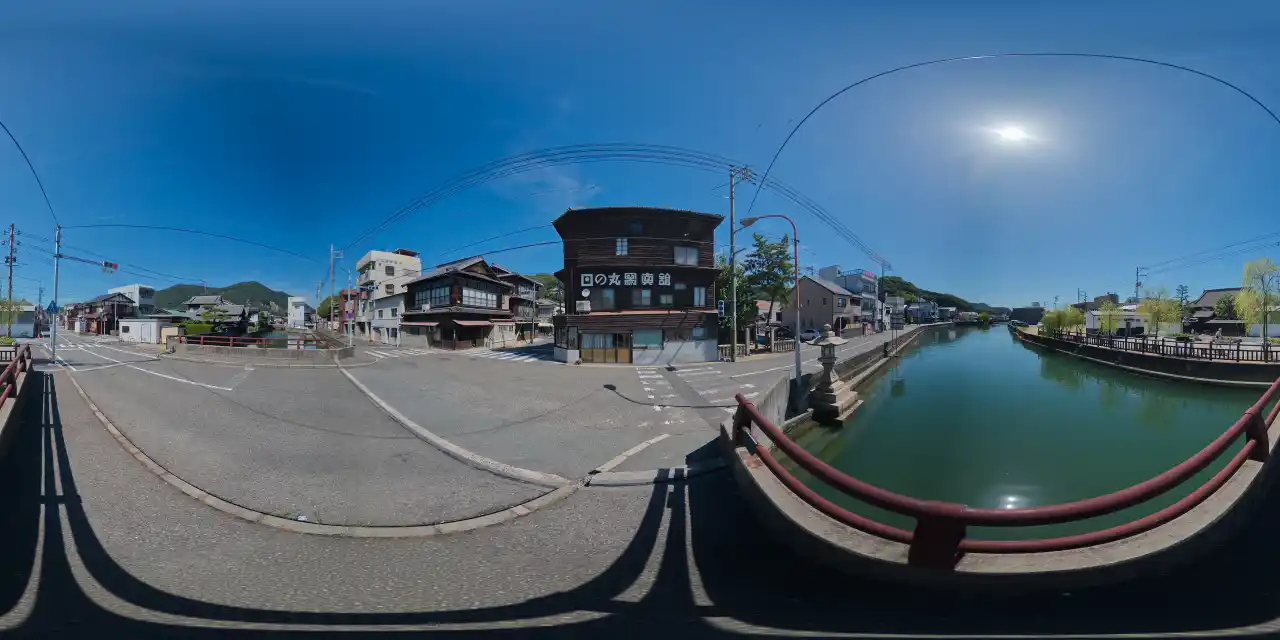
Panoramic view of the photo studio.
The photo studio that often appears in the work, now seen in person.
Preview of Next Part
The above is the content of Part 1. In the upcoming Part 2, we will visit the "Traditional Townhouse Preservation District" that frequently appears in the work. Stay tuned!