Moe is justice! A small site that occasionally shares ACG event logs and interesting code.


Visiting Matsushima, One of Japan's Three Great Scenic Views, a Pilgrimage to the Anime "Zatsu Tabi -That's Journey-"
On September 14, 2025, I visited Matsushima, one of Japan's Three Great Scenic Views.
About Matsushima
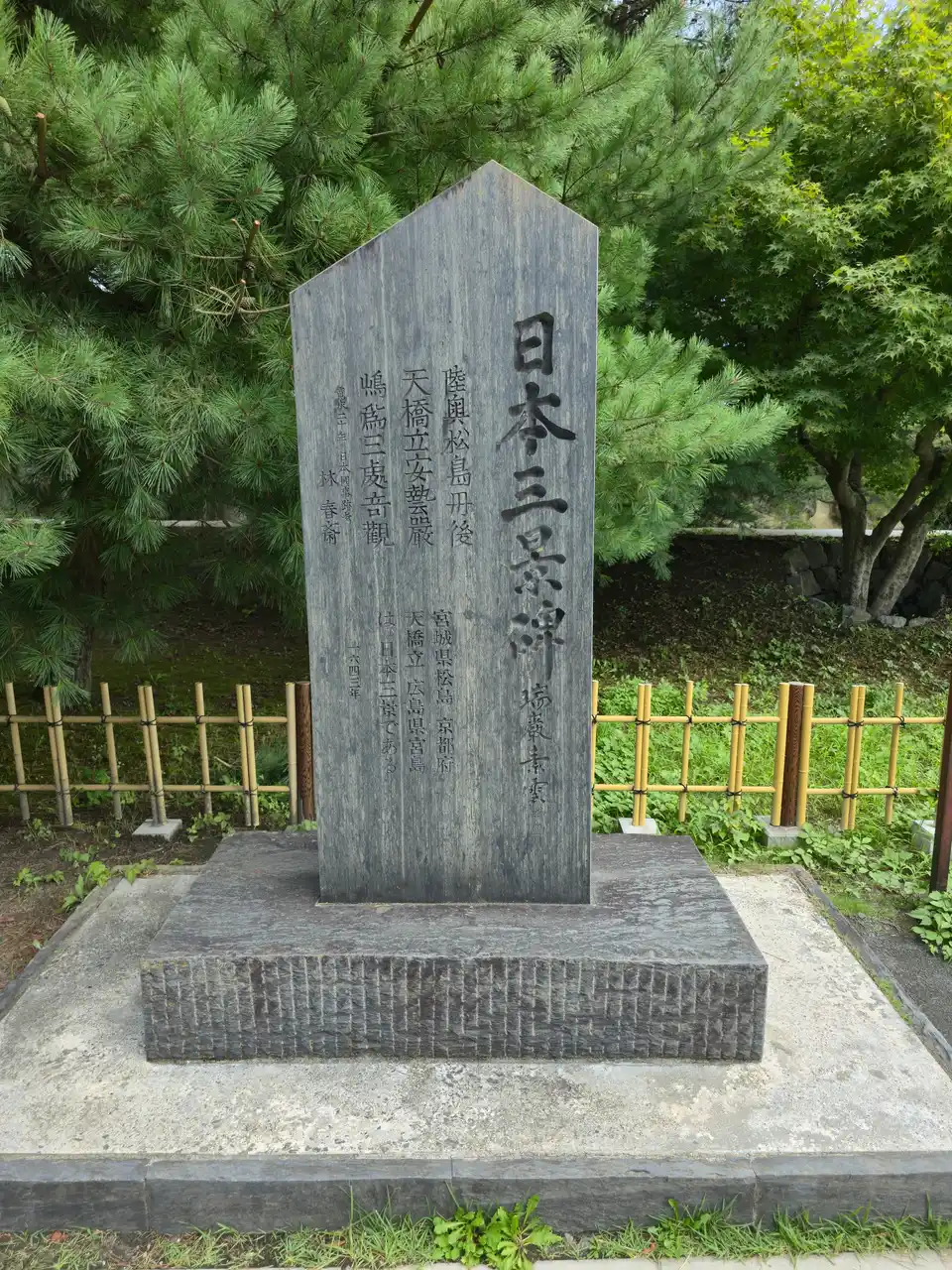
It is a collective name for about 260 islands in and around Matsushima Bay in Miyagi Prefecture, and is one of Japan's Three Great Scenic Views.
The Edo-period haiku poet Matsuo Bashō also visited this famous spot, and it is said that he composed a famous haiku here, but in fact, those lines were not written by Bashō himself.
Sendai Station
To get to Matsushima from Tokyo, take the Shinkansen to Sendai, then transfer to the Senseki Line at Sendai Station to Matsushima-Kaigan Station.
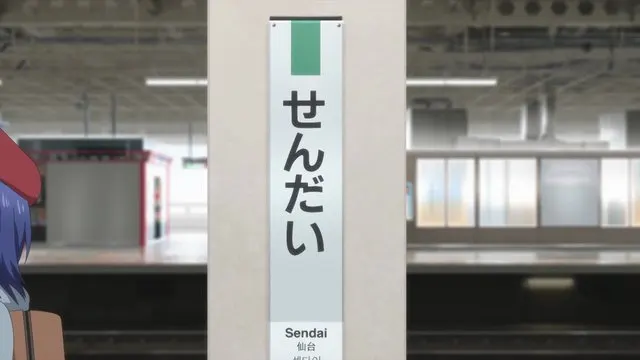
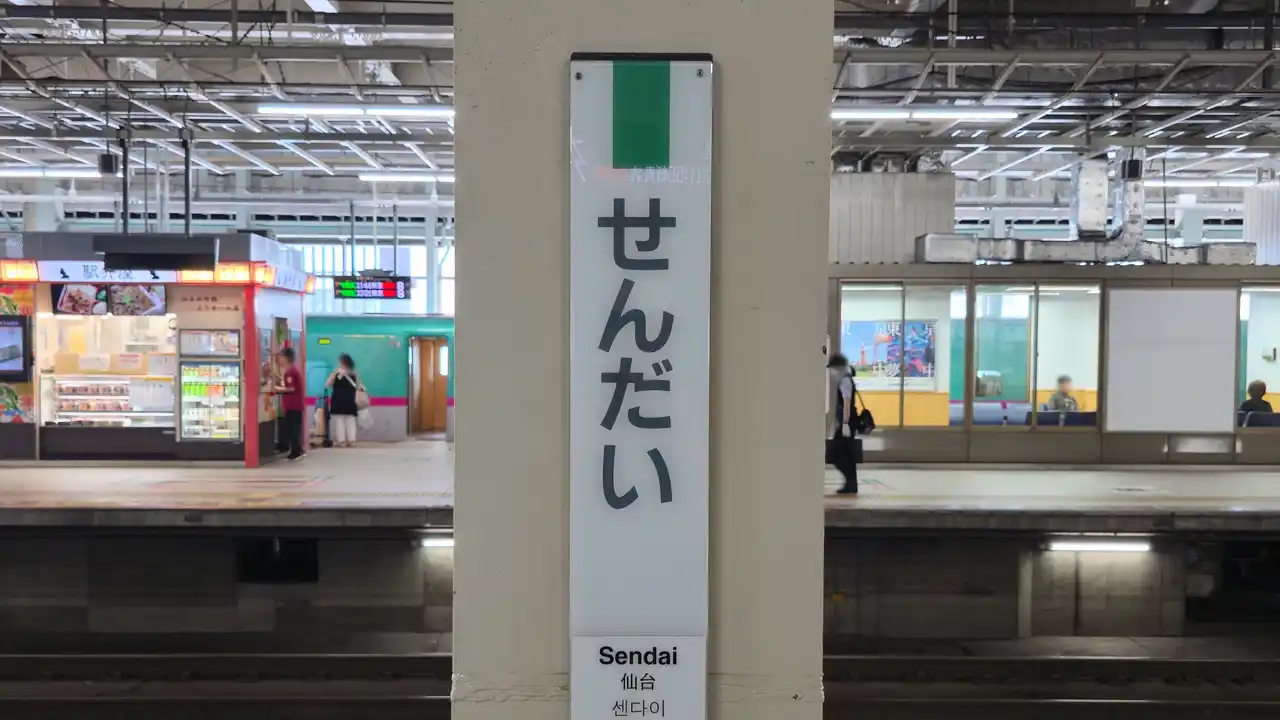
Sendai Station.
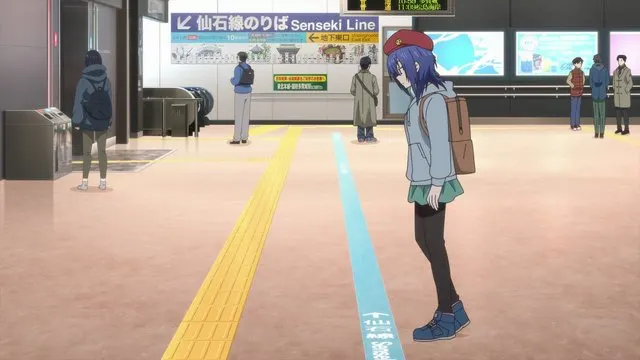
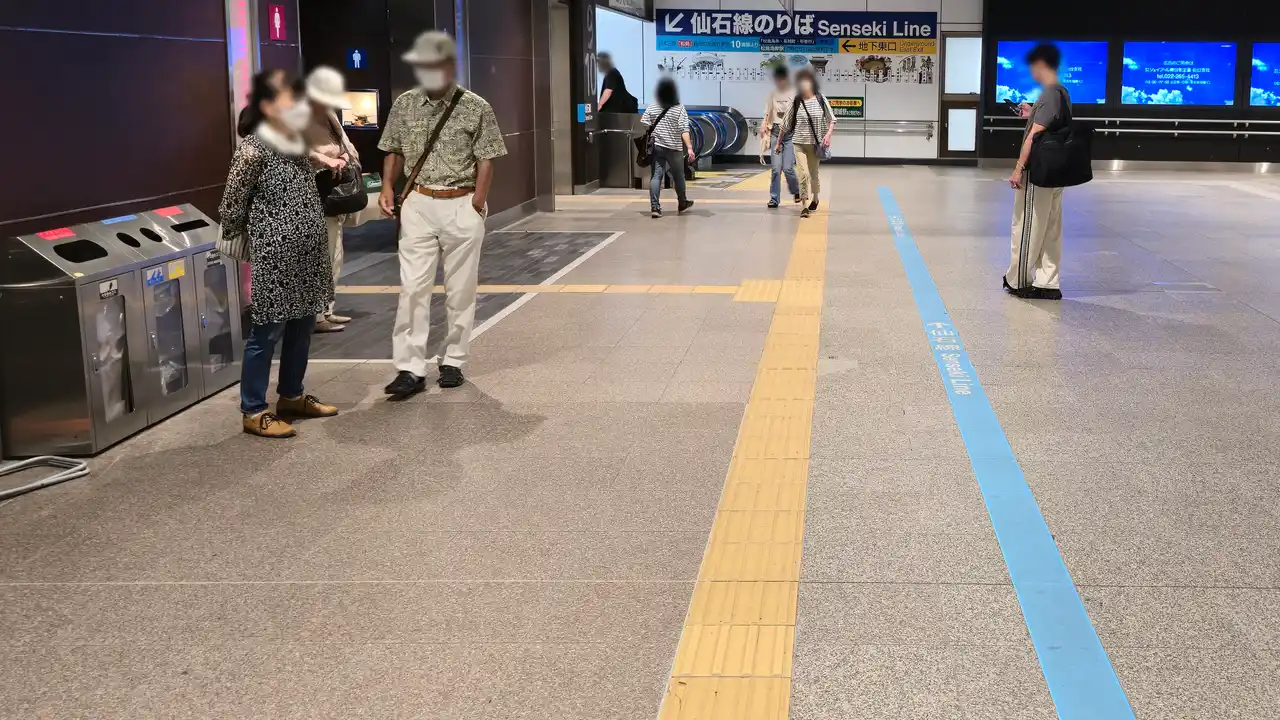
Transfer to the Senseki Line.
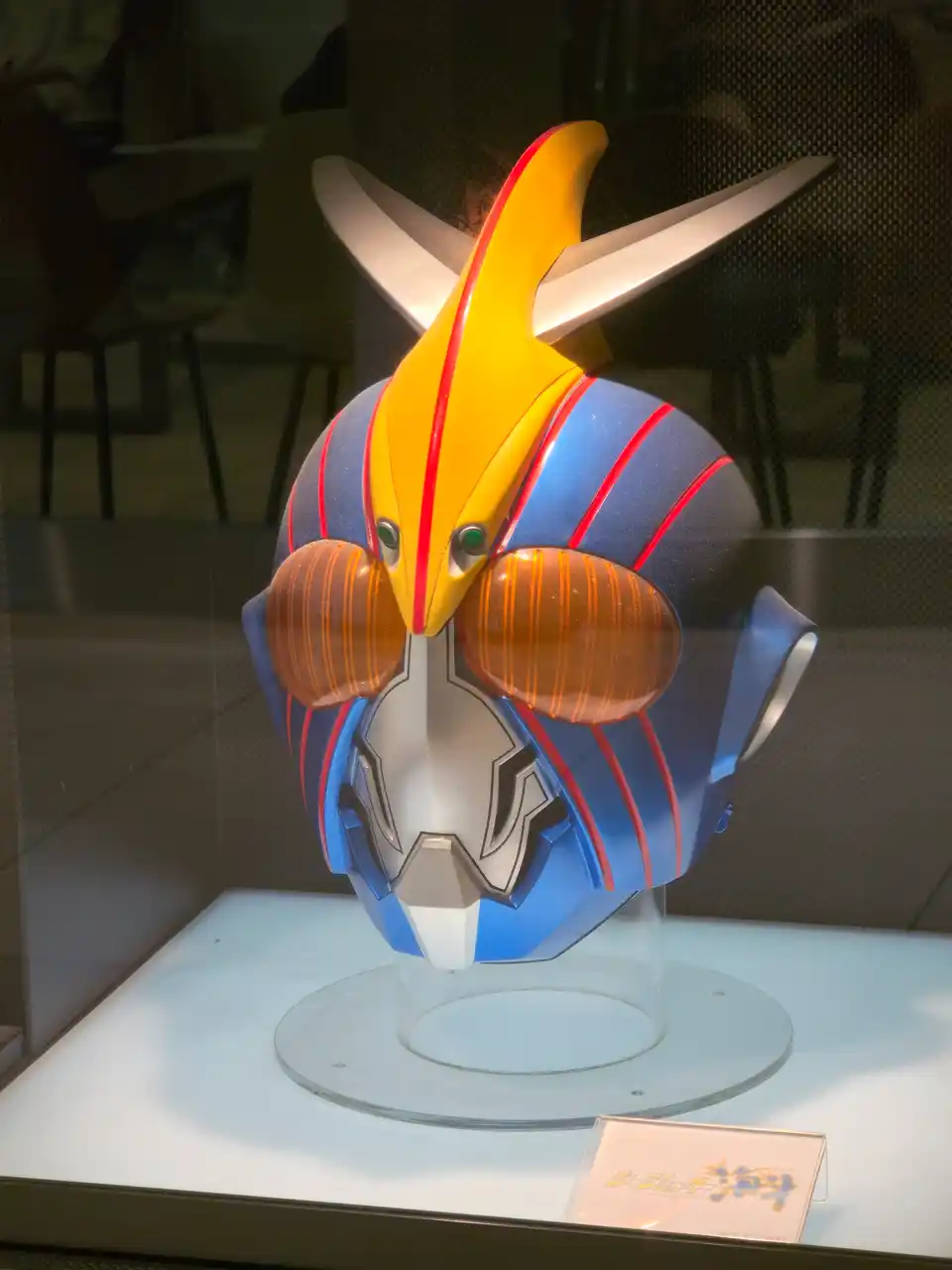
As soon as I arrived in Sendai, I saw Kamen Rider!
Food at Sendai Station
If you choose to exit Sendai Station, there are some good food options on the 3rd floor.
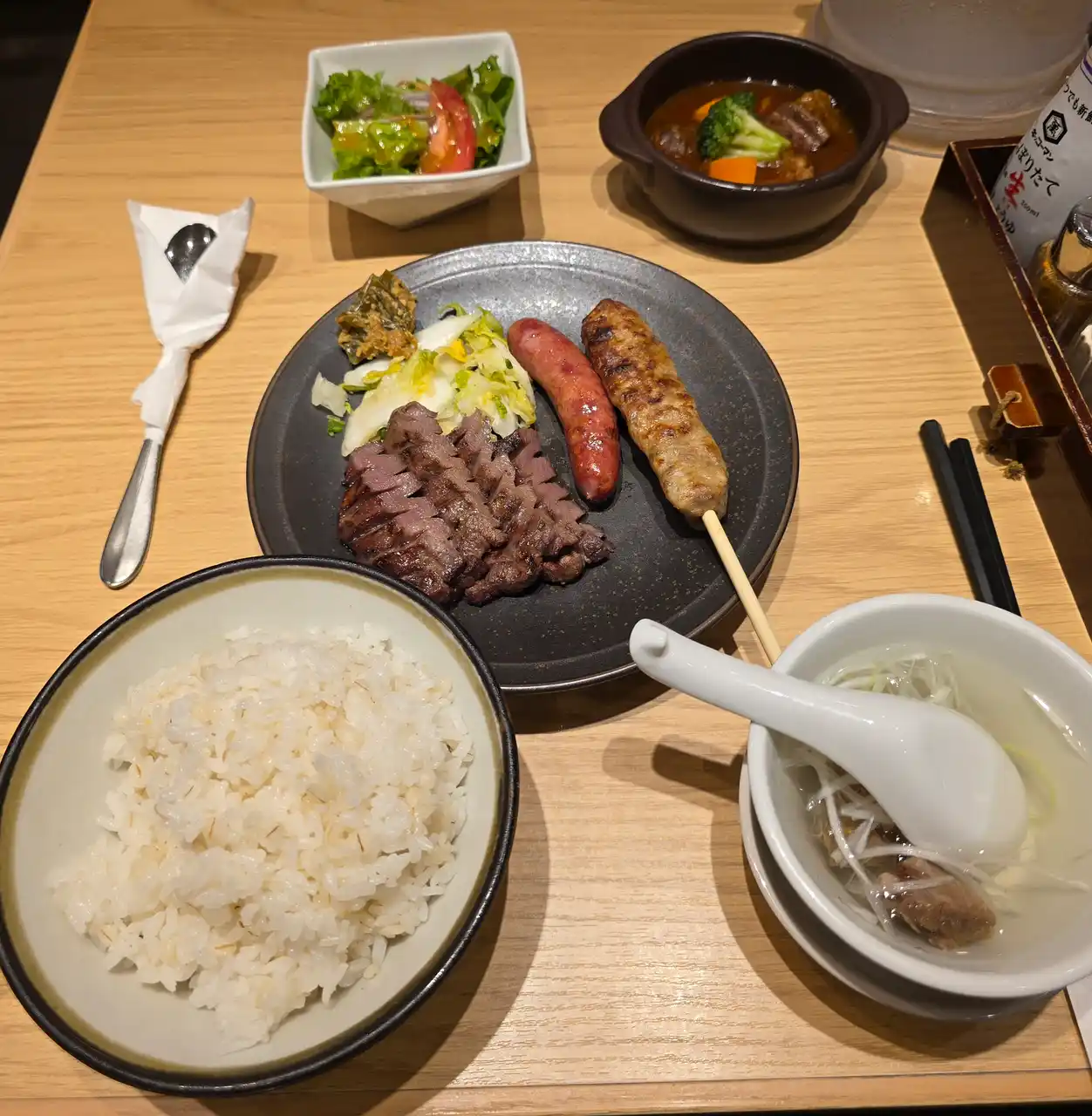
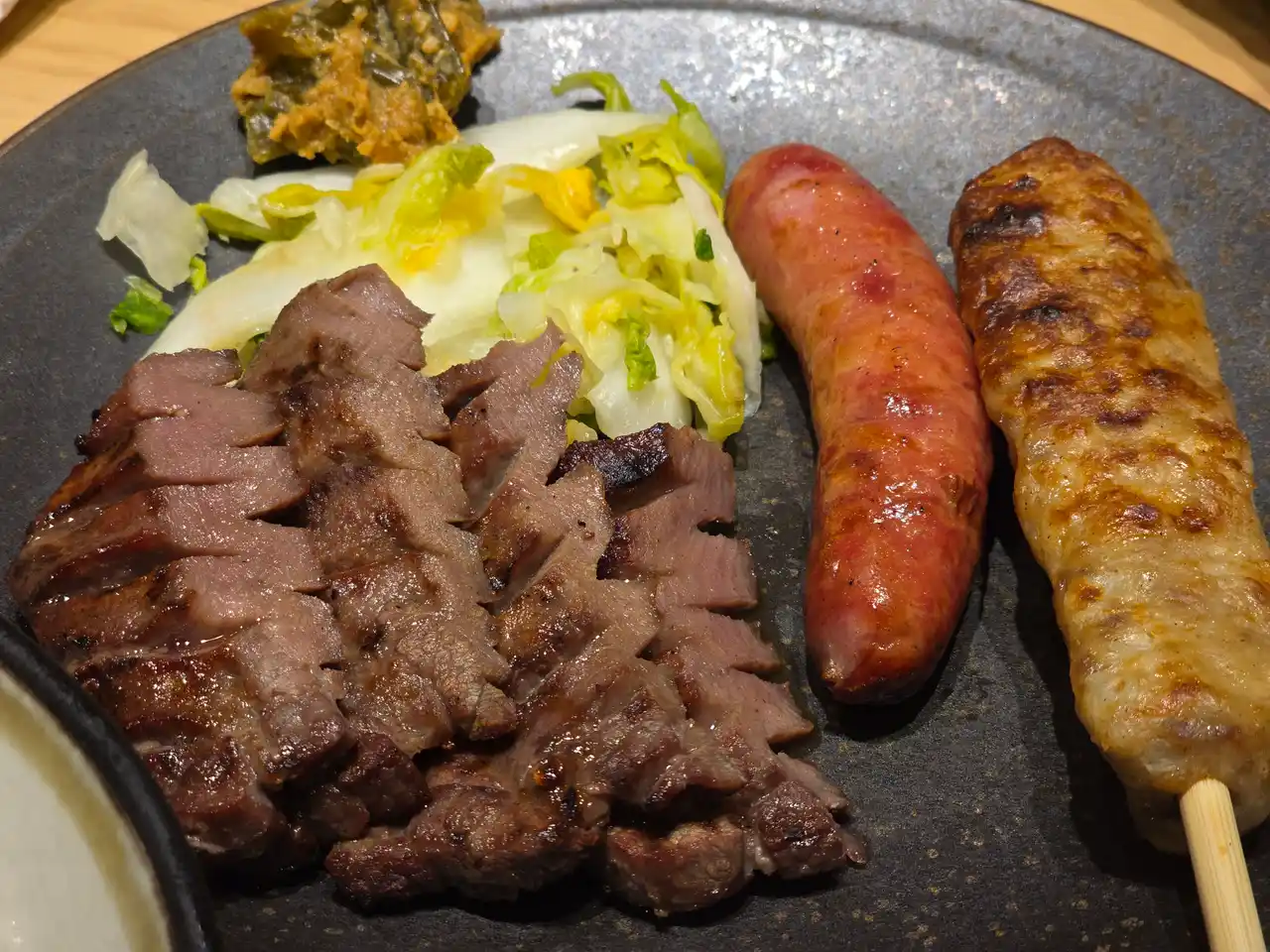
First up is the local specialty—beef tongue.
Although this place isn't a trendy spot (because the trendy ones have long lines), I was quite satisfied with the taste and texture.
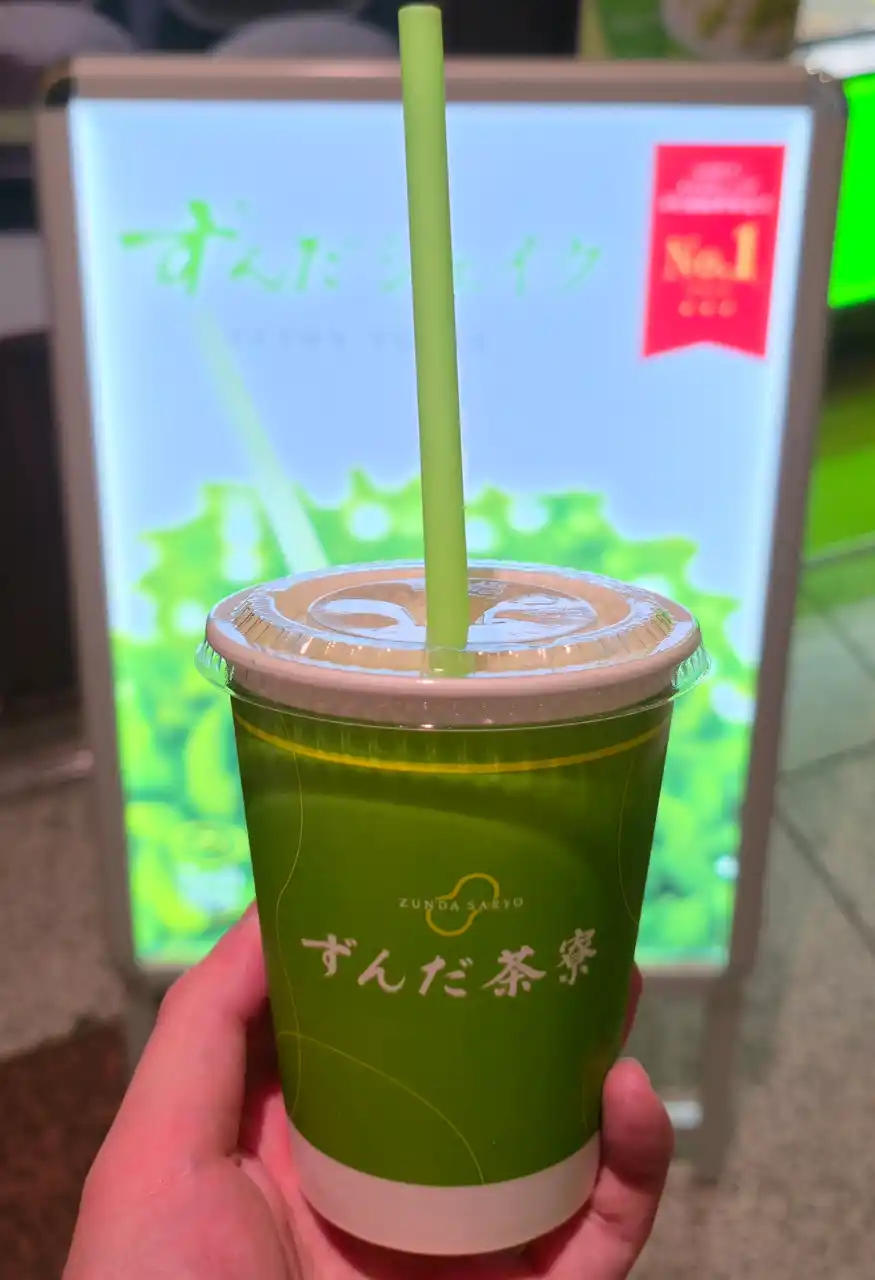
After the meal, you can also enjoy a zunda (edamame) milkshake, which tastes great! Highly recommended!
Matsushima-Kaigan Station
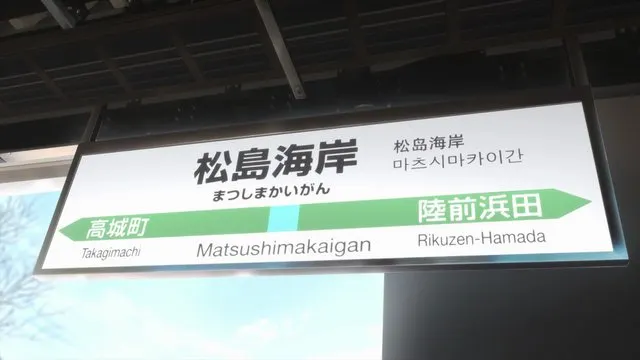
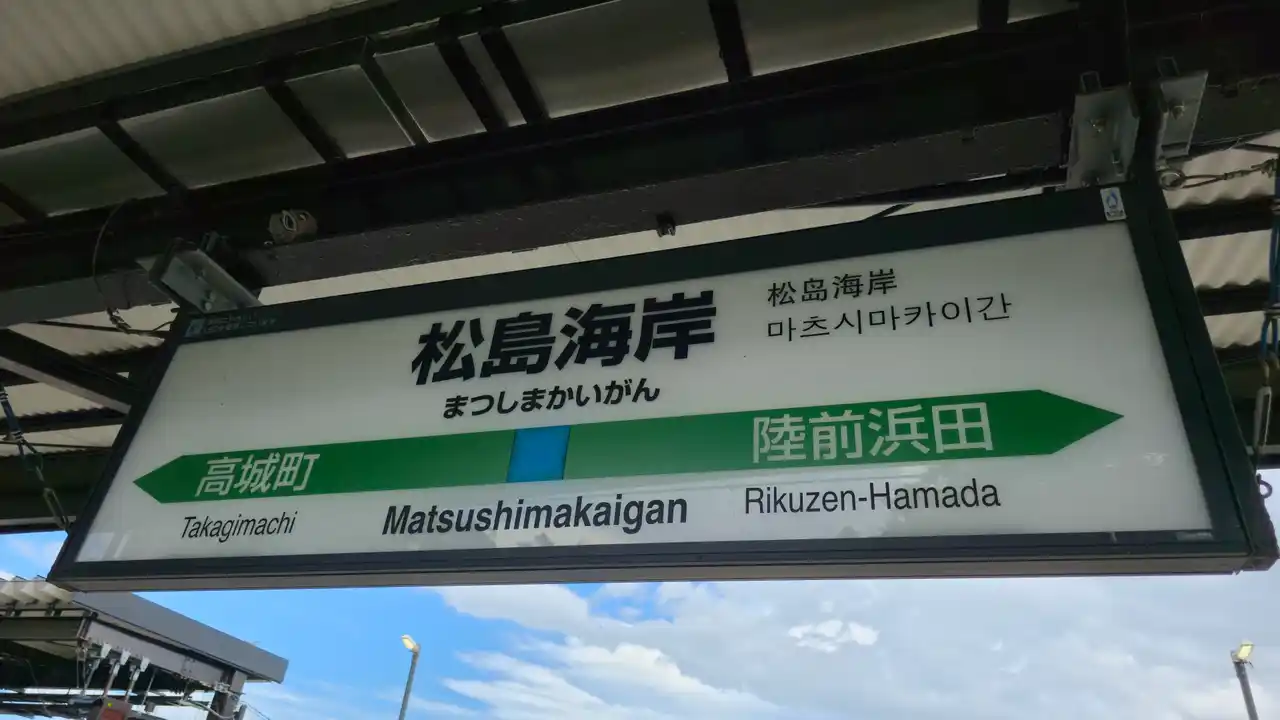
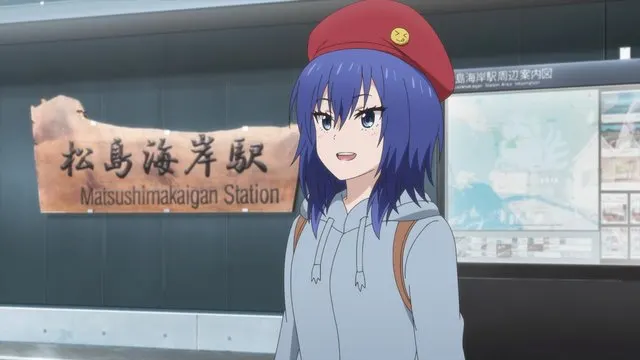
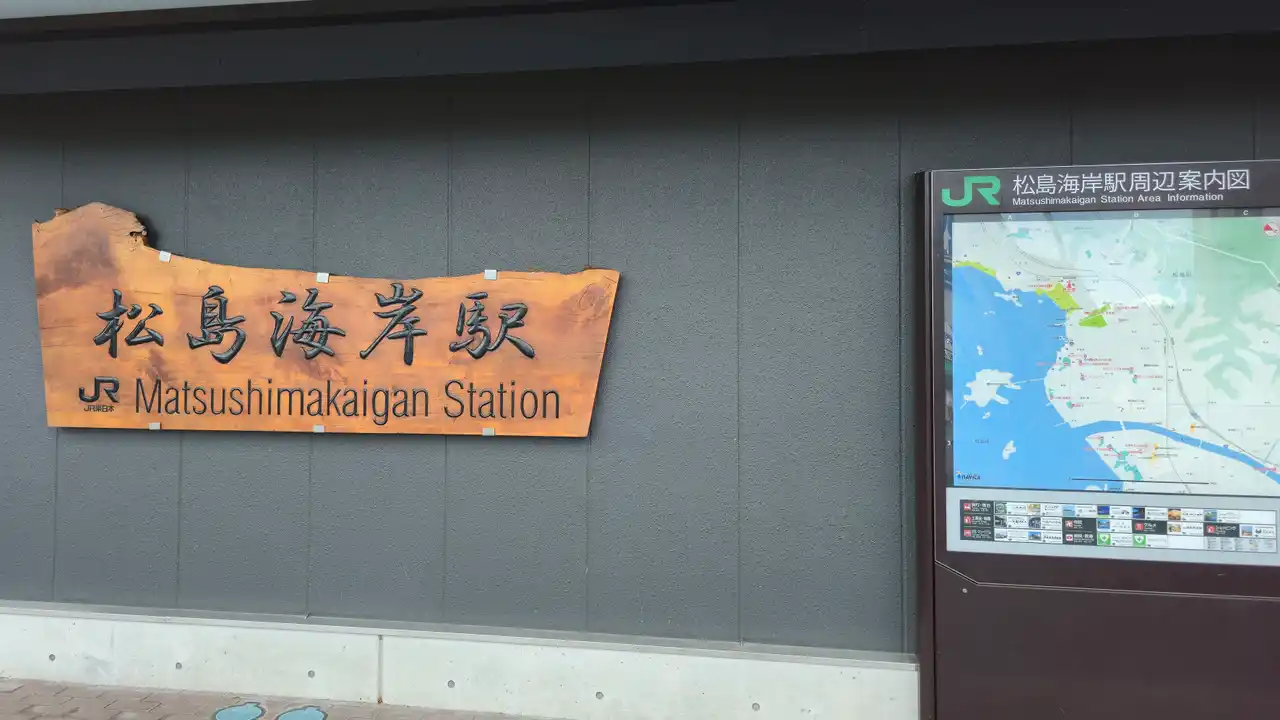
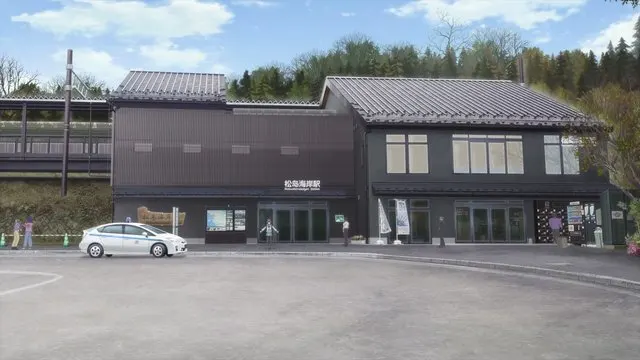
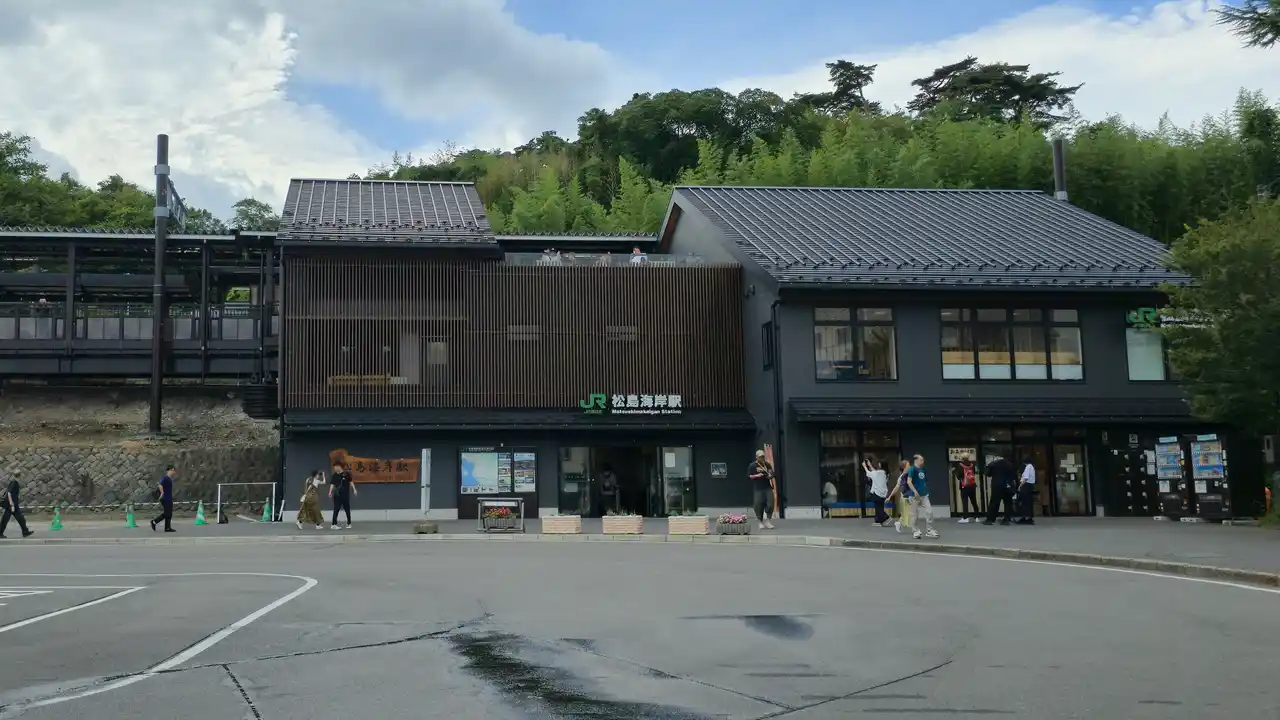
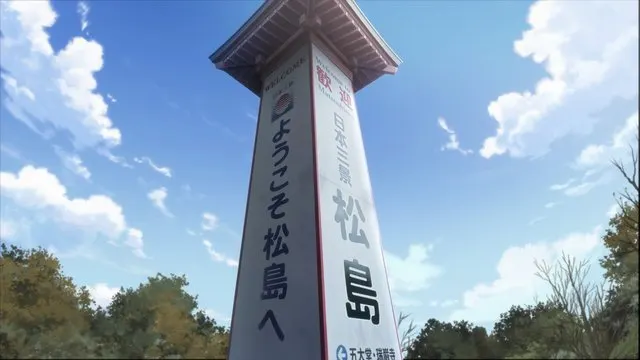
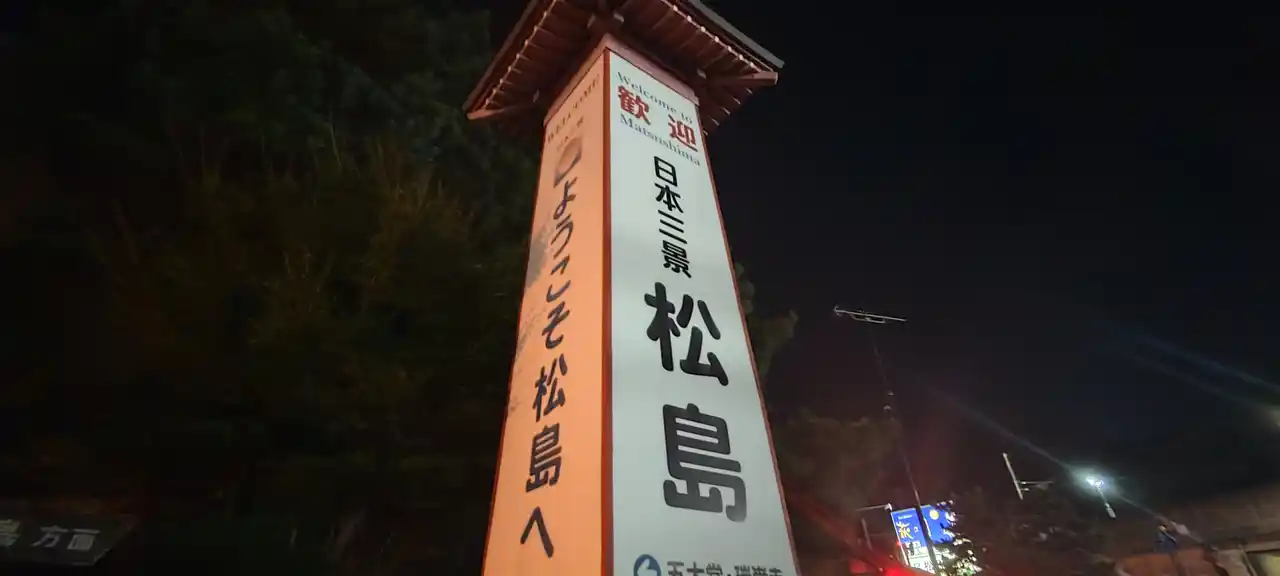
This spot was crowded in the morning, so I asked a companion to take a photo at night.
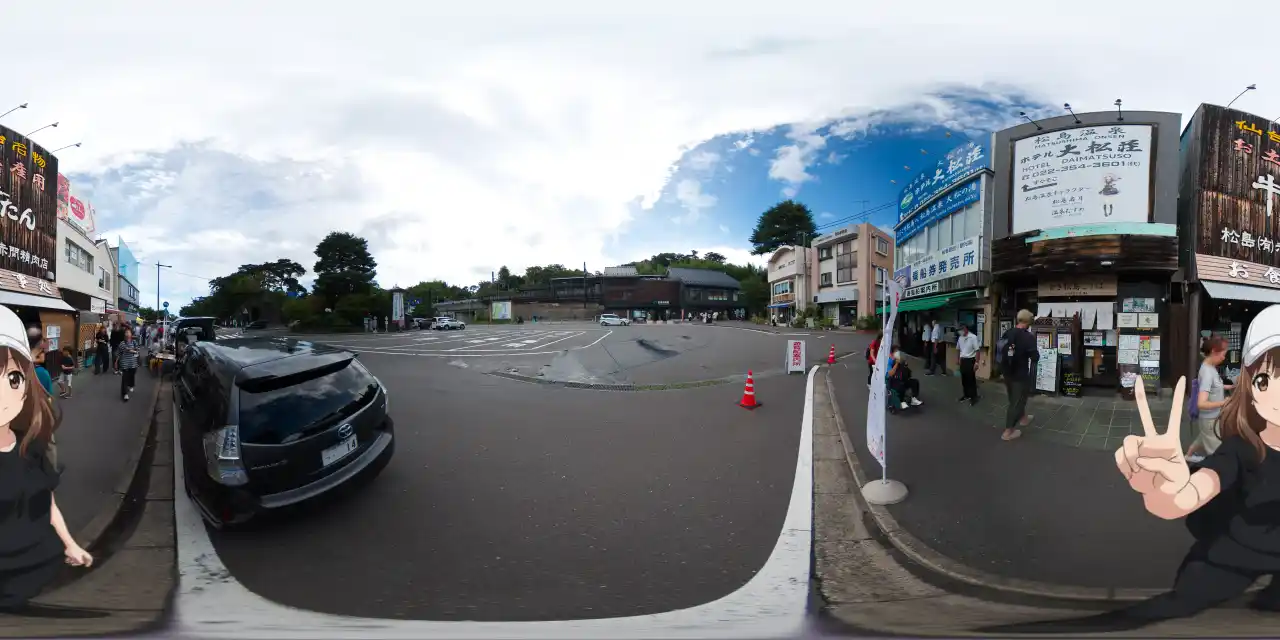
Panoramic view of the station.
Matsushima Fish Market
A food street in Matsushima offering fresh seafood, where you can enjoy dishes made with oysters, scallops, and other marine delicacies.
Chika enjoyed grilled oyster skewers and overcame her previous aversion to this food.
Since I arrived in Matsushima around noon, I decided to first check out the fish market for something to eat.
The midday air in Matsushima was filled with the aroma of grilled oysters.
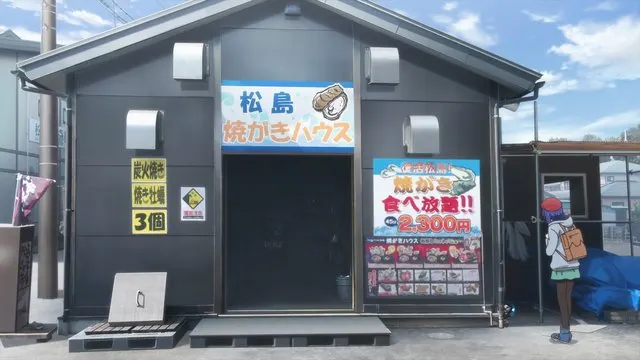
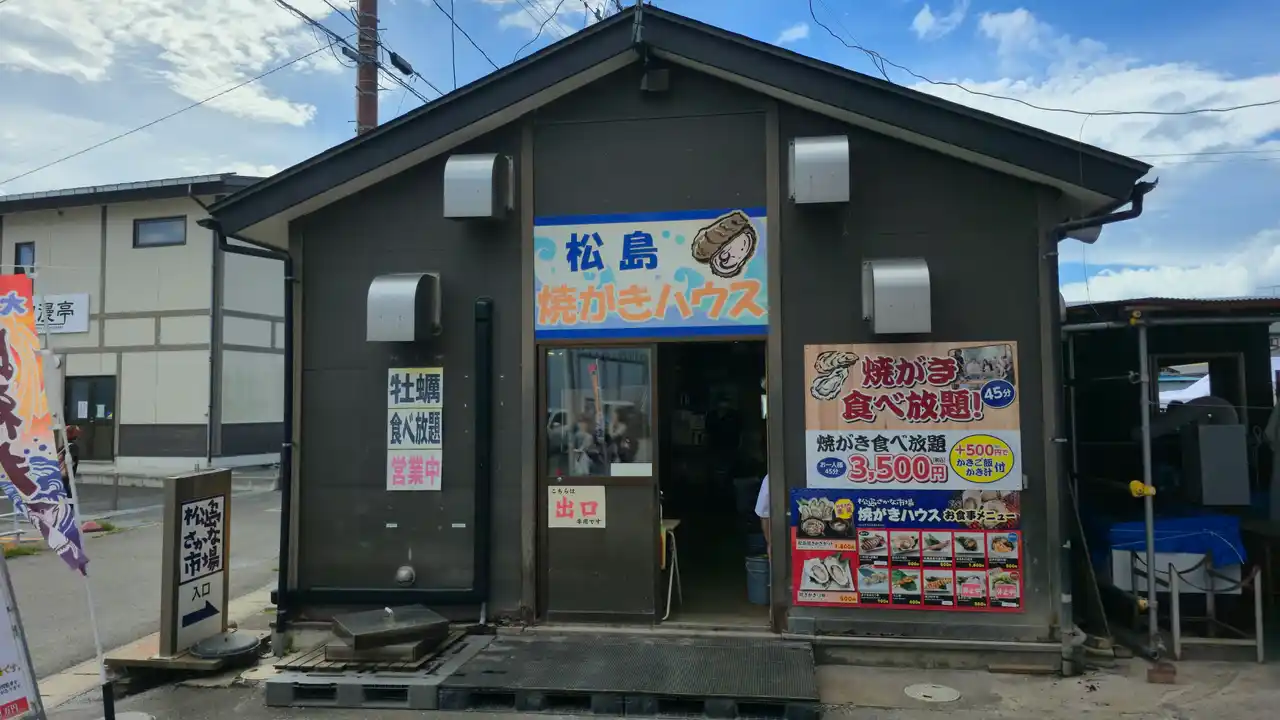
Compared to the anime's 2,300 yen all-you-can-eat grilled oysters, it's now gone up to 3,500 yen.
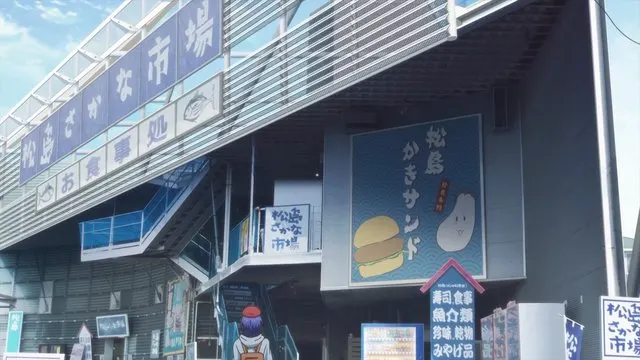
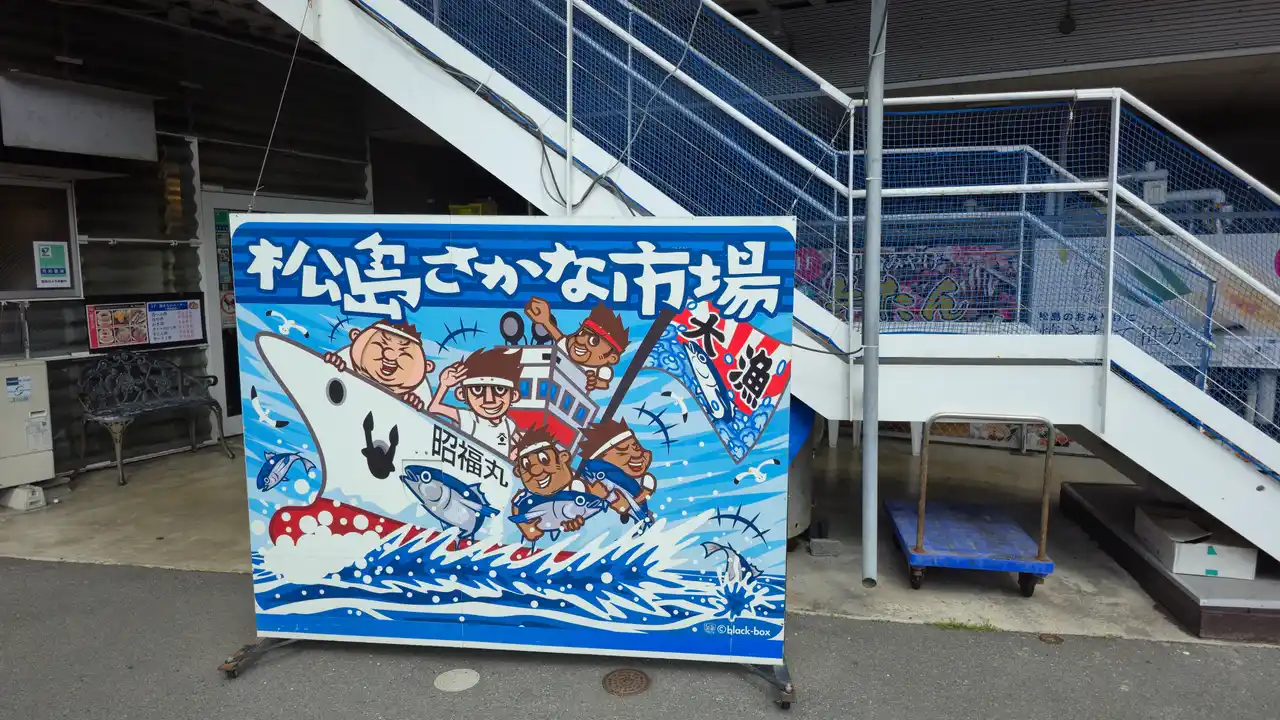
After wandering around, I found that all the shops had long lines.
Since I had a sightseeing boat reservation coming up, I had to look for food elsewhere.
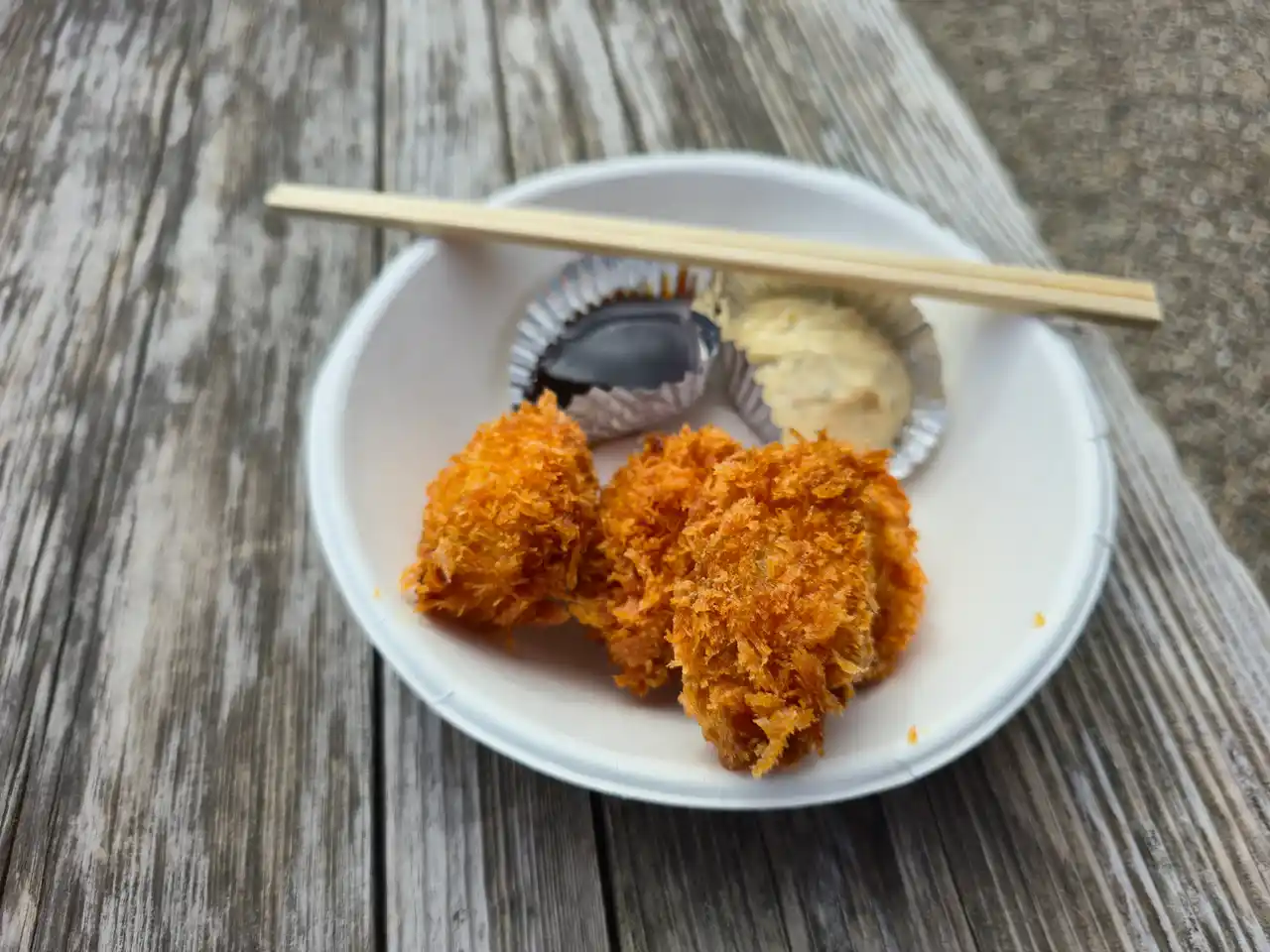
Finally, I found a street stall with no customers and bought some fried oysters.
Near Matsushima Sightseeing Boat Pier
Now it's time to start exploring Matsushima!
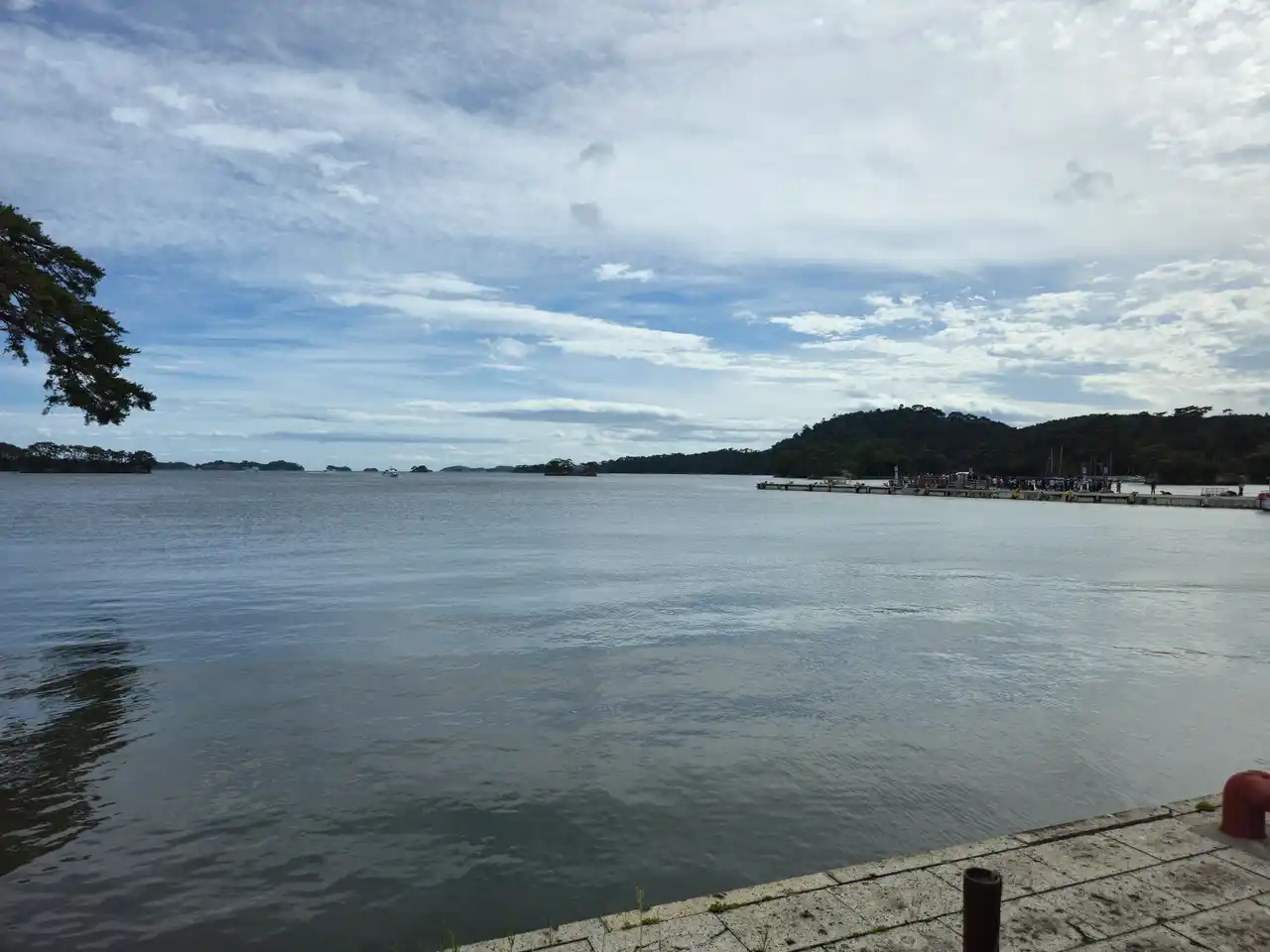
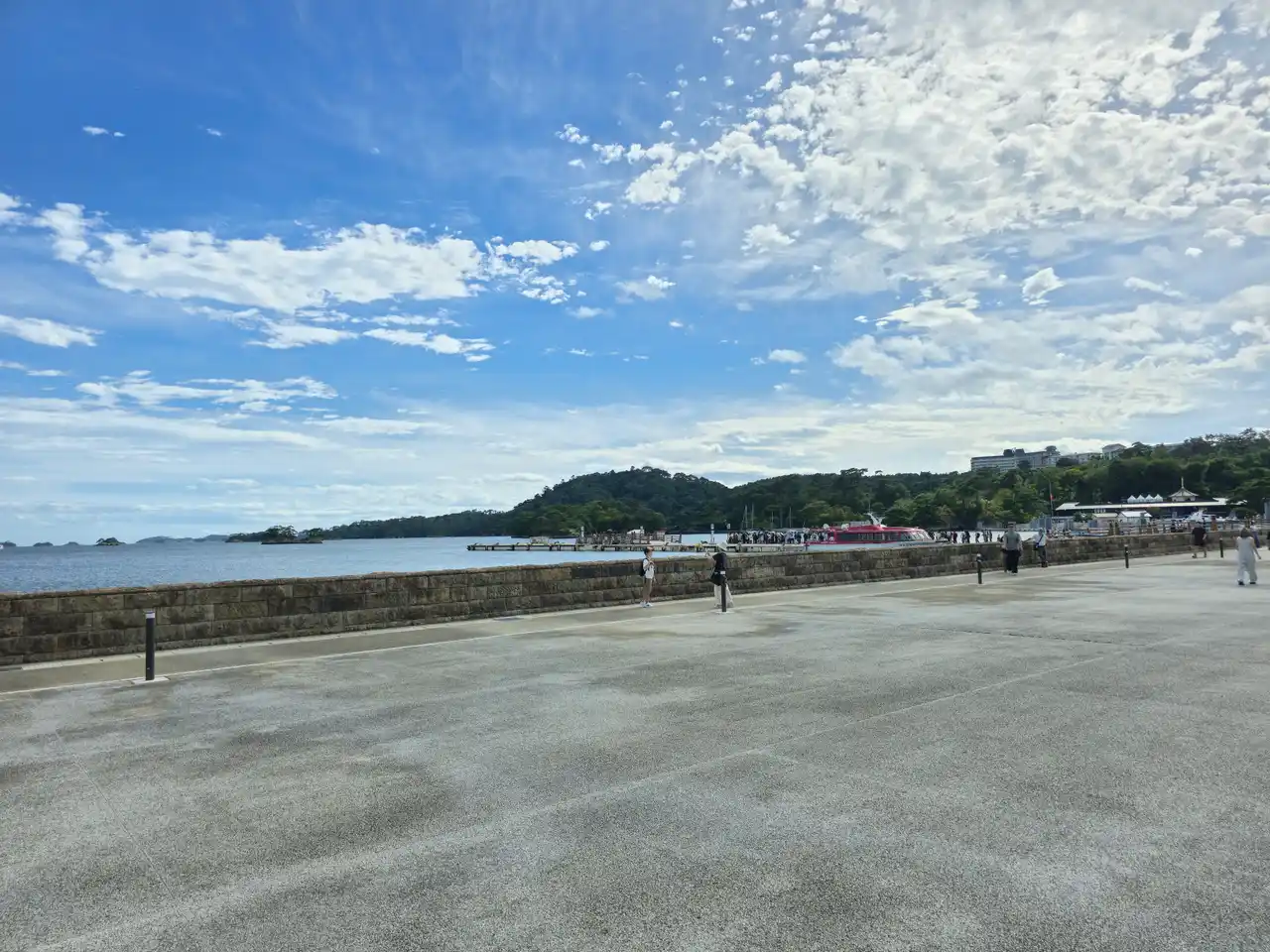
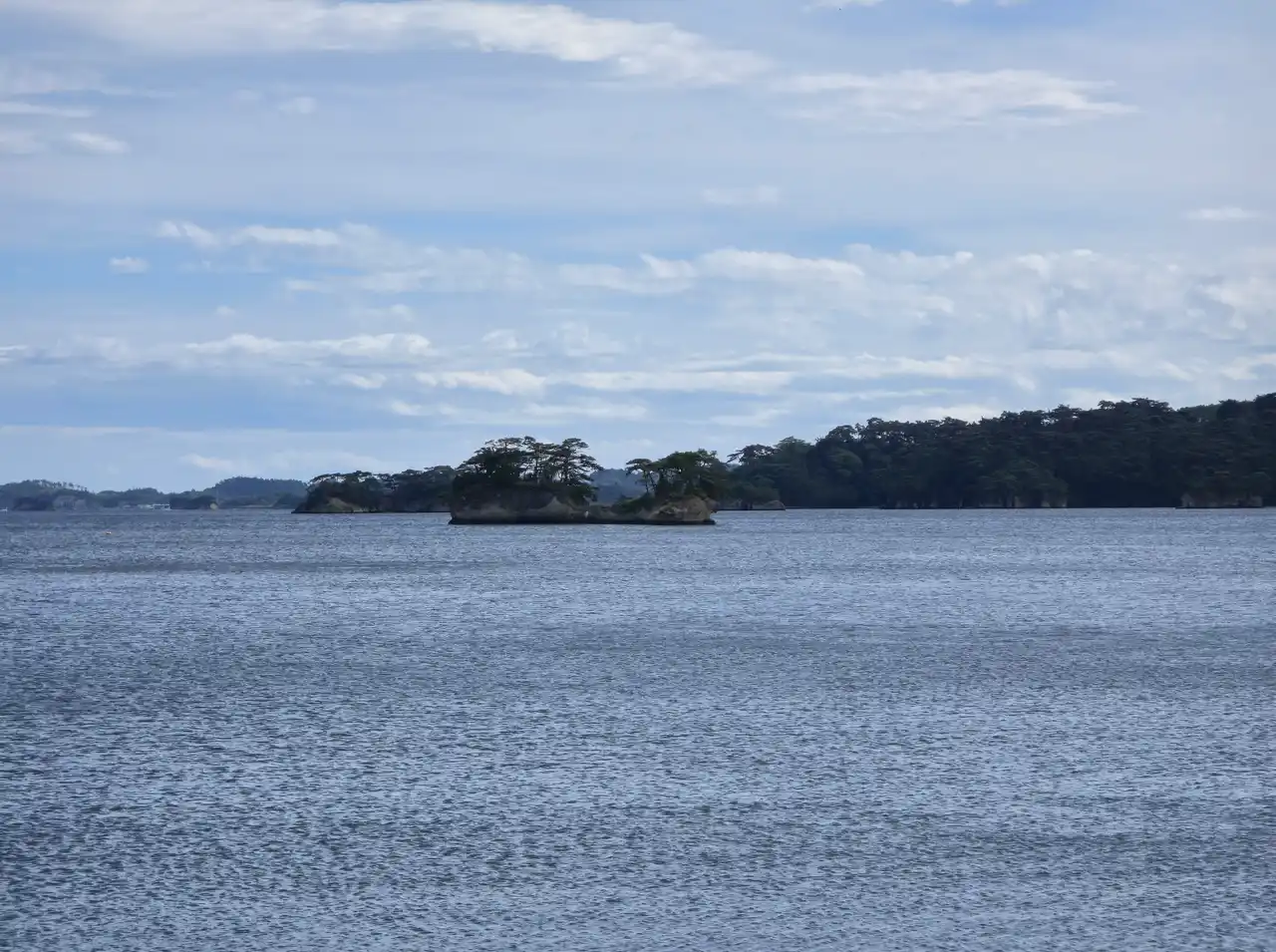
The scenery along the Matsushima coastline is quite beautiful.
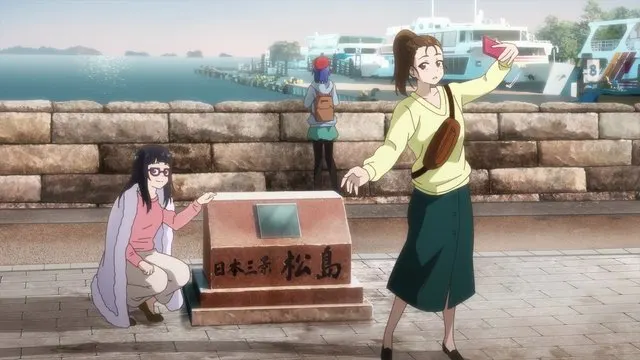
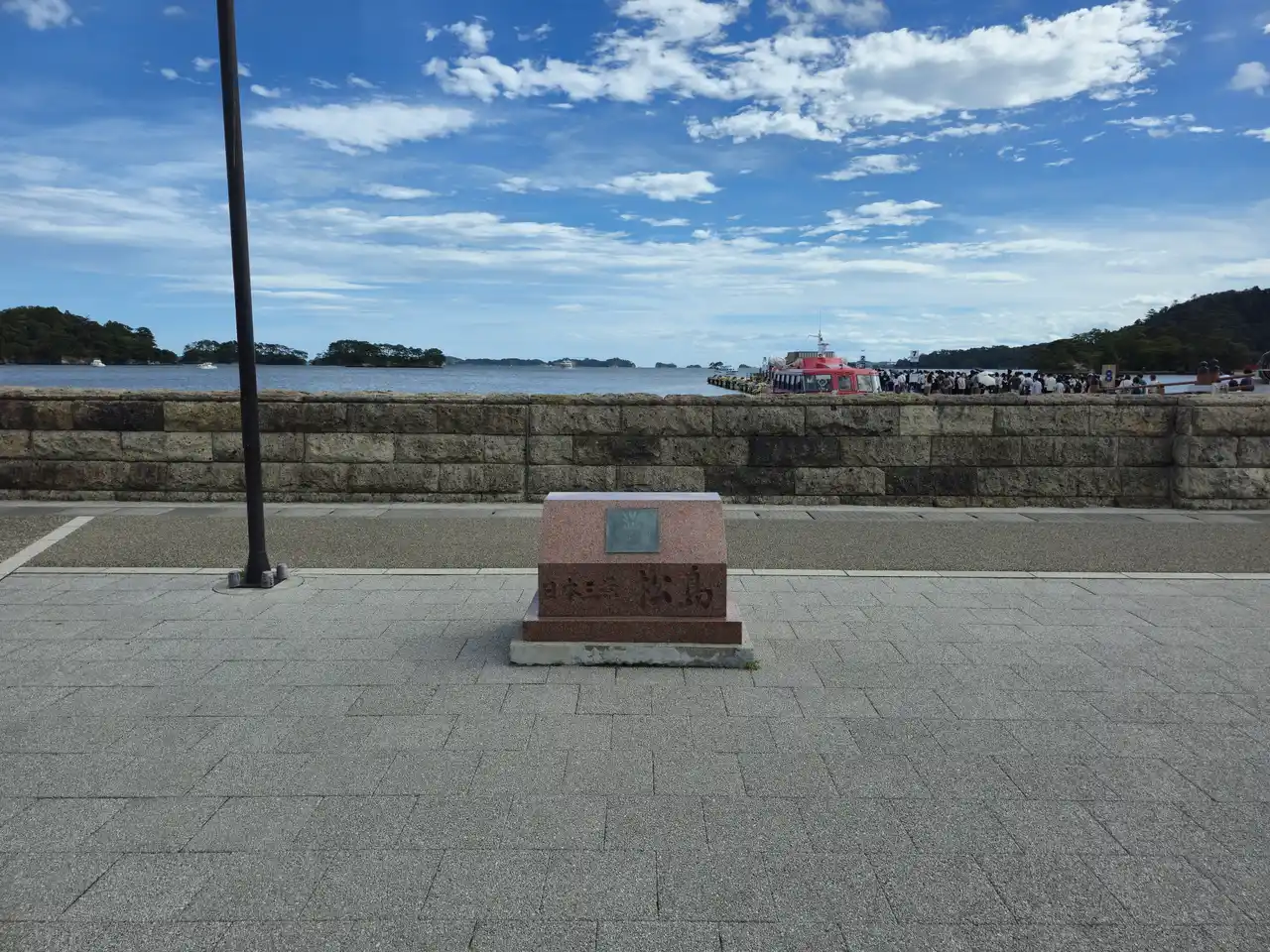
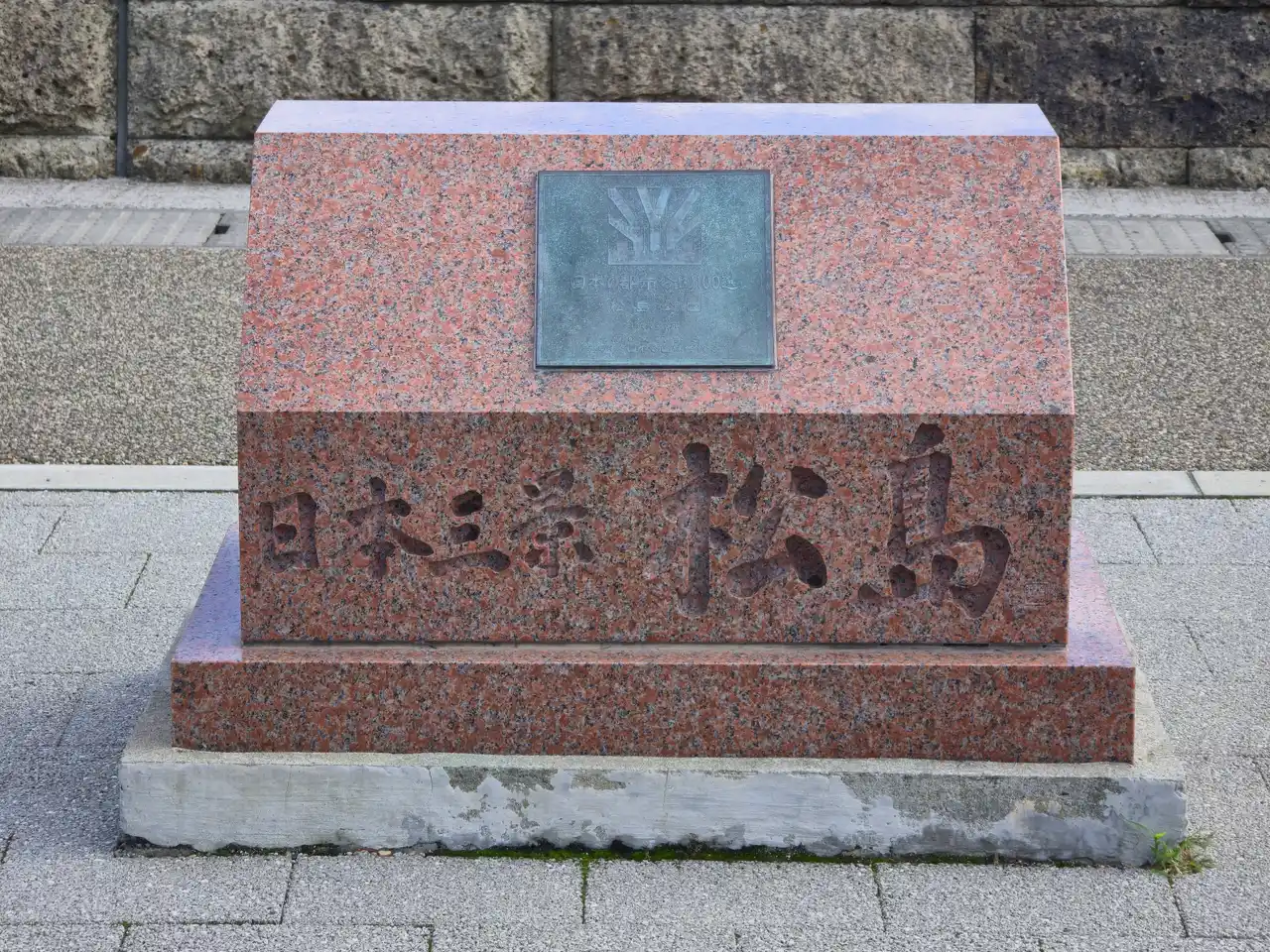
Matsushima Tourist Association
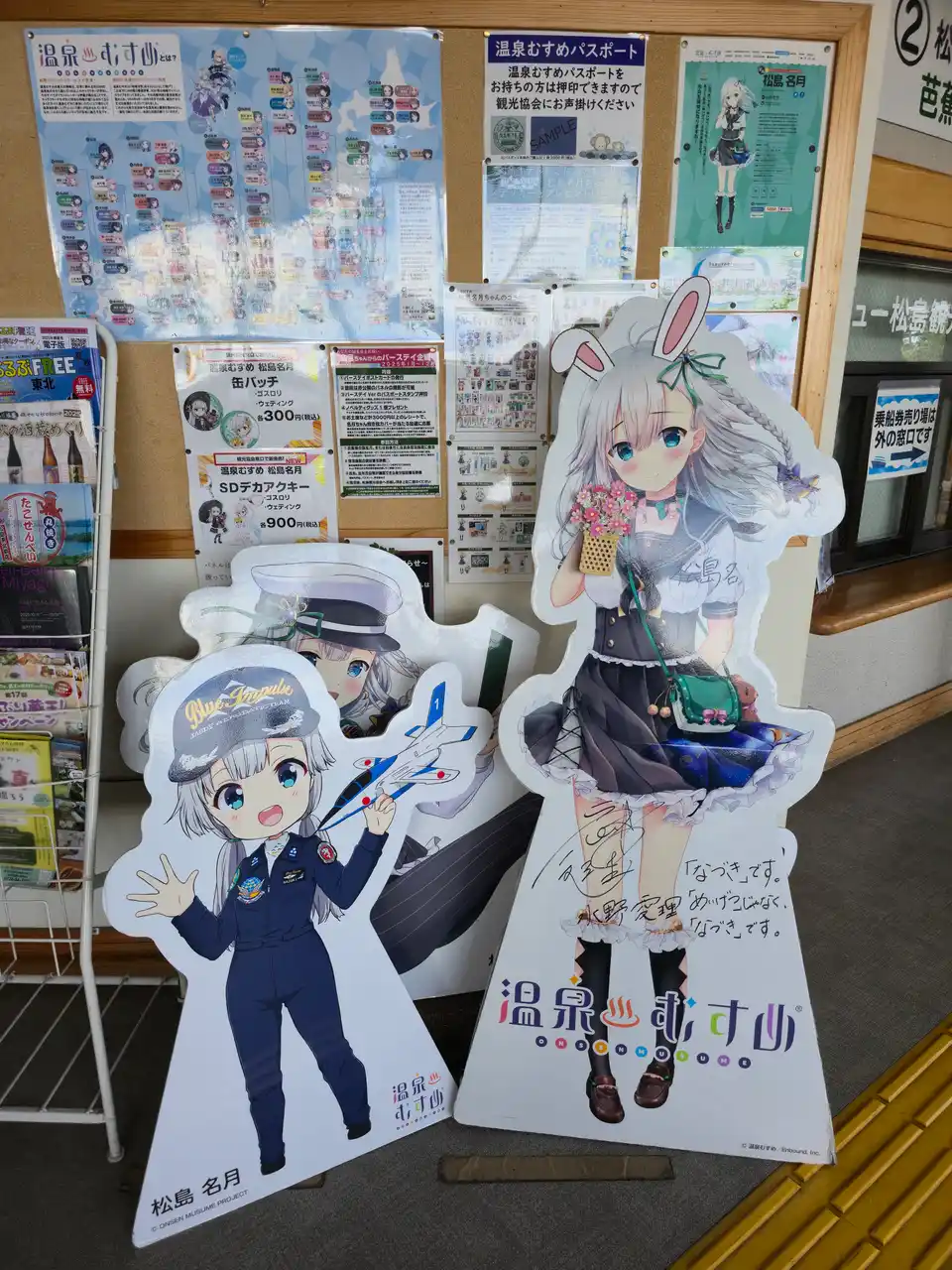
I noticed that there are many Onsen Musume signboards all over Matsushima.
But I'm not very familiar with this series!
It seems to be a project?
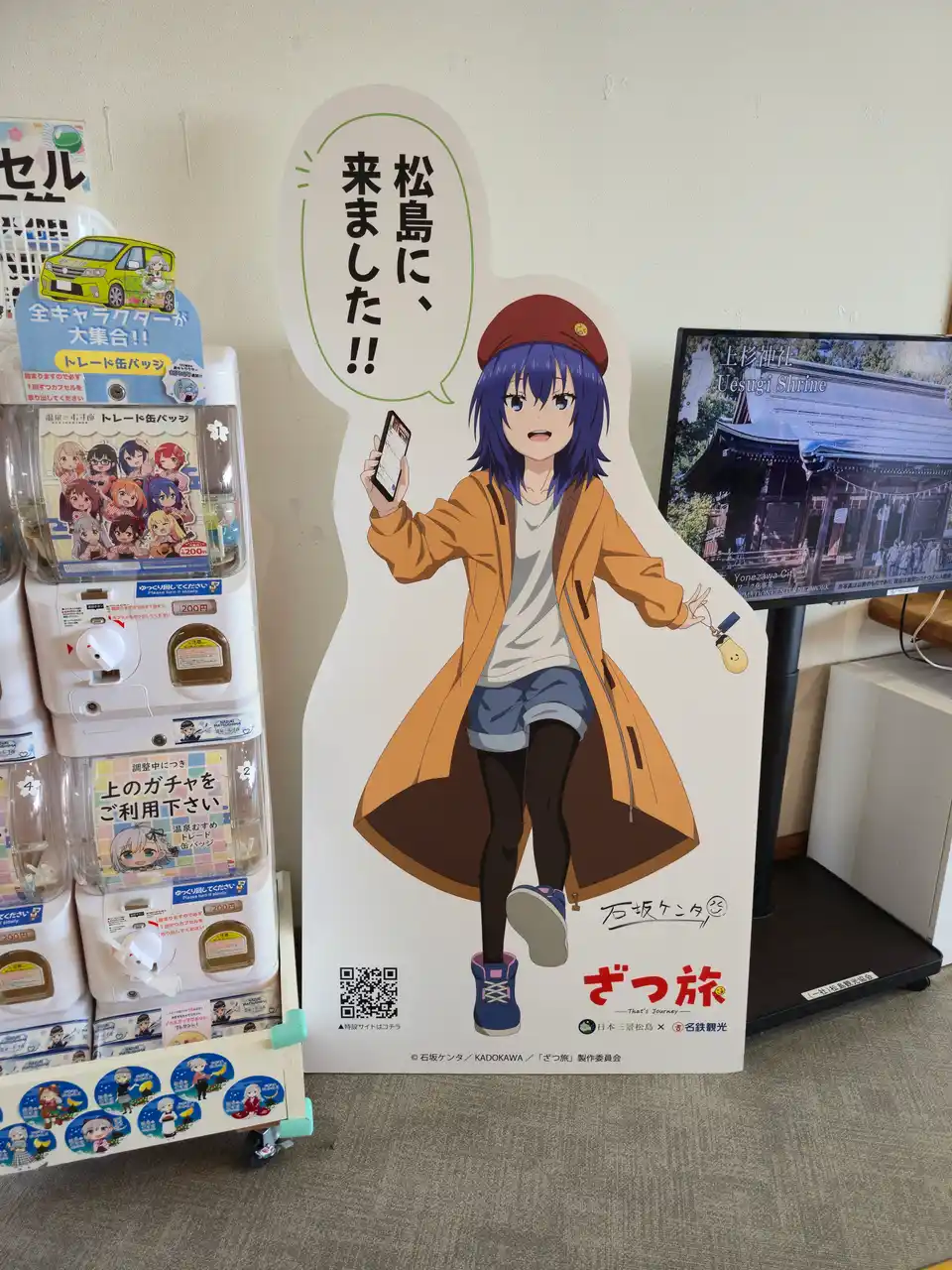
Of course, the main character this time is Chika Suzugamori.
Sightseeing Boats
Various sightseeing boats of different sizes operate here, and cruises around distinctive islands such as Kane-shima, Nio-shima, and Senkan-shima are popular activities.
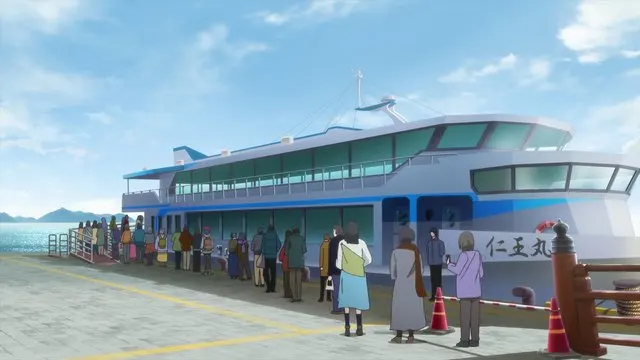
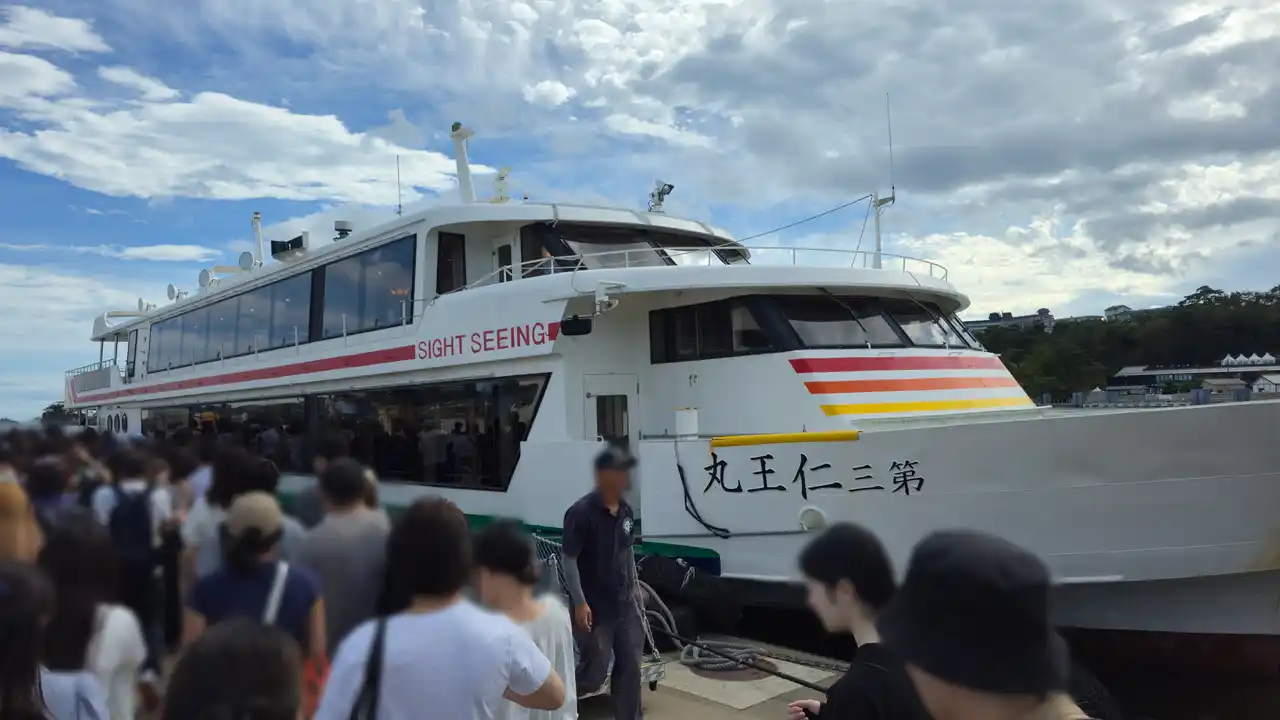
The sightseeing boat business is really booming.
So much so that the frequency increased from once an hour to every half hour, and the price dropped from 1,500 yen to 900 yen—such a great deal!
Upon entering the boat, you can choose whether to pay extra for the second floor (+600 yen).
Since the view is better from the second floor, I opted to pay the extra fee.
Full video of the trip.
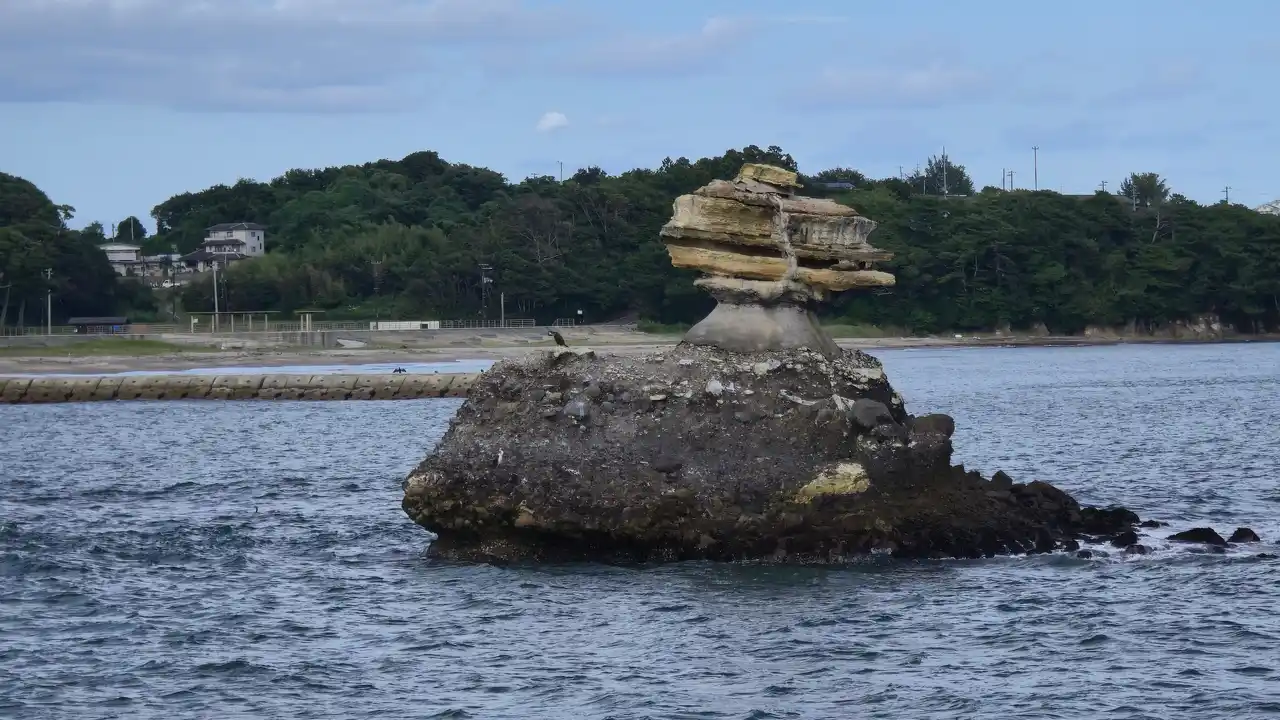
The most interesting island throughout the trip.
Characterized by its rugged, jagged shape, it is named after the mythical "Kongō Rikishi" (Vajra warriors), commonly known as "Niō." The unique form, eroded by waves over long years, is a work of art created by nature. Among Matsushima's approximately 260 islands, it is considered a "signature island" symbolizing Matsushima and is a well-known landmark.
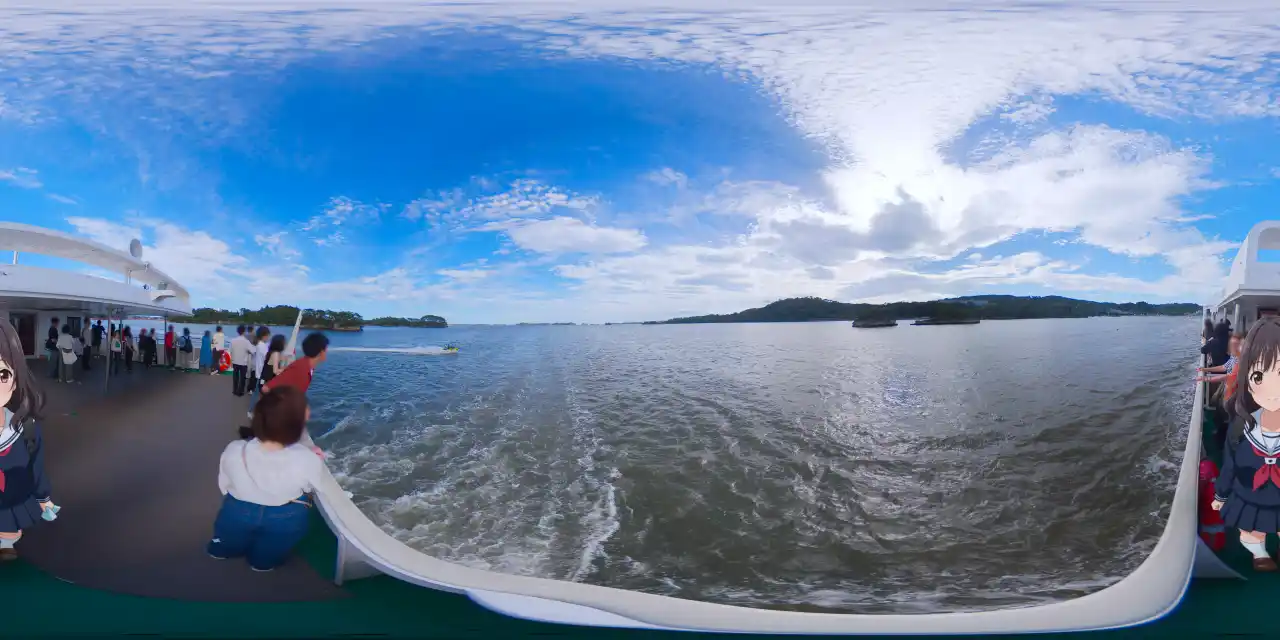
Panoramic view from the boat.
The entire sightseeing boat ride takes 50 minutes, and it was a great experience.
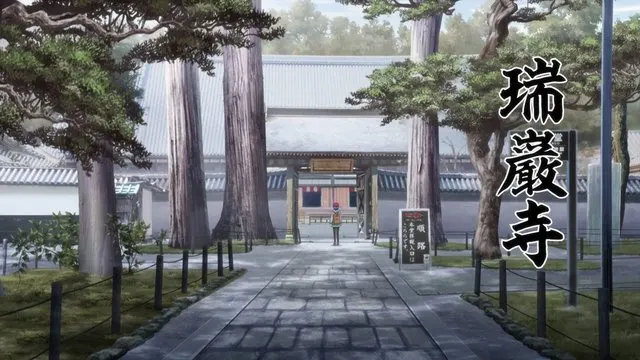
Zuigan-ji Temple
A Zen temple located in Matsushima. It is said to have been founded in the Heian period and was rebuilt by Date Masamune in 1609. Matsuo Basho also visited here.
Among its structures, the national treasure "Kuri," which served as the temple's kitchen, is open to visitors. Its magnificent and ornate decorations are mesmerizing.
Entsu-in Temple Entrance
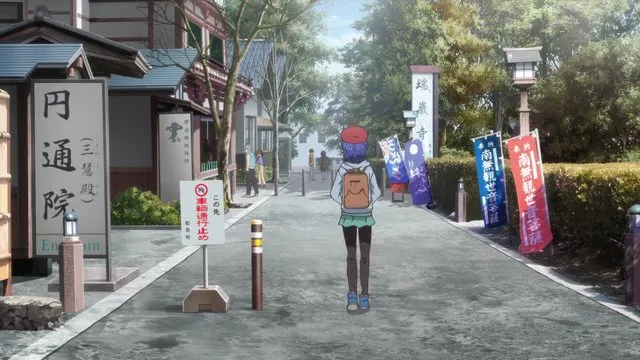
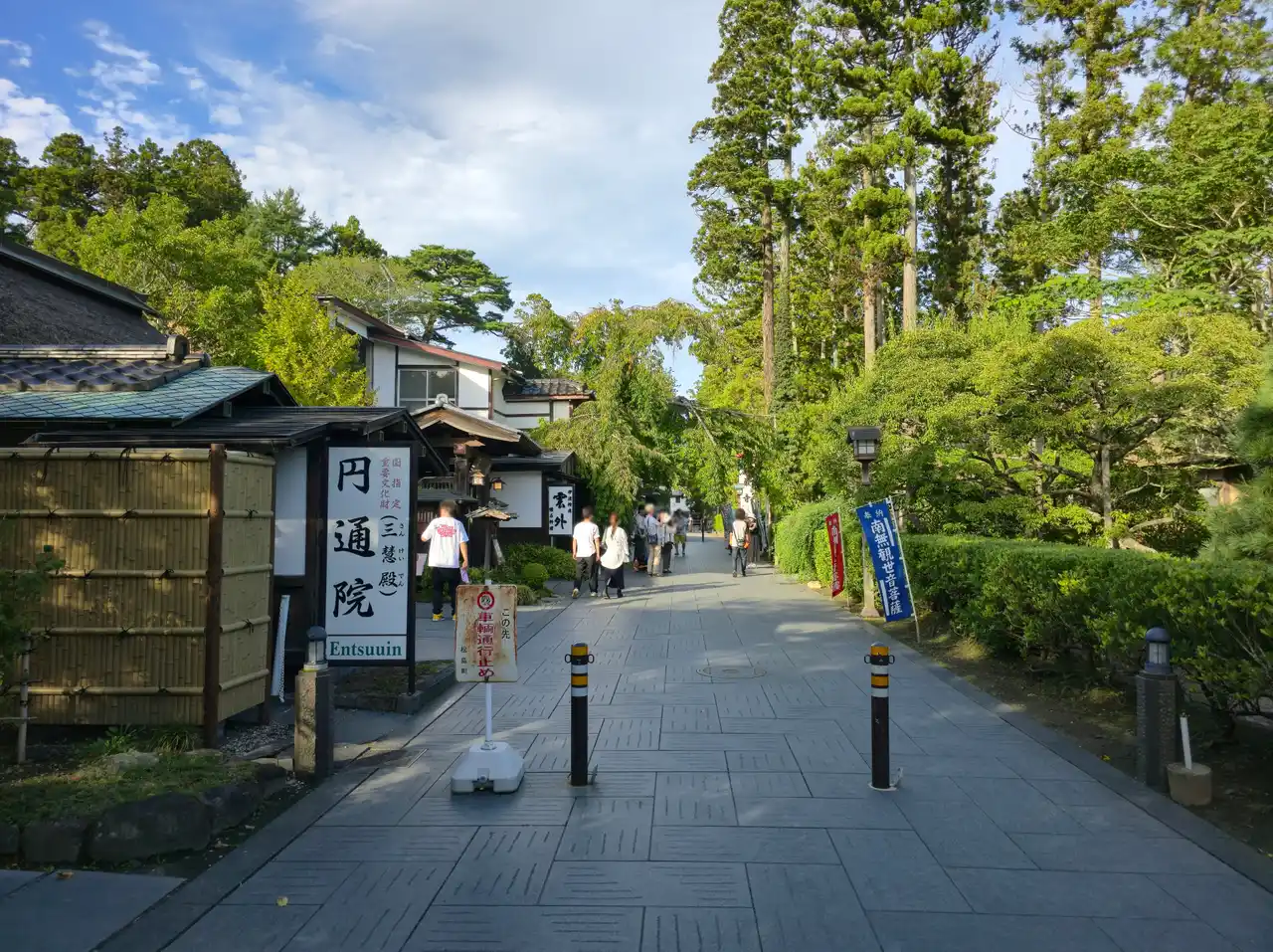
Signboard
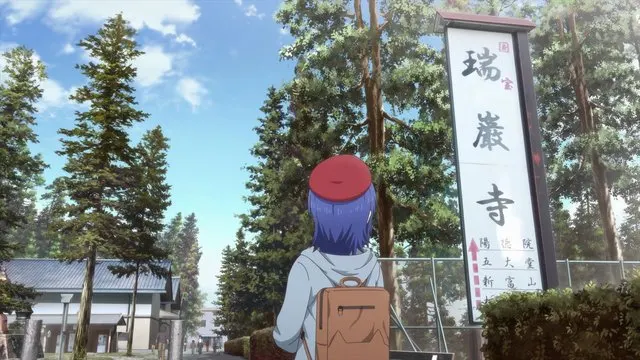
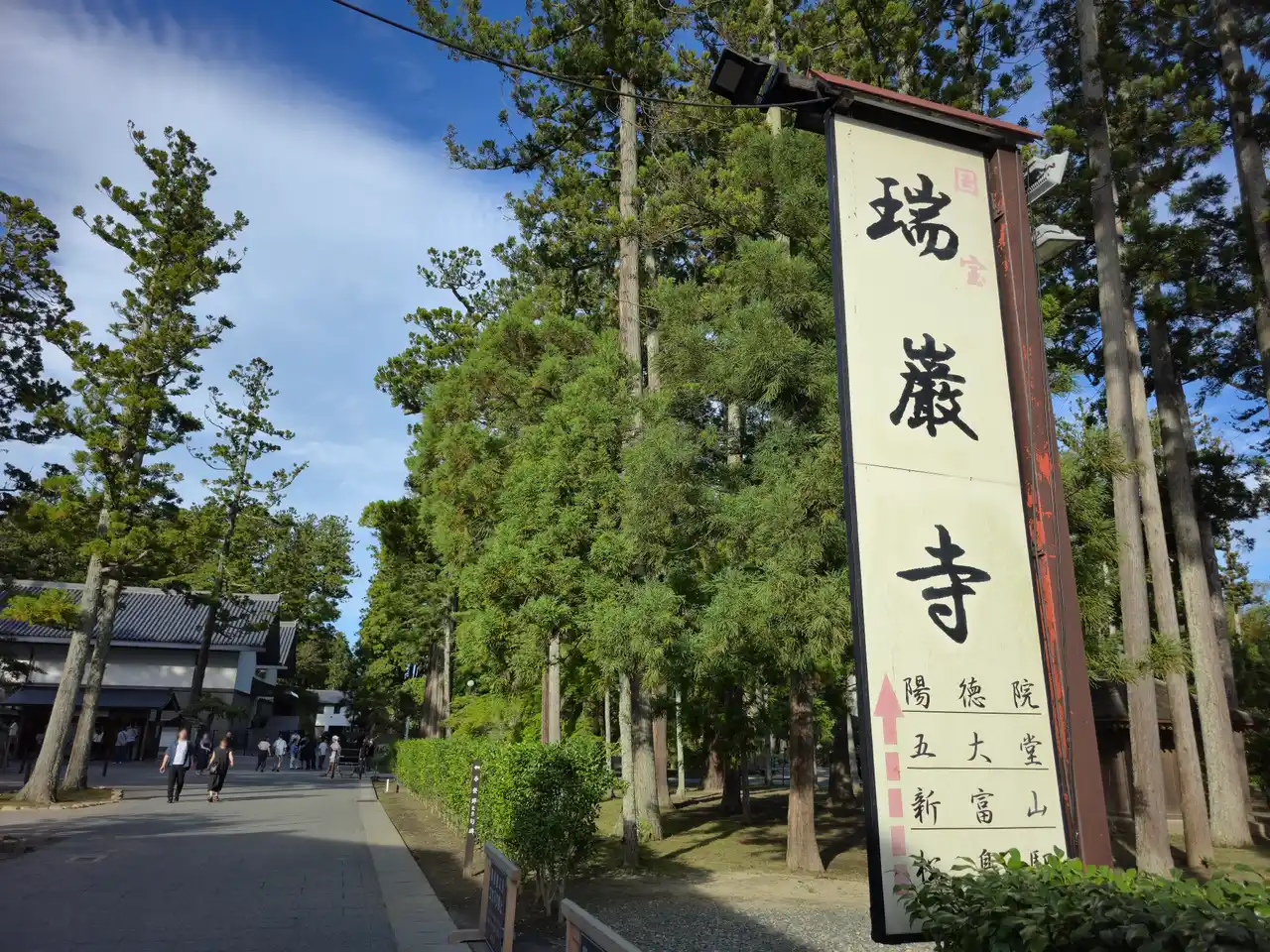
Fukko Jizo-do
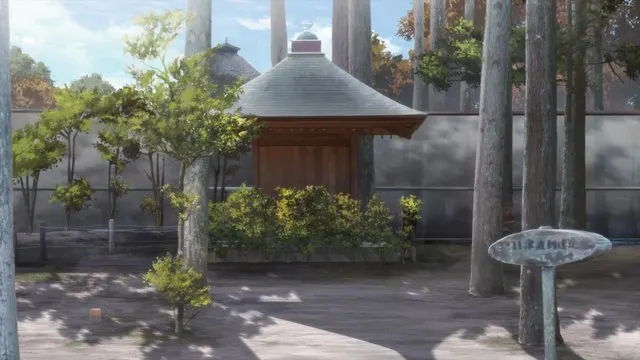
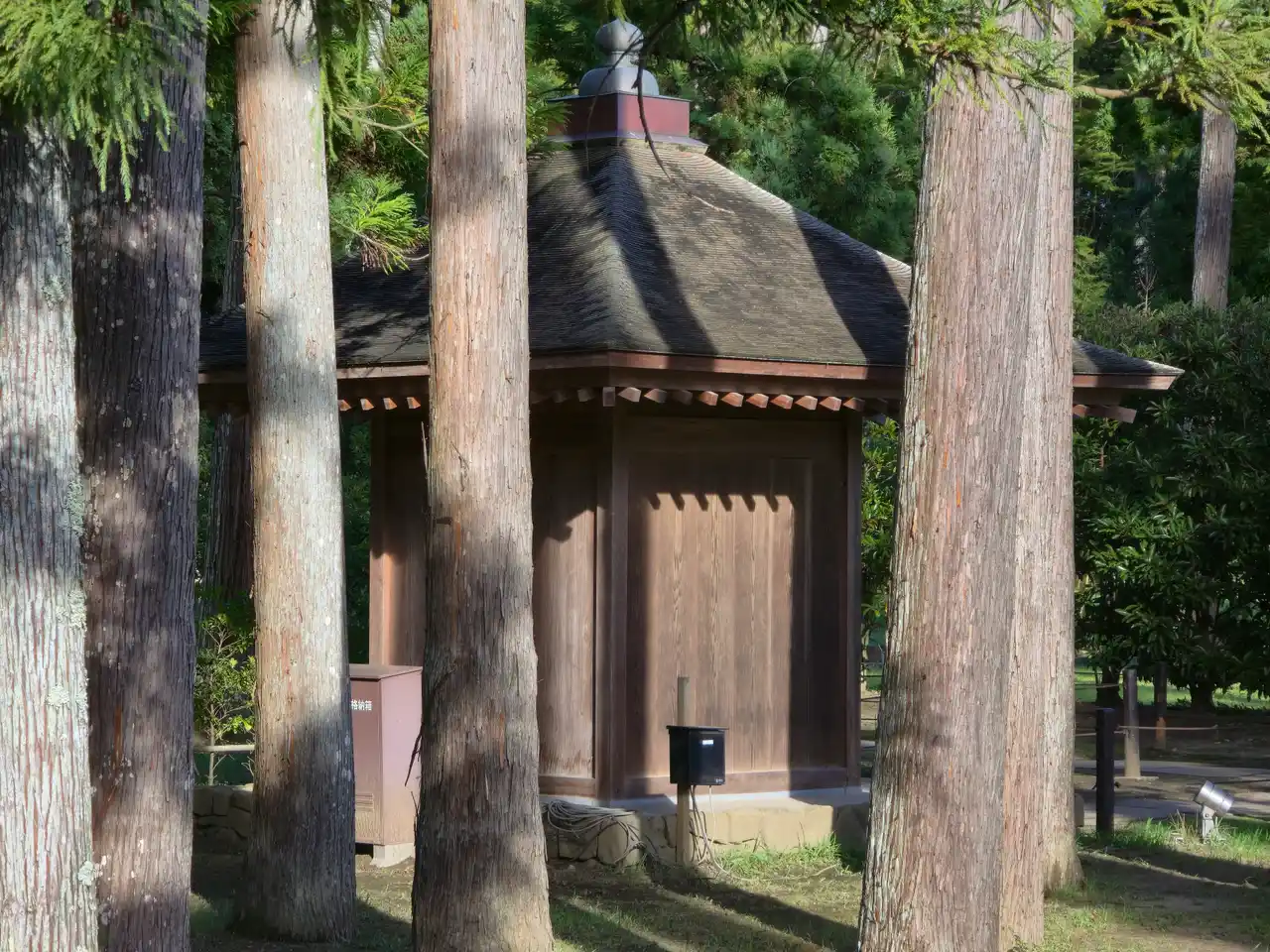
I was told it was off-limits when I went.
Enmei Jizo
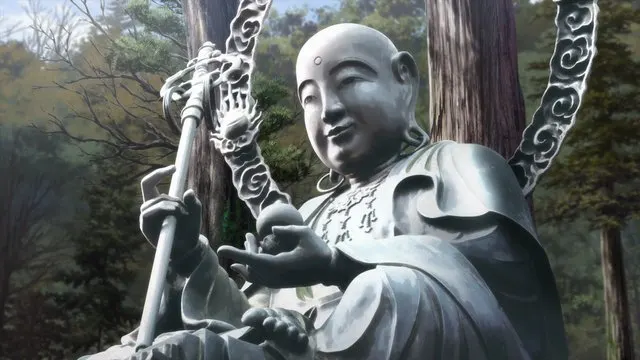
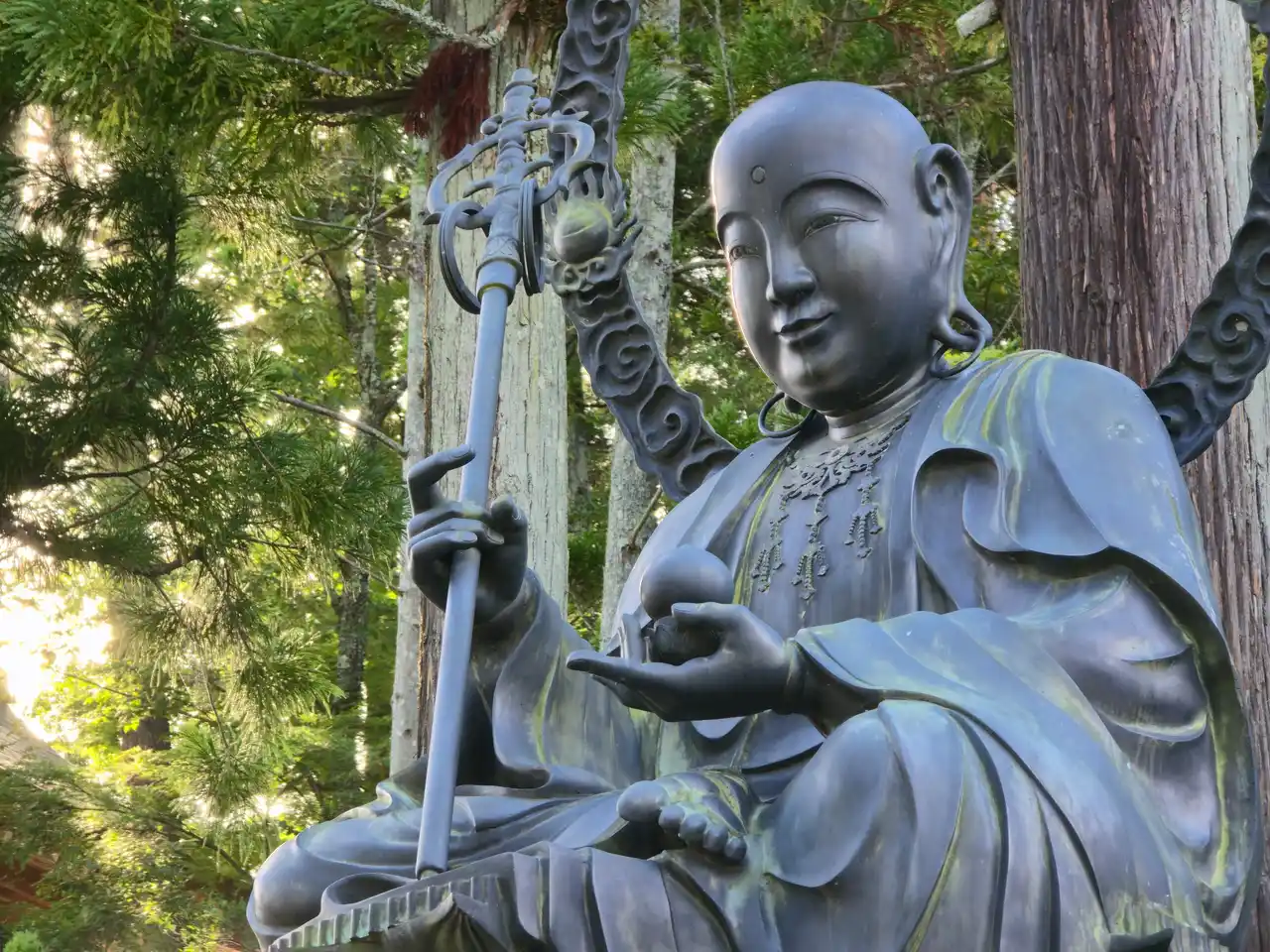
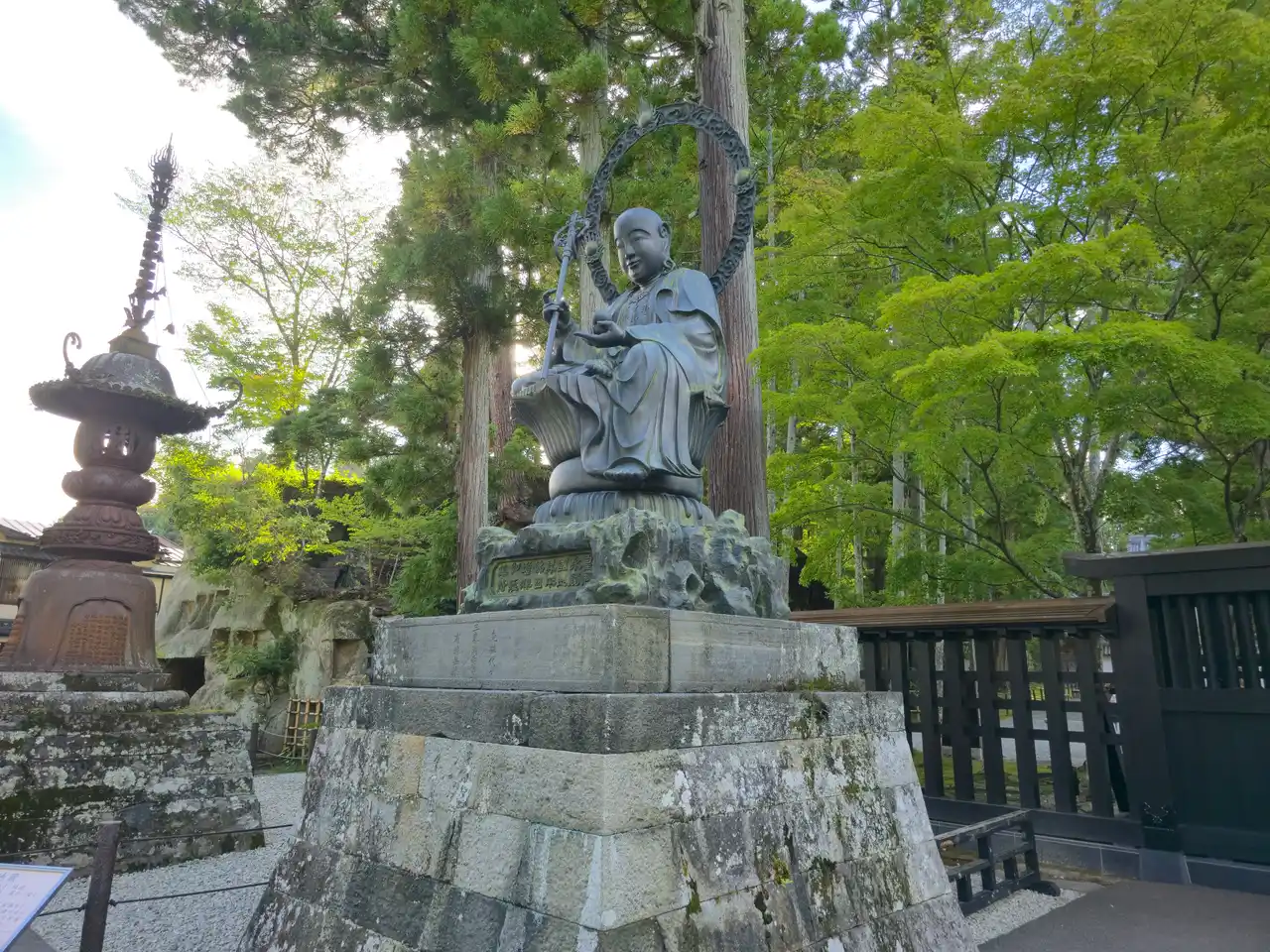
Ticket Machine
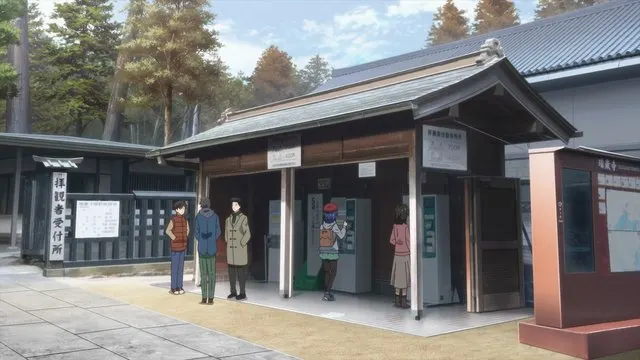
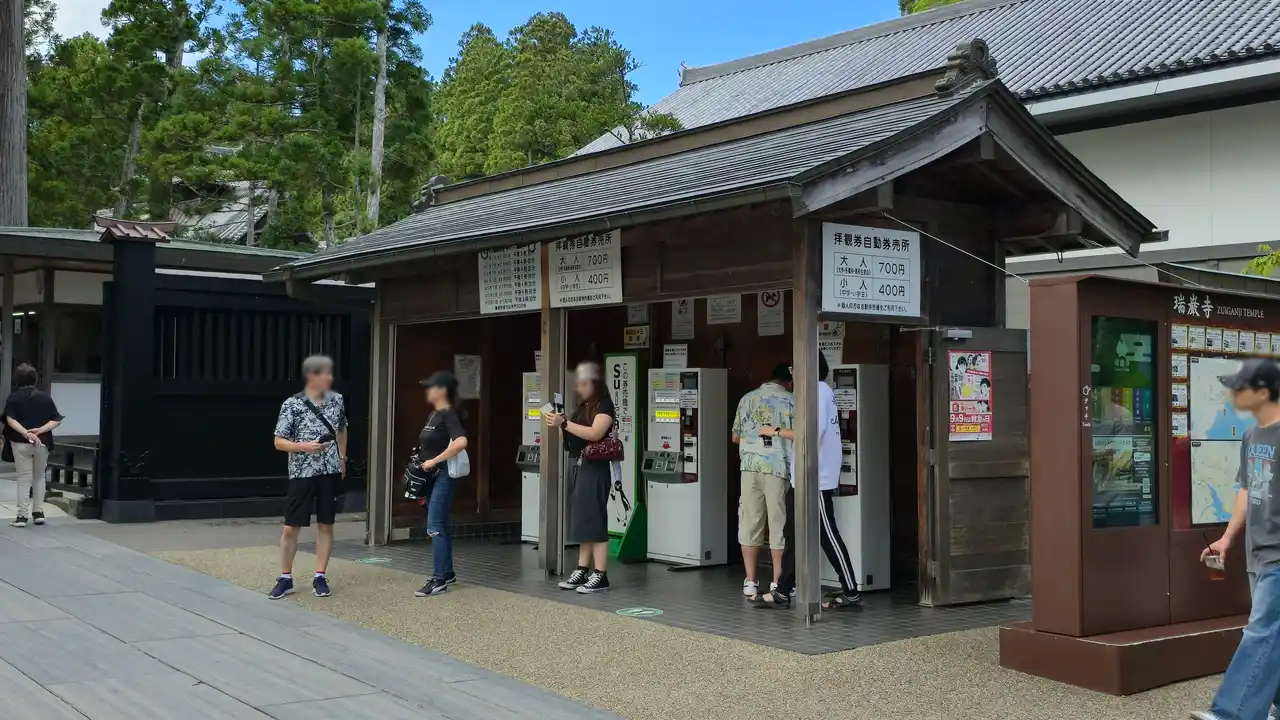
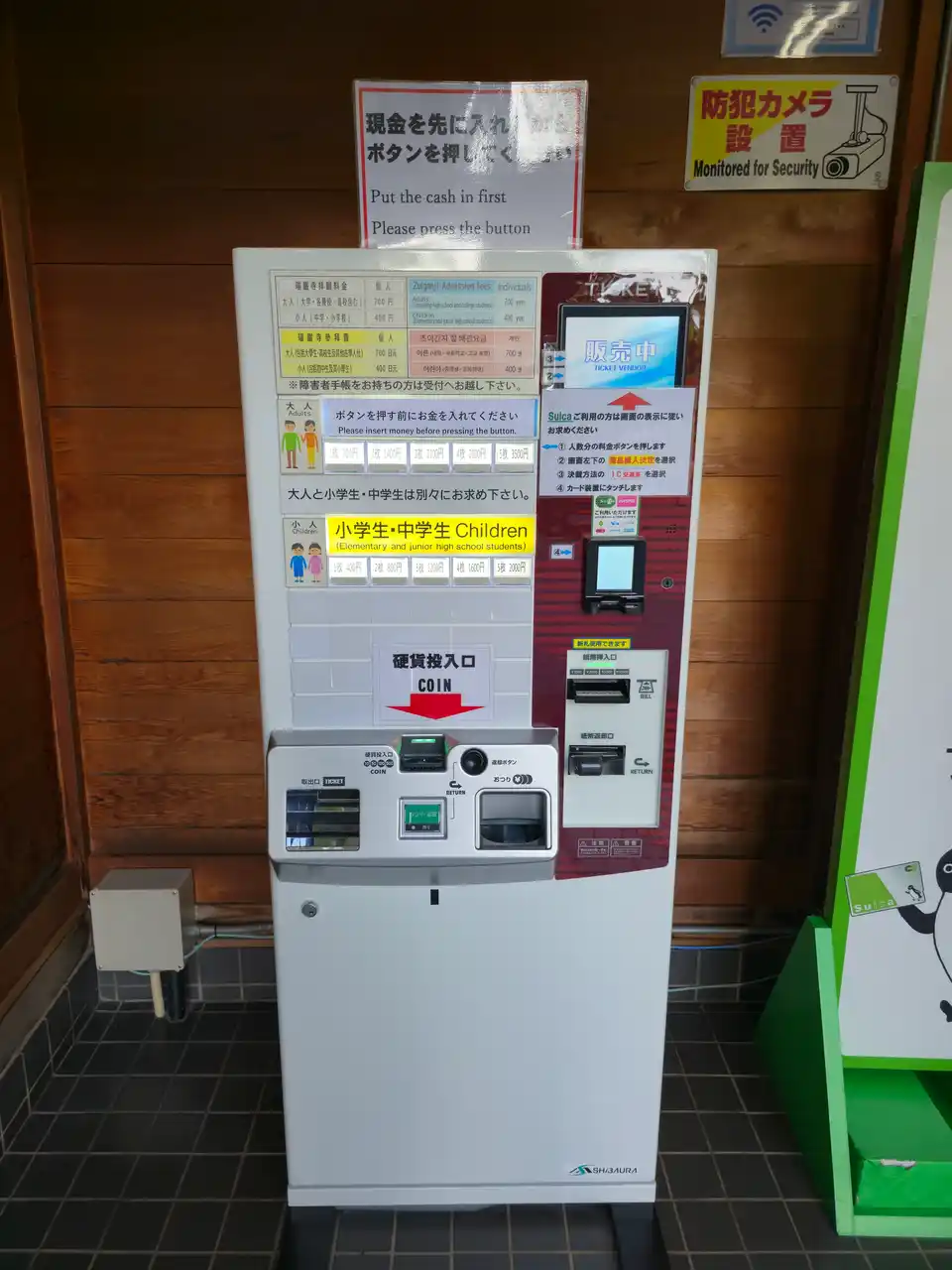
Wow, even the admission fee is automated these days. Times really have changed!
The following require a ticket to view.
Hosshinkutsu Cave
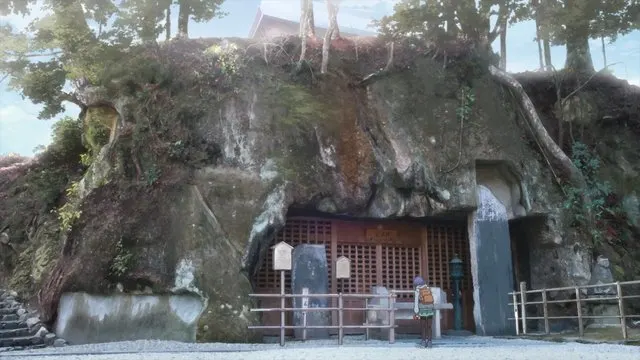
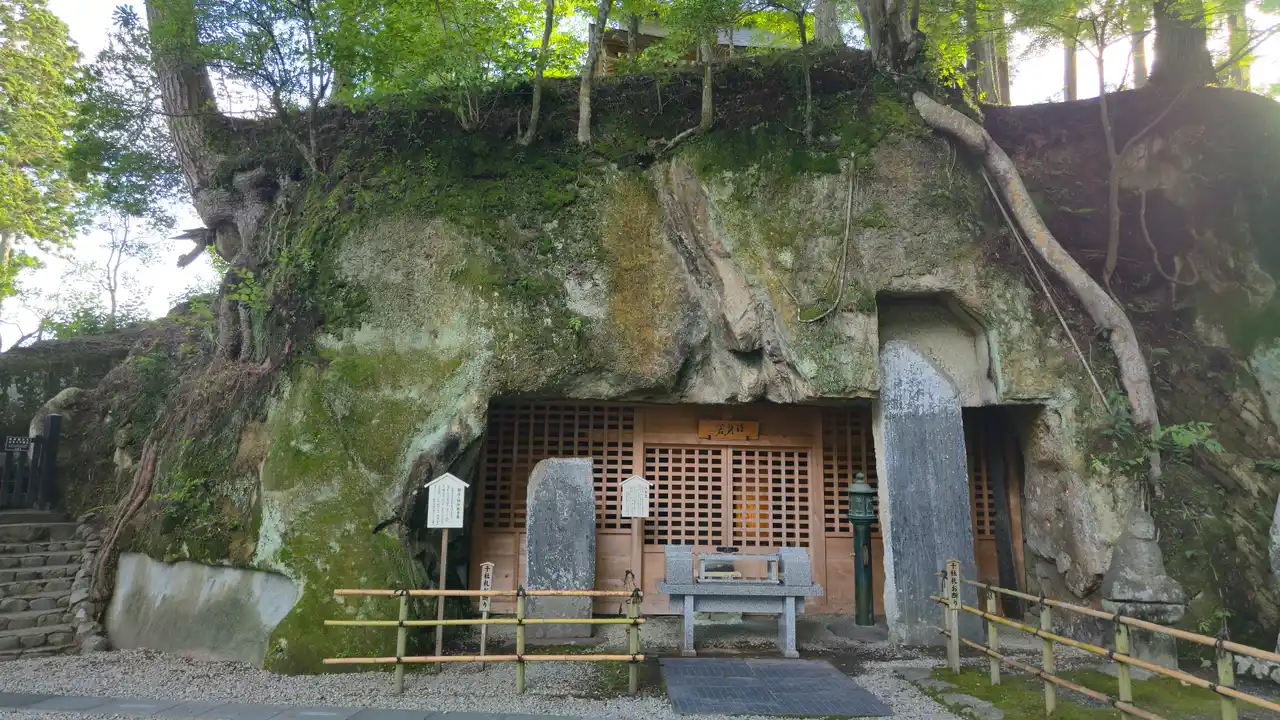
Middle Gate
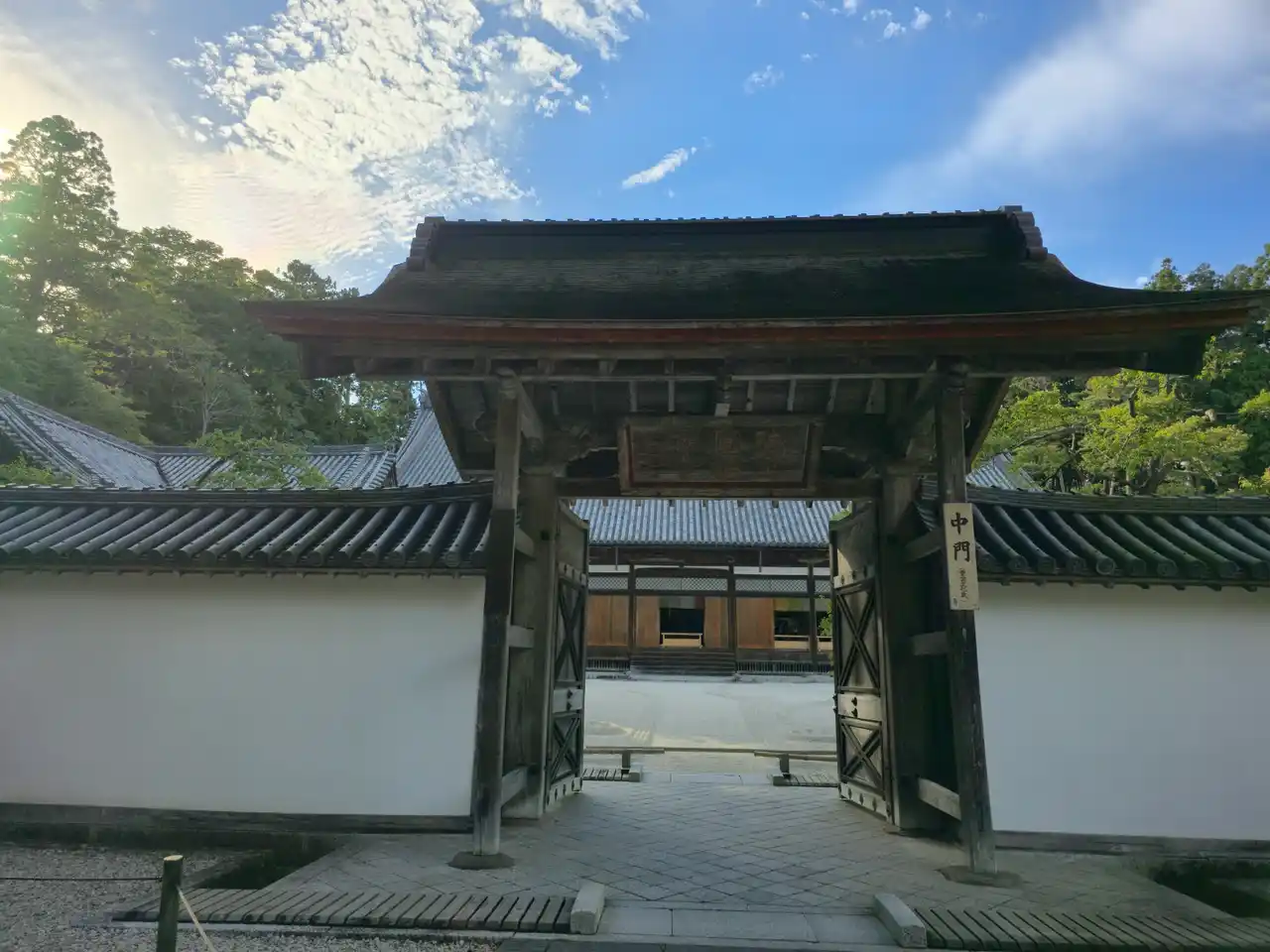
You can only see the entrance of the Middle Gate.
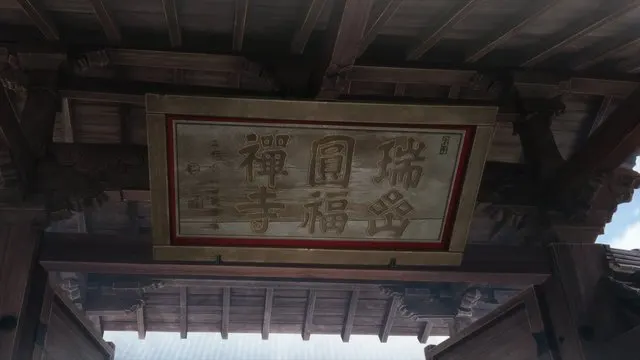
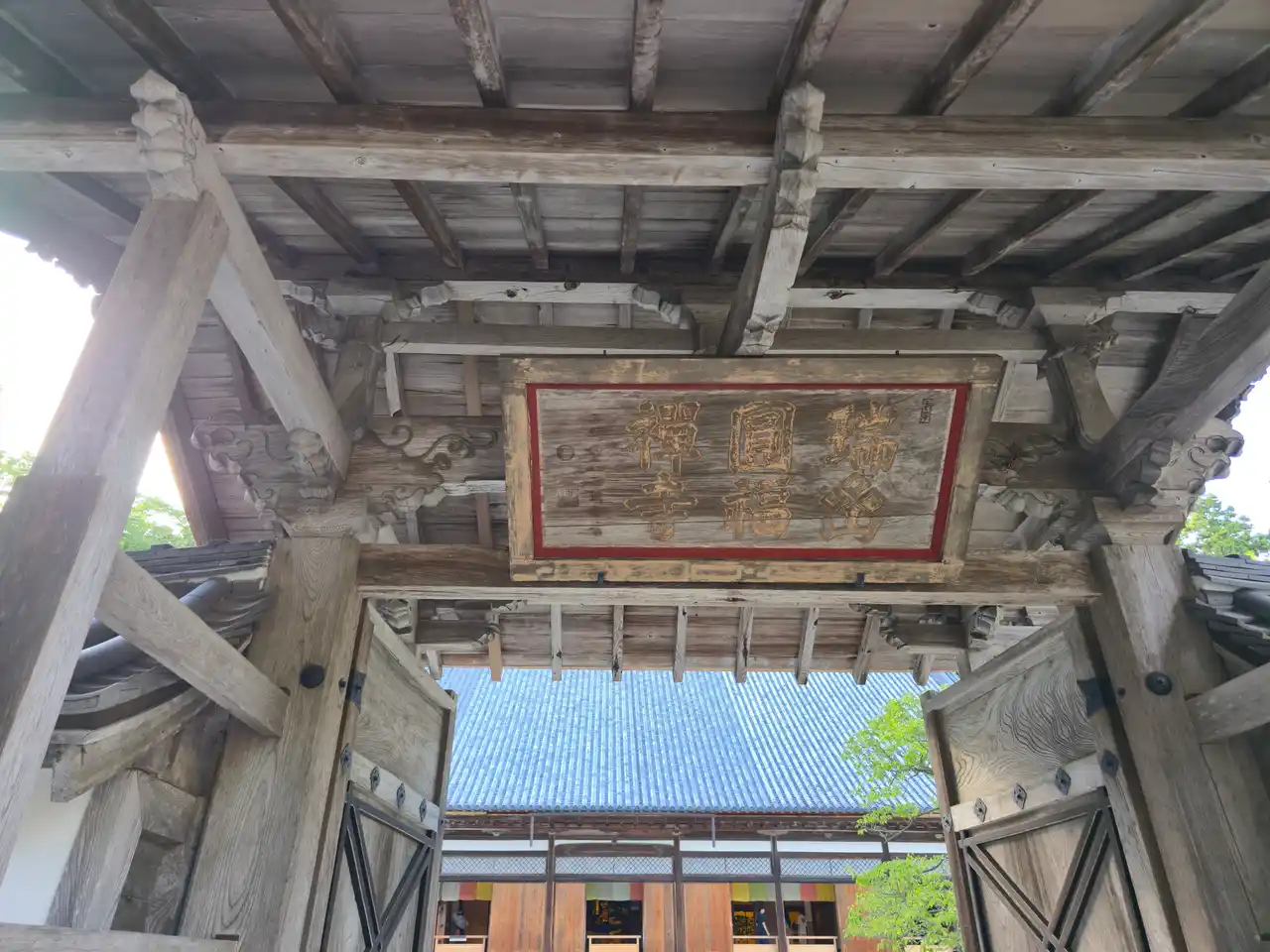
Kuri (National Treasure)
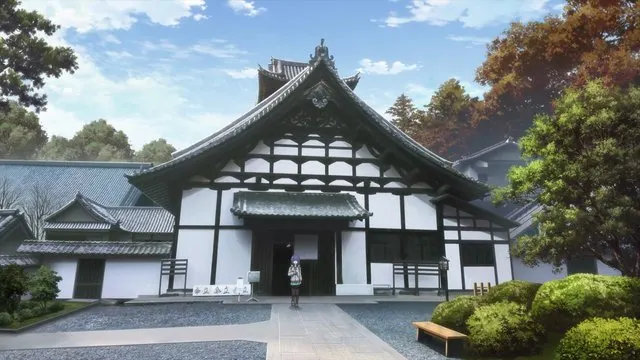
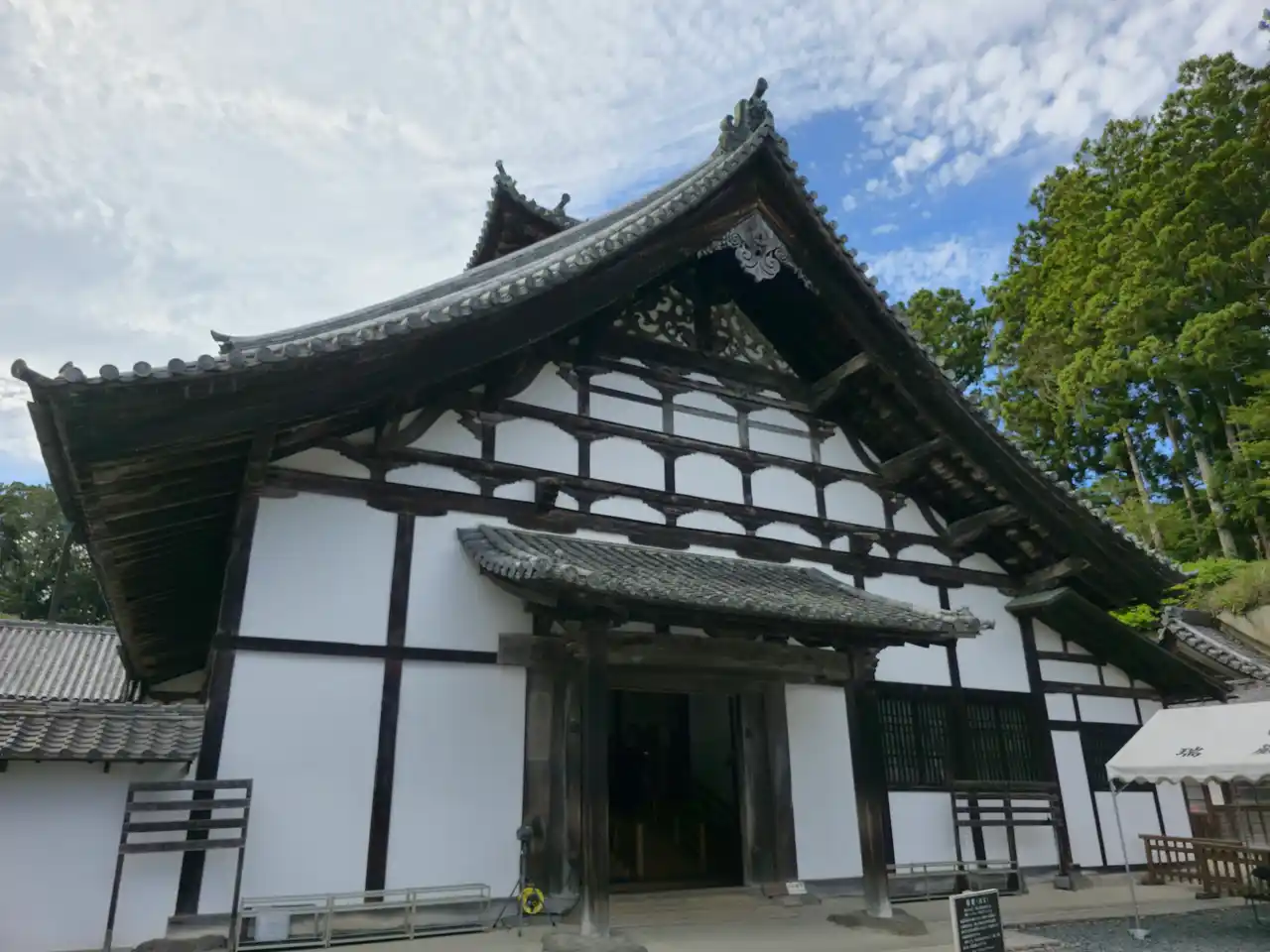
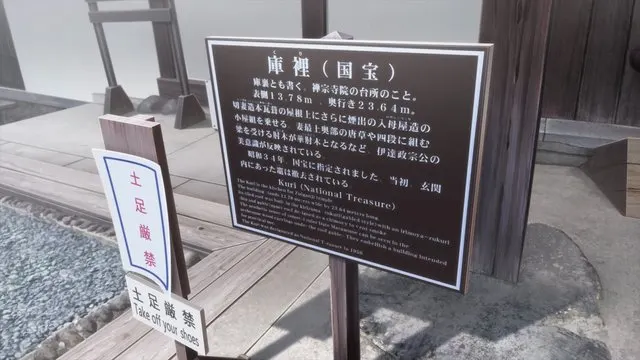
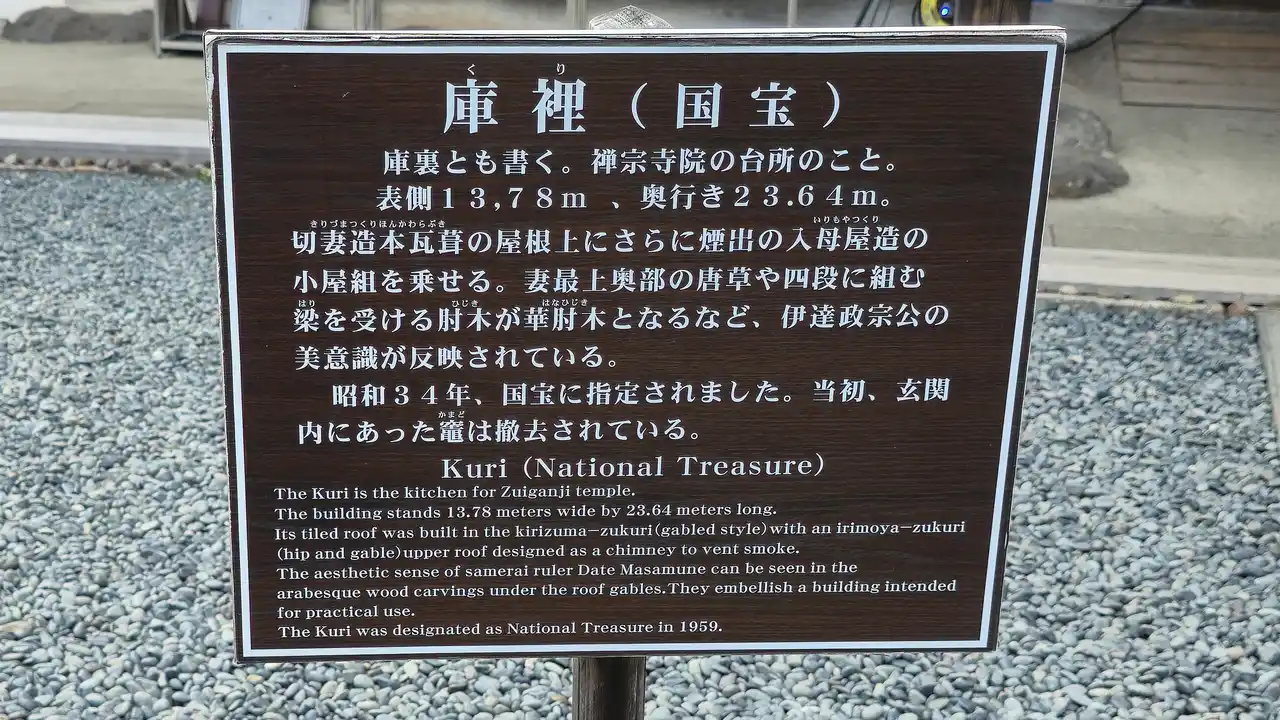
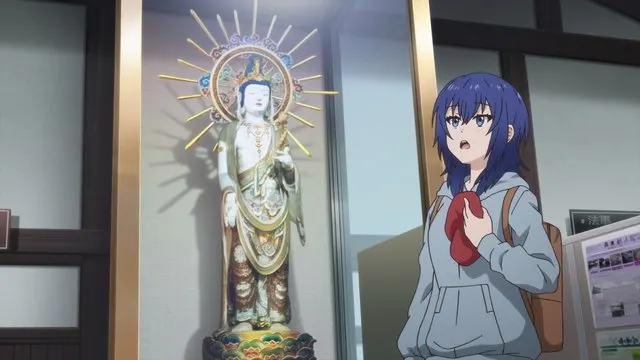
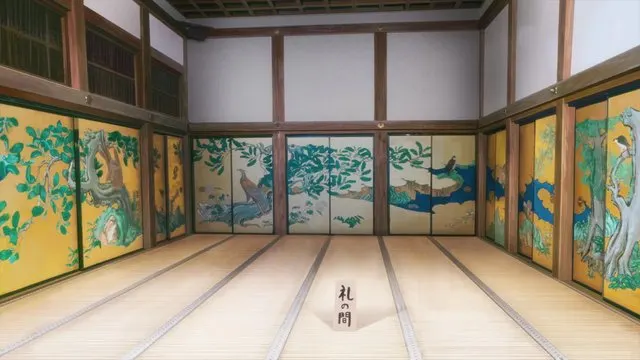
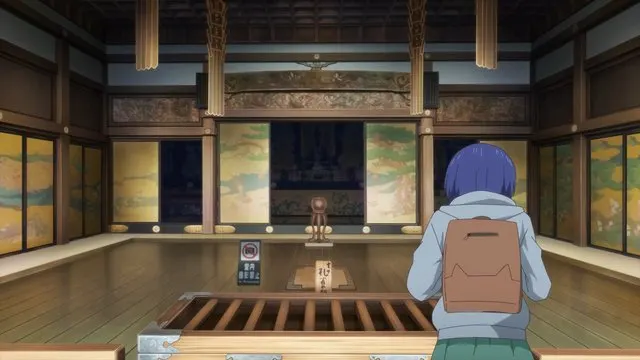
Photography is prohibited in all of the above scenes.
But seeing it in person is truly stunning, especially the golden gate—it looks so luxurious!
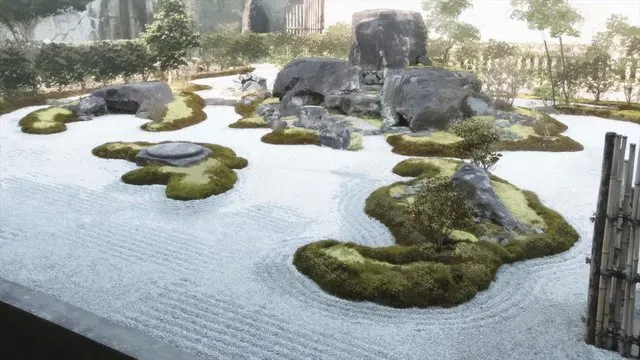
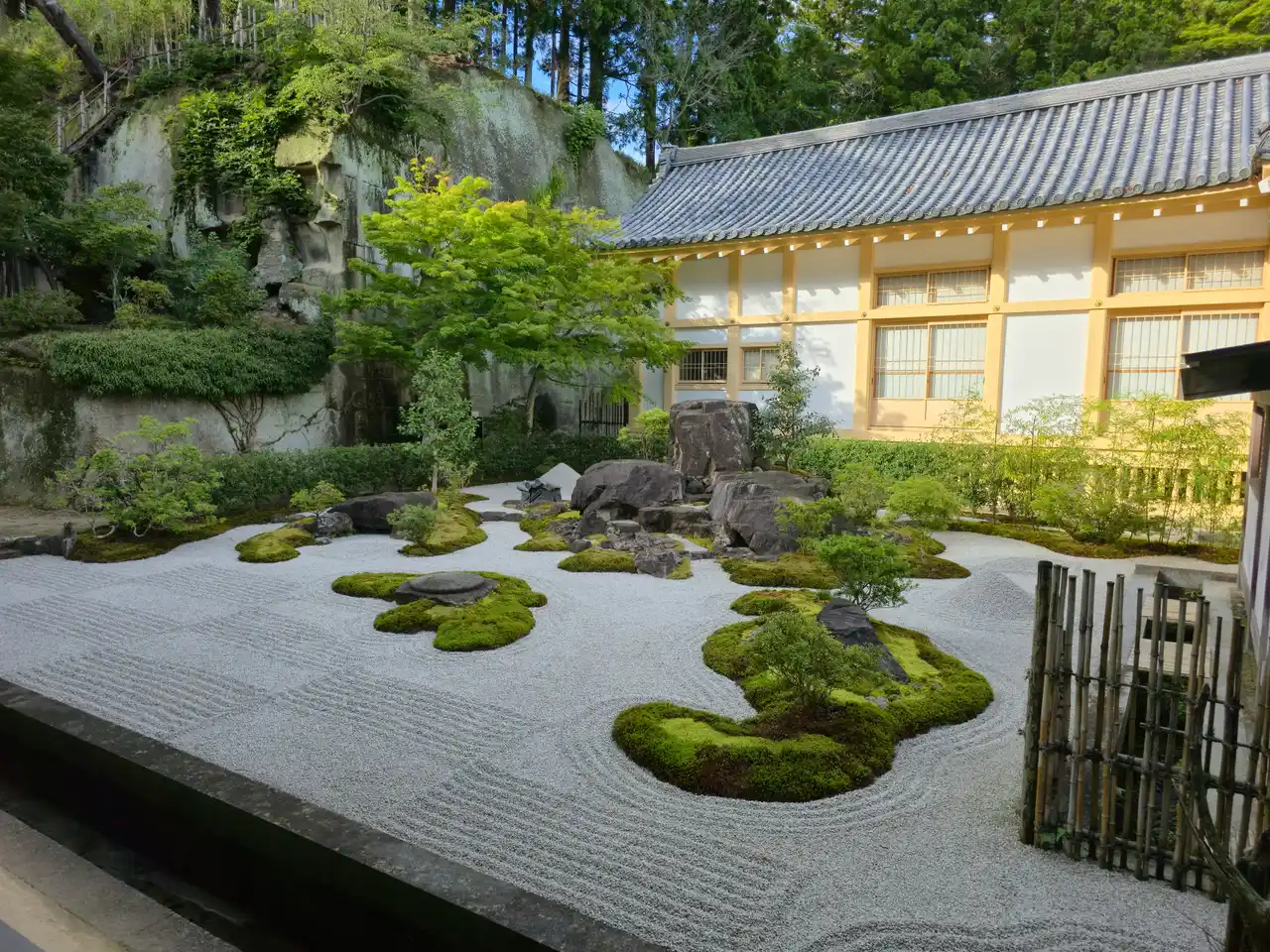
You can take photos of the outdoors from inside.
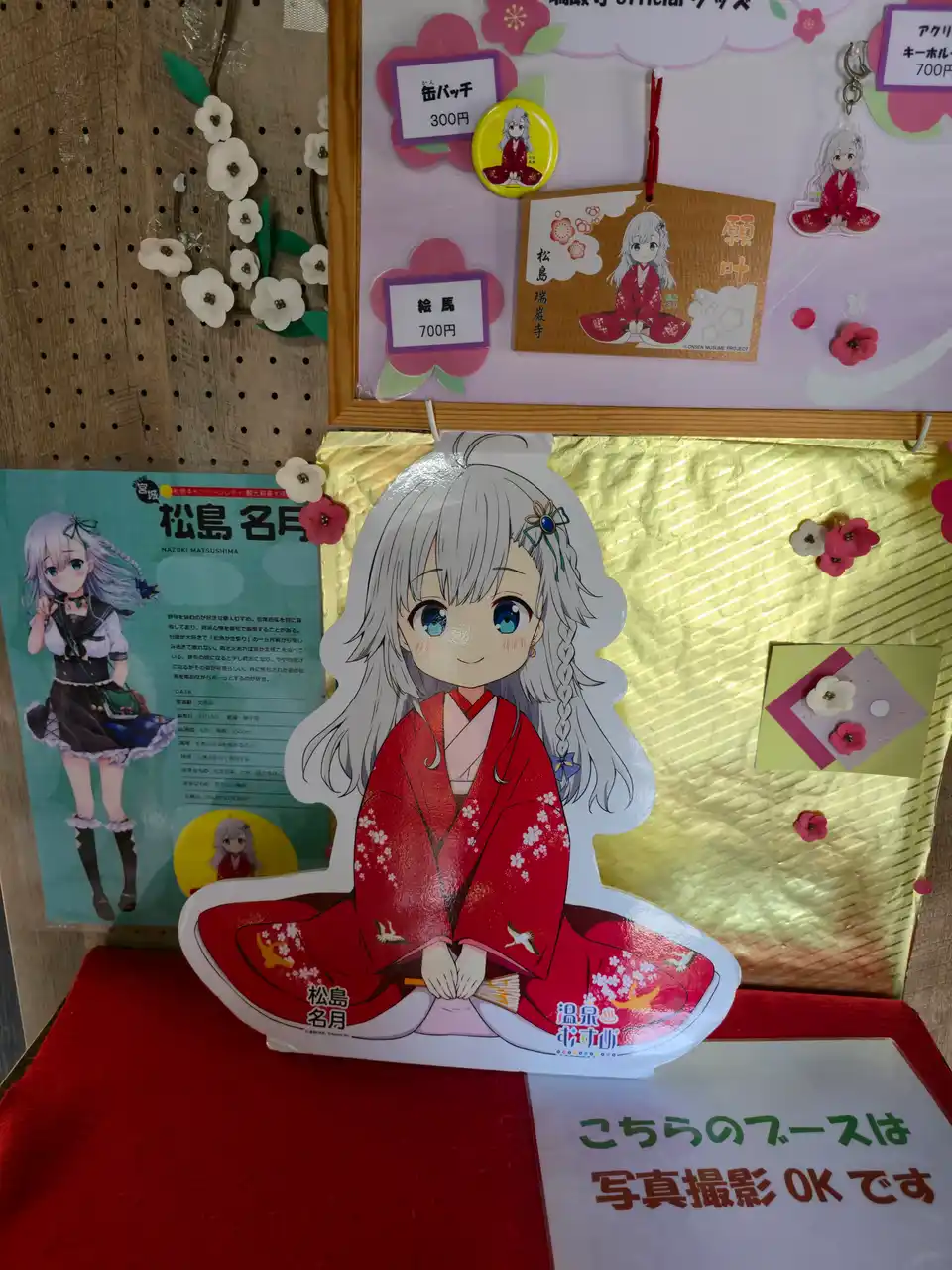
You can also take photos of Onsen Musume.
Why is there an Onsen Musume in a temple?
Oshima
A small island floating in Matsushima Bay, about 40 meters east-west and 200 meters north-south.
It is said that at the end of the Heian period, the monk Kenbutsu Shonin meditated here, and Emperor Toba gave him a thousand pine seedlings. Hence, there is a theory that this area came to be called "Matsushima" (Pine Island).
Signboard
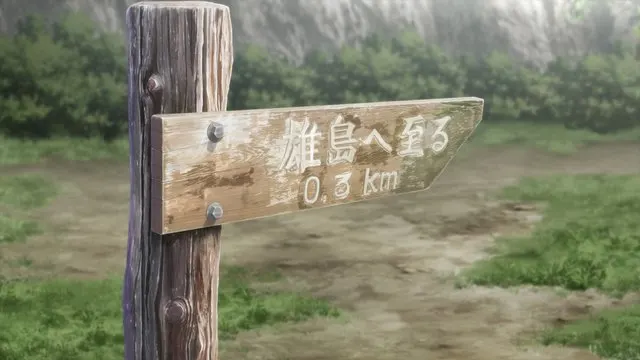
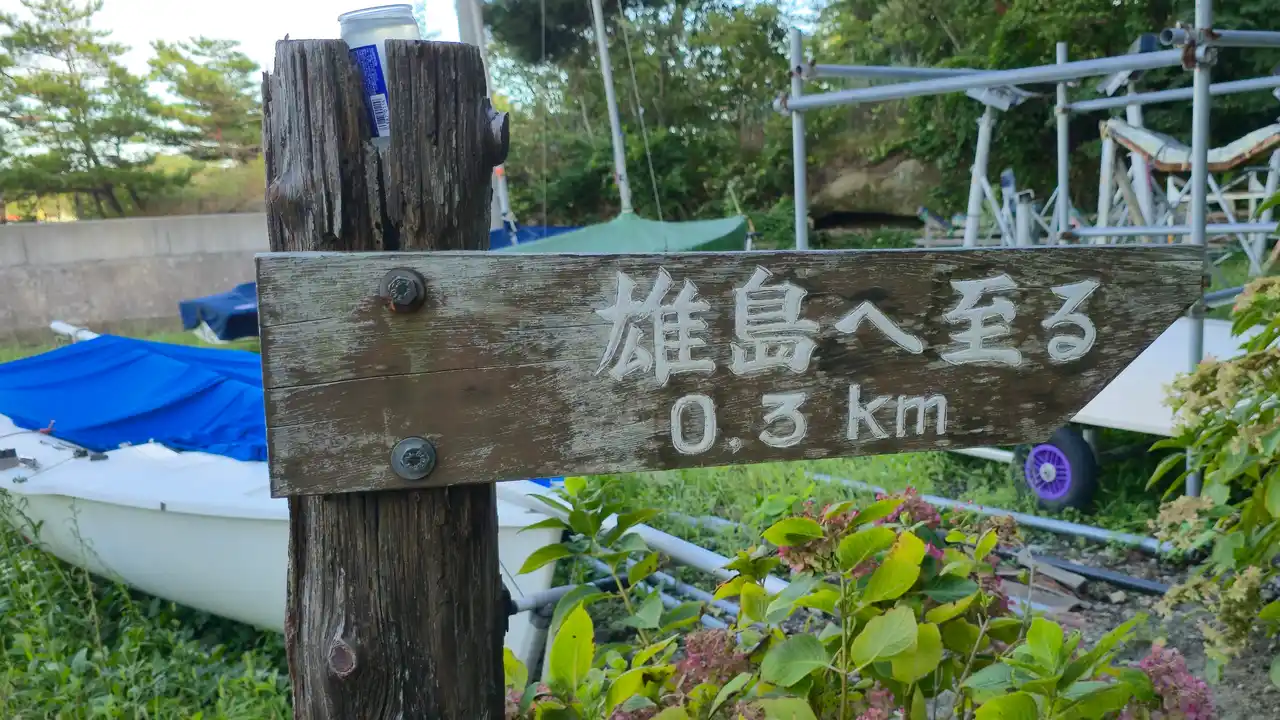
Entrance
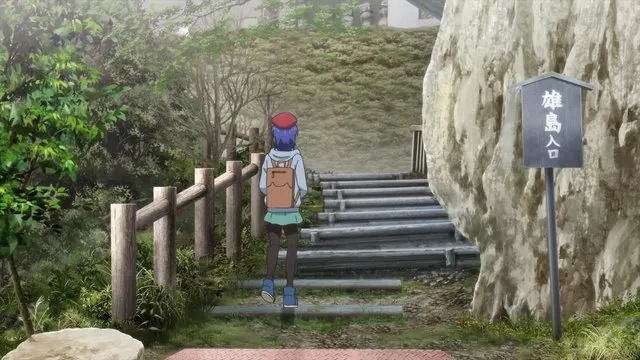
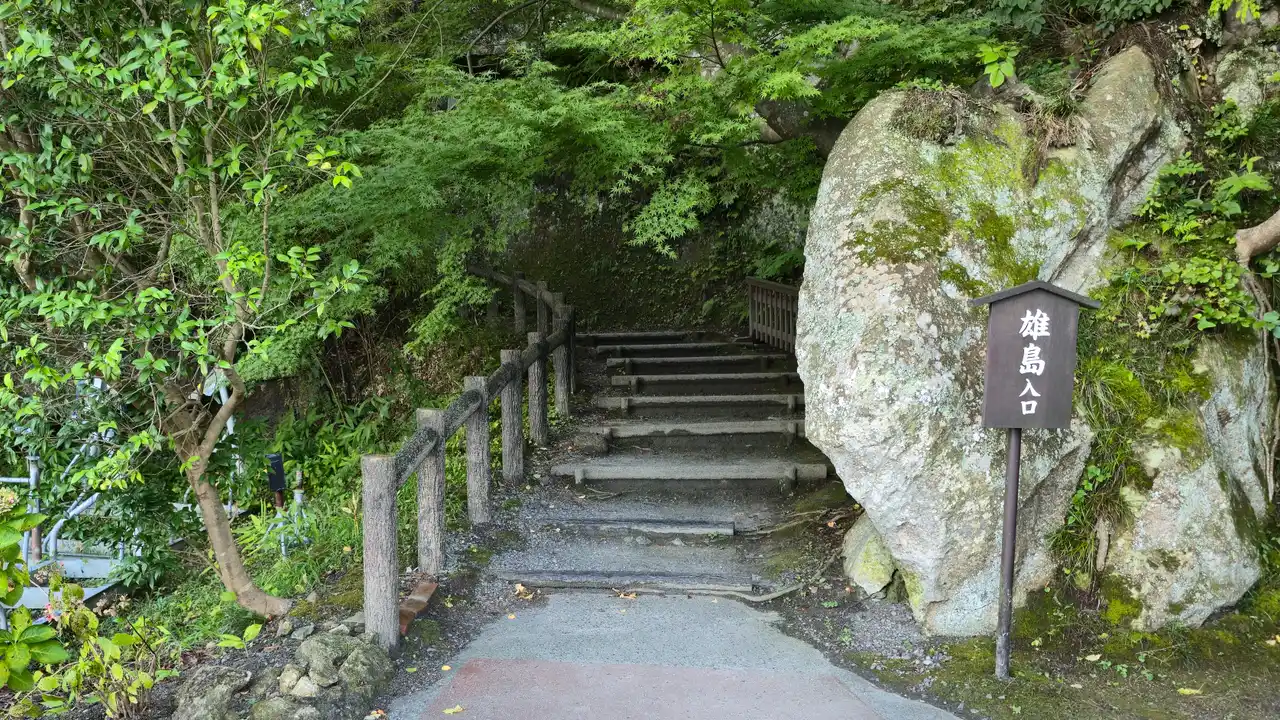
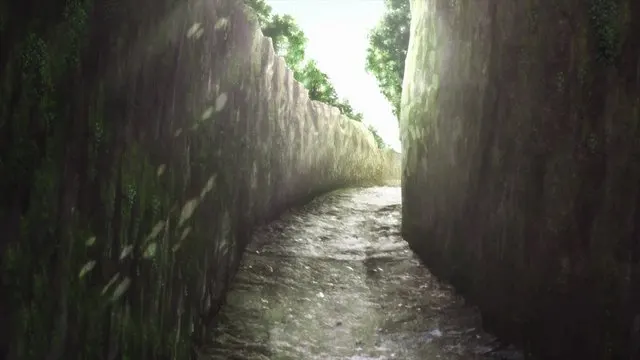
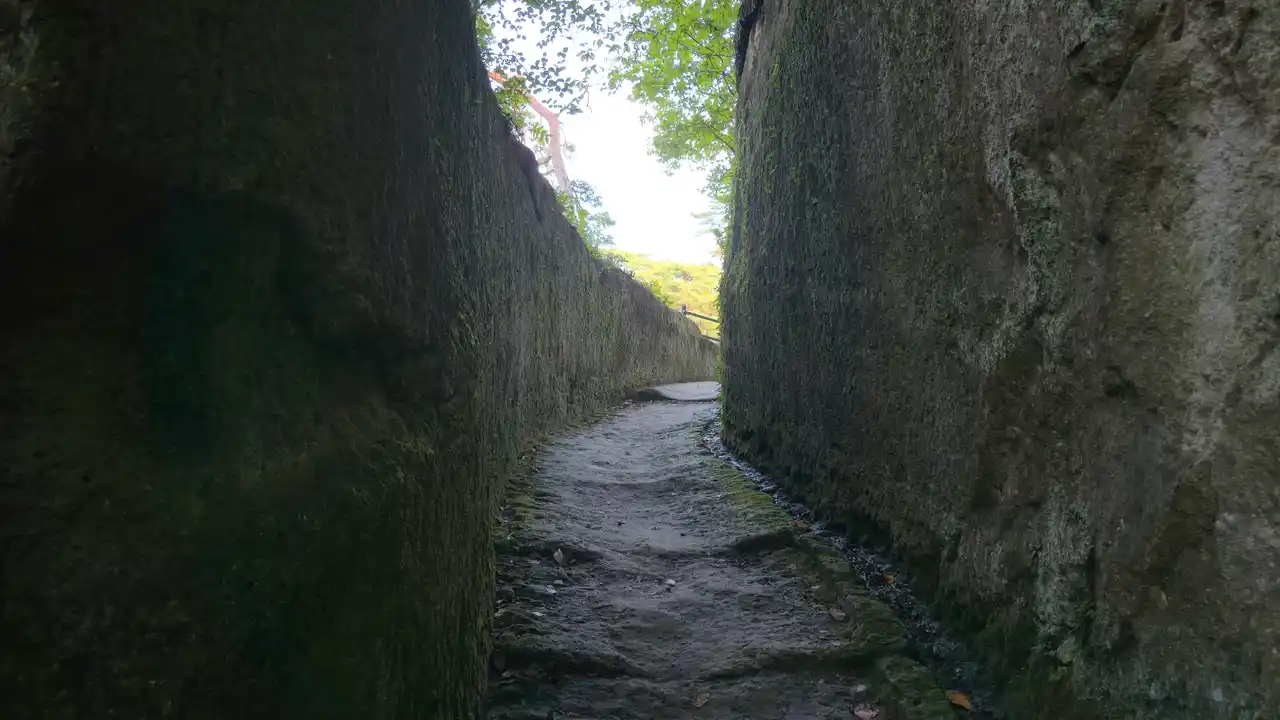
Kiridoshi (Cut-through path)
View of Oshima
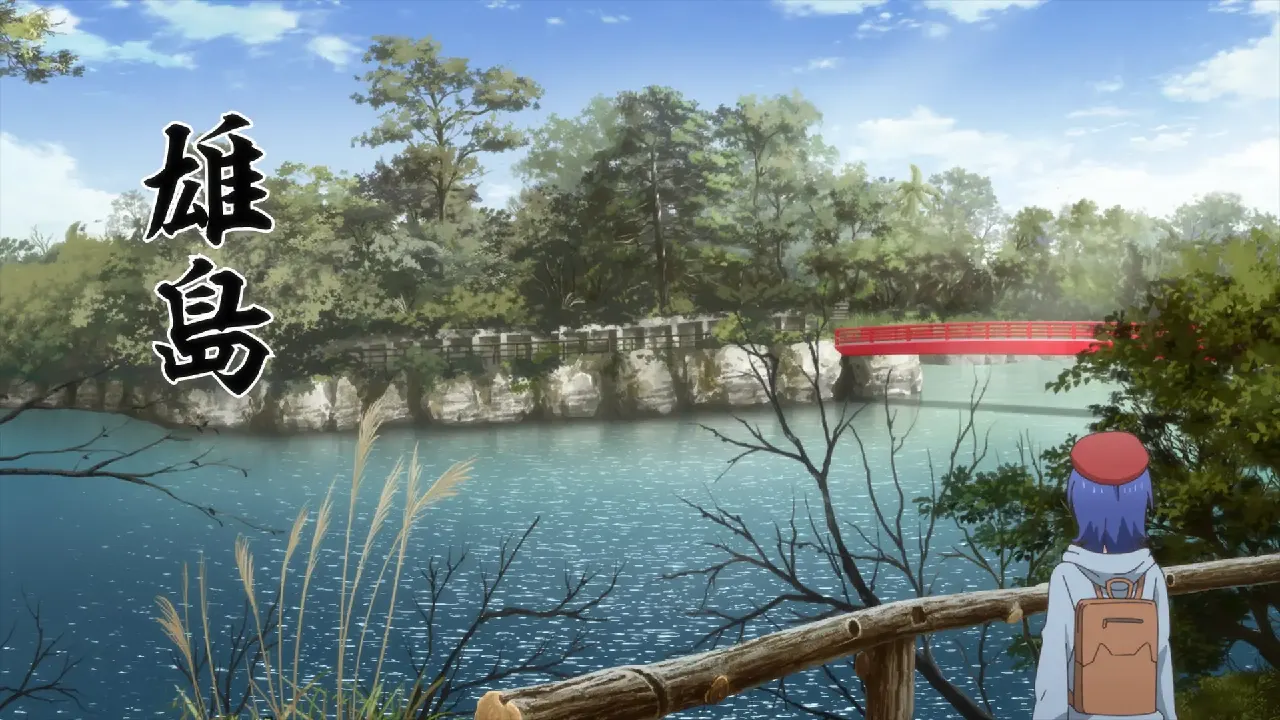
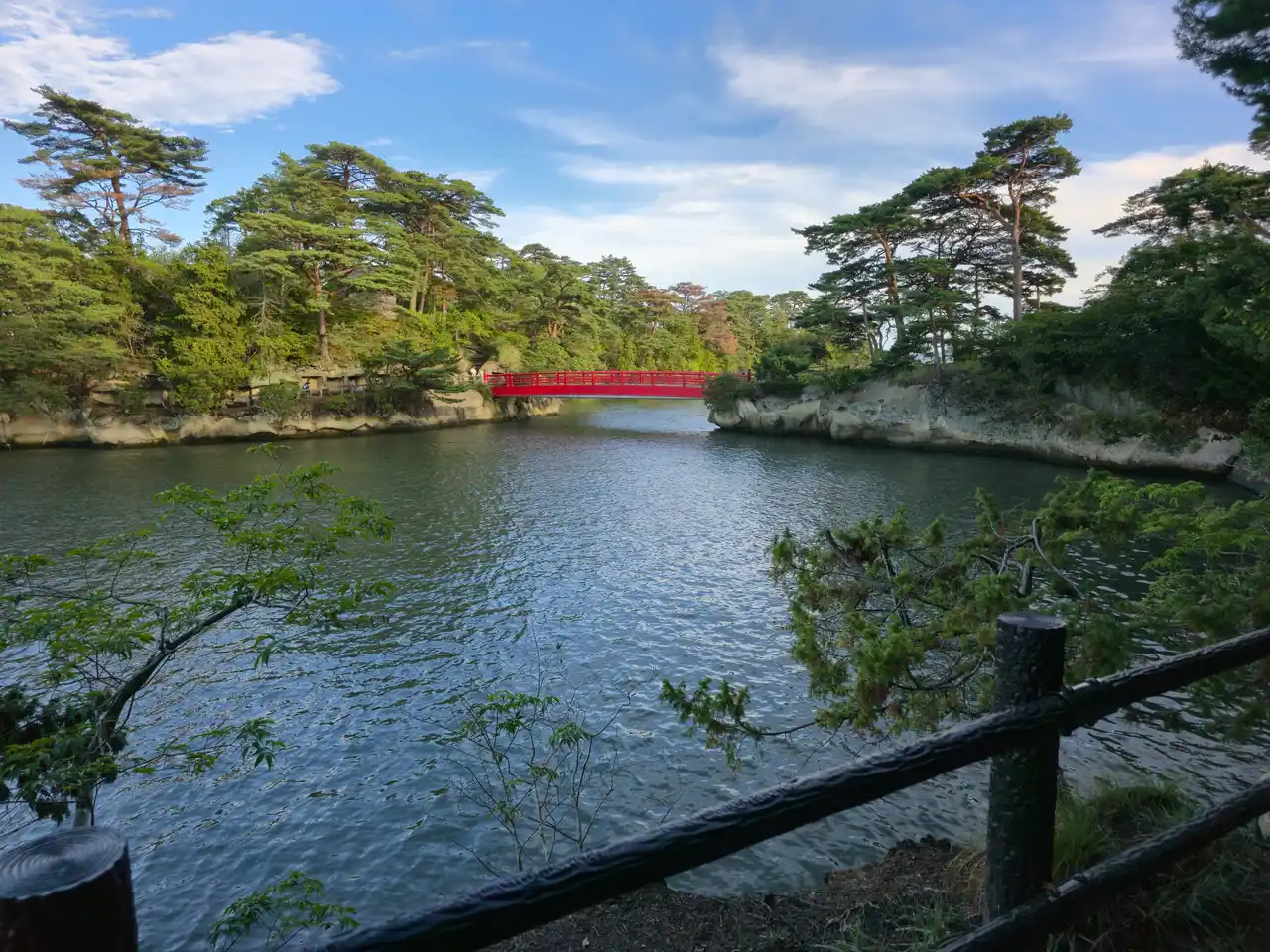
Togetsukyo Bridge at Matsushima Coast
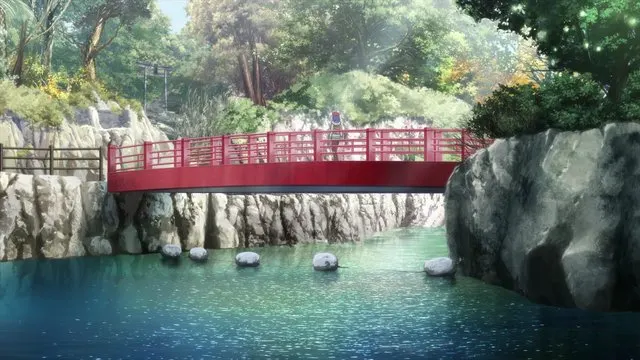
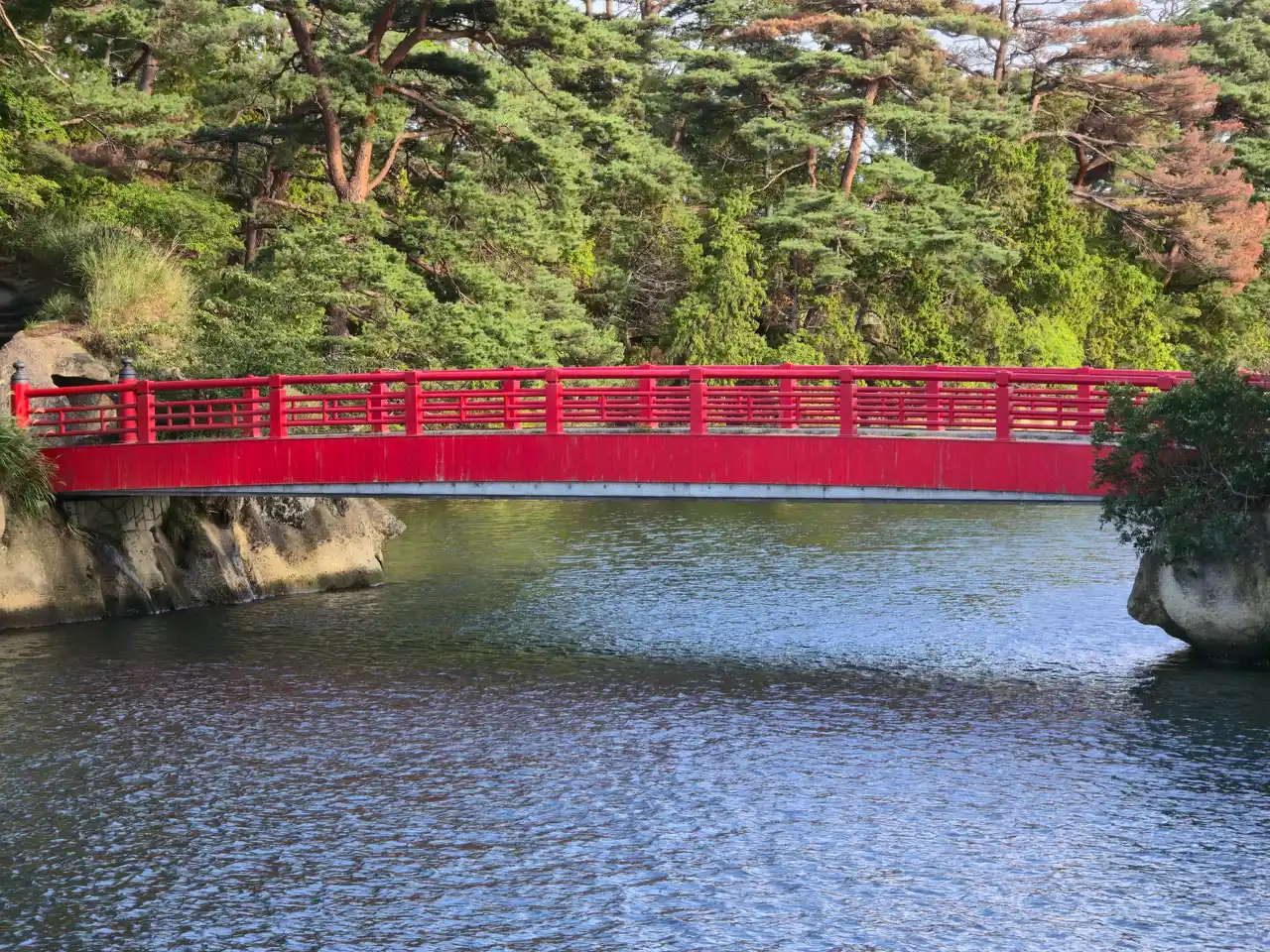
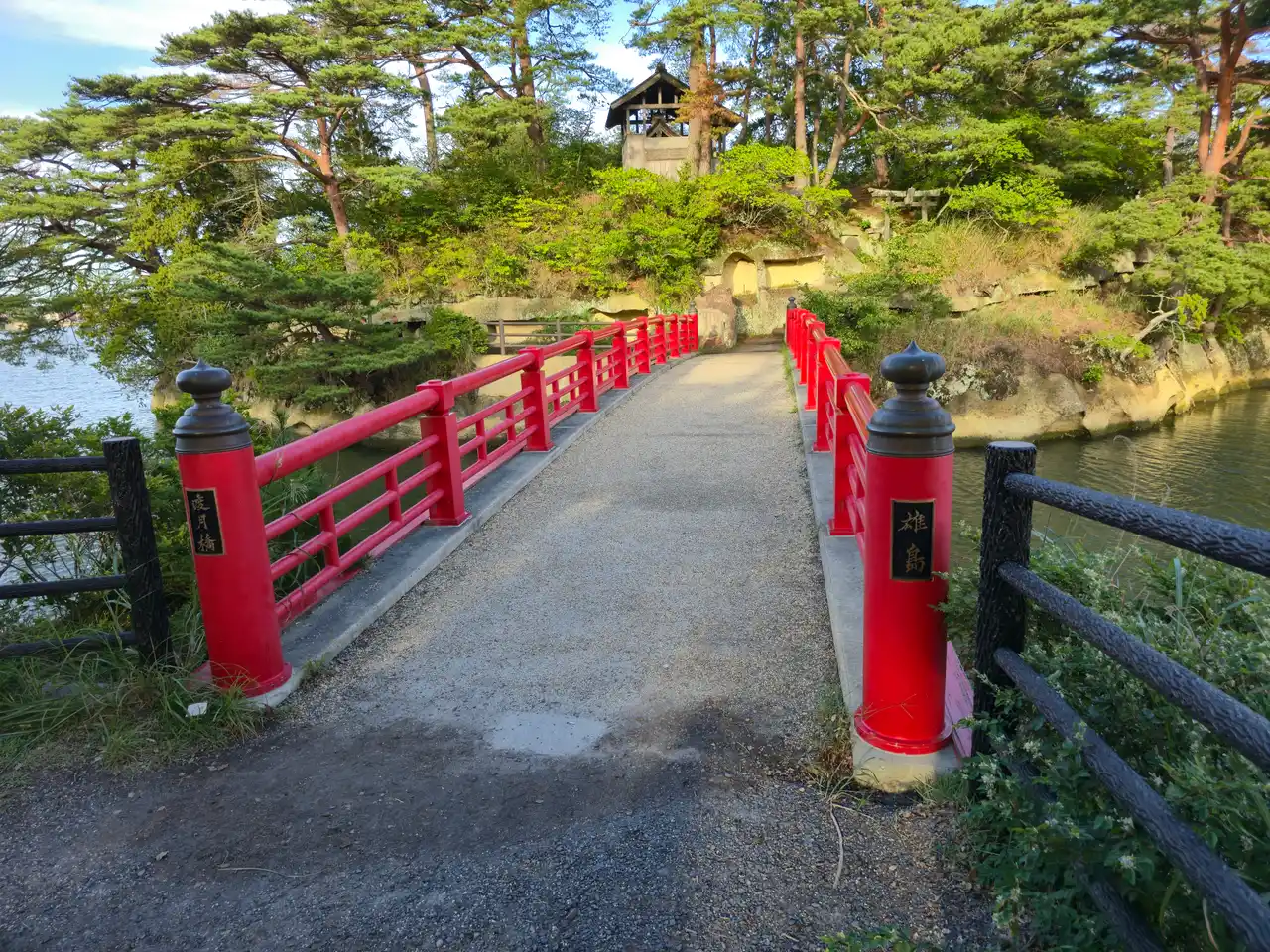
Kannon Statue
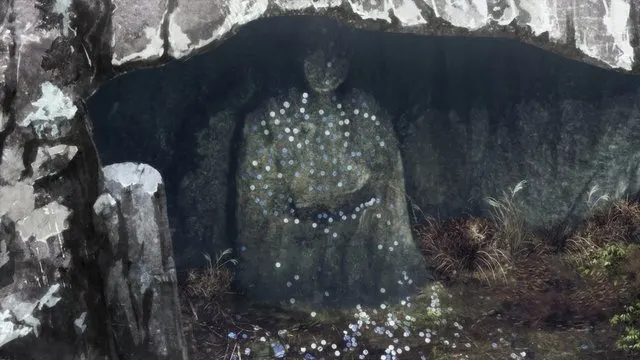
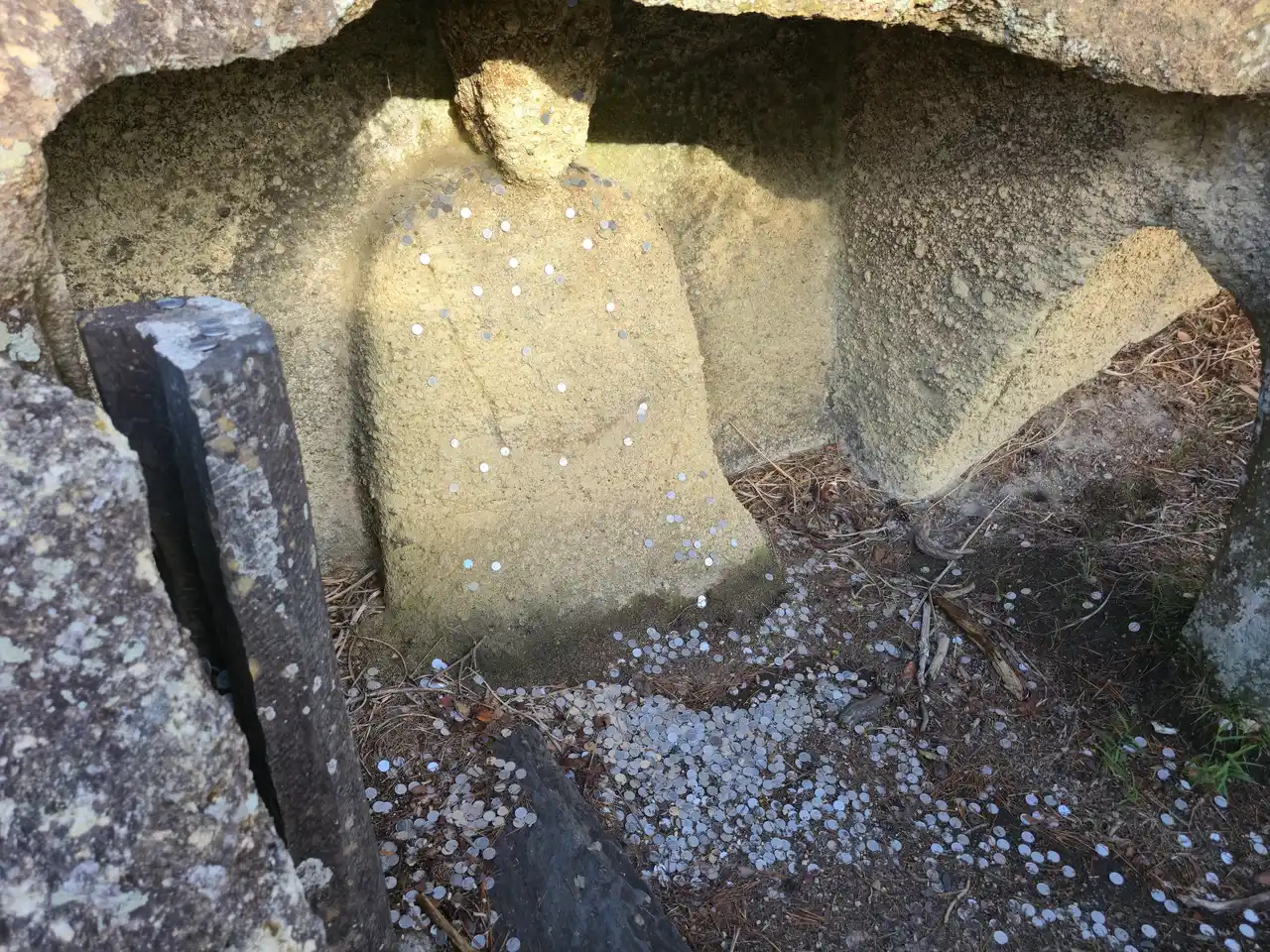
Torii Gate
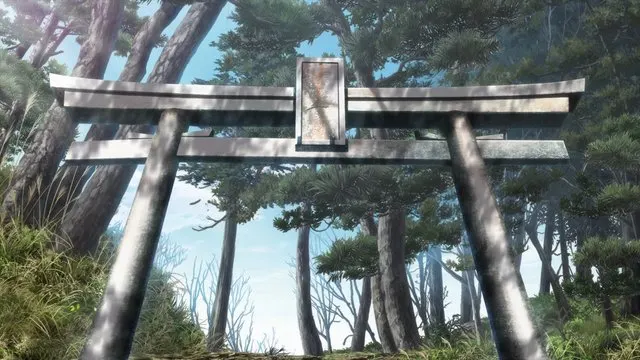
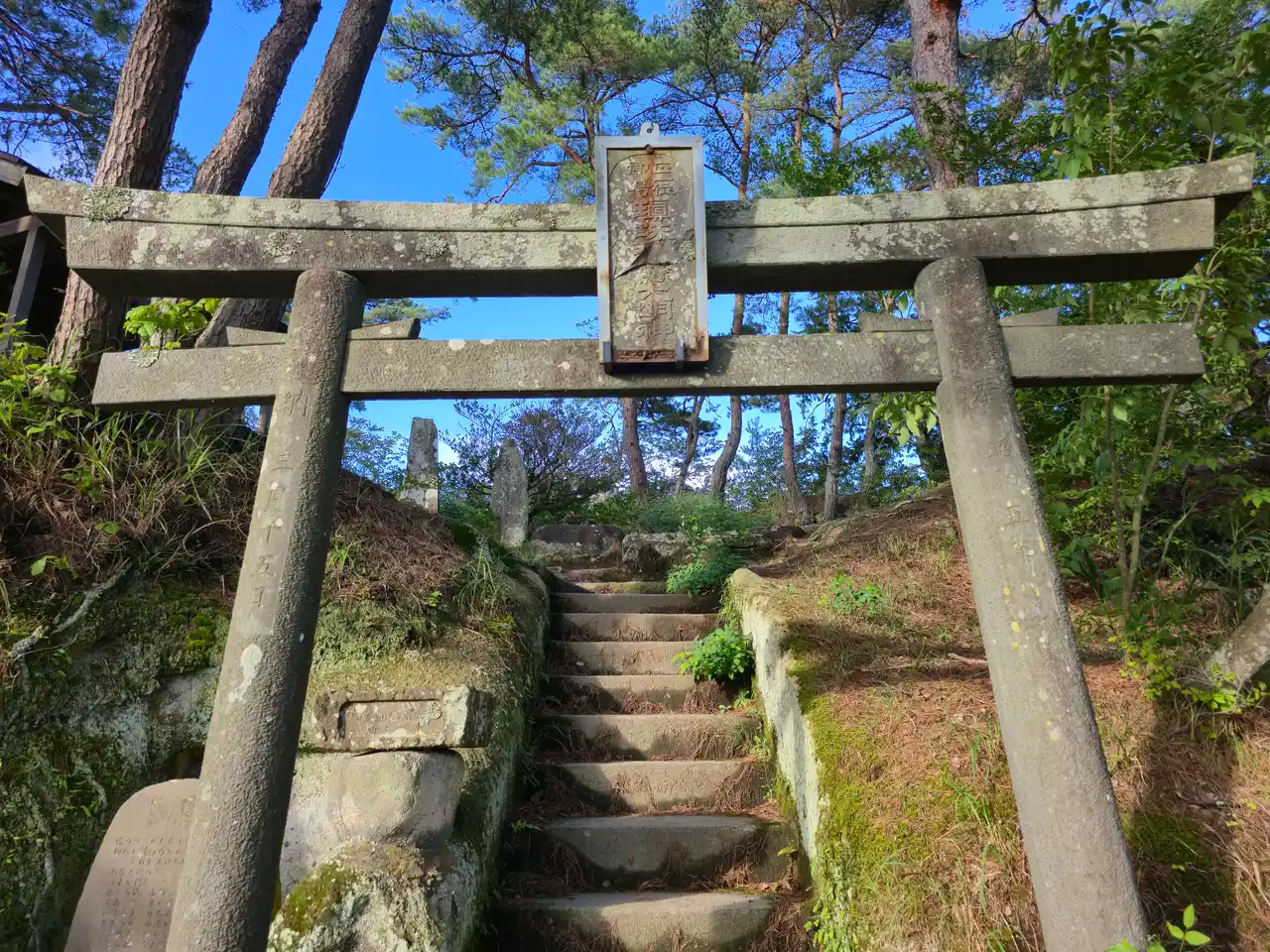
Mishima Shinju Inari Daimyojin
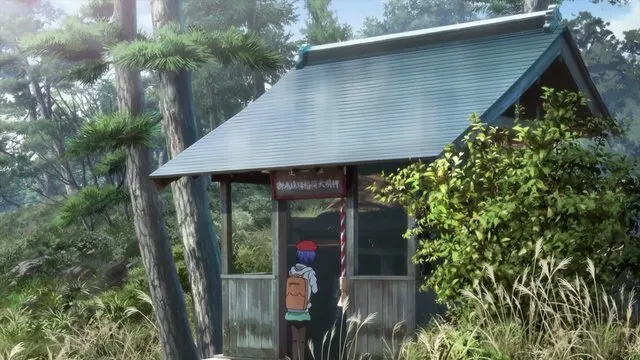
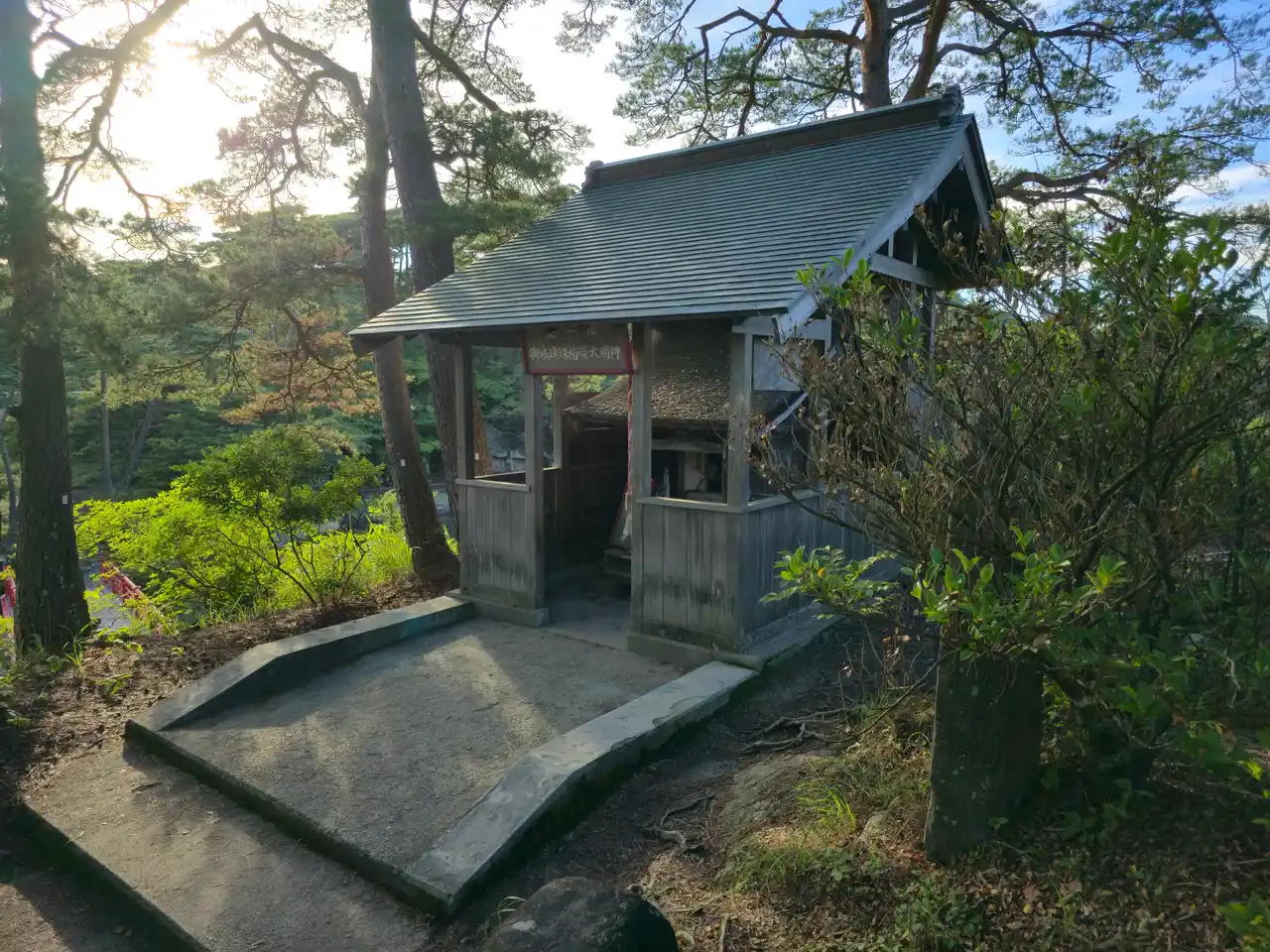
Matsuo Basho & Sora Haiku Monument
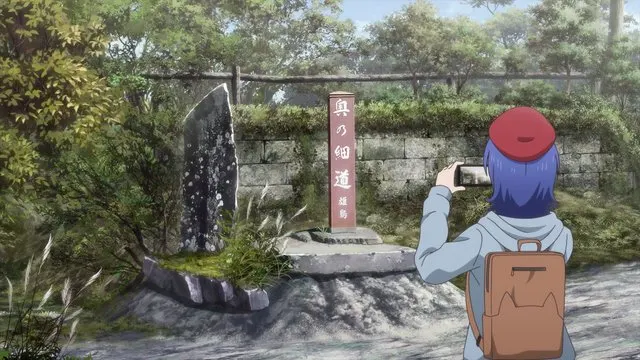
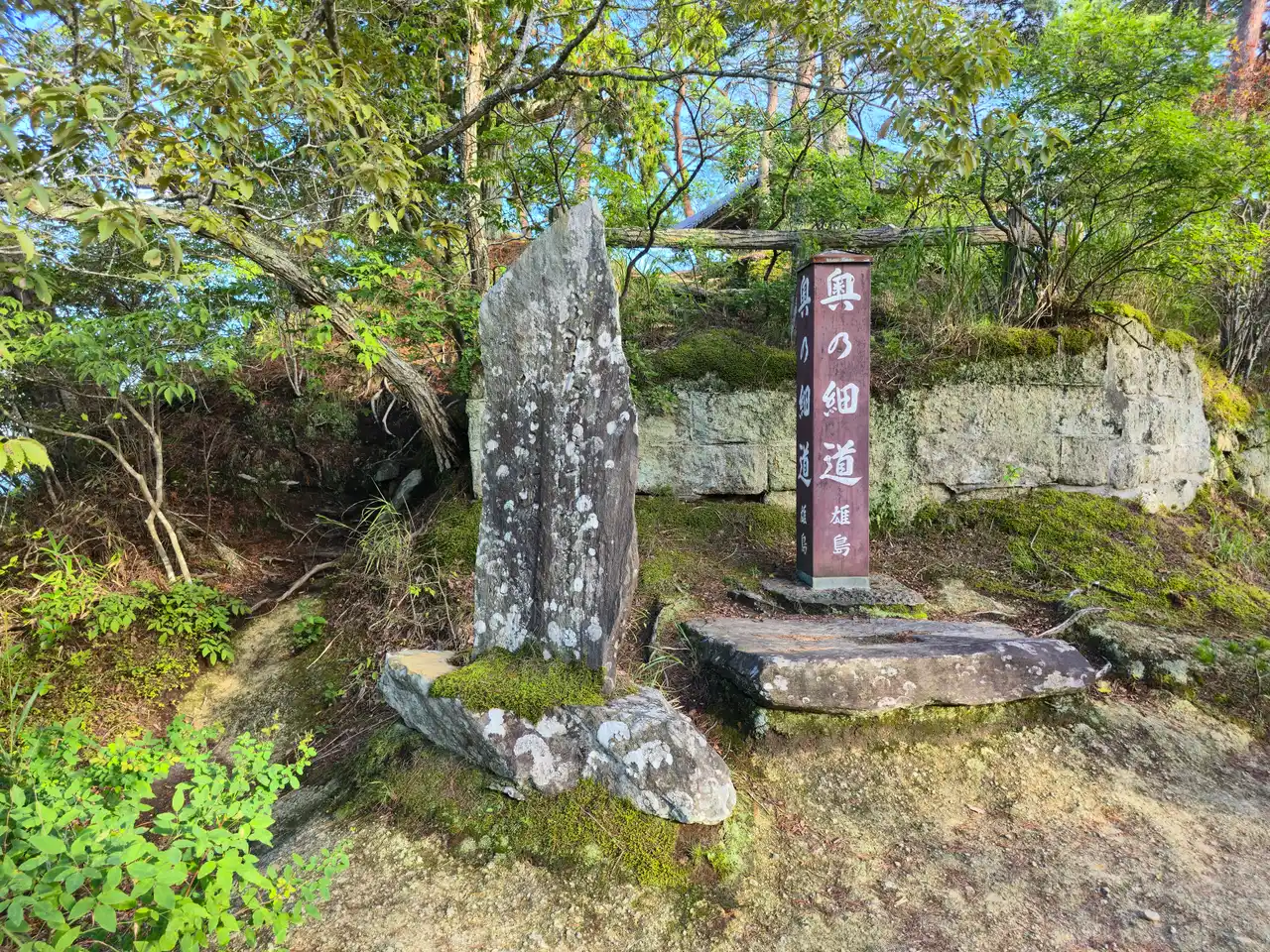
Matsushima ya, tsuru ni mi o kare, hototogisu
Monument of Raiken
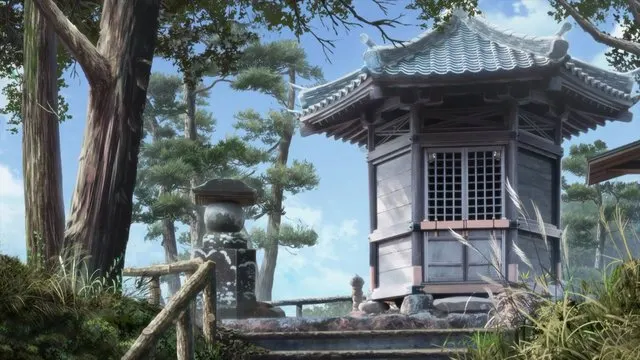
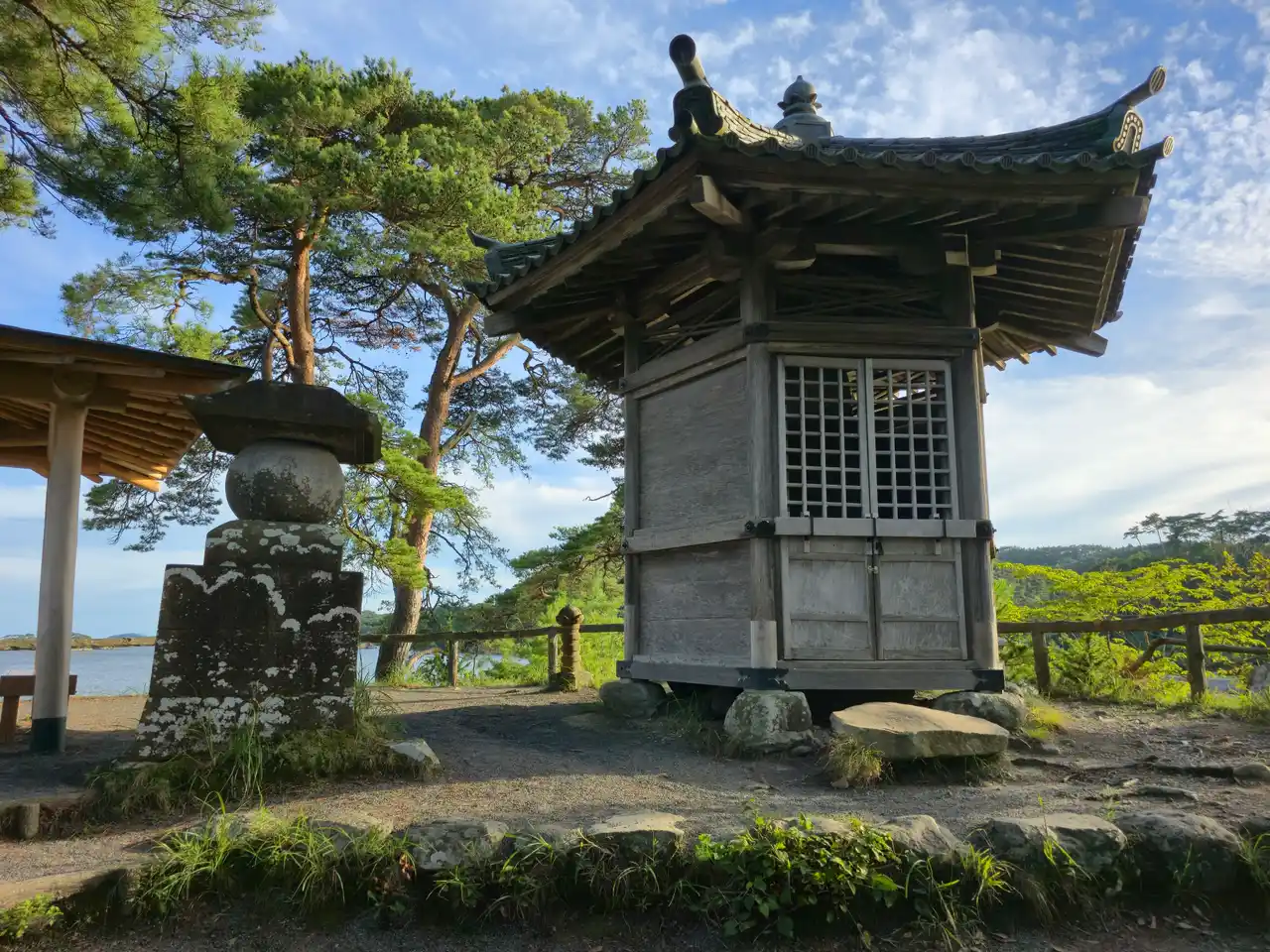
View of Twin Islands
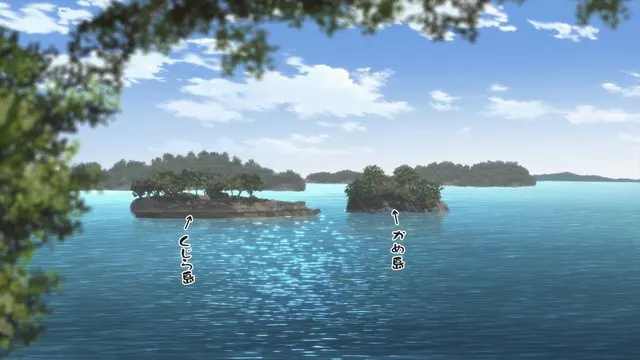
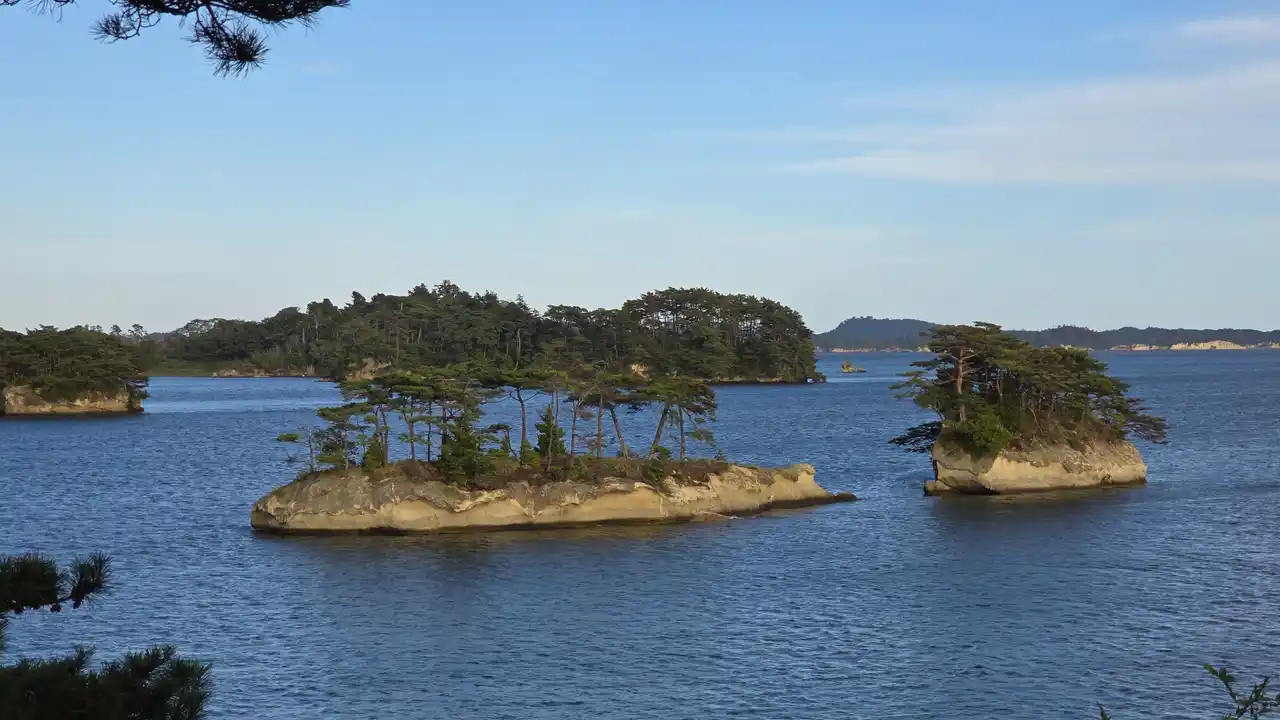
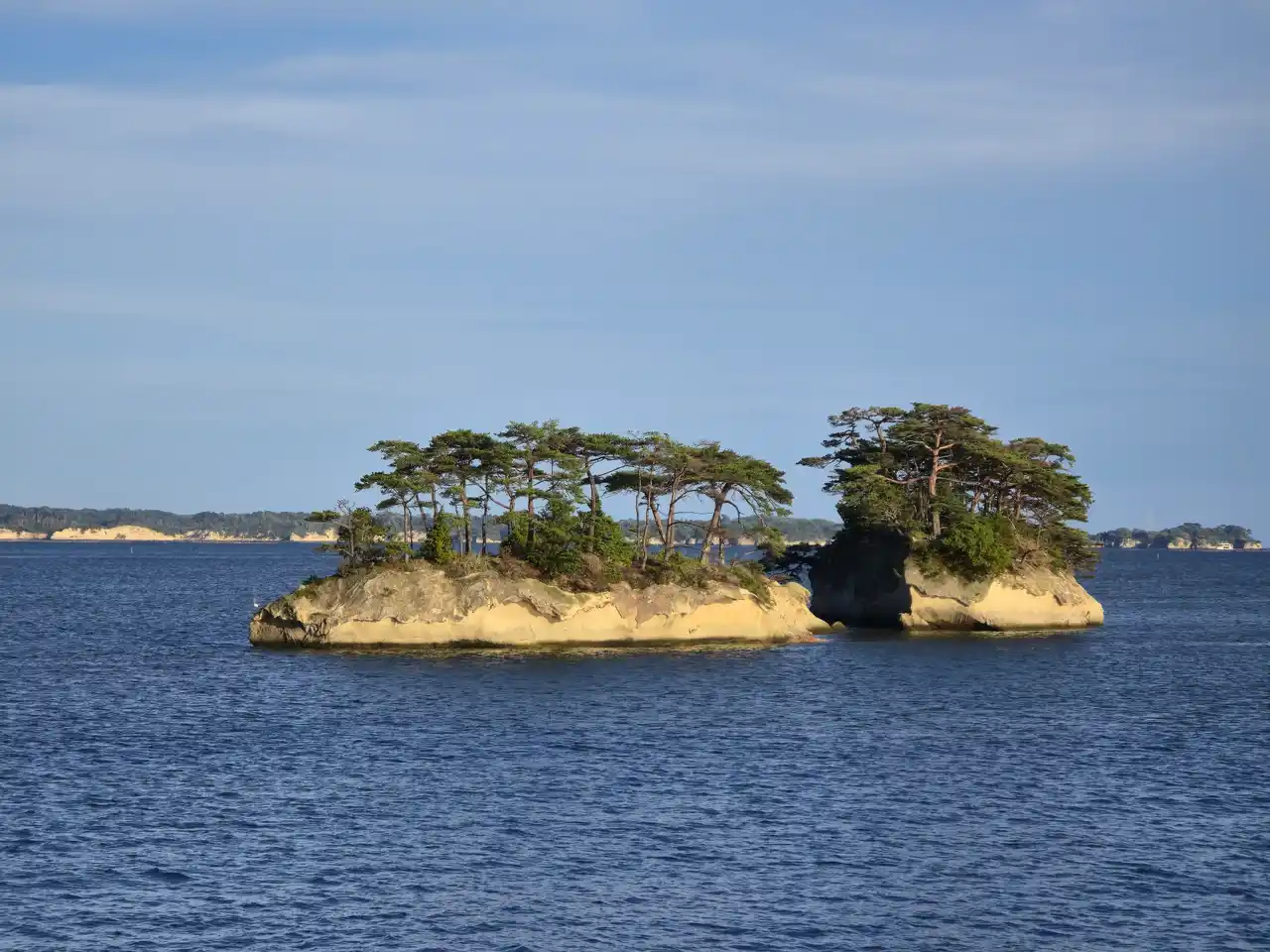
Left: "Kujira-shima" (Whale Island), Right: "Kame-shima" (Turtle Island)
Myokaku-an Ruins
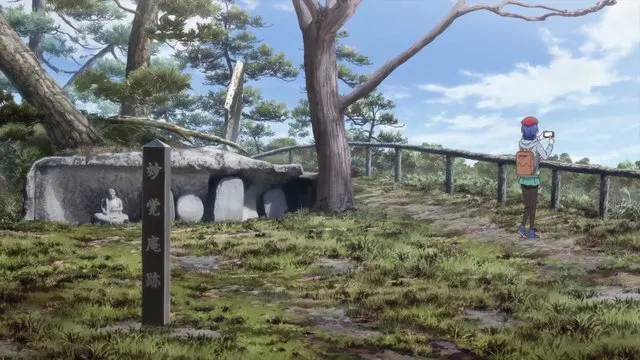
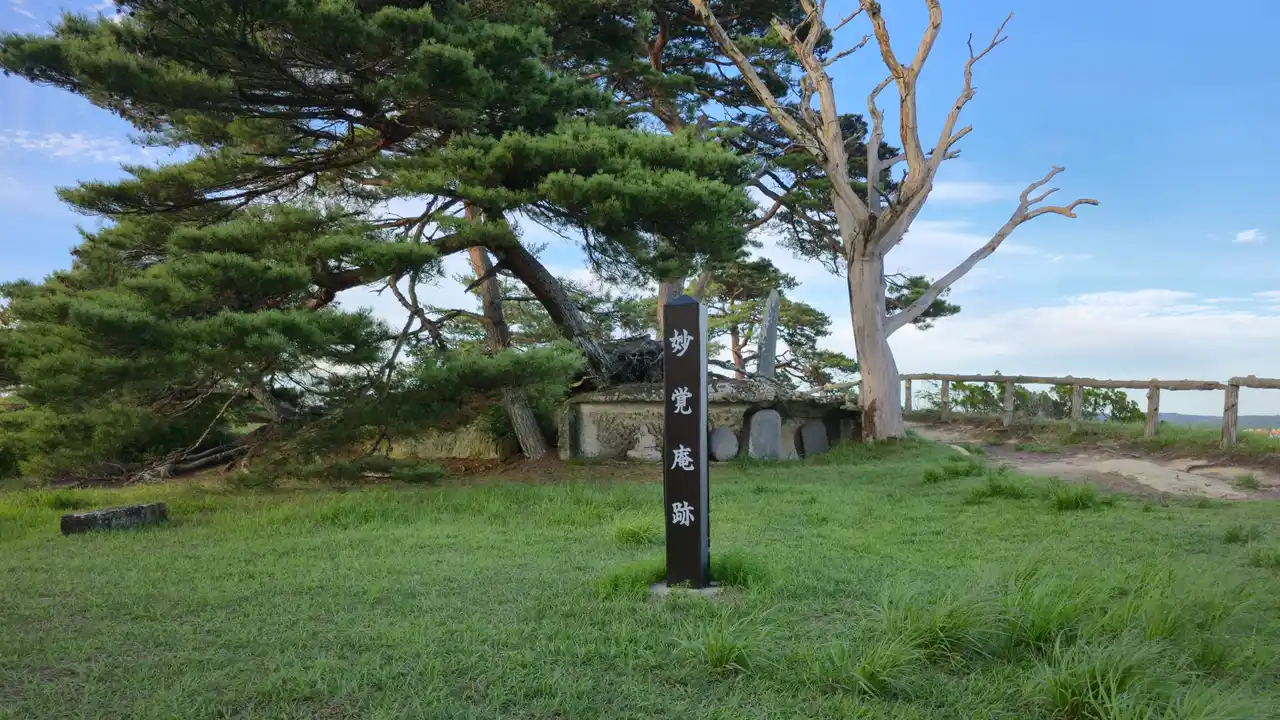
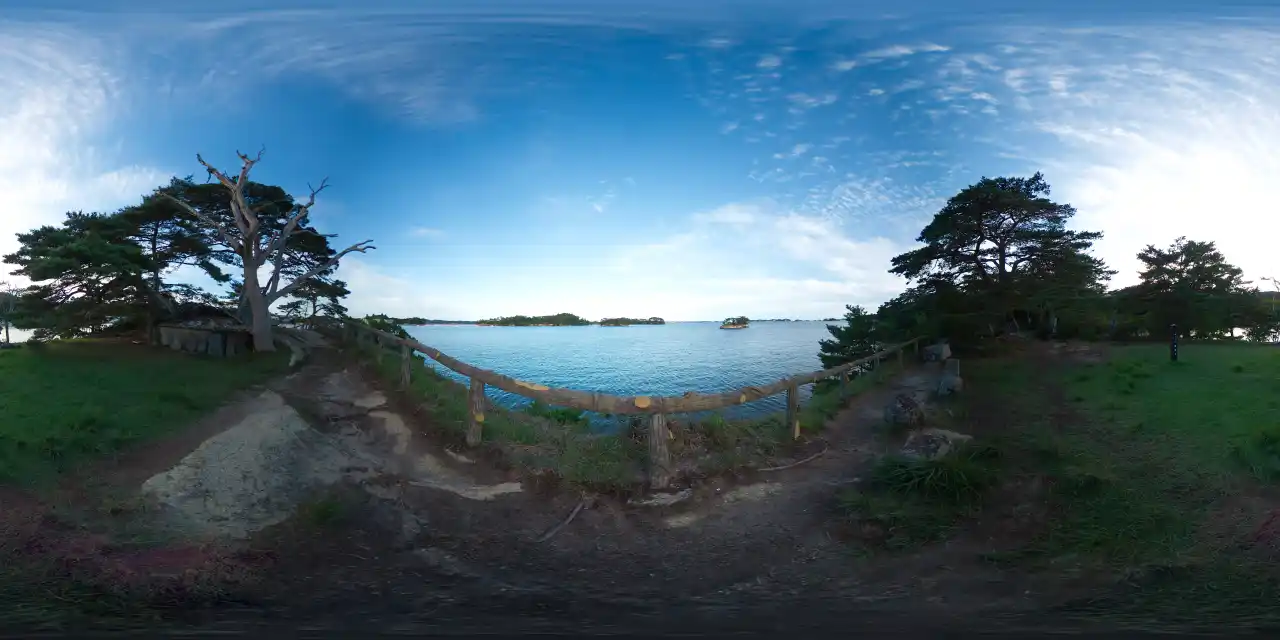
Let's take a panoramic shot.
Other Scenery
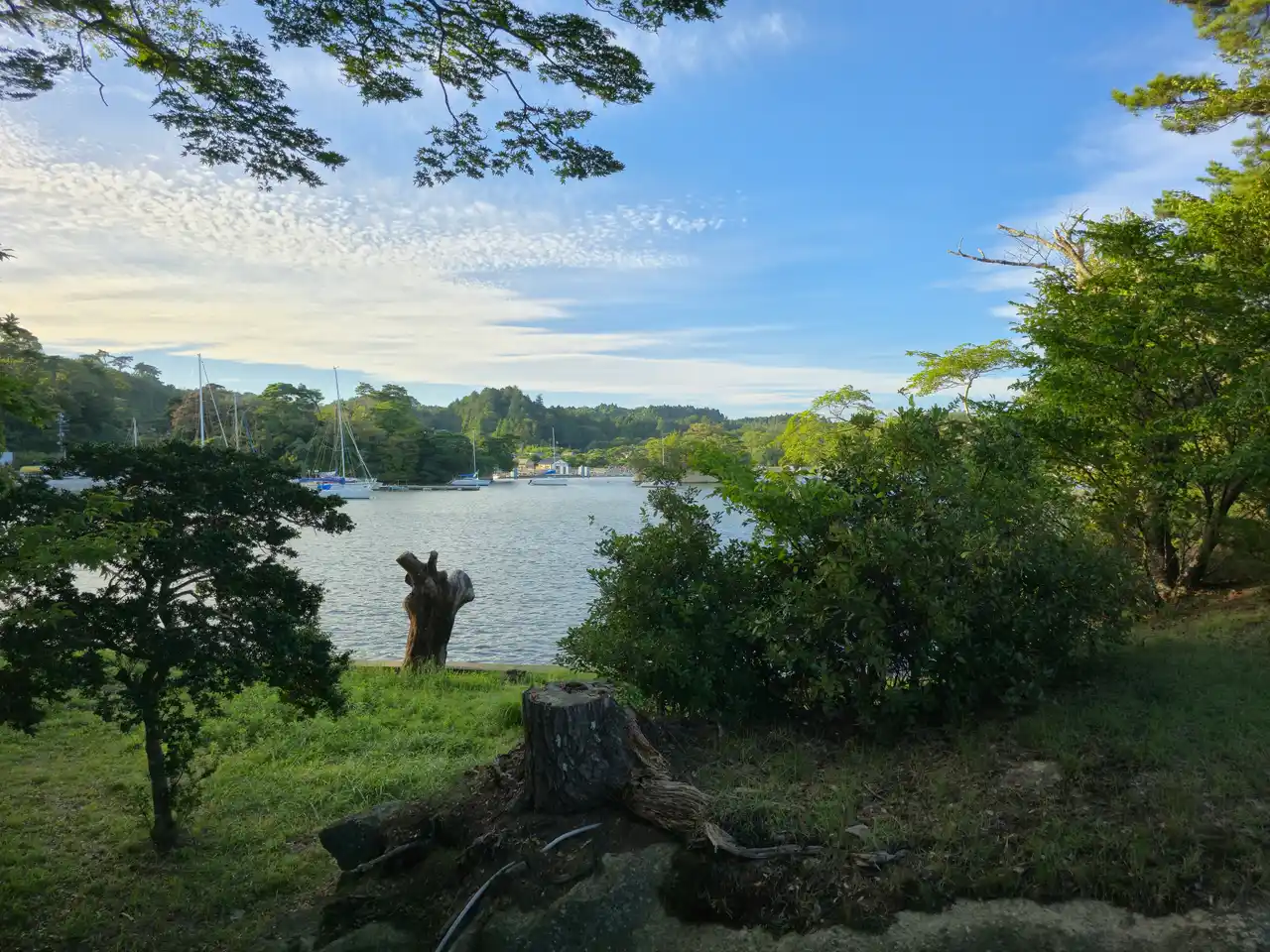
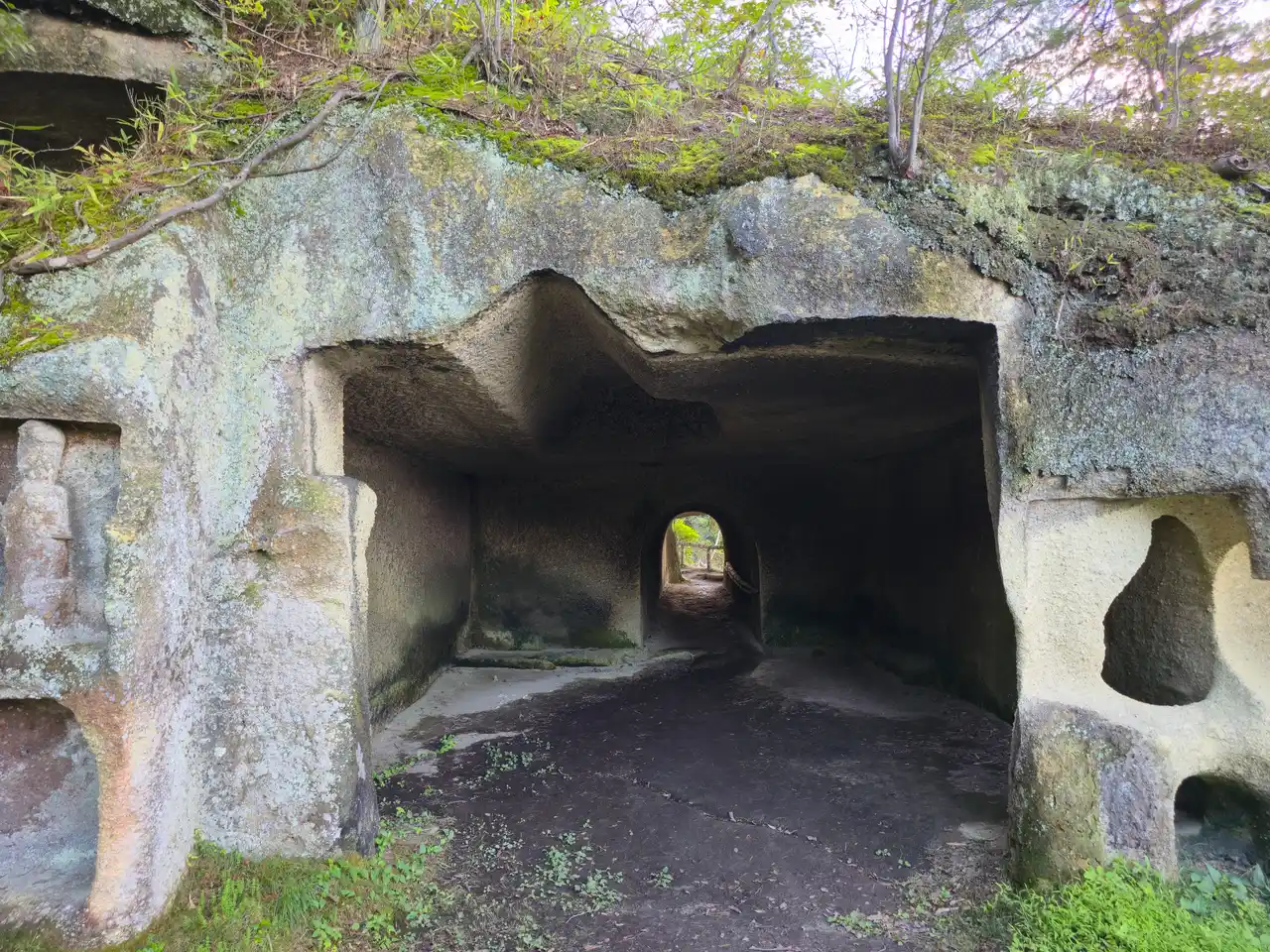
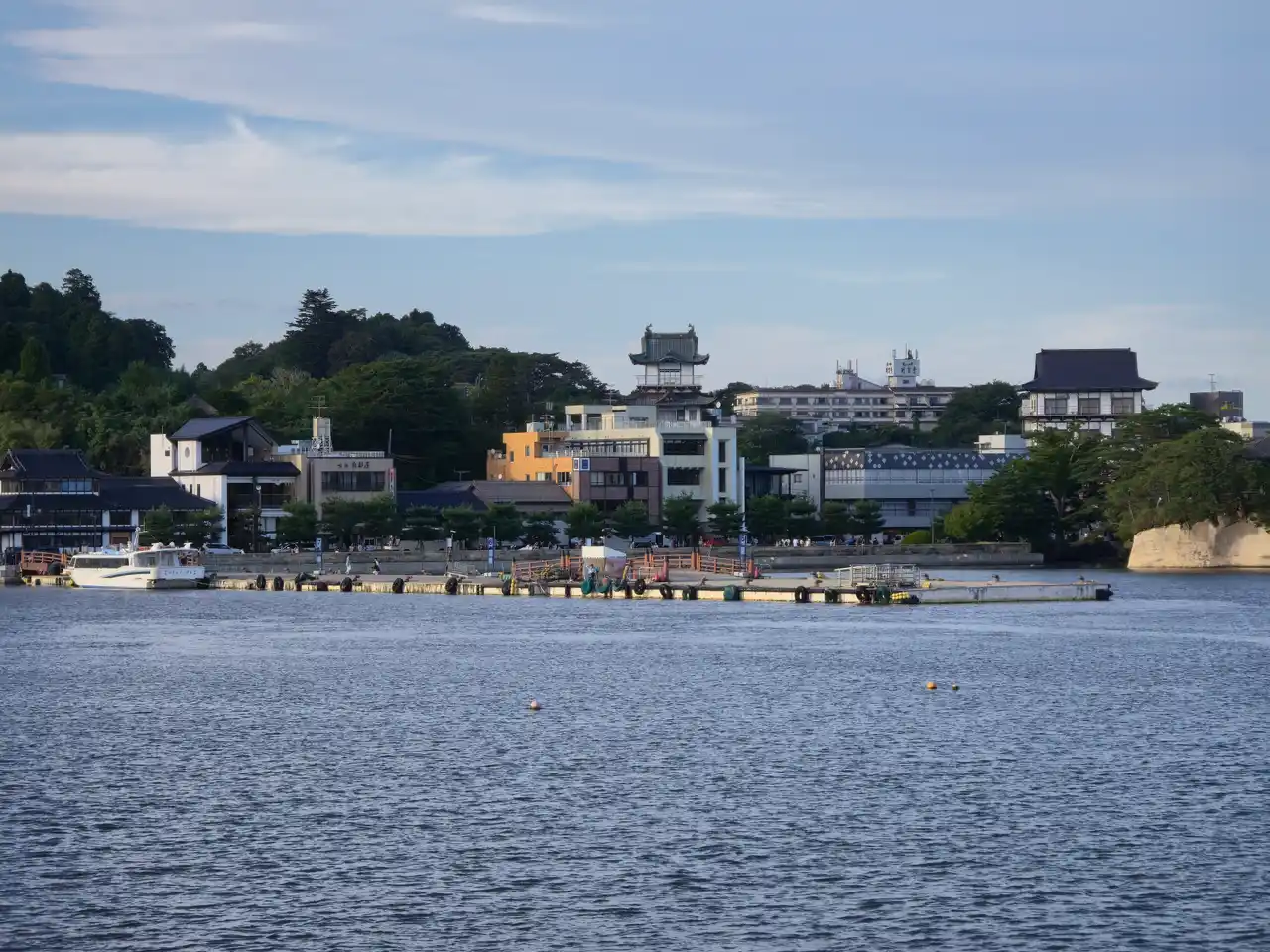
Take a look back at the pier we came from.
Godaido Temple
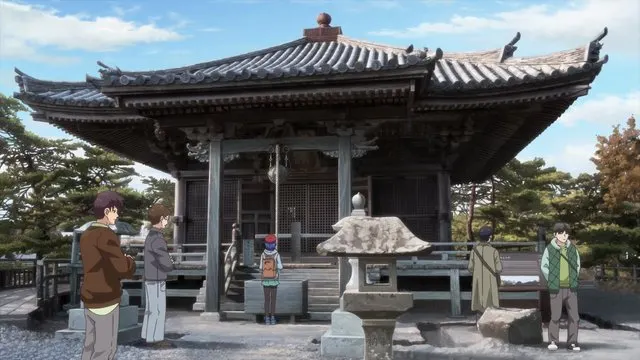
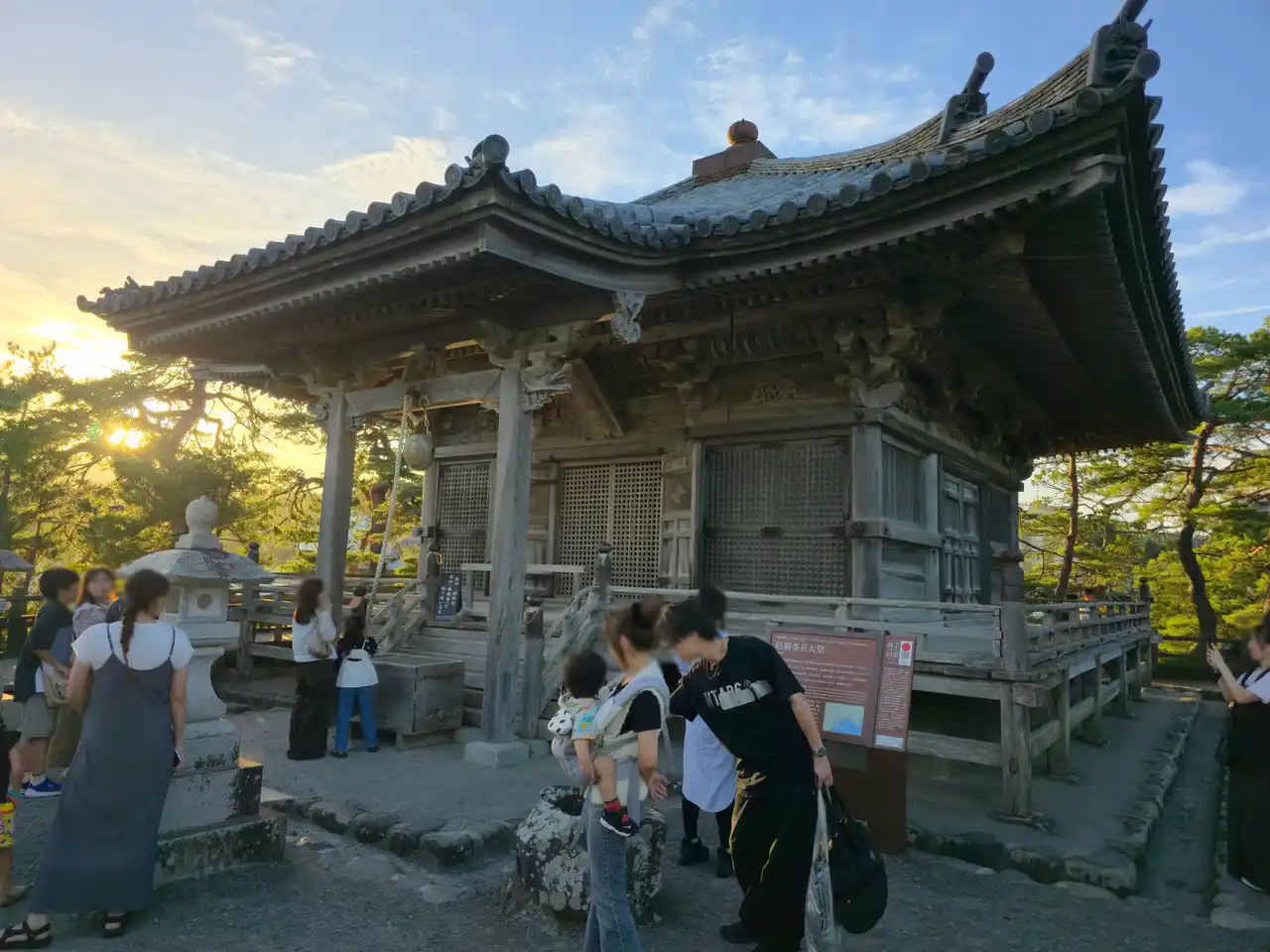
Even close to closing time, there are still so many people!
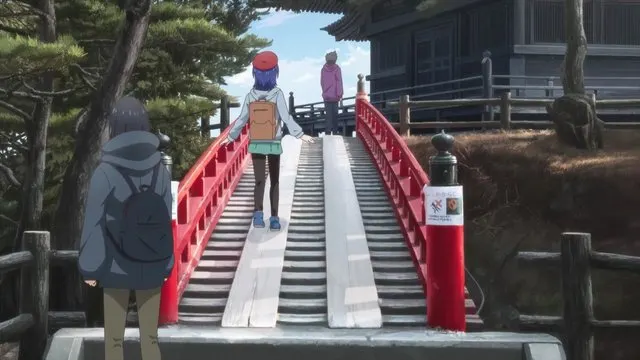
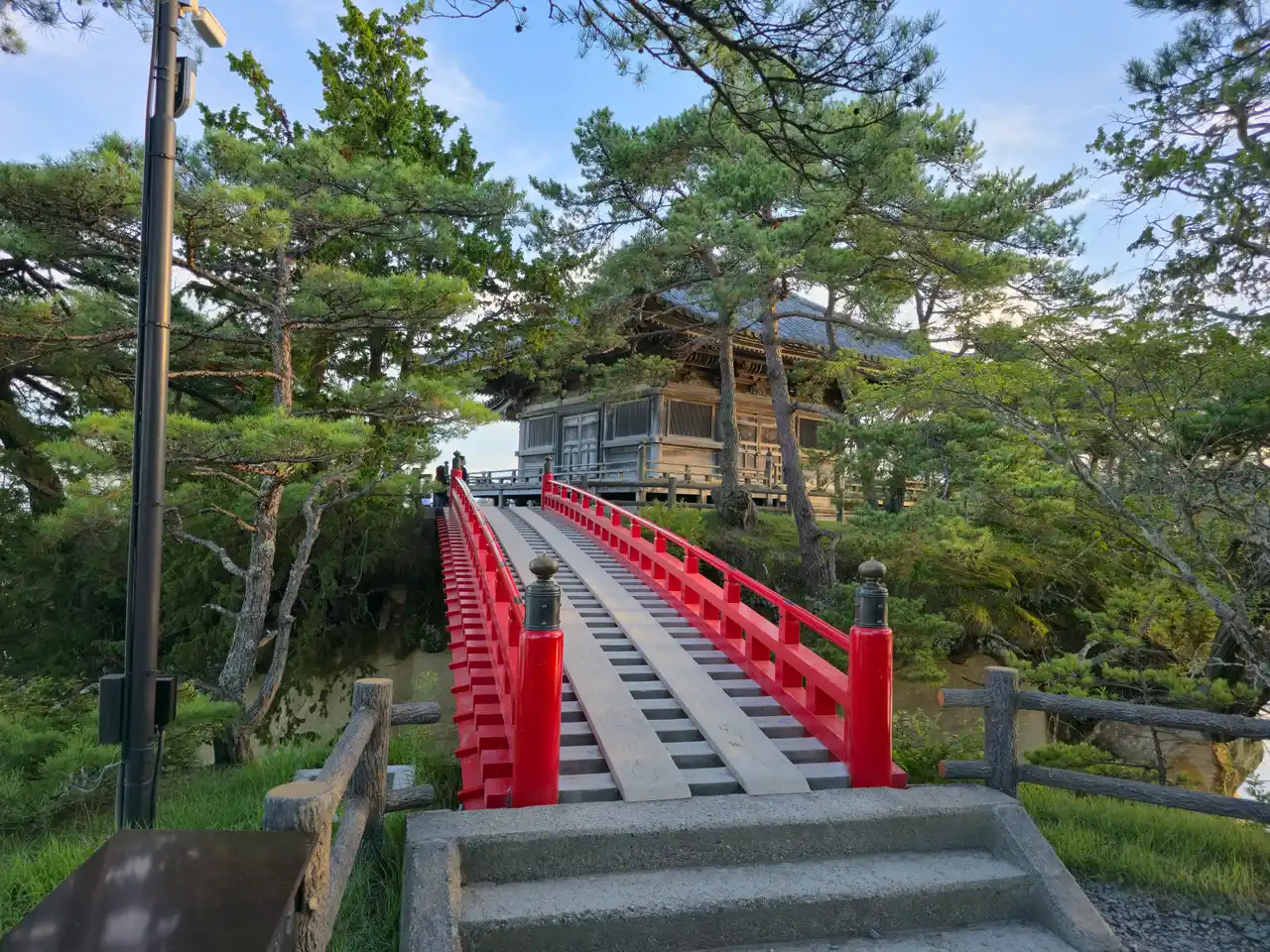
Unashin Ishidaya
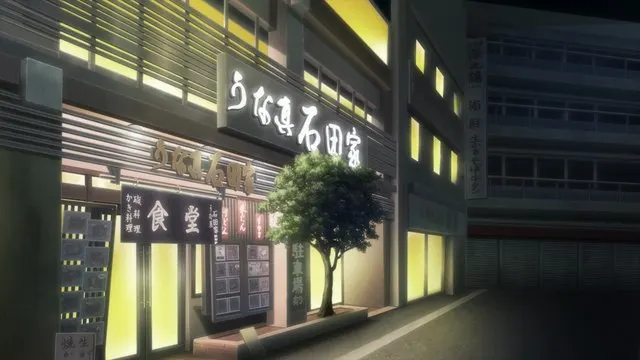
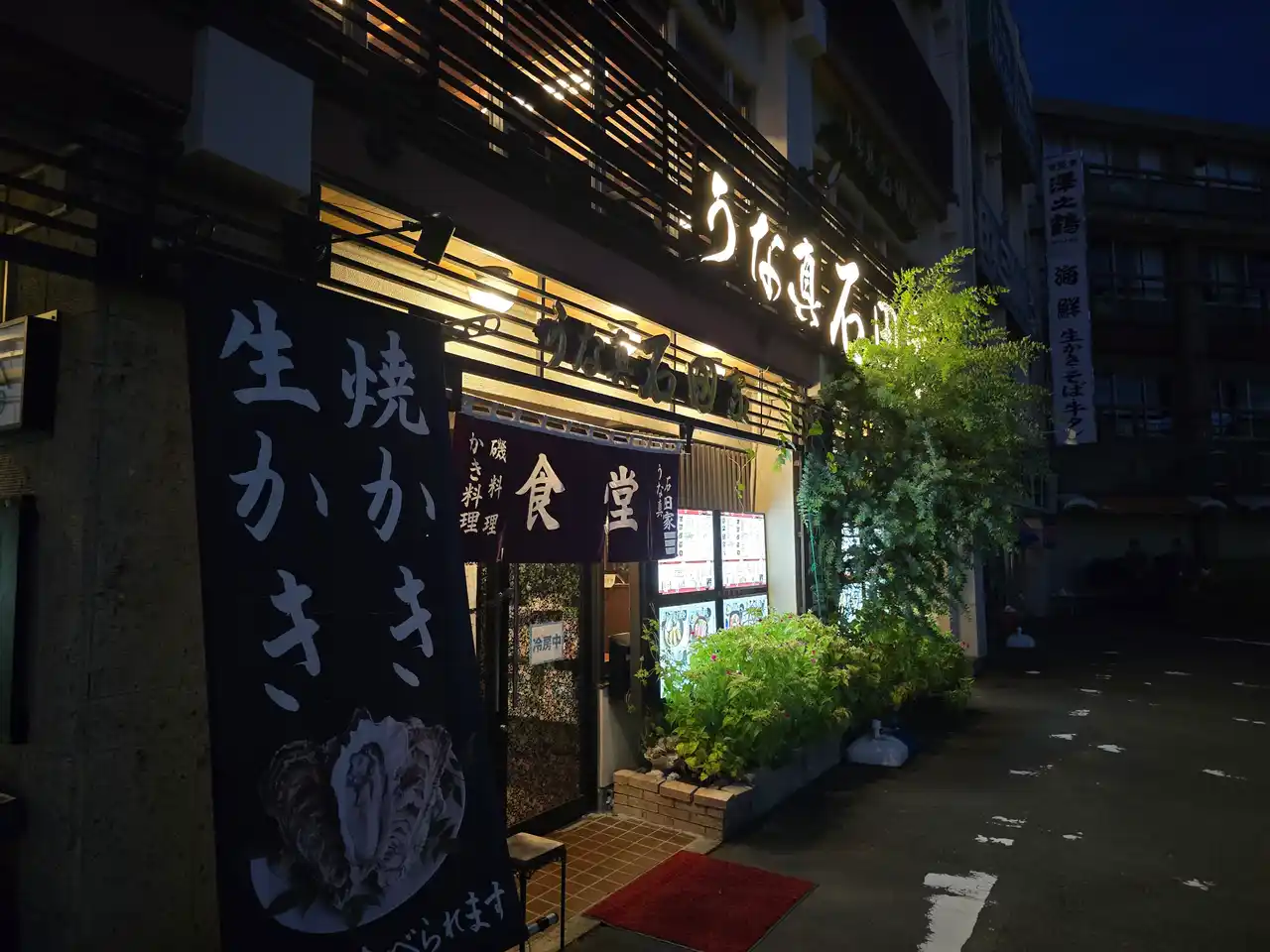
Compared to the anime, the trees in real life have grown quite a bit!
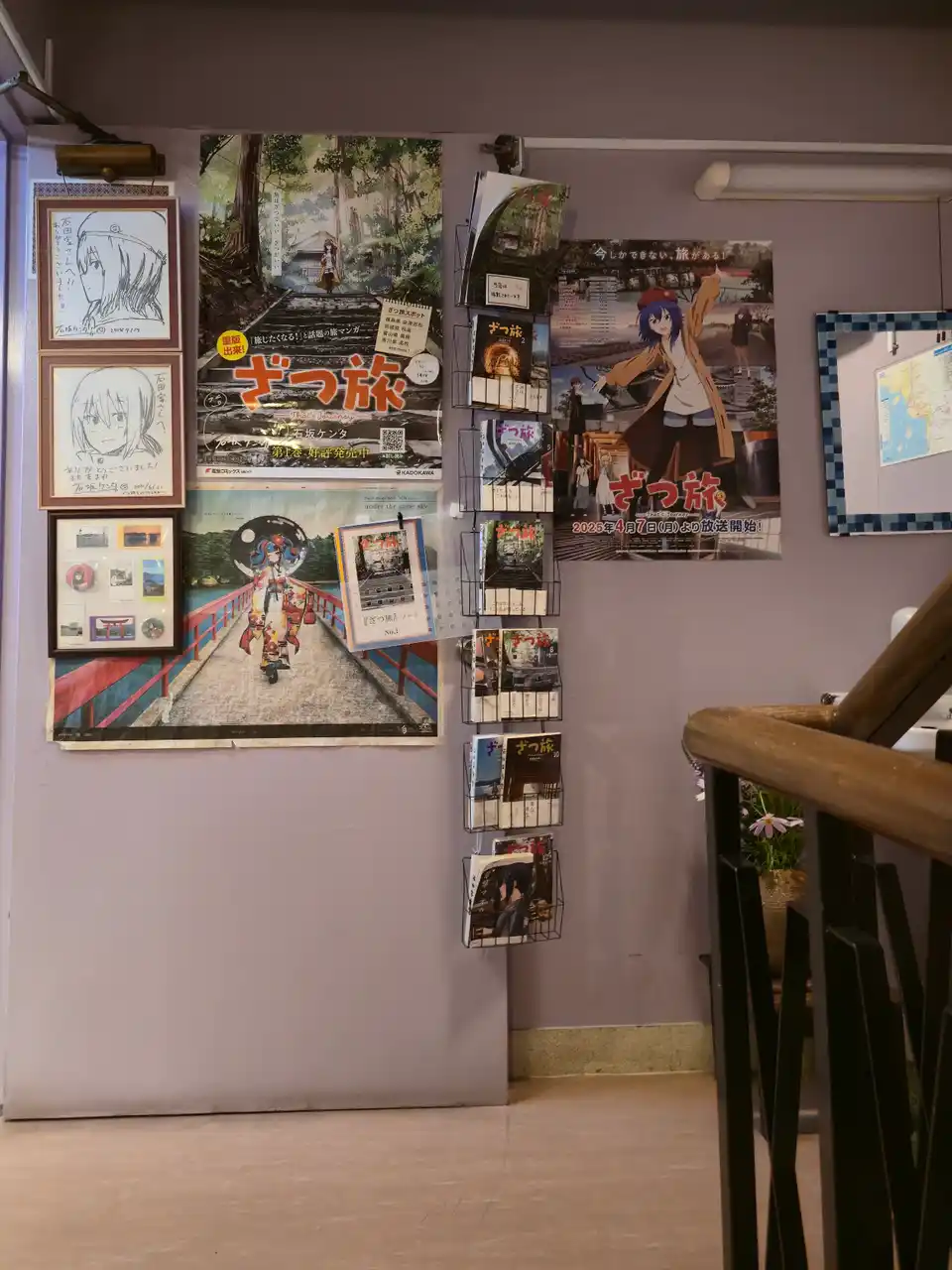
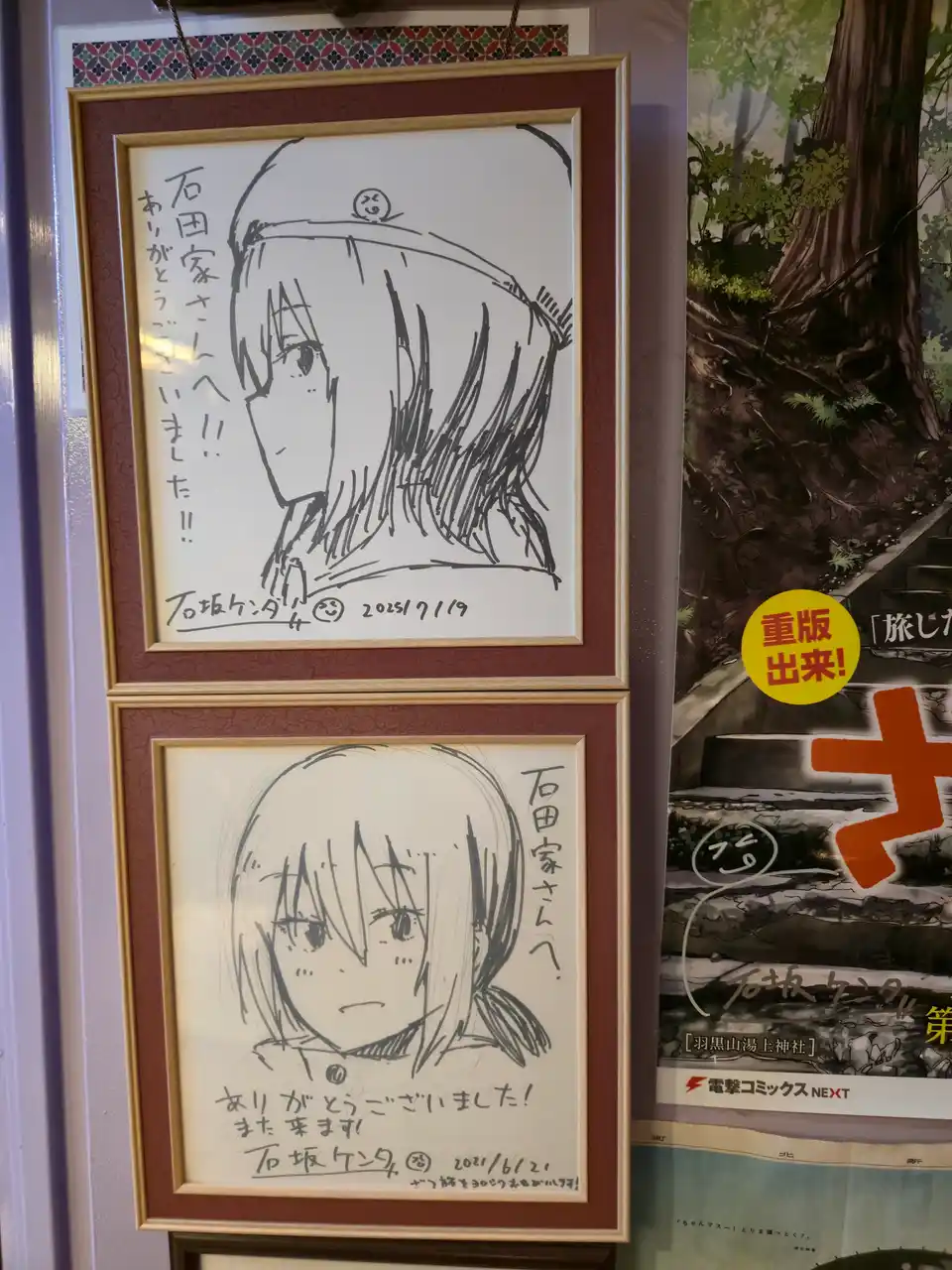
When we entered the shop and said we were on a pilgrimage to the anime's real-life locations, the staff warmly showed us the author's autograph.
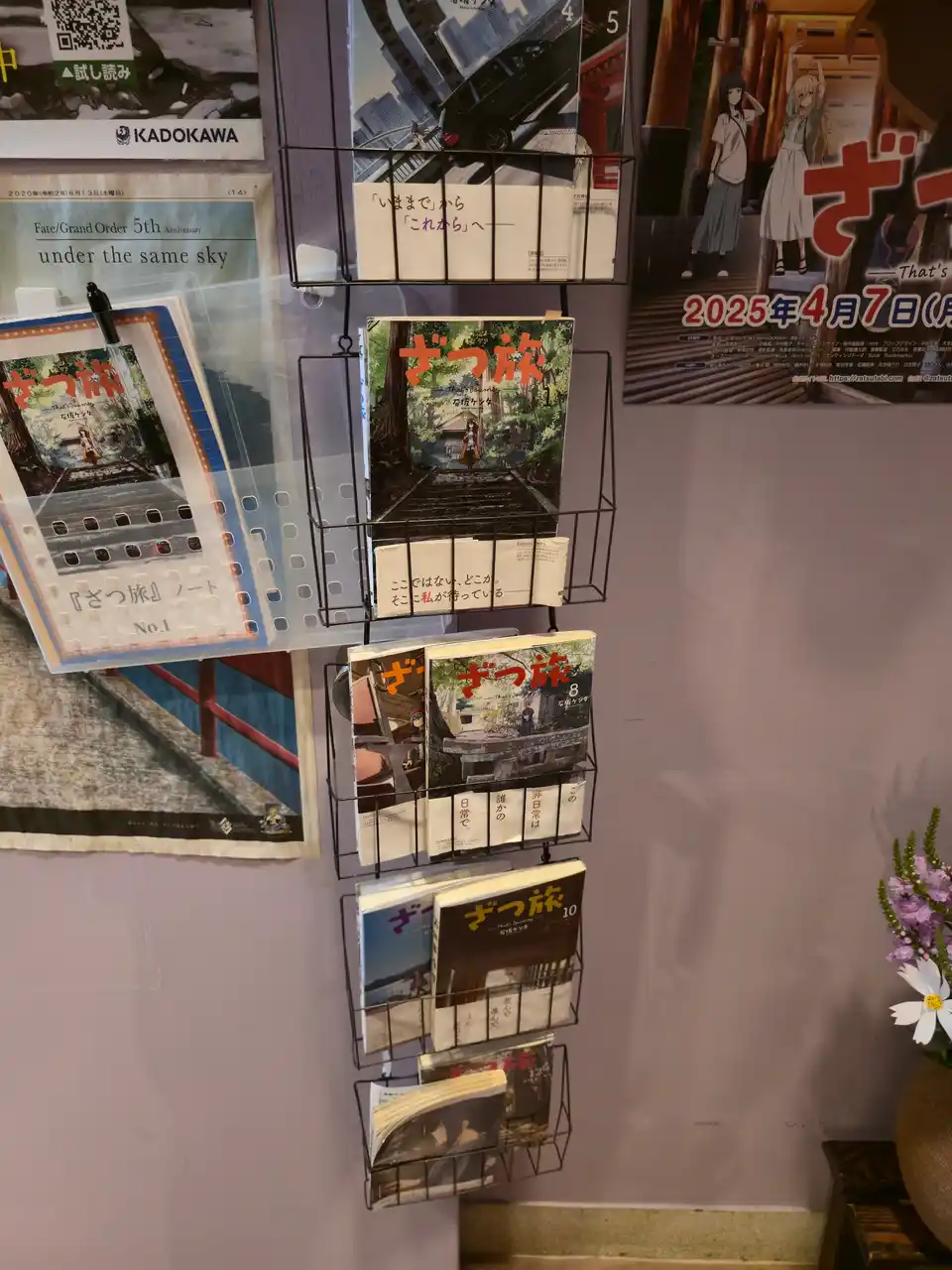
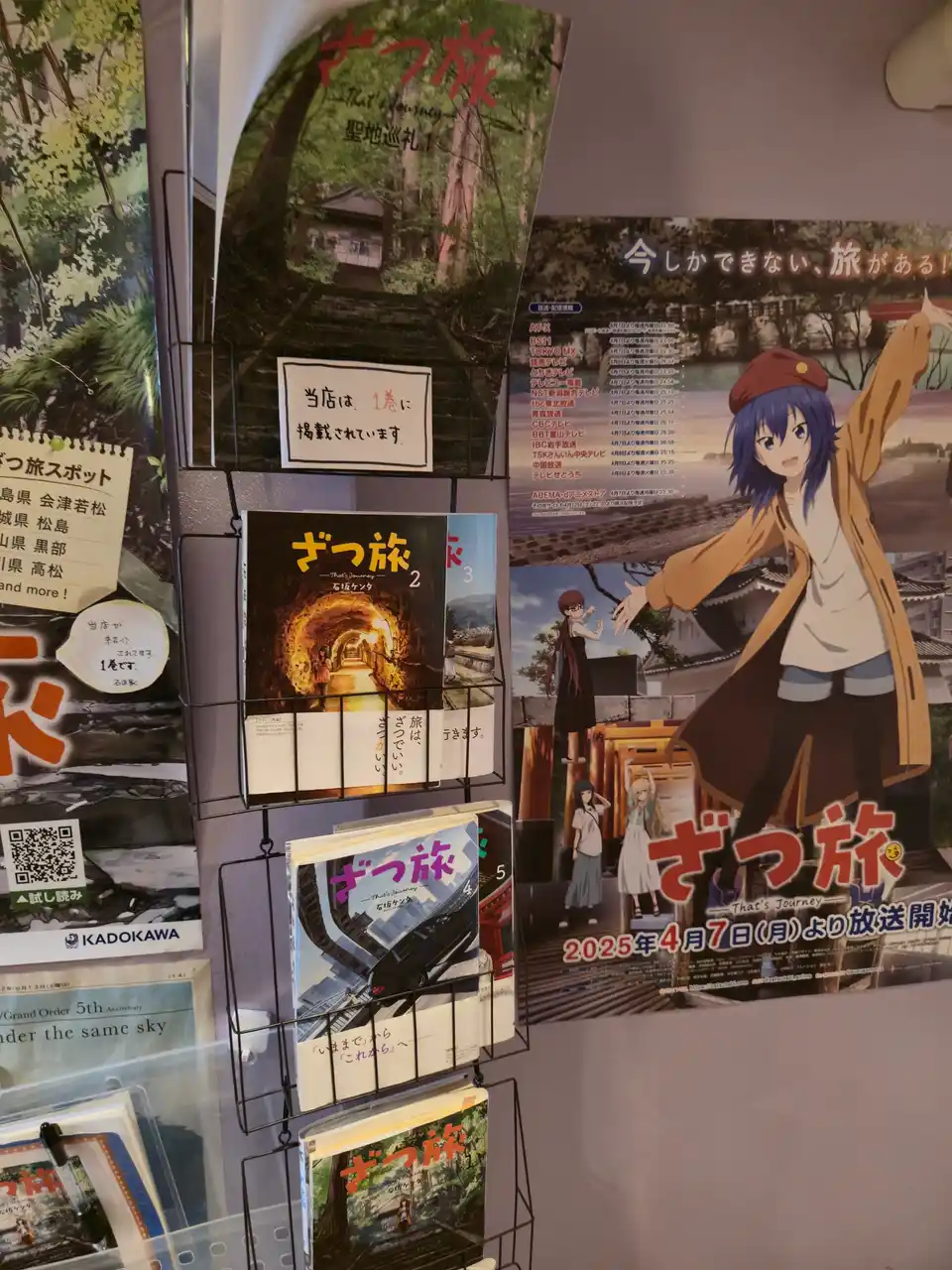
There were also the original manga and a fan communication notebook.
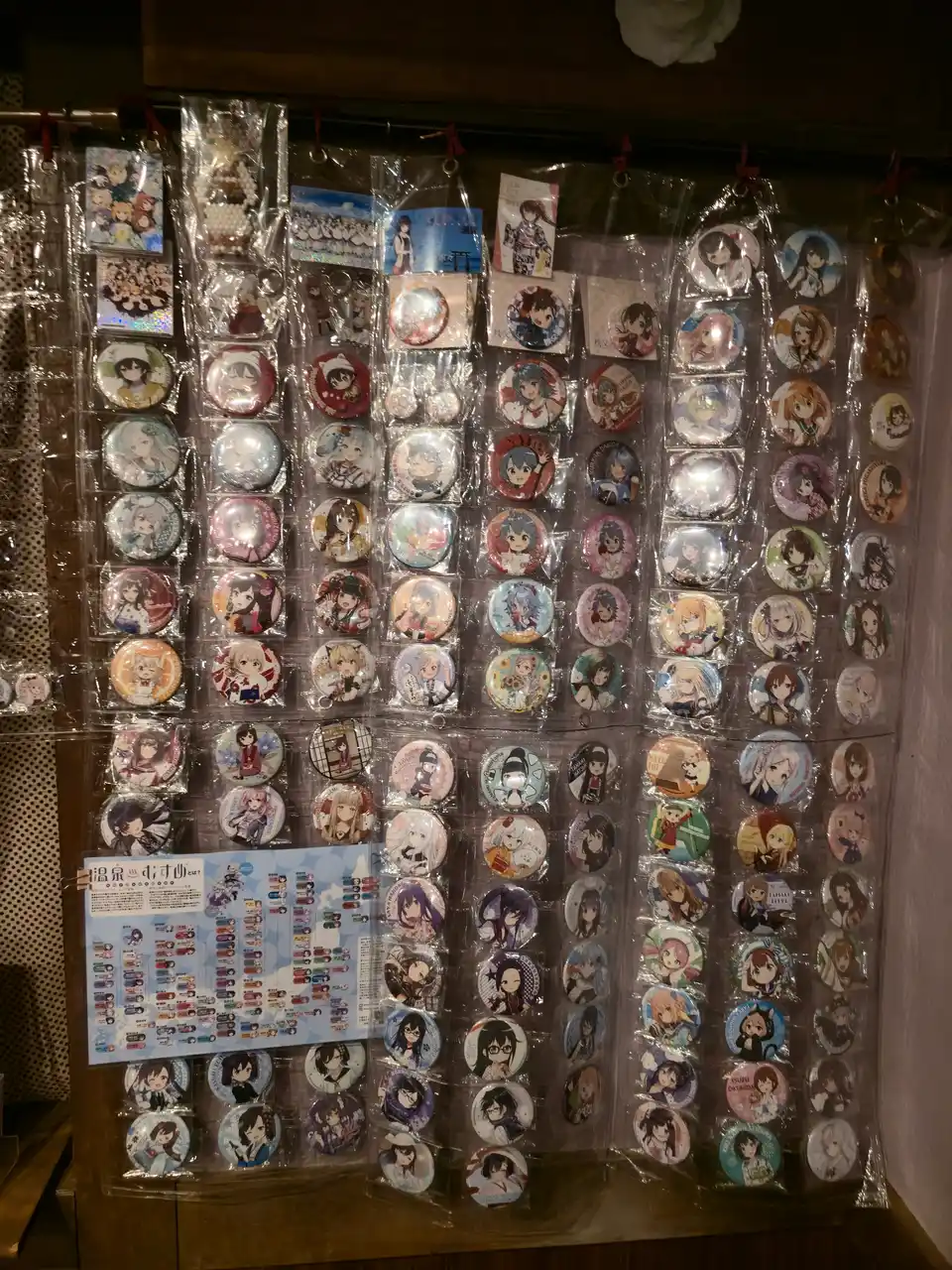
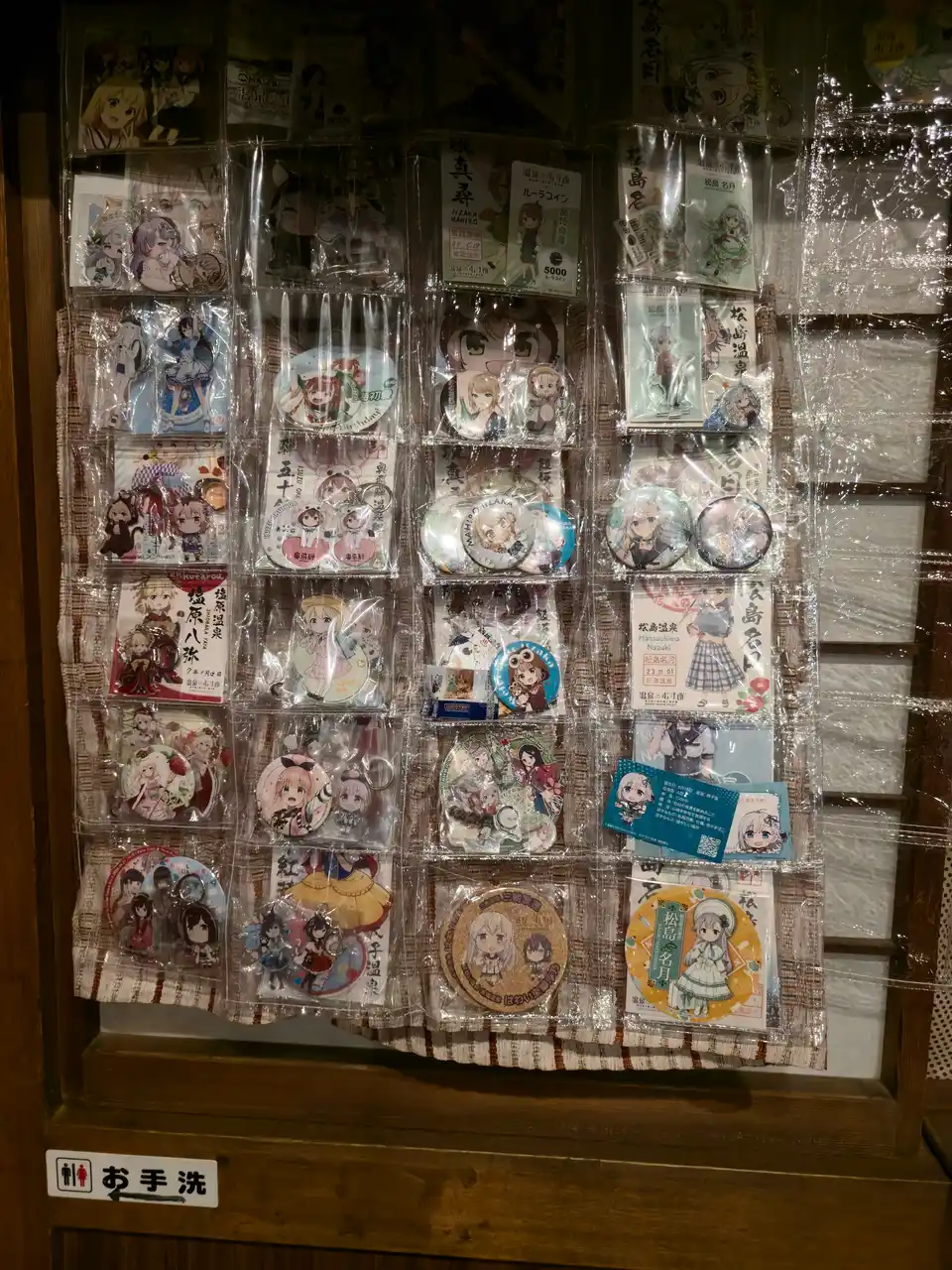
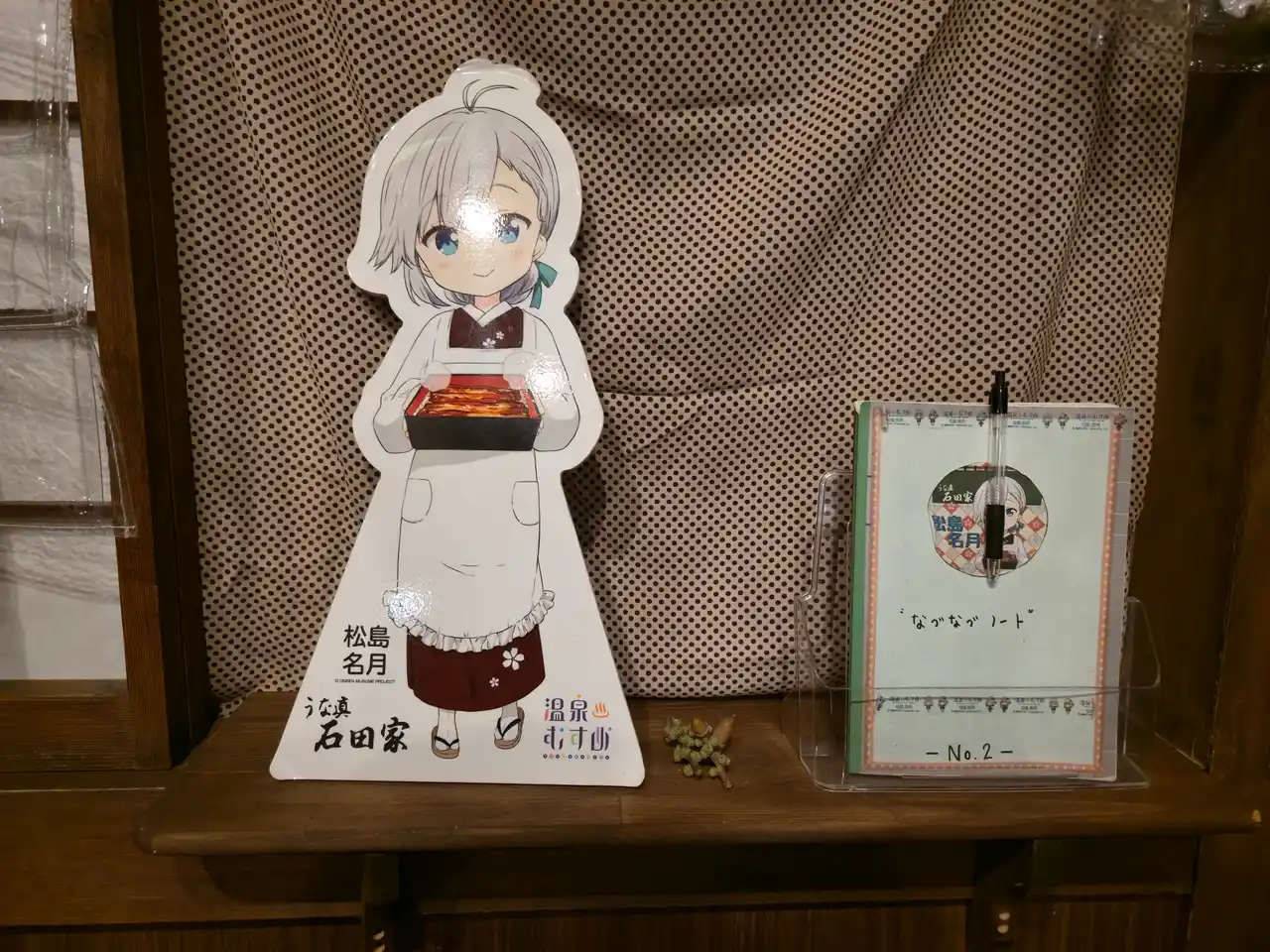
Additionally, the shop had many elements from Onsen Musume.
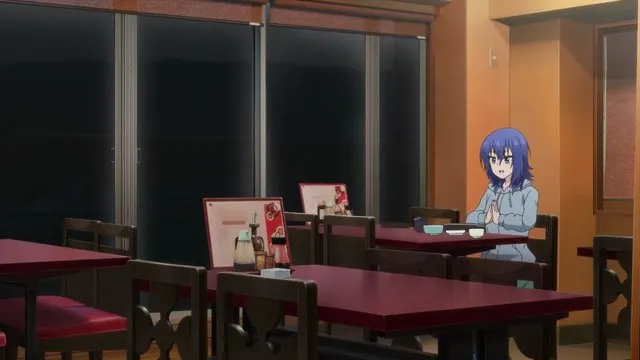
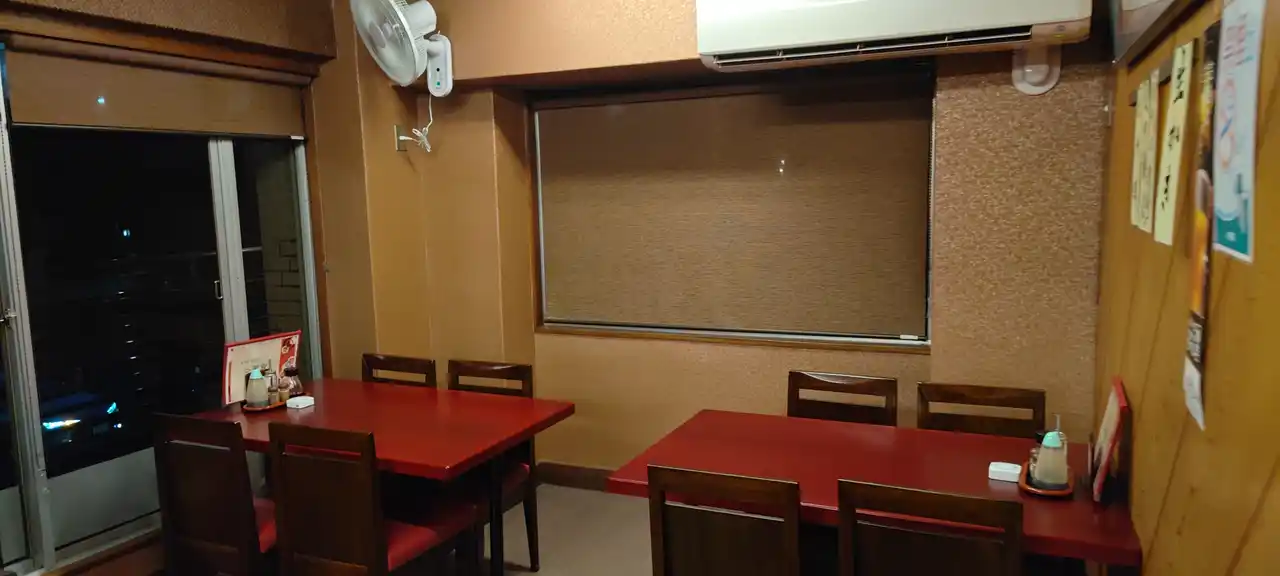
The seat where the protagonist sat.
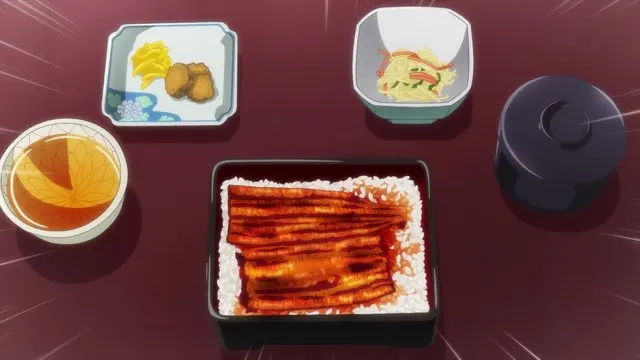
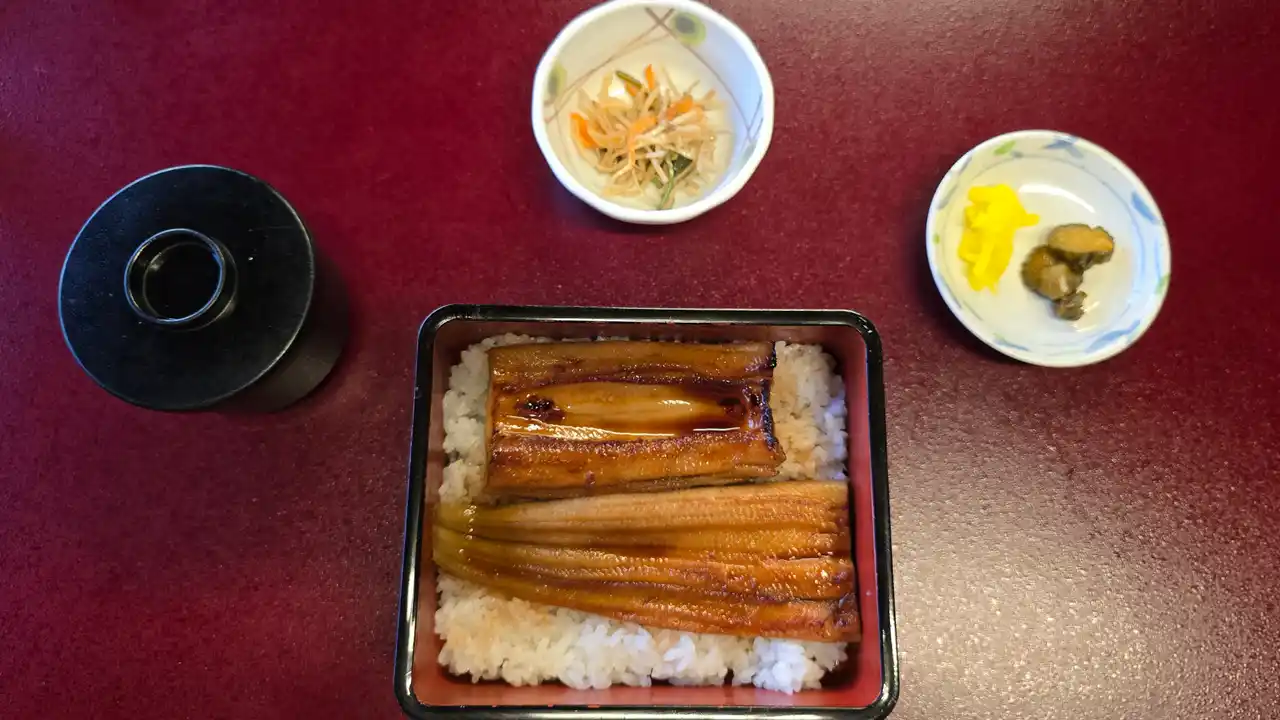
Ordered the same conger eel kabayaki as in the anime.
By the way, I'm not sure why, but compared to the anime, one side dish (soup) was missing.
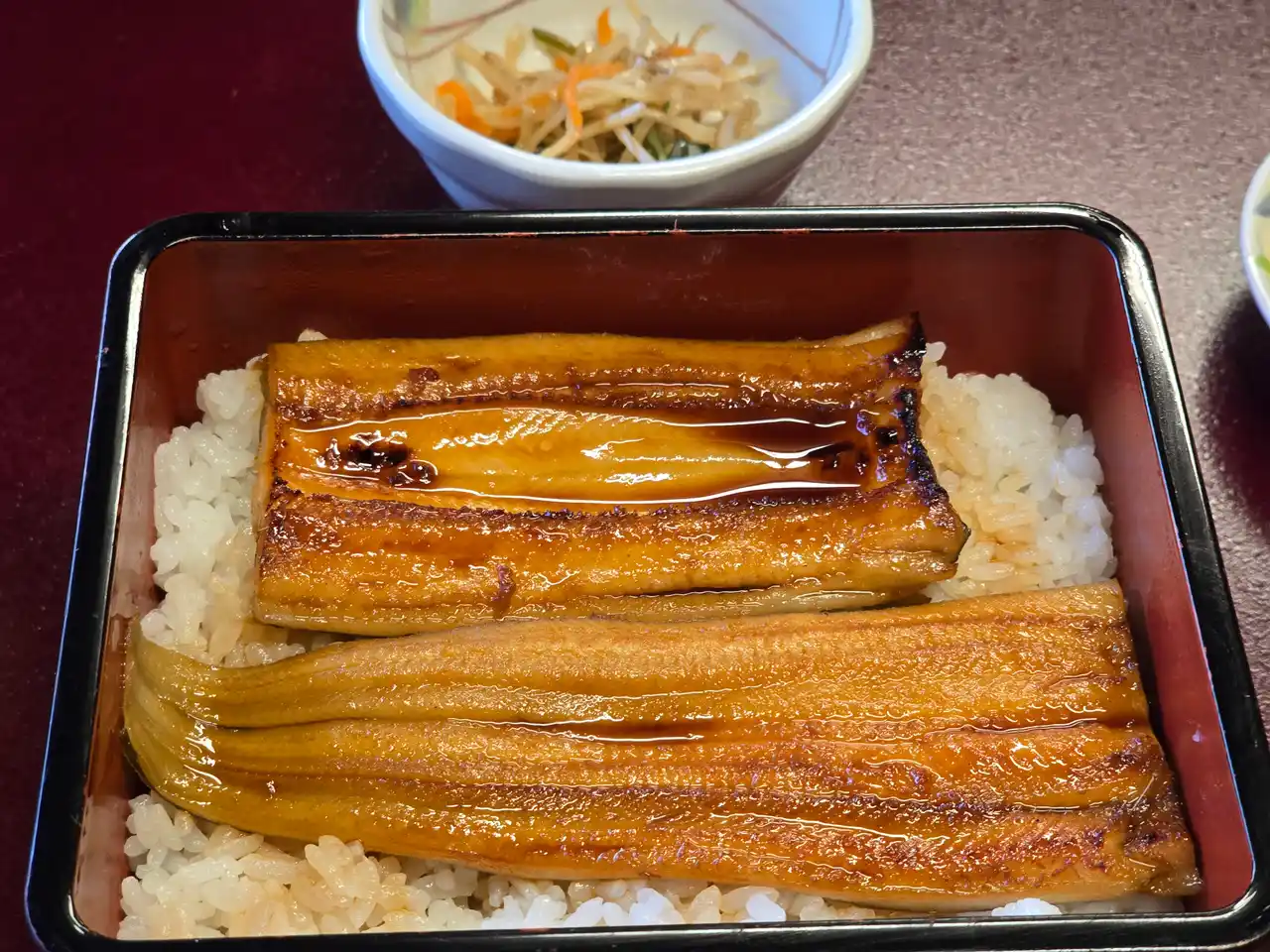
A close-up.
It was indeed very delicious, no less than eel; the author really knows how to choose.
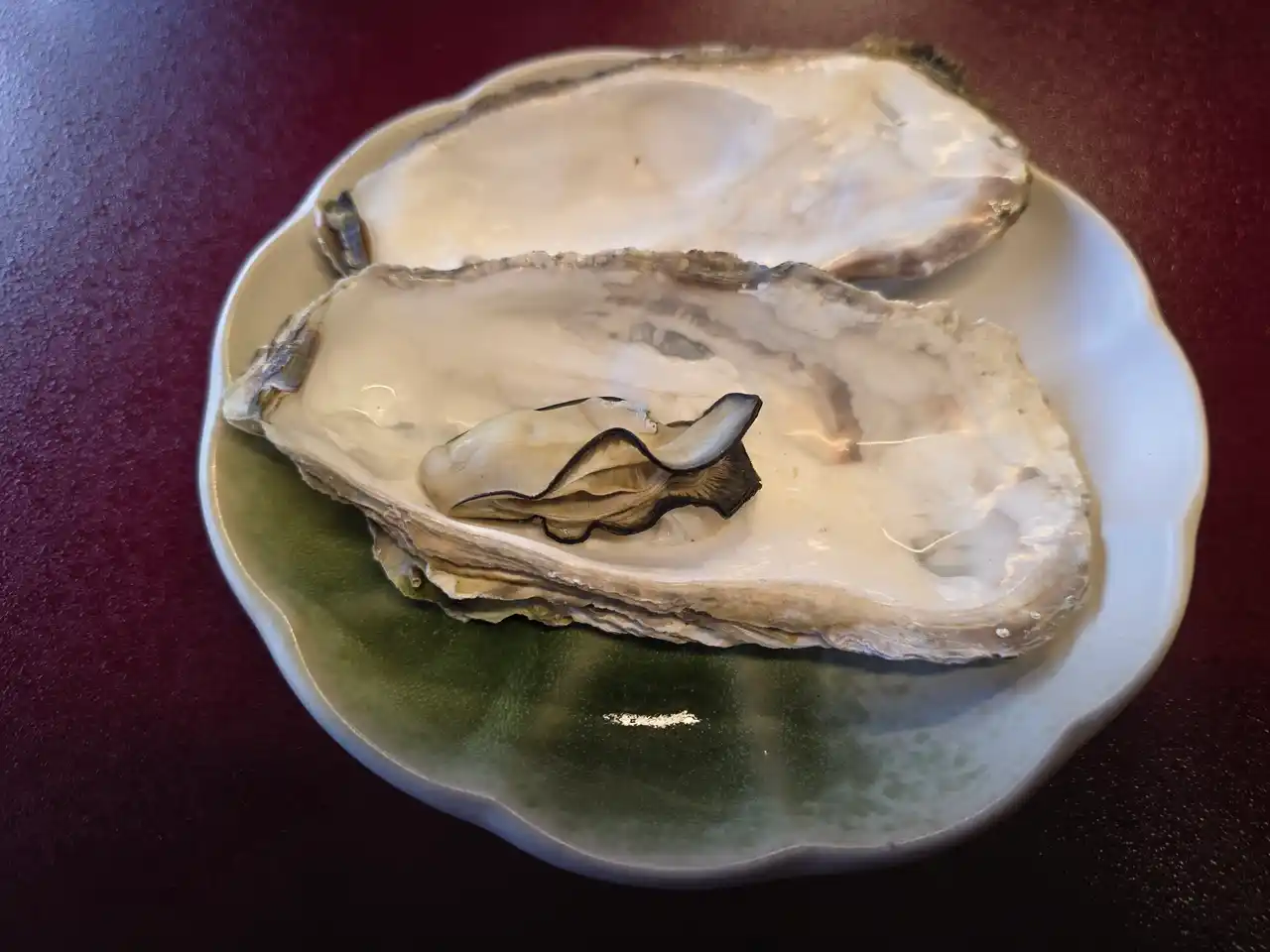
Also added a grilled oyster.
This was my first time eating a grilled oyster, and it tasted different from what I imagined.
Conclusion
That's all for this pilgrimage to Matsushima.
Aside from the crowds, the overall experience was quite good. The scenery of the many small islands truly deserves to be called one of the Three Views of Japan.
If you ever get a chance to visit Sendai, Japan, why not come and explore Matsushima?